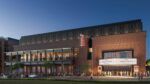
Developers of the planned Waldorf Astoria Residences St. Petersburg are designing the 50-story tower to exceed baseline hurricane standards, as storm risk reshapes waterfront luxury development.
The project, a joint venture between PMG, Feldman Equities and City Office REIT, is expected to become the tallest building in St. Petersburg and will include 163 residences, 73,000 square feet of office space and ground-floor retail.
The emphasis on storm resilience comes as the development has surpassed $100 million in presales, a level developers use to support construction financing and signal buyer confidence.
Nick McManus, part of the development team, said the building is being engineered to maintain basic livability during outages while reducing exposure to storm surge and wind damage.
“It’s top of mind for buyers,” McManus said.
The design centers on four primary elements: expanded backup power, deployable flood barriers, an elevated and waterproofed foundation and impact-rated glazing.
The standby generator system goes beyond standard life-safety requirements. In addition to elevators, fire alarms and emergency lighting, individual units will maintain limited power for refrigeration, lighting and outlets.
“Our standby generator is bigger than your average building,” he said. “We’re allowing residents to still comfortably live in their unit.”
Under full occupancy, the system could operate for several days depending on usage.
Flood protection will rely on deployable barriers installed at ground-level openings, including storefronts. The systems can be deployed within hours as a storm approaches.
“We can get these up in less than a day,” he said.
Below grade, the building incorporates waterproofing membranes, hydrostatic pressure barriers and engineered drainage systems designed to prevent water intrusion from storm surge, tides and heavy rainfall. The structure is also elevated above street level to reduce flood exposure.
The façade will use hurricane-rated glazing designed to withstand extreme winds and airborne debris. Developers are also formalizing storm protocols during construction, requiring contractors to secure the site ahead of forecasted events.
The resilience strategy is shaping how the building is designed and sold.
Buyers committing several million dollars before delivery are underwriting not only the unit but also the building’s ability to perform through future storm cycles.
READ: TAMPA BAY BUSINESS NEWS
That scrutiny extends beyond finishes and amenities to infrastructure, elevation and surrounding land constraints.
Recent sales activity suggests that approach is gaining traction. Buyers have cited factors such as long-term view protection and limited redevelopment risk along the waterfront as part of their decision-making, alongside the brand and amenity package.
In Tampa Bay’s evolving condo market, resilience is becoming part of the value proposition rather than a compliance requirement.
For projects like the Waldorf Astoria tower, that shift ties directly to pricing, financing and long-term asset stability in a coastal market where storm exposure is constant.
Stay Informed
Stay up to date on Tampa Bay business news, executive profiles and the companies shaping the region.