
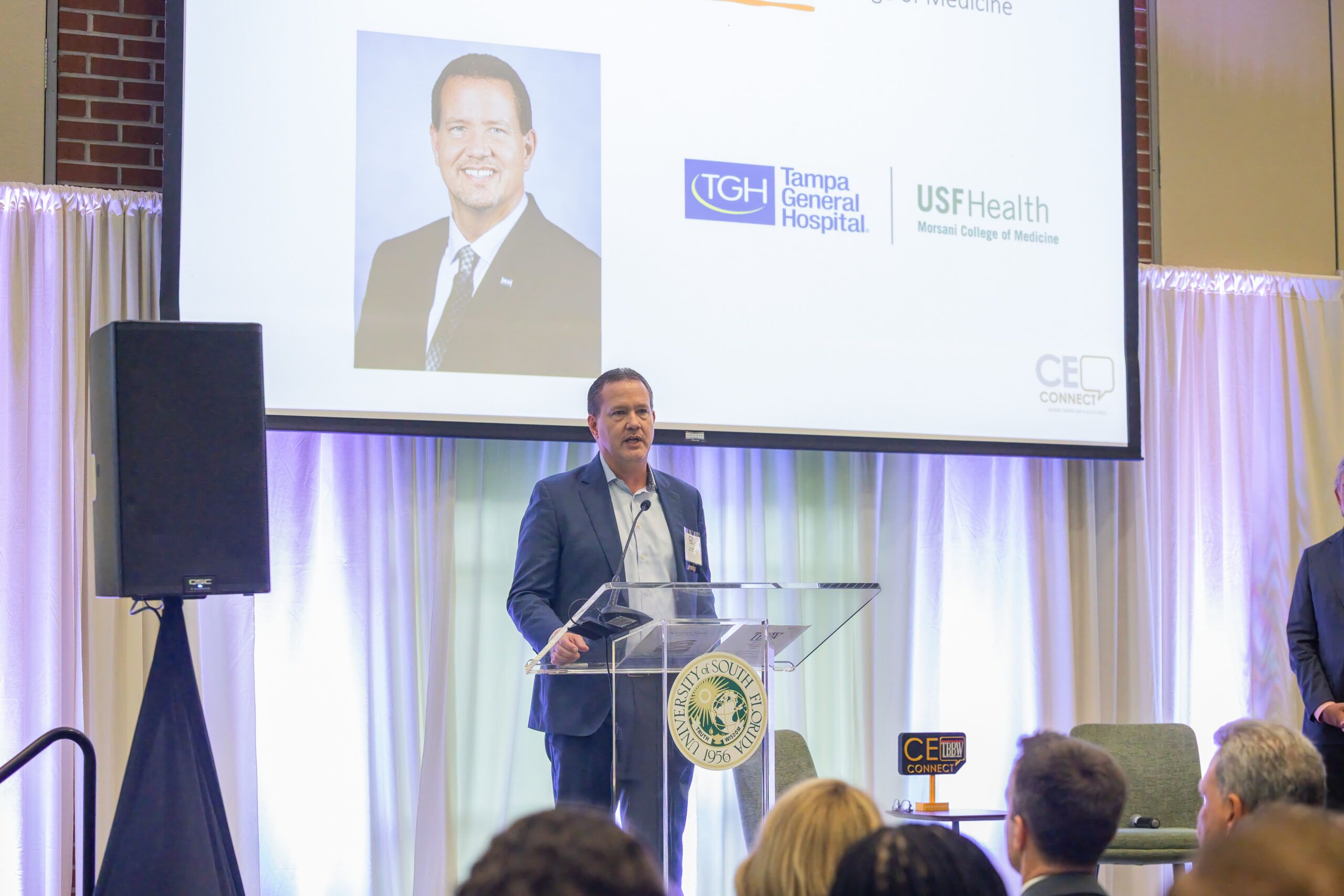
Bob Clark
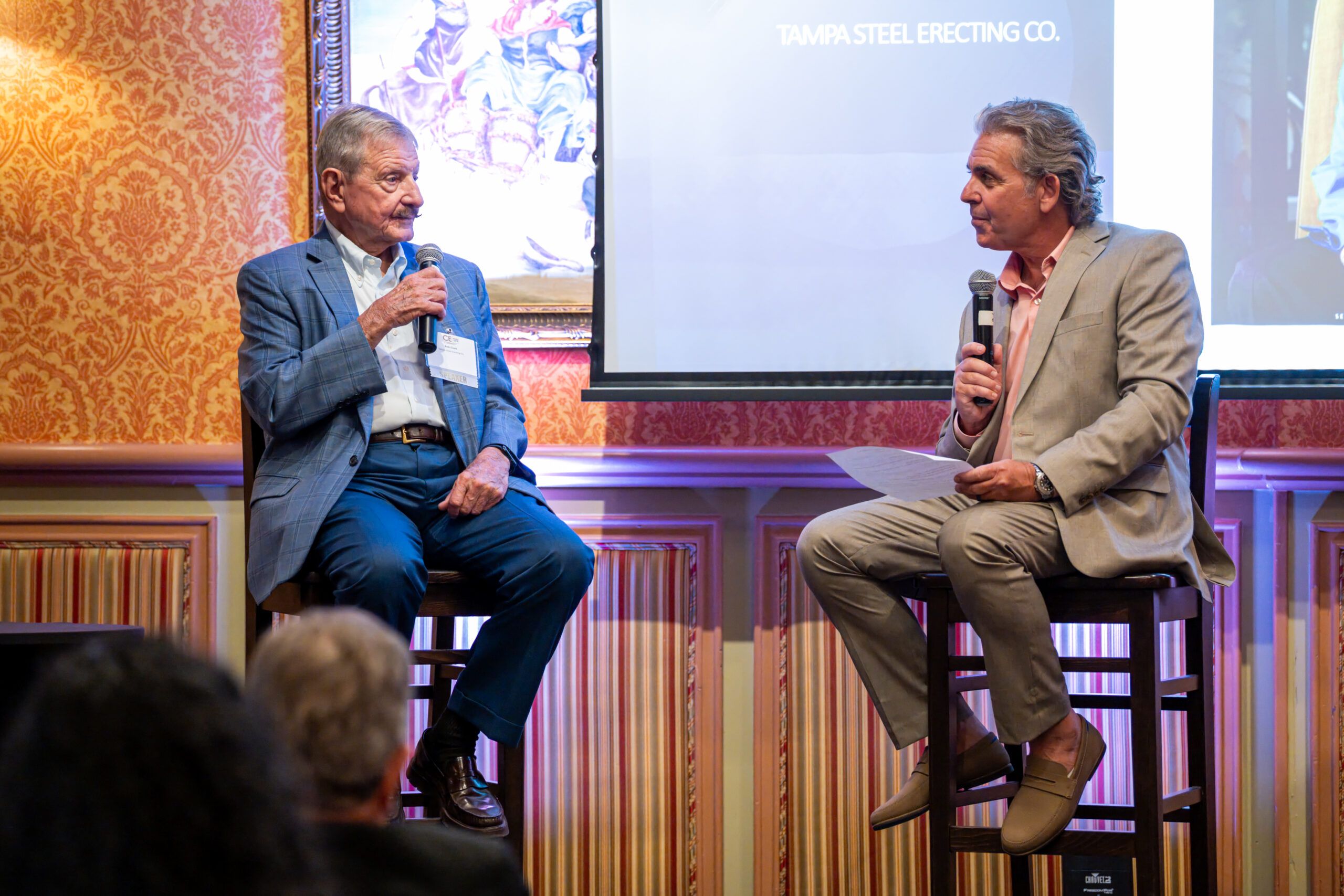
Tampa Steel president Bob Clark discusses selling the family business, surviving construction slowdowns, changing his approach to leadership and bringing Tampa’s business community together at Table 100 in the Columbia Restaurant.
Presented by
Bob Clark on Tampa Steel, leadership and Table 100
Open a question to begin reading. This conversation has been edited for length and clarity.
You have a seating system for Table 100 at the Columbia. How does it work?
There are a lot of people who need to meet each other, and I try to have them at lunch together, sometimes at the same table and sometimes right close together. If you’re a newcomer, you go to the far left so you can see how everybody spills out there and get a feel for how we lie about how smart and pretty we are.
When we moved here in 2001, Armando was our waiter, and he had also been the waiter at the Spanish Park previously. He waited on us for probably the first 20 years, so there wasn’t a lot of change.
You said selling Tampa Steel was not bittersweet. What made the buyer the right fit?
I sold to a good group, and I’m pleased to be associated with Rick Brandt, a nice, unpretentious sort of guy who knows how to pick winners. Not just race cars — companies, the chemical business.
Hopefully, by the time I eventually retire, he will be proud of the people I have there, and I’m pleased to be associated with him. That’s what made it the right fit.
What should owners of a family business consider when they start thinking about an exit?
When investment groups want to buy a company, what they’re looking at is your multiples of earnings, but we also had a valuable plant that they didn’t want to factor in. I’m jealous of you if you’re in a rented office where you don’t have a lot of overhead, because then you can just worry about cash flow.
You described Tampa Steel as “all dressed up with no place to go.” What happened?
The middle ’70s were good for us, and we were making a lot of money, so we doubled our capacity before the slowdown hit Florida. I had this plant, we had automated our steel fabrication, and there was not a lot of work going on.
The early ’80s were good for us, with Spaceship Earth at Epcot, Tampa City Center and Shamu Stadium at SeaWorld among the projects we worked on. But by the late ’80s, there was another slowdown, and fast-track construction almost put us out of business.
How did fast-track construction put the business under pressure?
A guy would give you a set of drawings and tell you what it was going to be, and you would start fabricating while he started changing the drawings. You might have your shops working probably 2,000 hours a week, and then somebody revises the drawings.
You’ve got 50 people looking at you, looking for a paycheck, and nothing for them to do while you wait for the new drawings. When those drawings come two months later, you have to do that project and the other work you had committed to. I used to say I was the best steel fabricator, and then I became the best letter writer, because you have to protect yourself.
When asked how you inspired employees, you said, “Just show up.” Why?
When we were one of the small businesses of the year in 2001, they asked the companies what they did to inspire their employees. One president had an open-door policy, and another sent Christmas cards or remembered birthdays. I told them, “Just show up,” and I would say that has been the secret.
You have talked openly about missing Christmas in 1990. What happened, and what changed afterward?
After my divorce, I spent six years celebrating, and I was having so much fun that I missed Christmas in 1990 and went to detox. I used to say I had developed an allergy to alcohol: It made me break out in spots like Las Vegas and New Orleans.
They put me in a place where the door handles were on the outside, and they were going to cure me in 28 days at $1,000 a day. When they found out my group insurance would only pay $3,500, it sounded like they could fix me in a week. It will soon be 36 years, and I’m very pleased with myself.
How did sobriety change the way you led a business with your father and brother?
The 12-step program is based on self-examination, confession, restitution and helping other people, and it made me take a different perspective on how I dealt with my dad and my brother. They were my partners, but I was a little aggressive, and that created a lot of family dissension. We worked through it.
My dad and my brother wanted to get people in front of them, and what I tried to get them to do was delegate more of the work. Over time, I realized that rather than meet them head-on, the best thing was to outflank them and let them know where we were going. It’s all about self-examination: When you know what you’re not doing right, do it differently.
Your granddaughters’ experience led you to support Brookwood in Texas. What did your family need to find?
When my granddaughters came to Tampa, the doctors said they were late bloomers, slow to talk and walk, so I sent them to USF doctors to find out what was wrong. What they decided was that it was genetic, and the girls have autism.
Here in Tampa, there were programs to take children on the spectrum through school, but what our family needed was meaningful work and a place for the girls to live if they outlive their parents. At Brookwood in Katy, Texas, they have a facility where they can live, a job to go to every day and a paycheck. That’s why the family moved to Houston.
You have watched Tampa change for decades. What do you value about the city?
I remember the Miami Herald running an article about the cities competing for the Republican National Convention, and beside Tampa’s name they just put Z’s, like we were a boring little city. In a lot of ways, compared with those other big cities, we are a little town. But we like each other, we promote each other and we help each other.
What does Tampa still need to figure out as it grows?
We need to do something about transportation, and we also need better drainage as the city keeps growing and we keep promoting each other. There are a lot of ideas, but it all costs money. I’m in favor of building more bridges — I could build a bridge over the whole place.
What advice would you give someone who keeps waiting for the next milestone to be happy?
People say they’re going to be happy when this happens or when that happens, but if you’re going to wait to be happy, you’re wasting one hell of a lot of time. Pay attention to the people you’re around, the things you’re doing with them, the things you’re accomplishing with them and the ways you can help them. Enjoy the now.
What milestones did you want to recognize alongside this CEO Connect?
This was the 45th year of topping out Spaceship Earth at Epcot, and that was a big deal because Engineering News-Record picked it as one of the 125 most significant structures ever built. It was compared with things like the Eiffel Tower, the Panama Canal and the Statue of Liberty.
The other thing we’re celebrating in November is 25 years of Table 100 here at the Columbia, and I told Maureen those were the two things I wanted to get done. She’s been a big help to me.
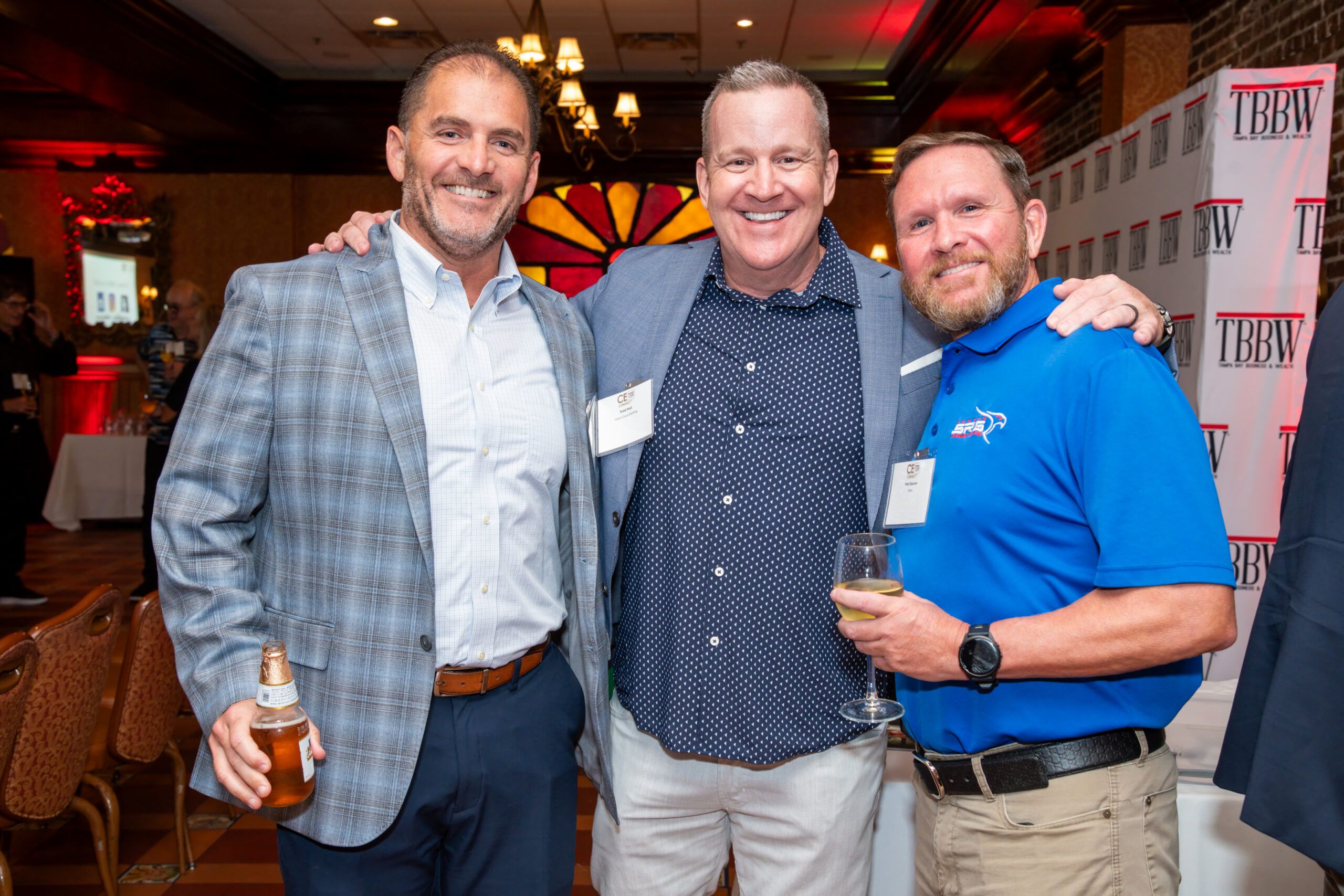
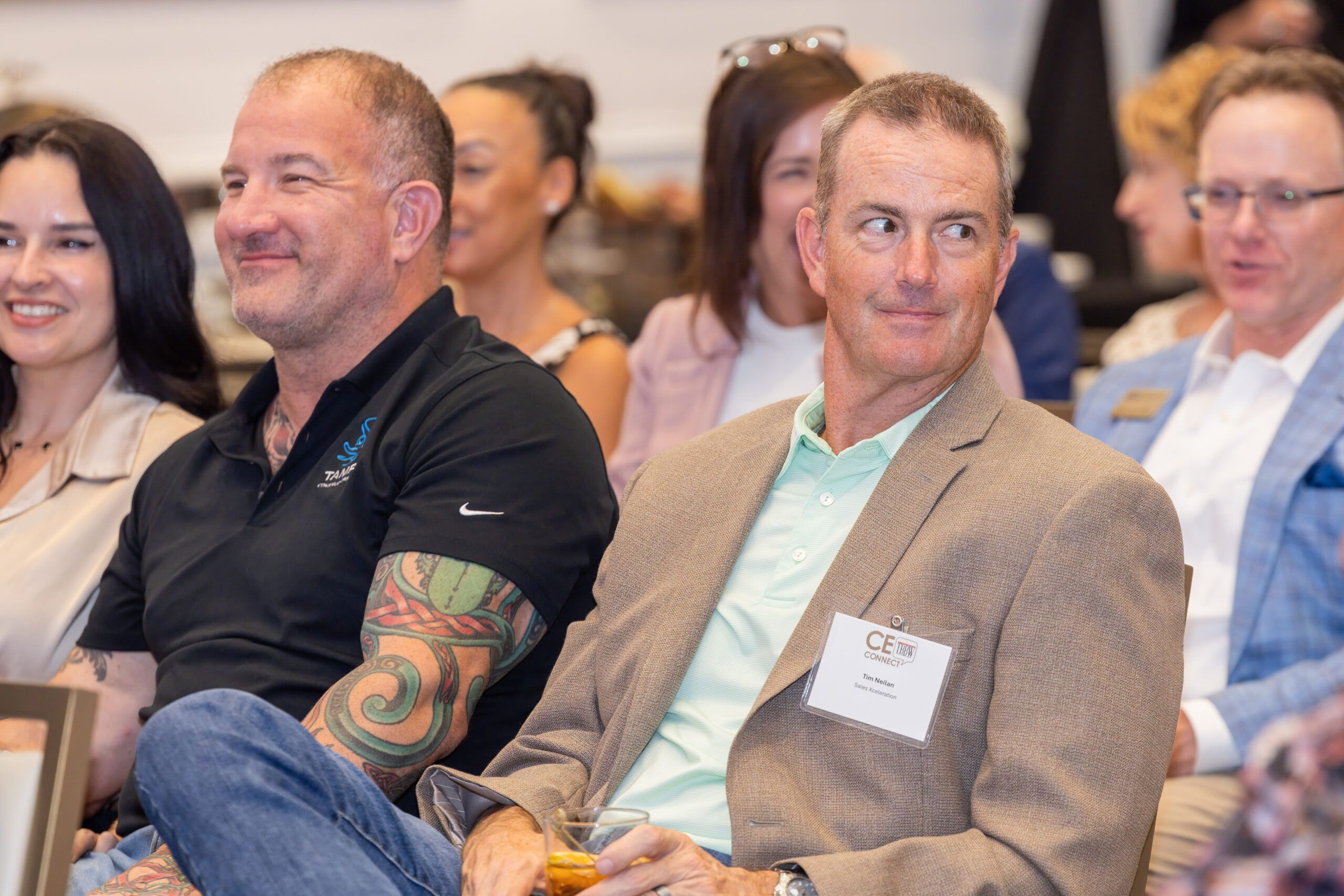
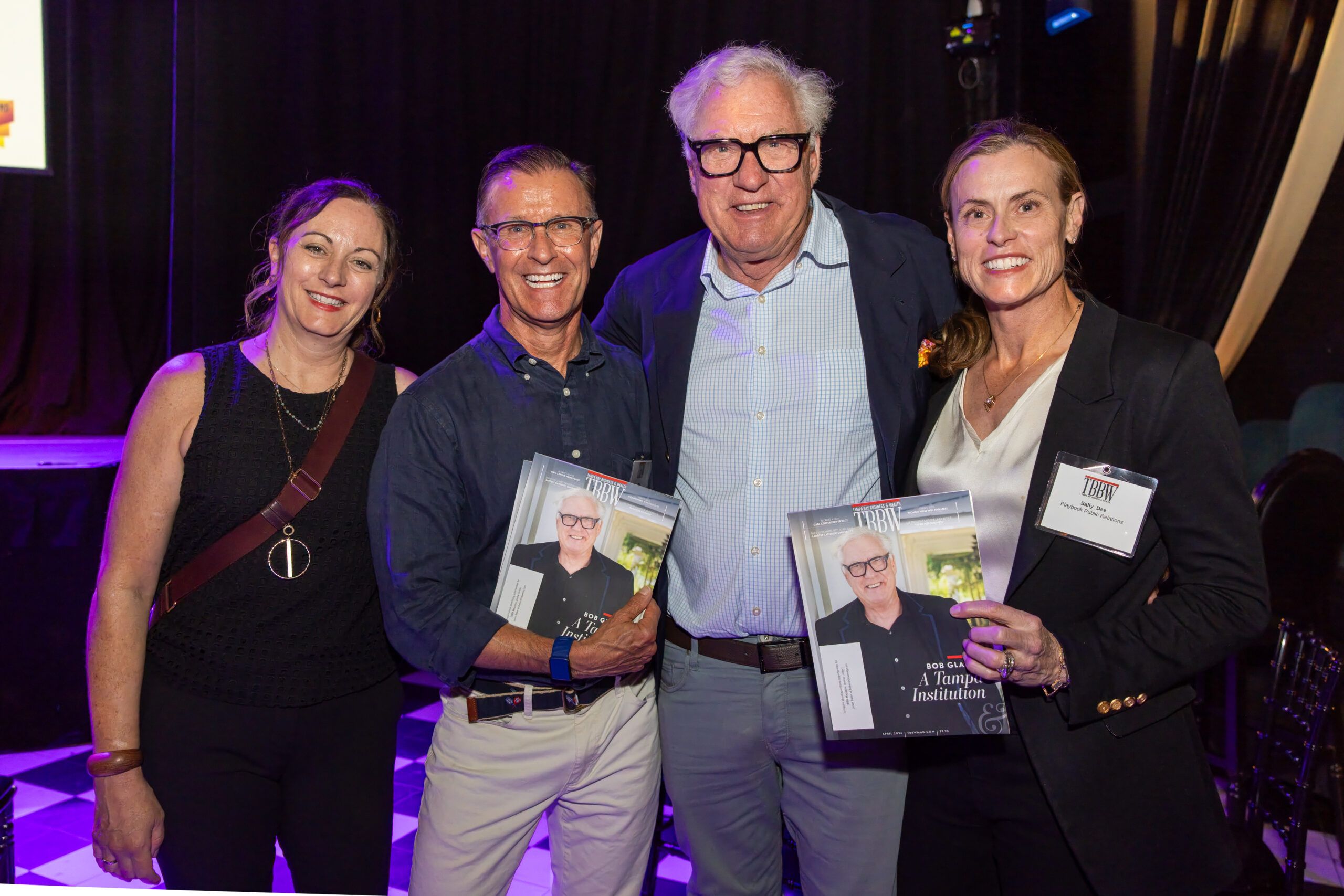
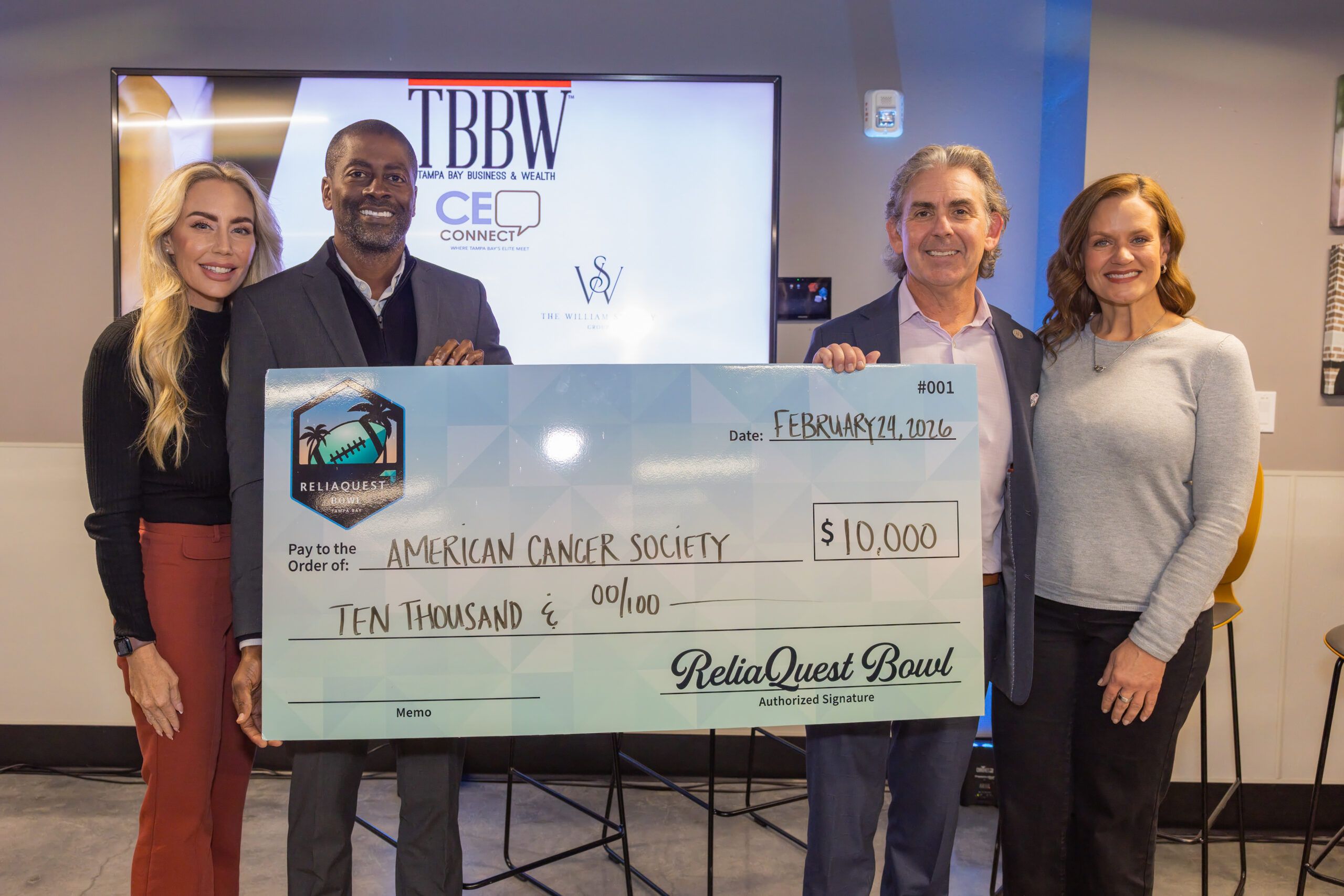
Bob Clark CEO Connect
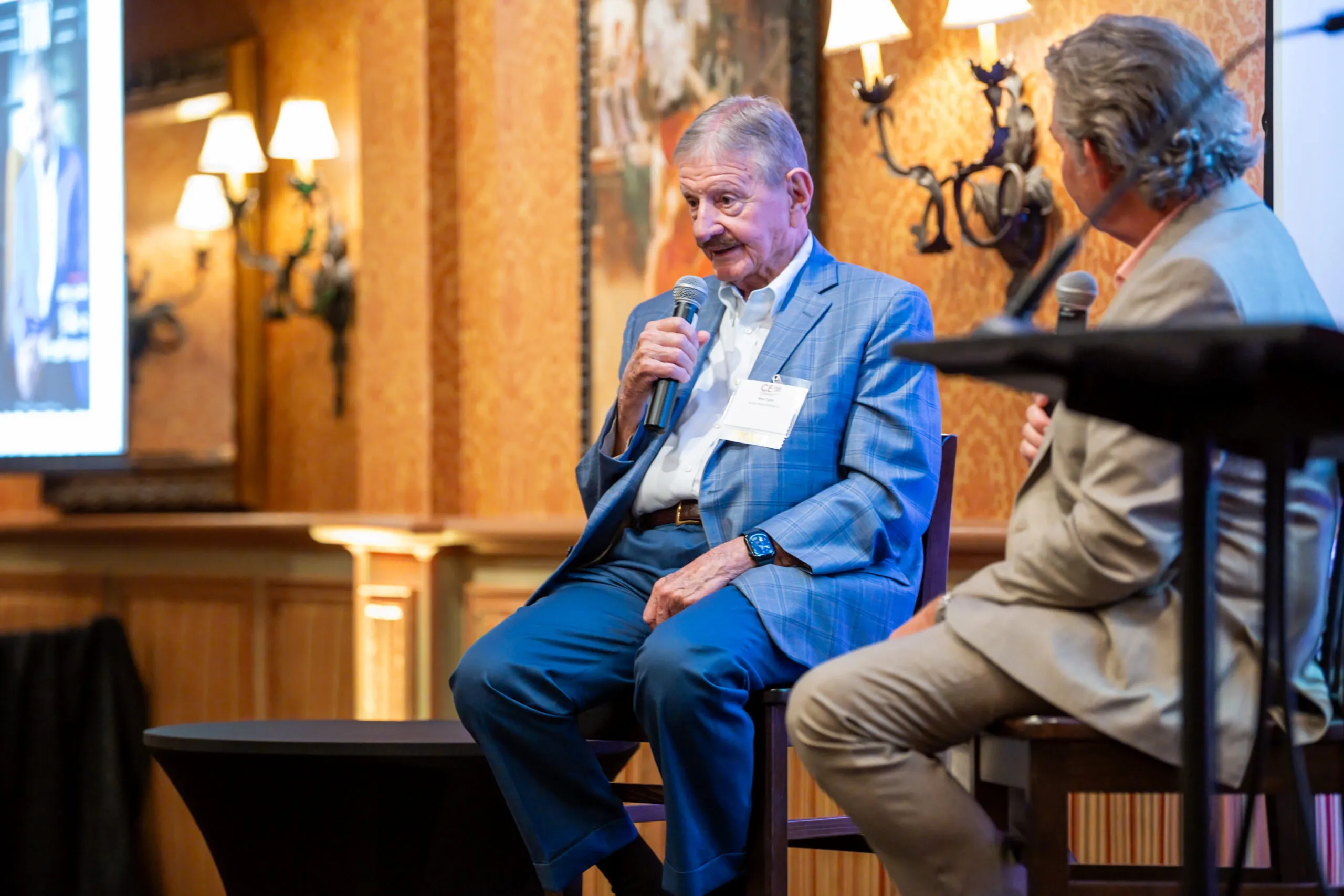
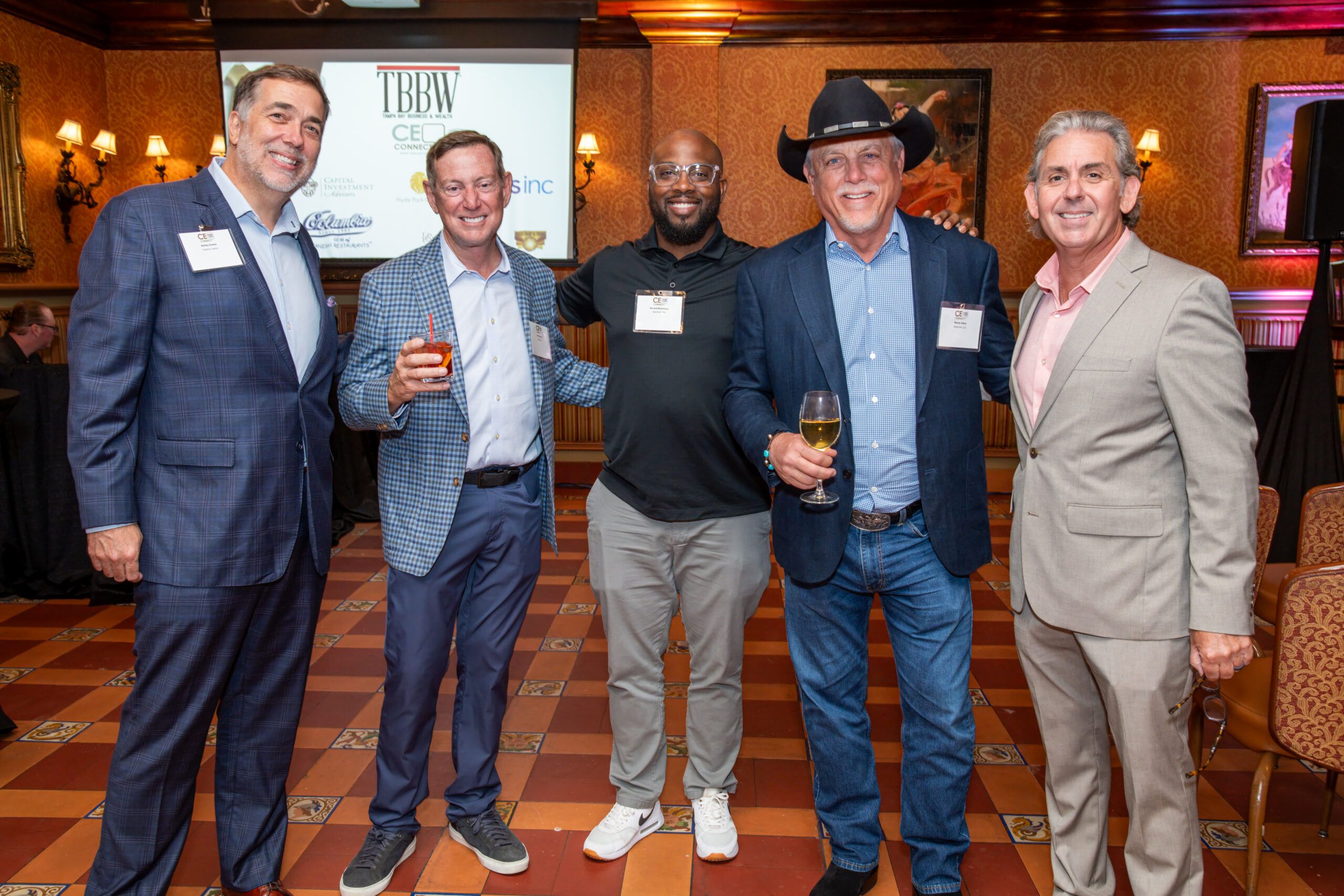
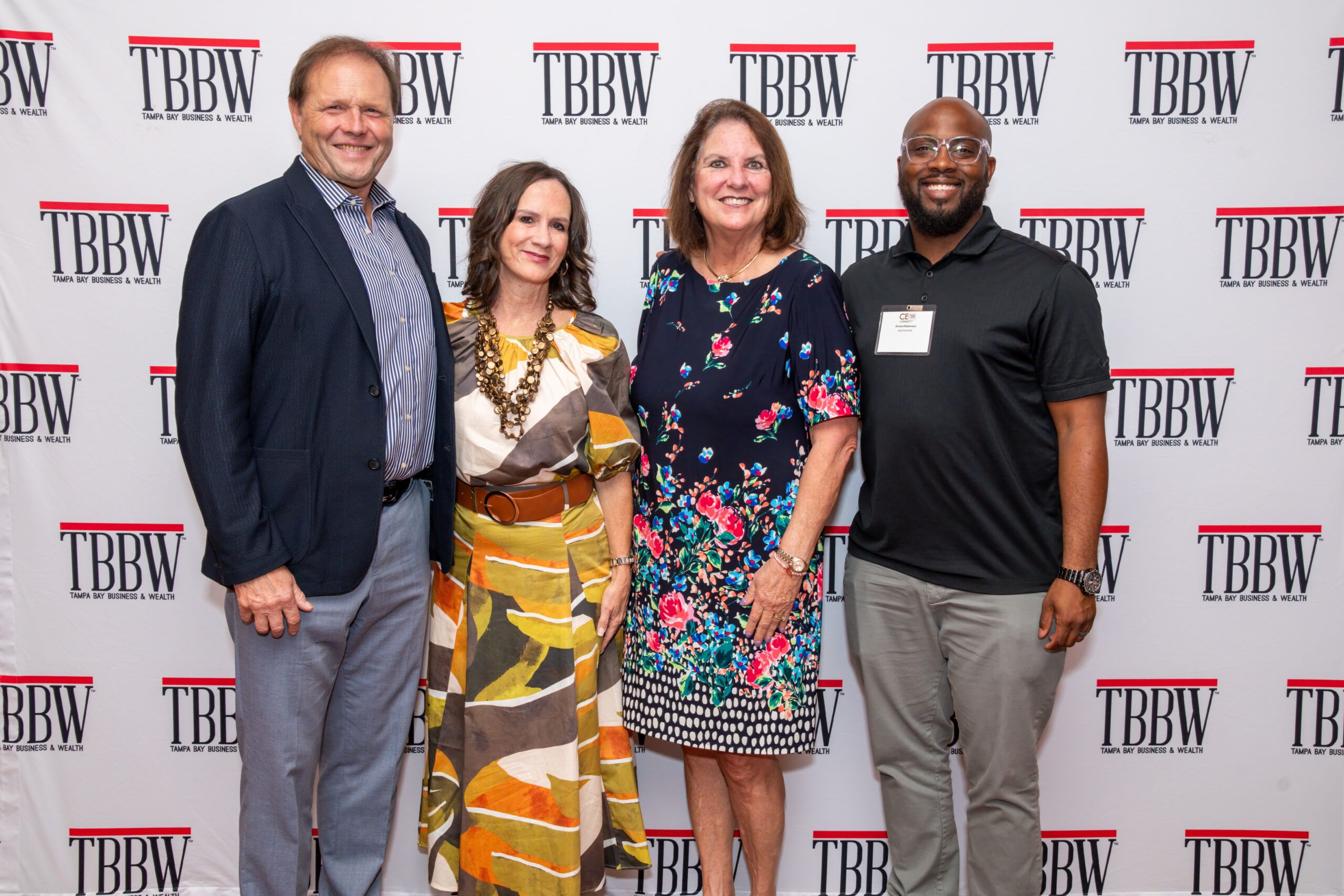
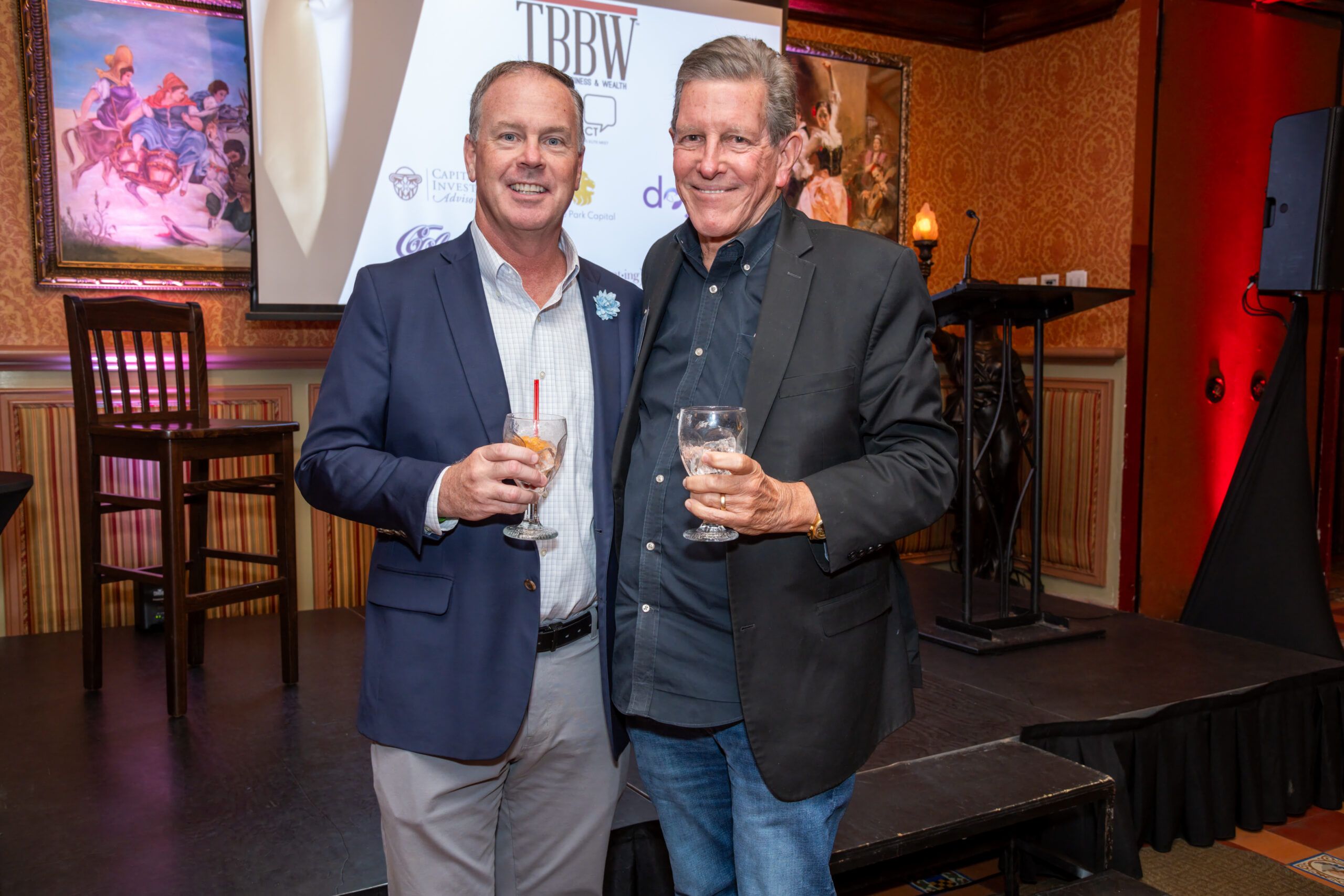
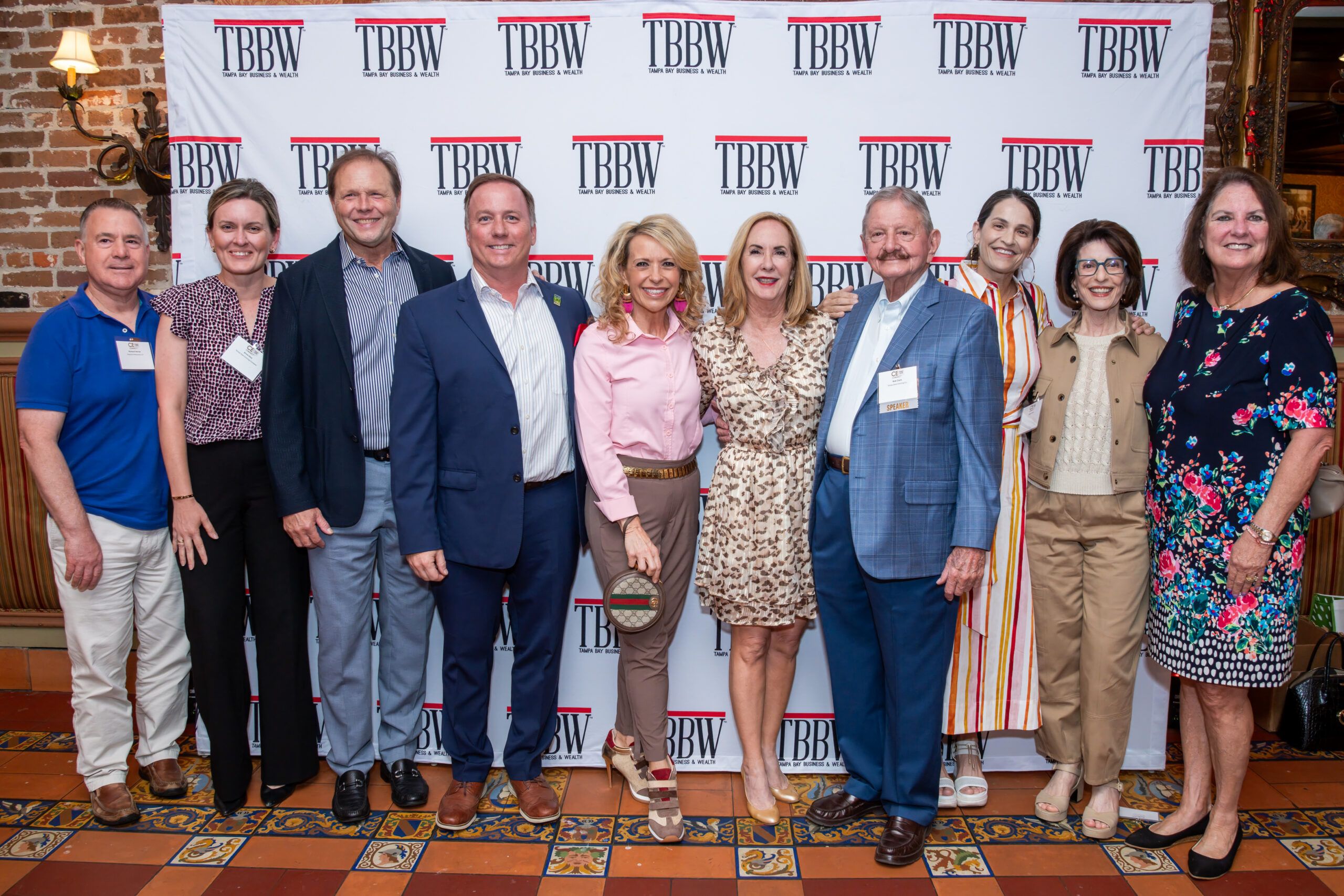
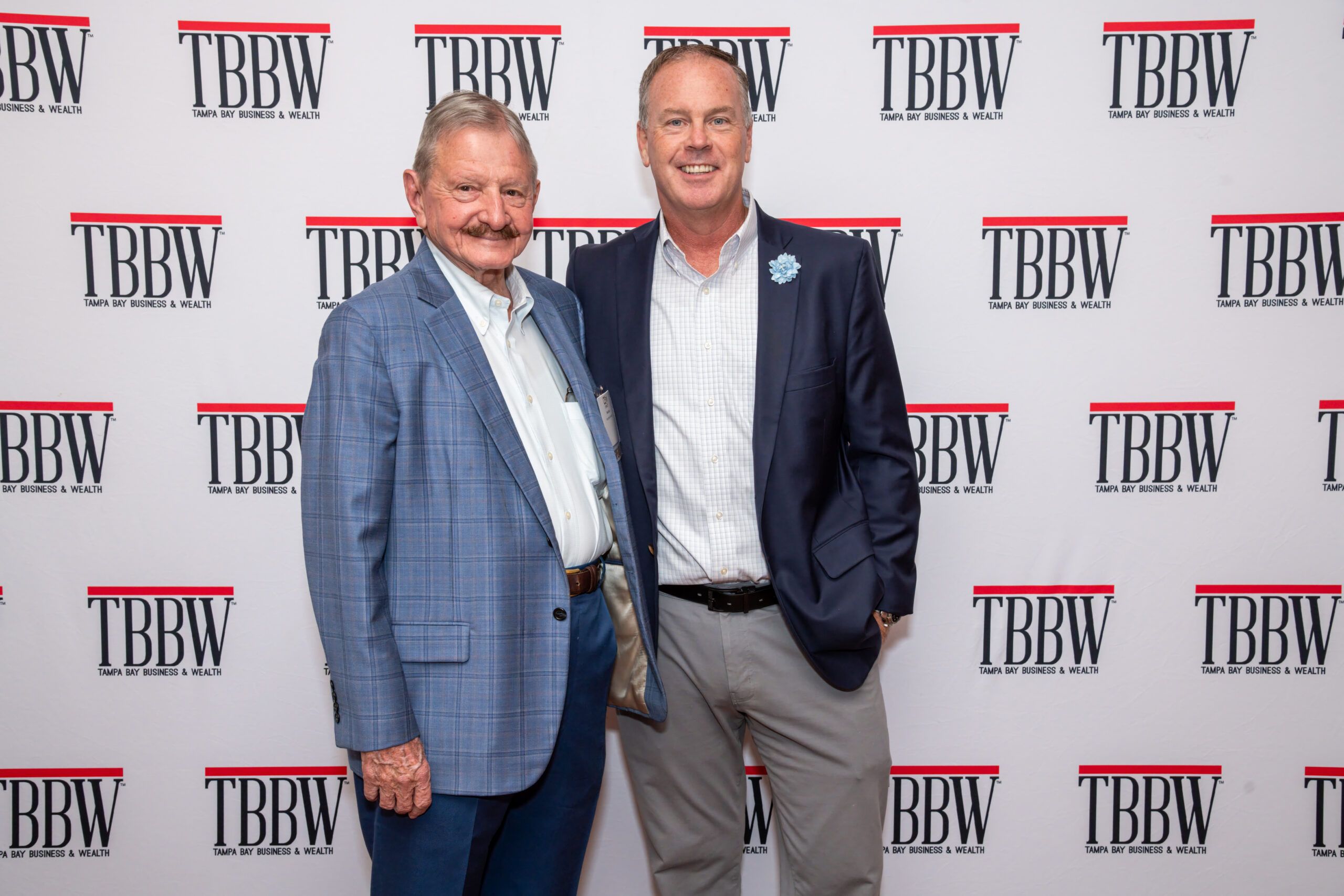
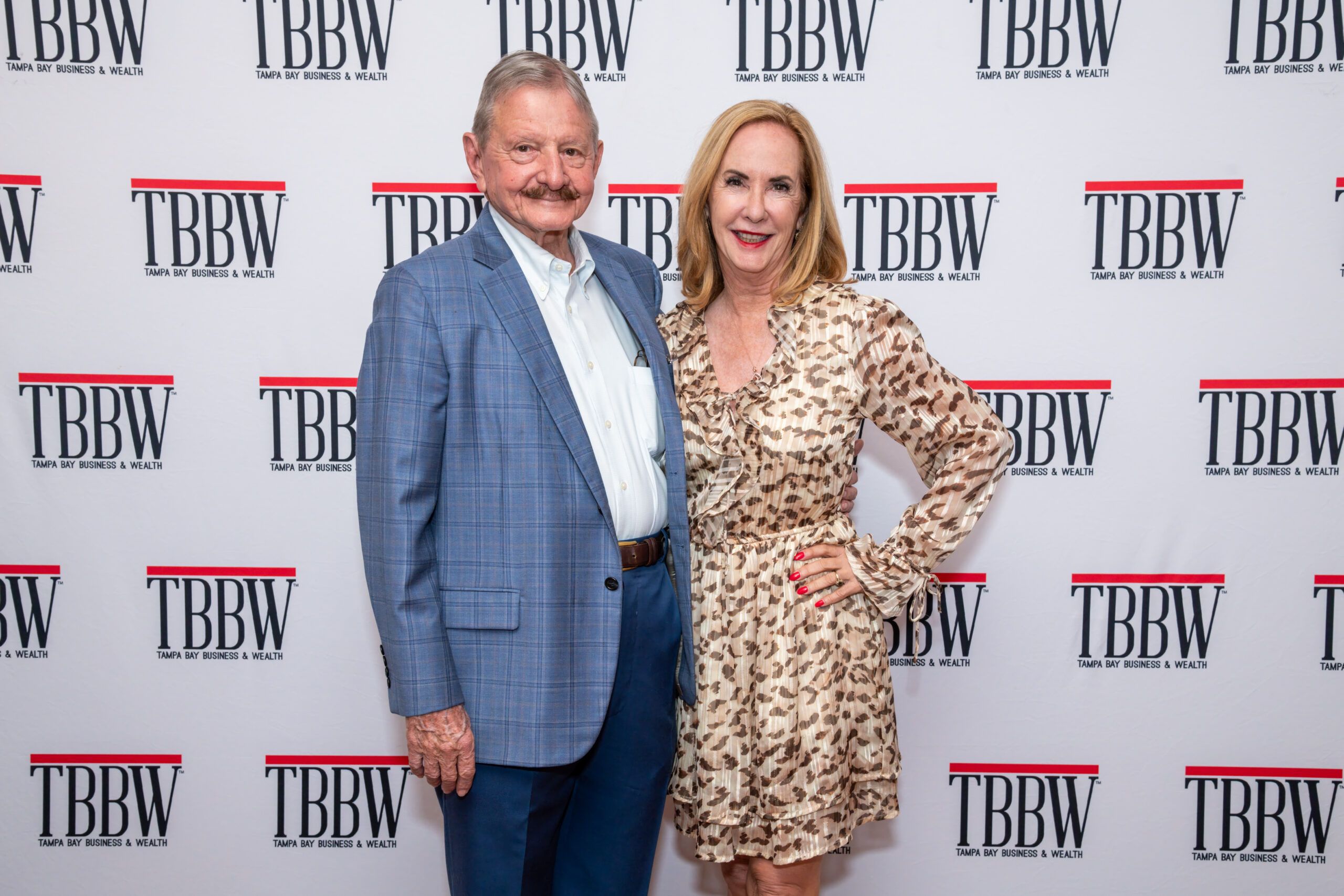
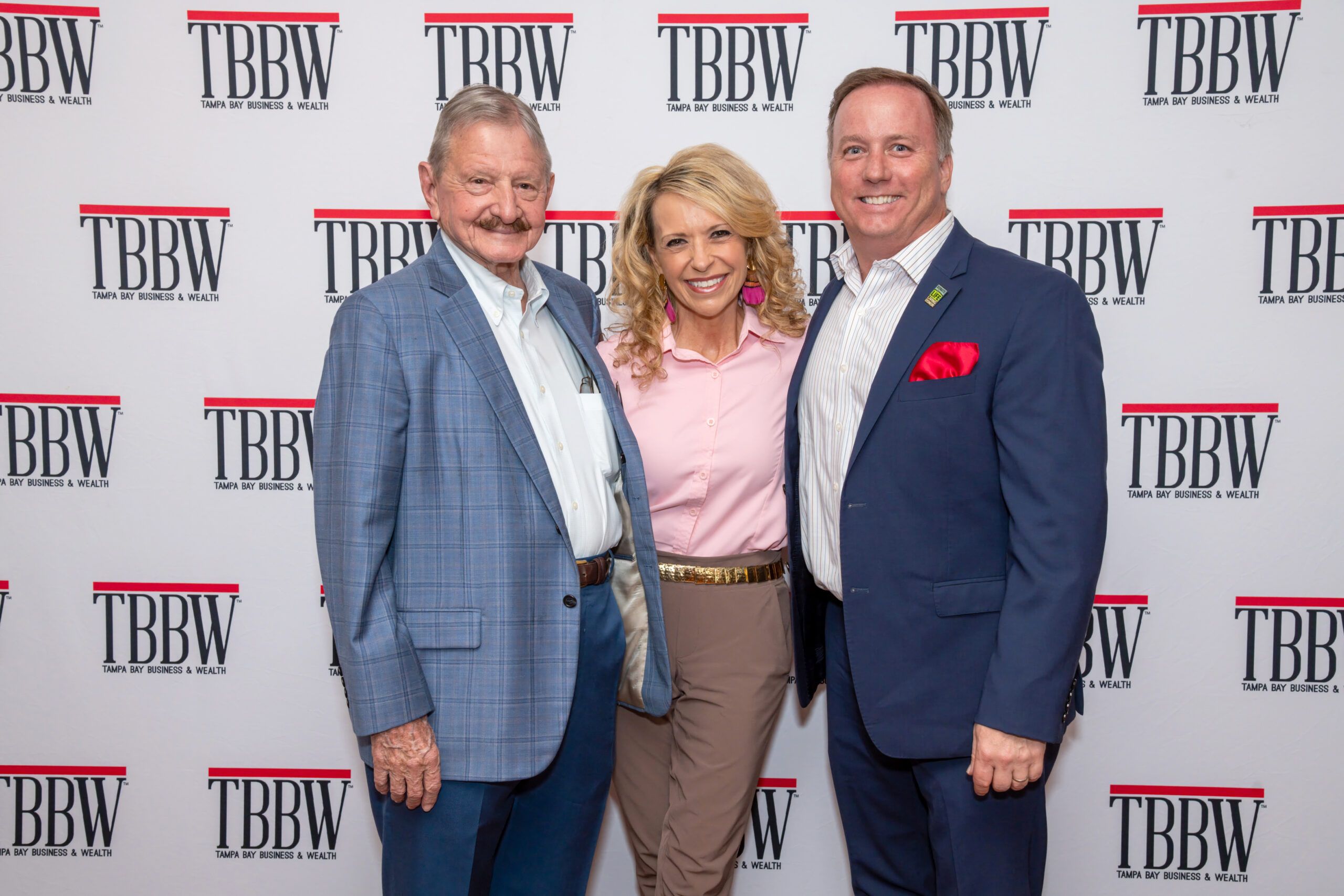
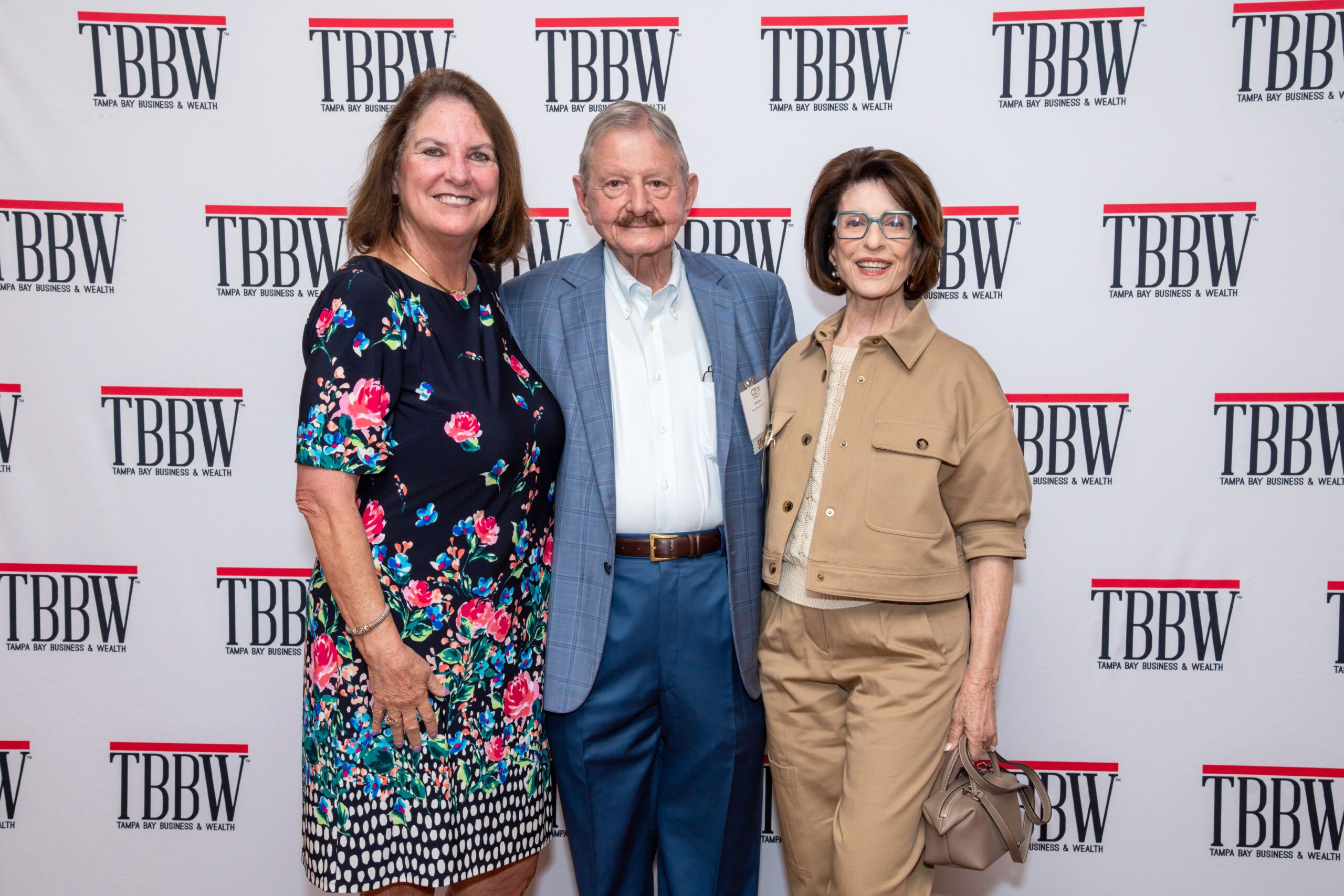
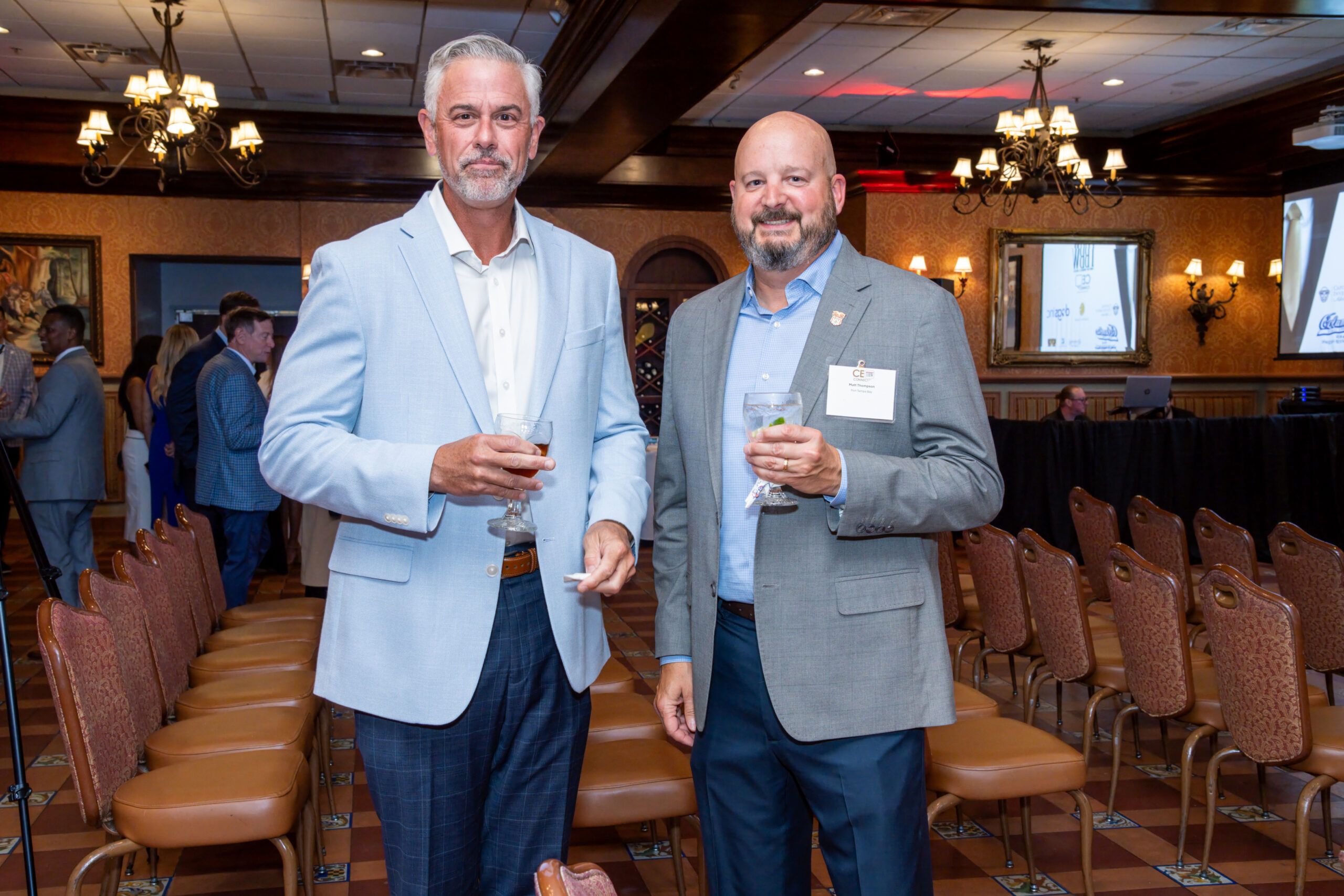
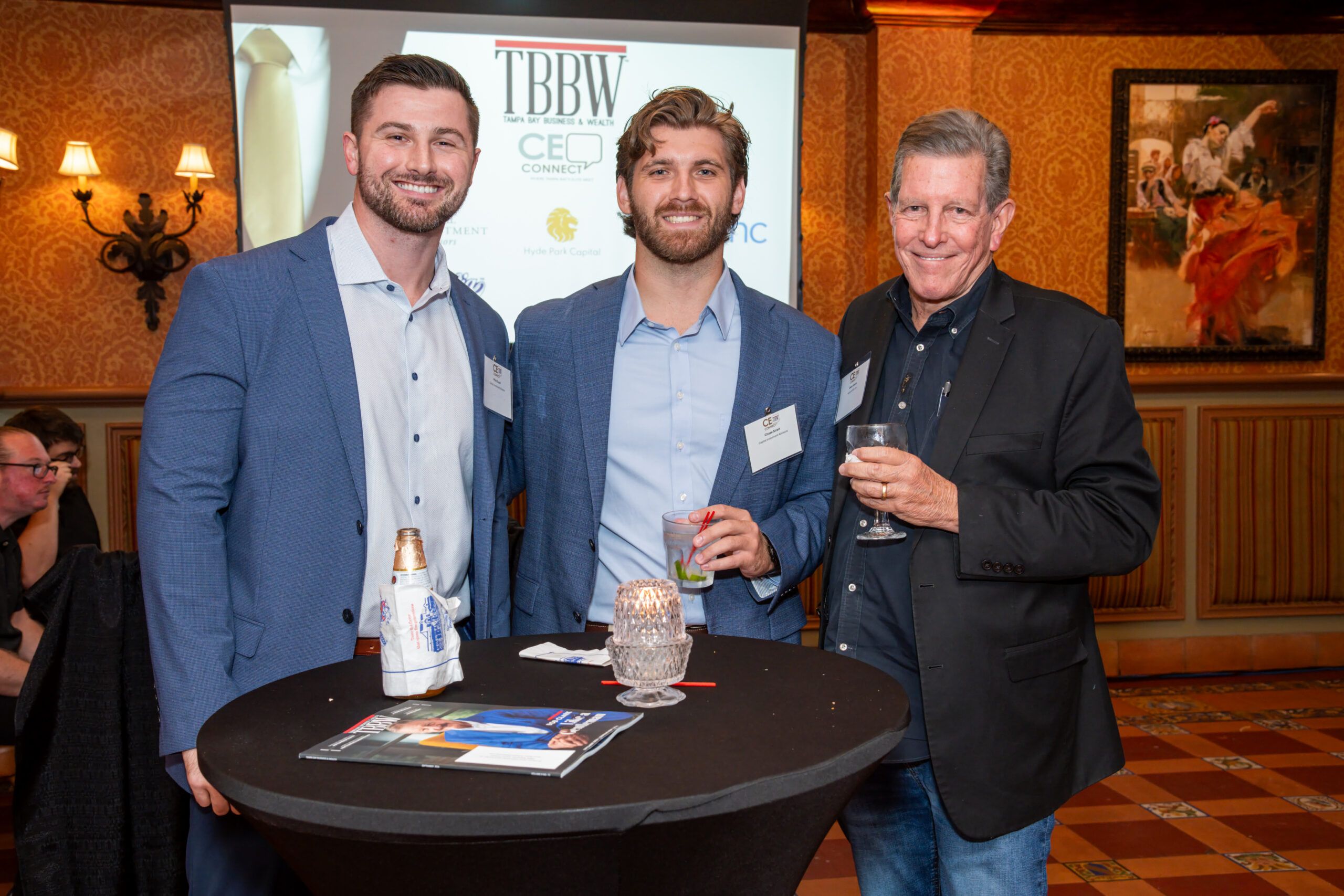
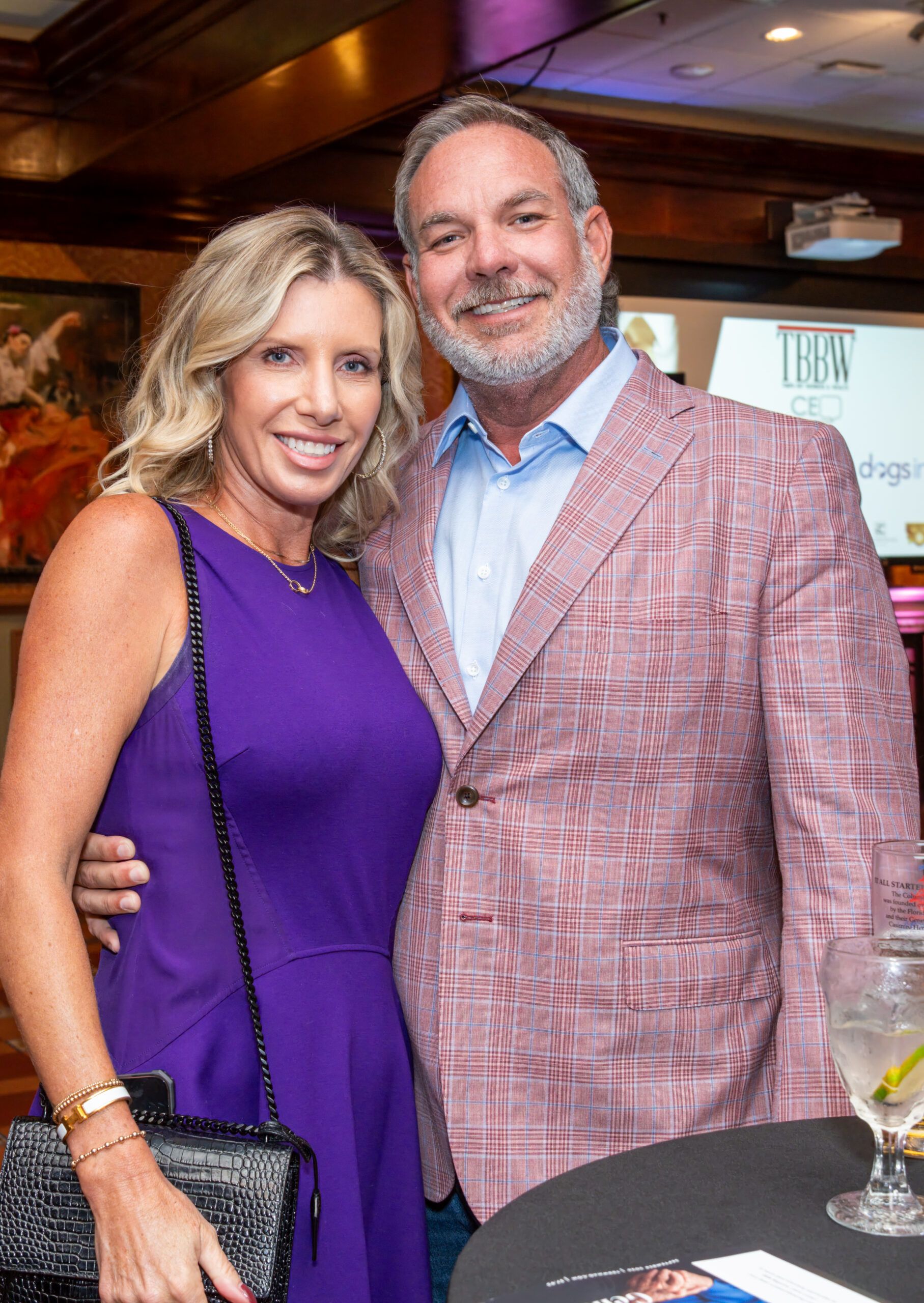
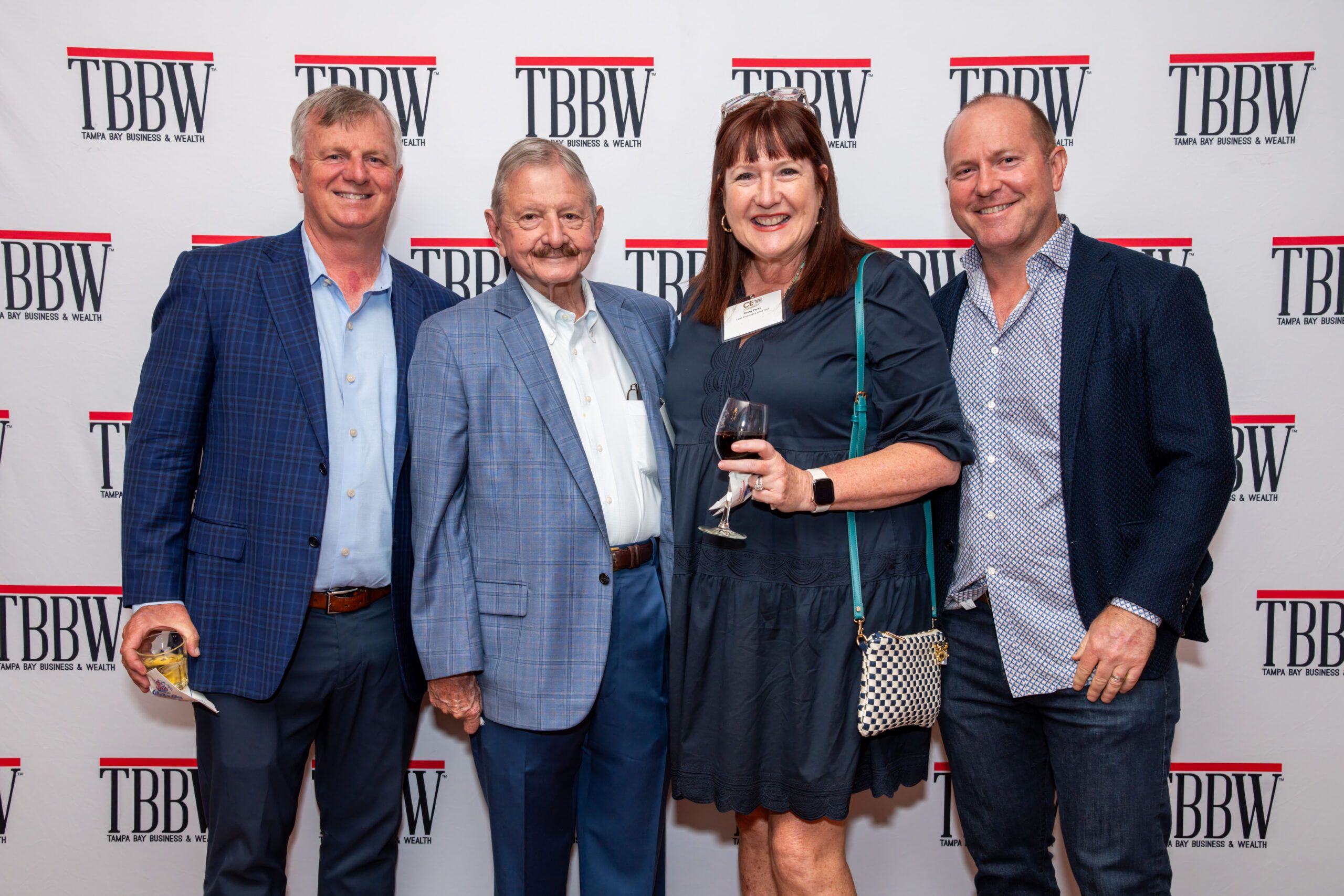
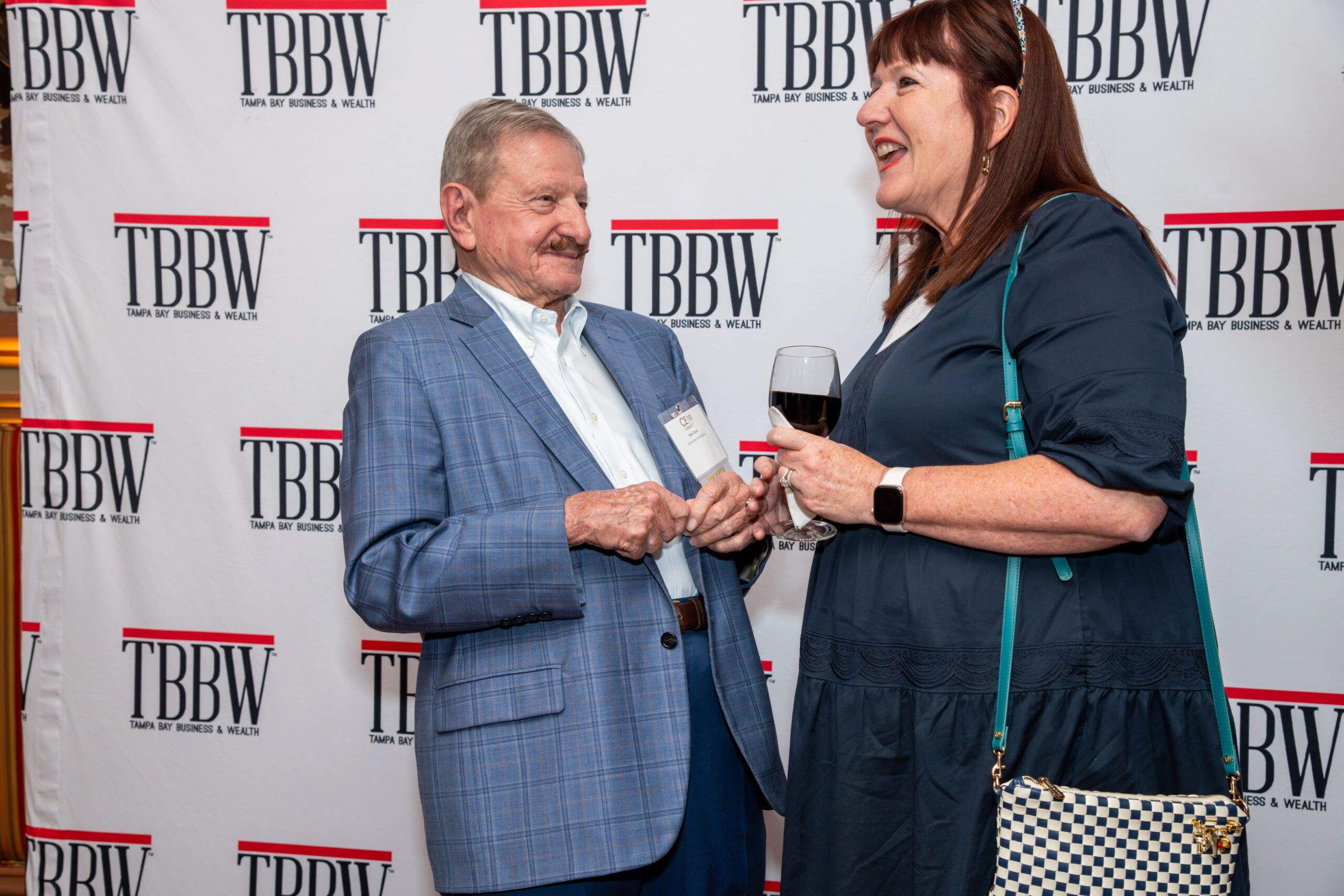
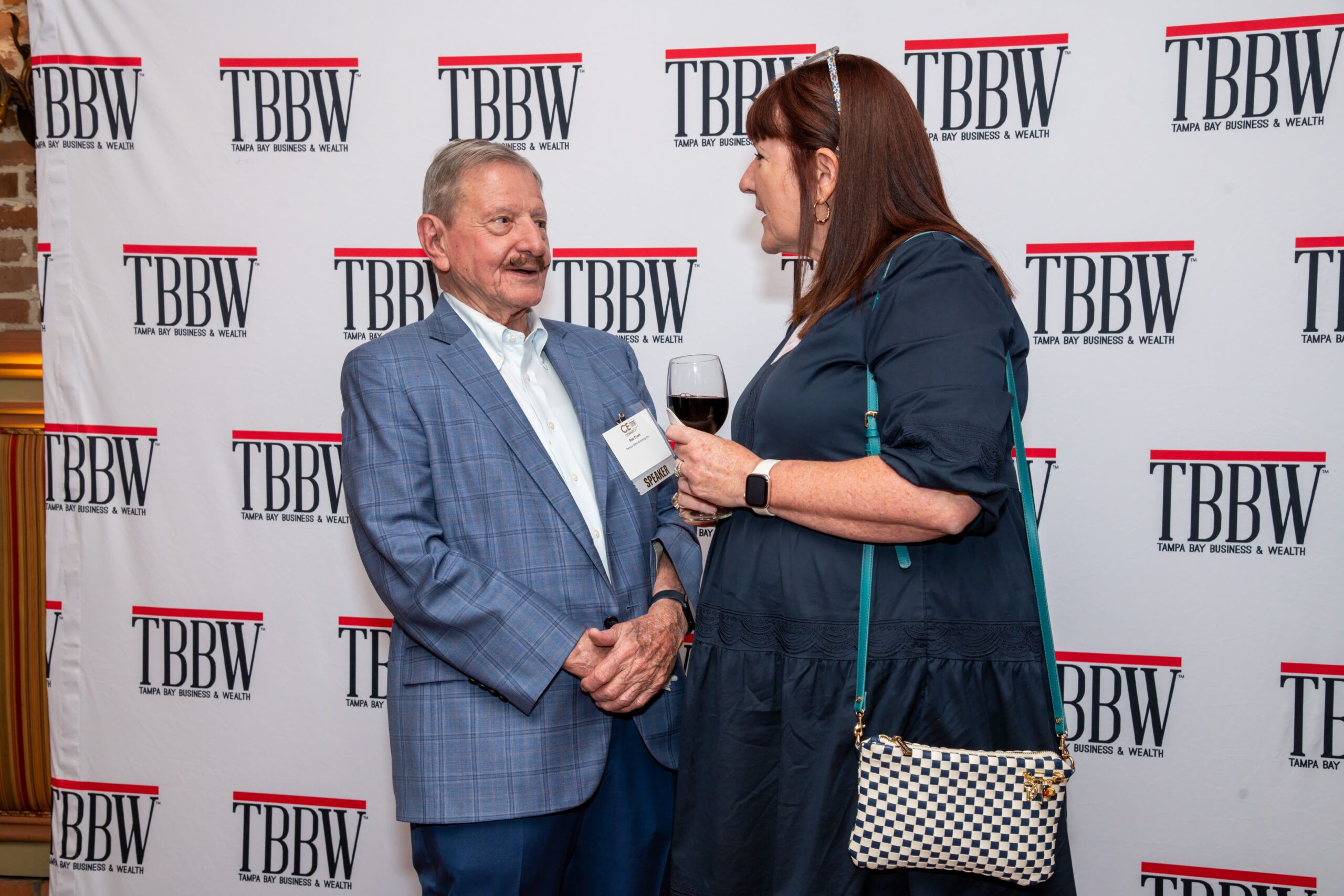
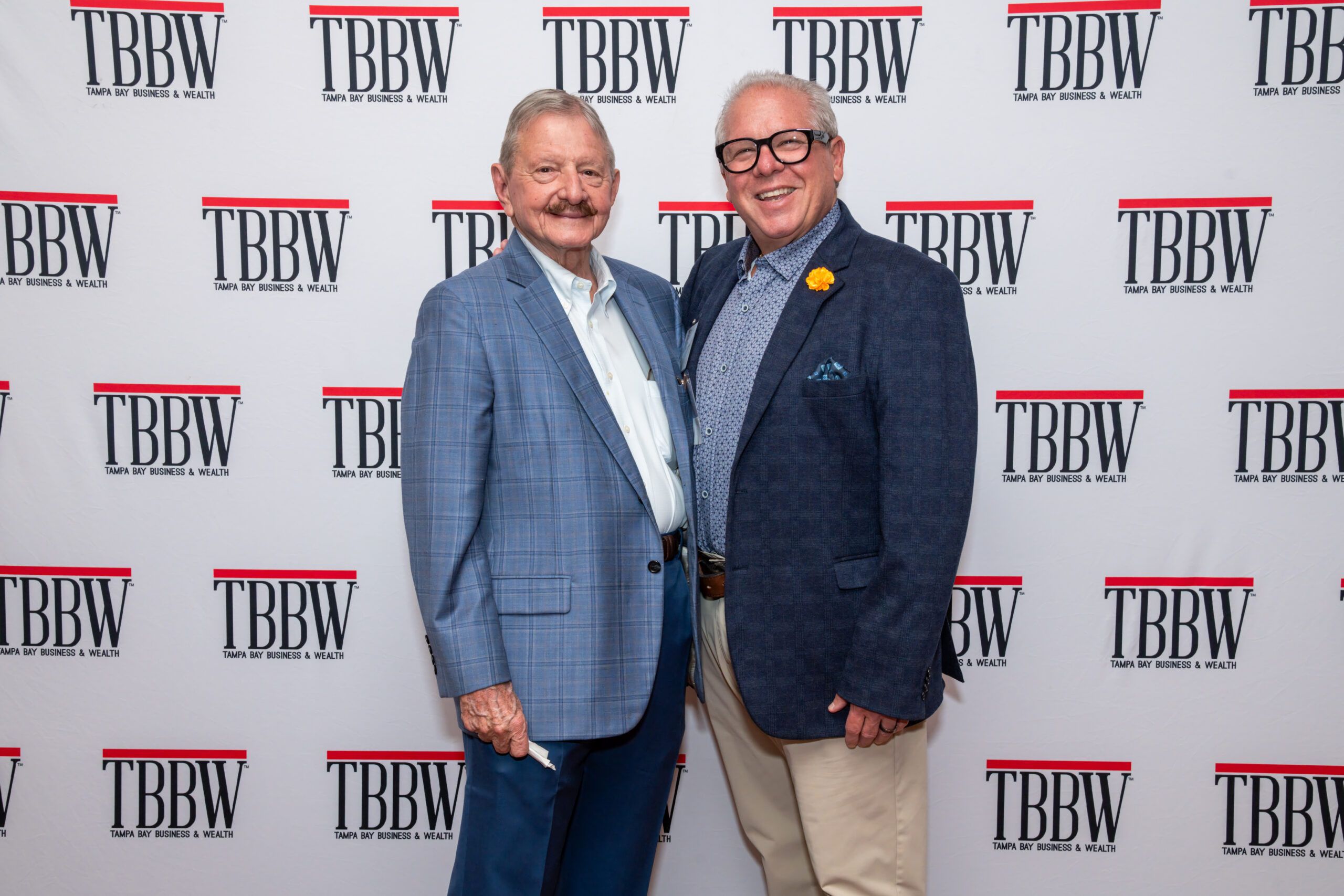
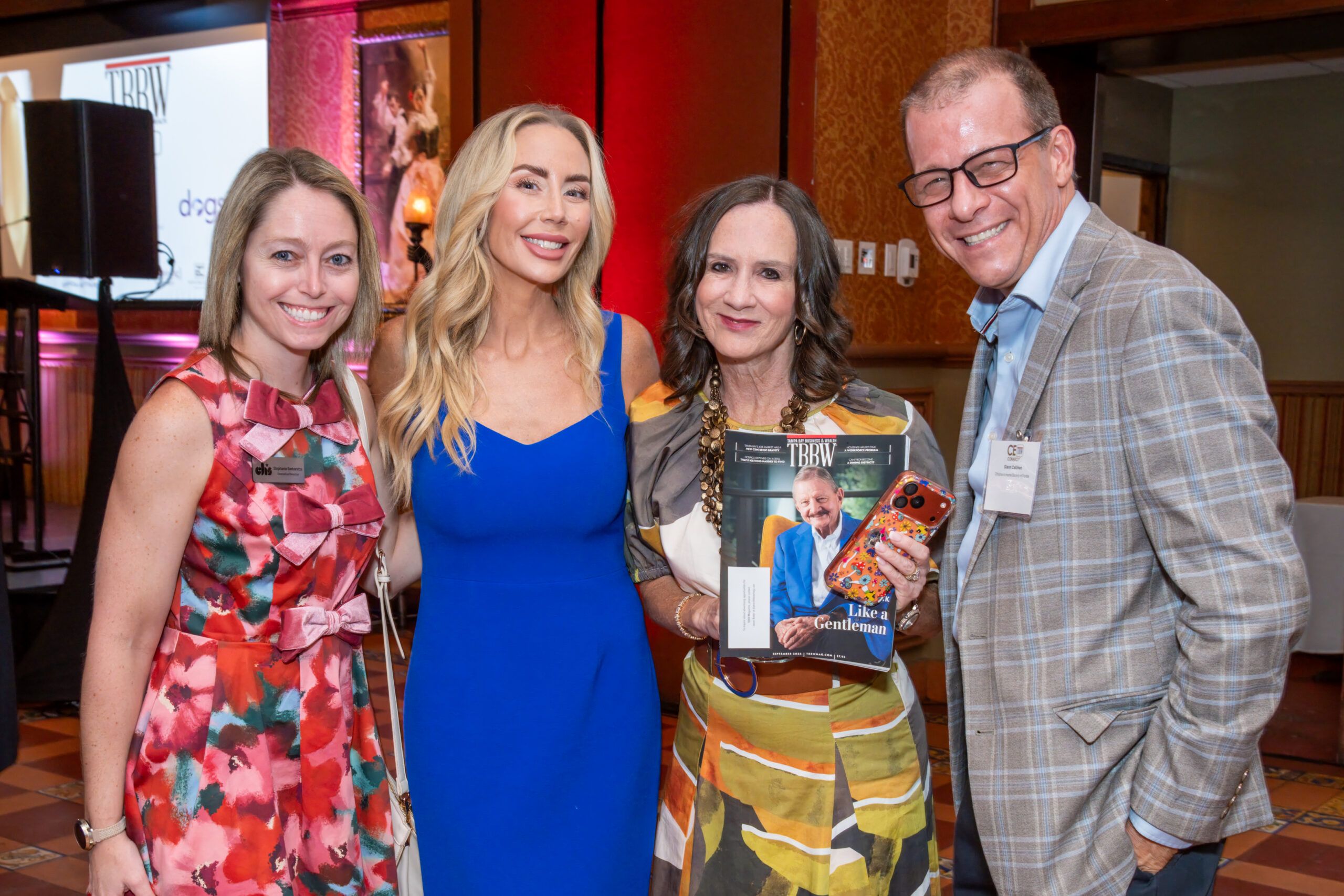
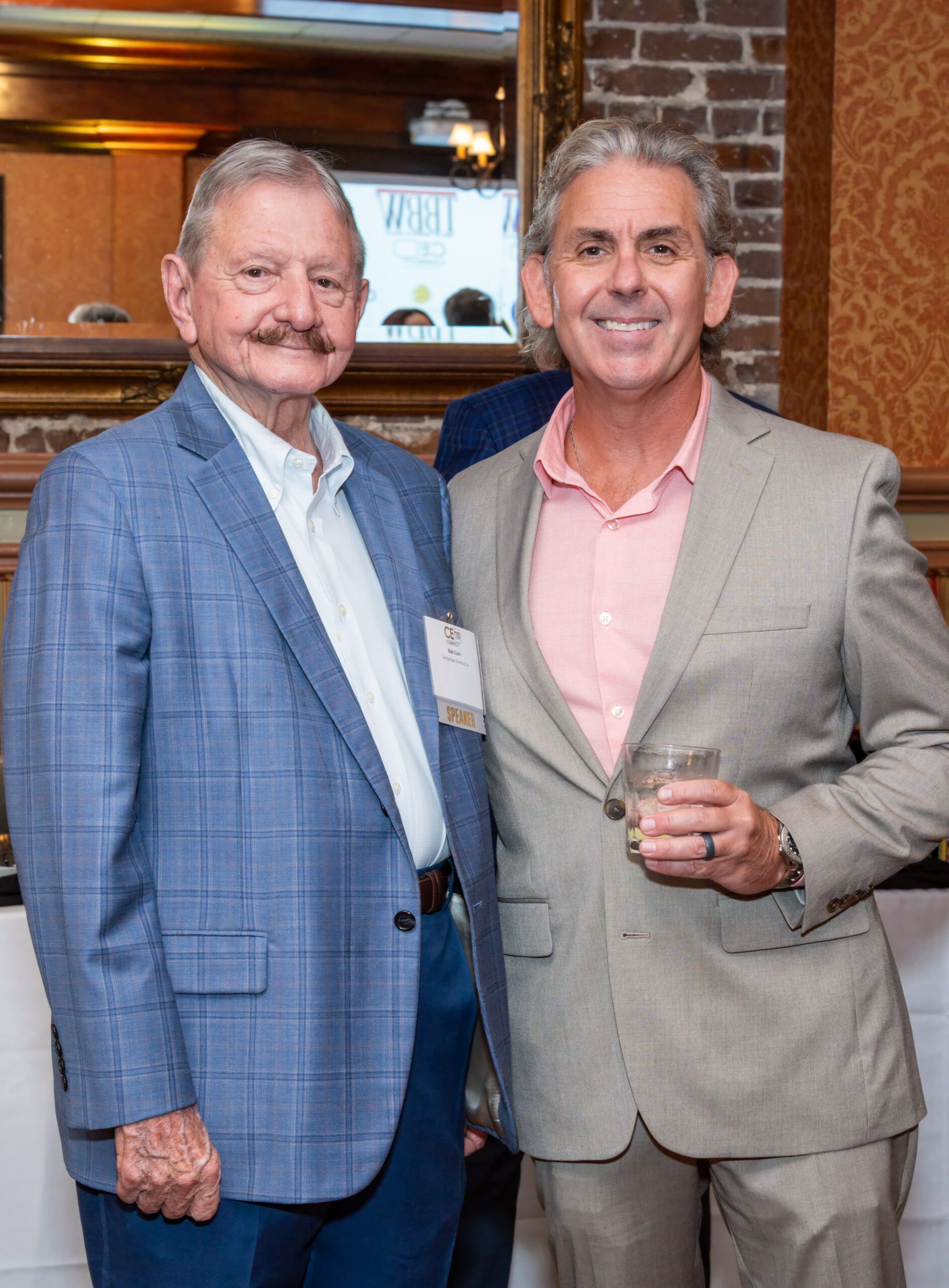
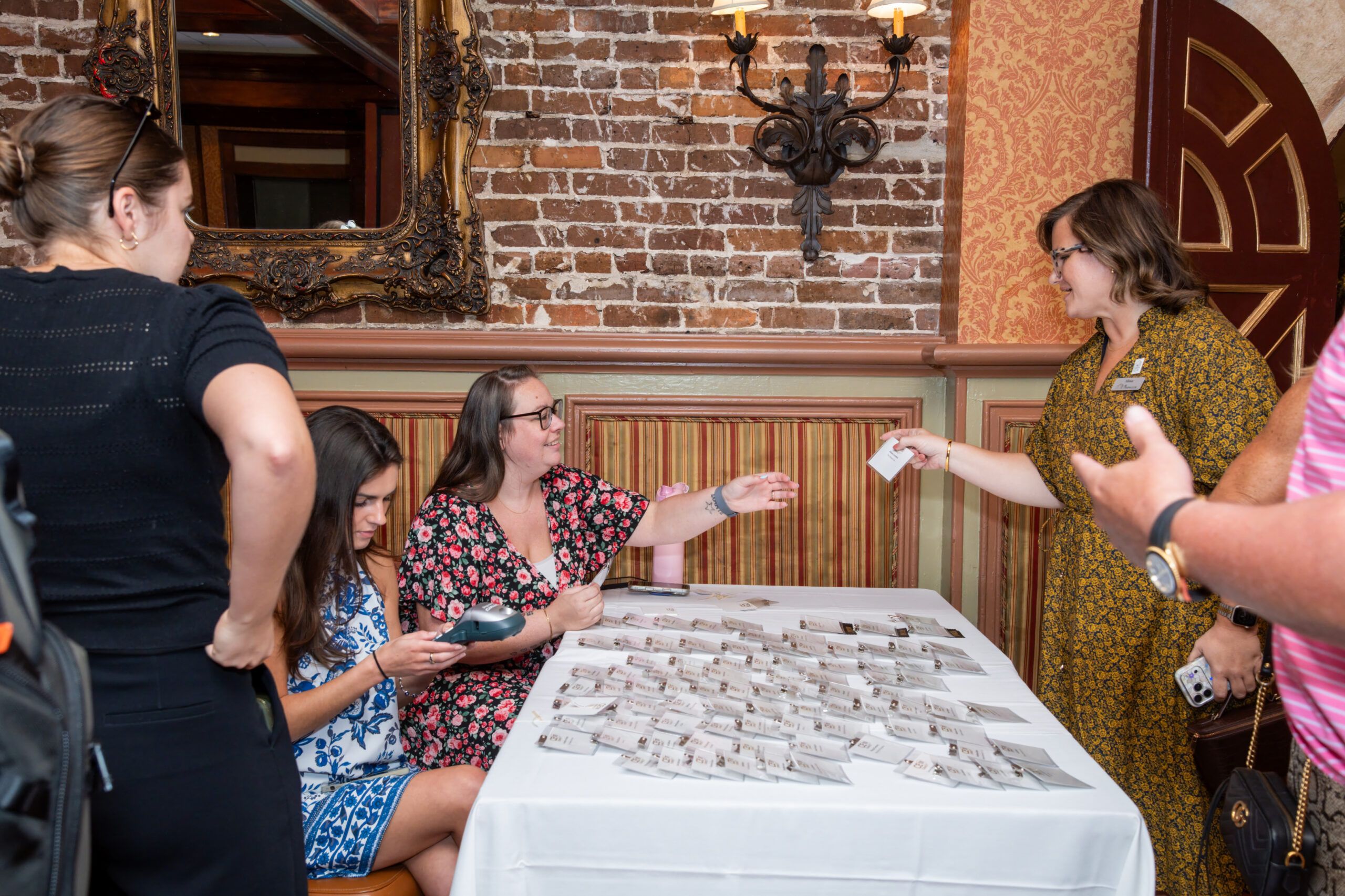
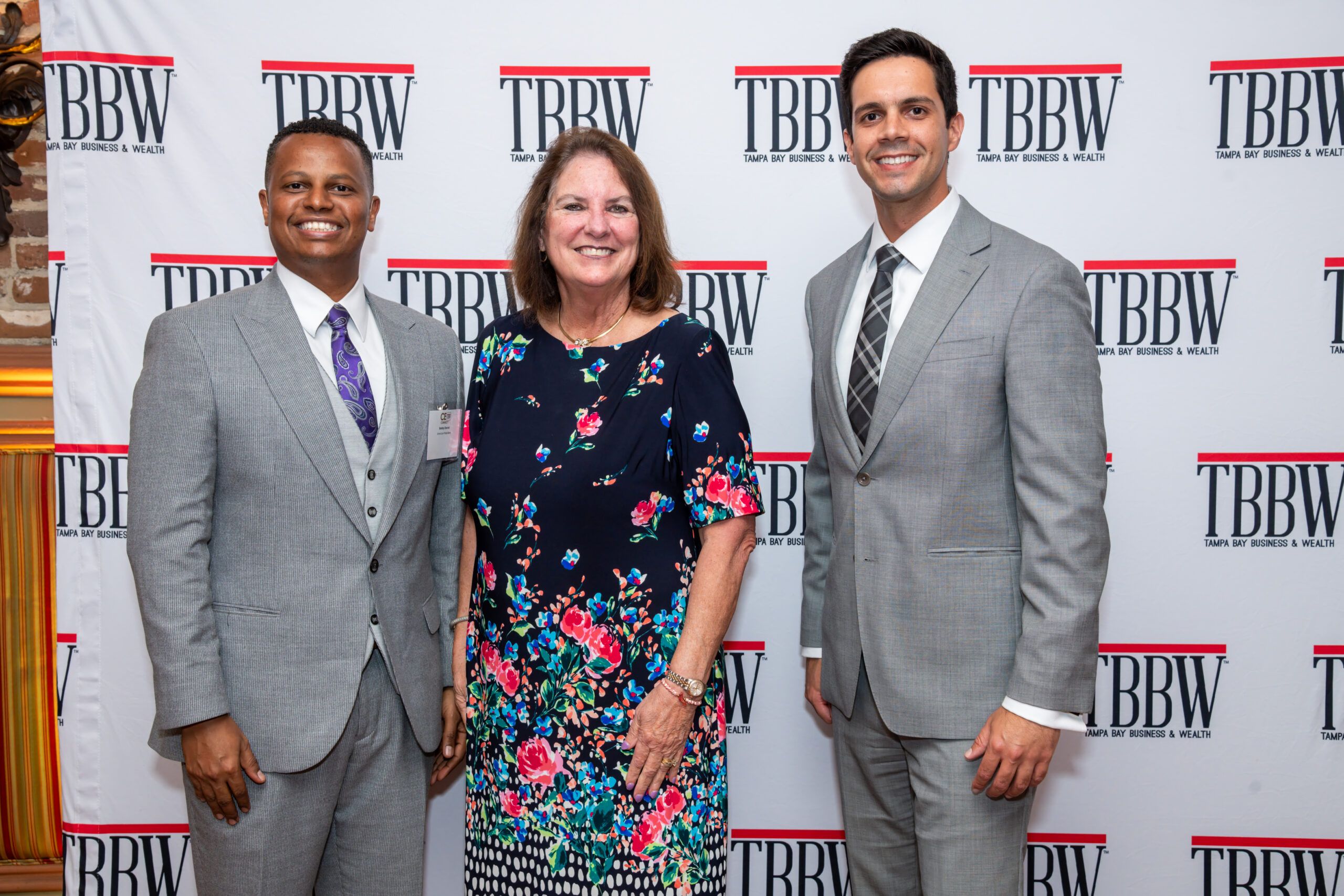
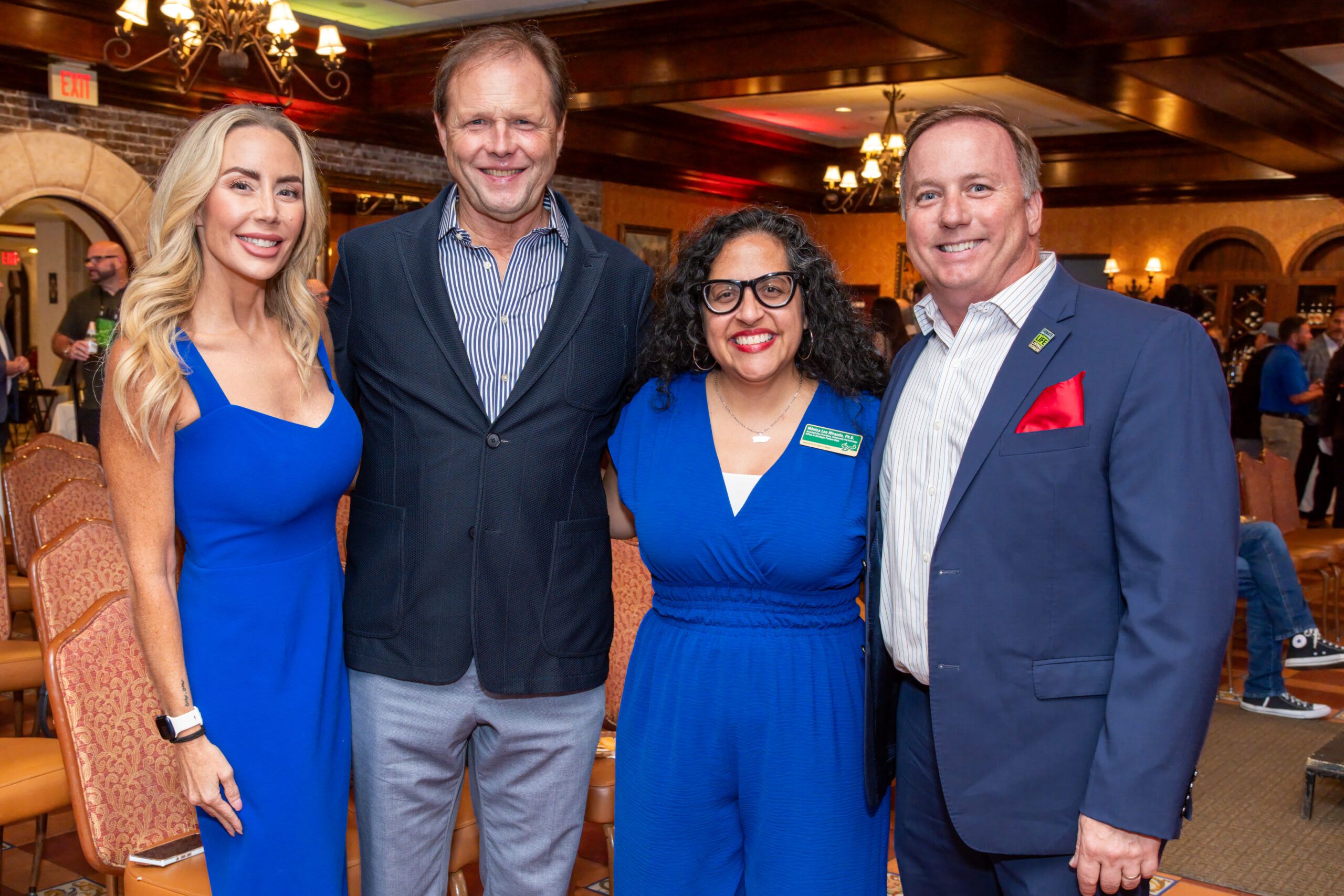
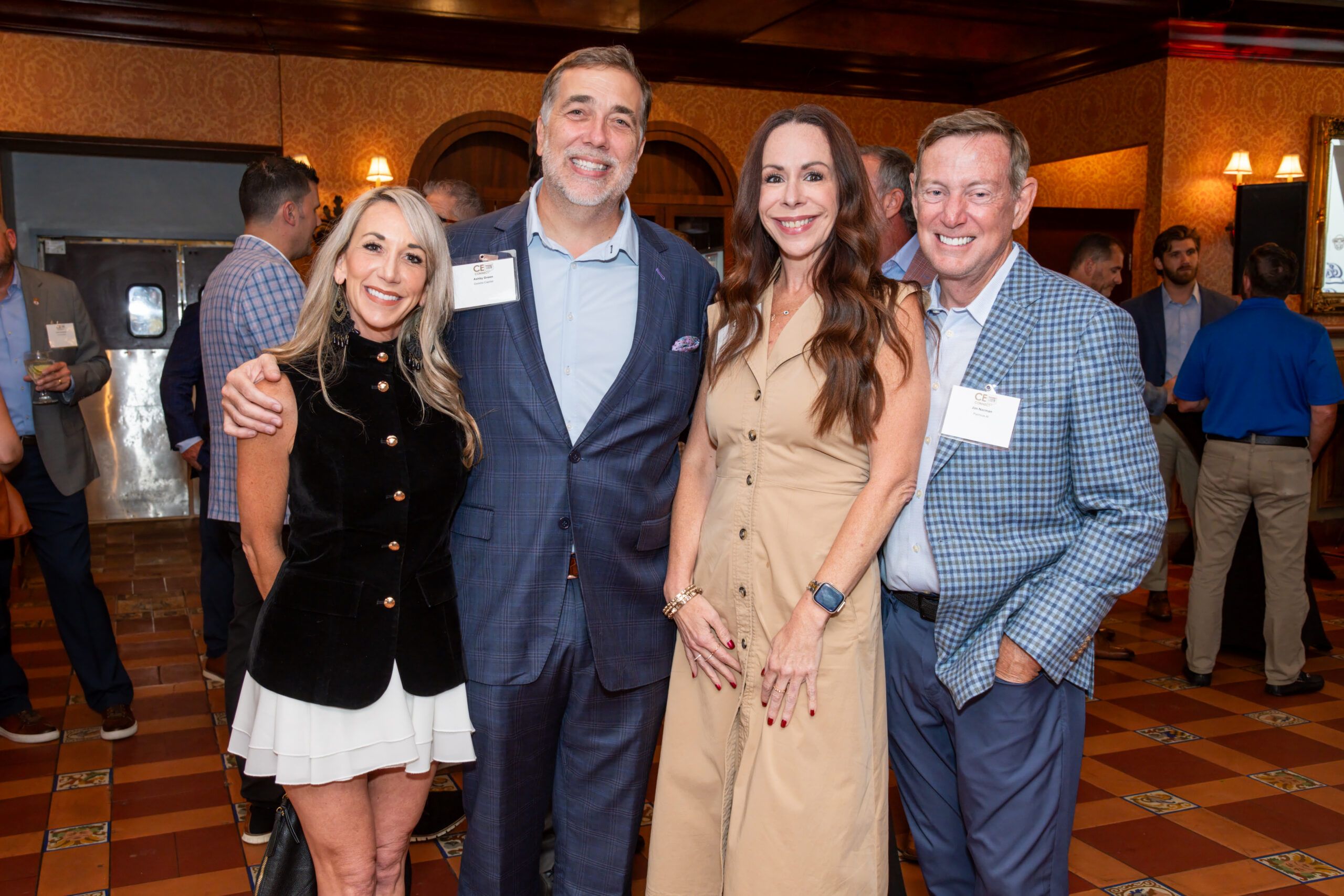
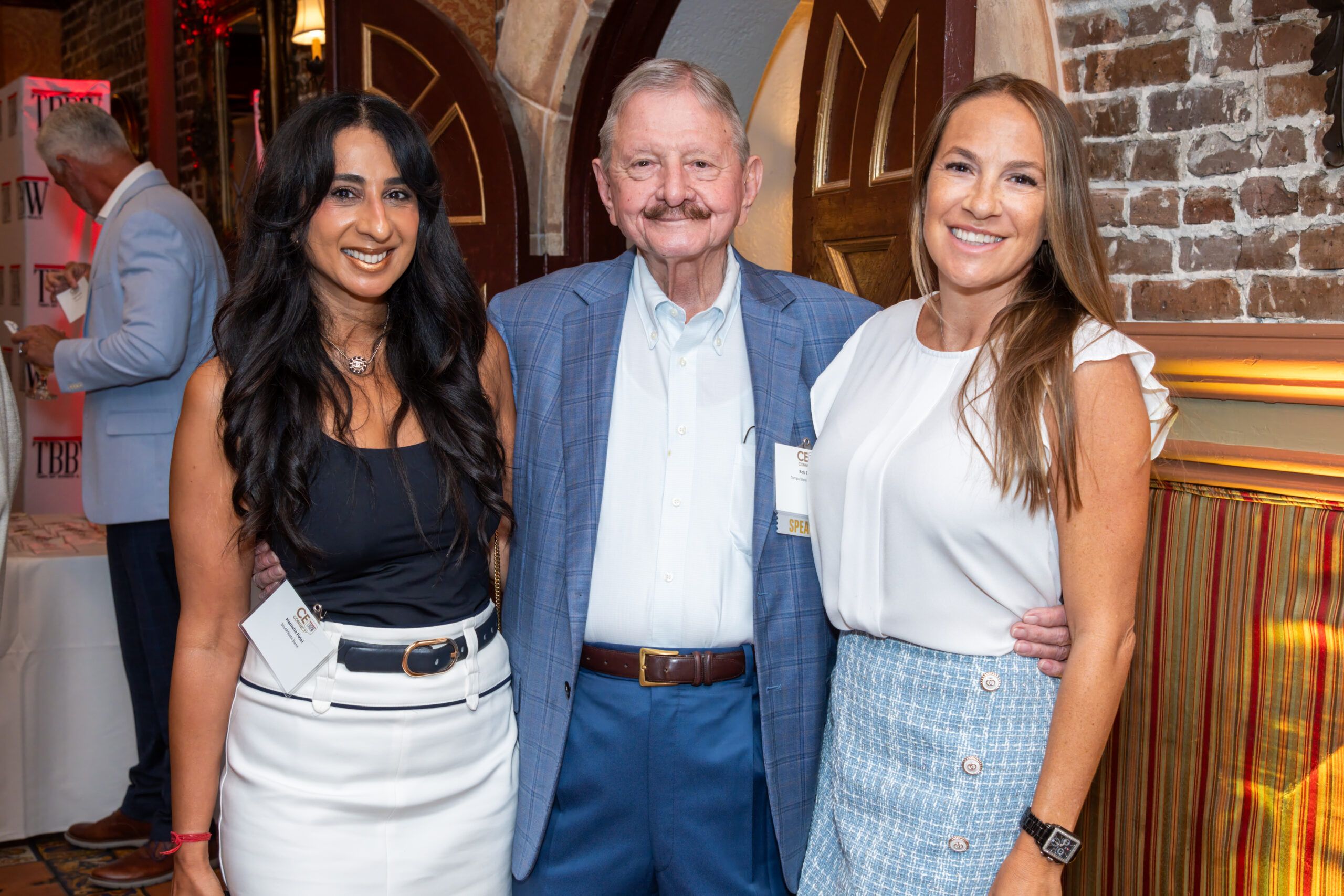
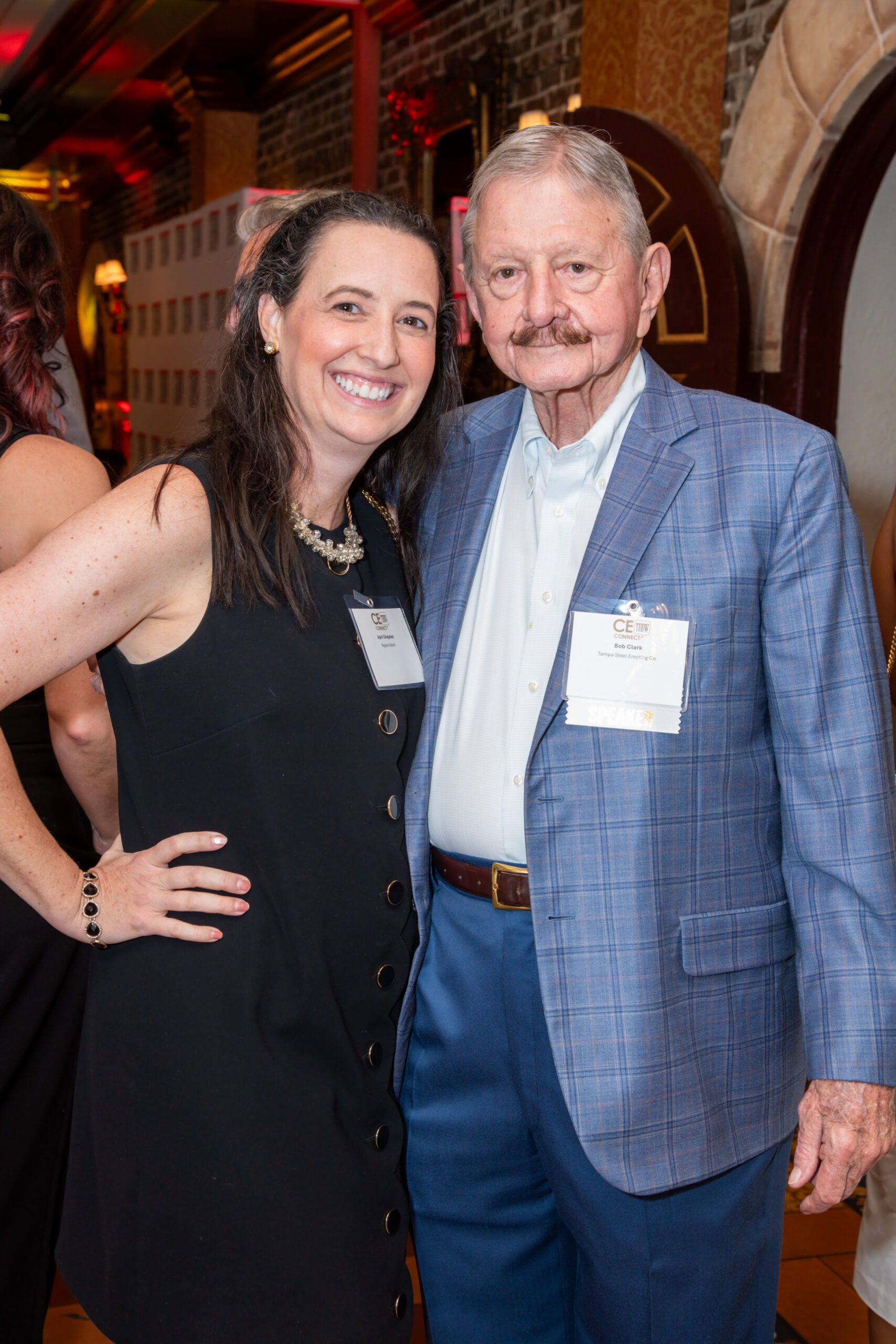
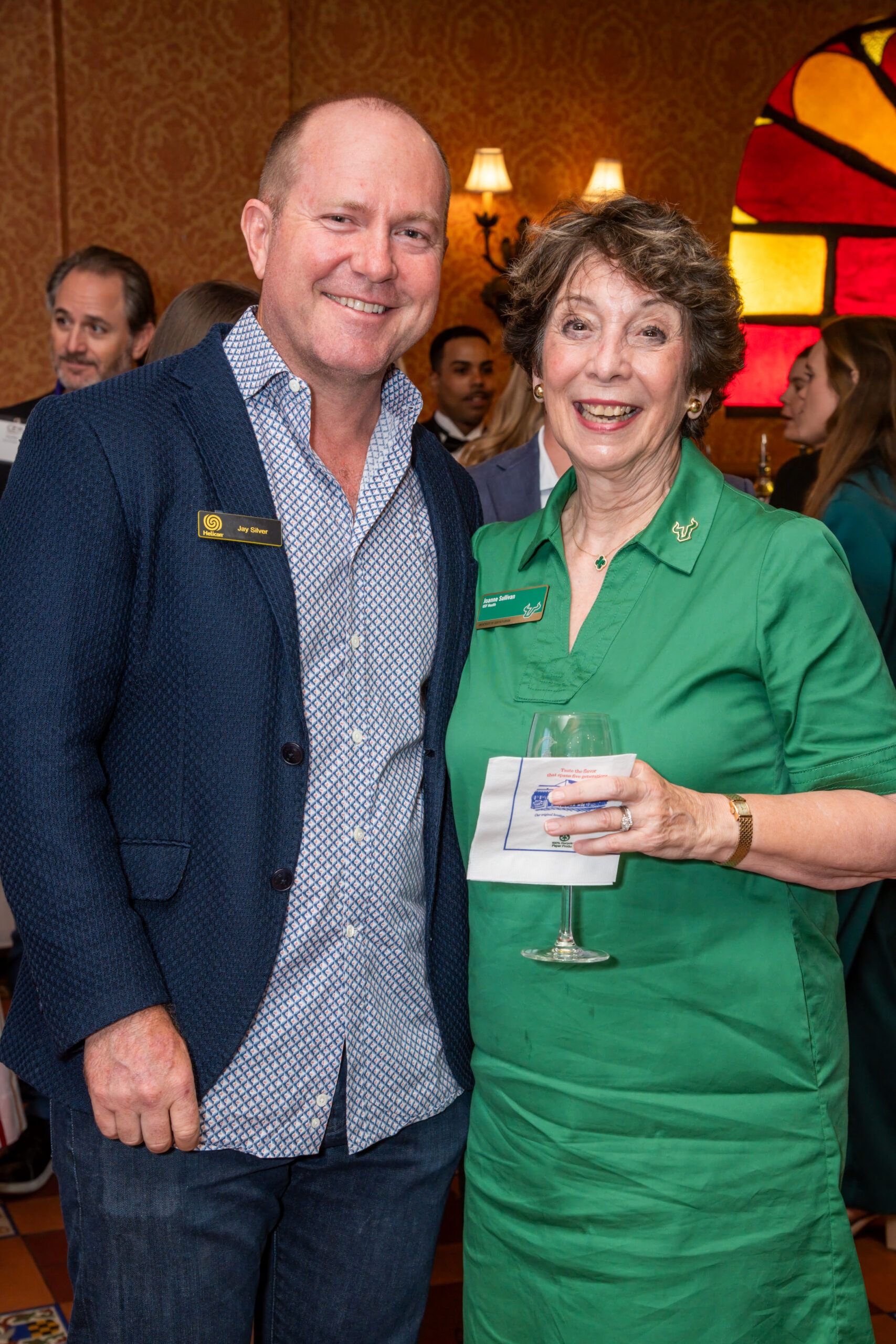
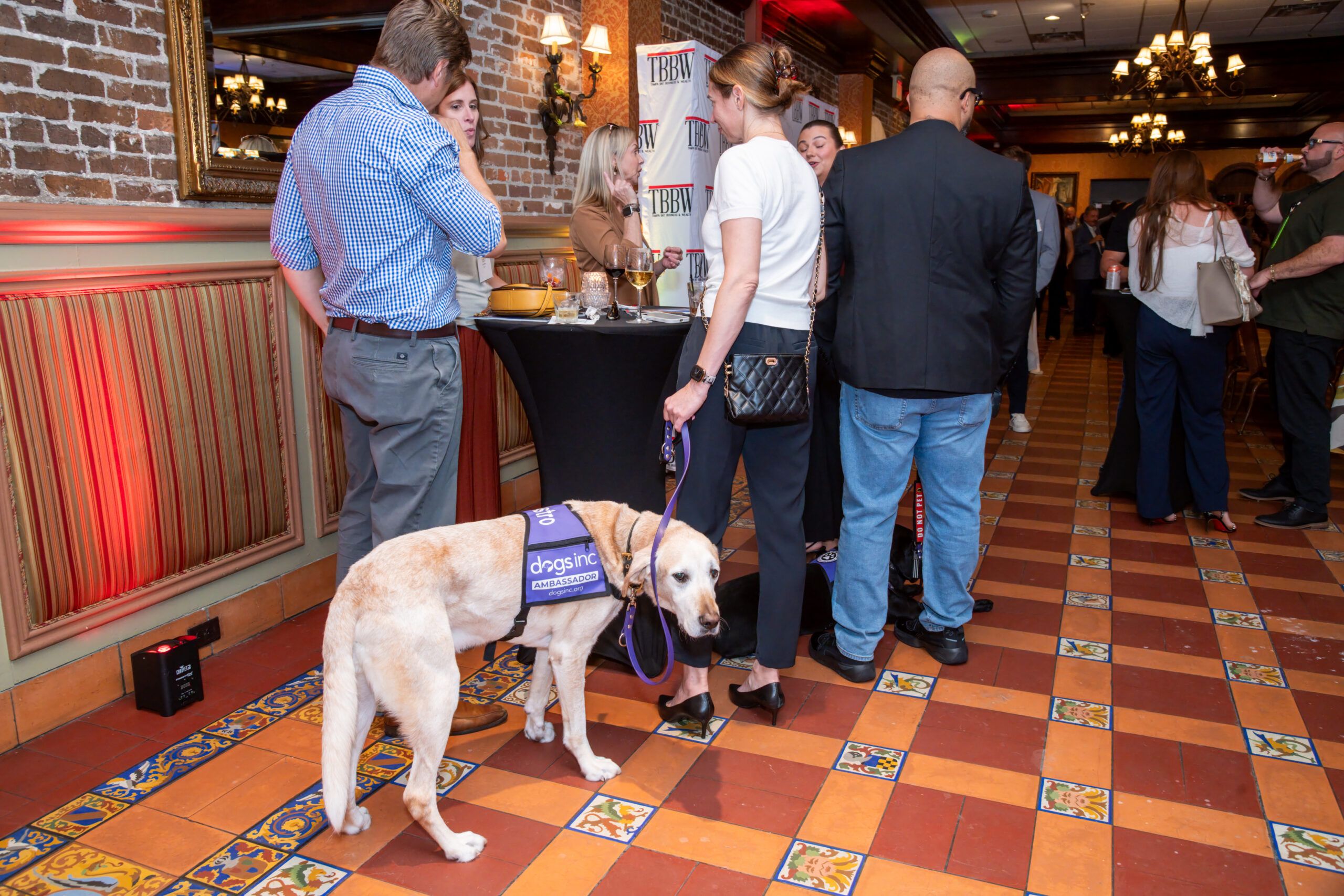
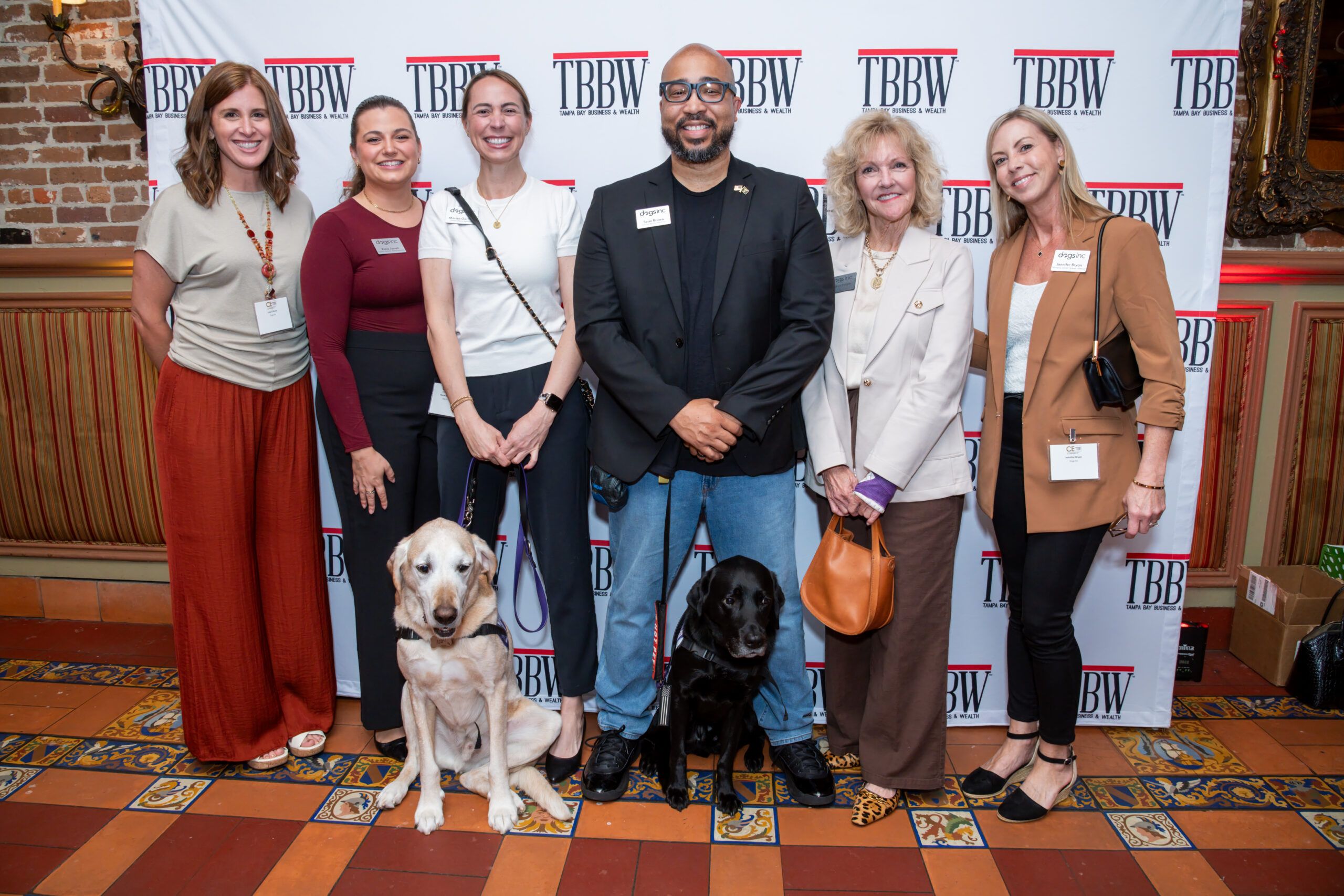
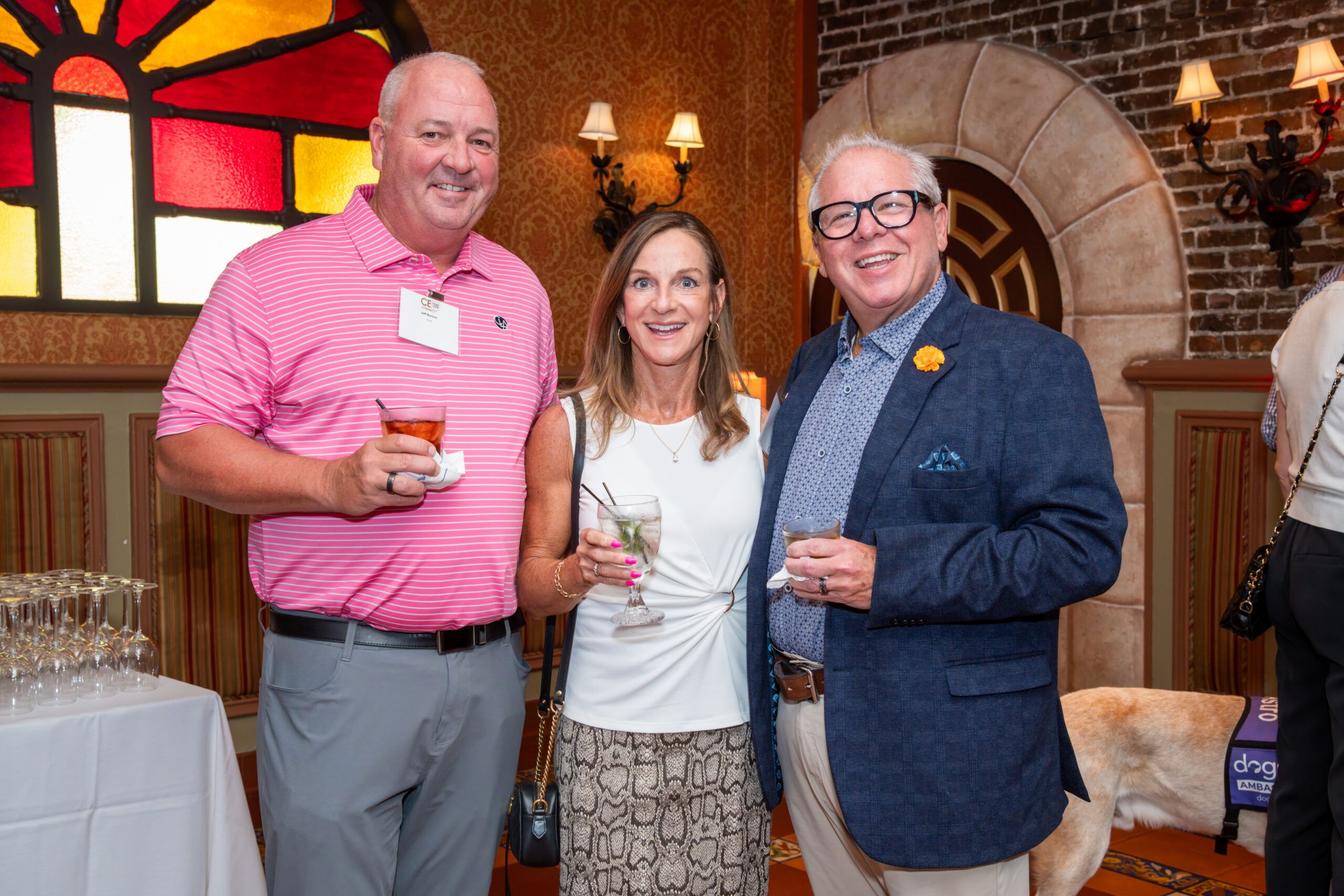
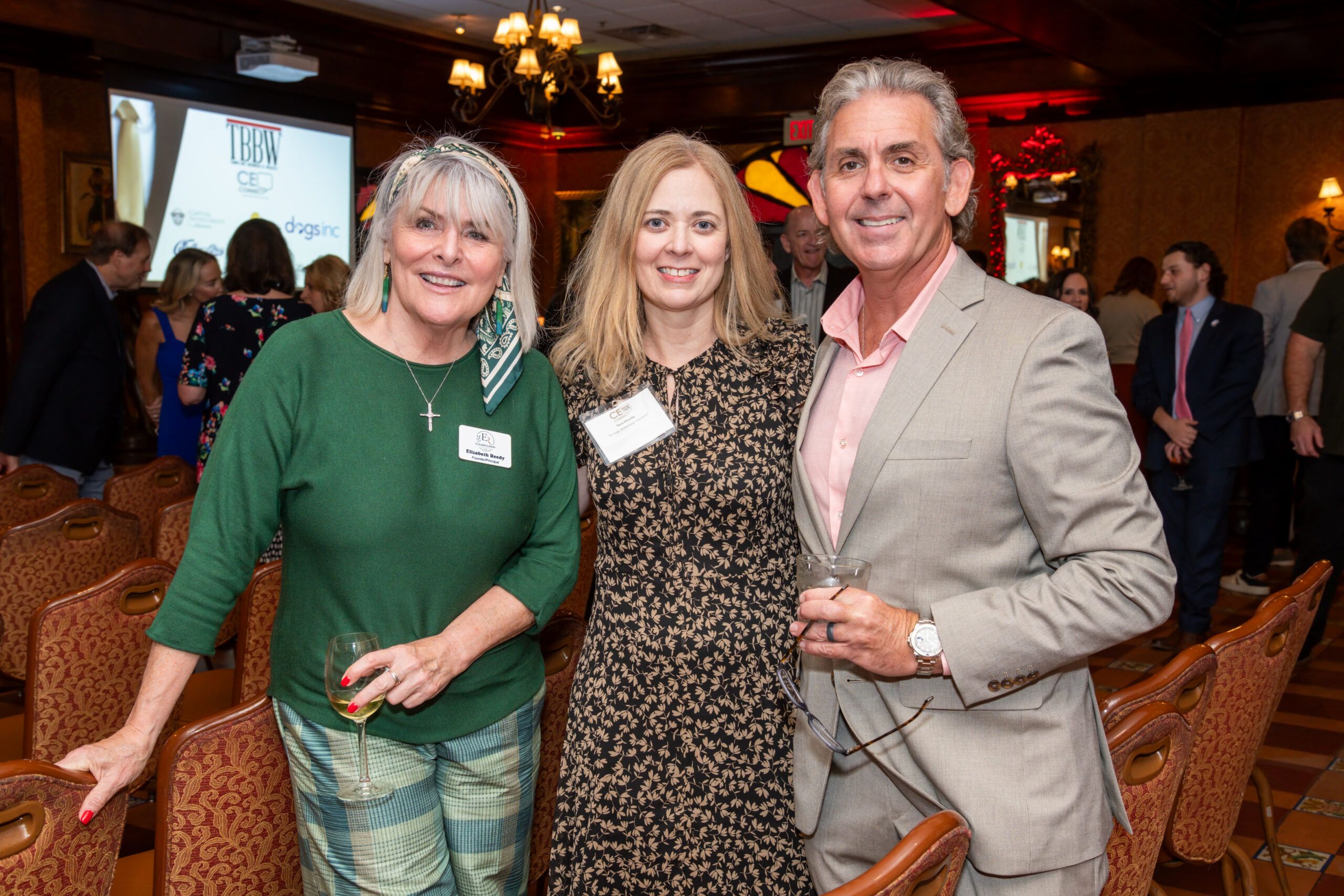
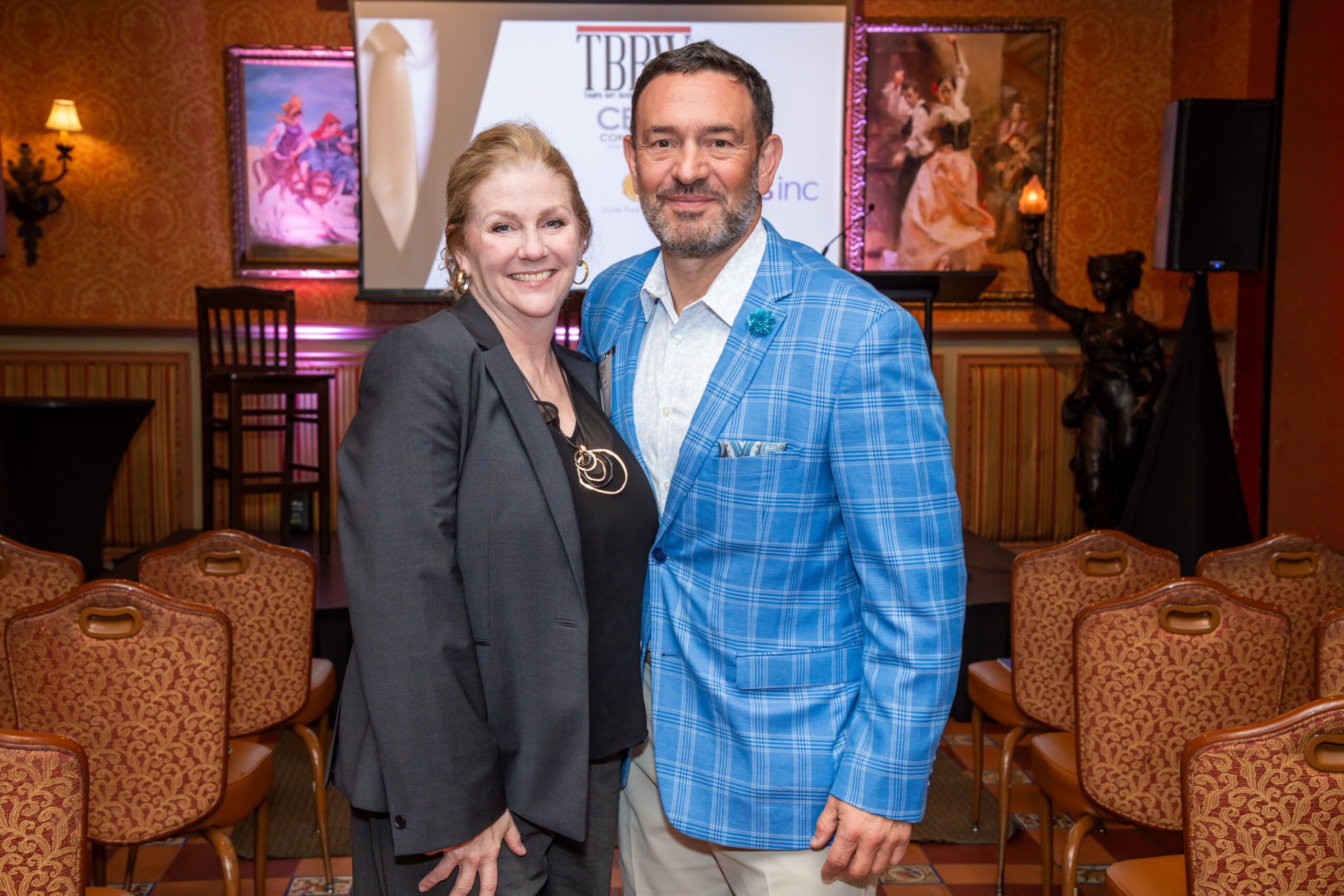
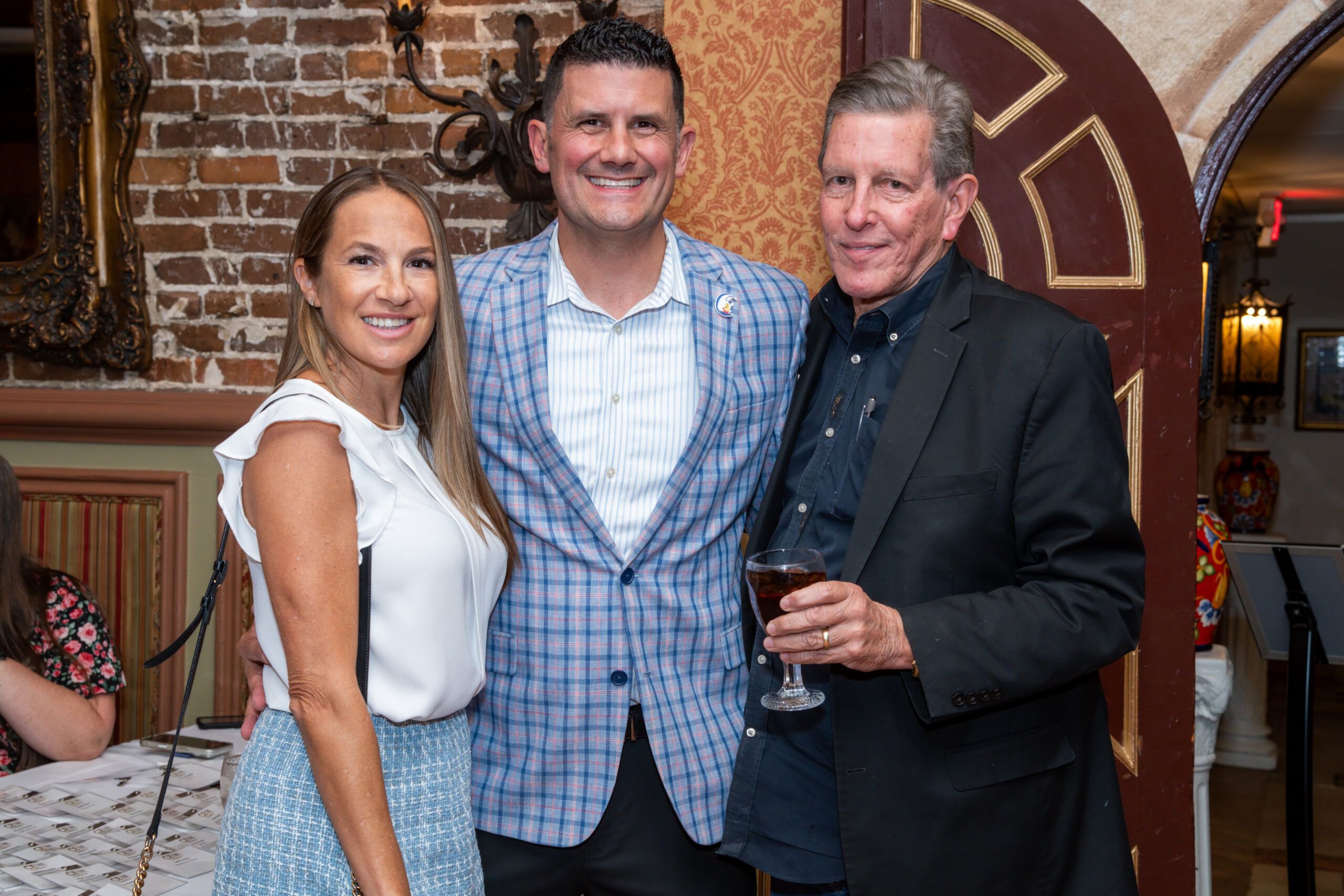
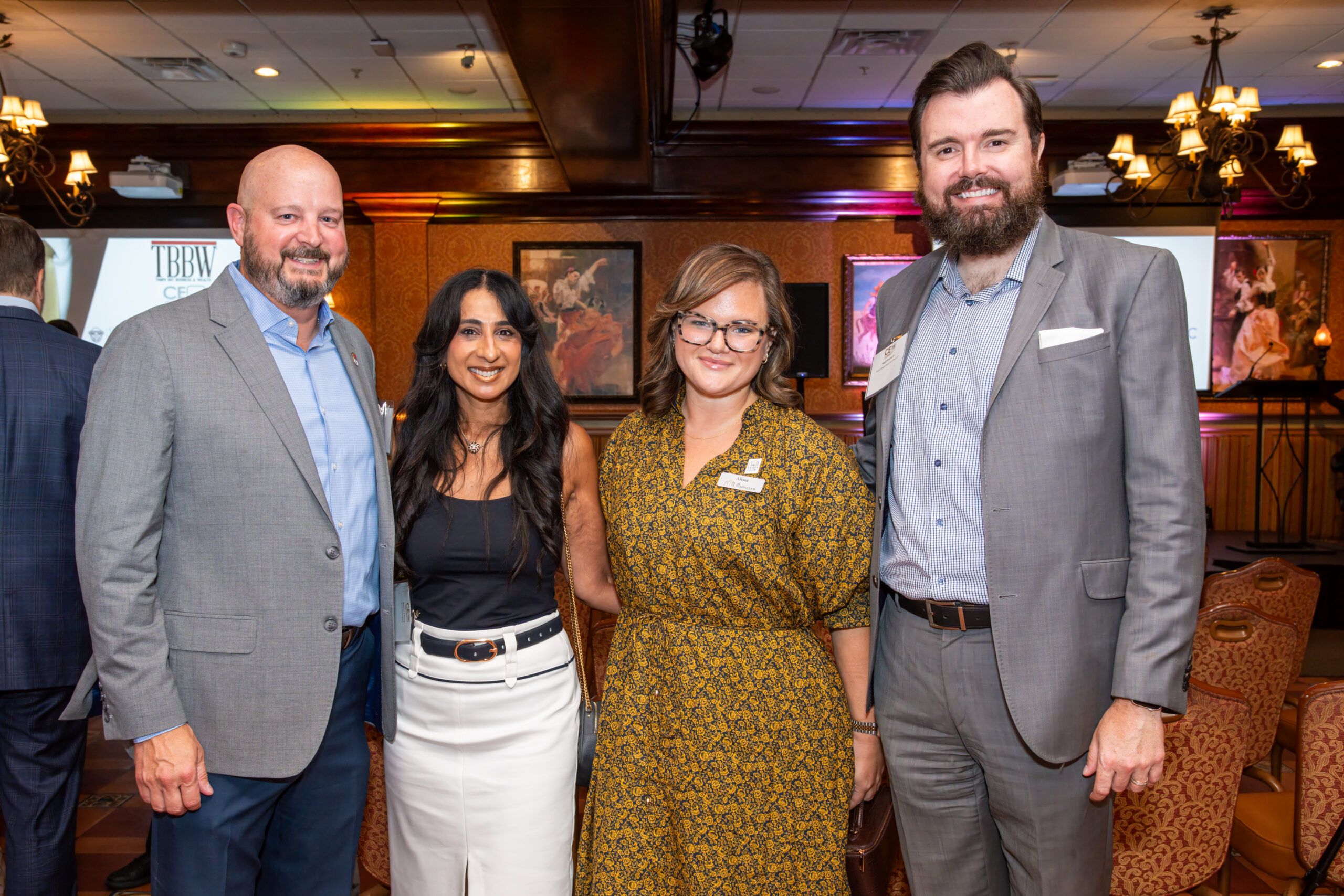
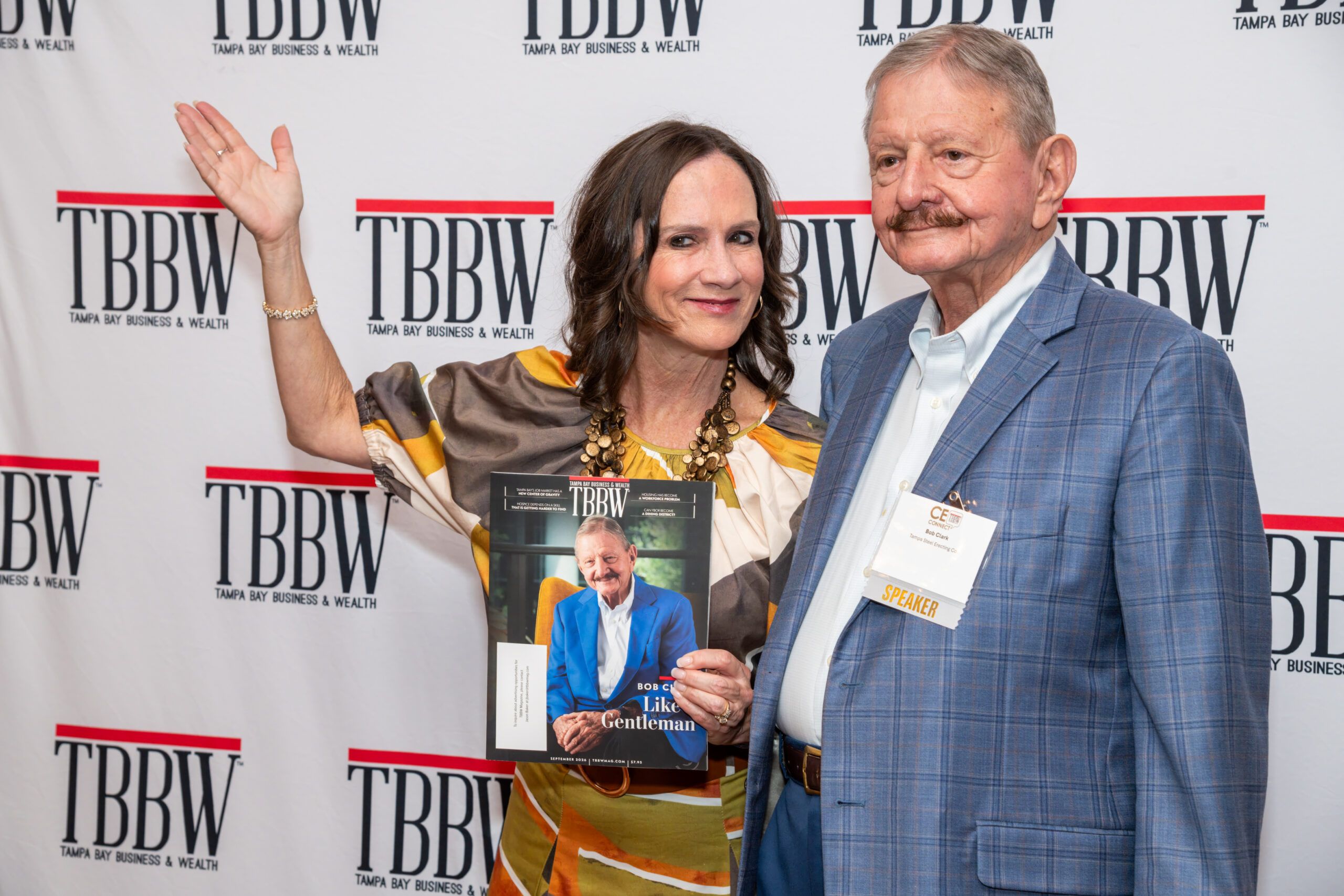
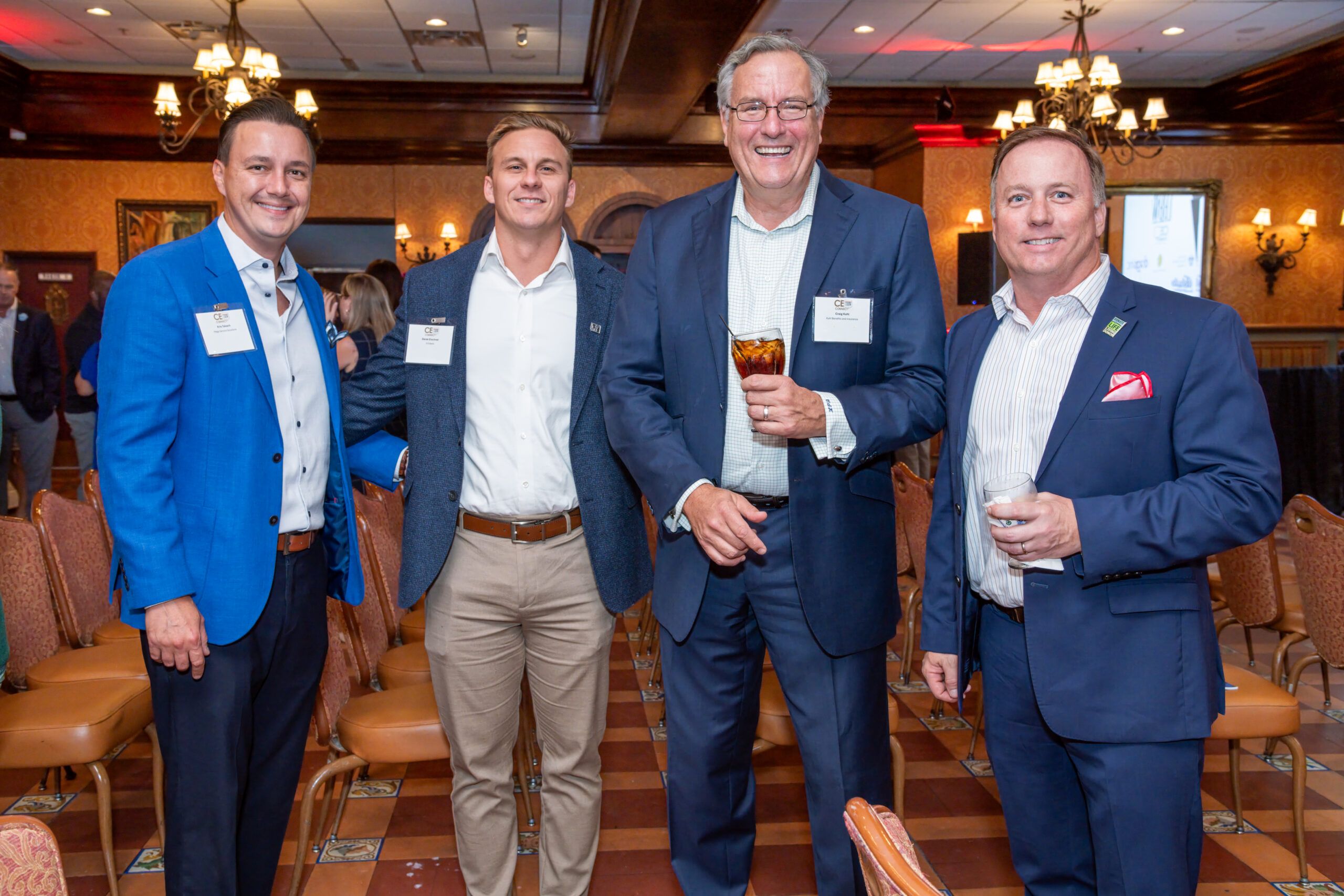
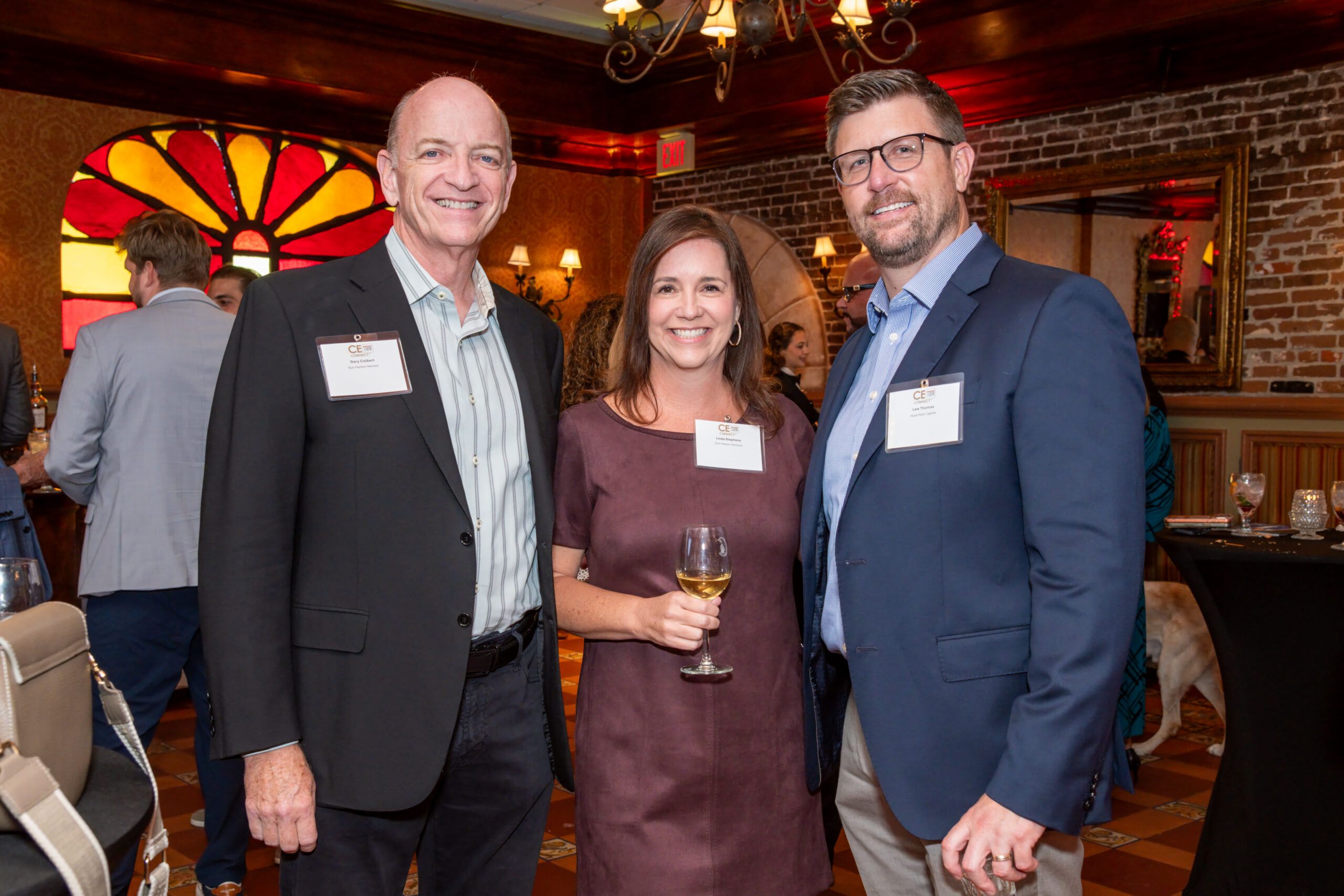
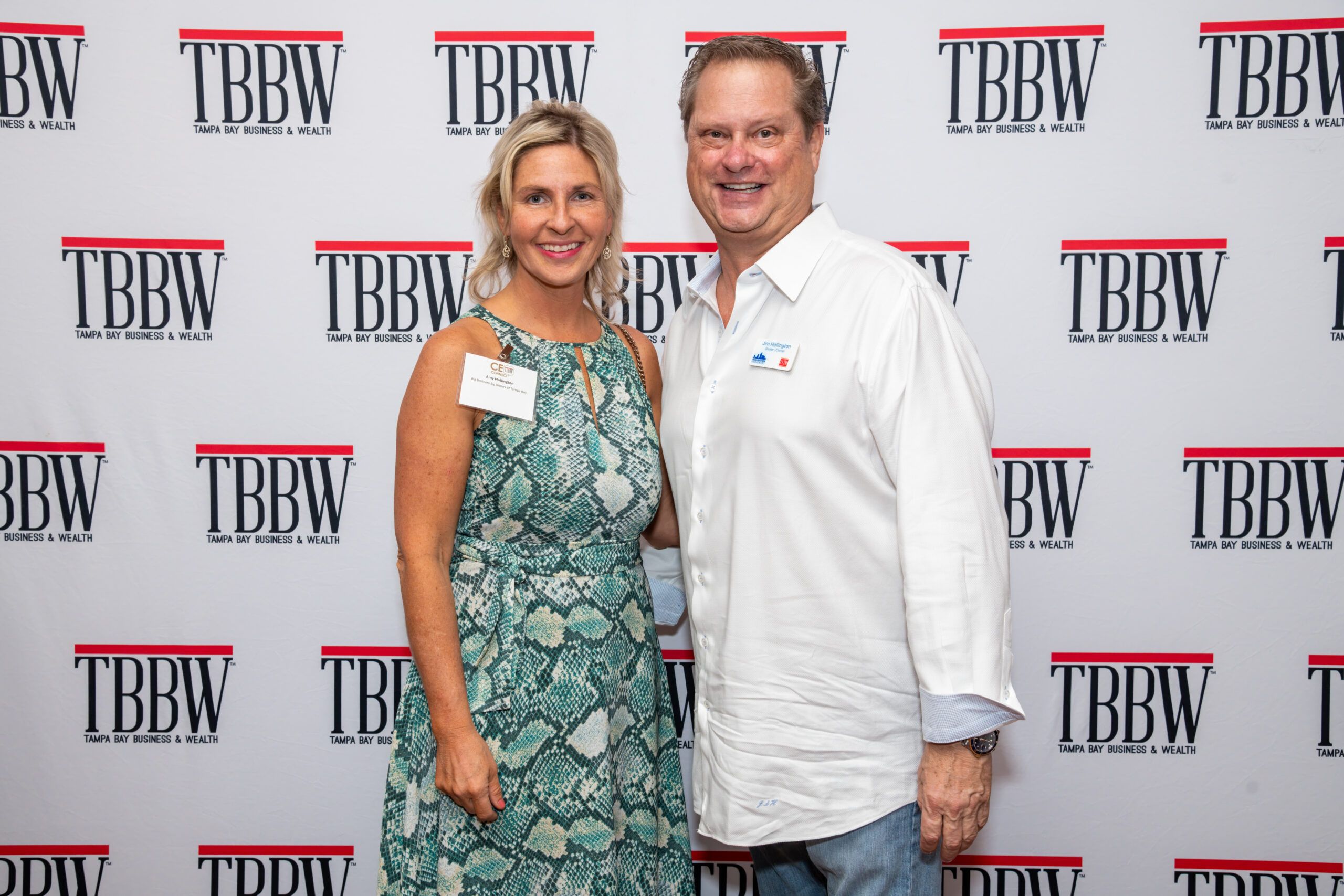
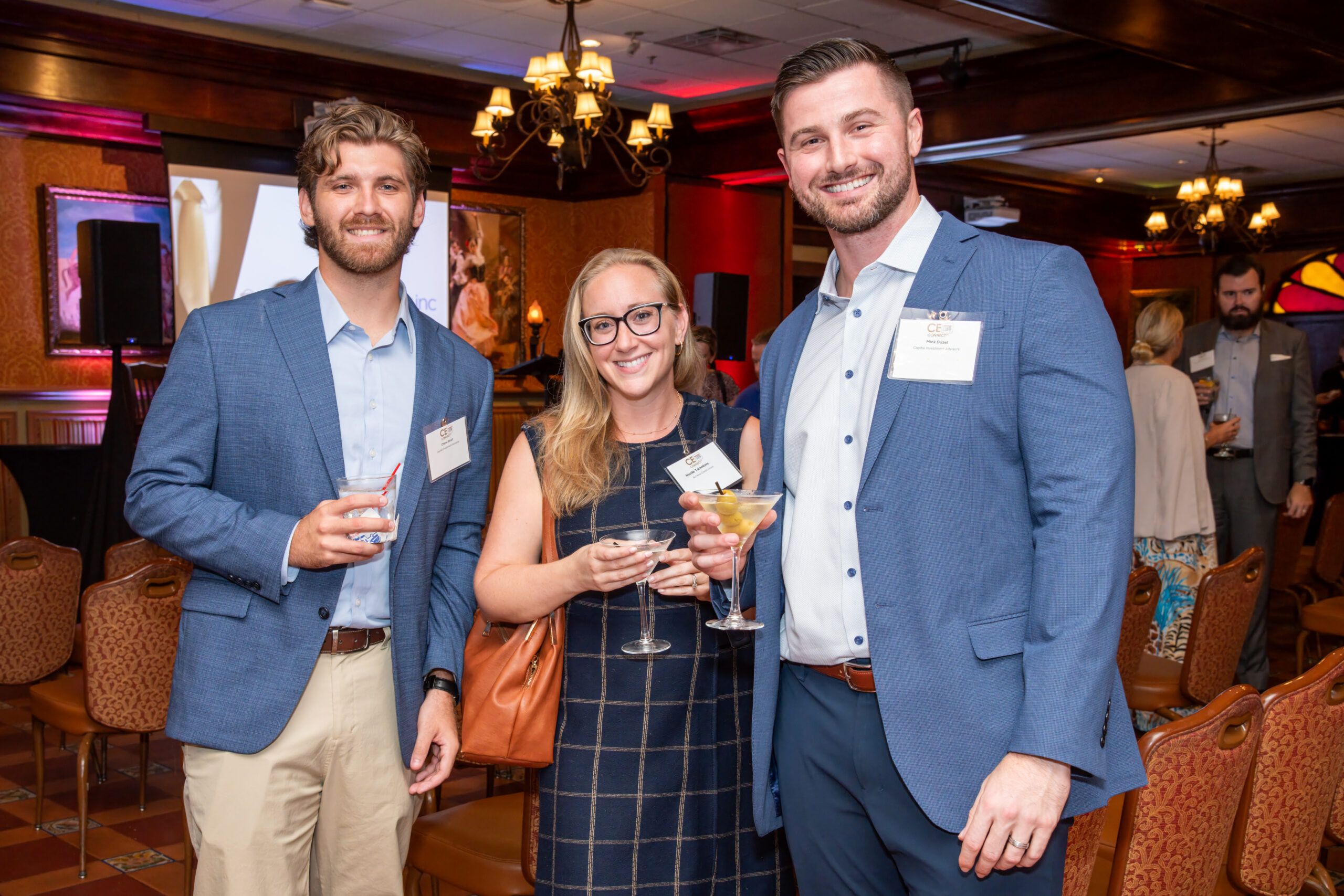
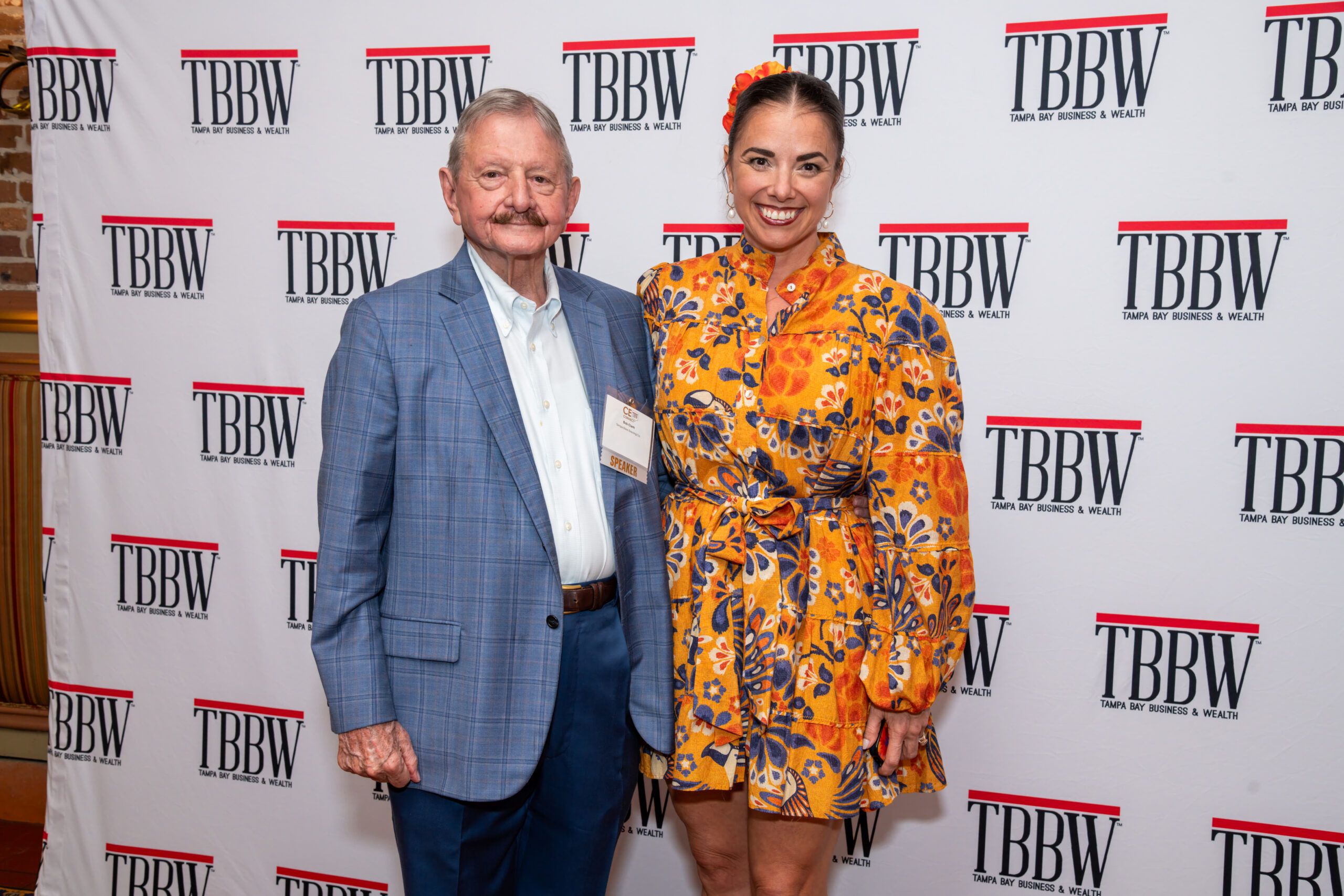
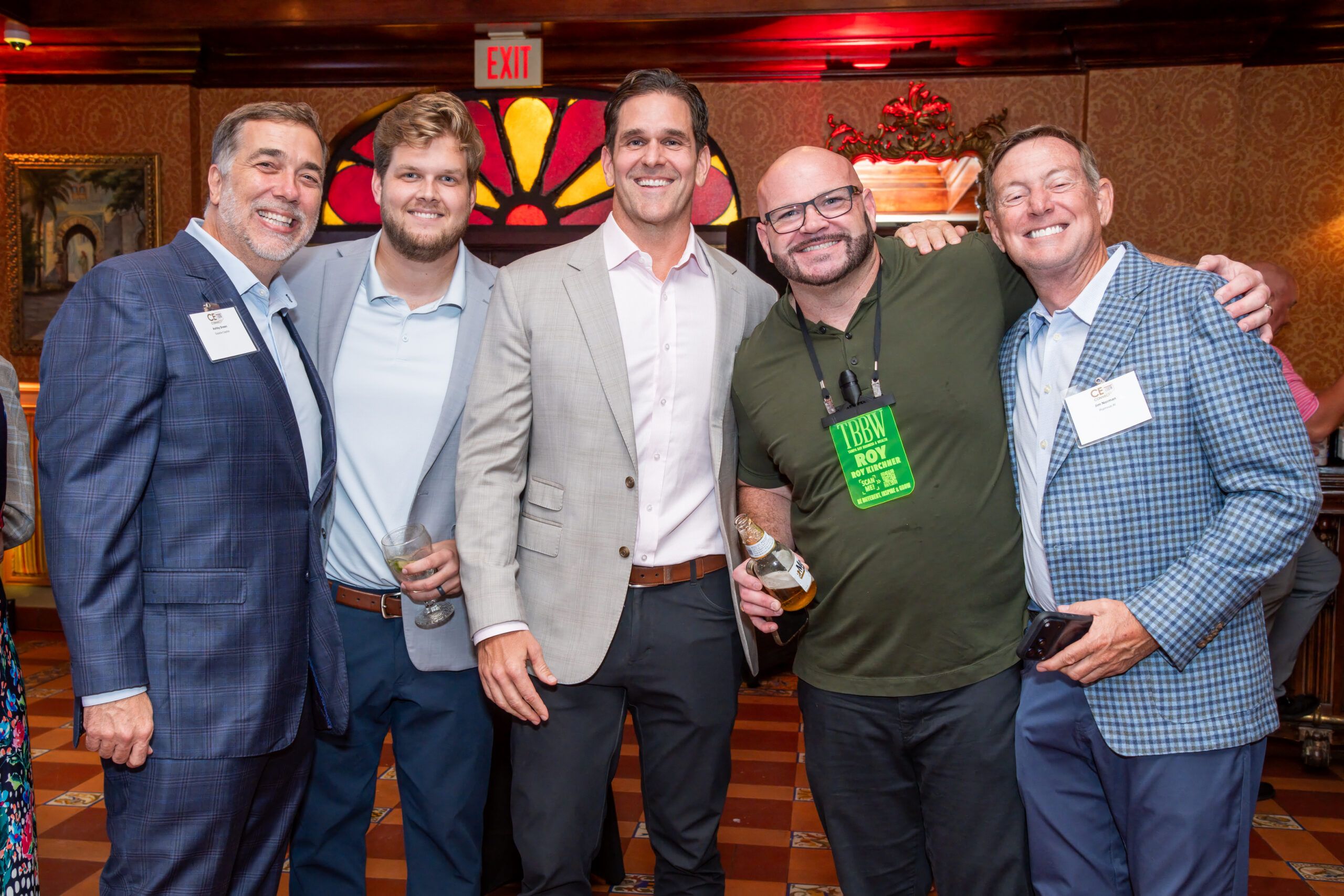
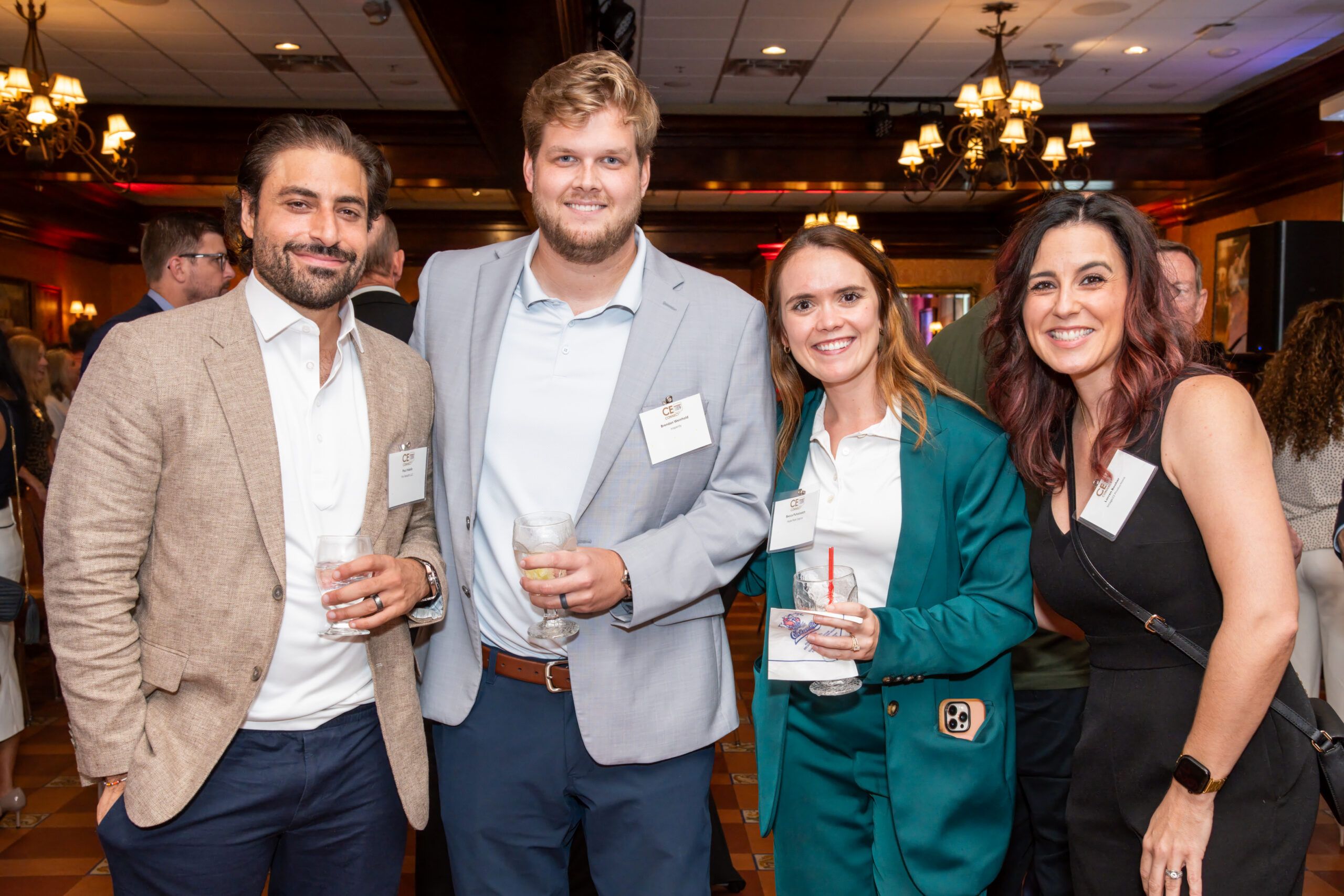
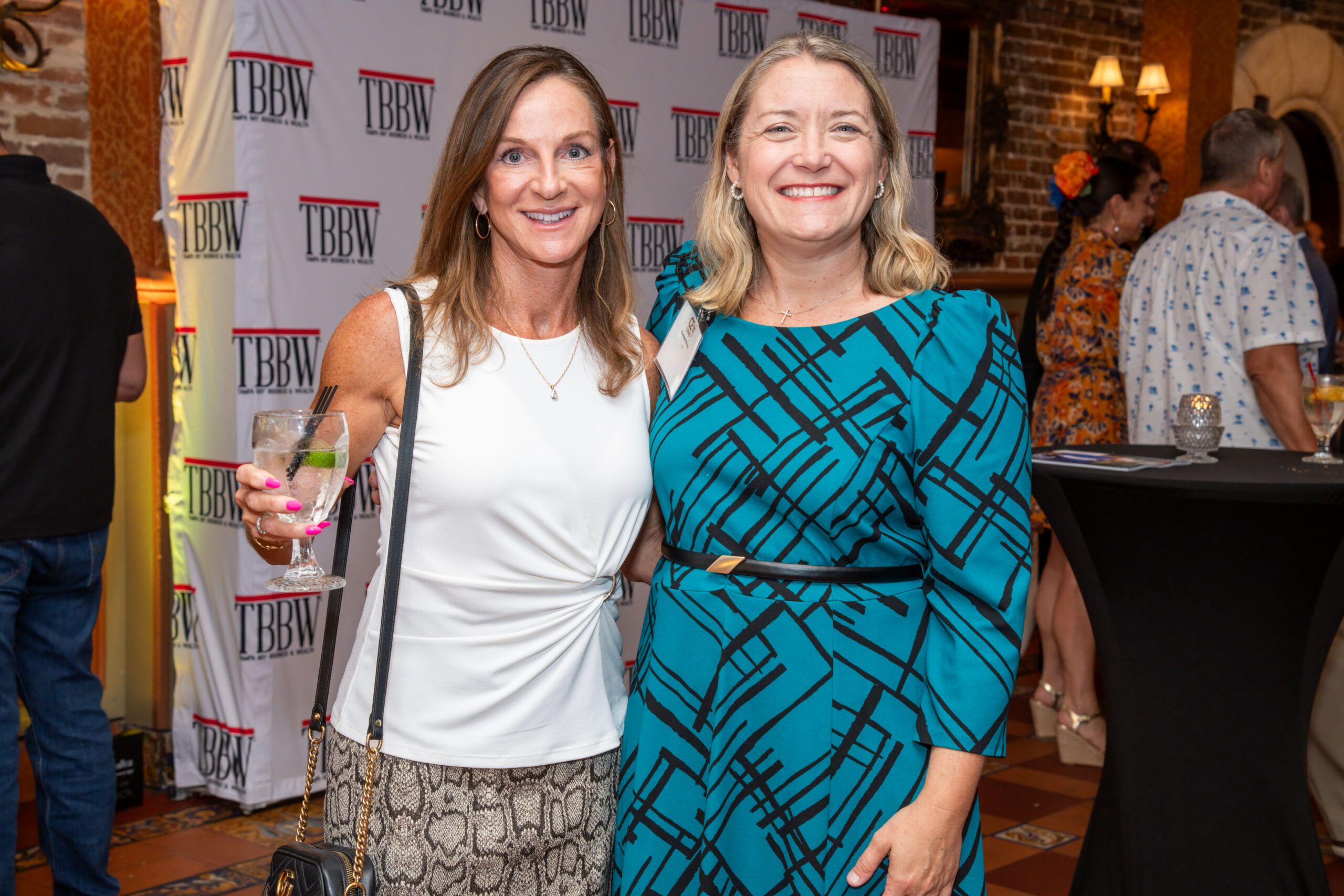
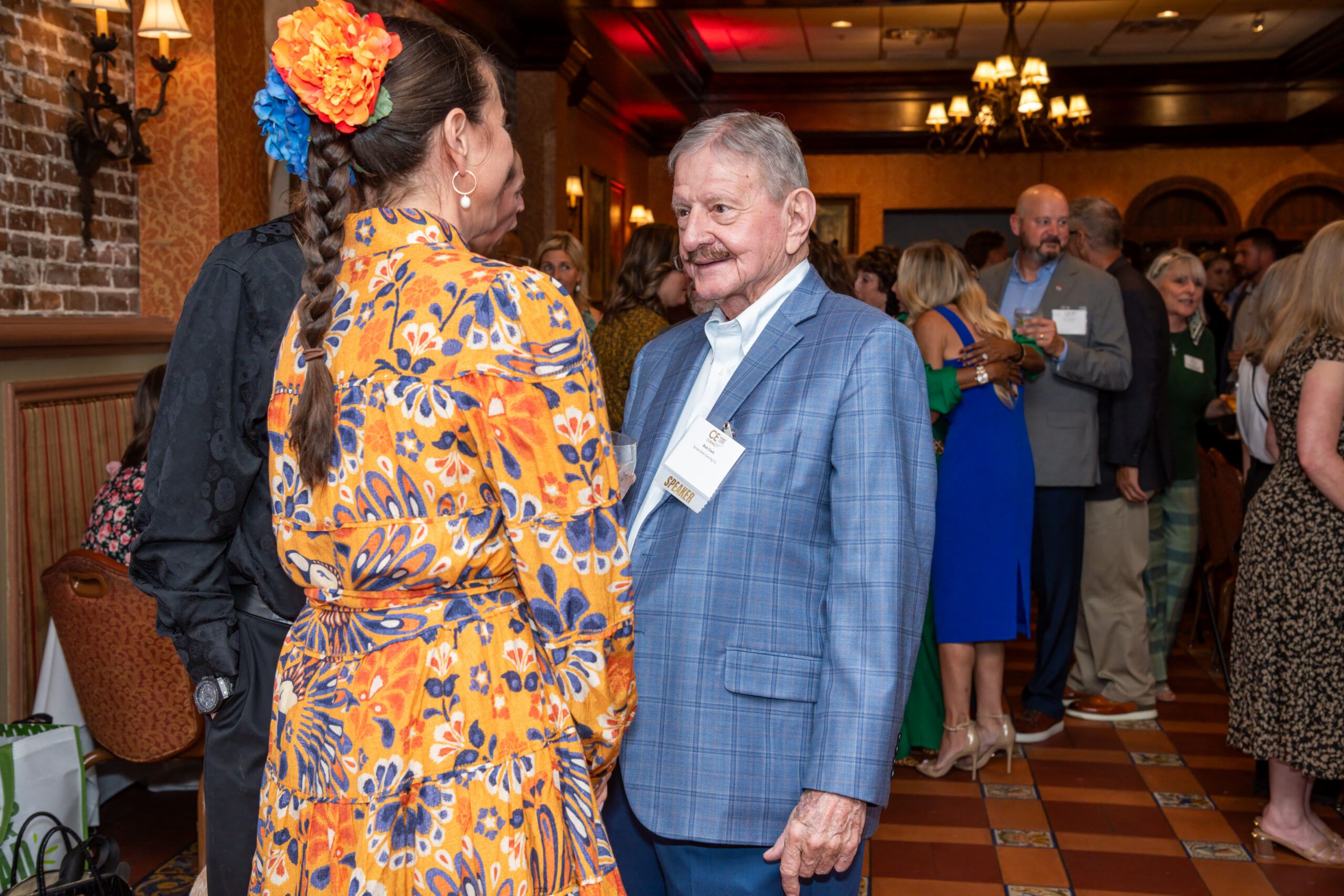
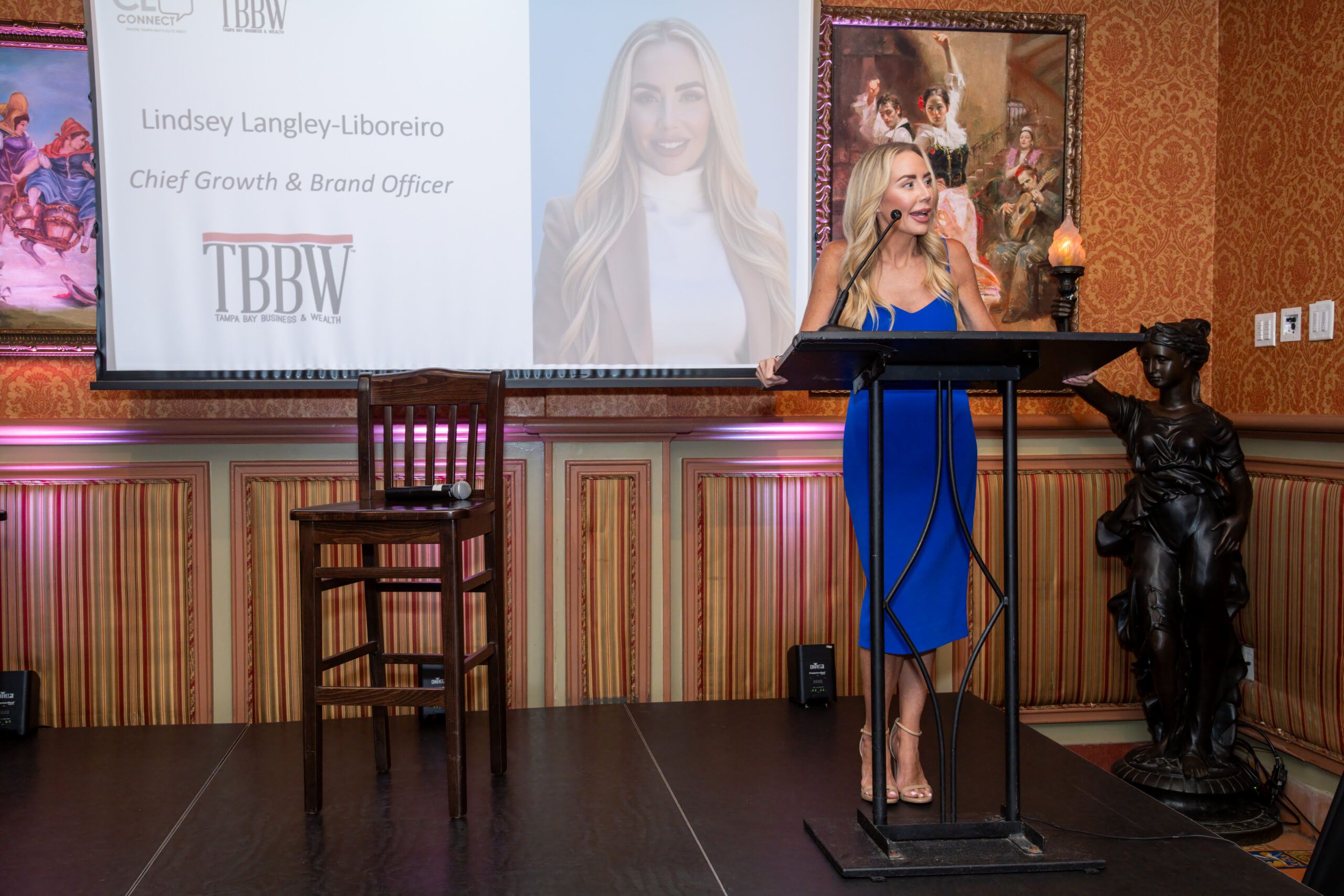
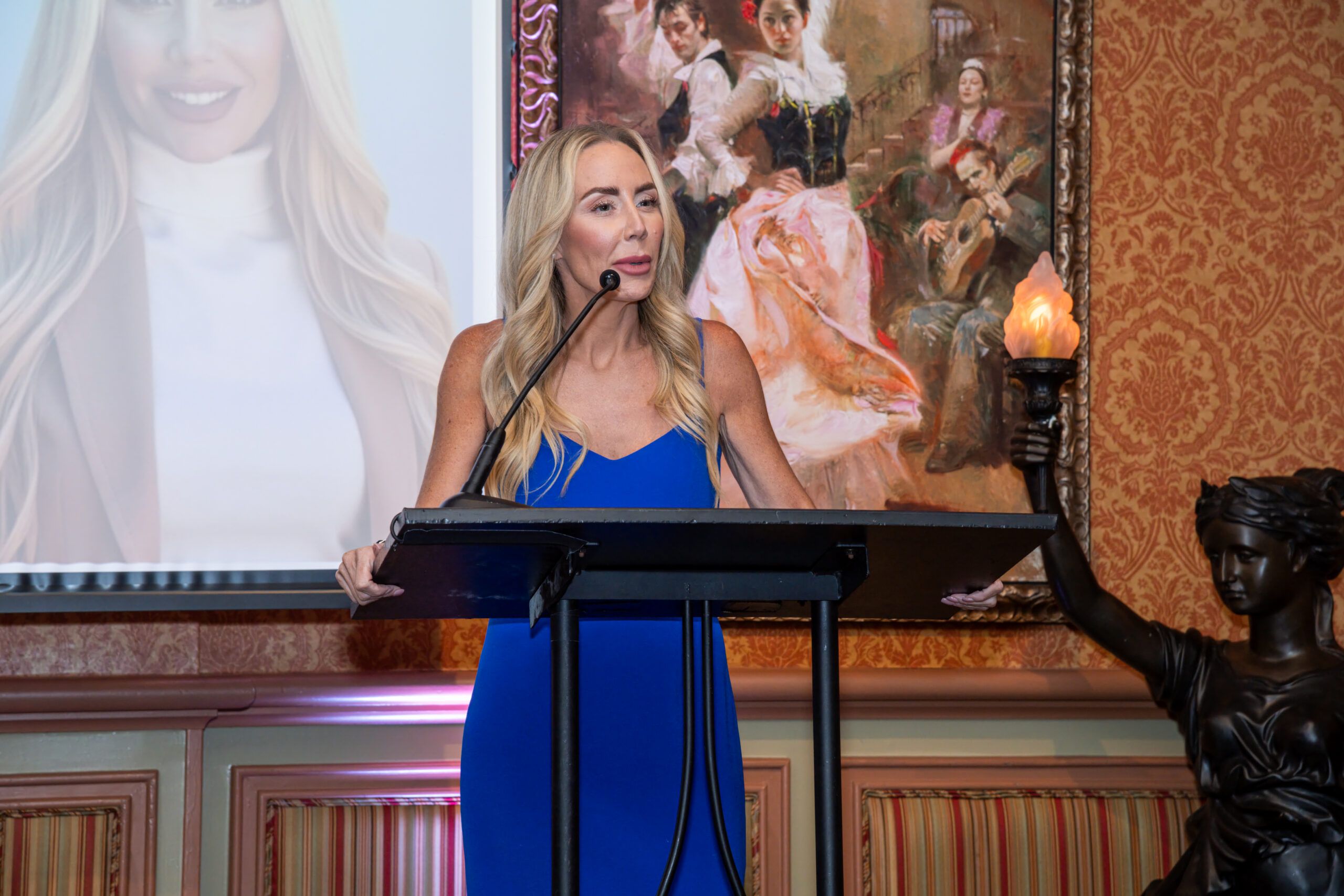
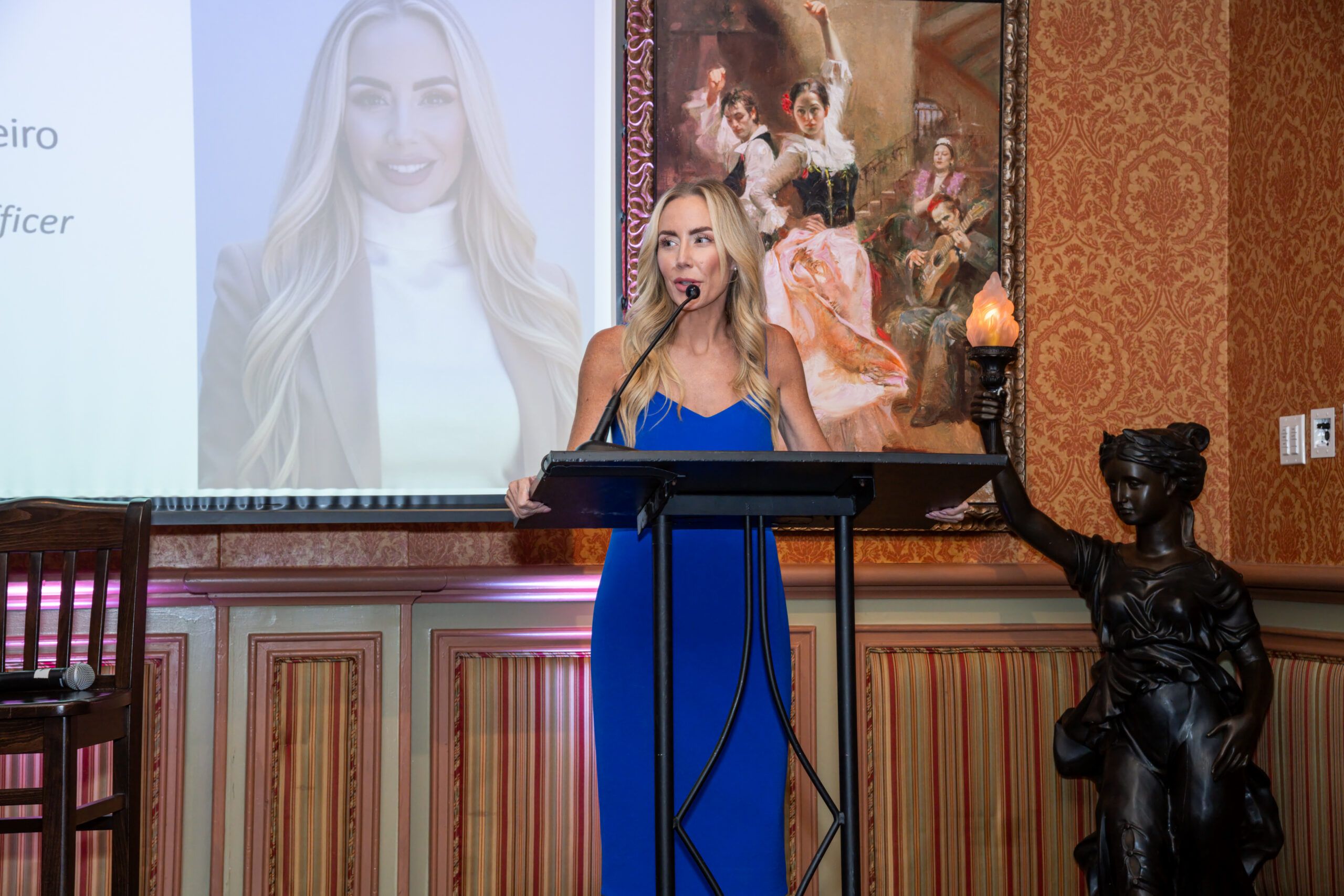
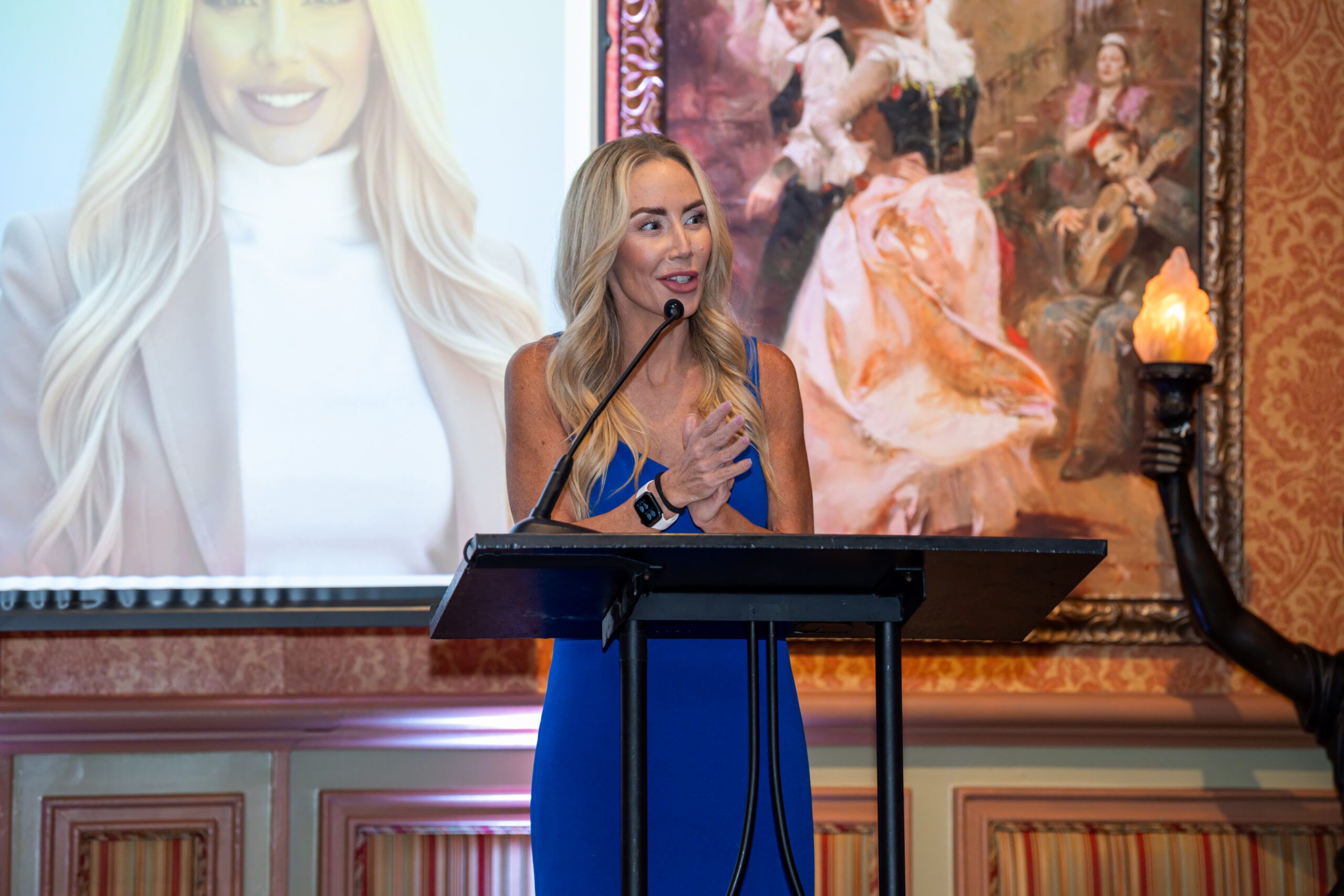
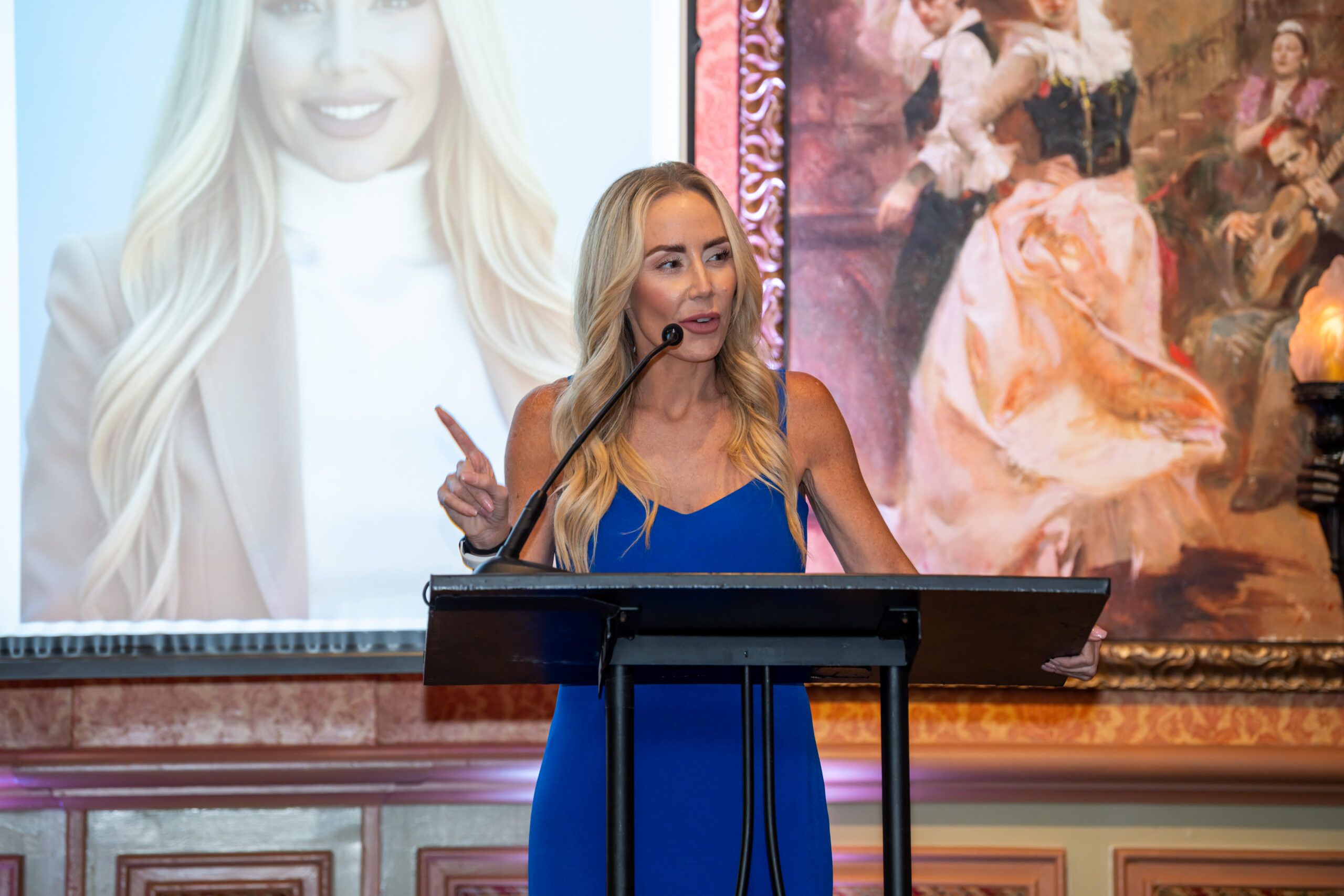
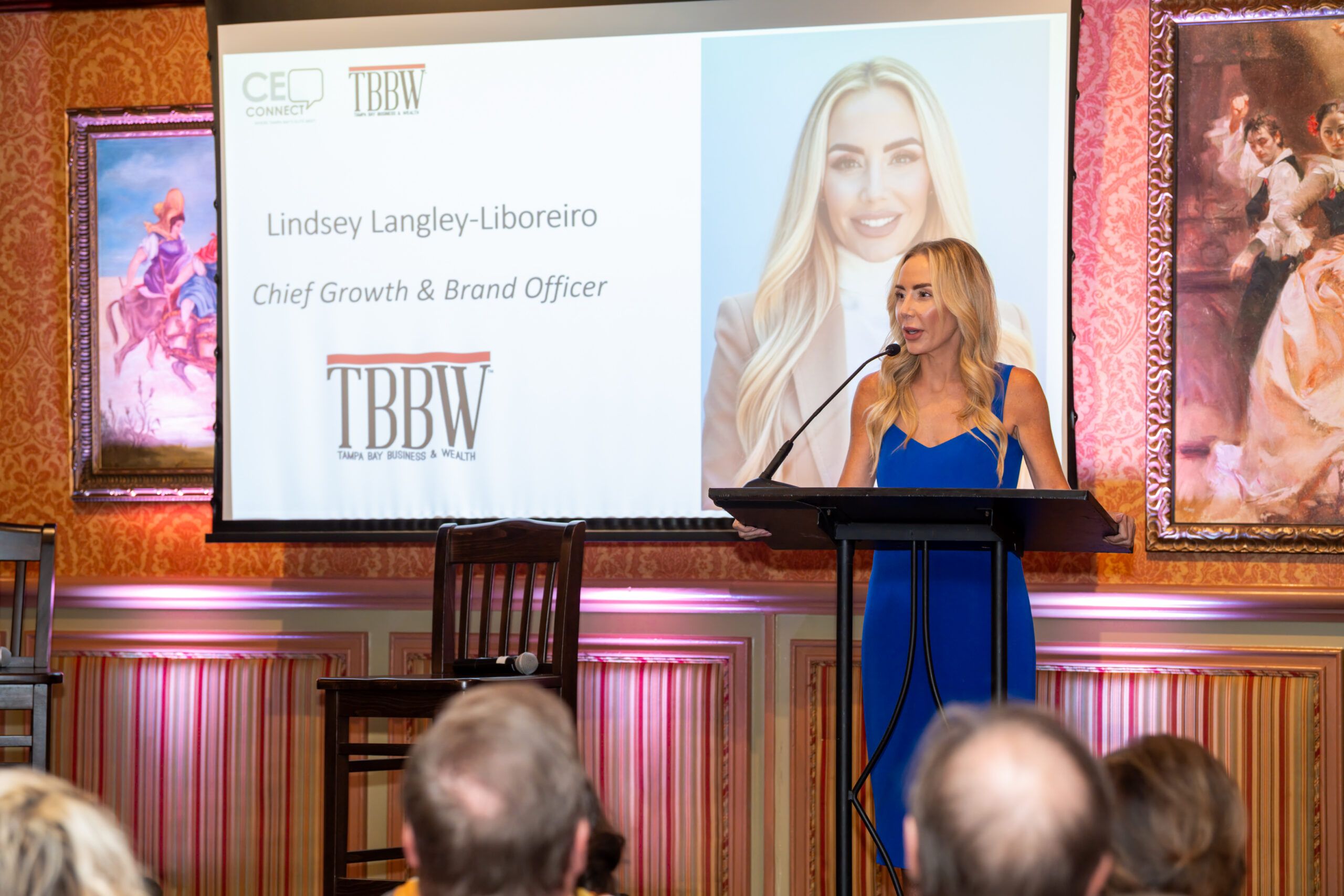
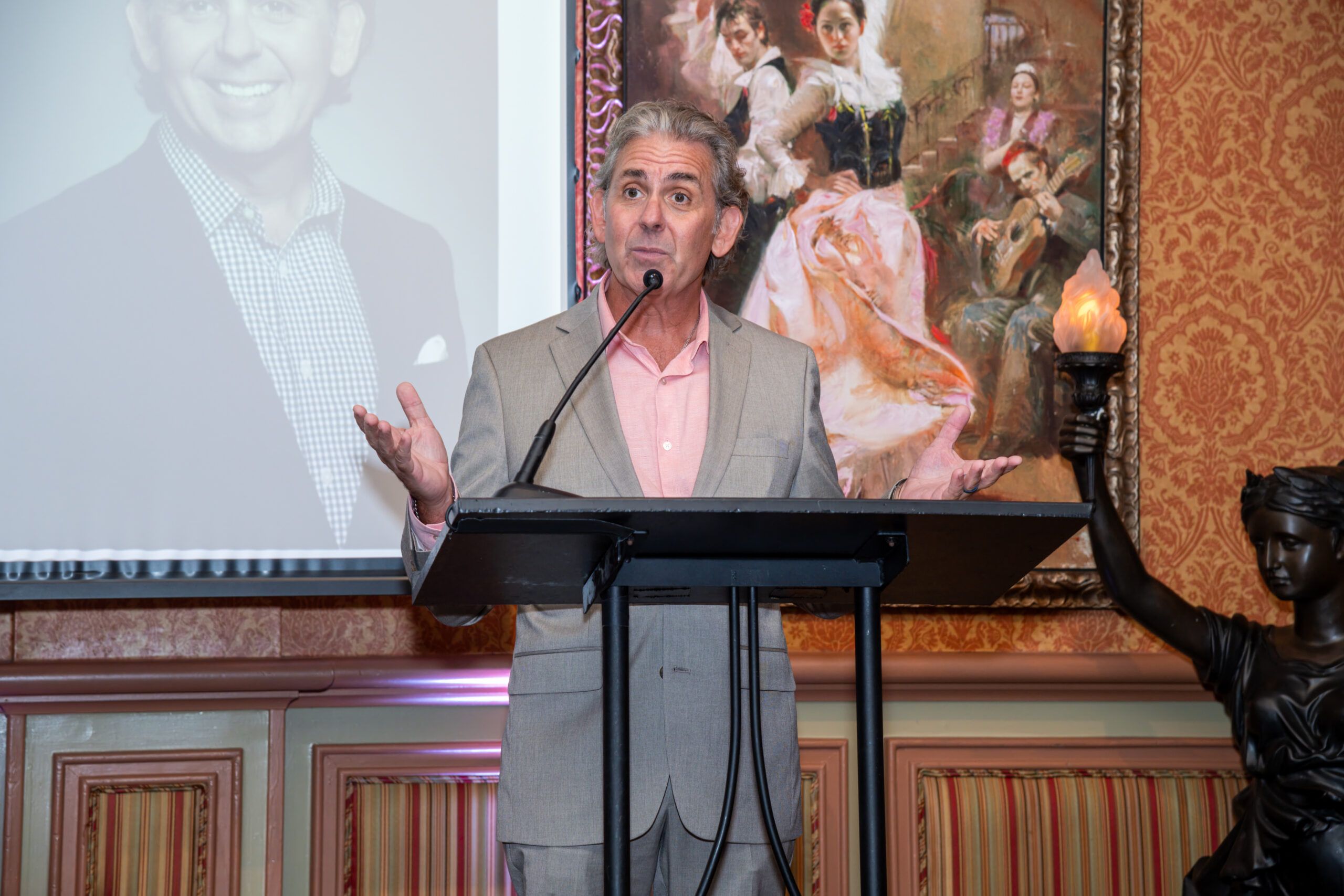
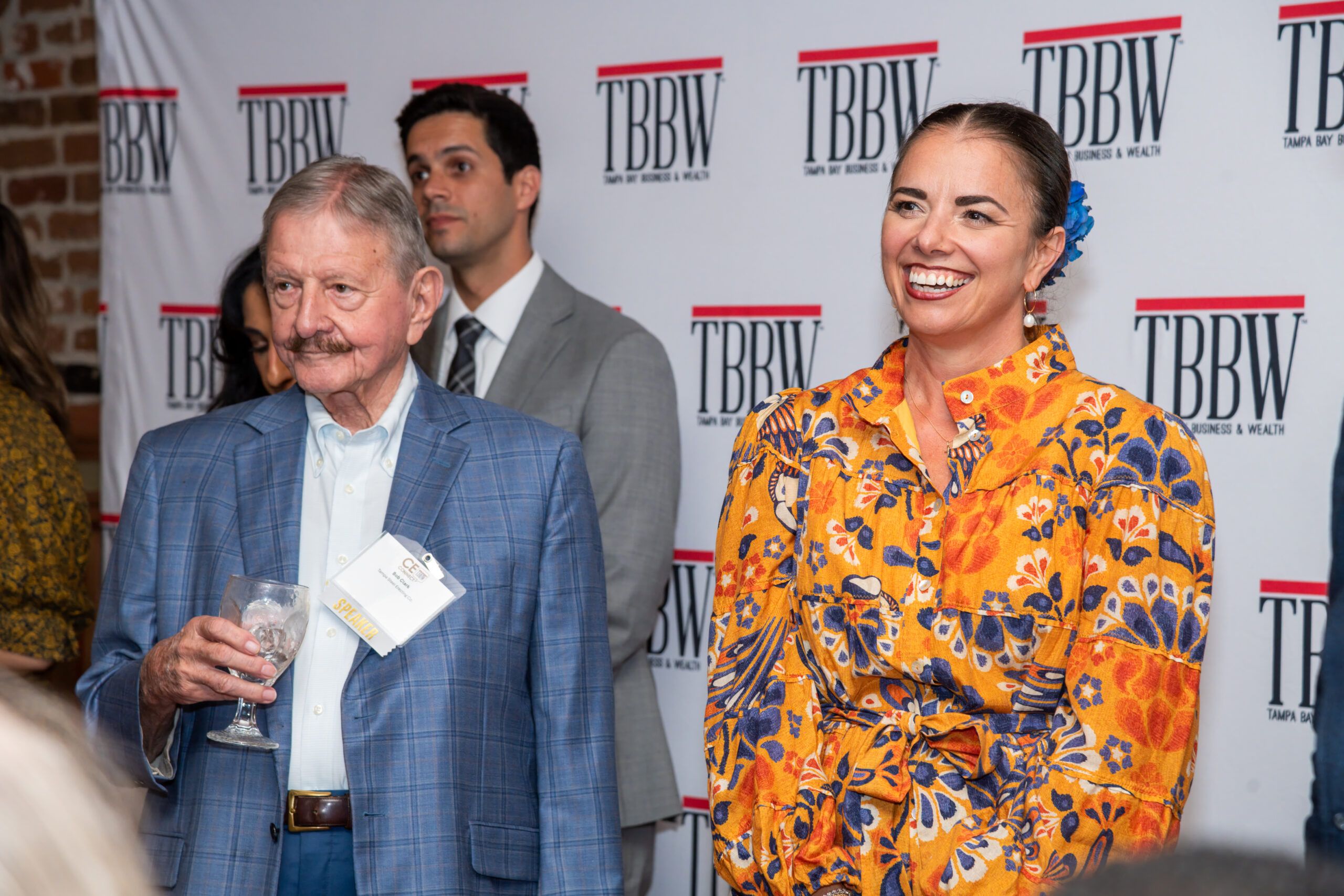
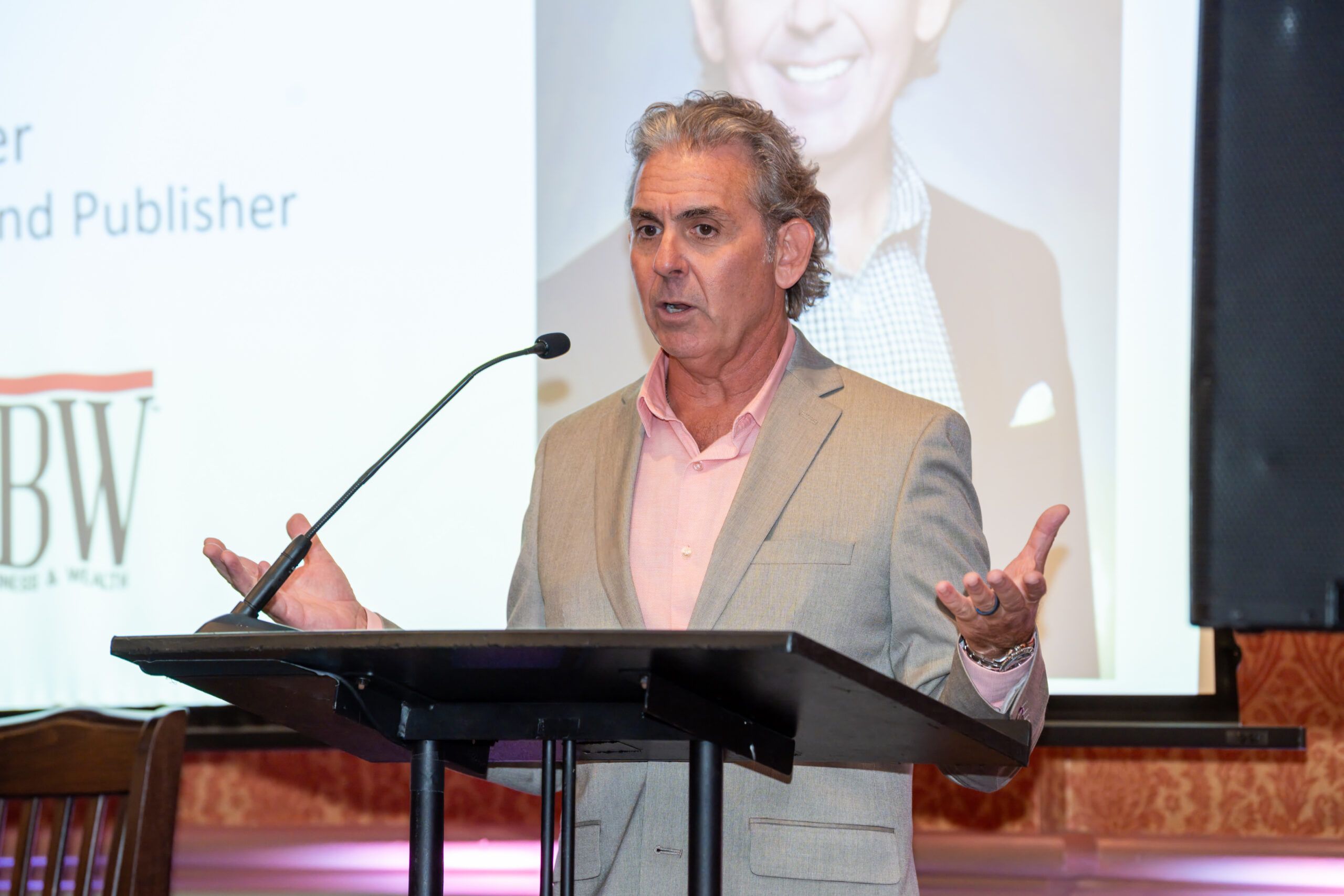
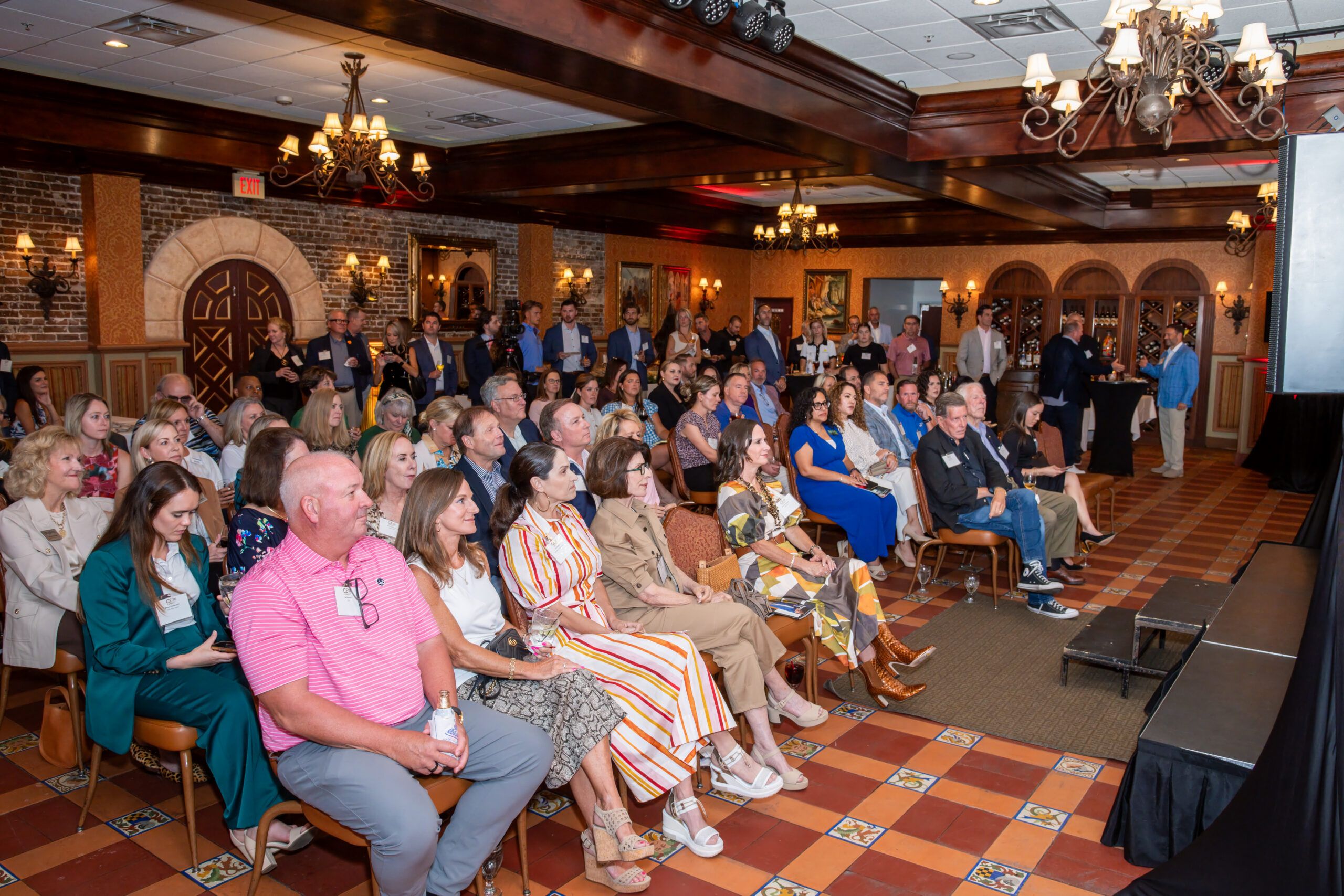
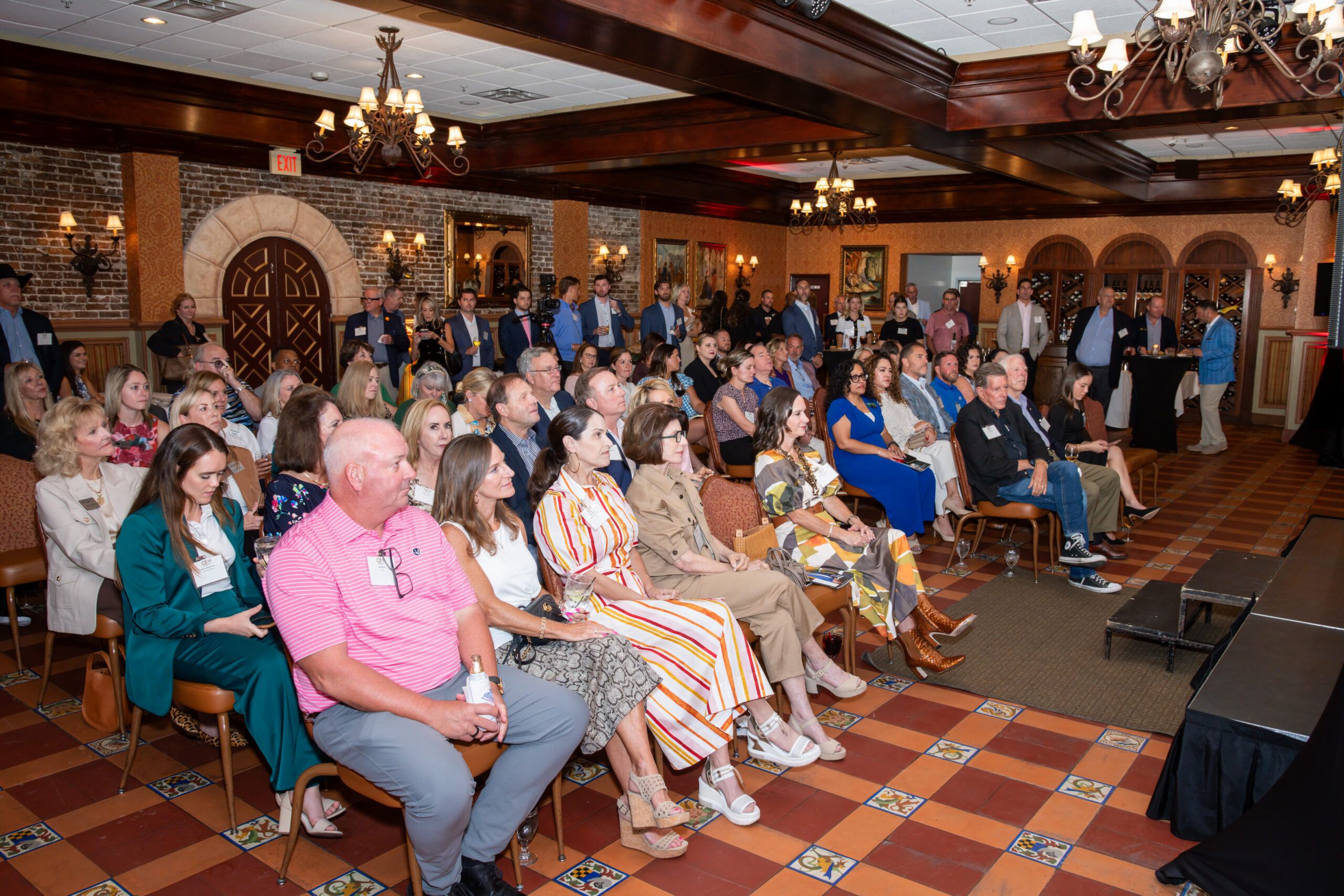
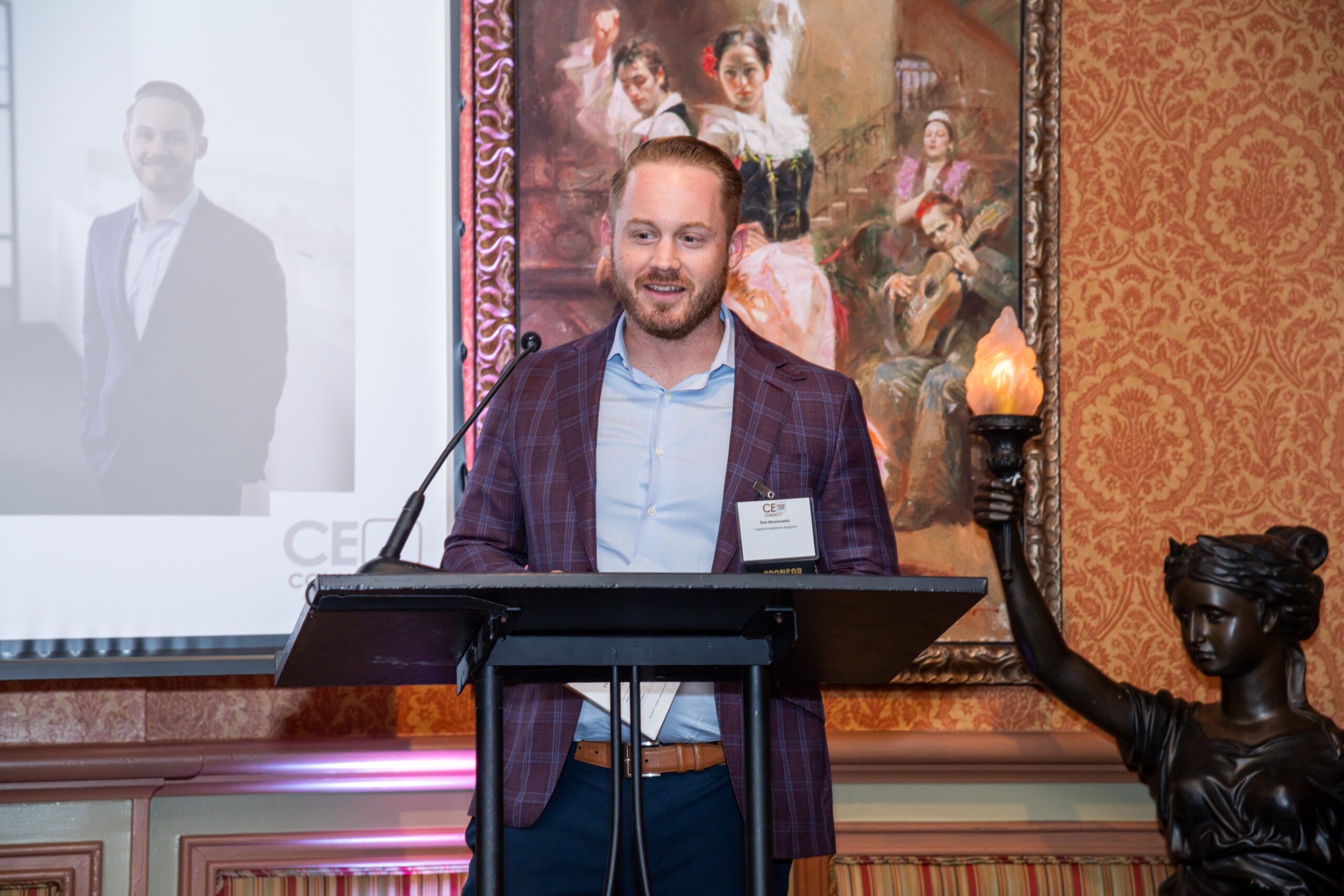
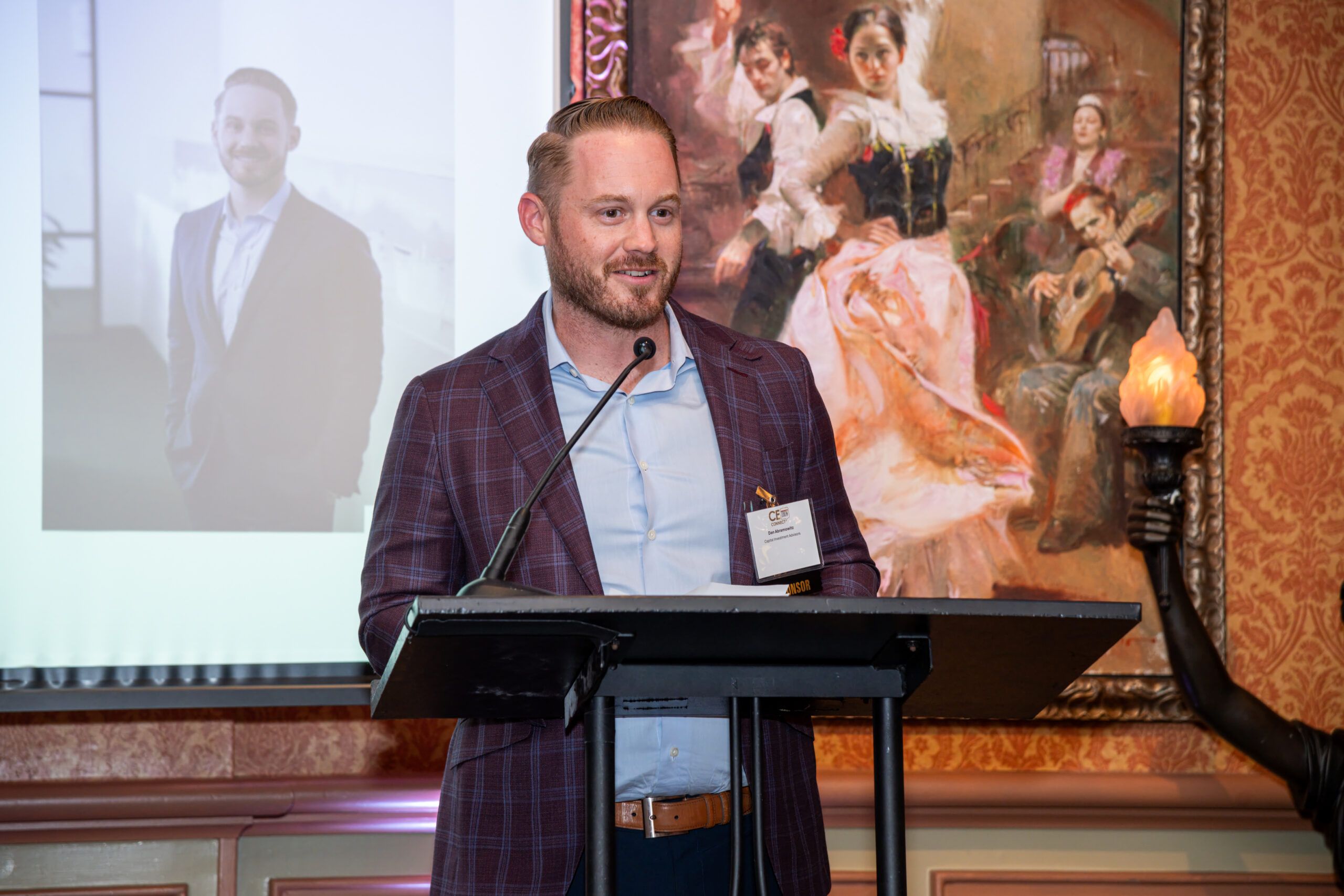
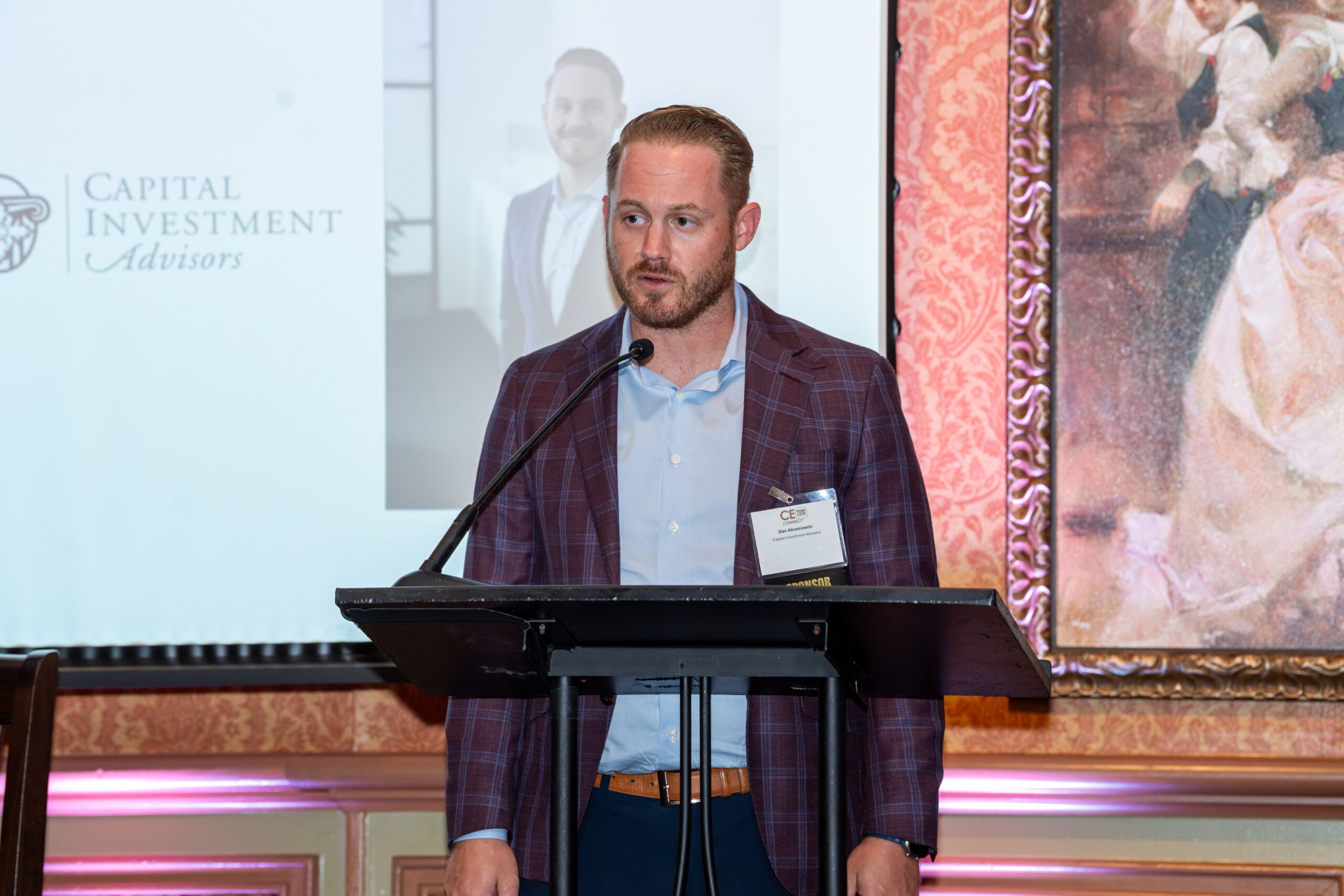
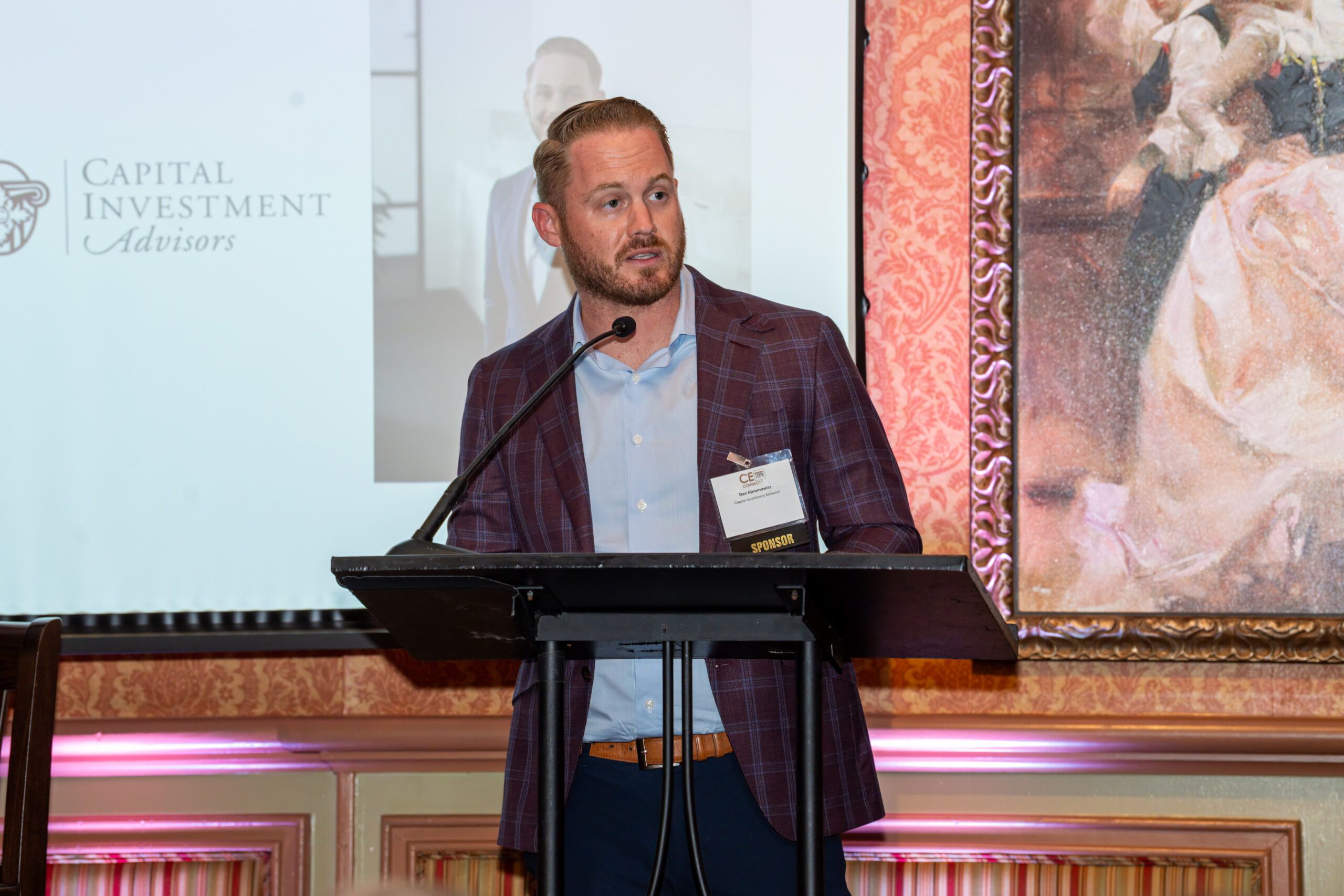
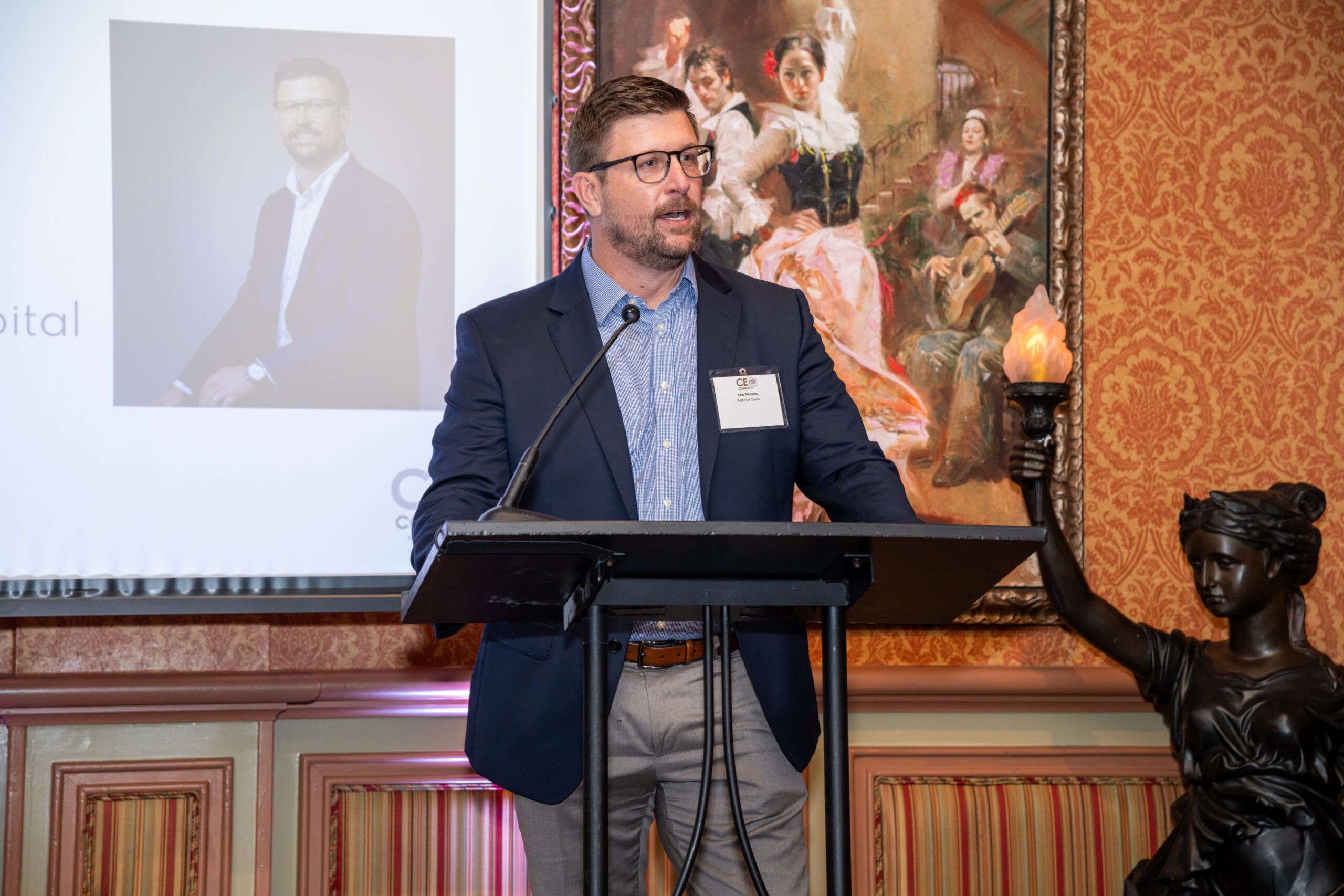
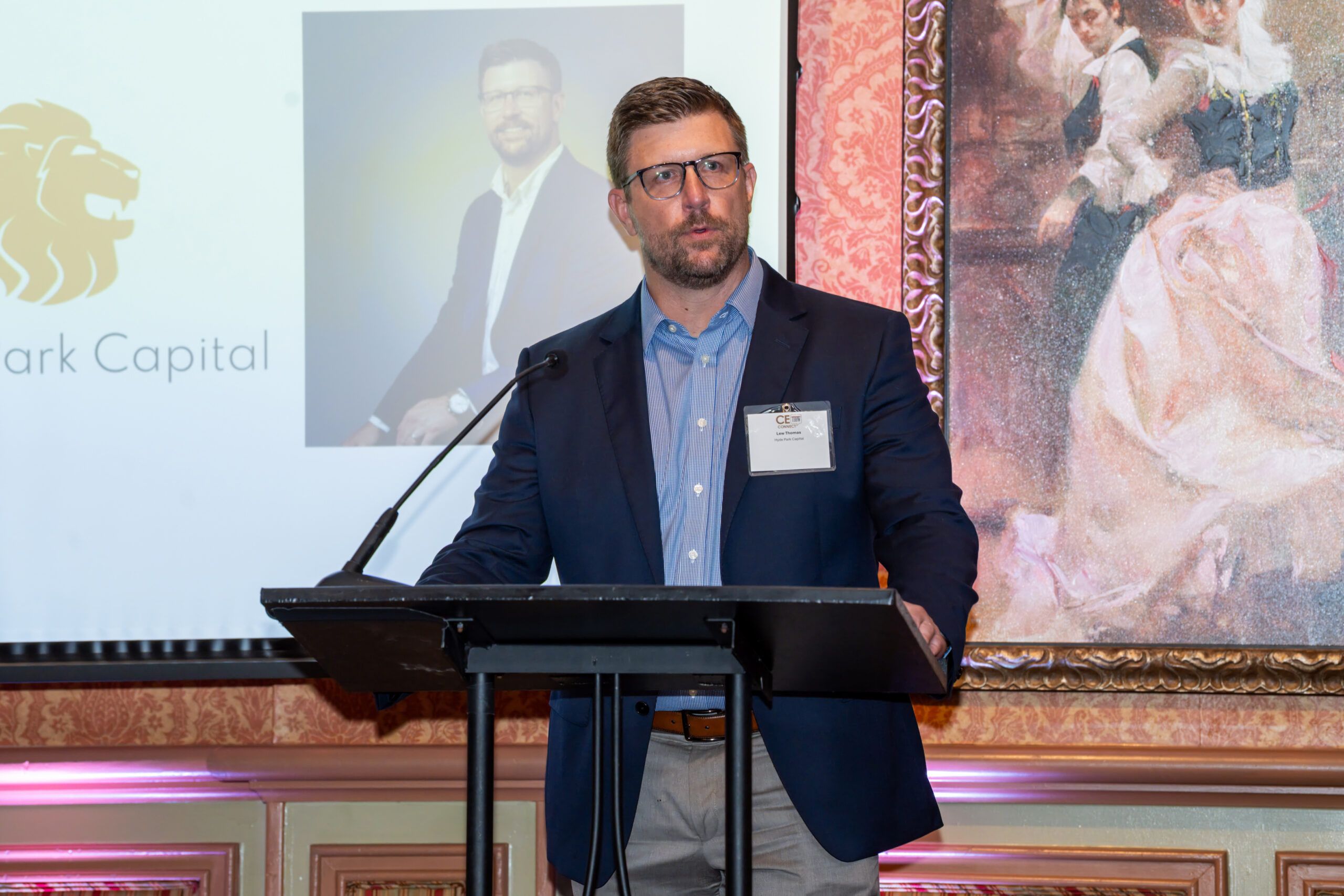
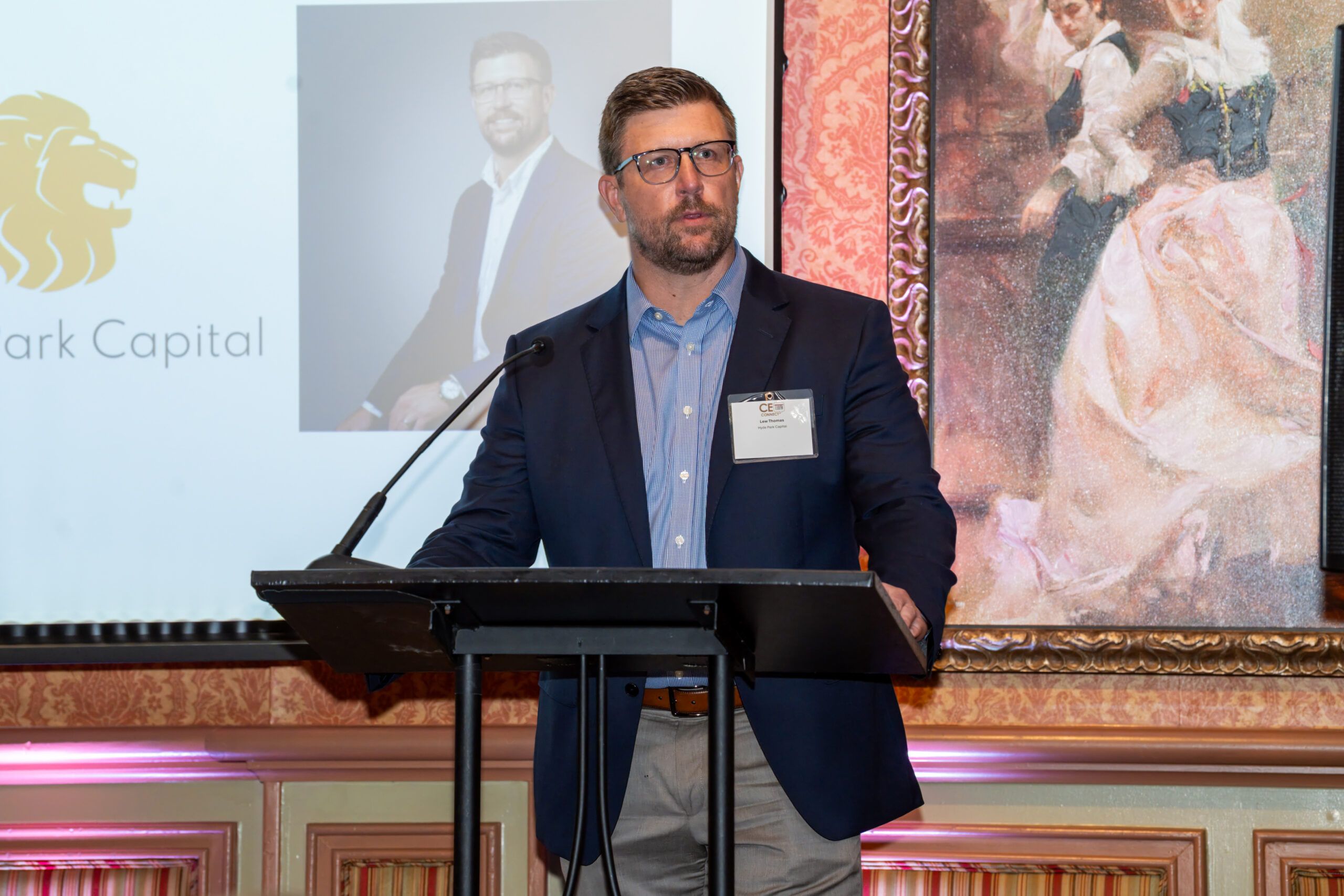
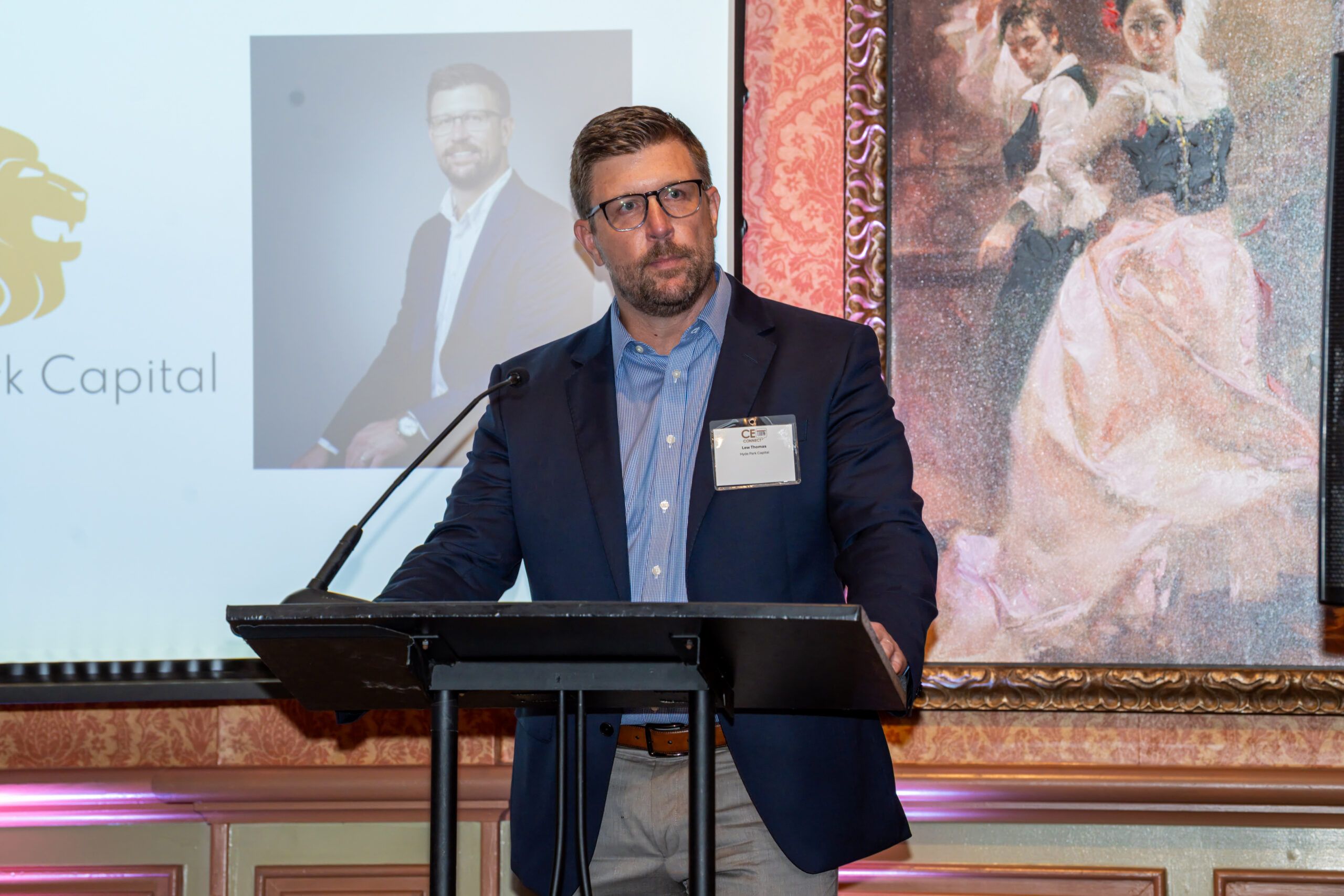
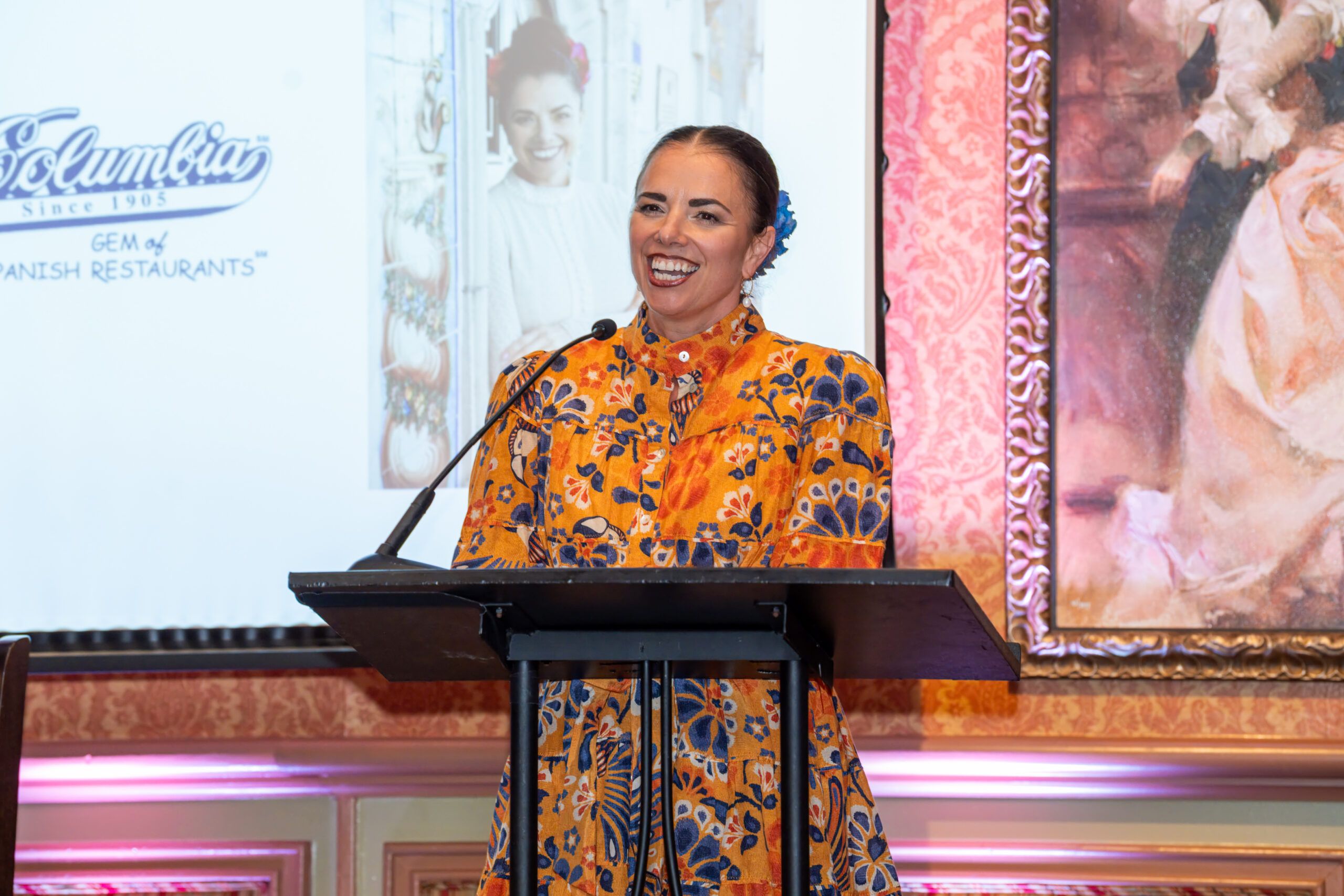
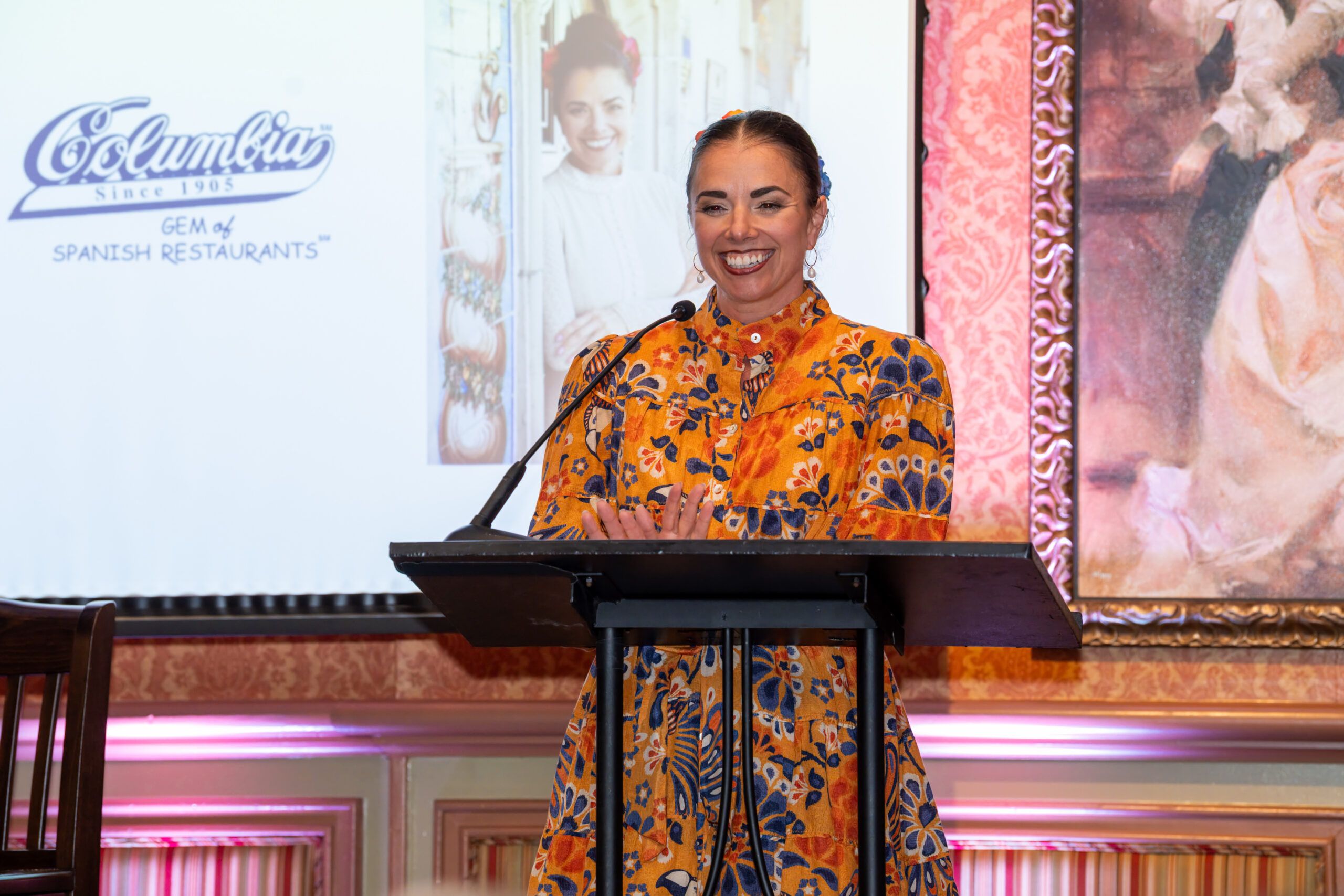
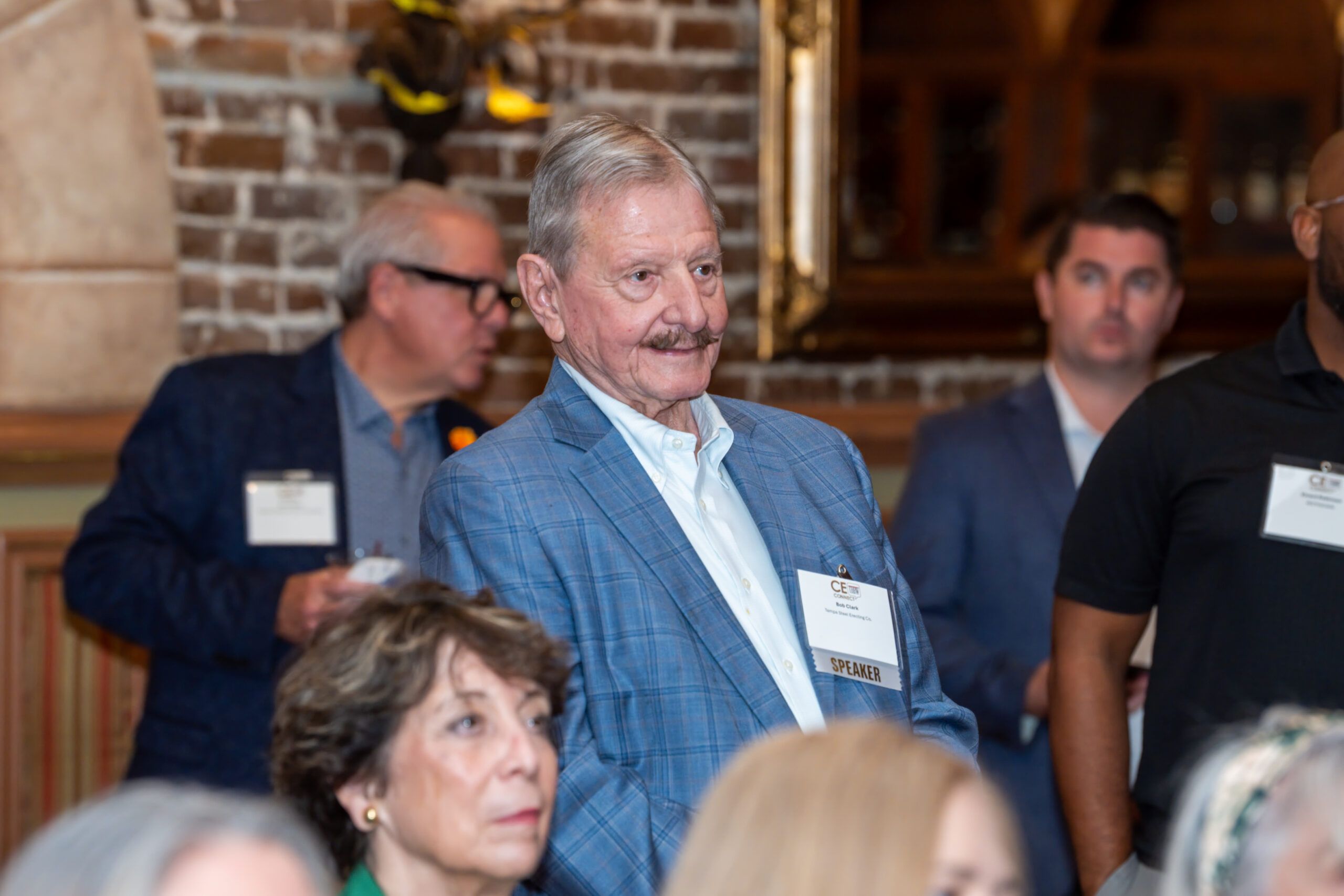
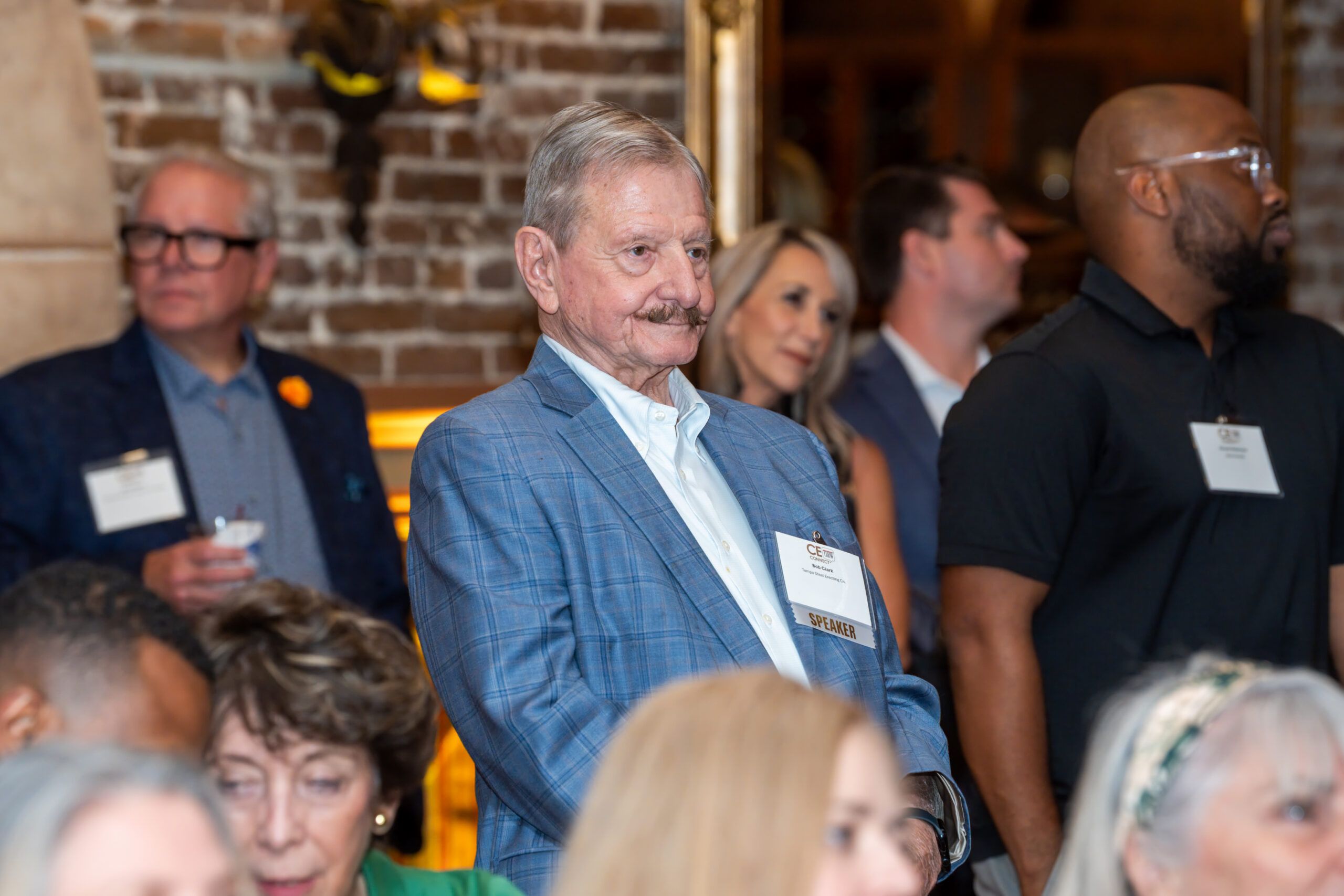
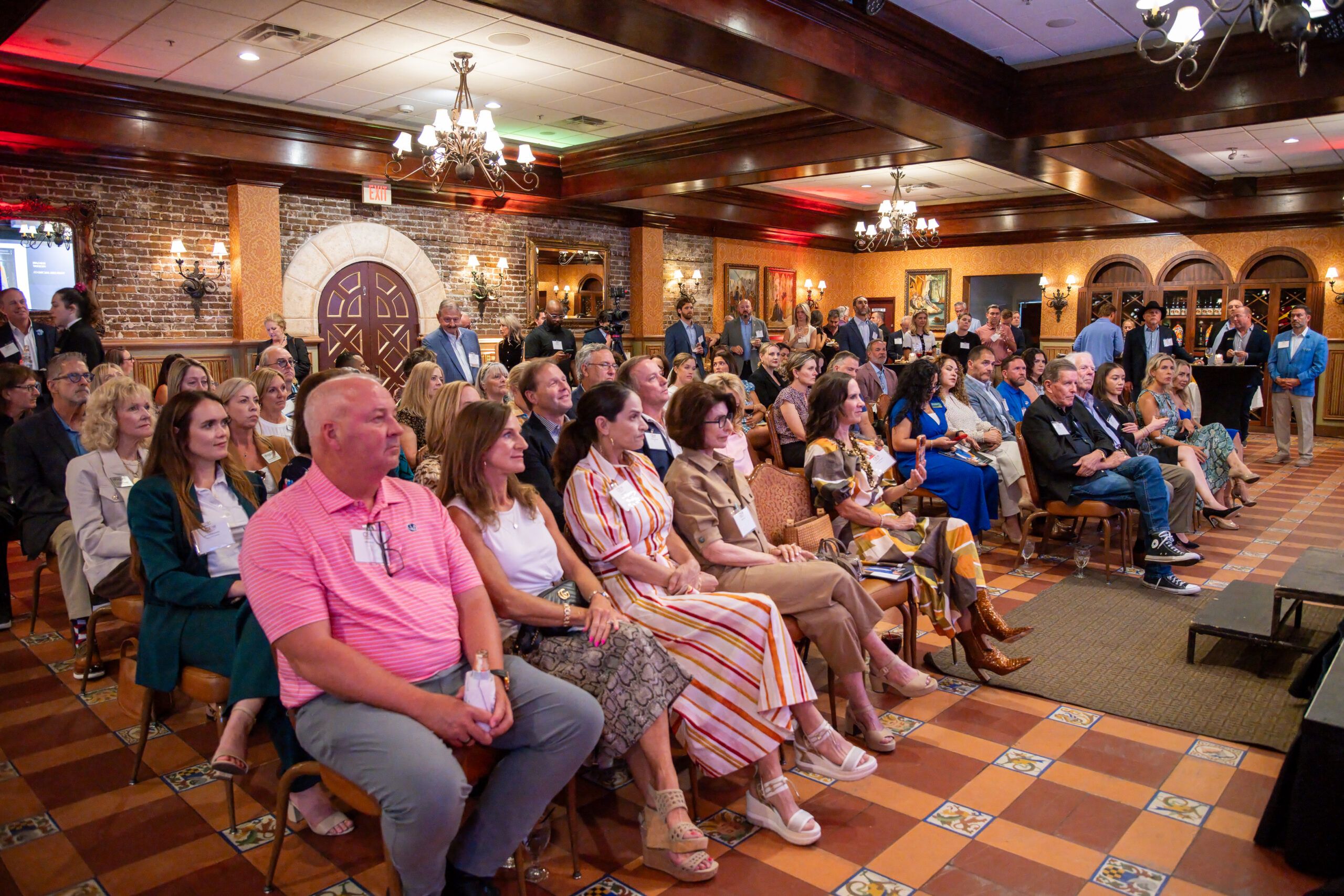
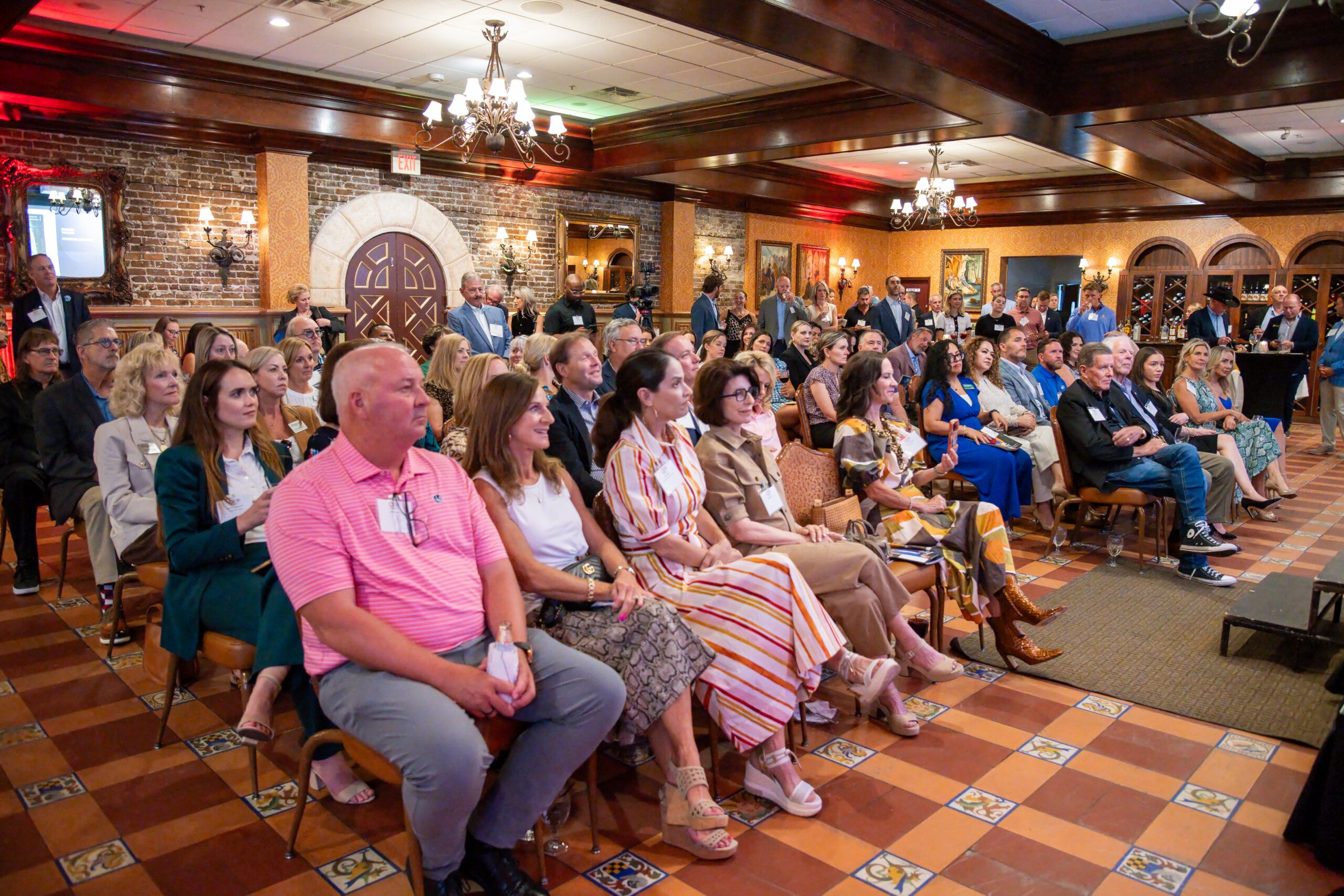
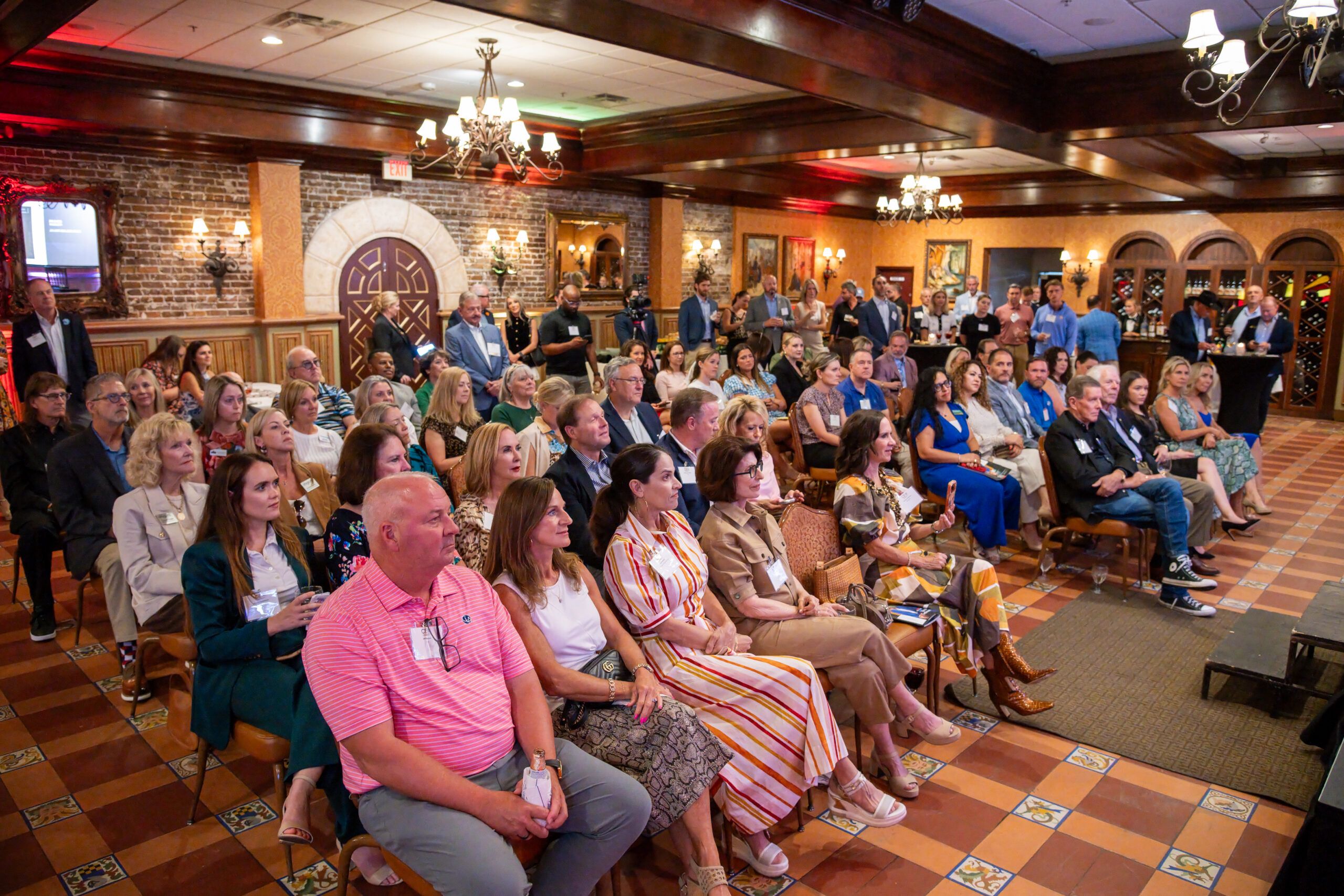
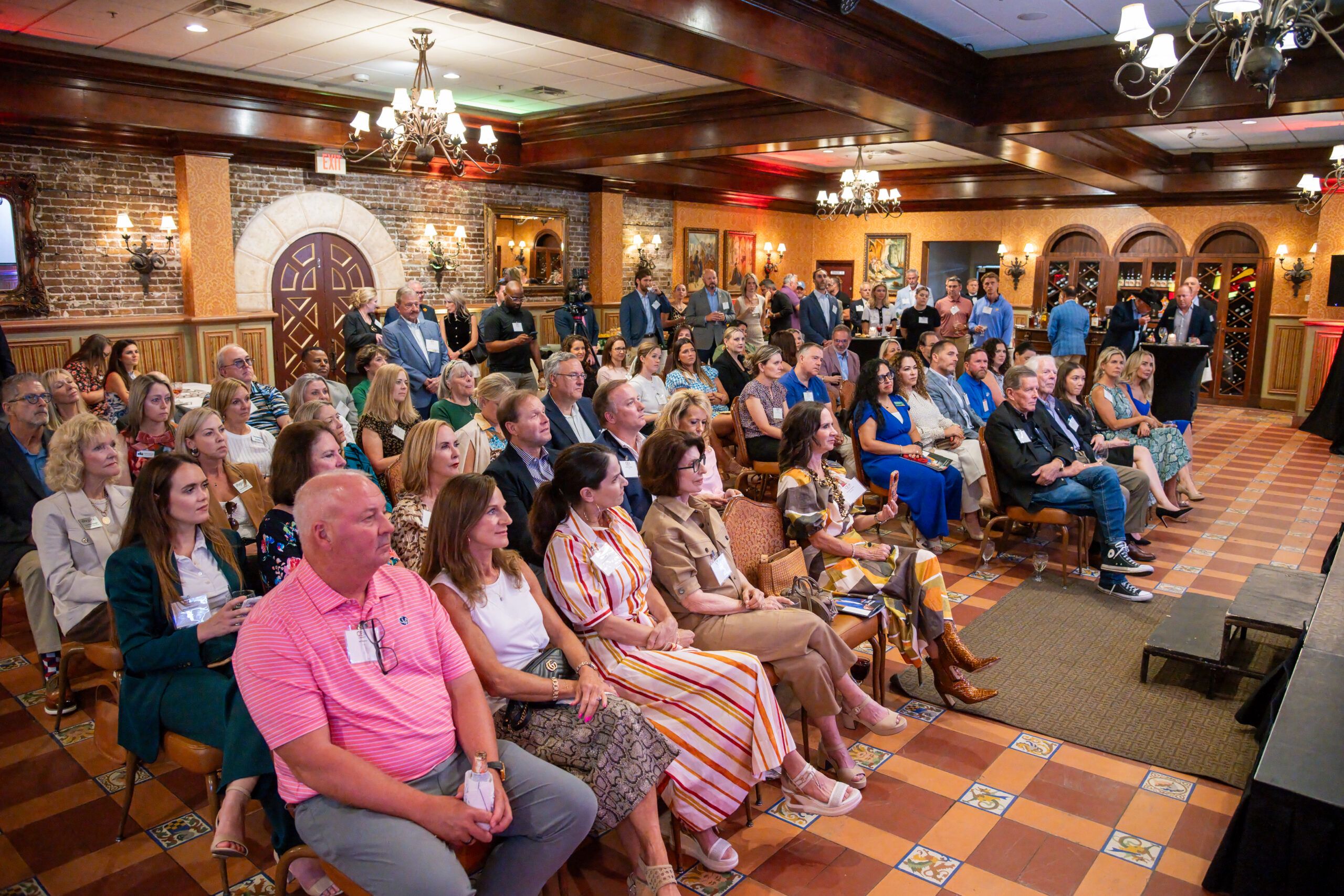
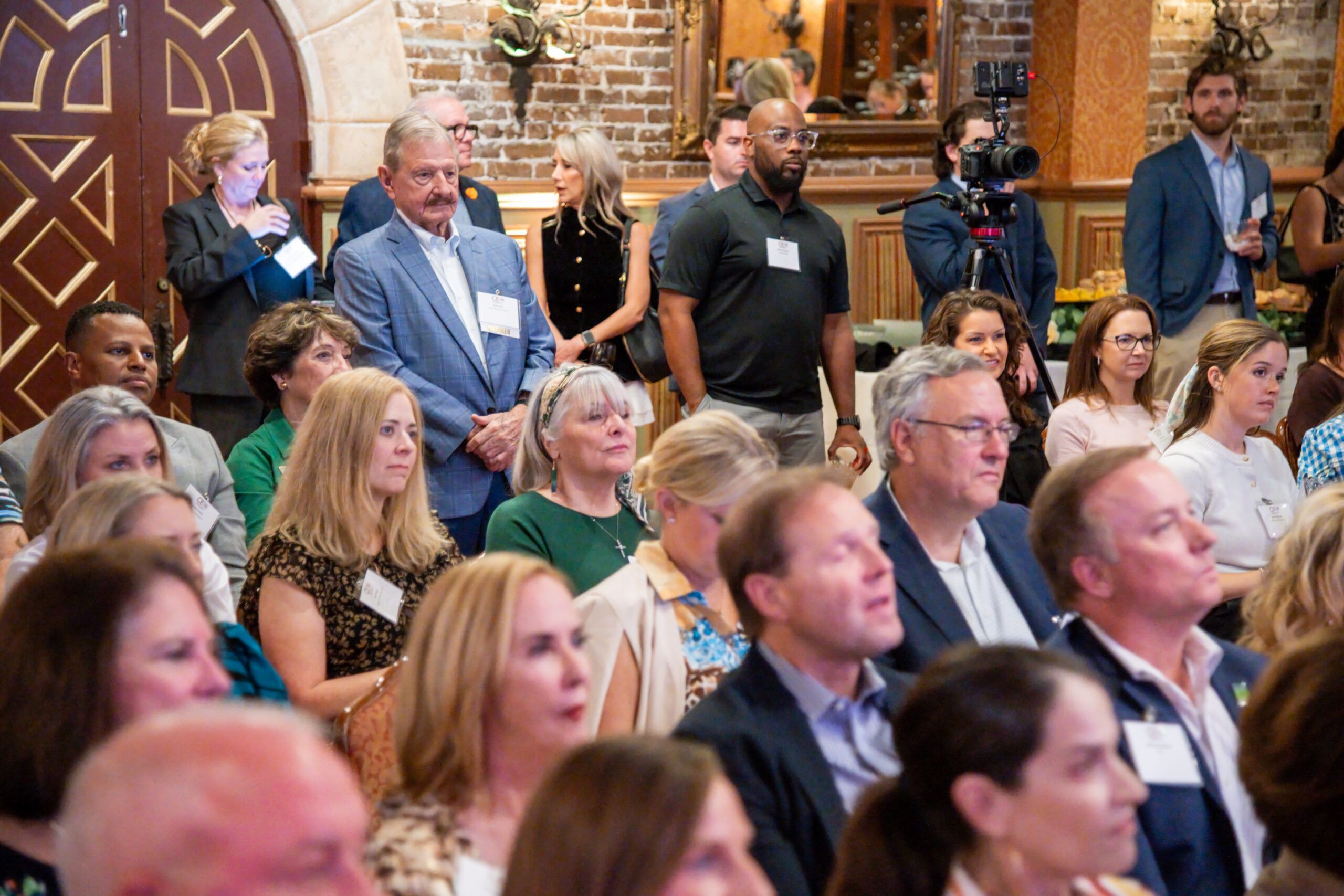
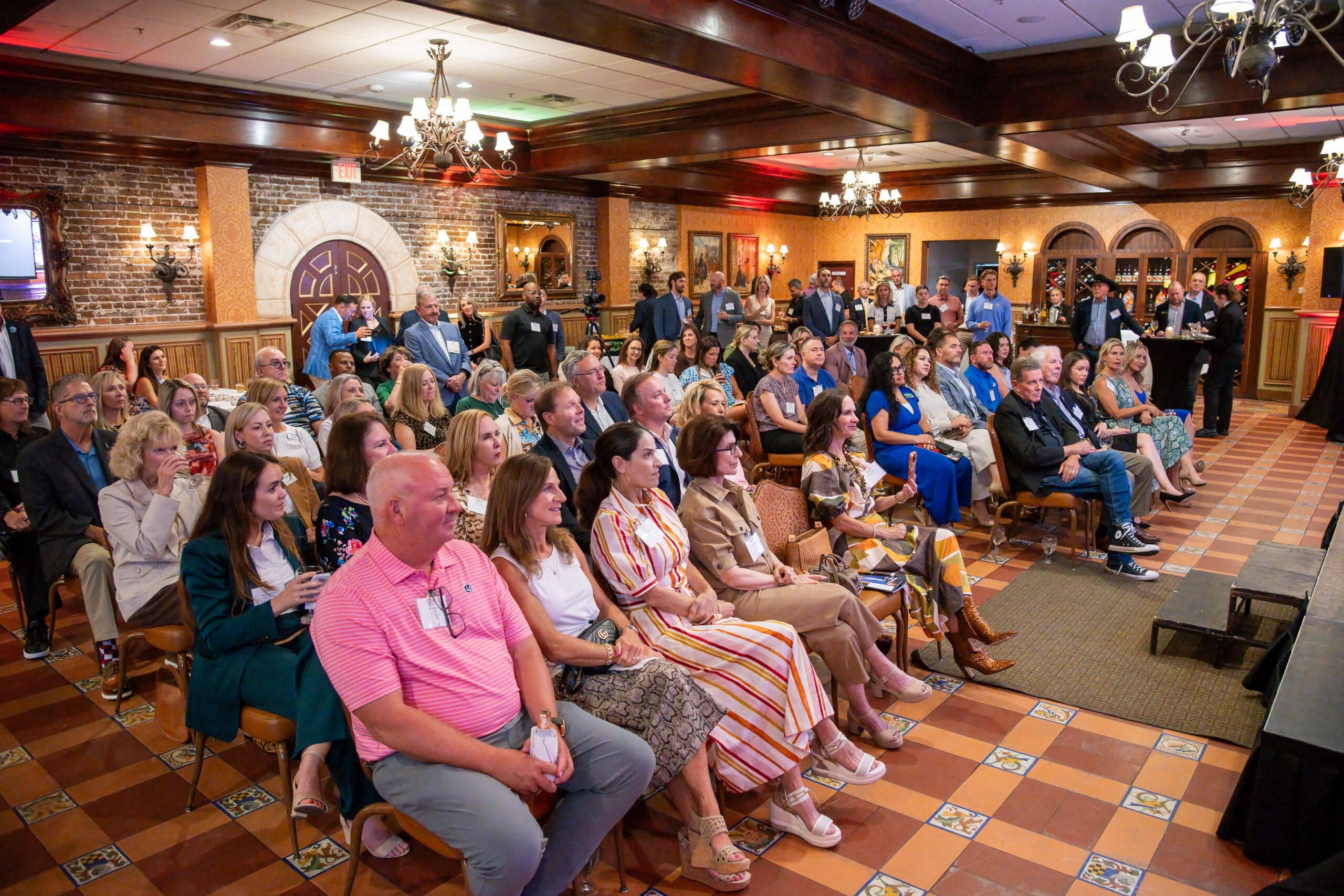
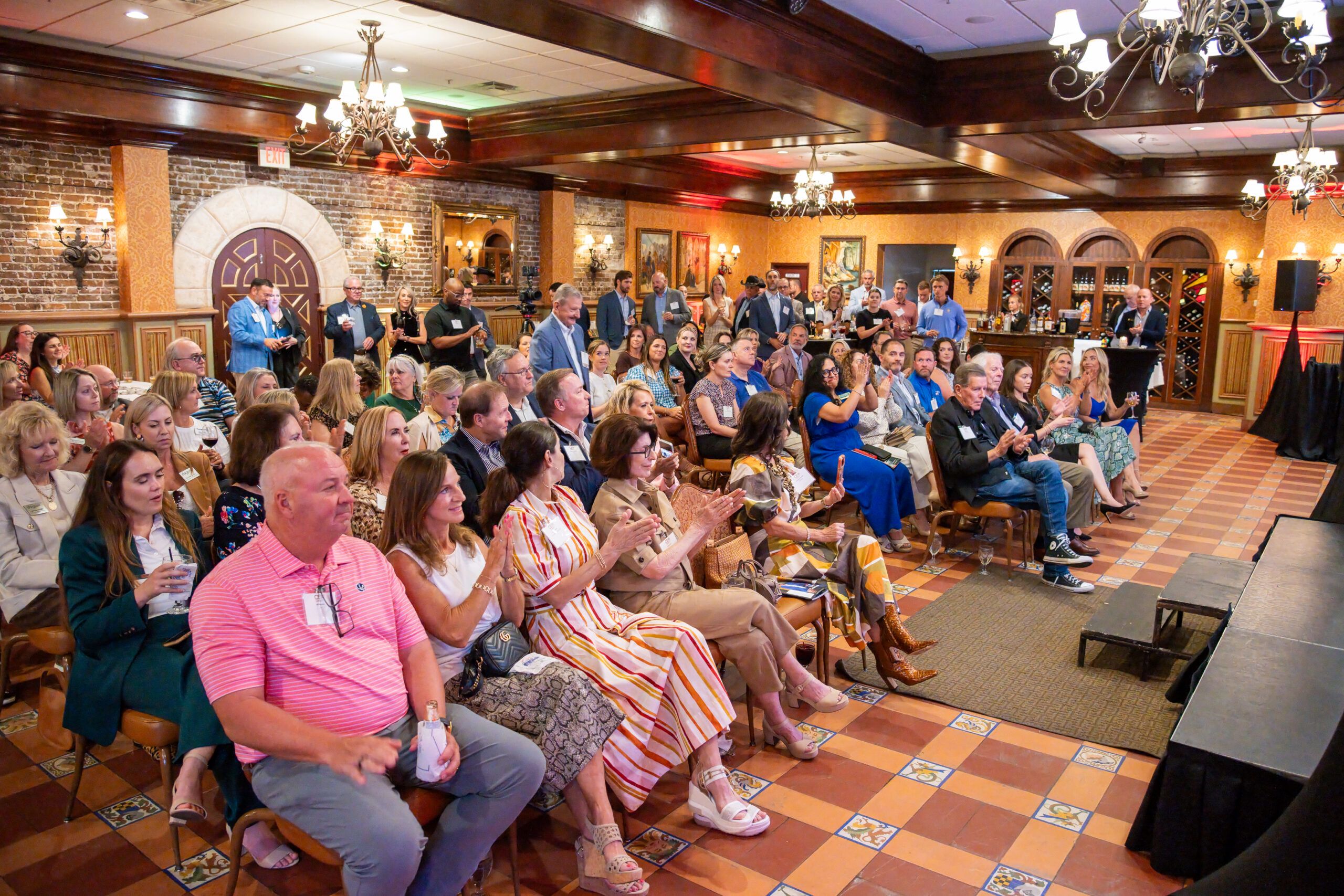
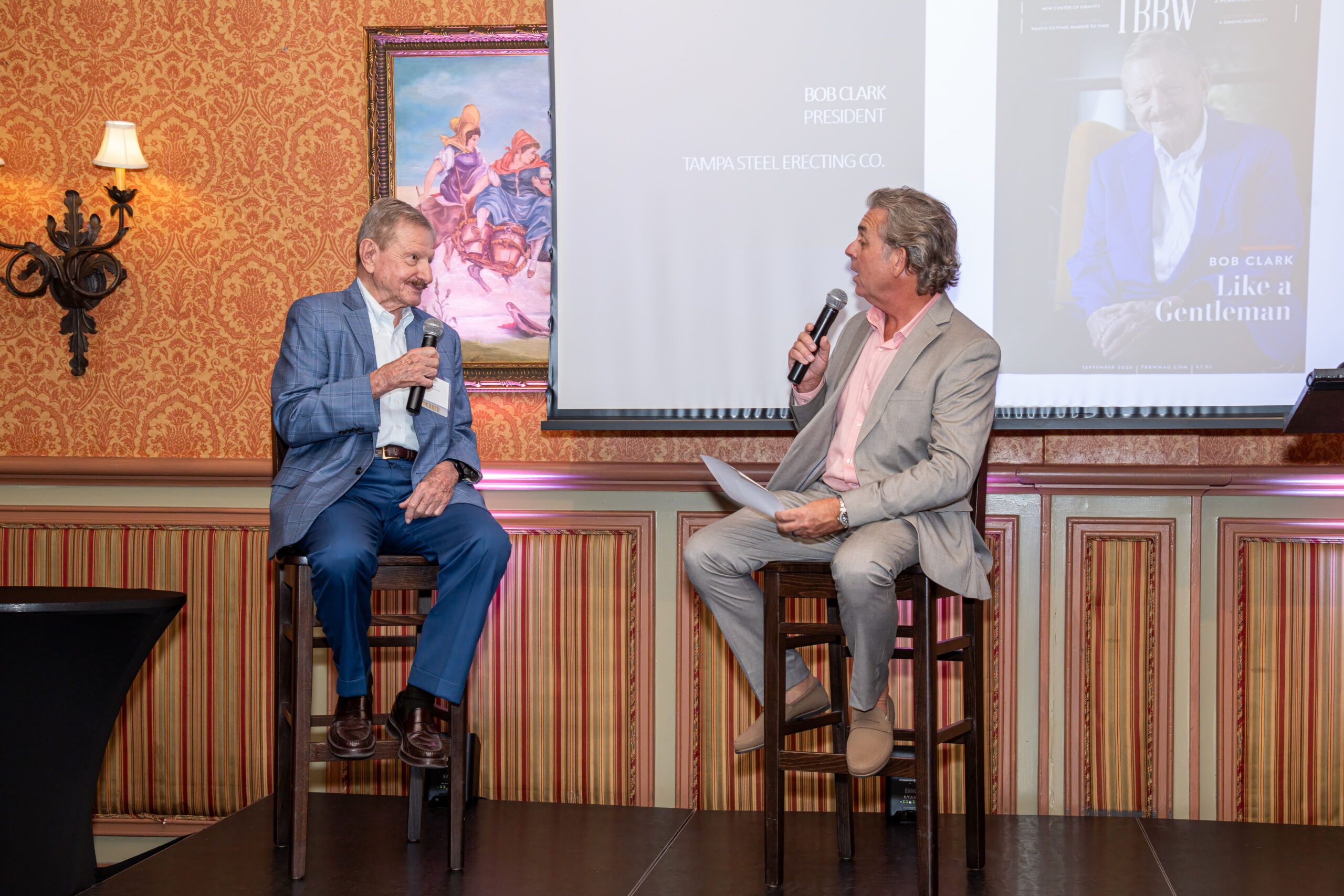
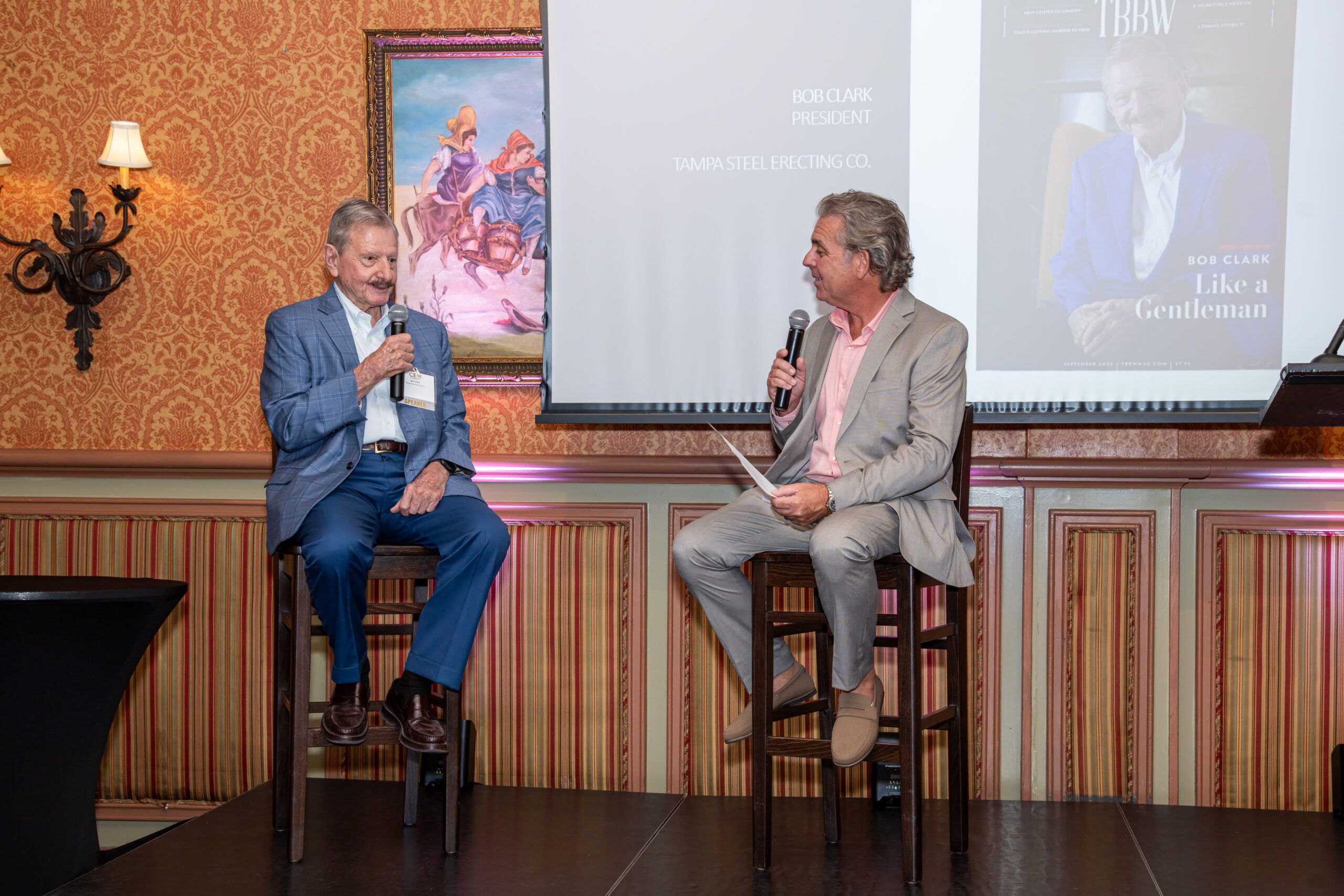
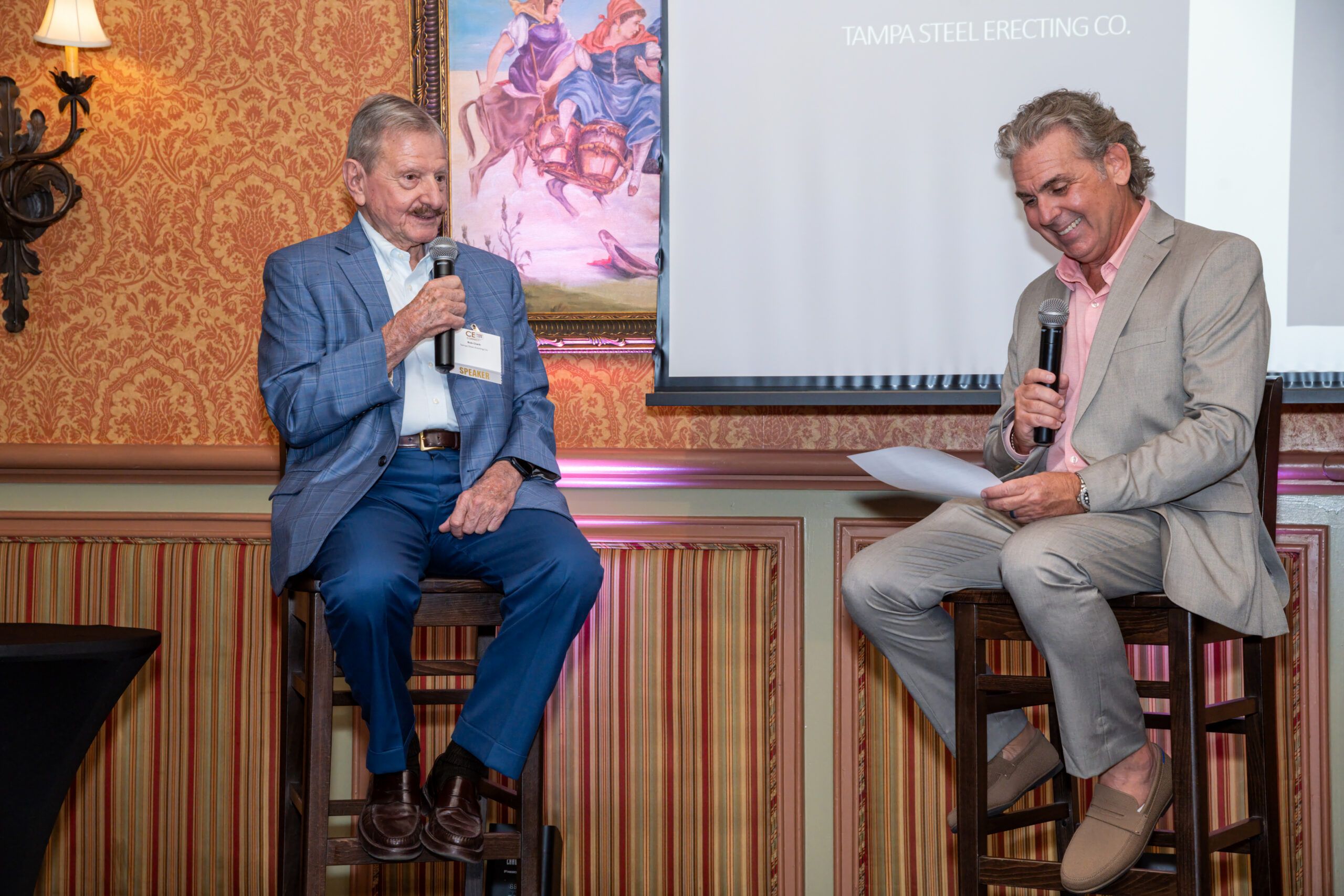
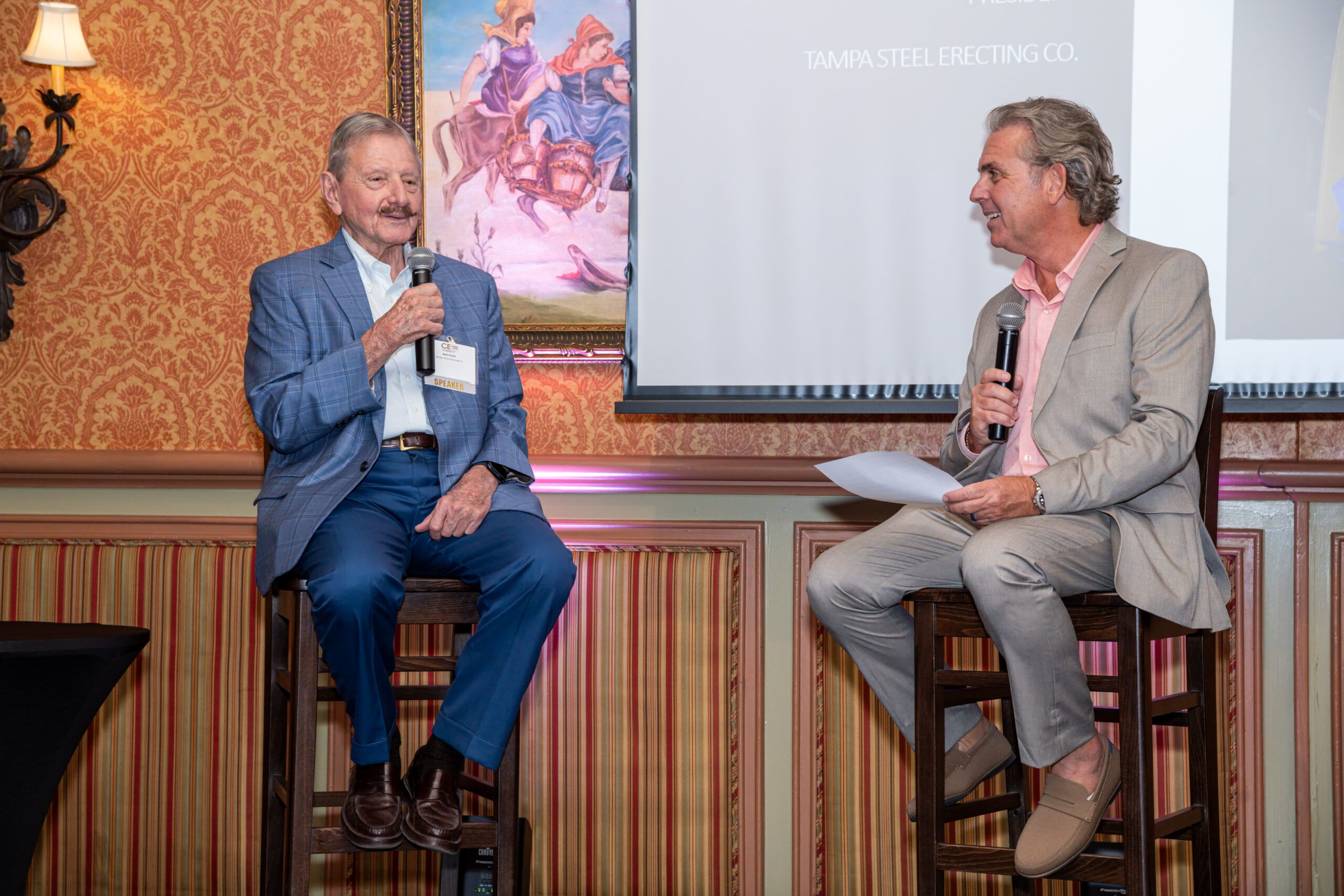
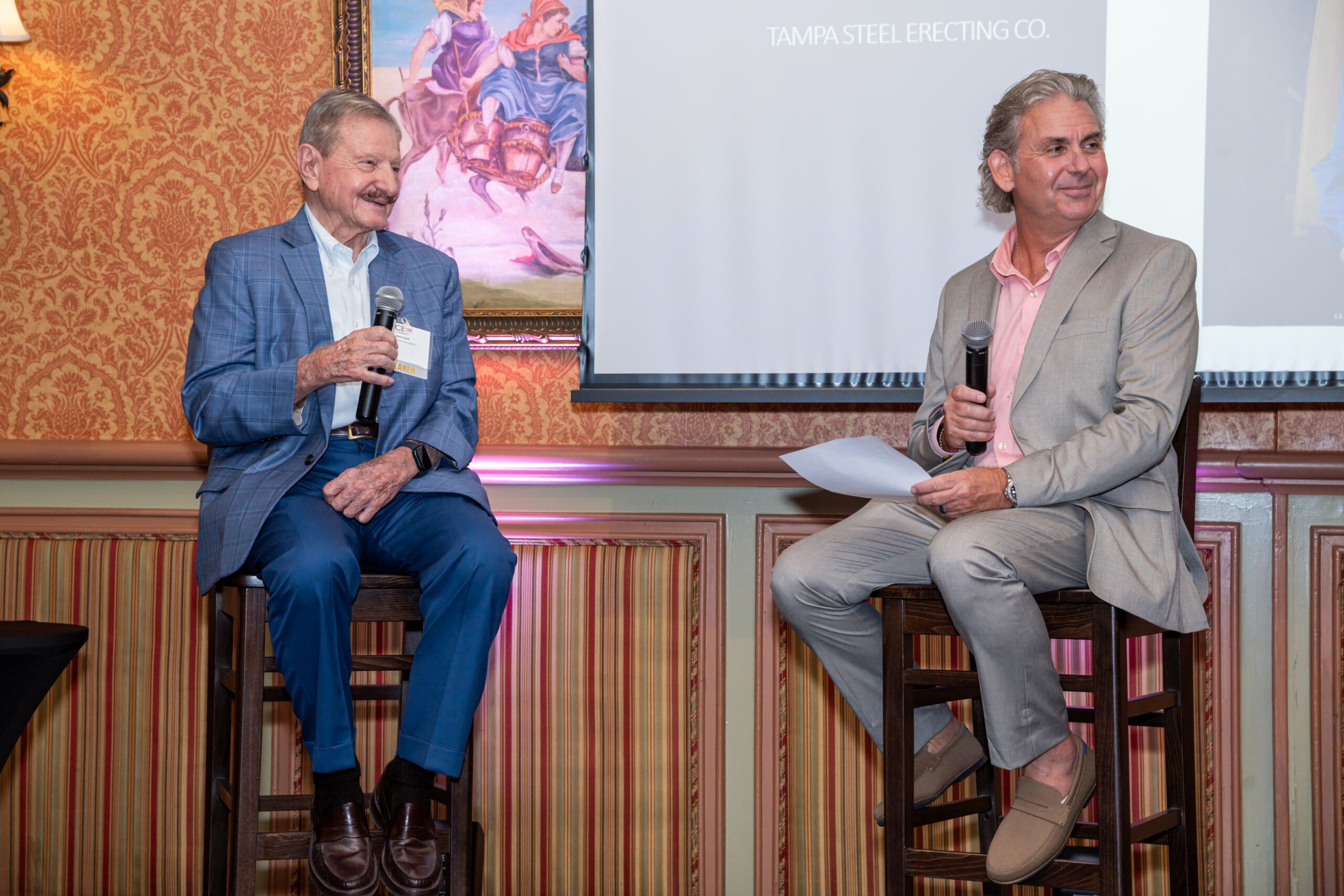
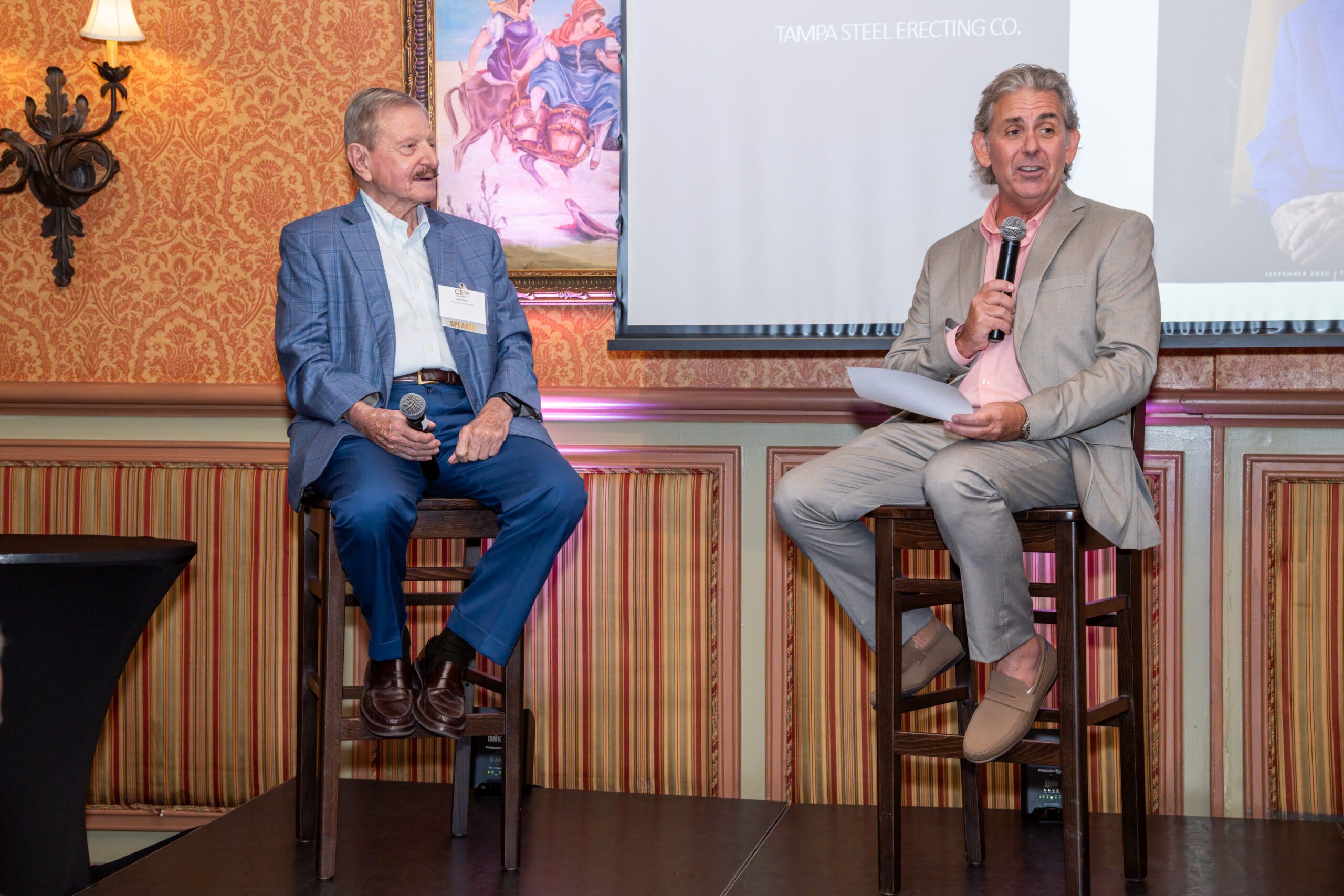
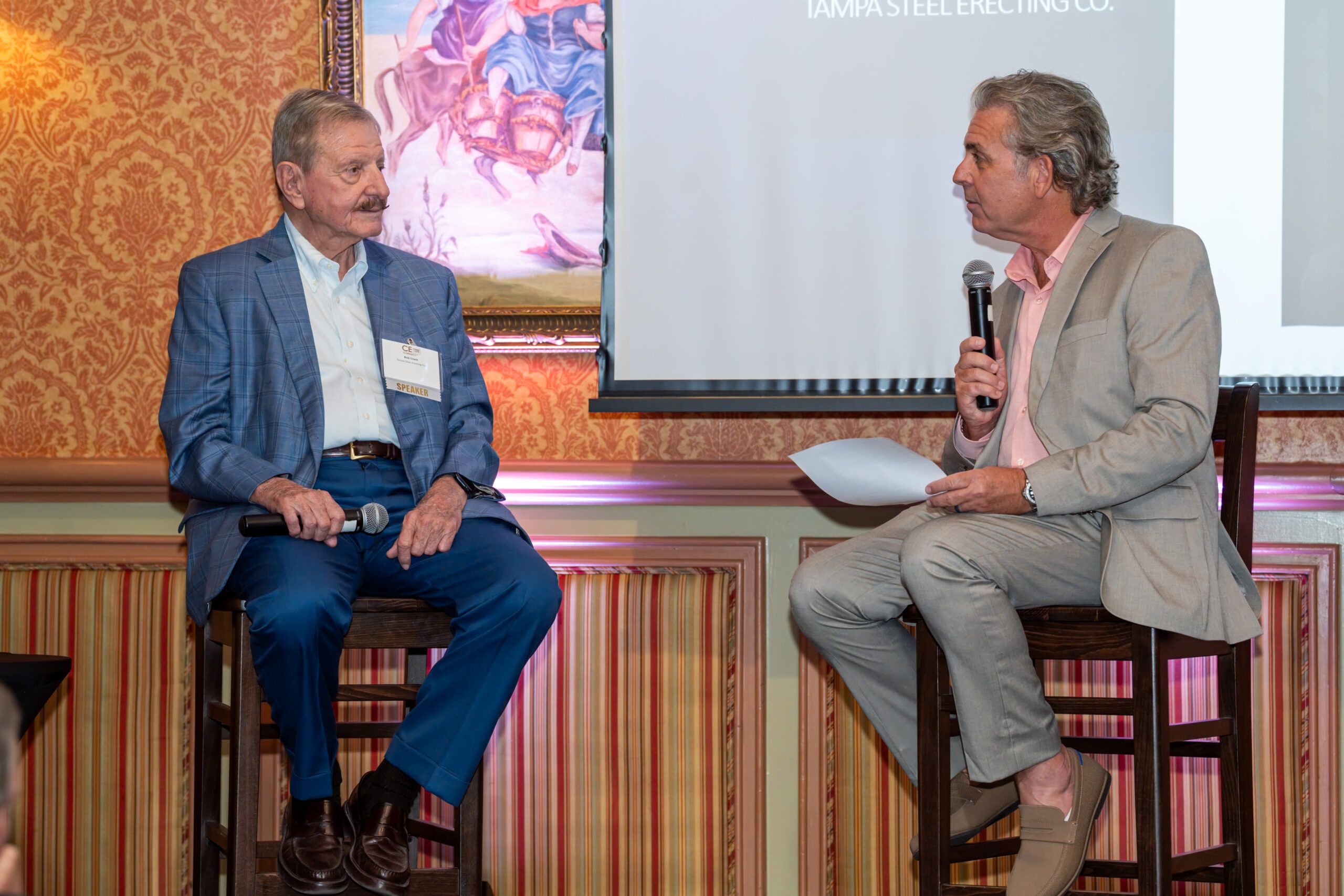
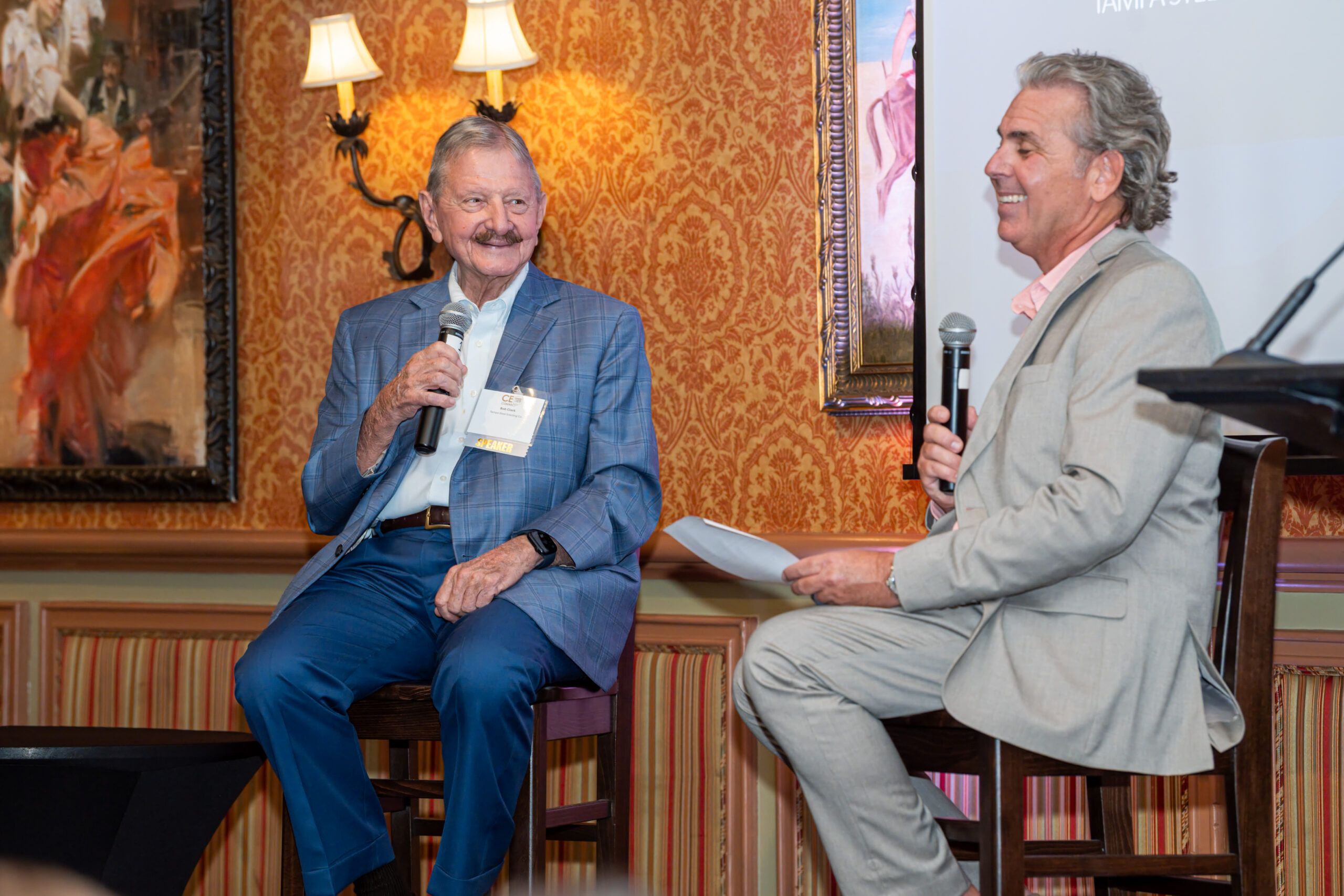
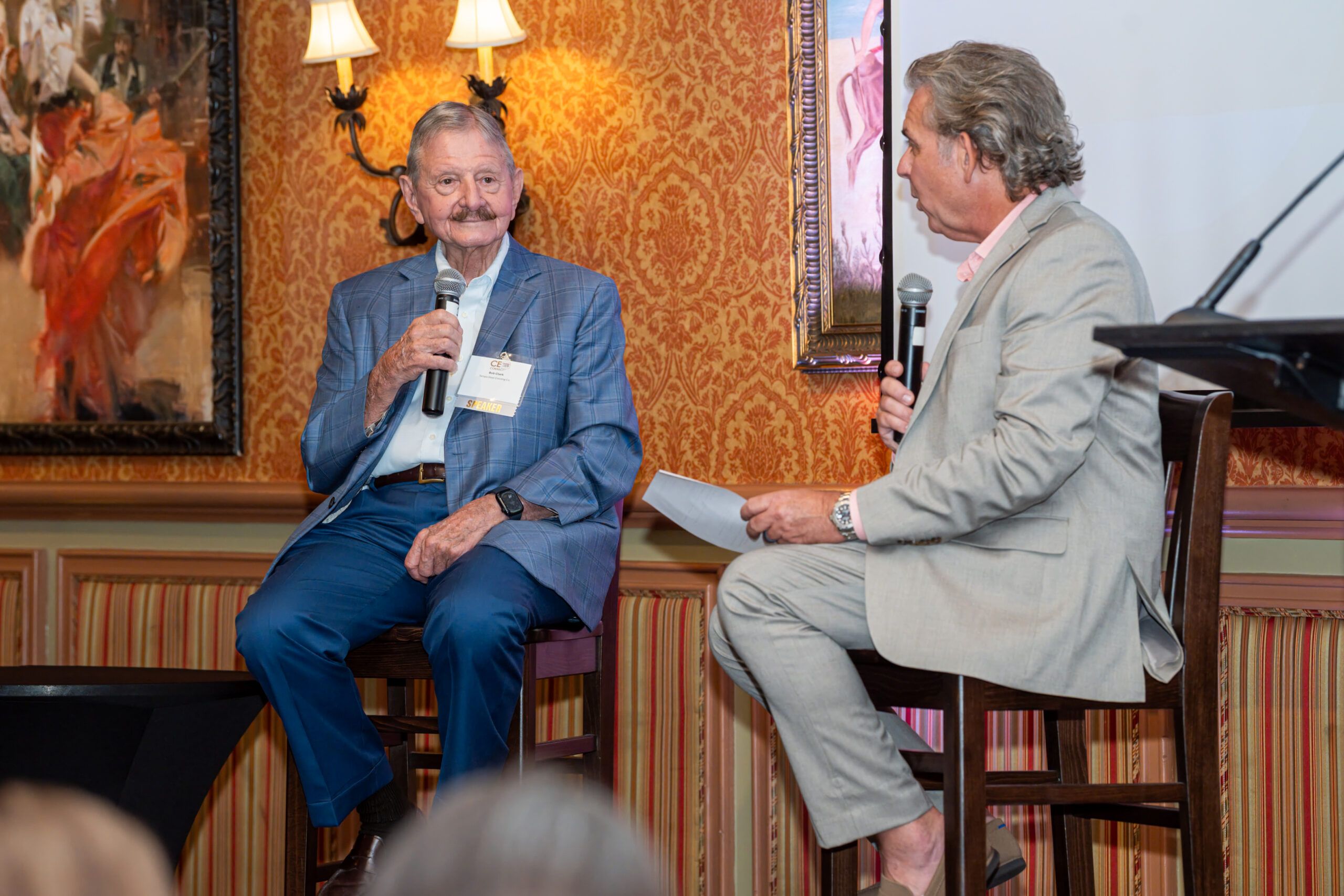
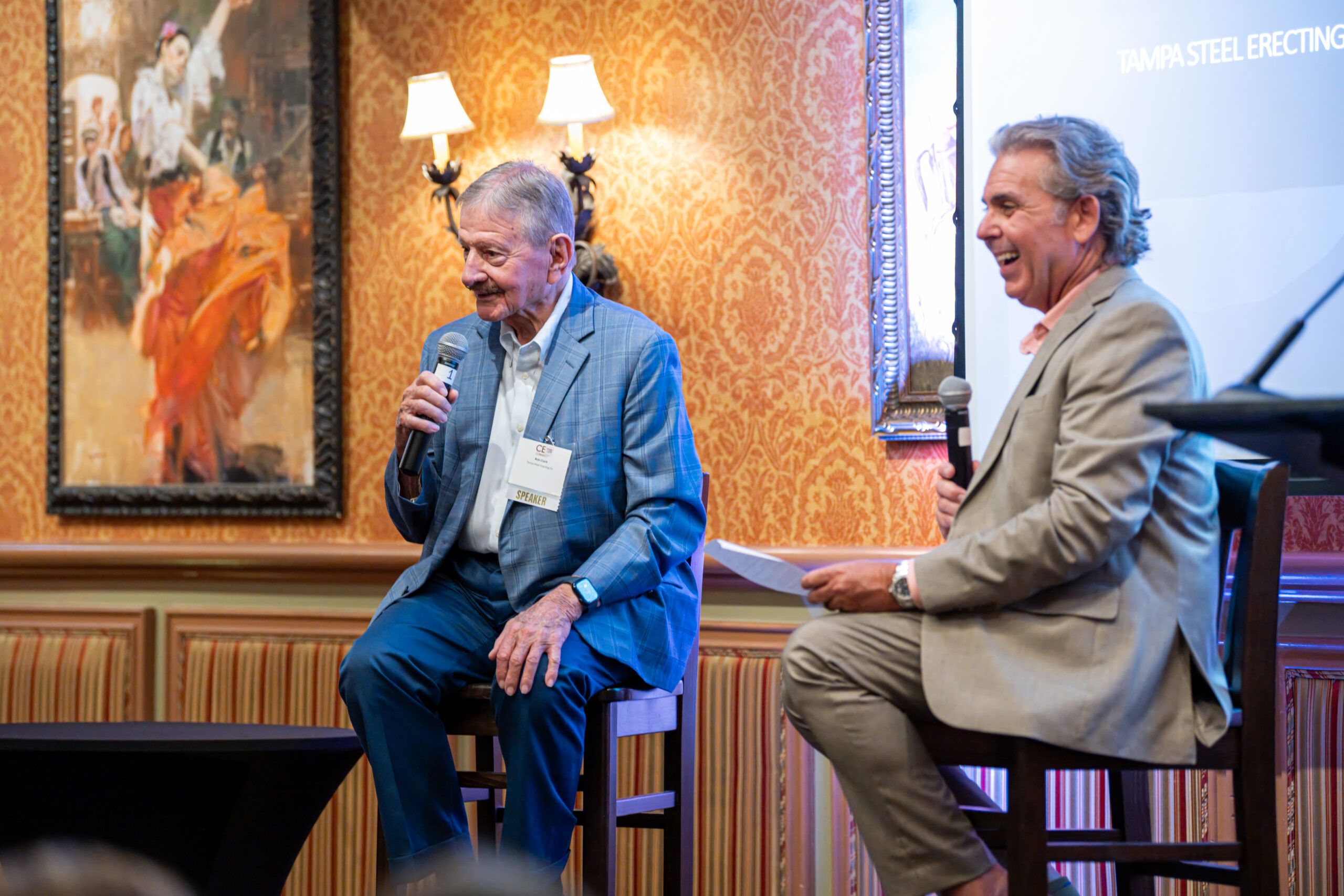
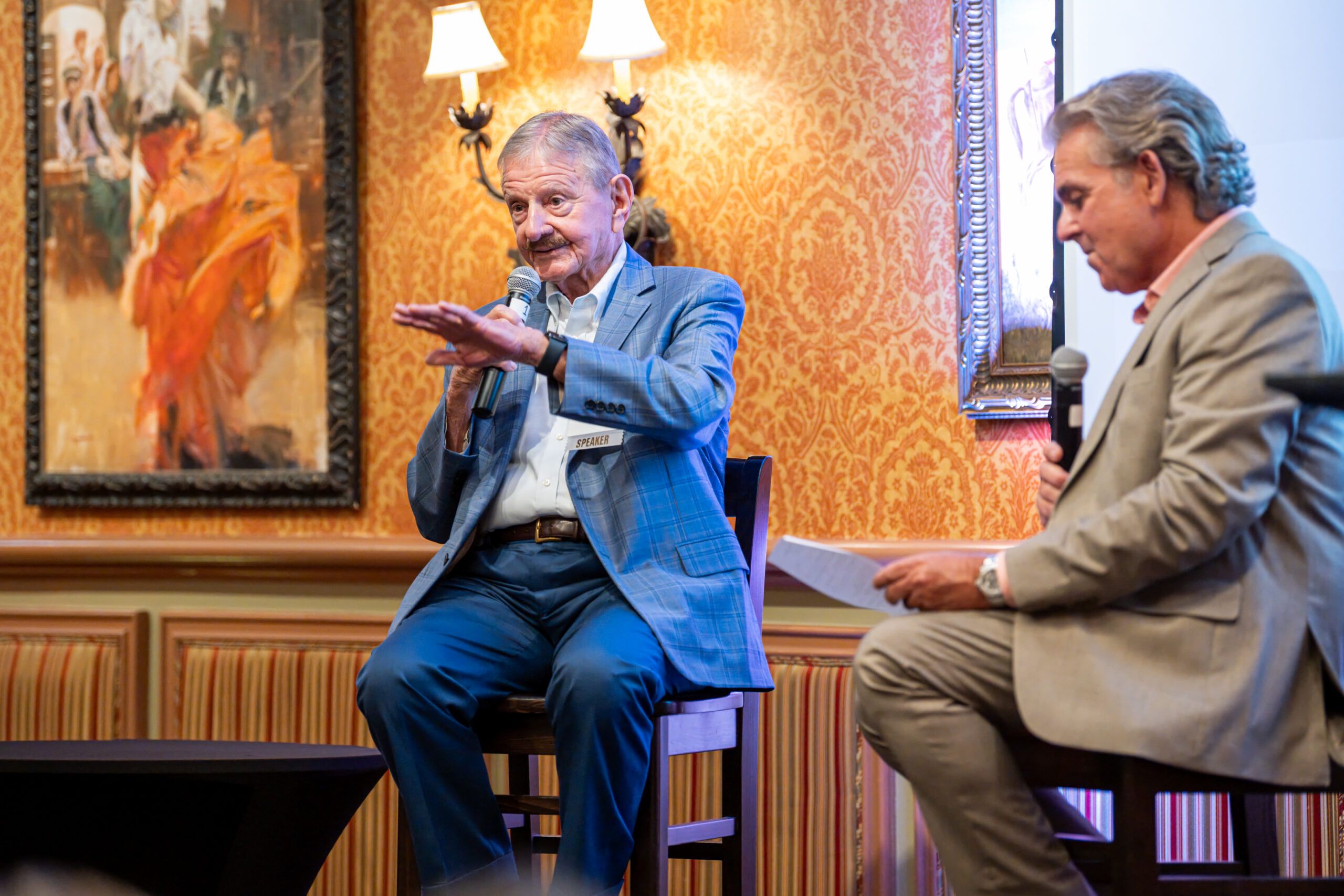
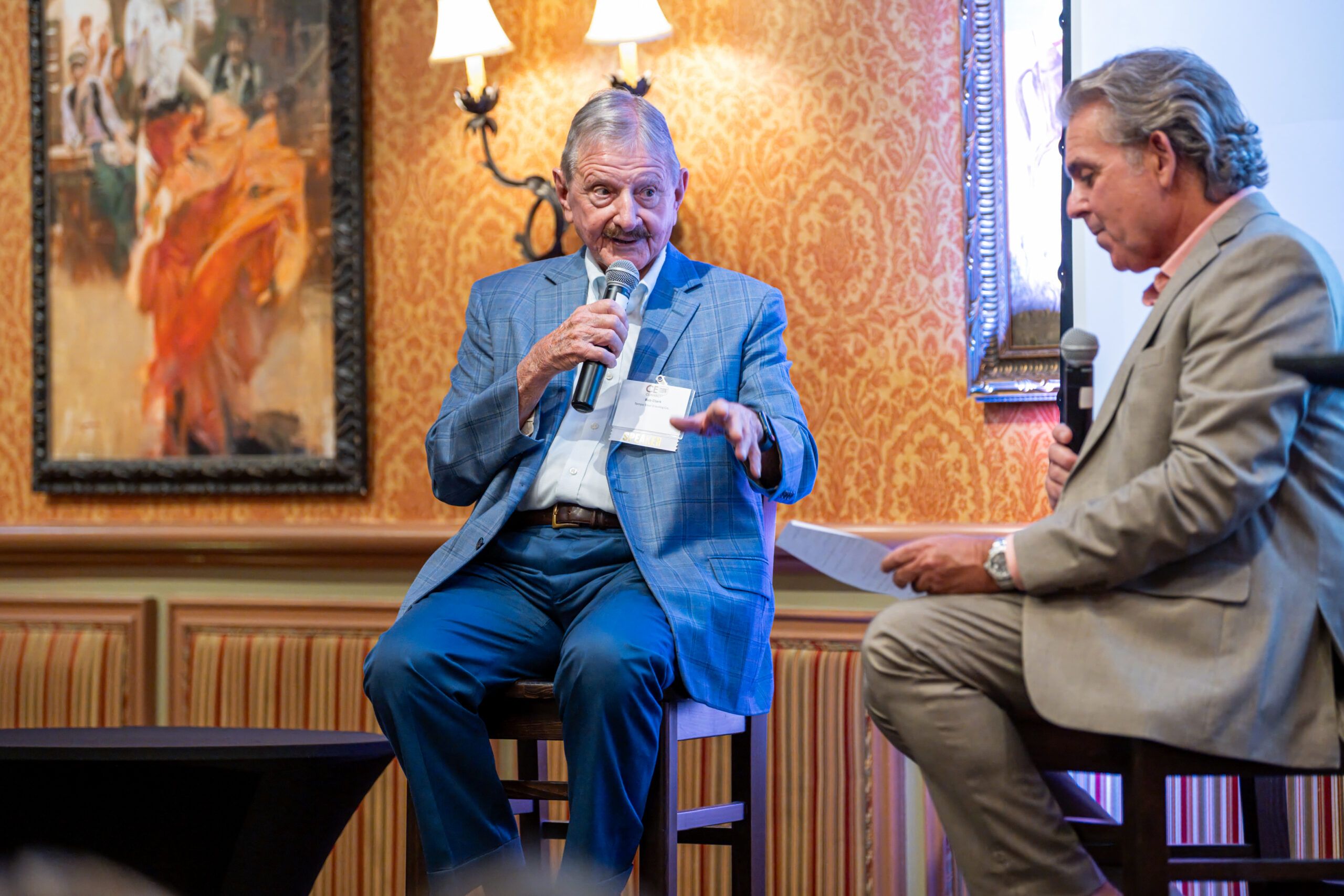
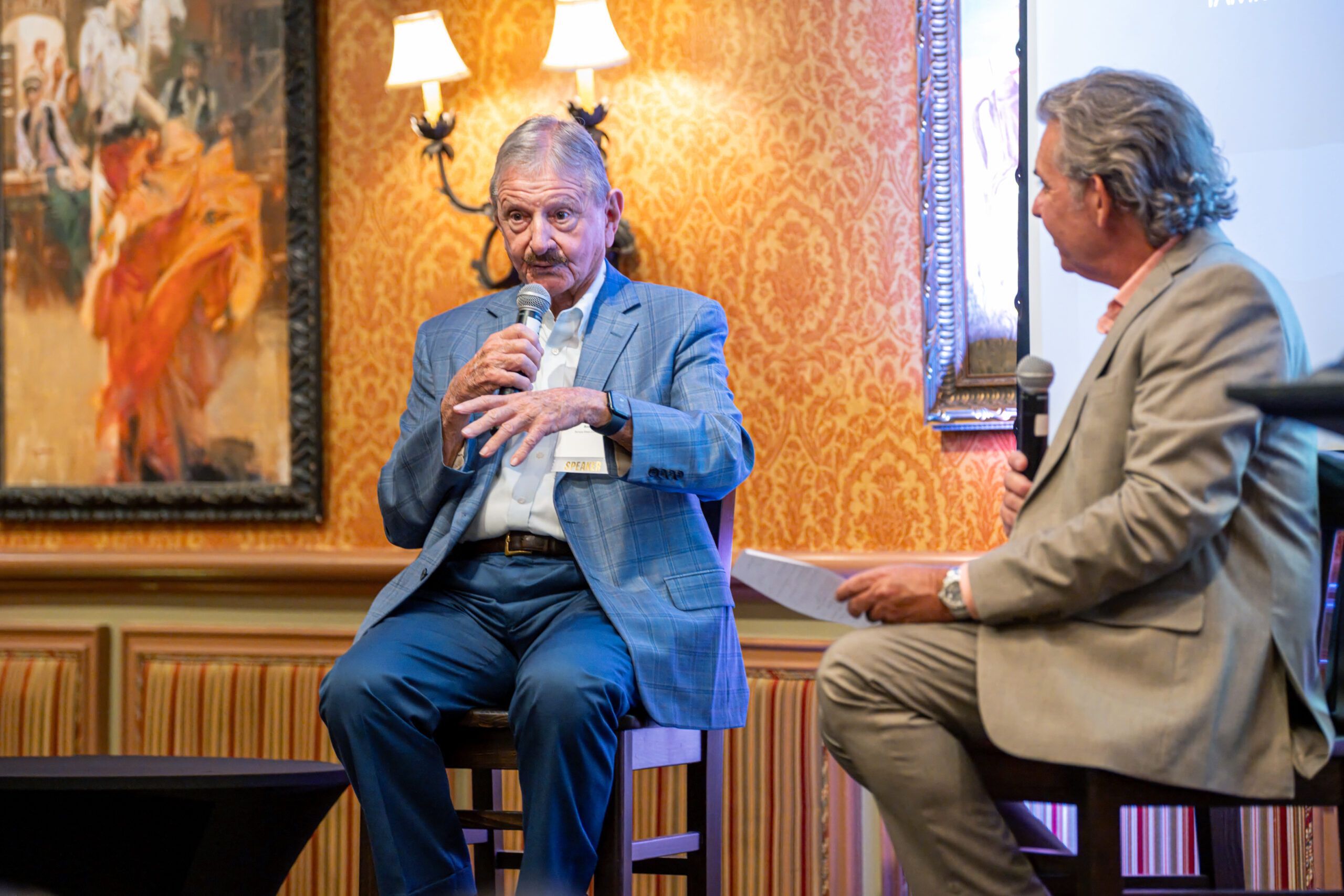
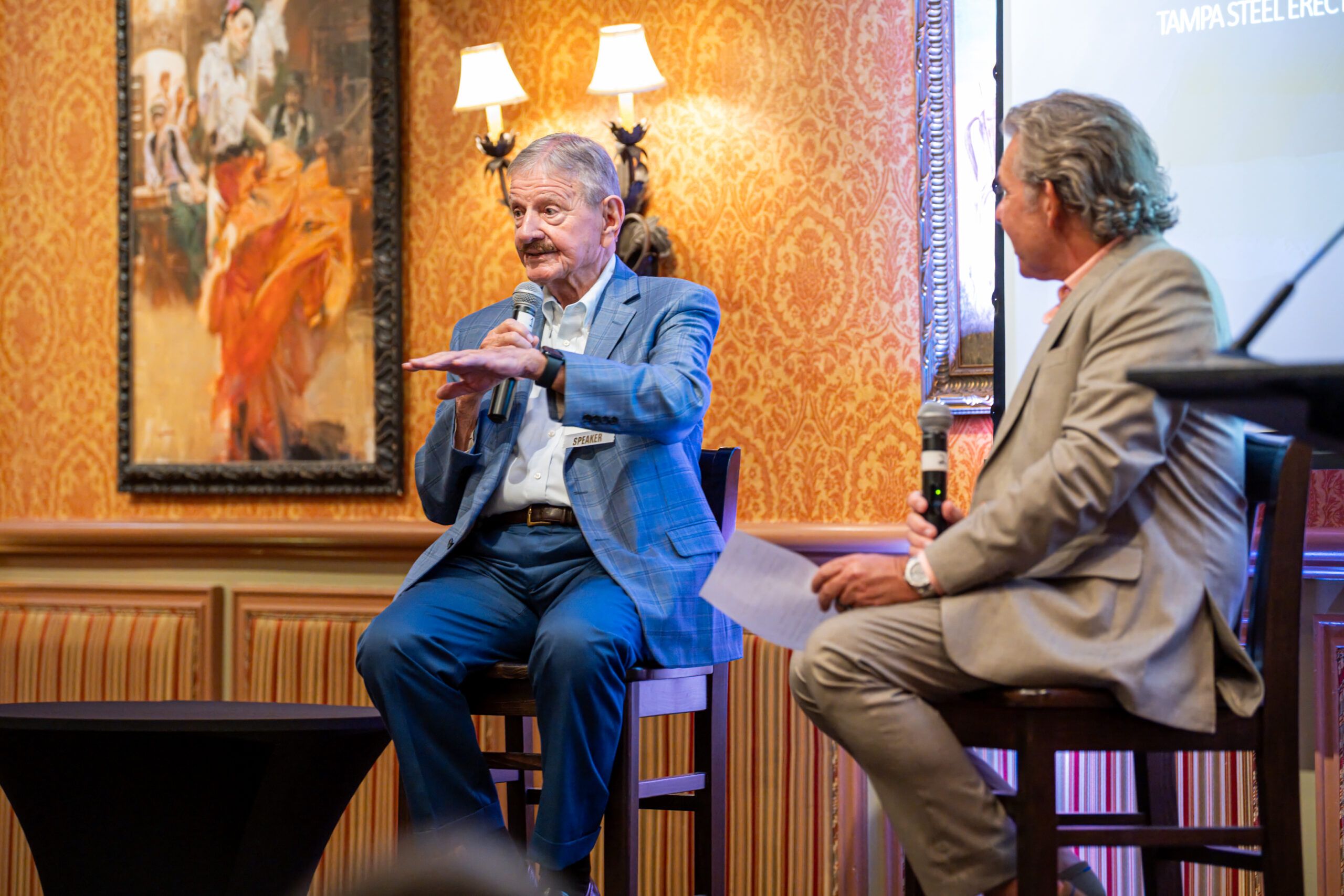
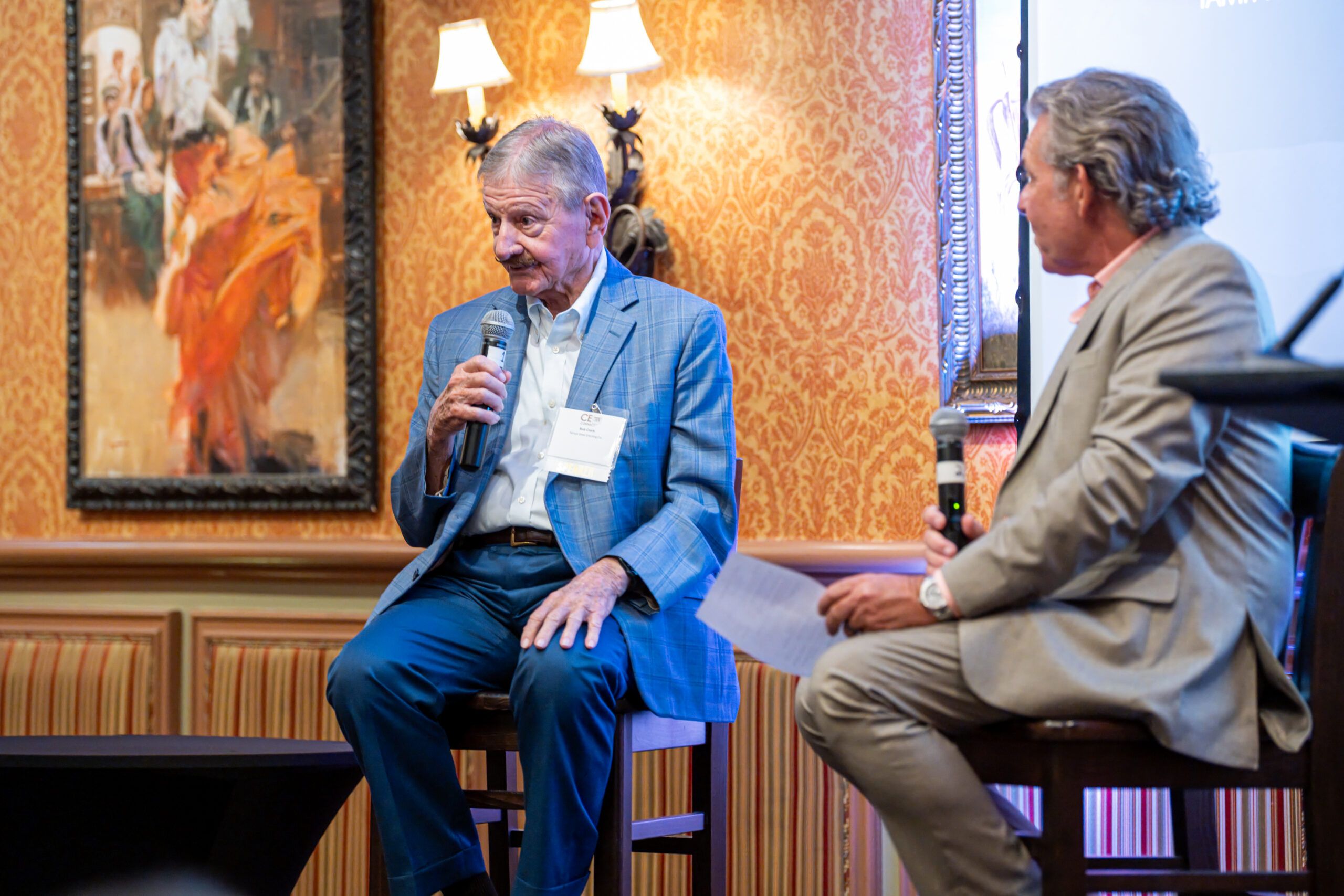
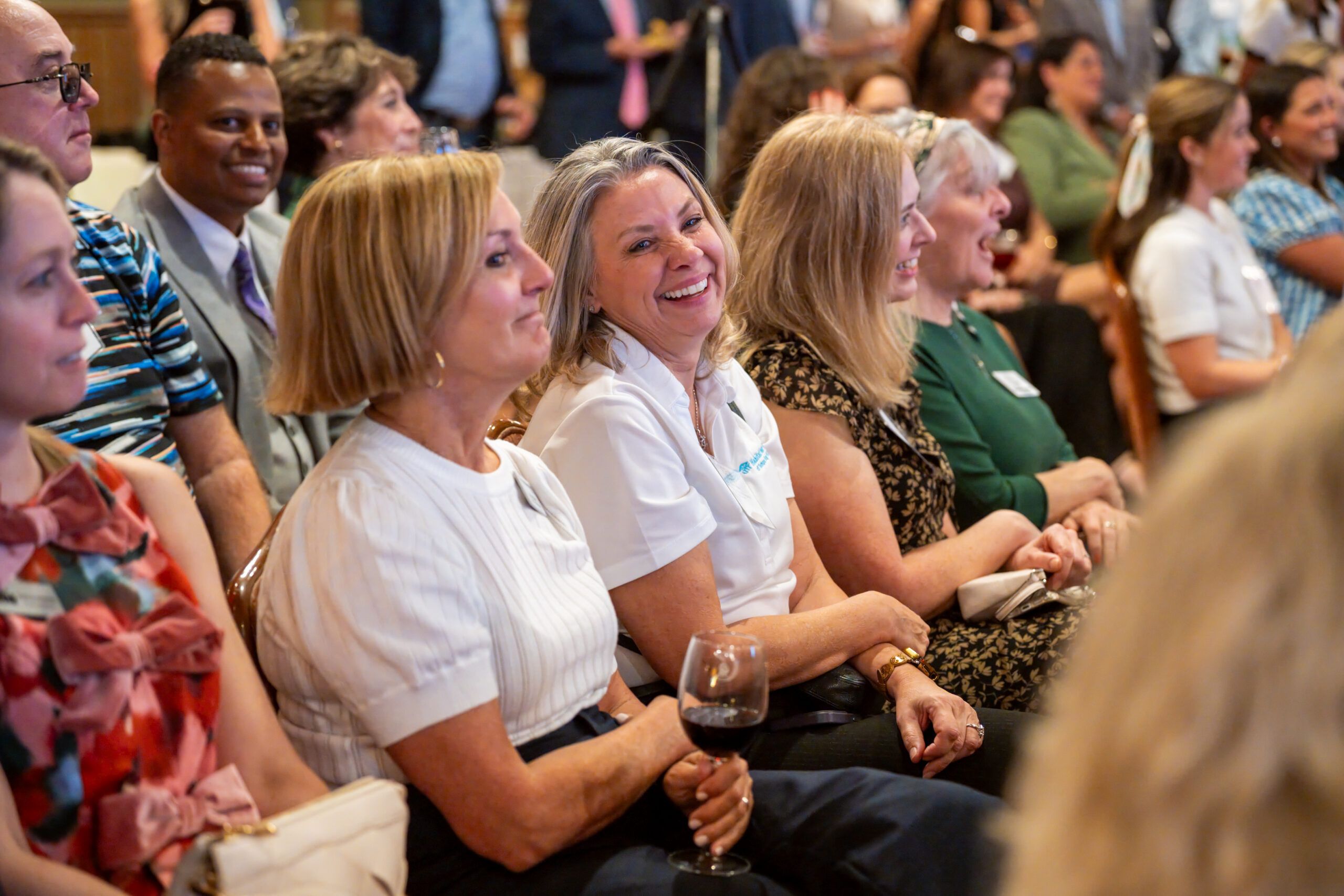
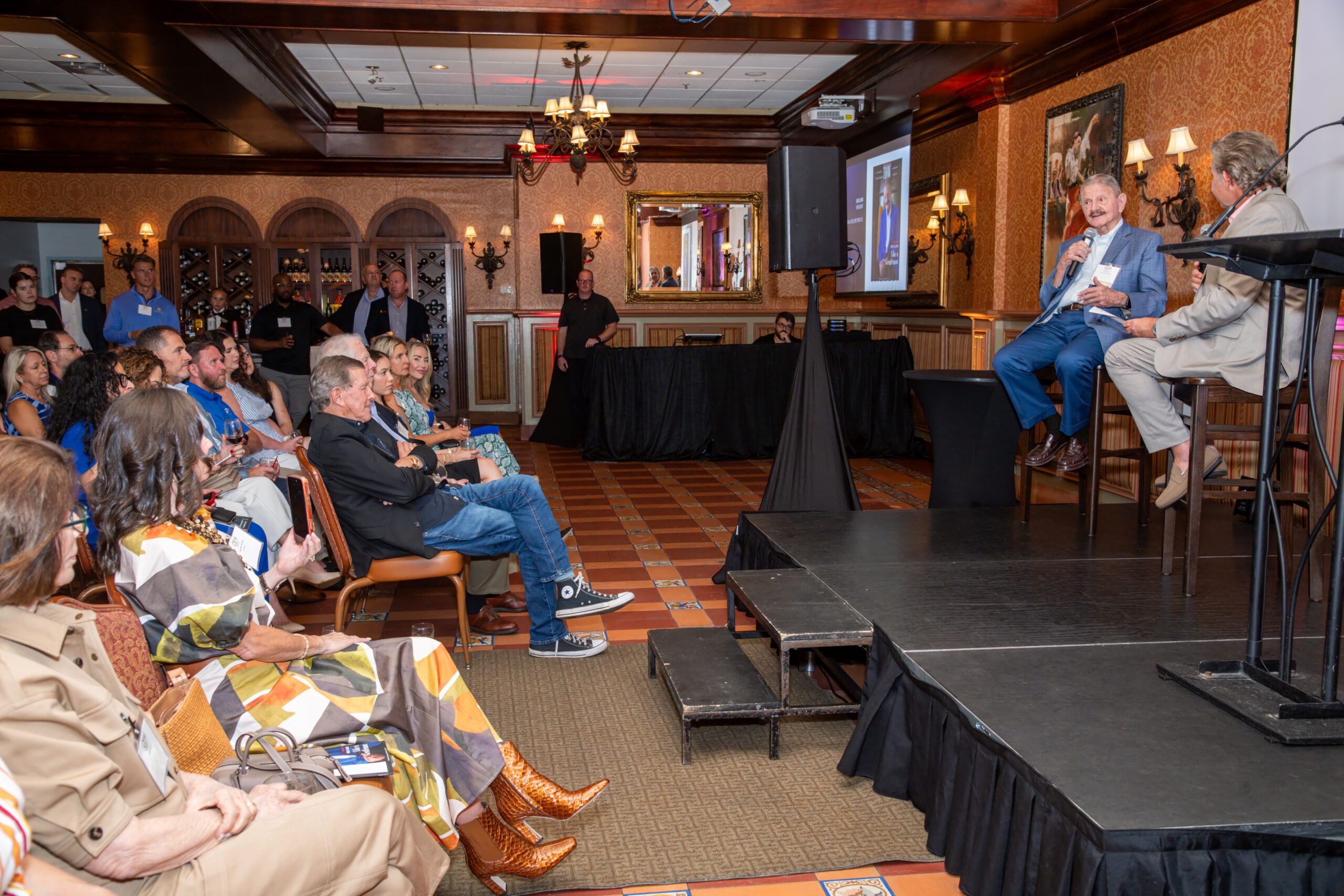
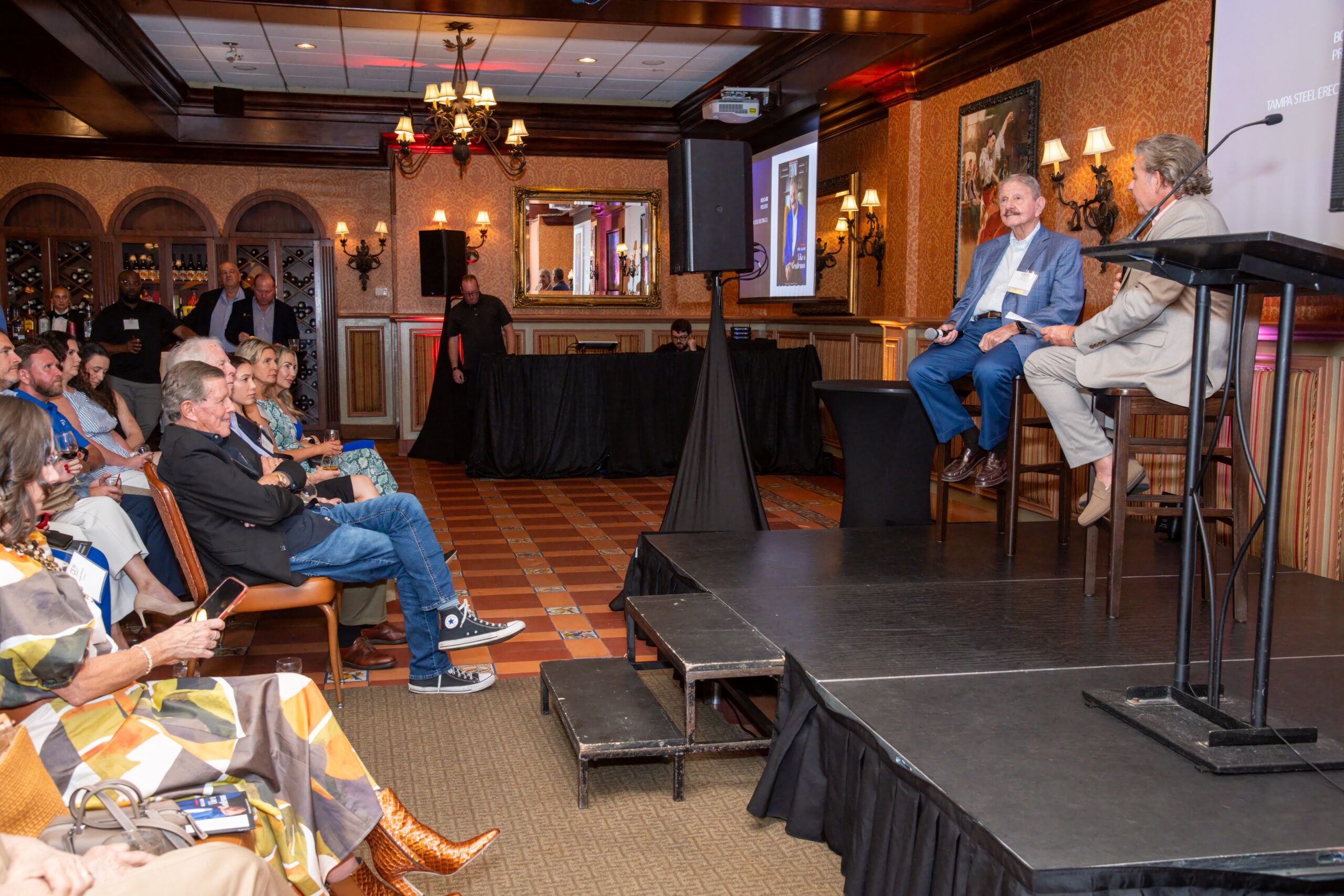
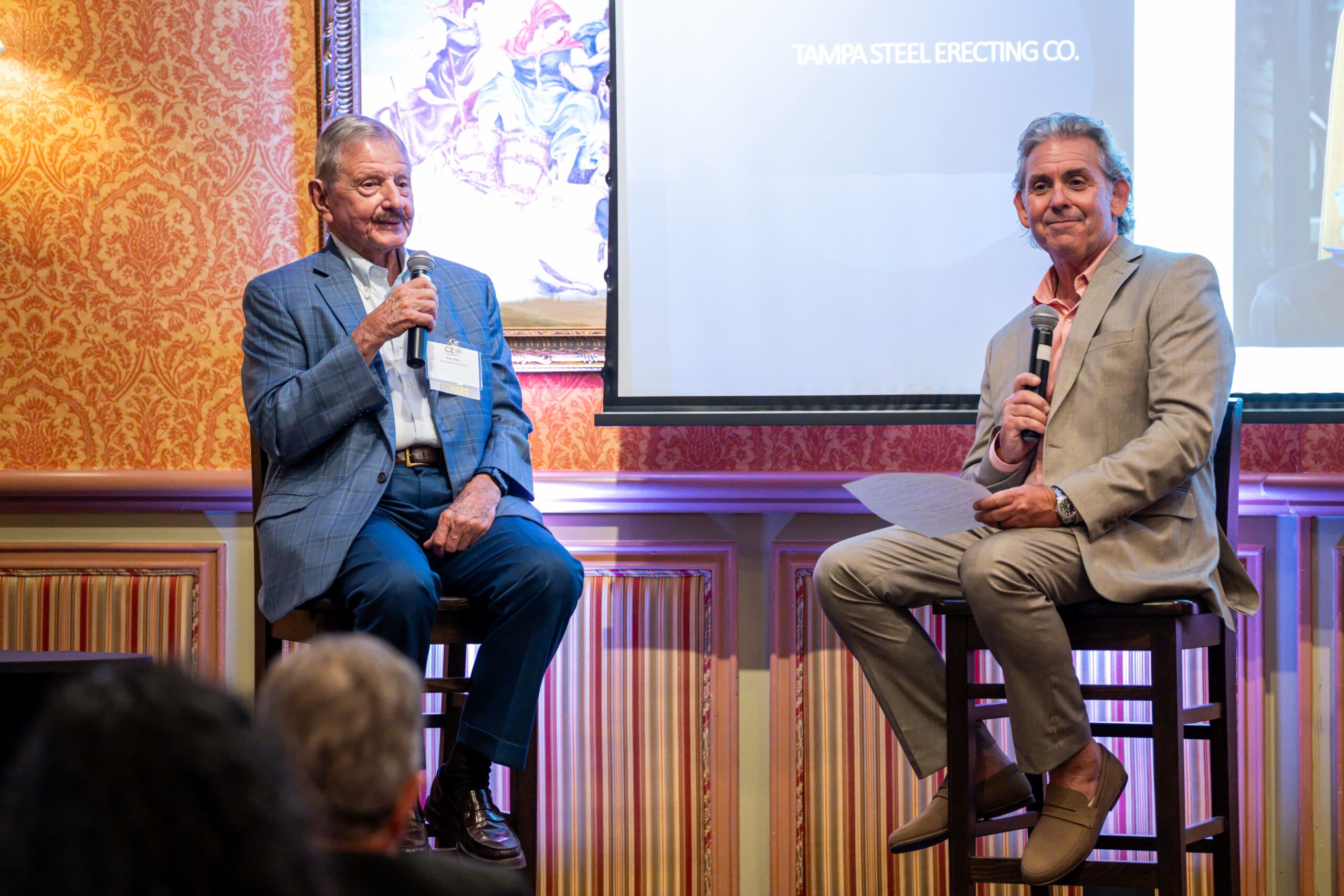
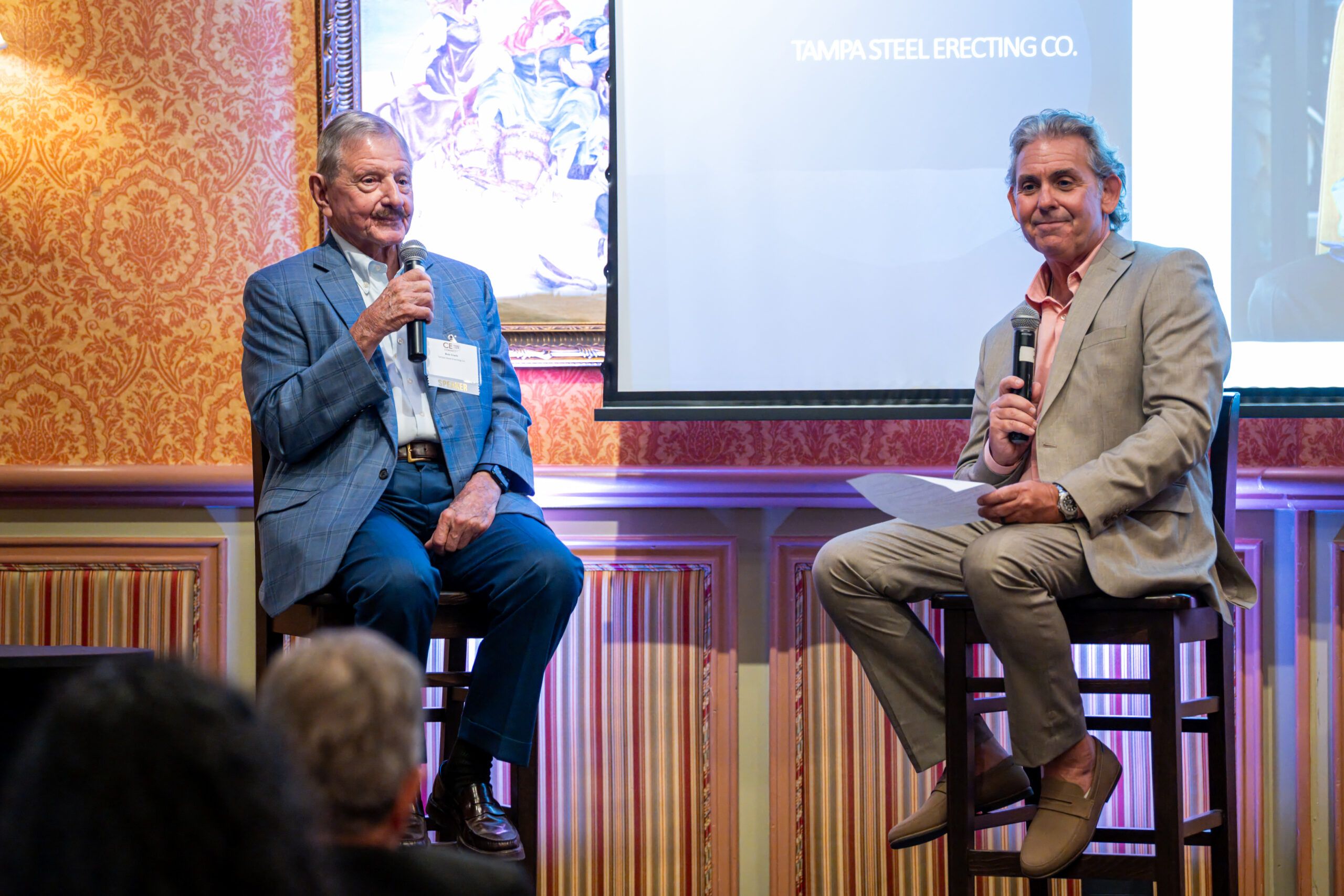
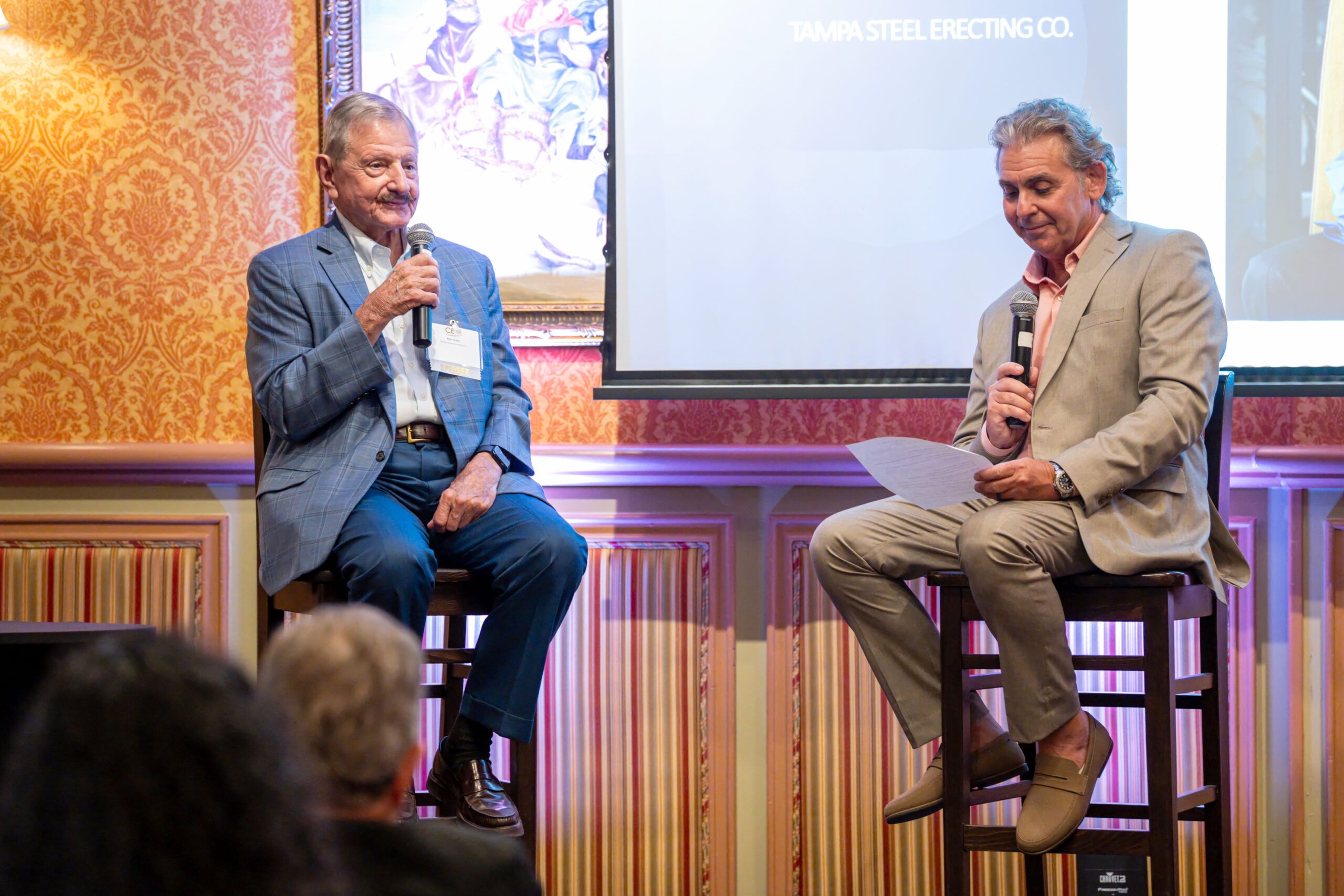
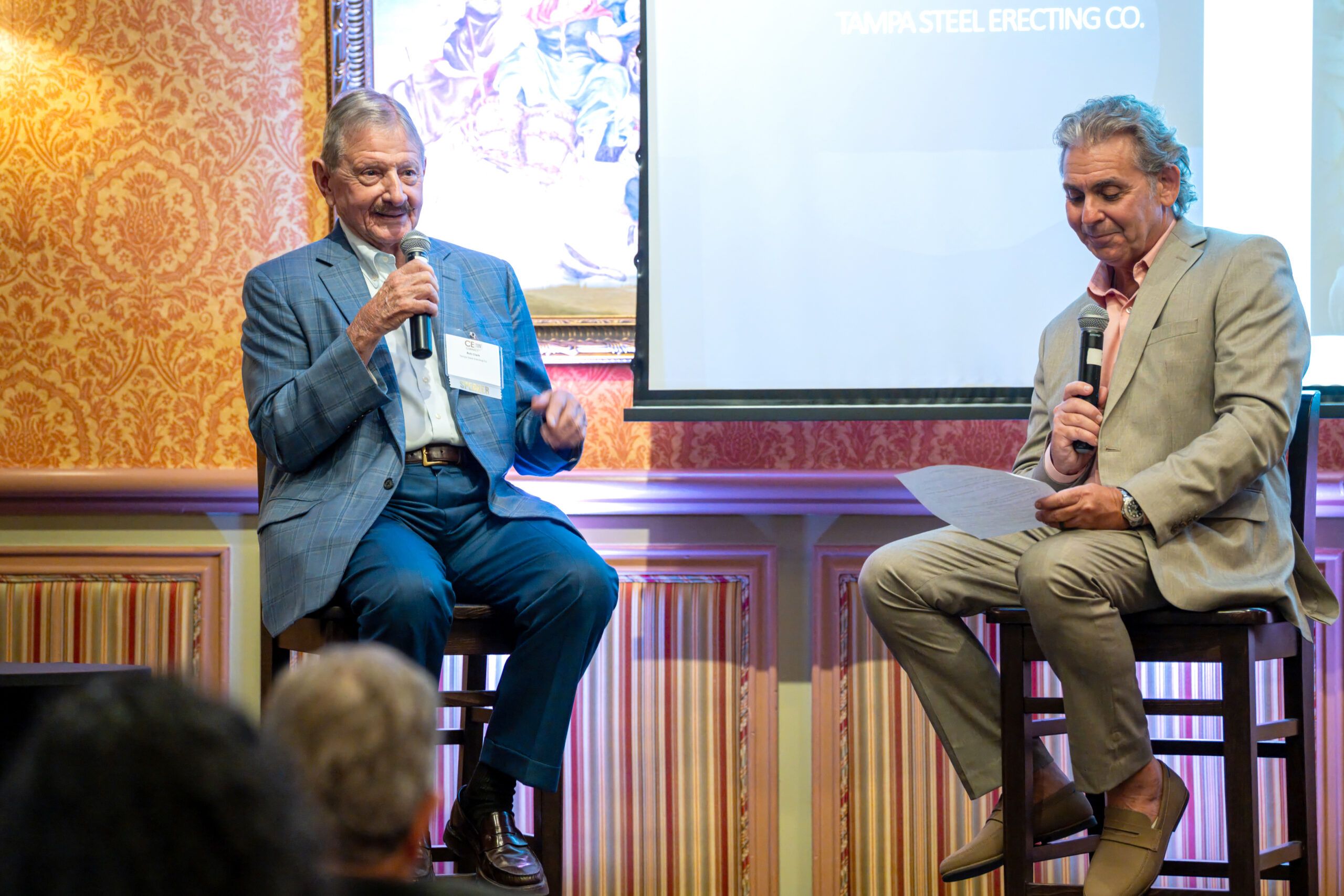
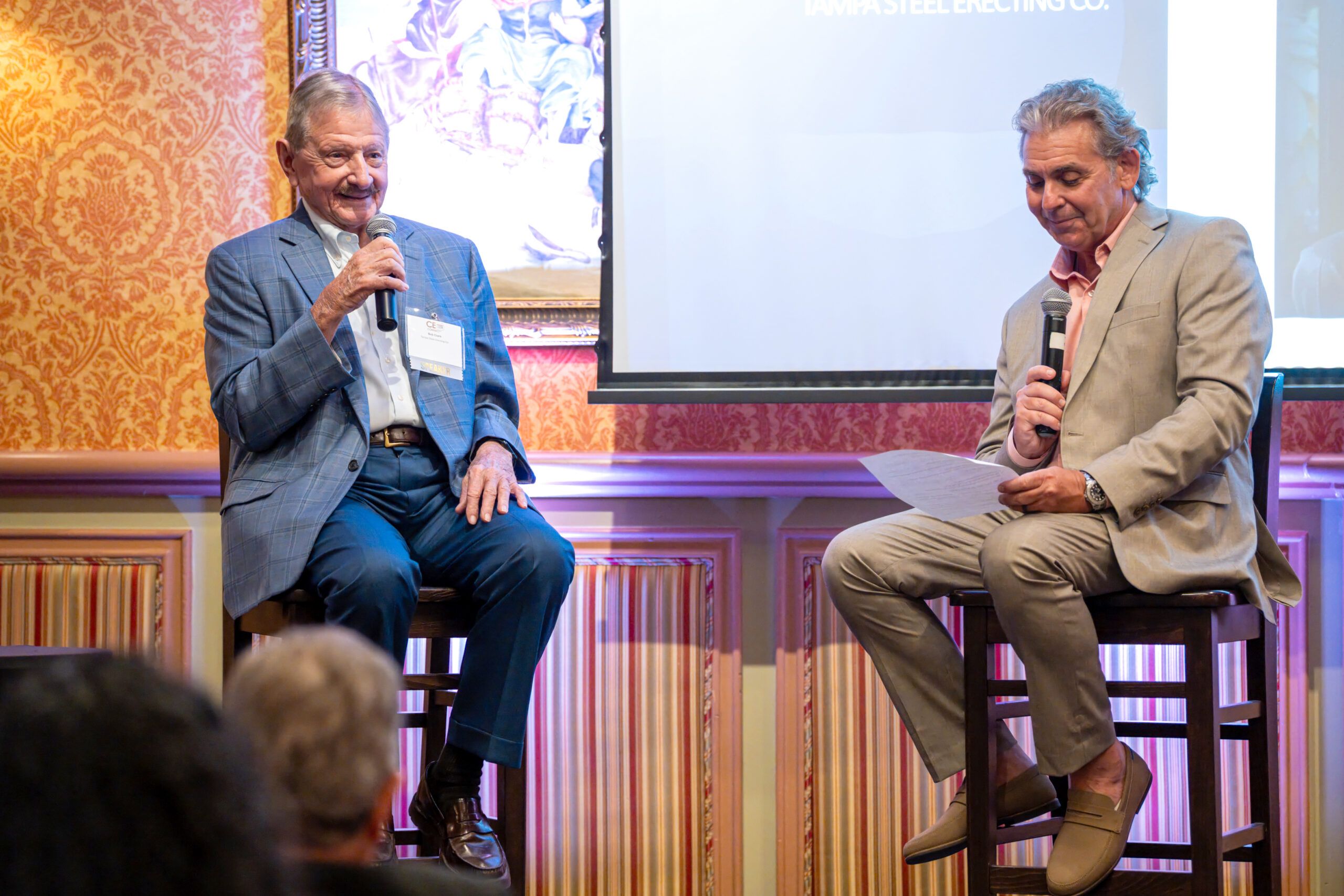
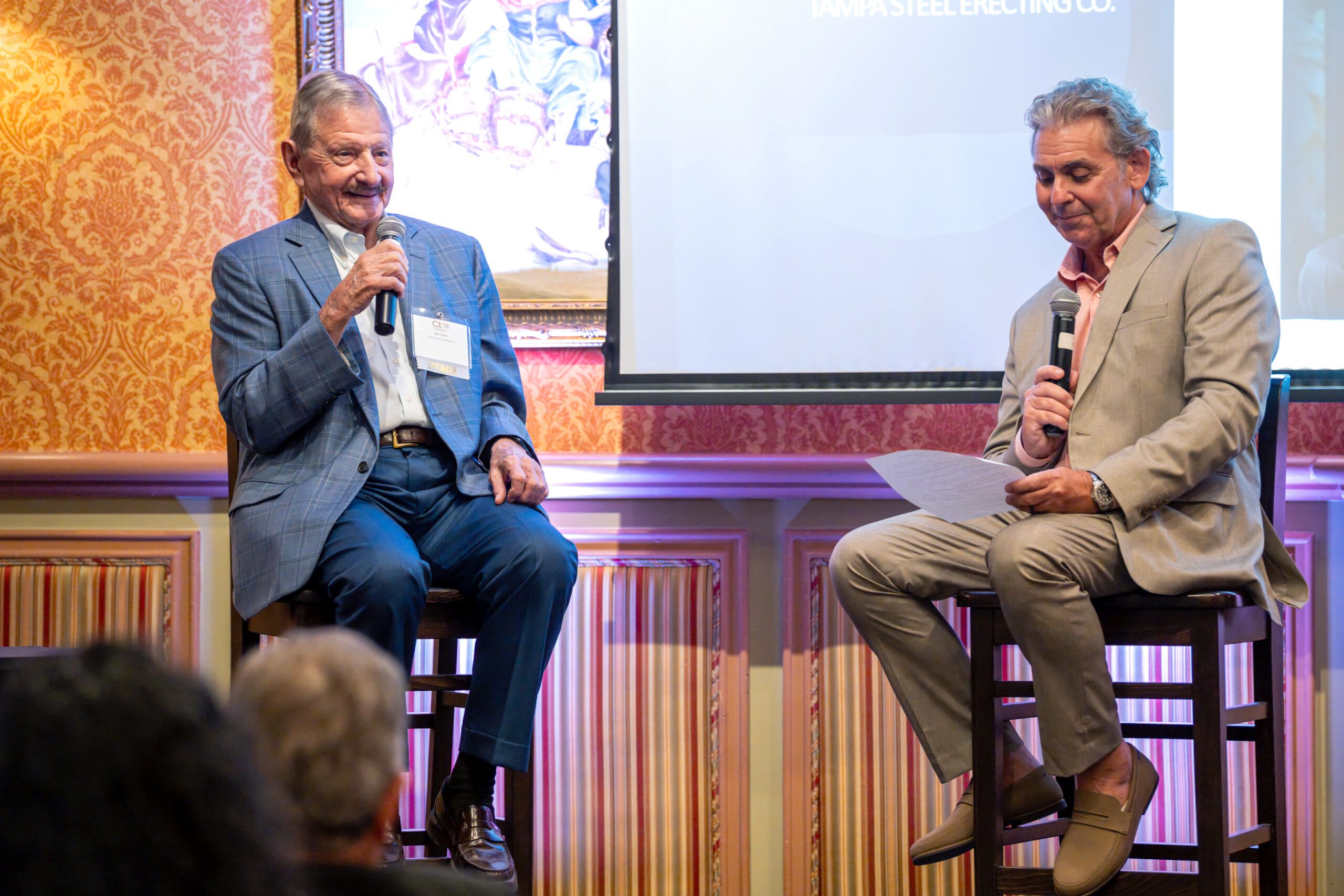
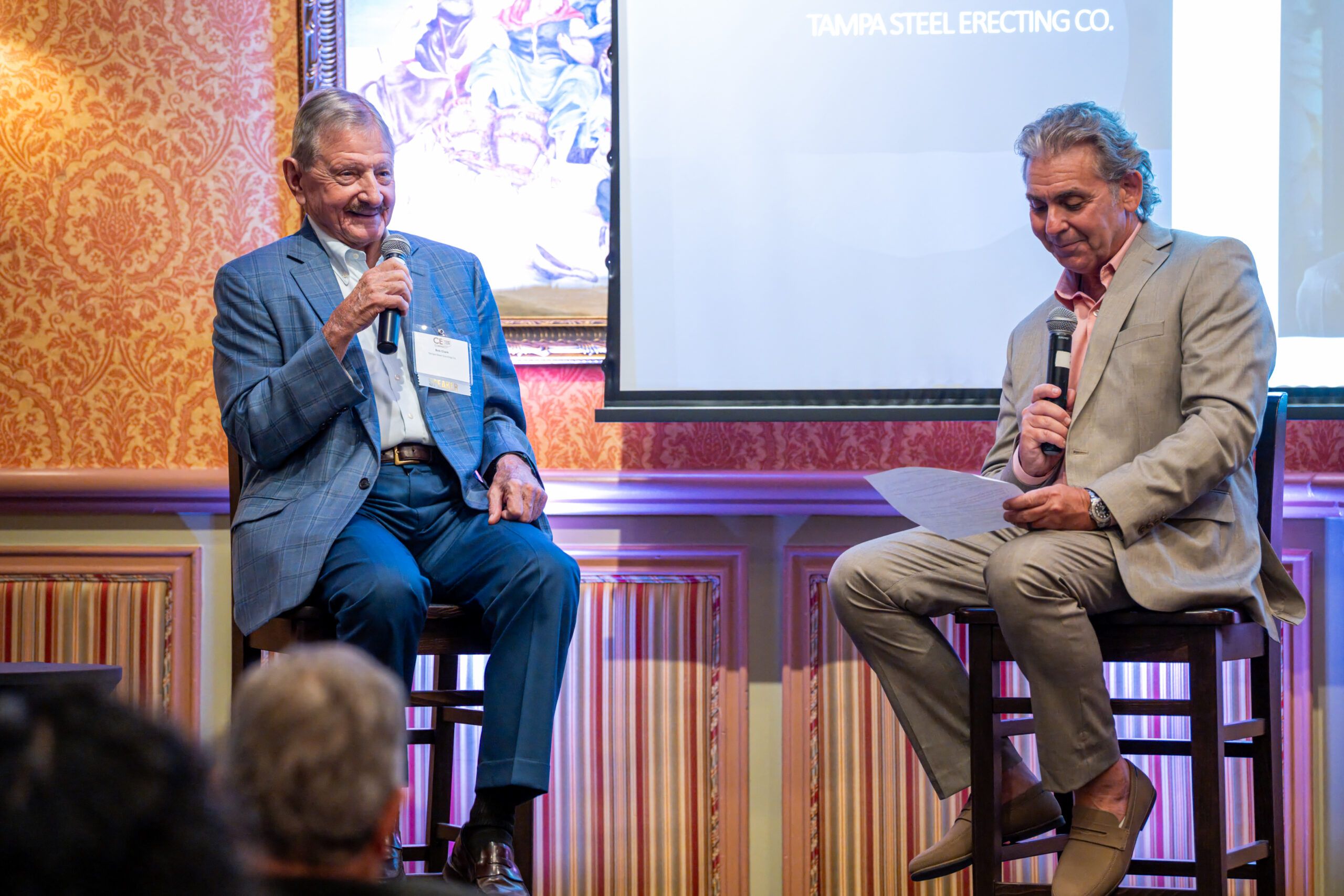
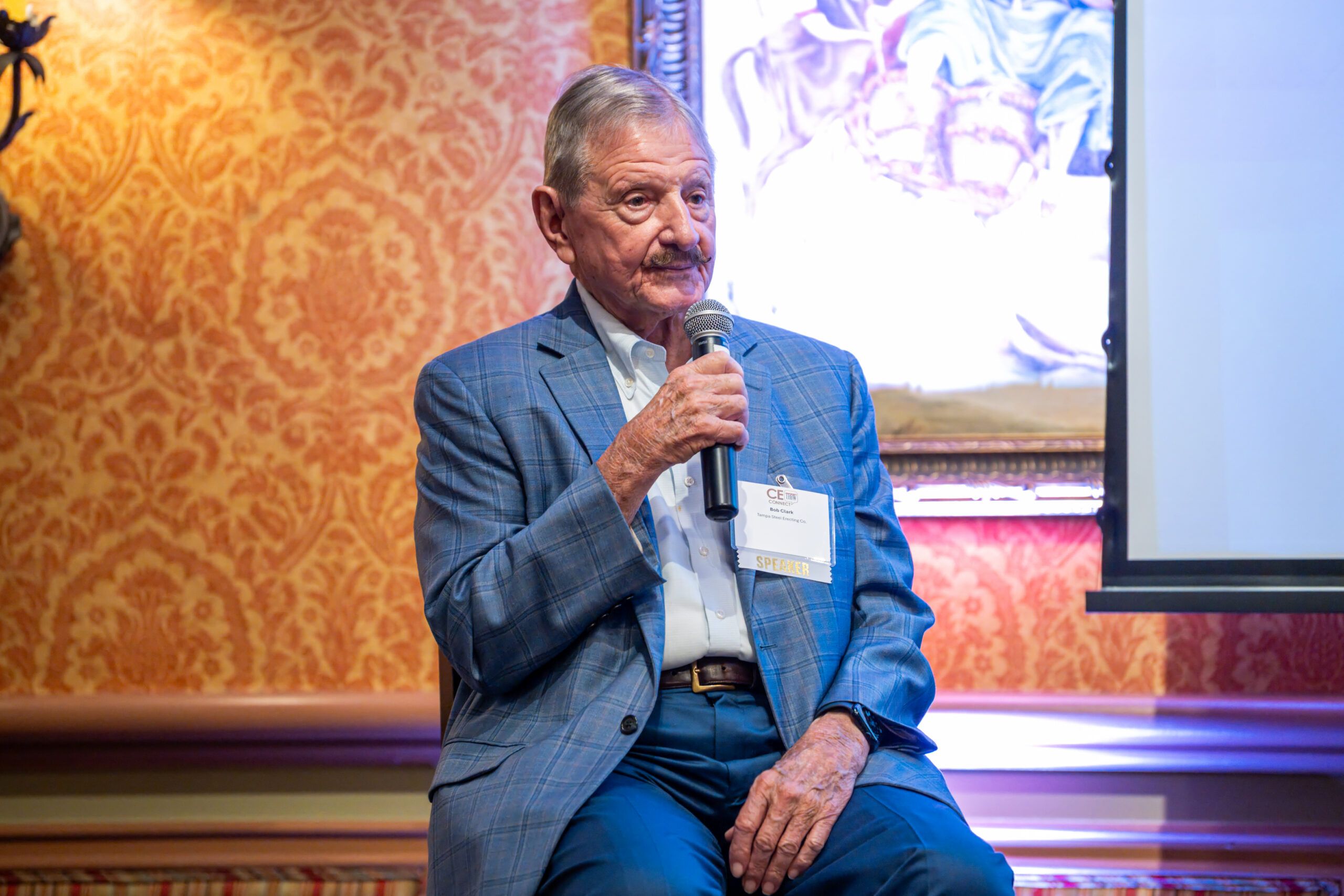
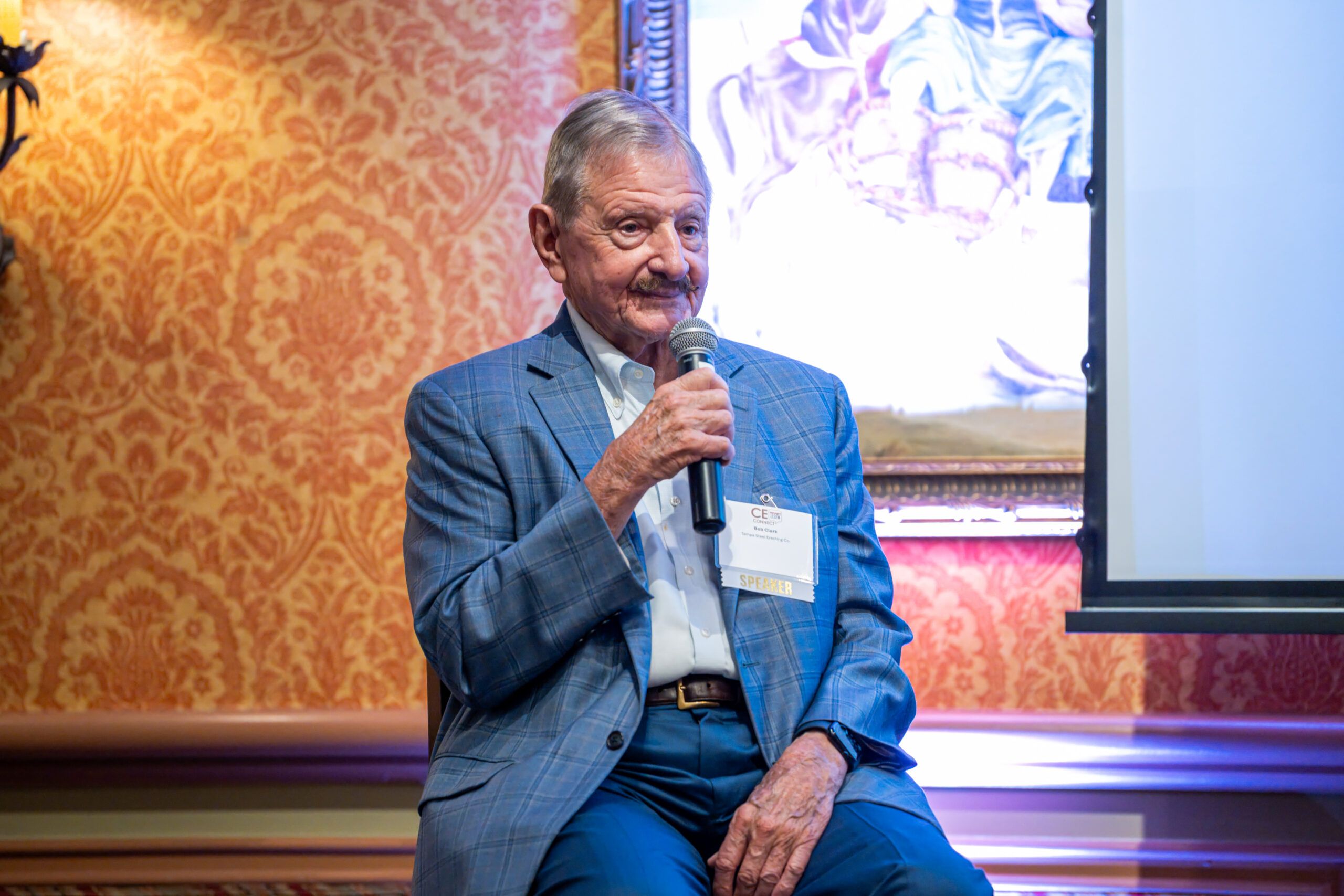
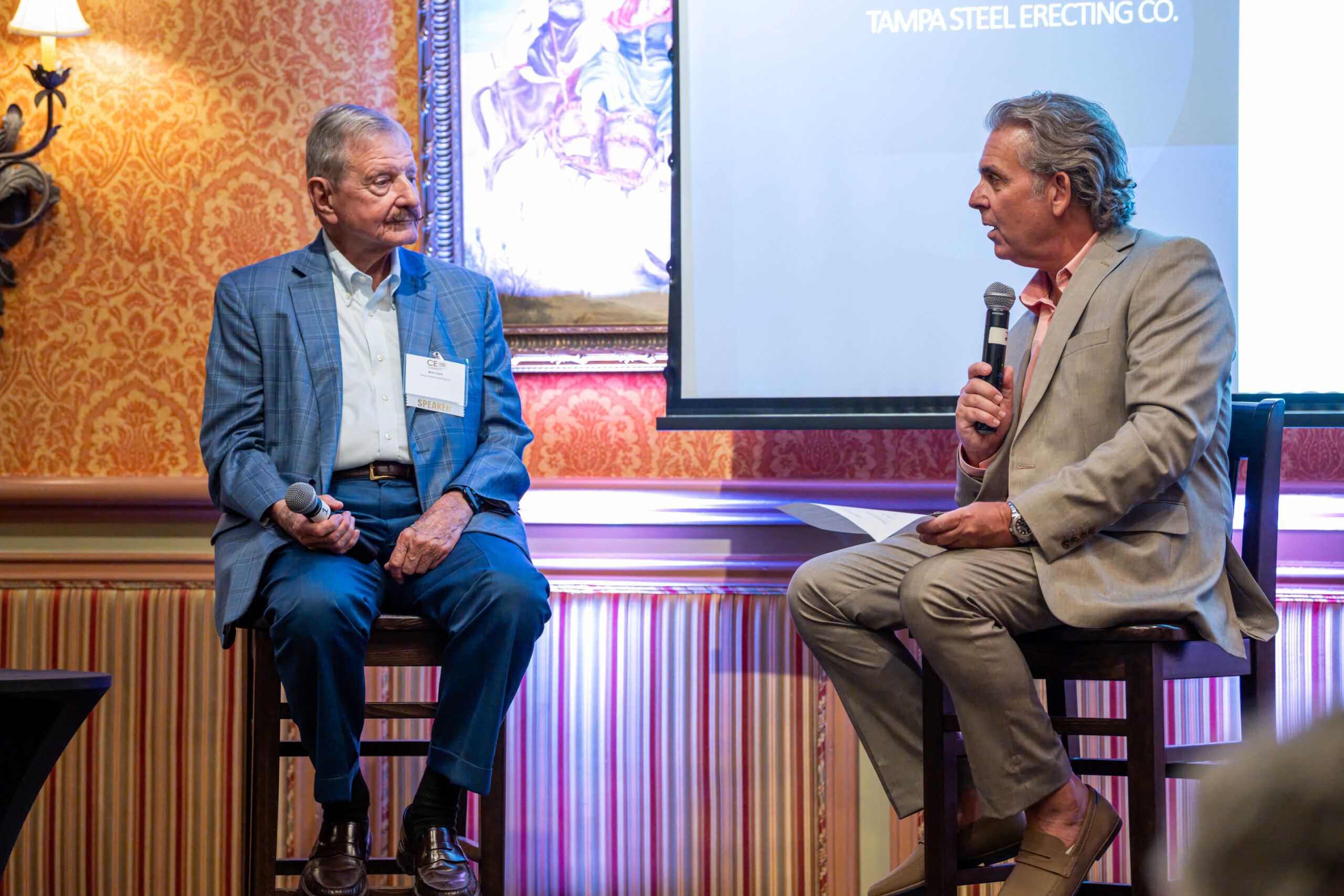
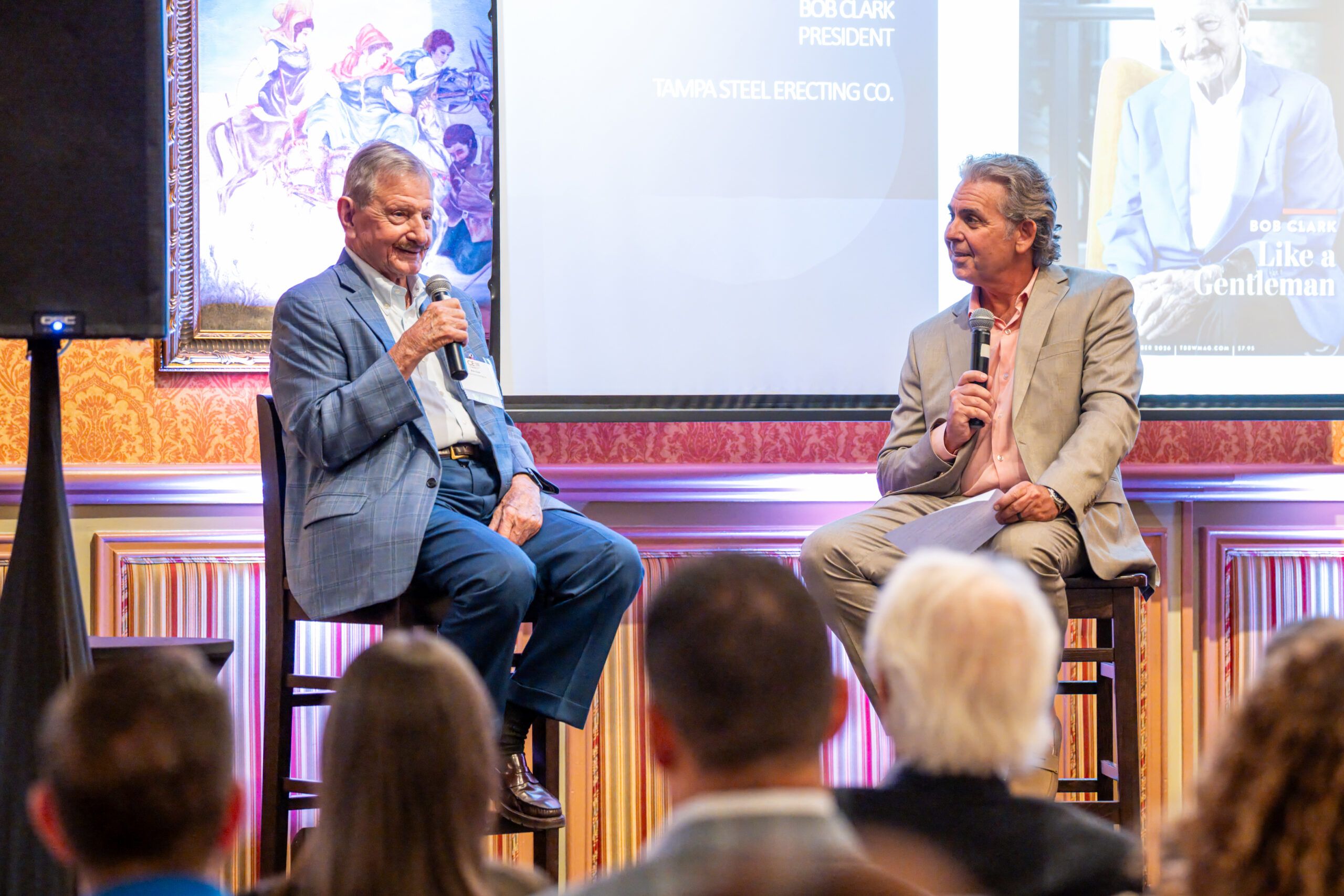
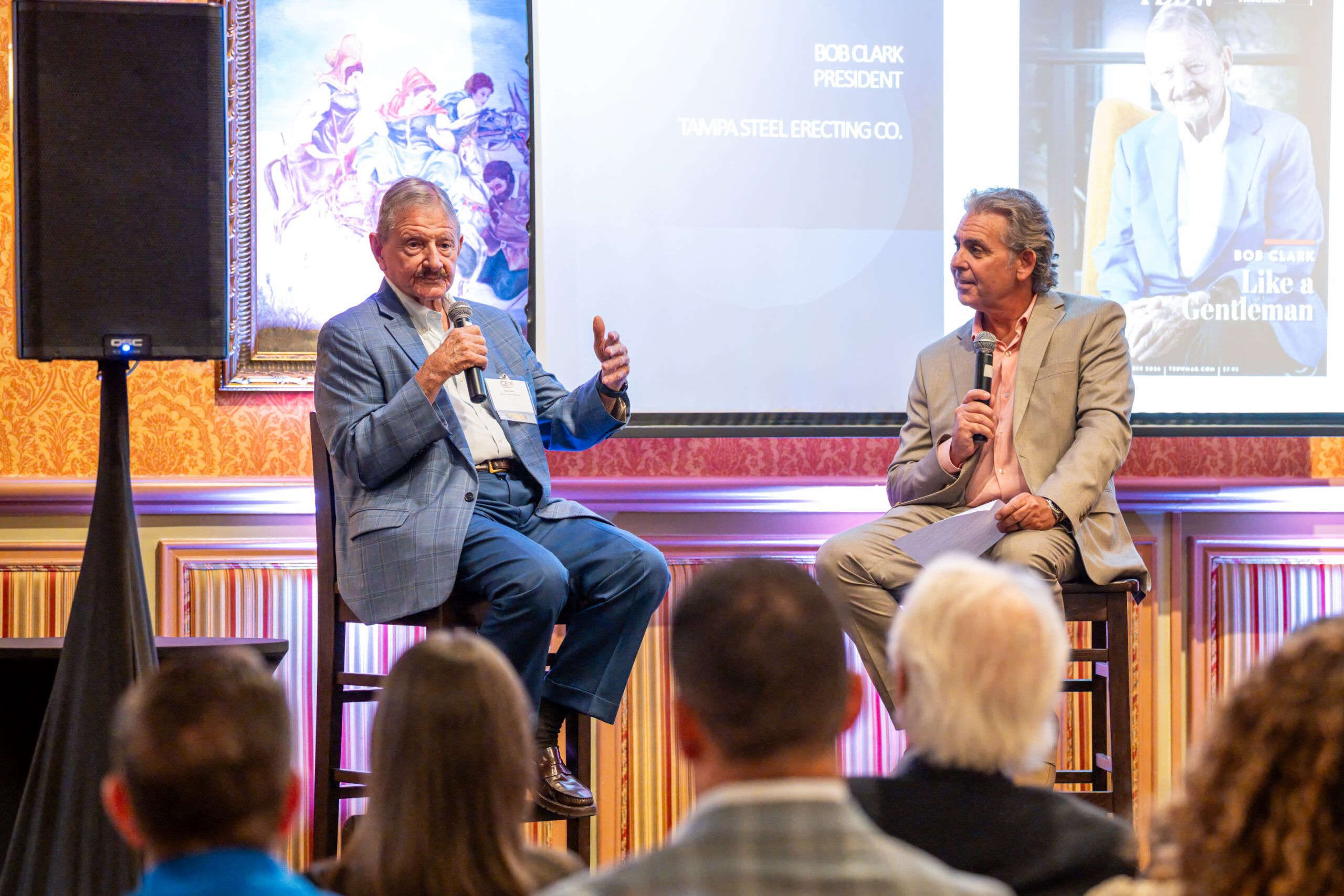
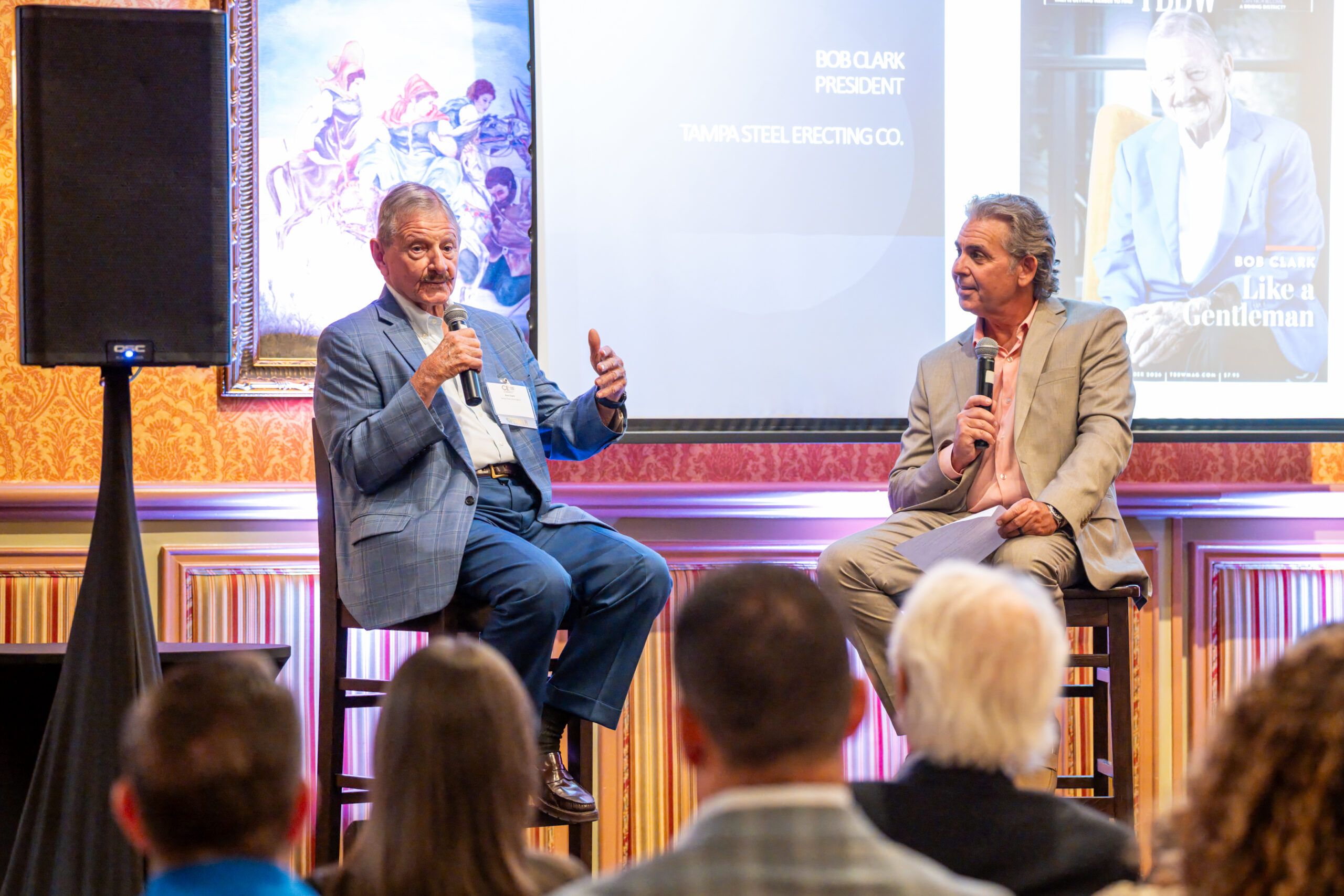
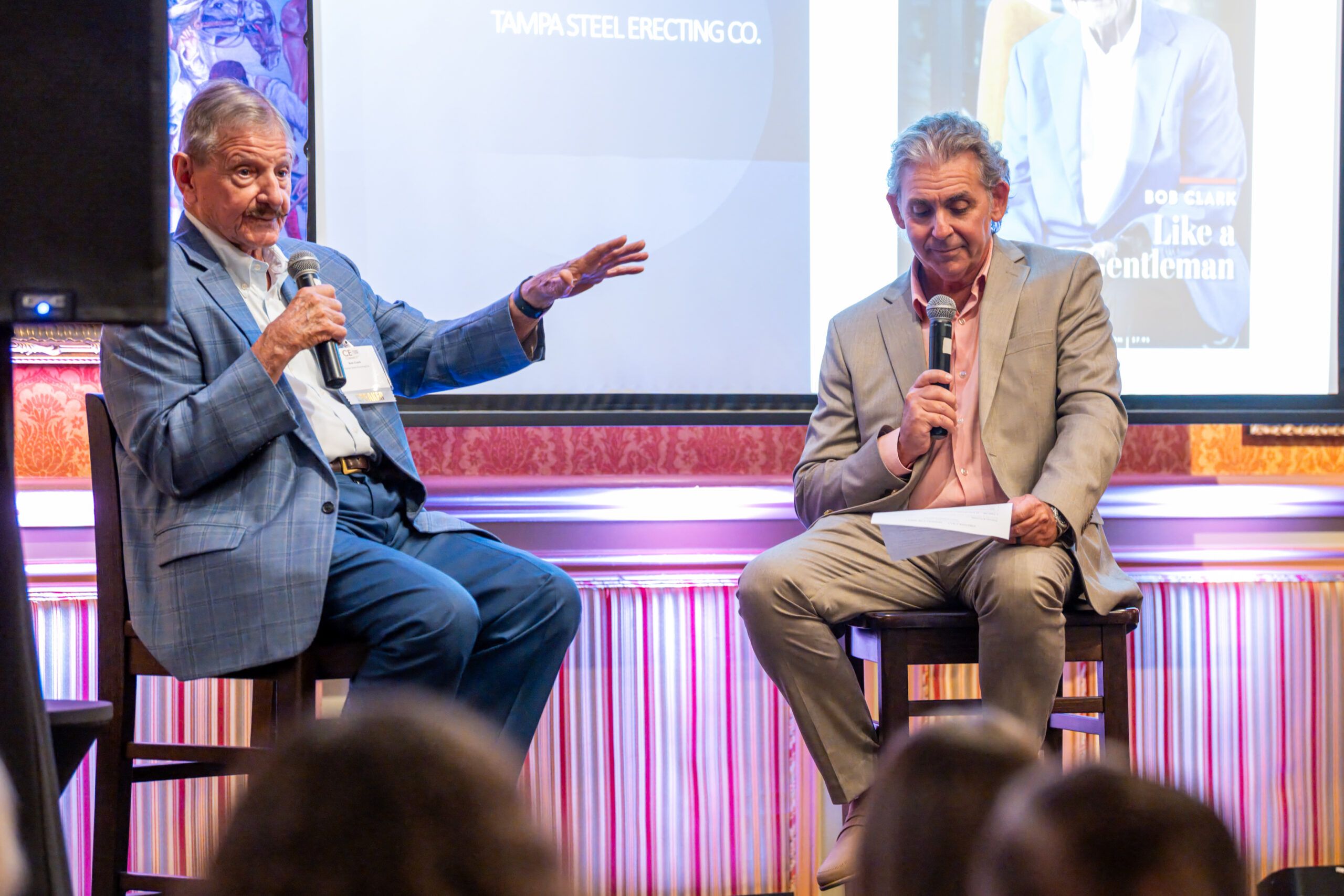
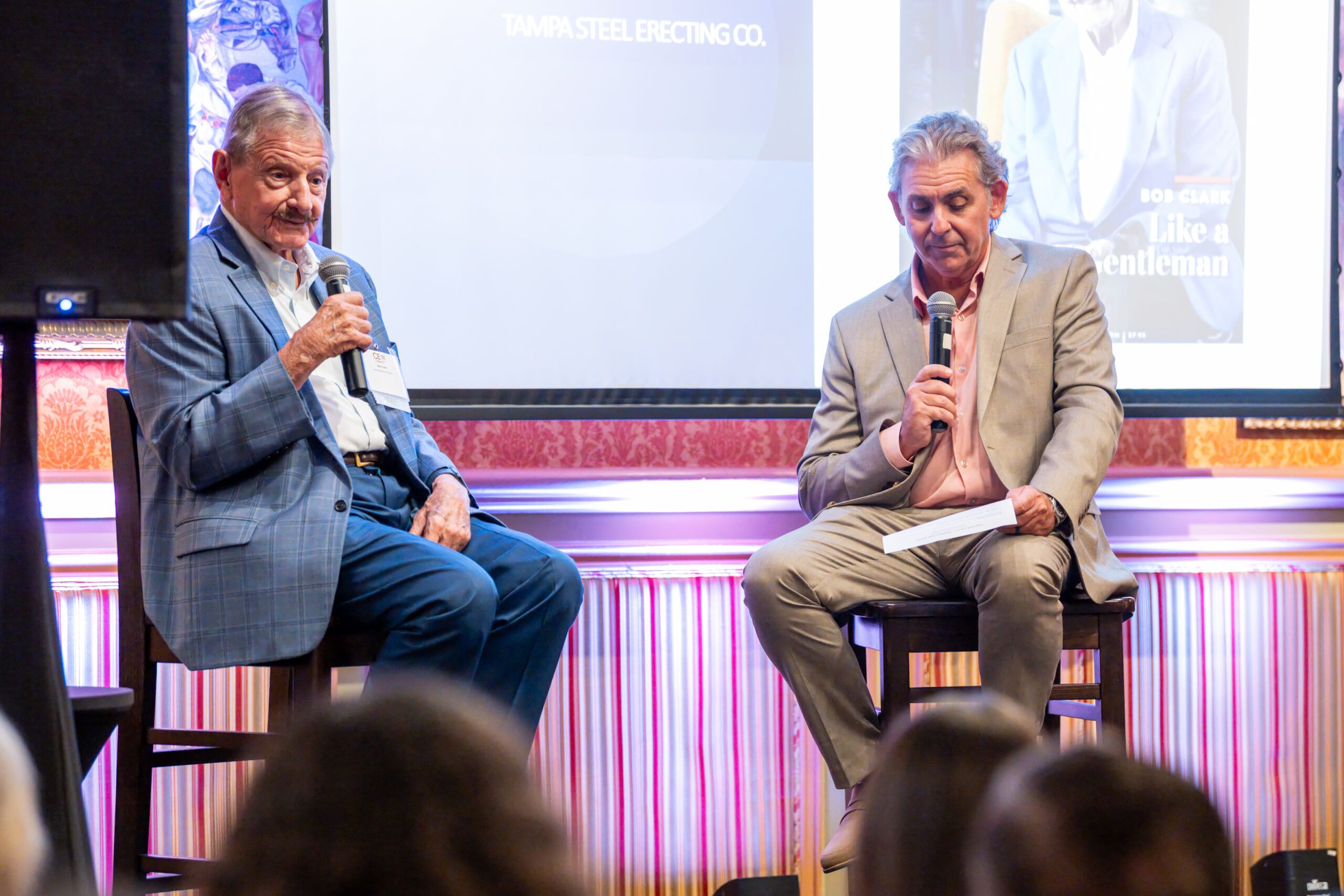
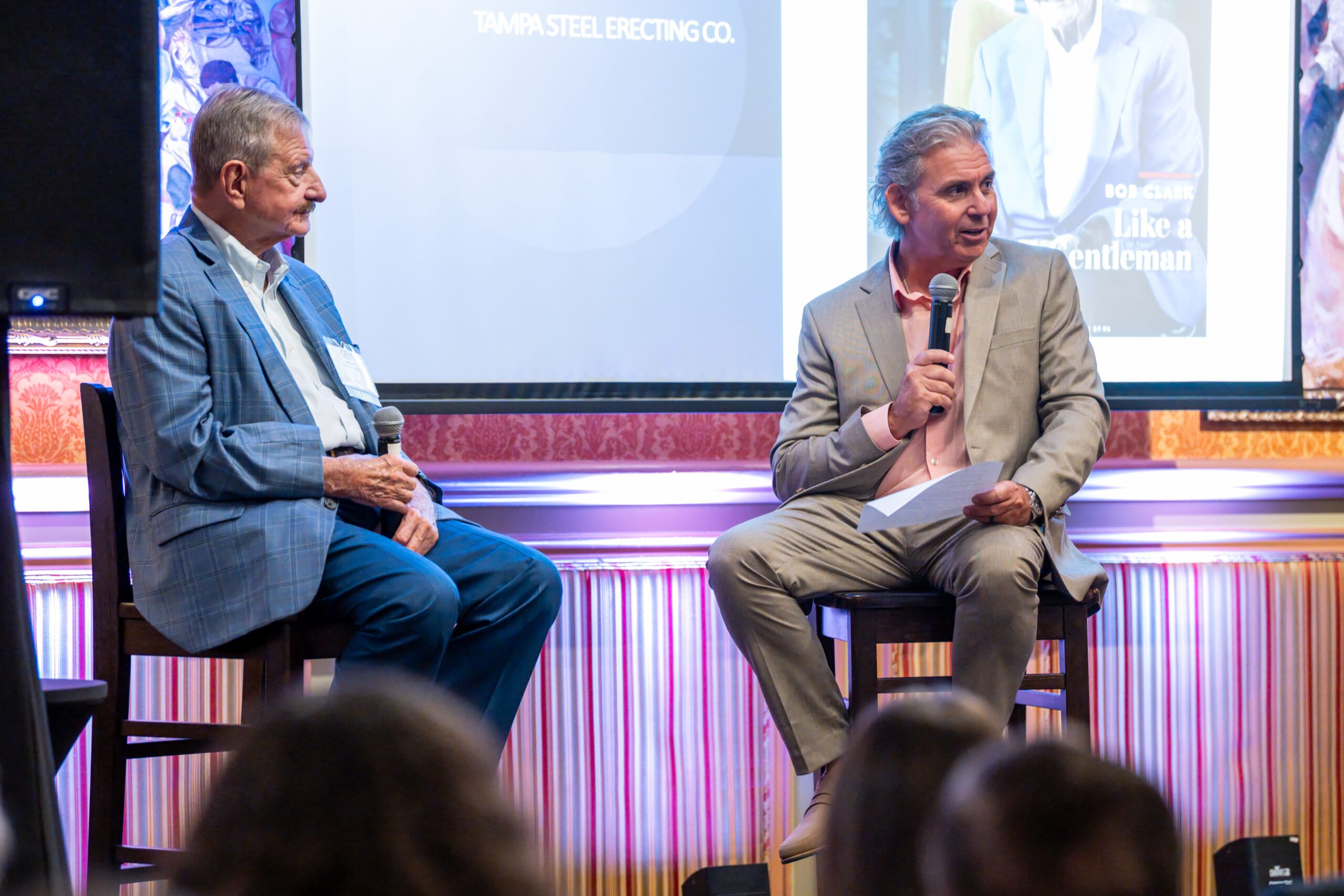
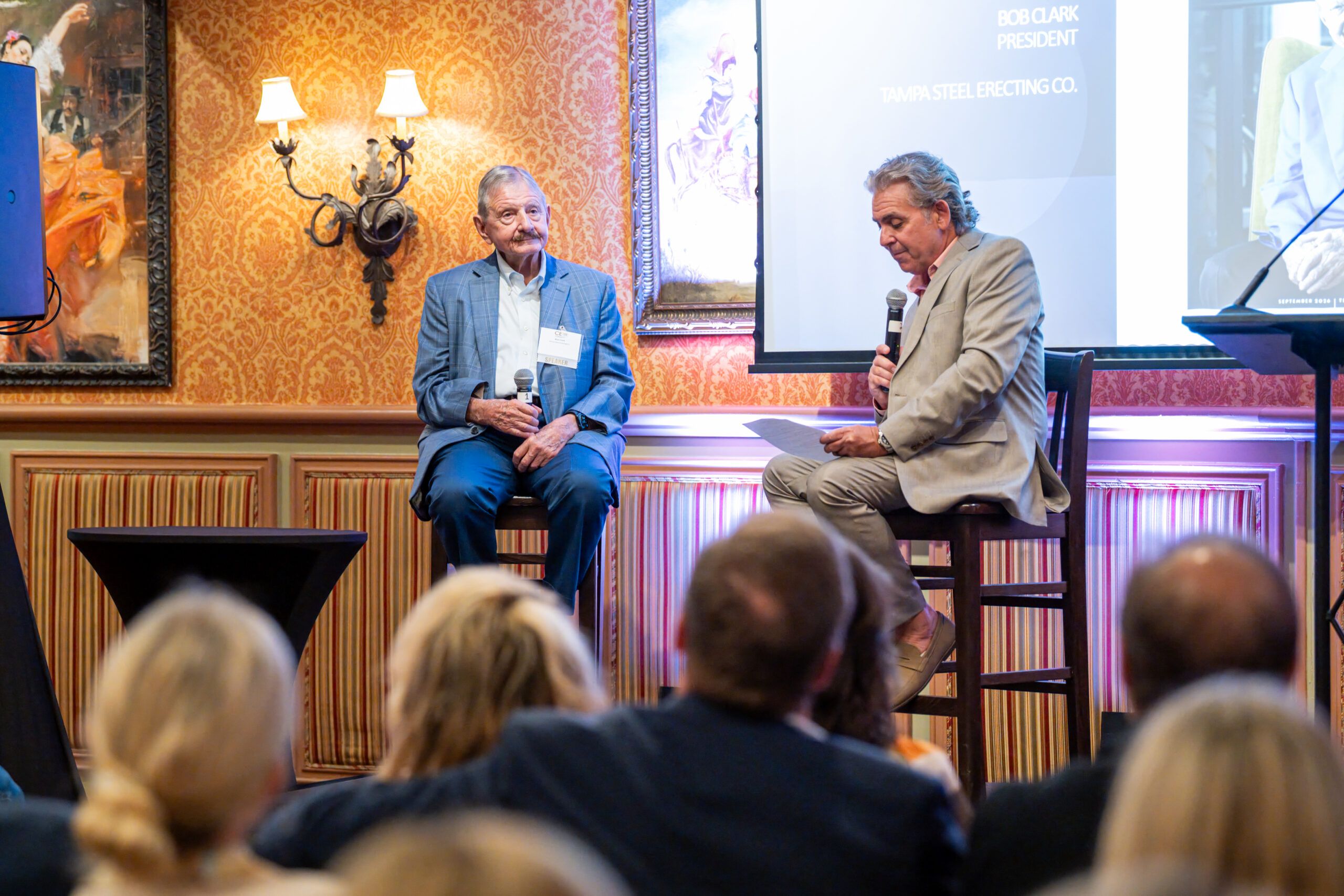
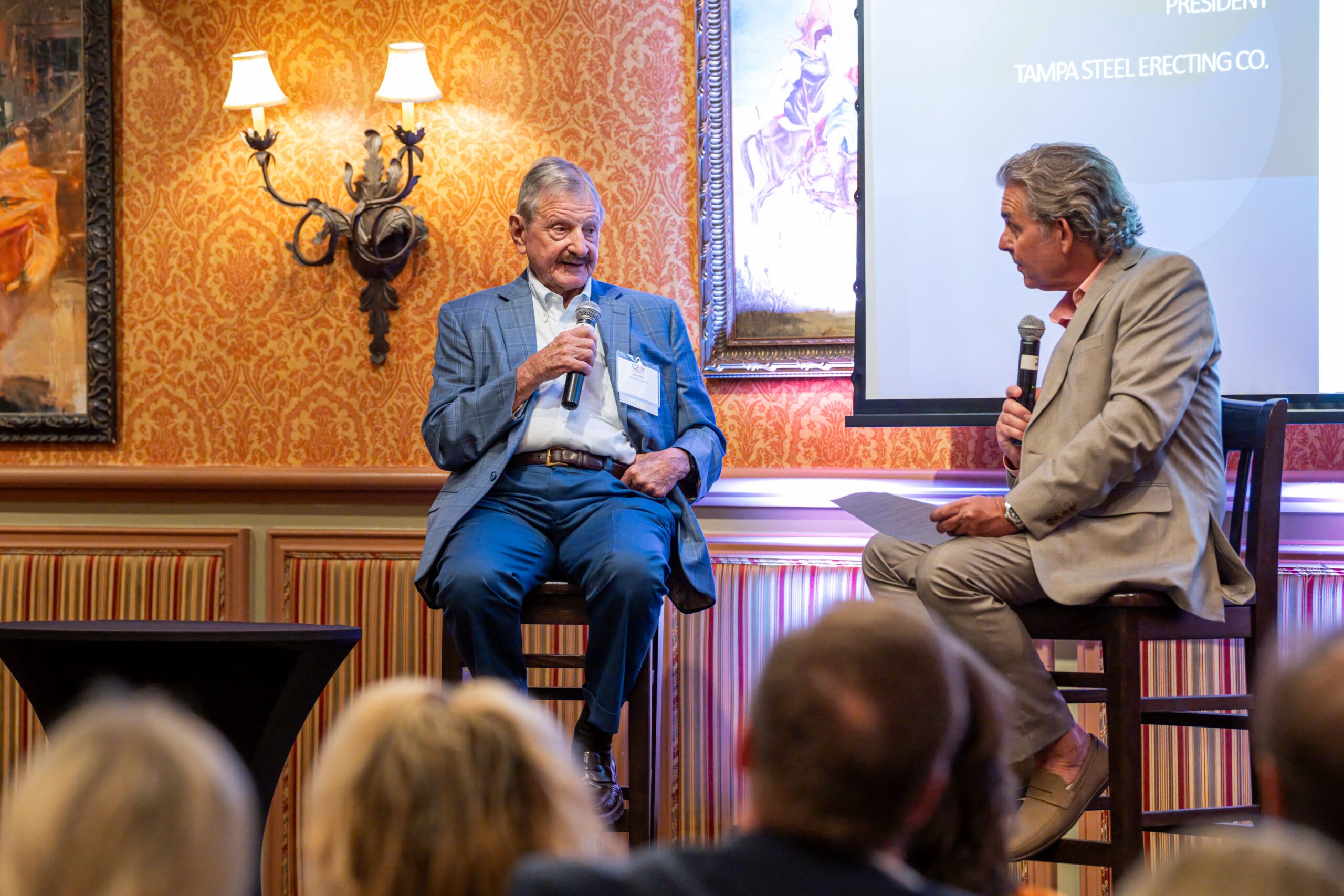
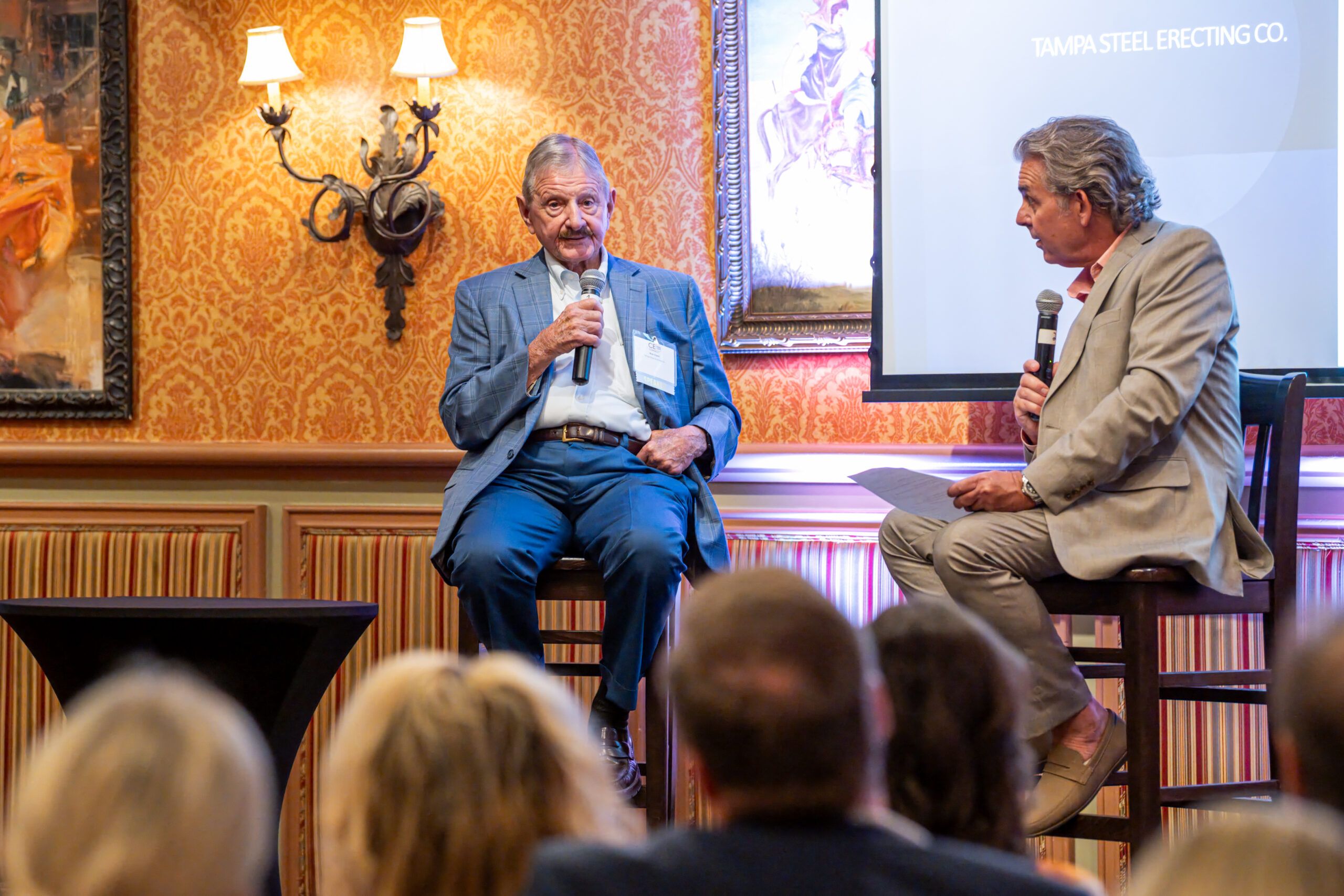
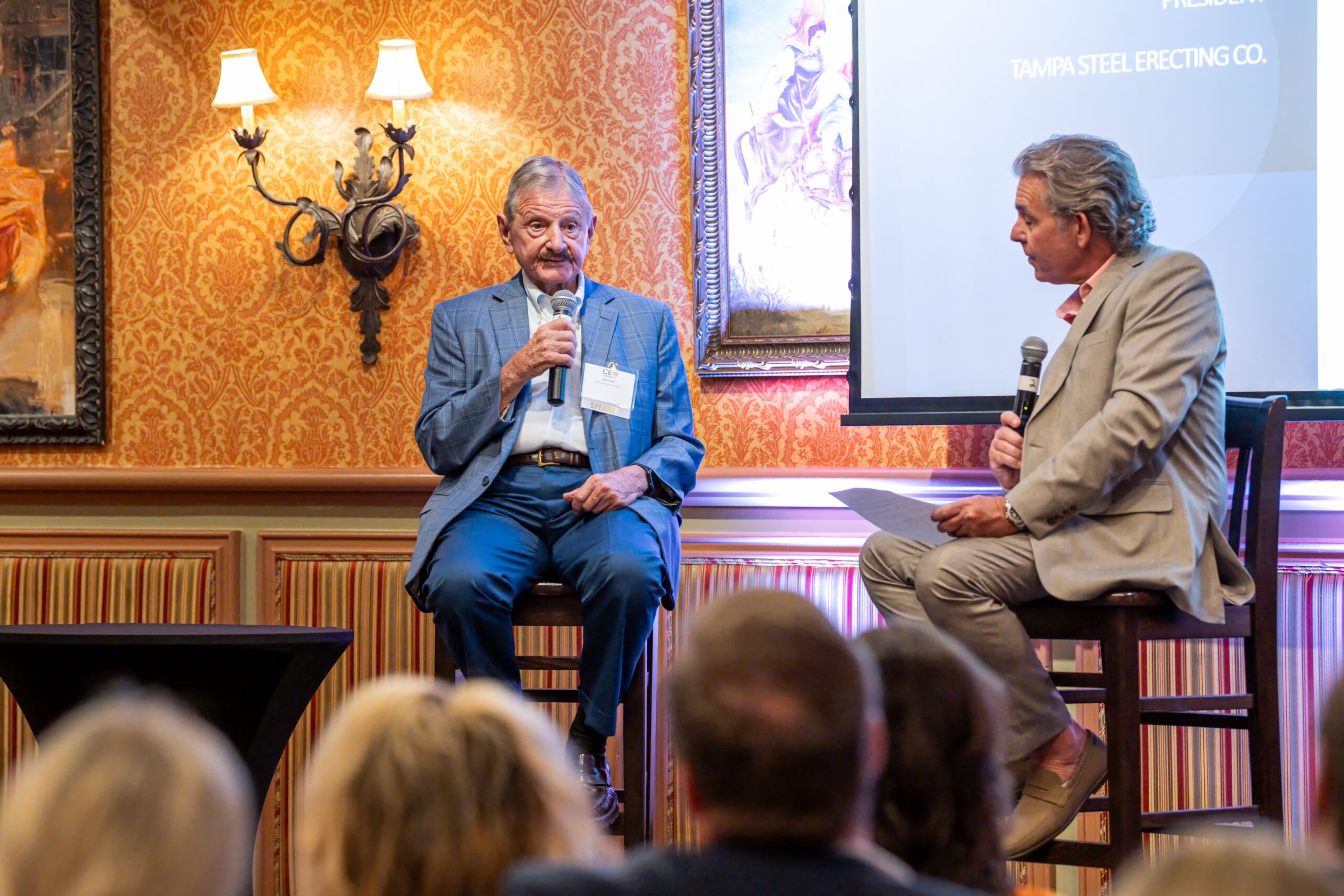
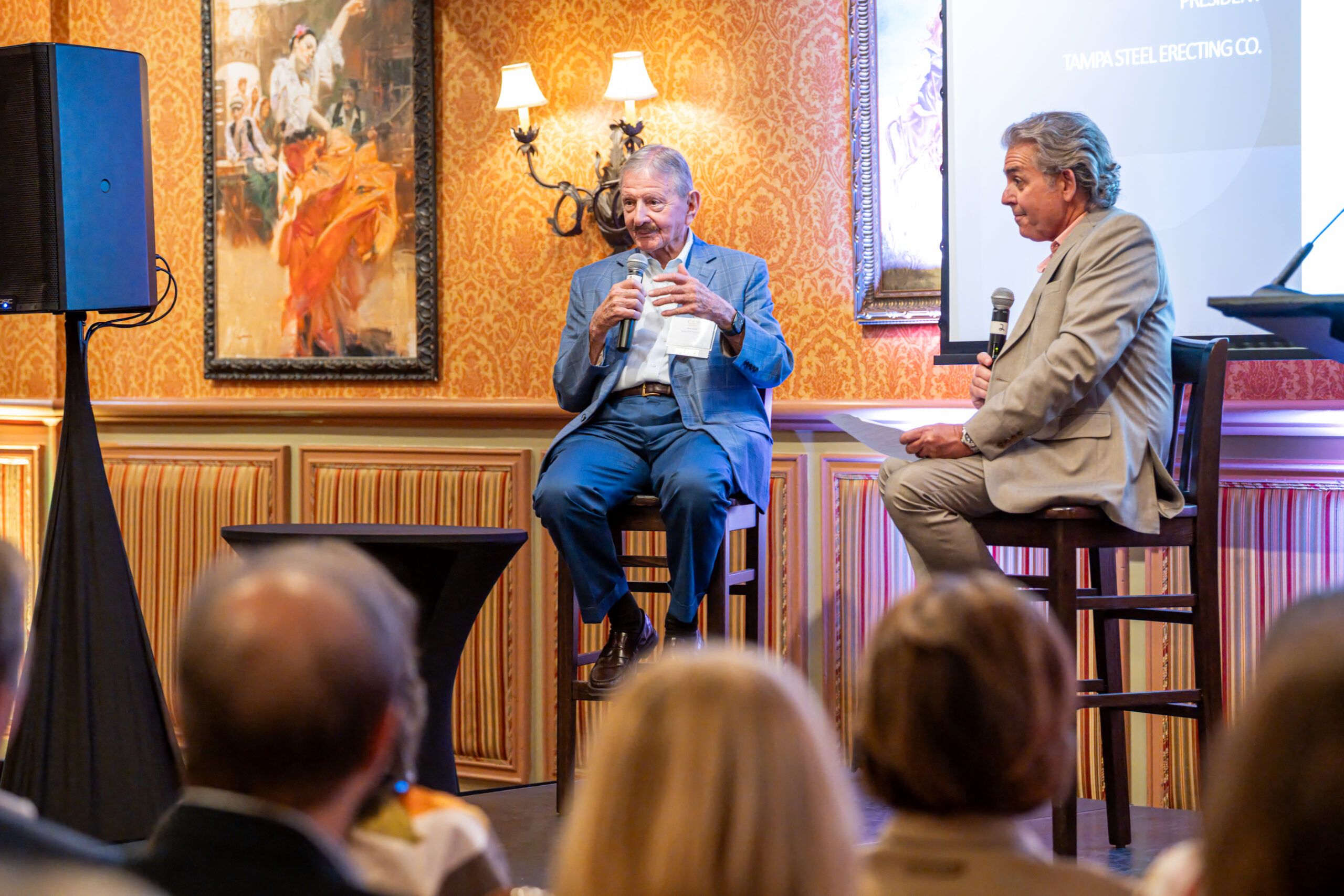
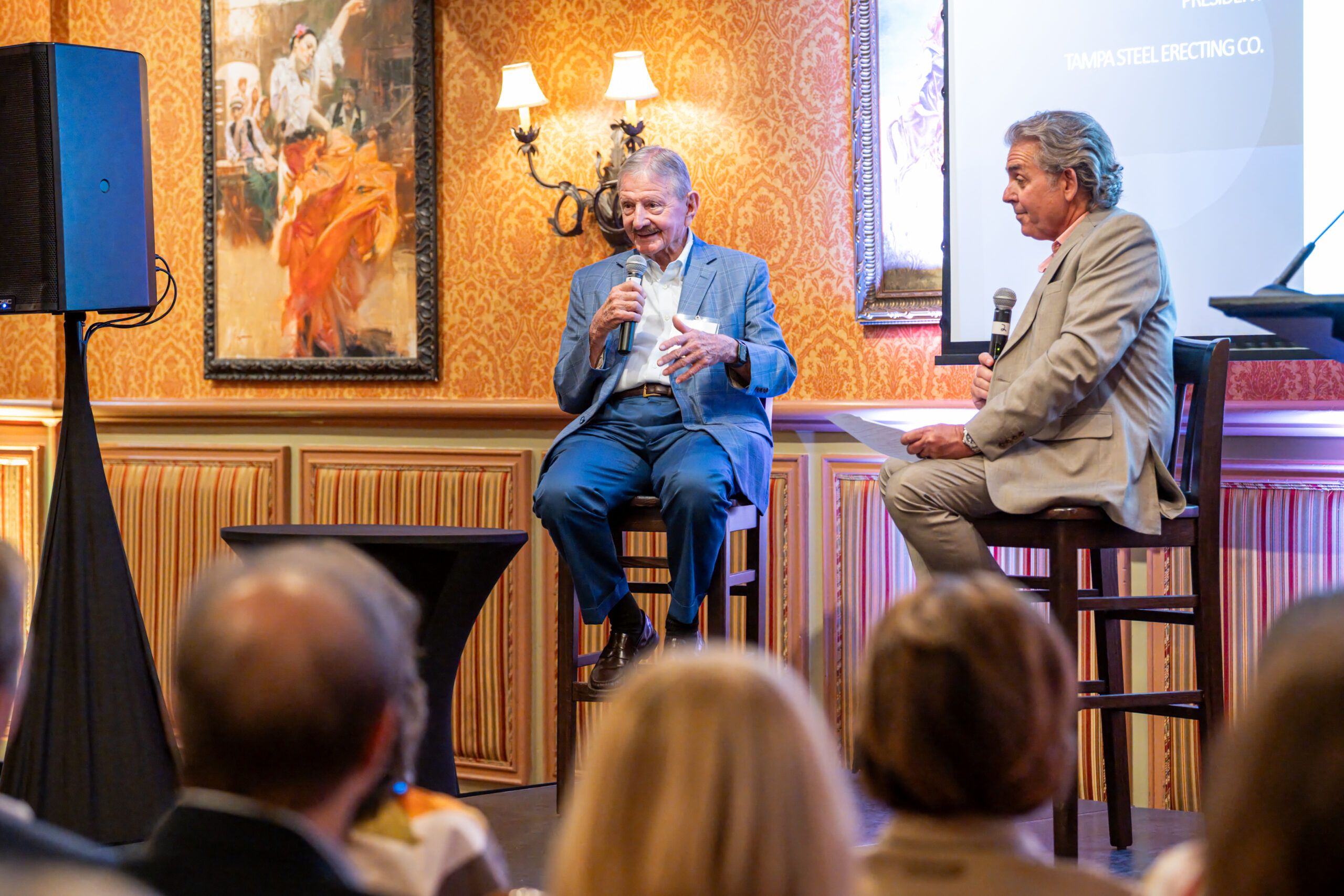
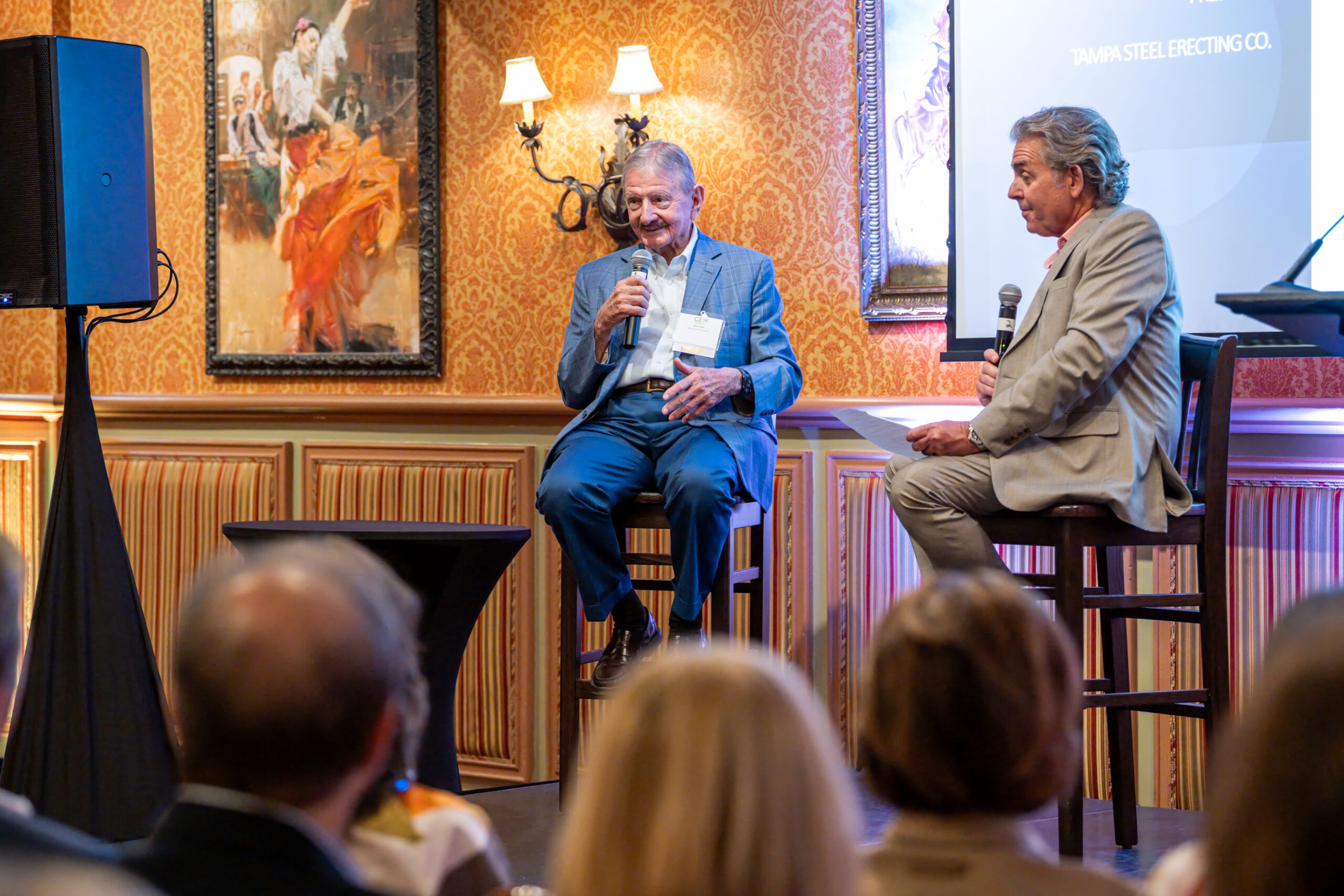
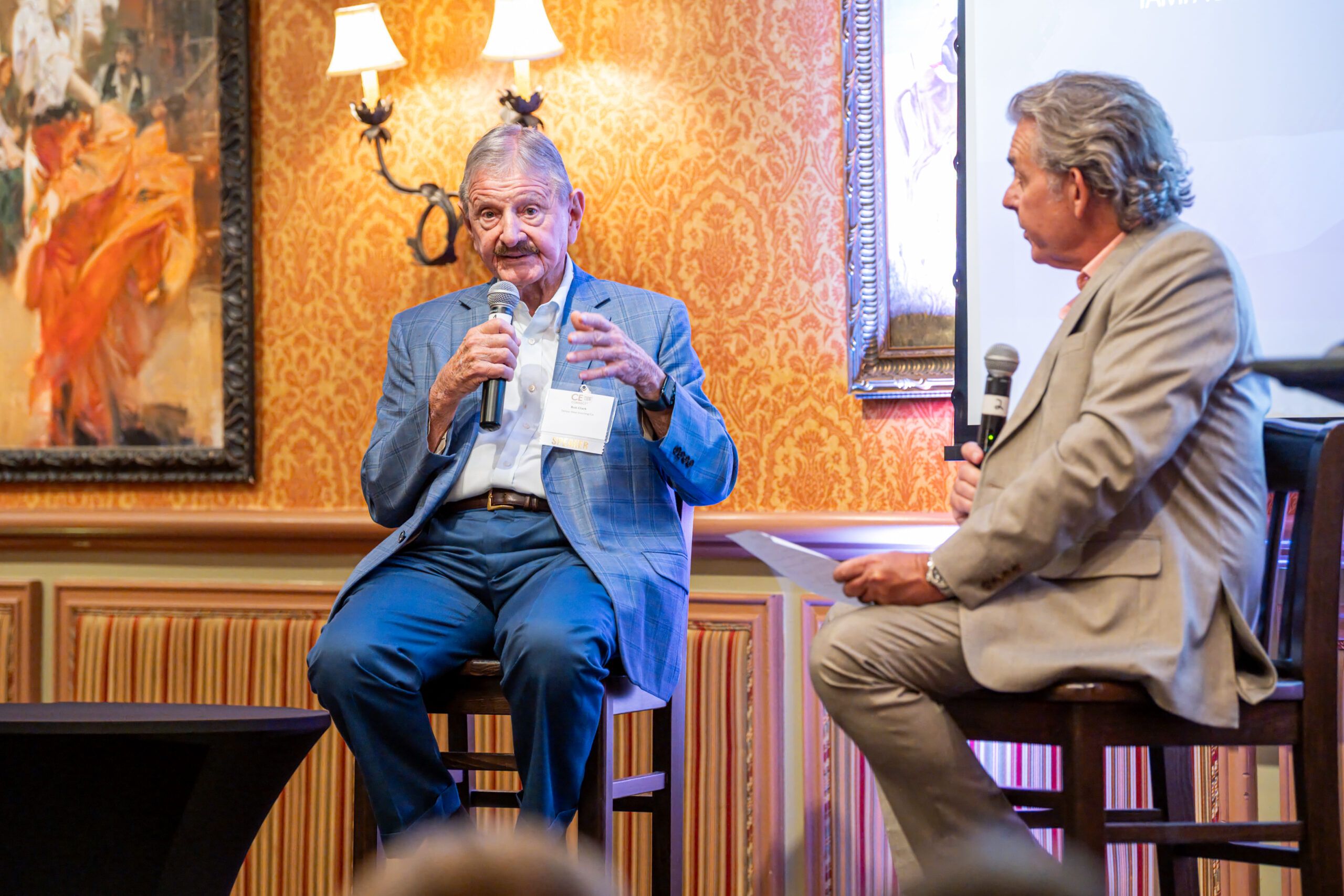
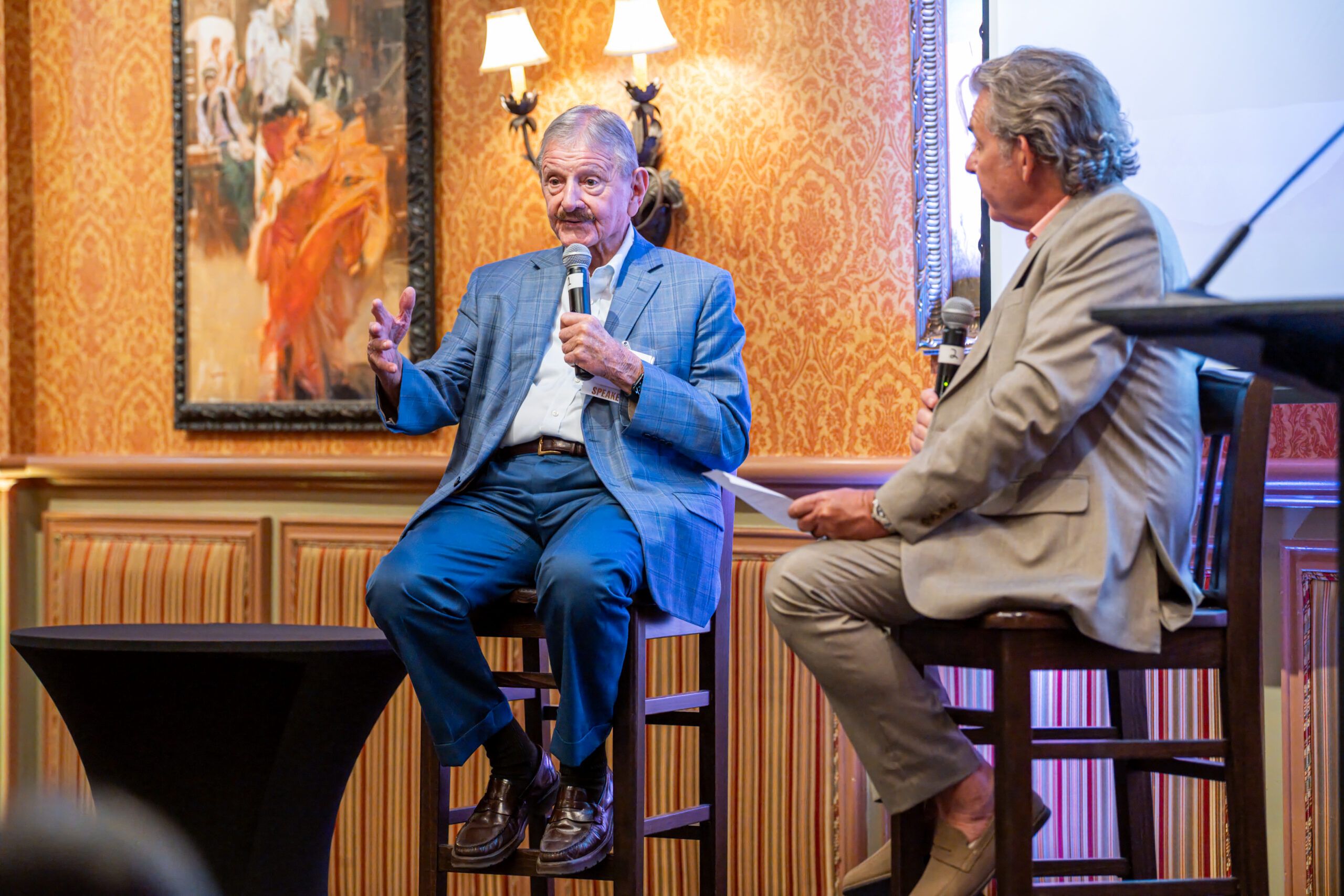
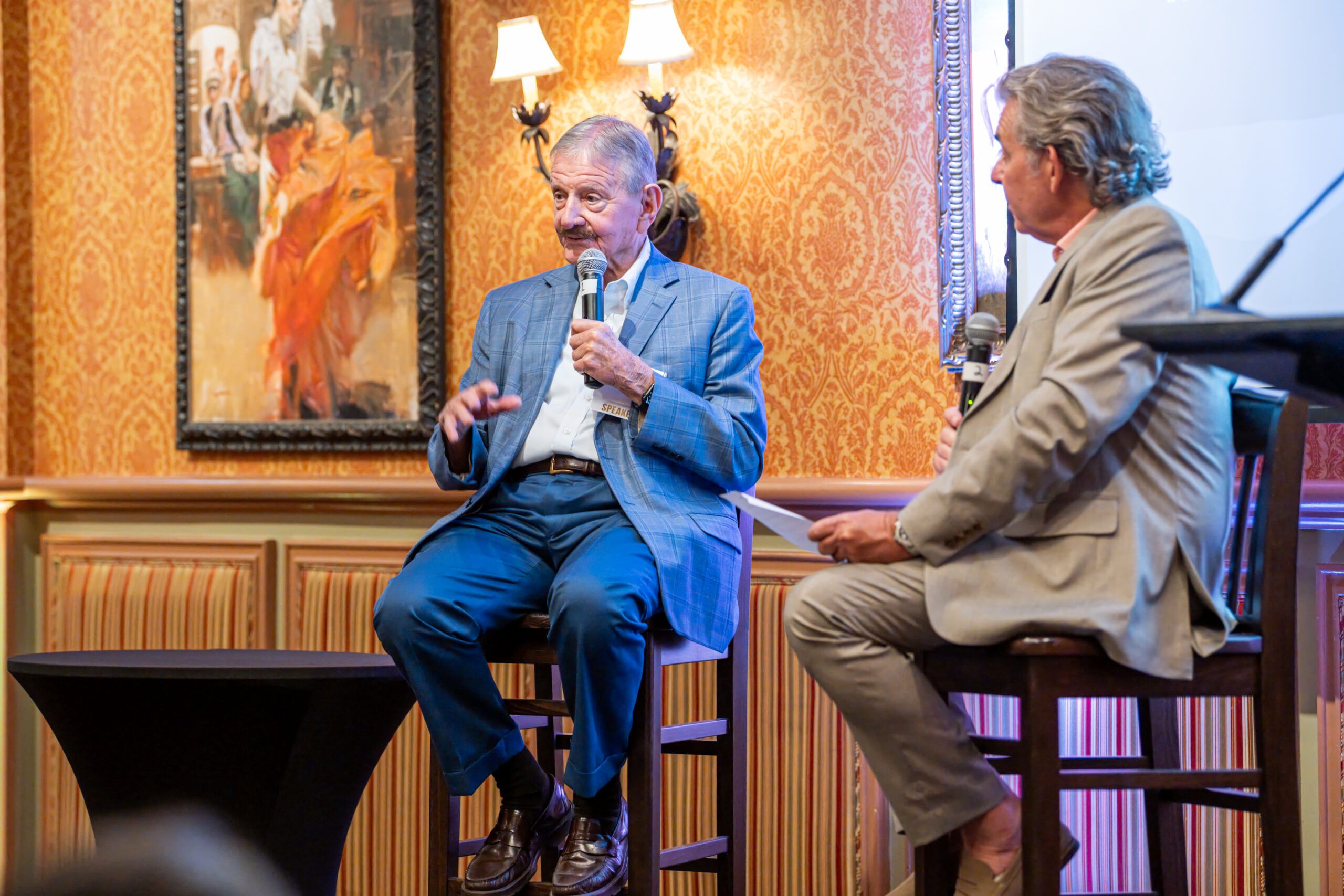
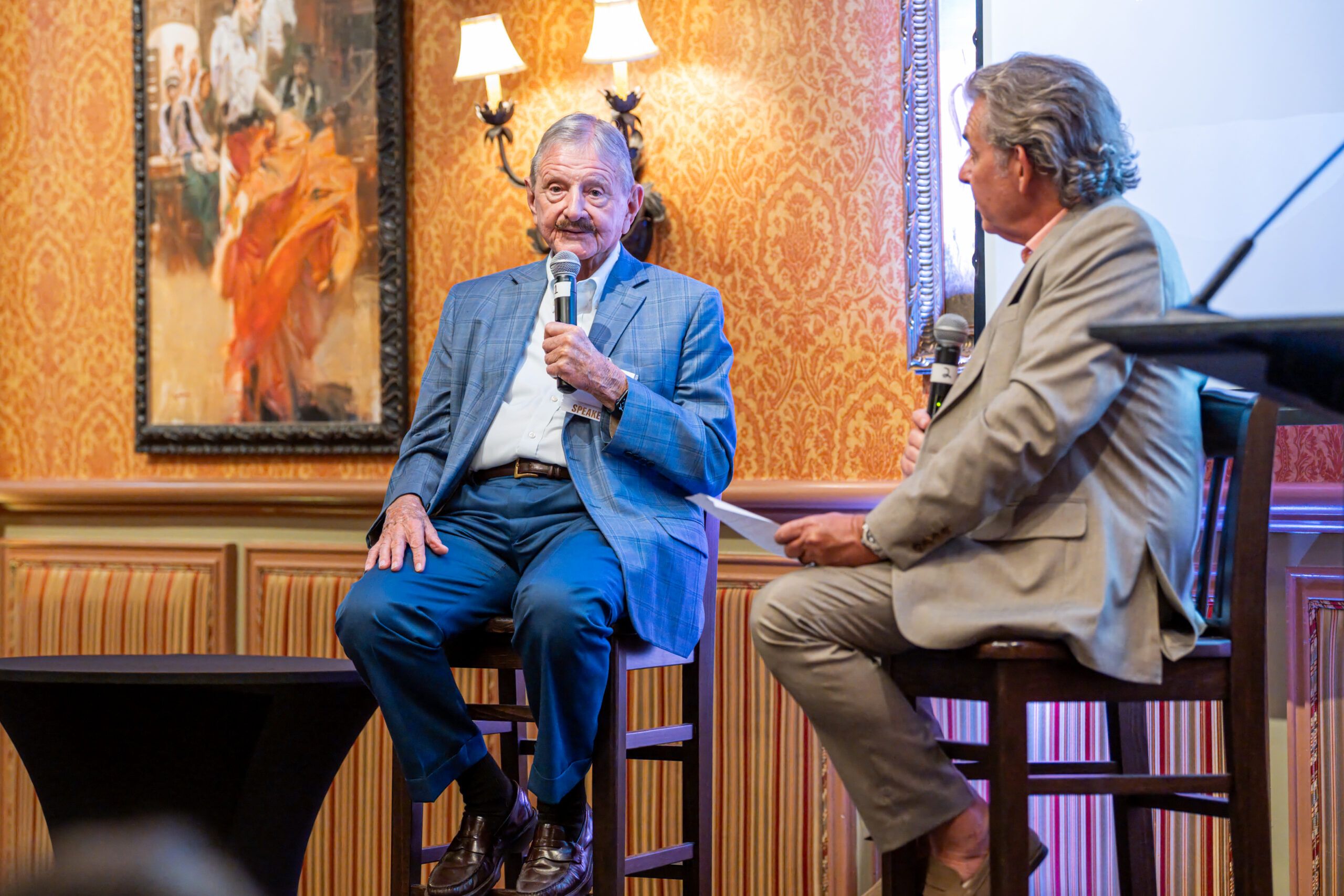
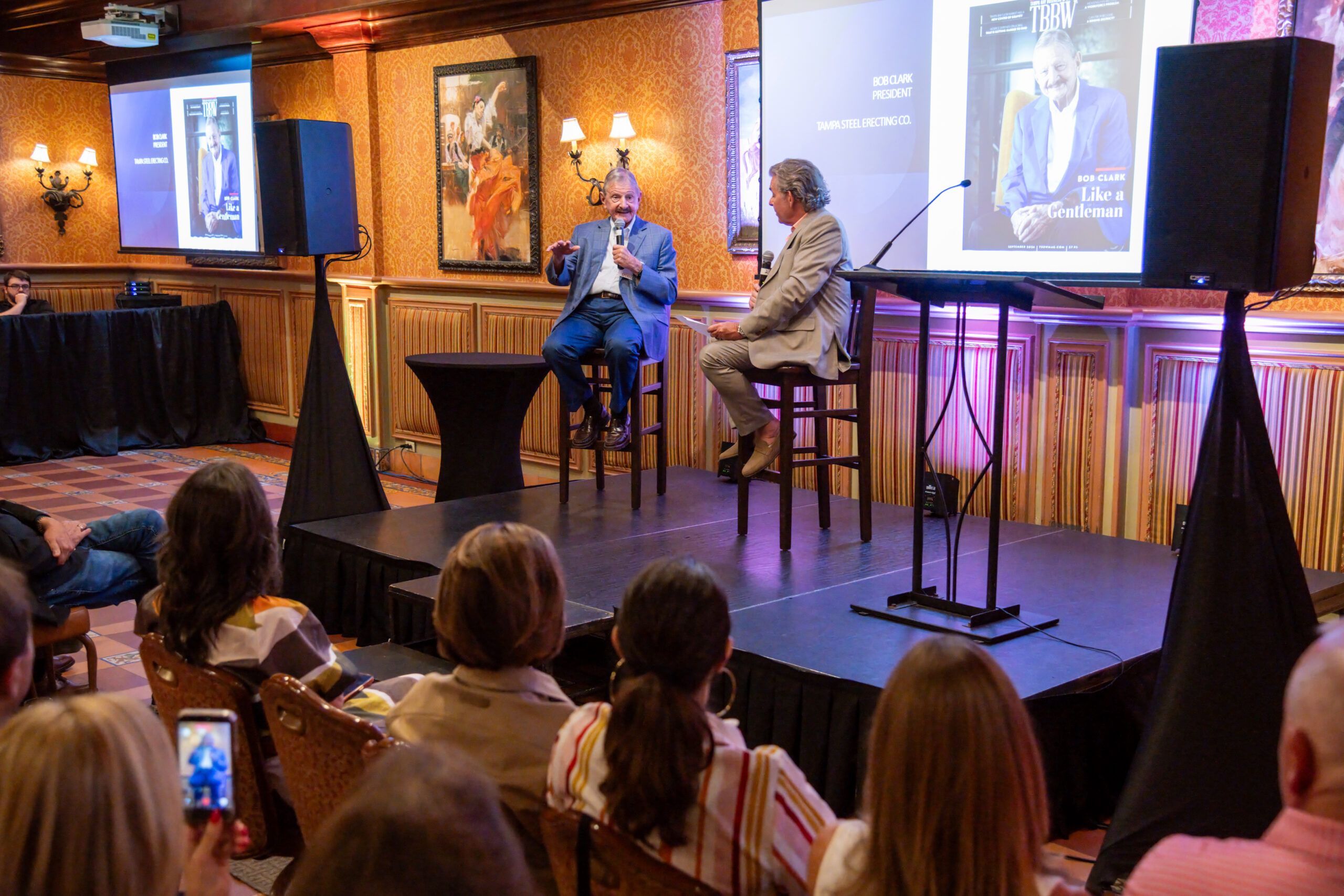
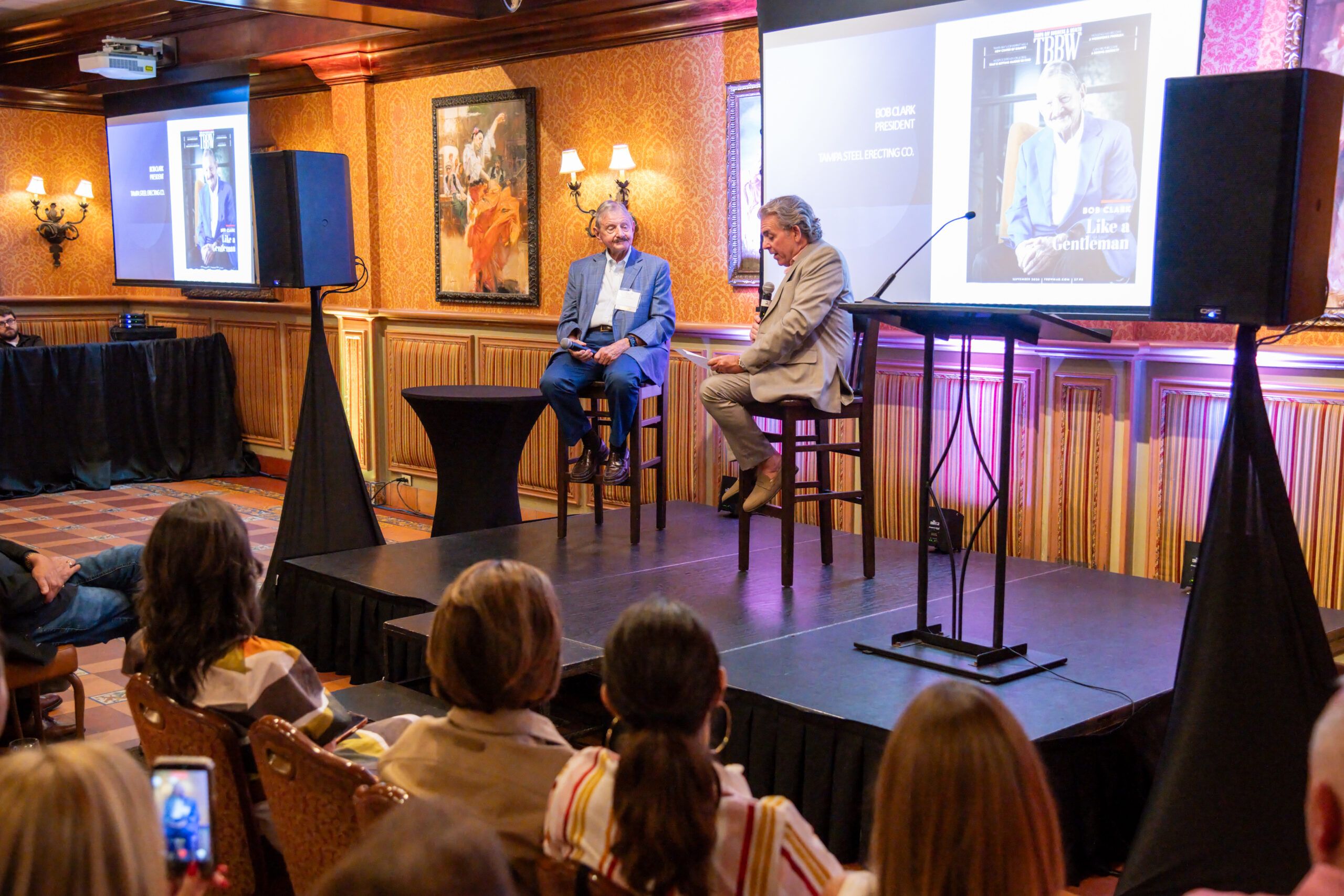
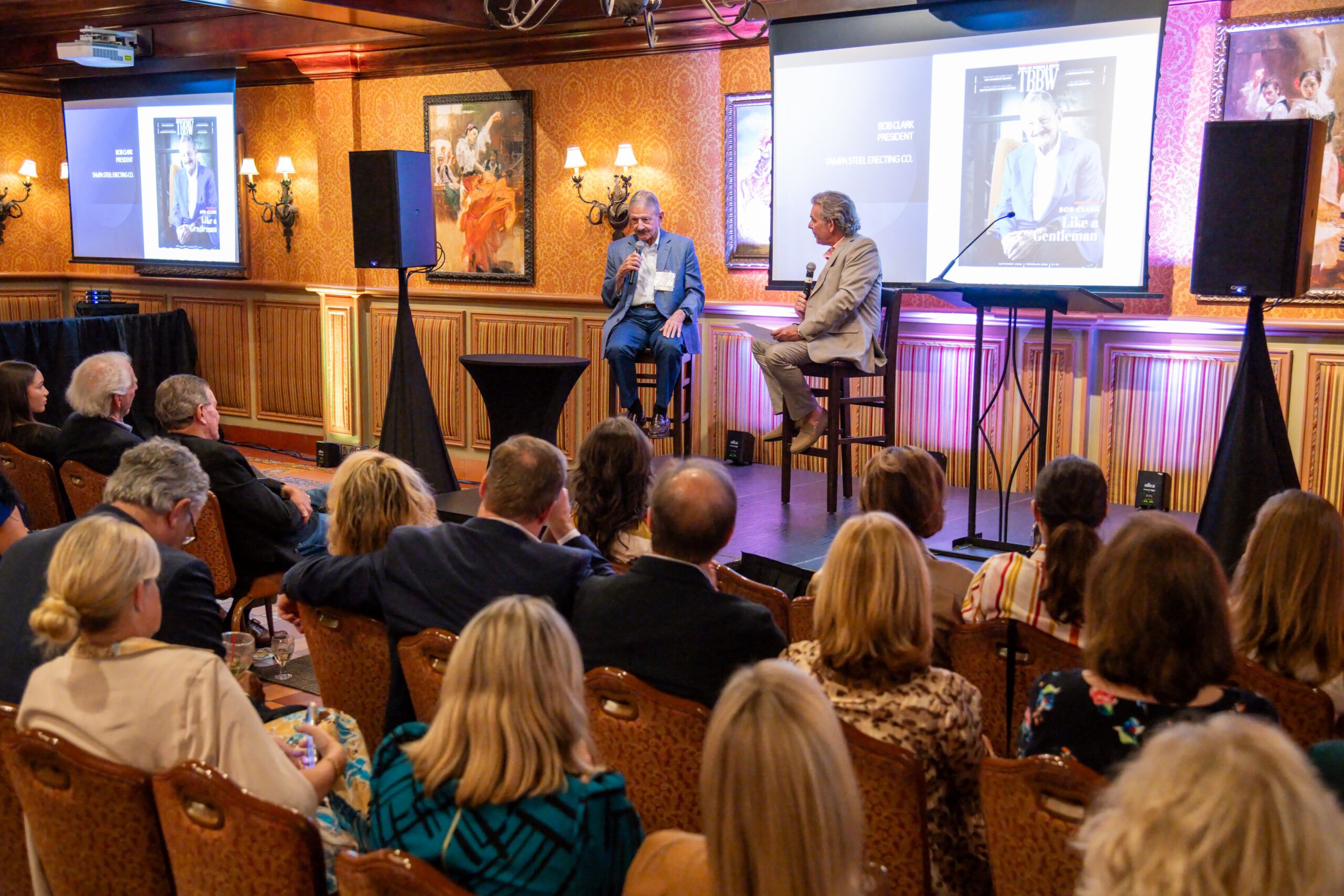
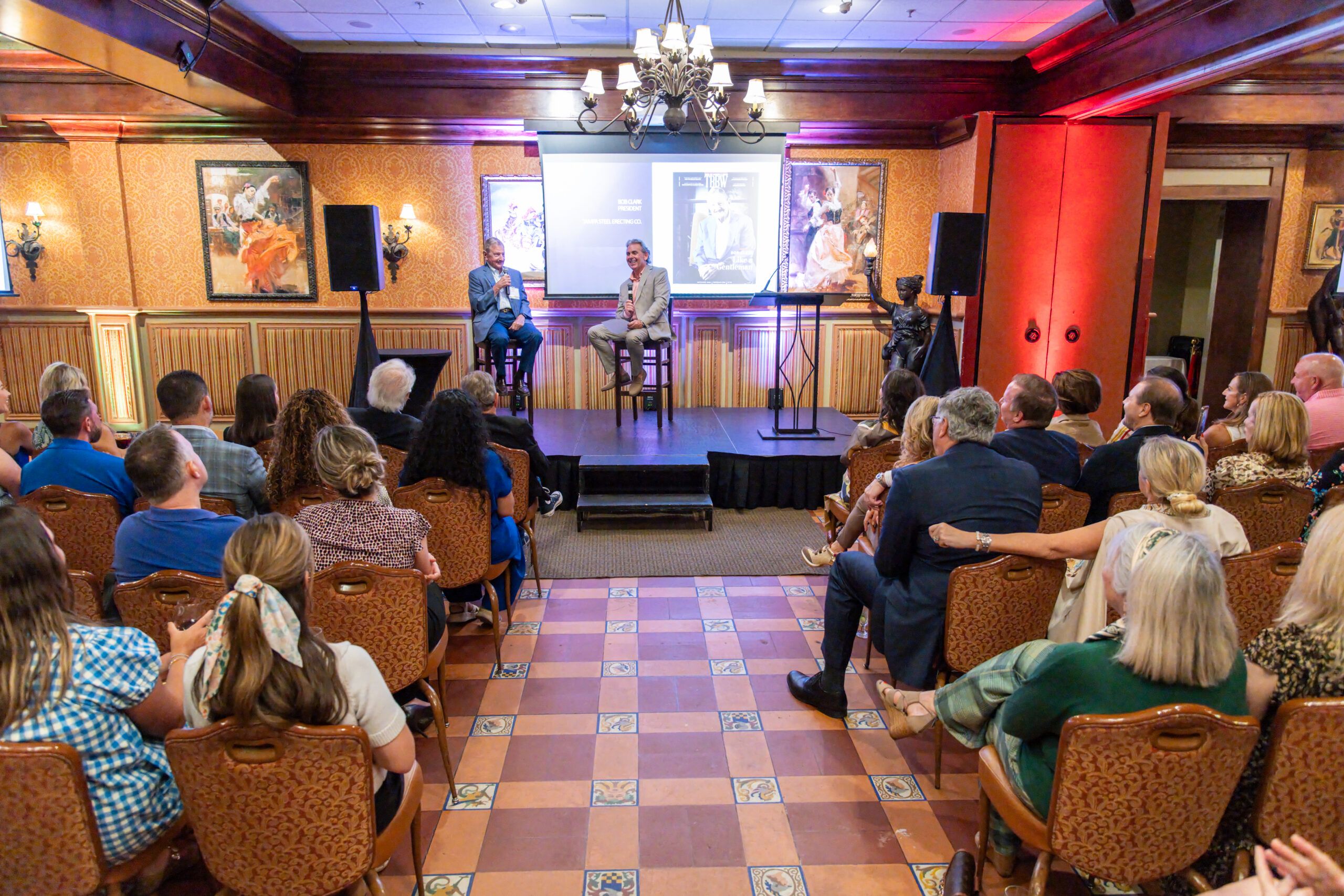
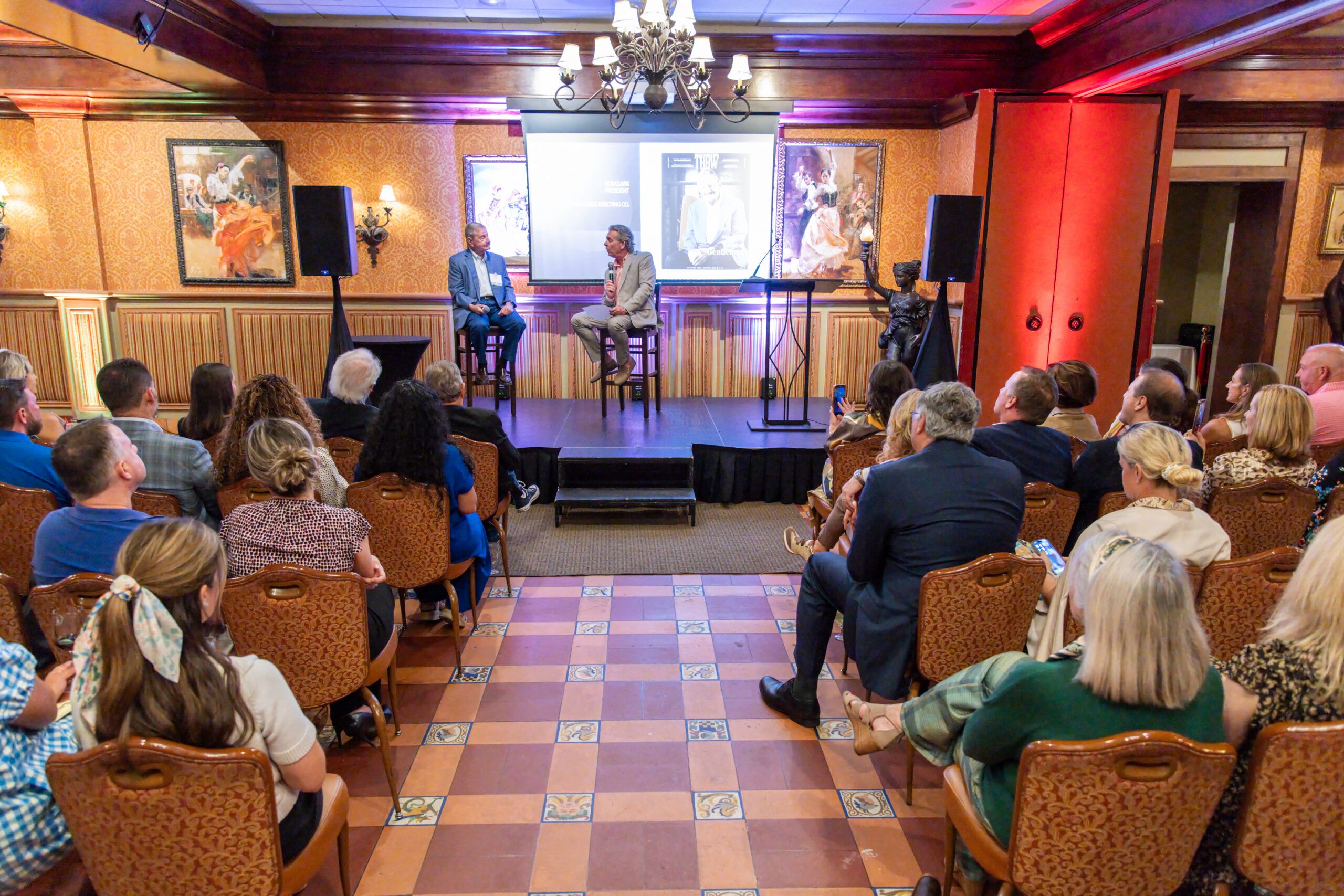
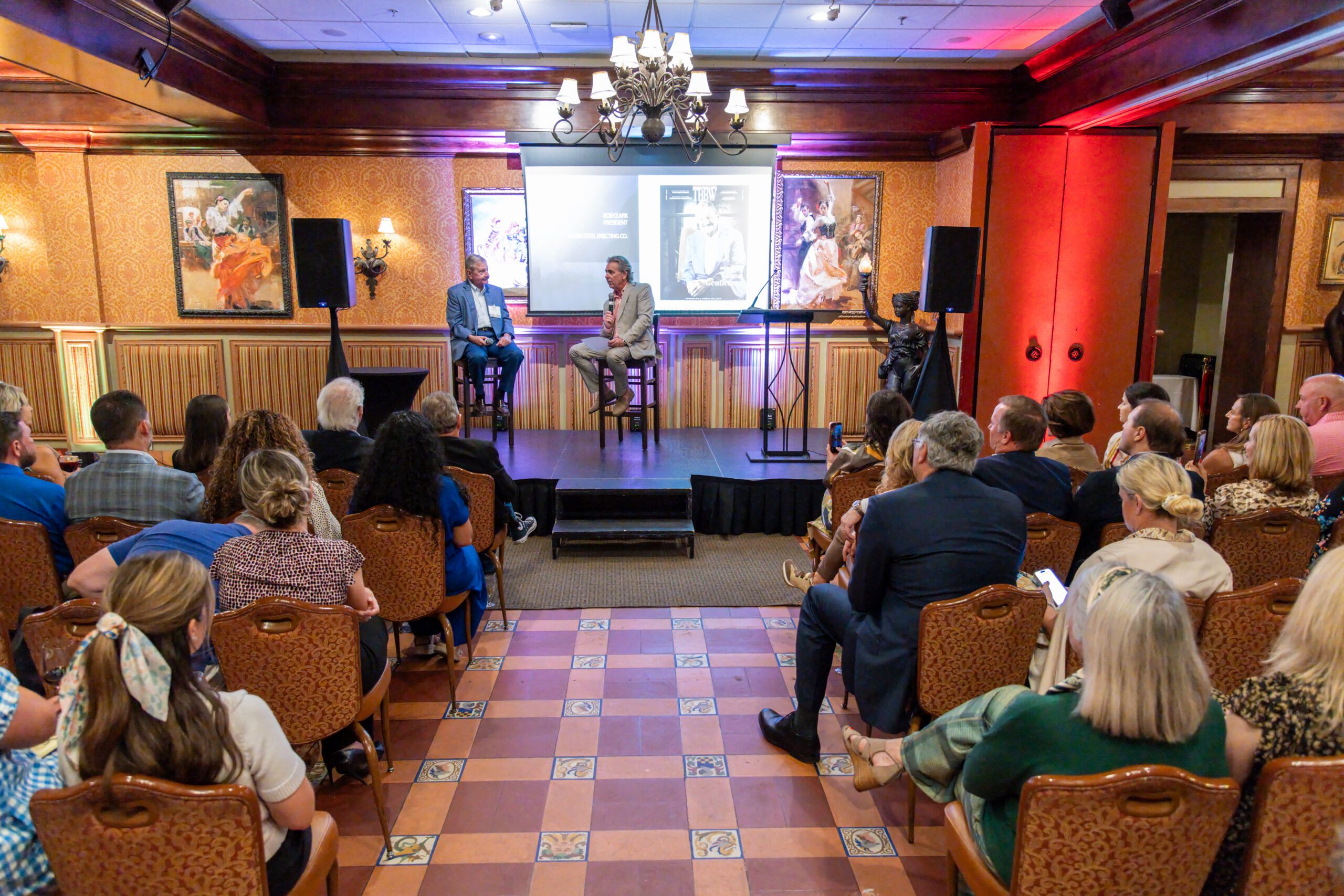
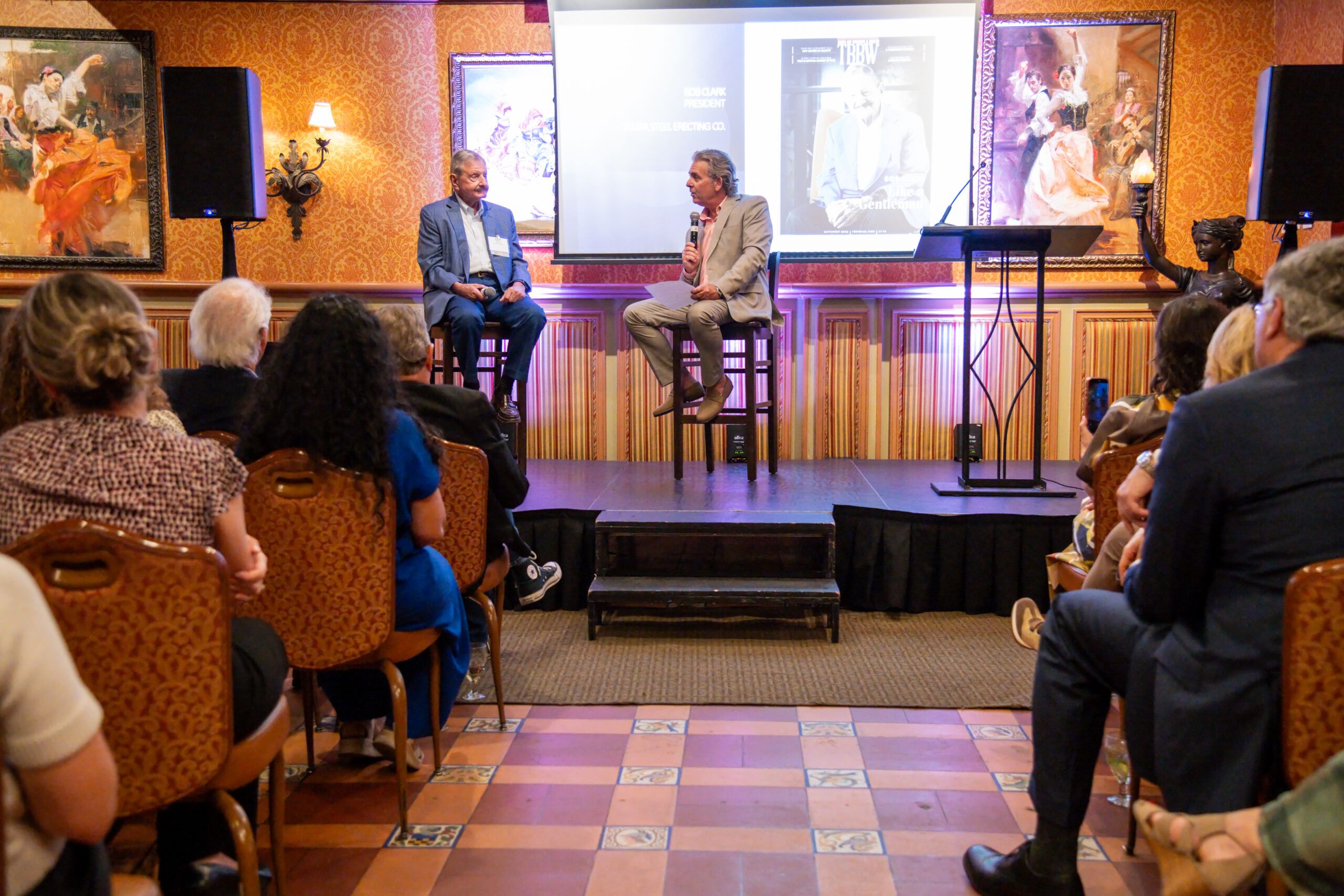
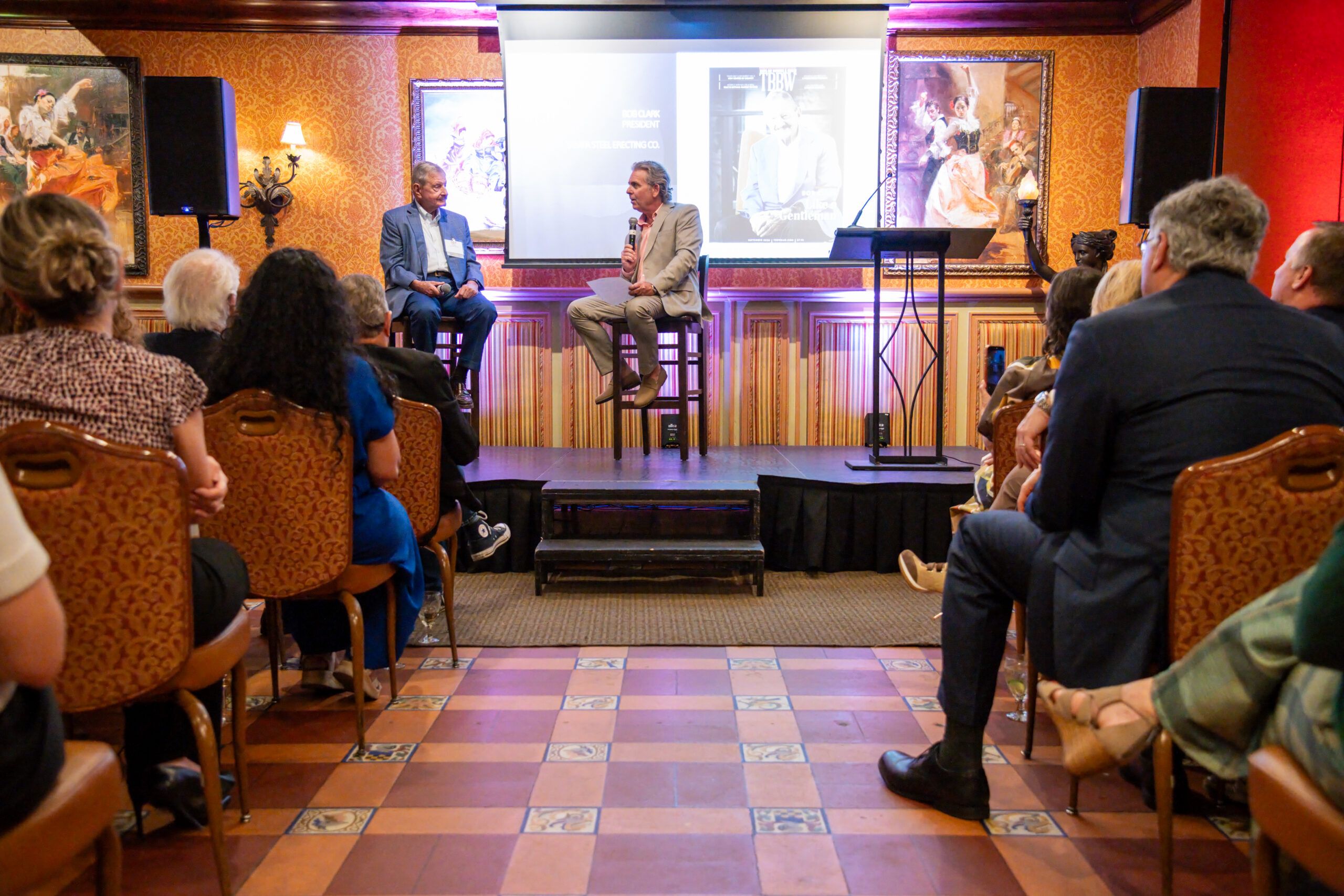
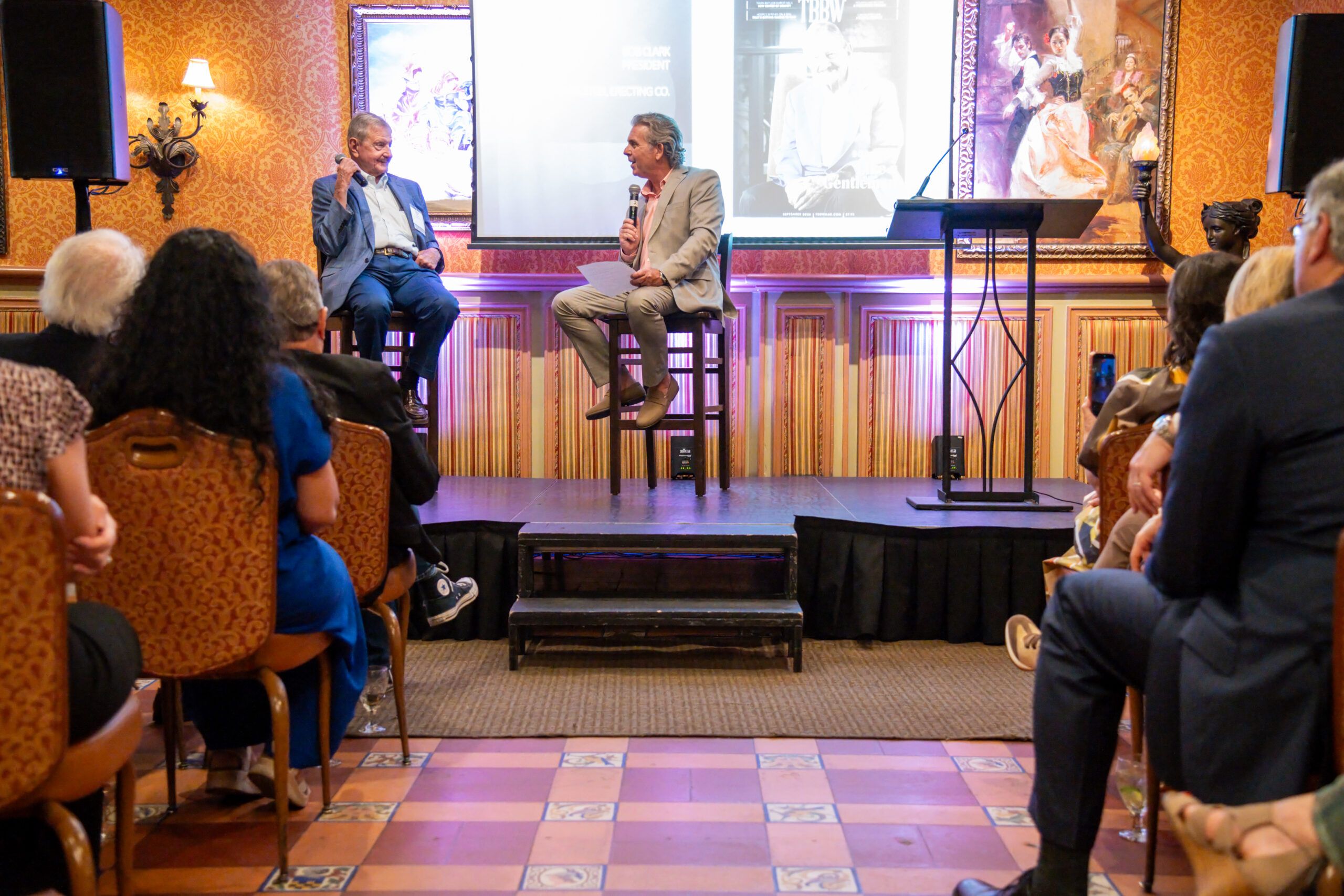
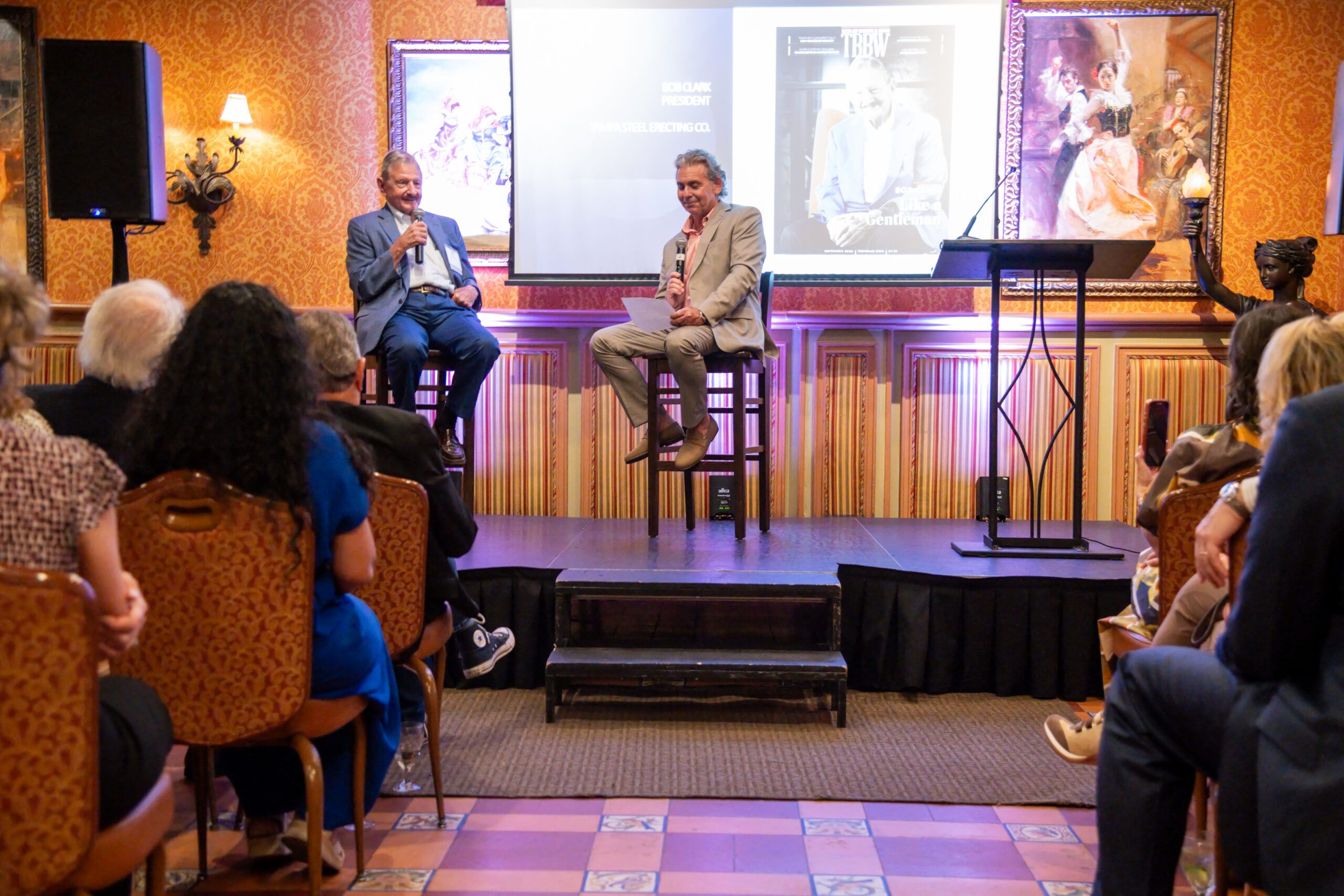
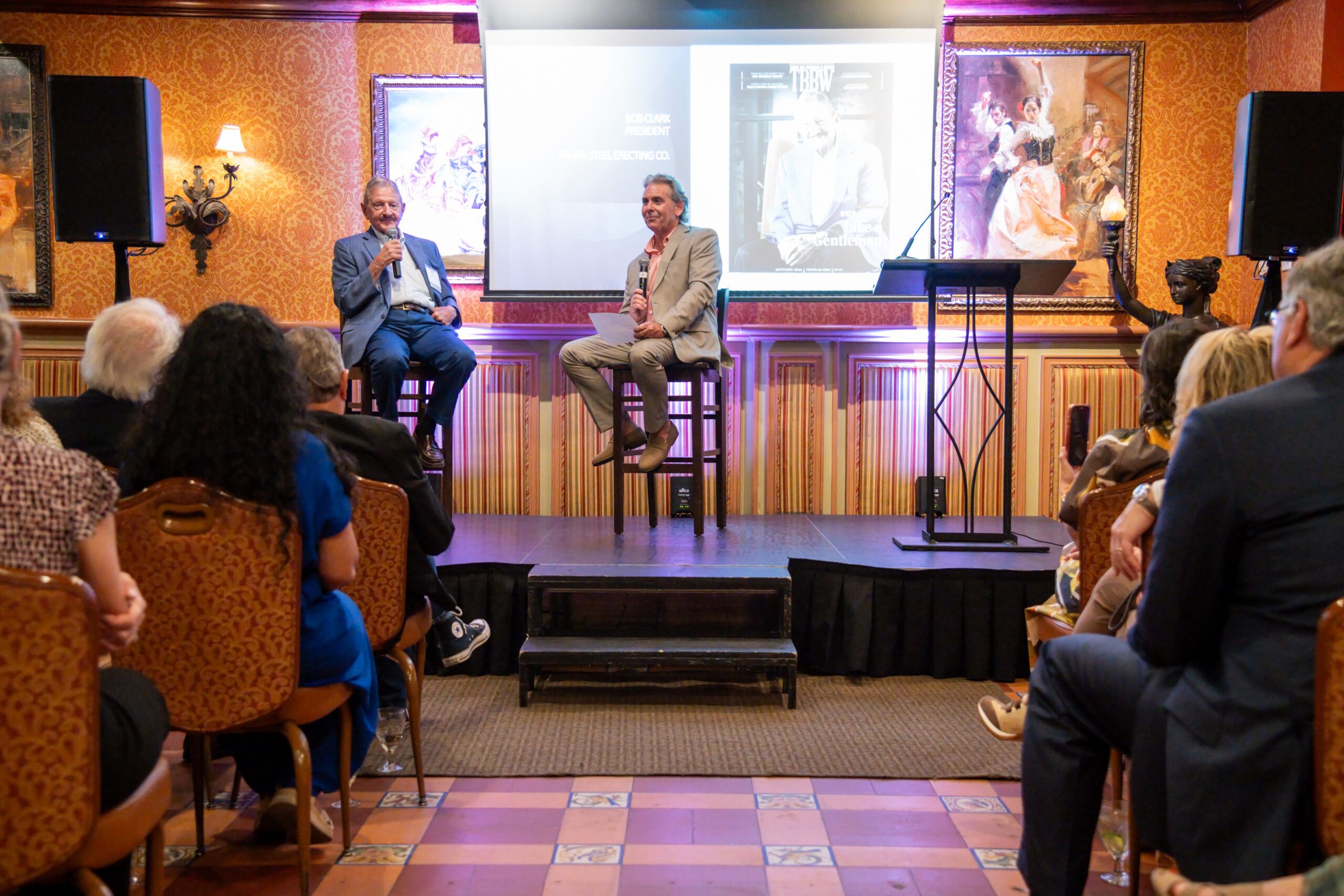
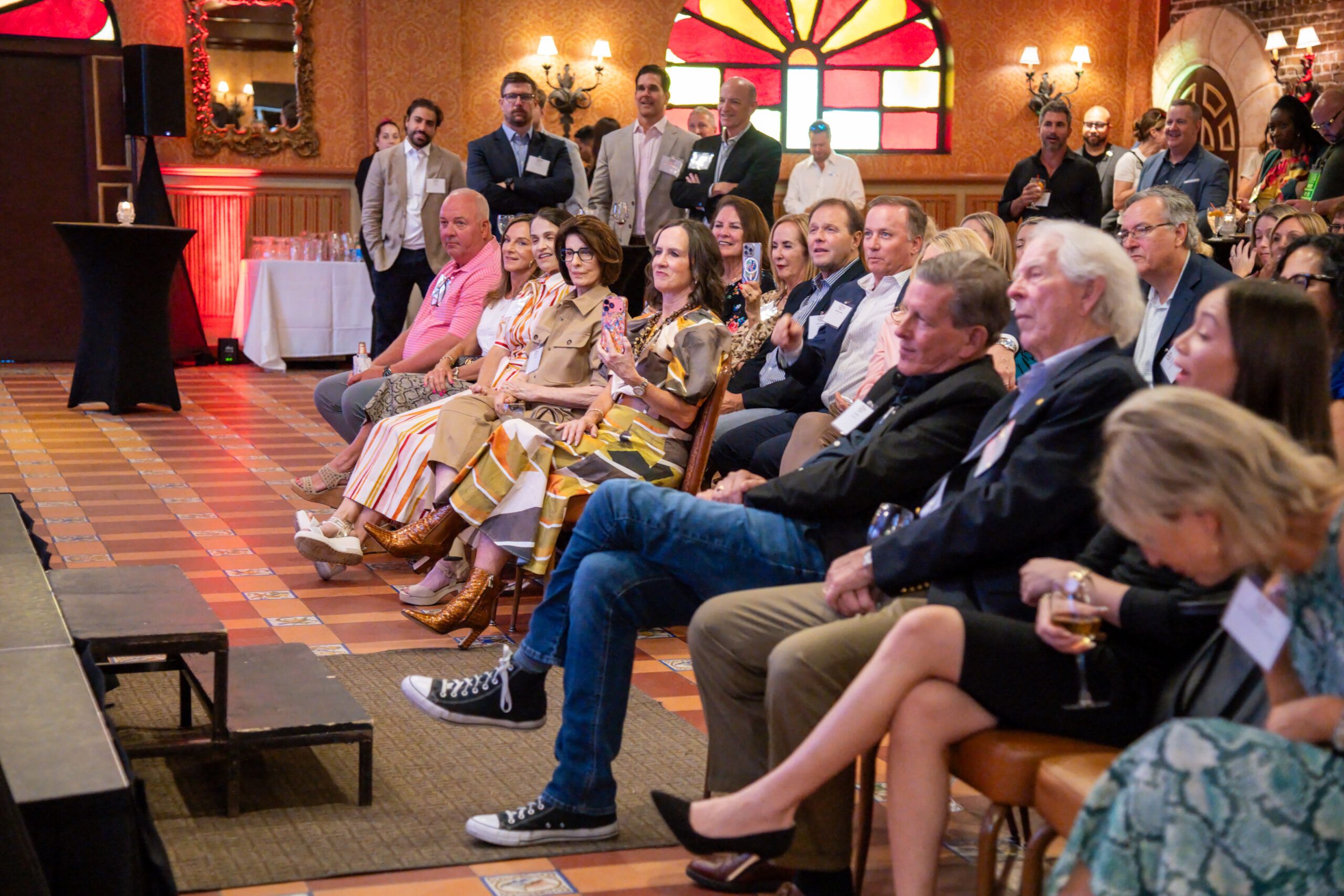
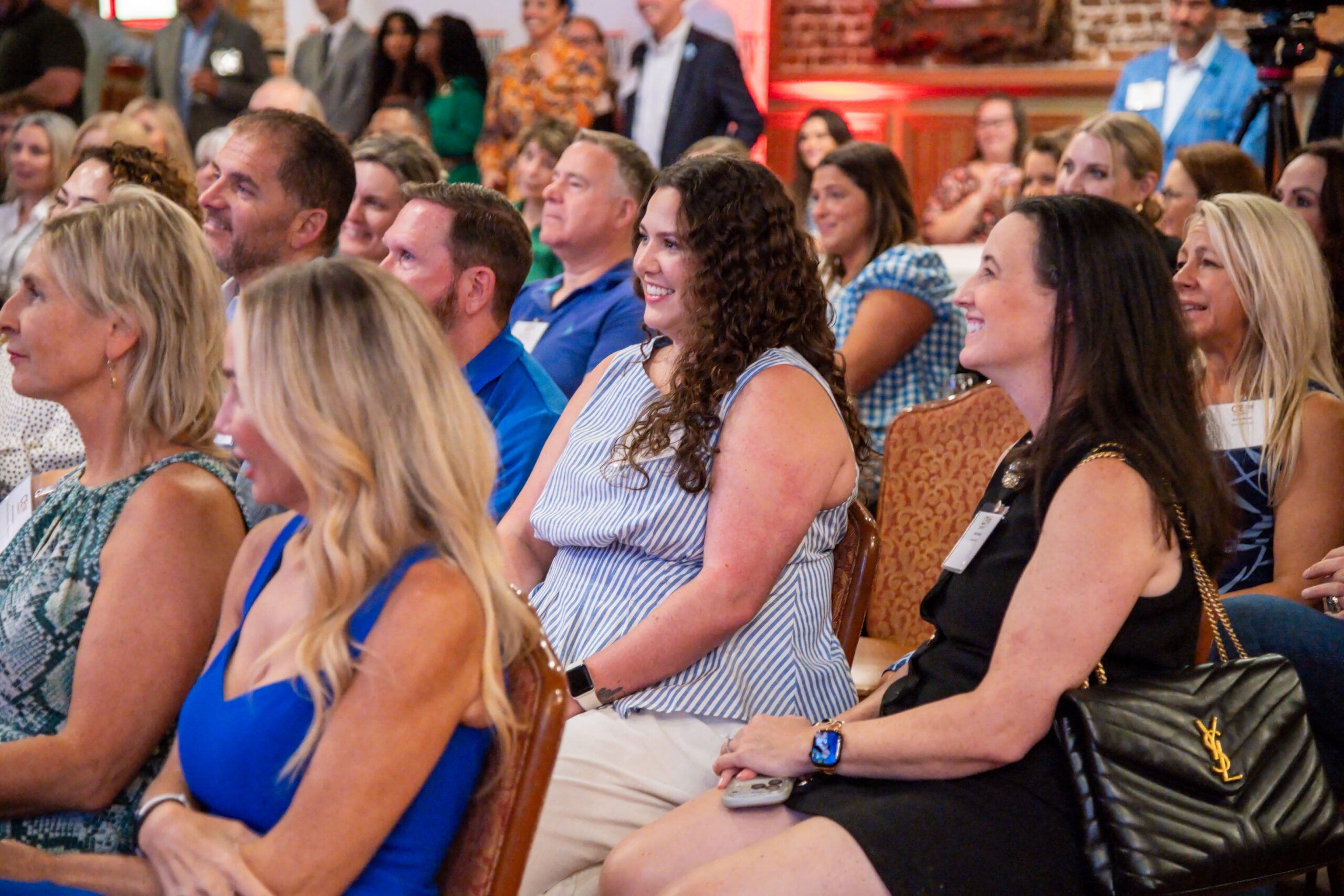
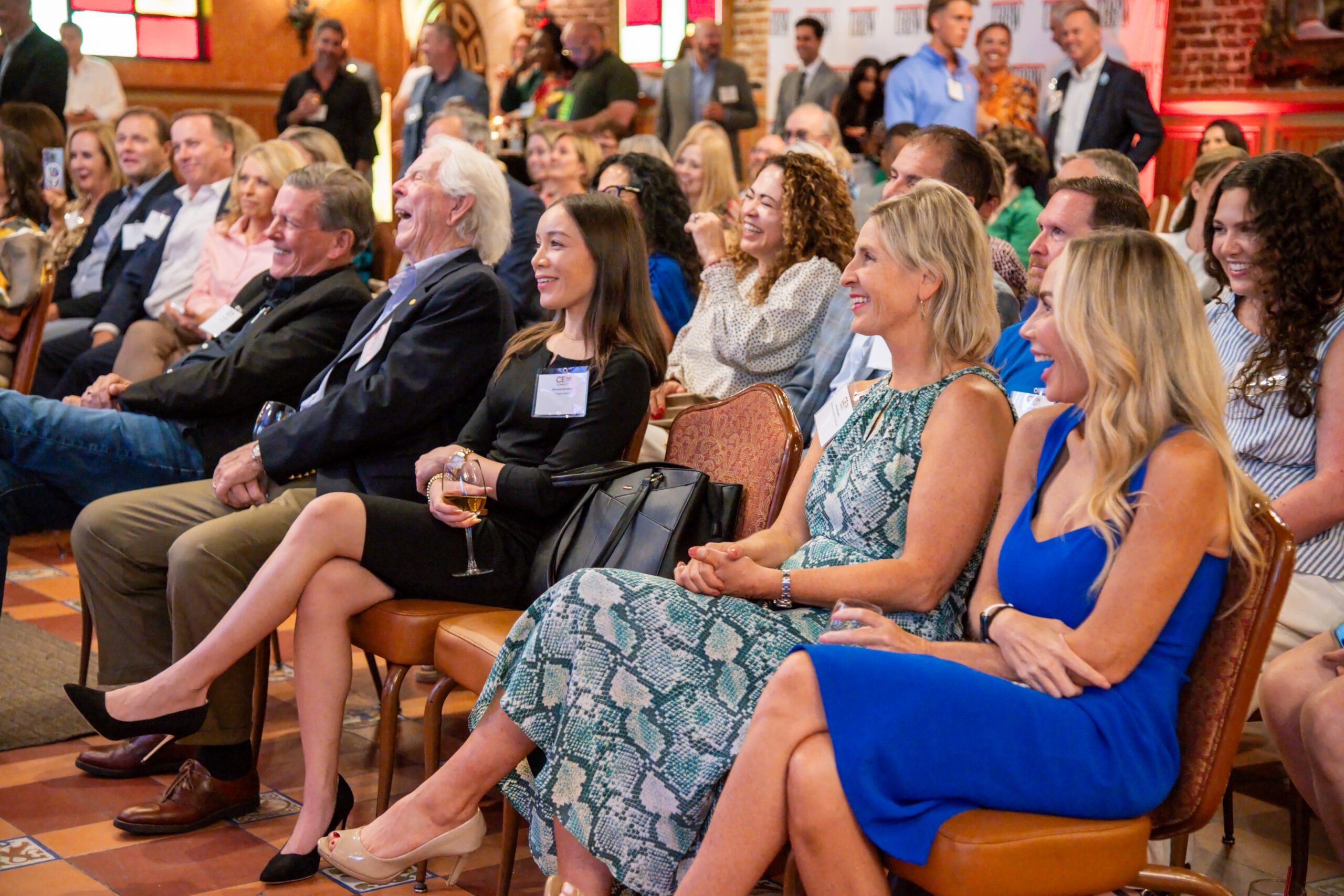
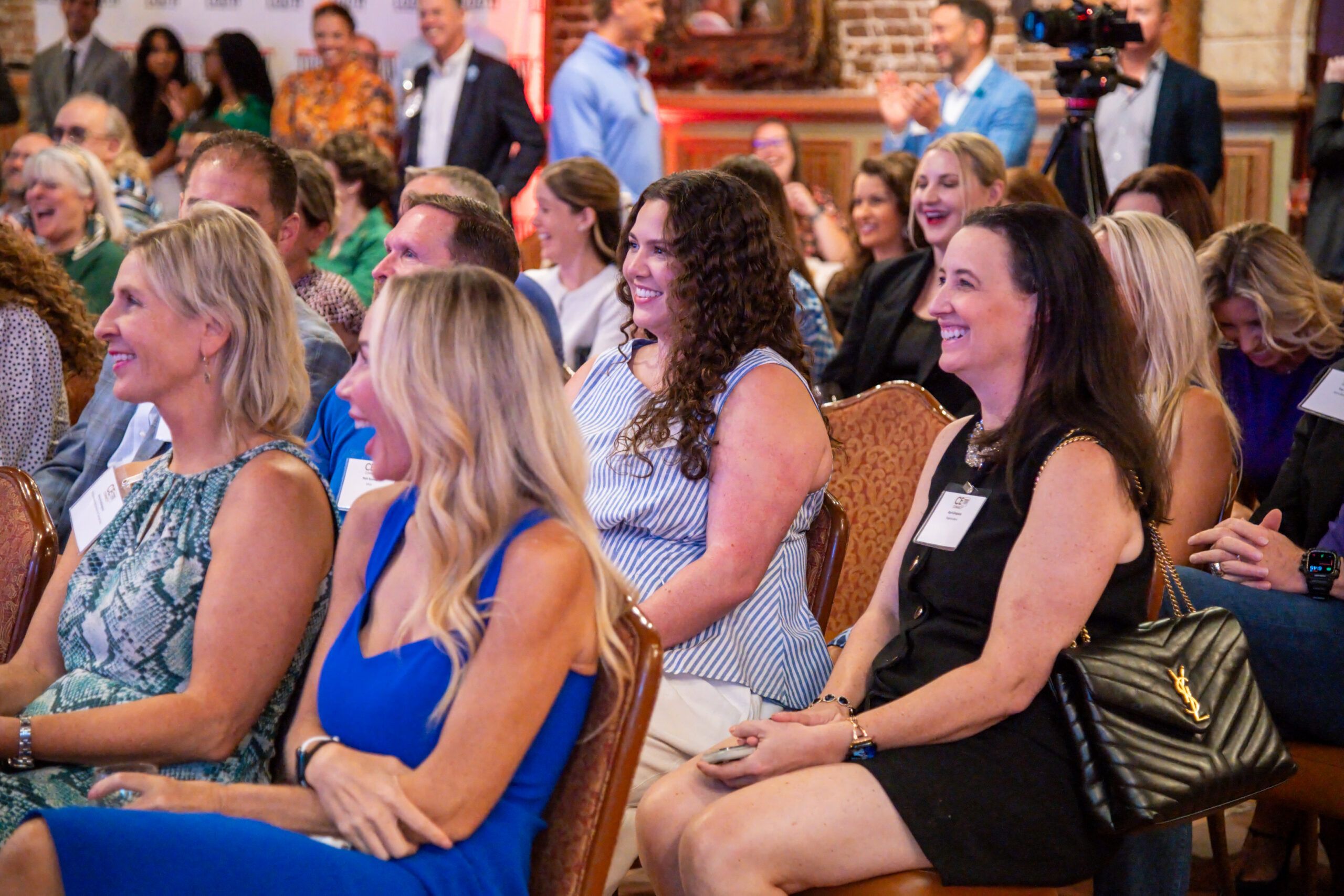
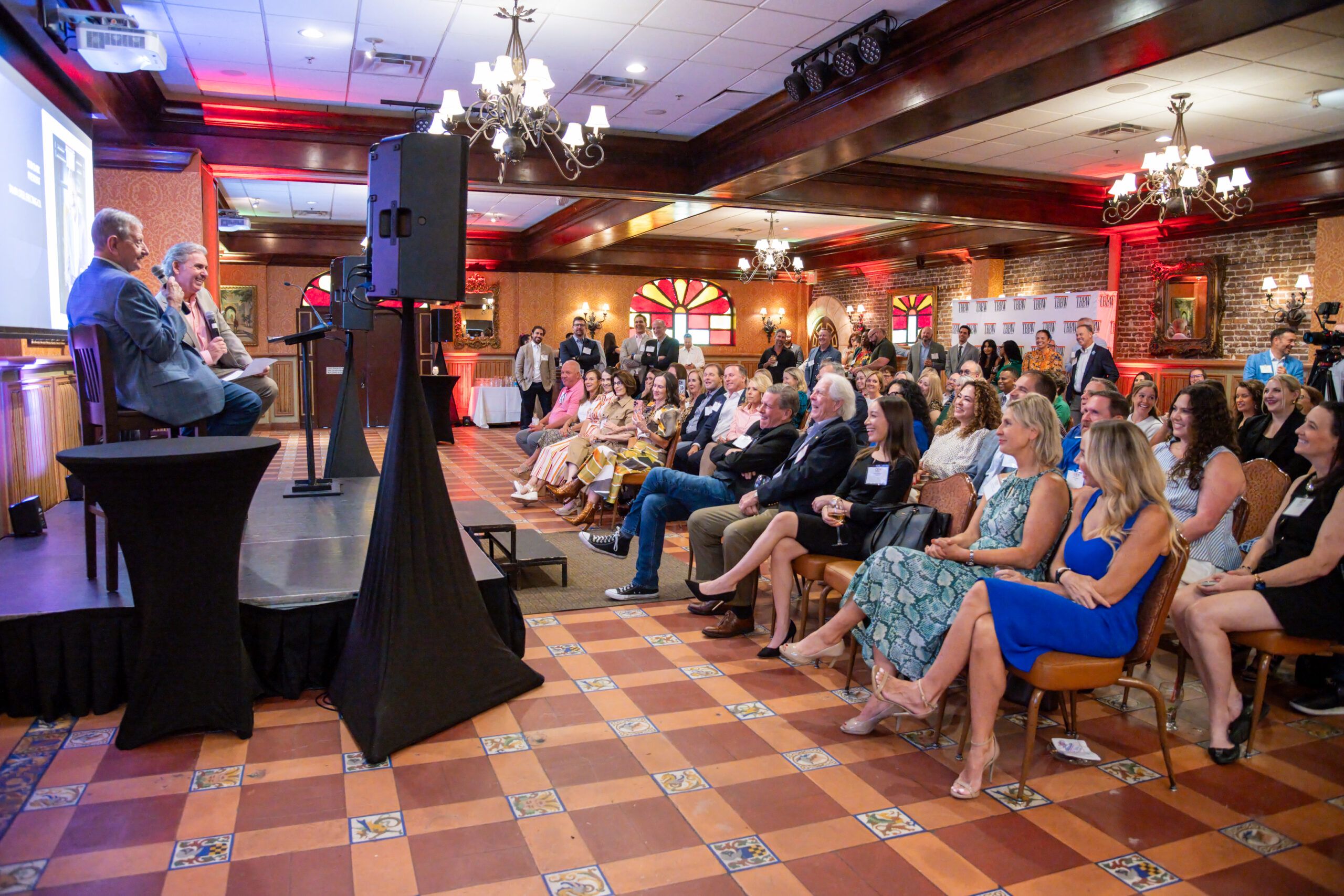
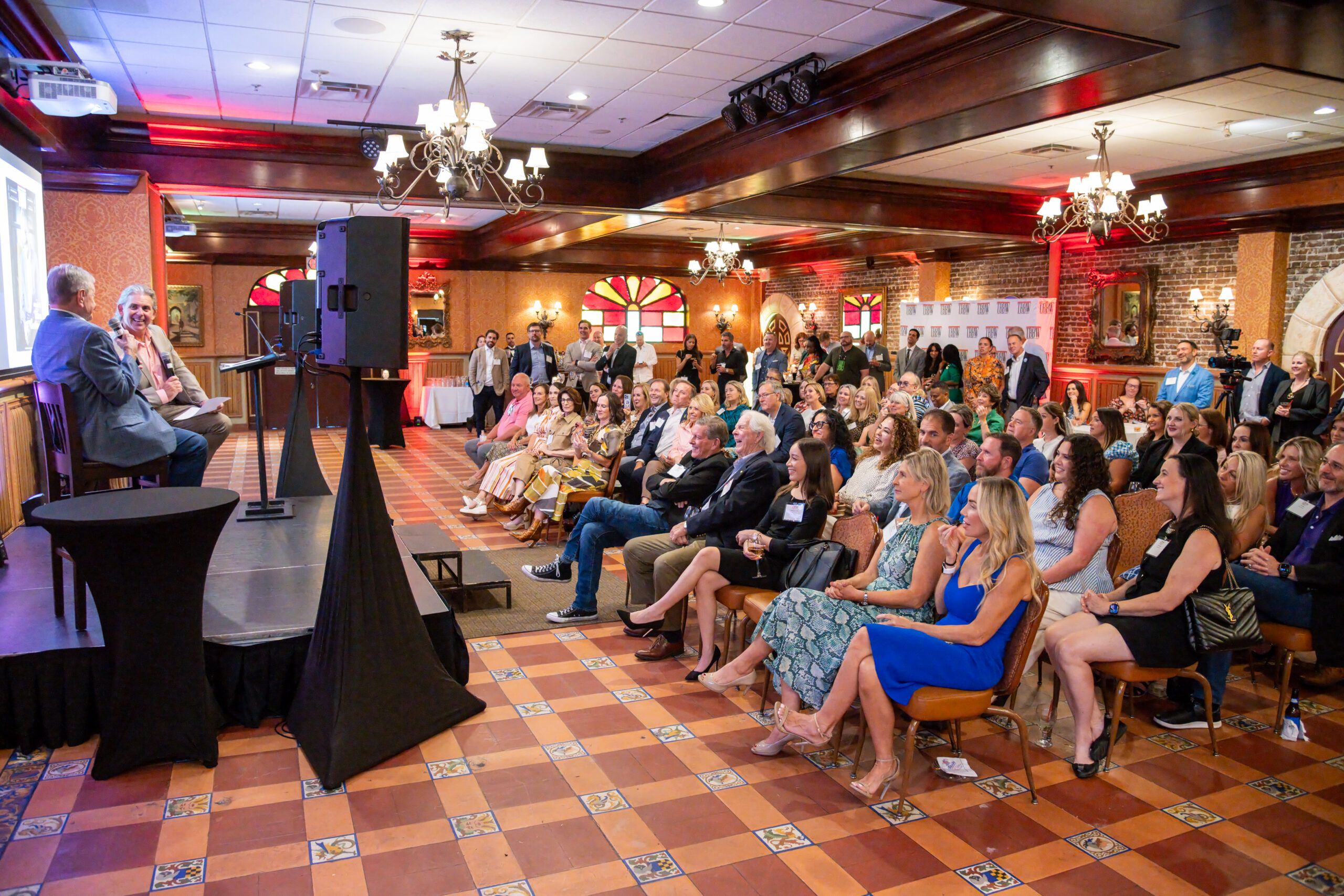
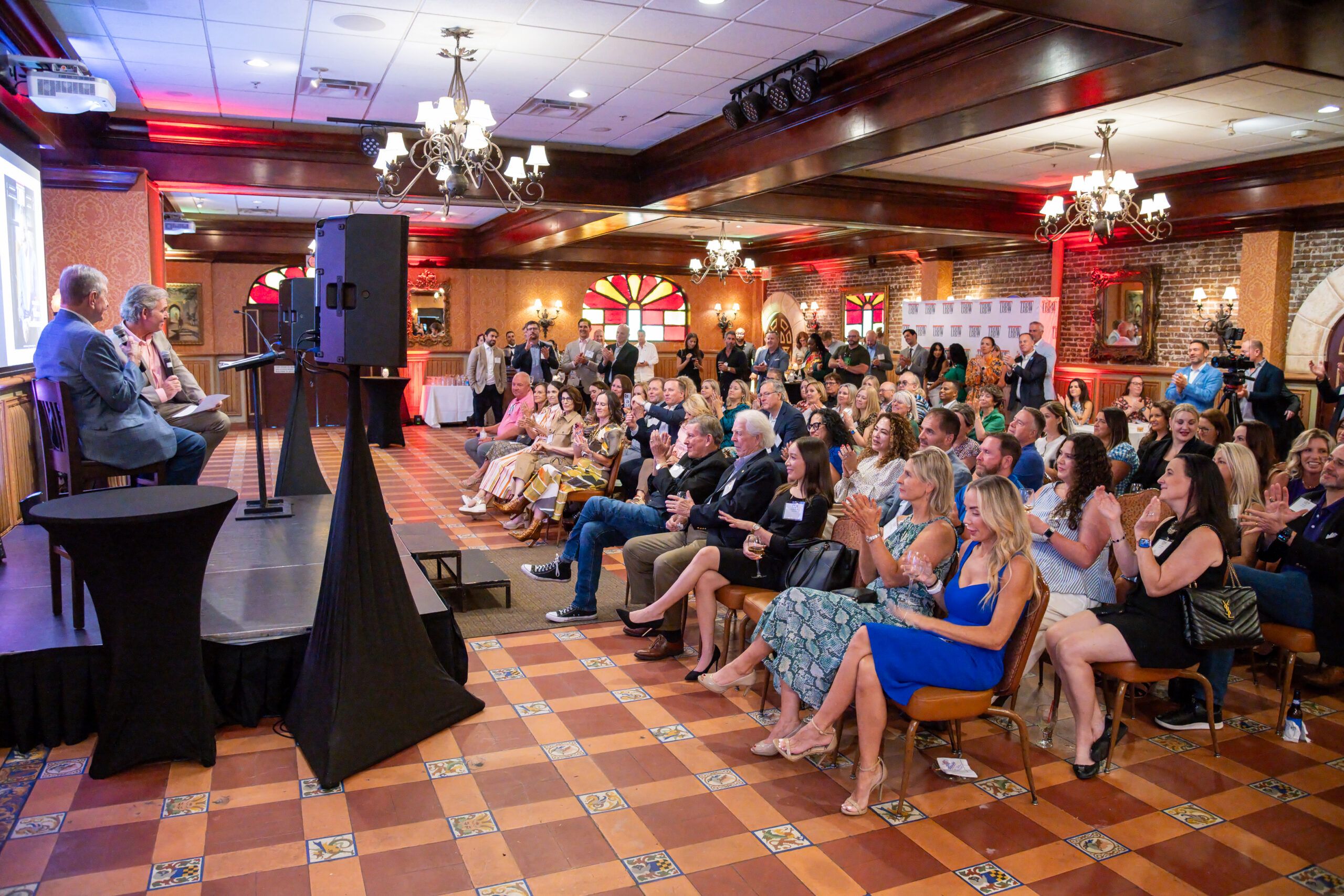
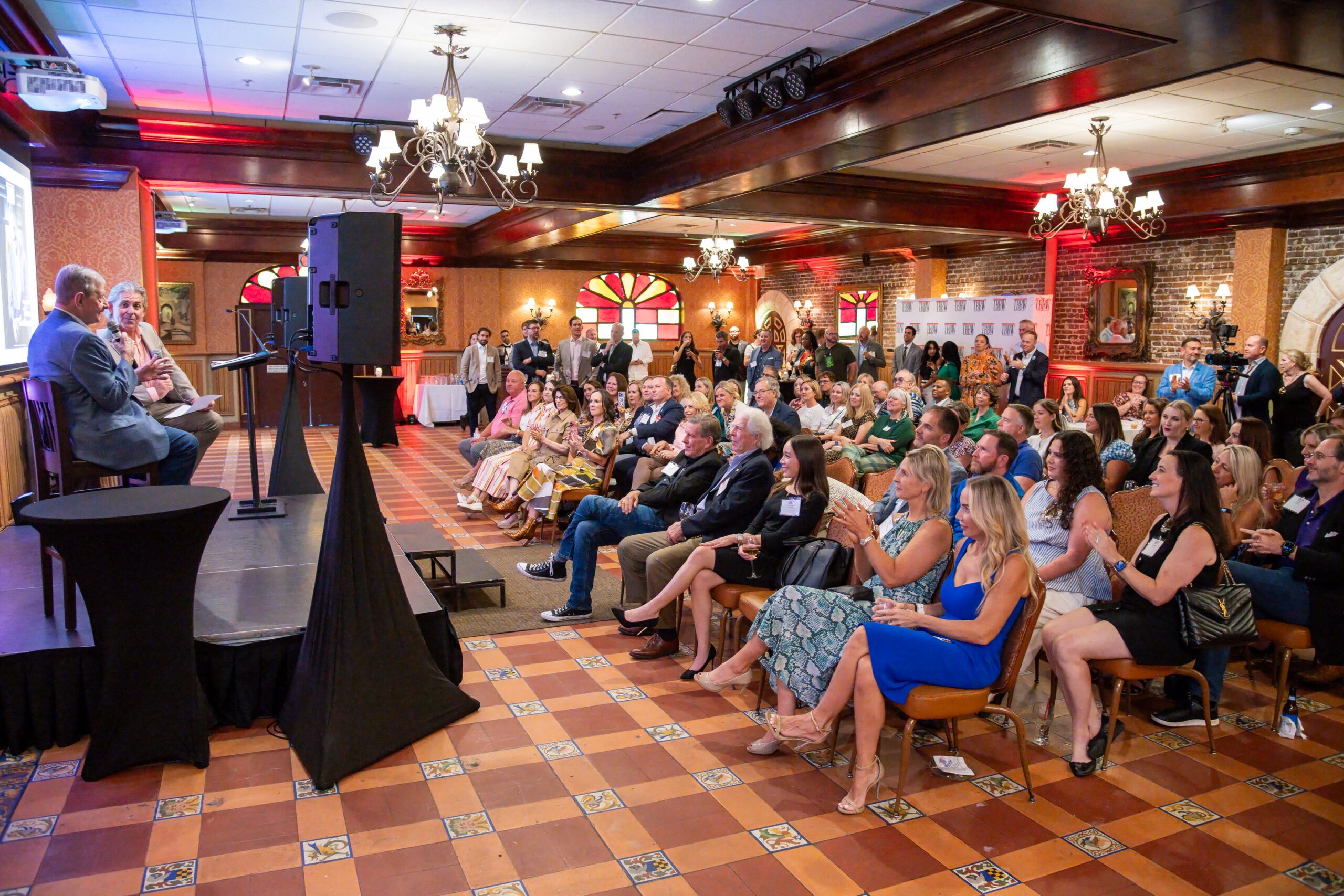
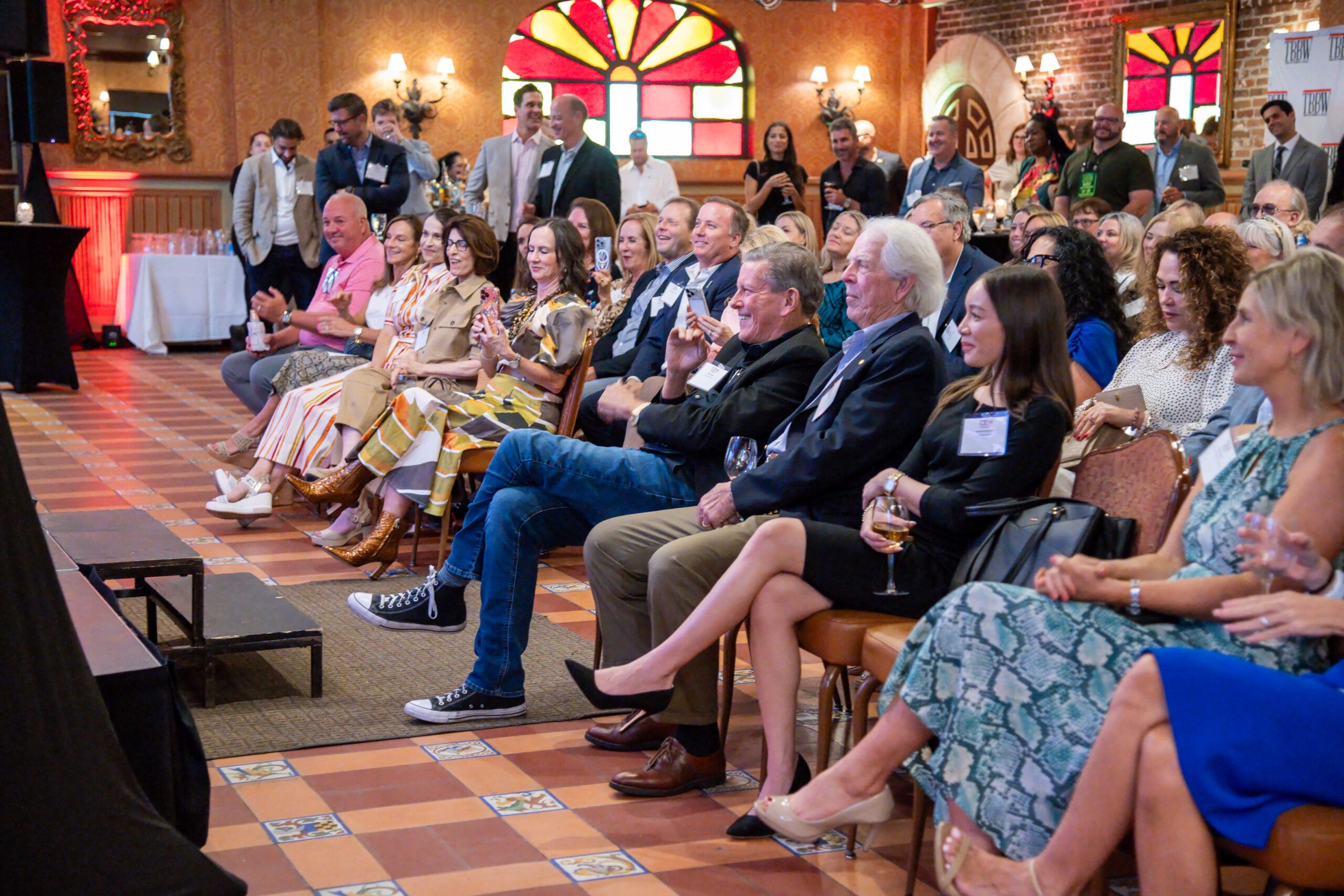
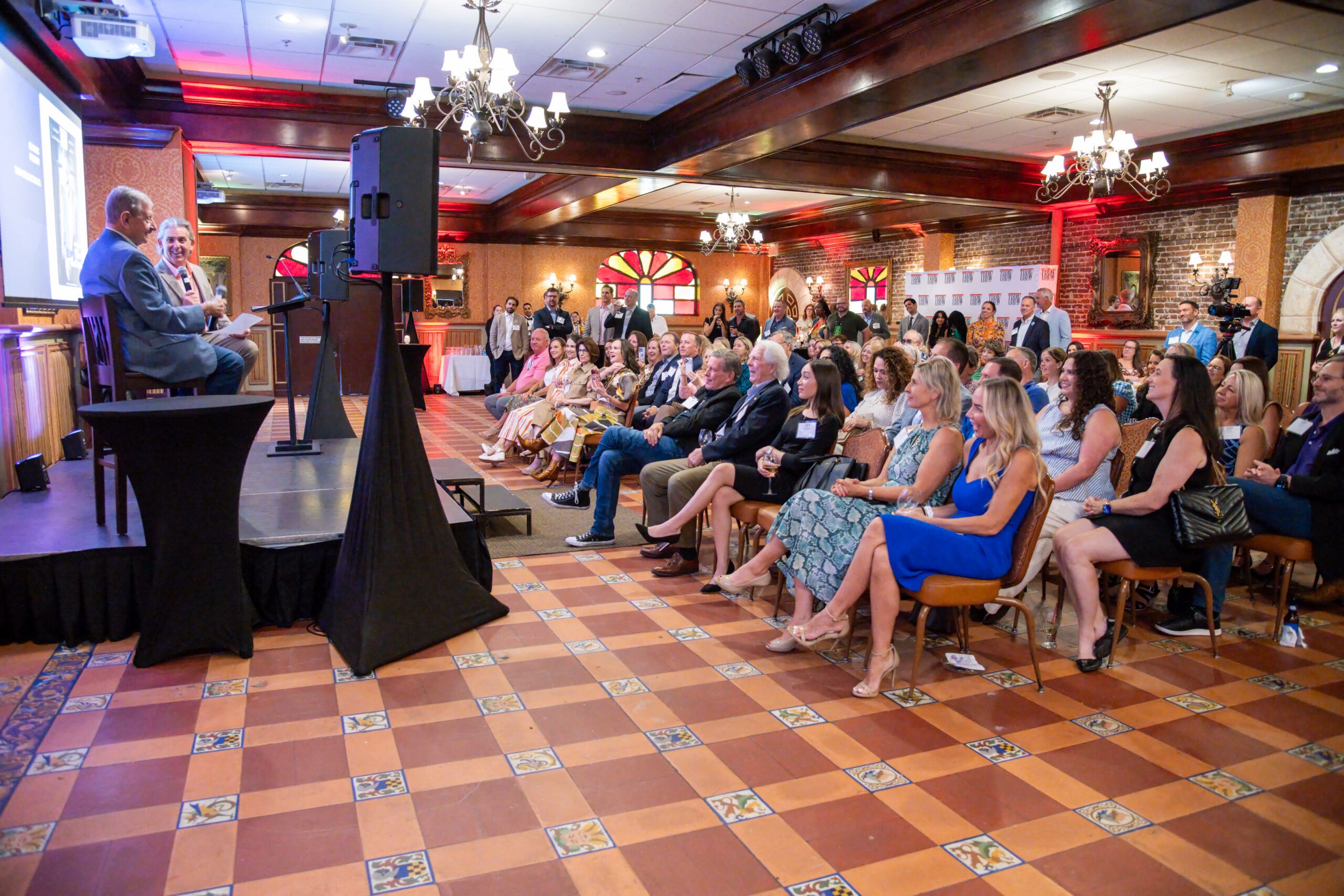
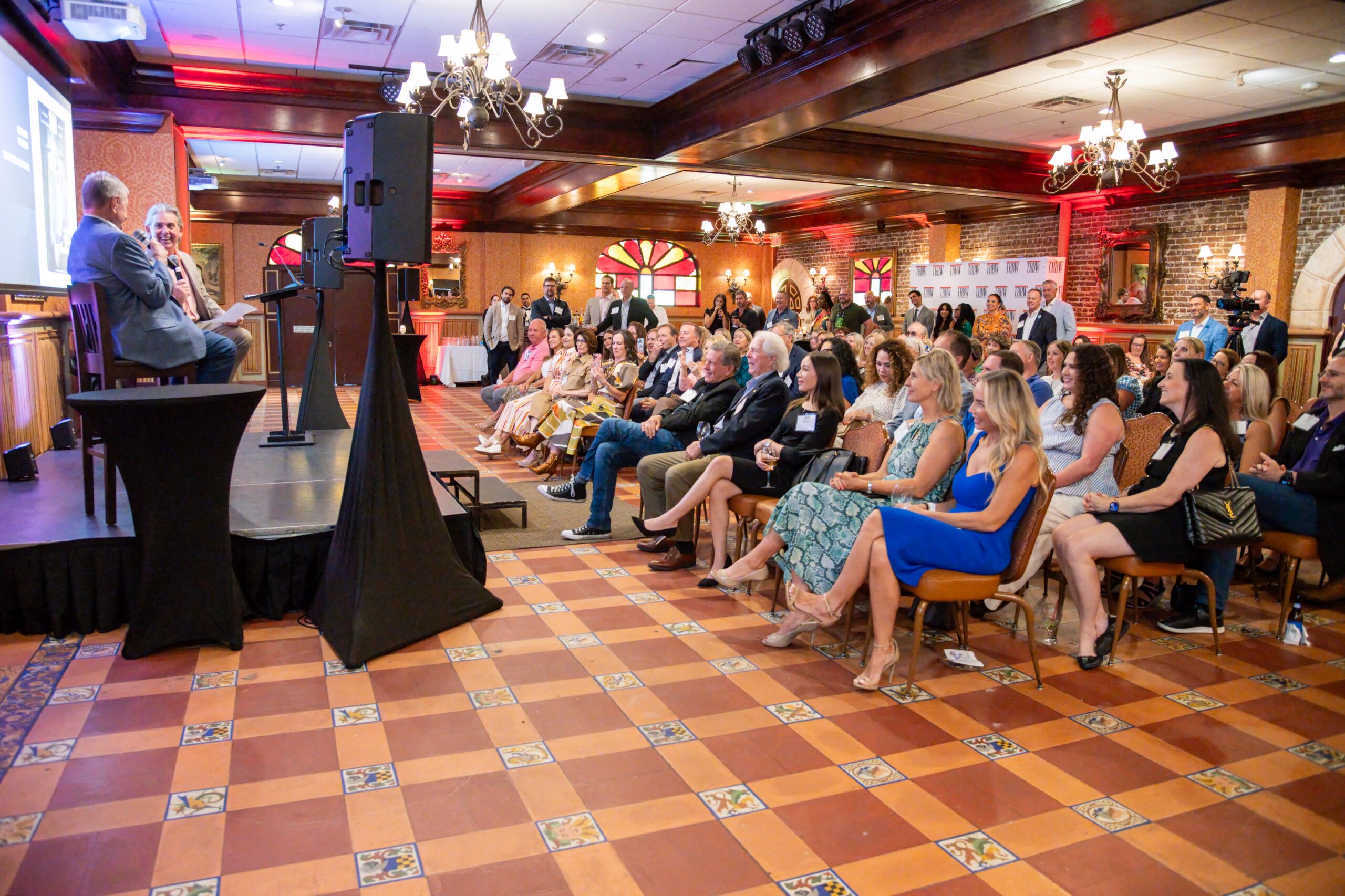
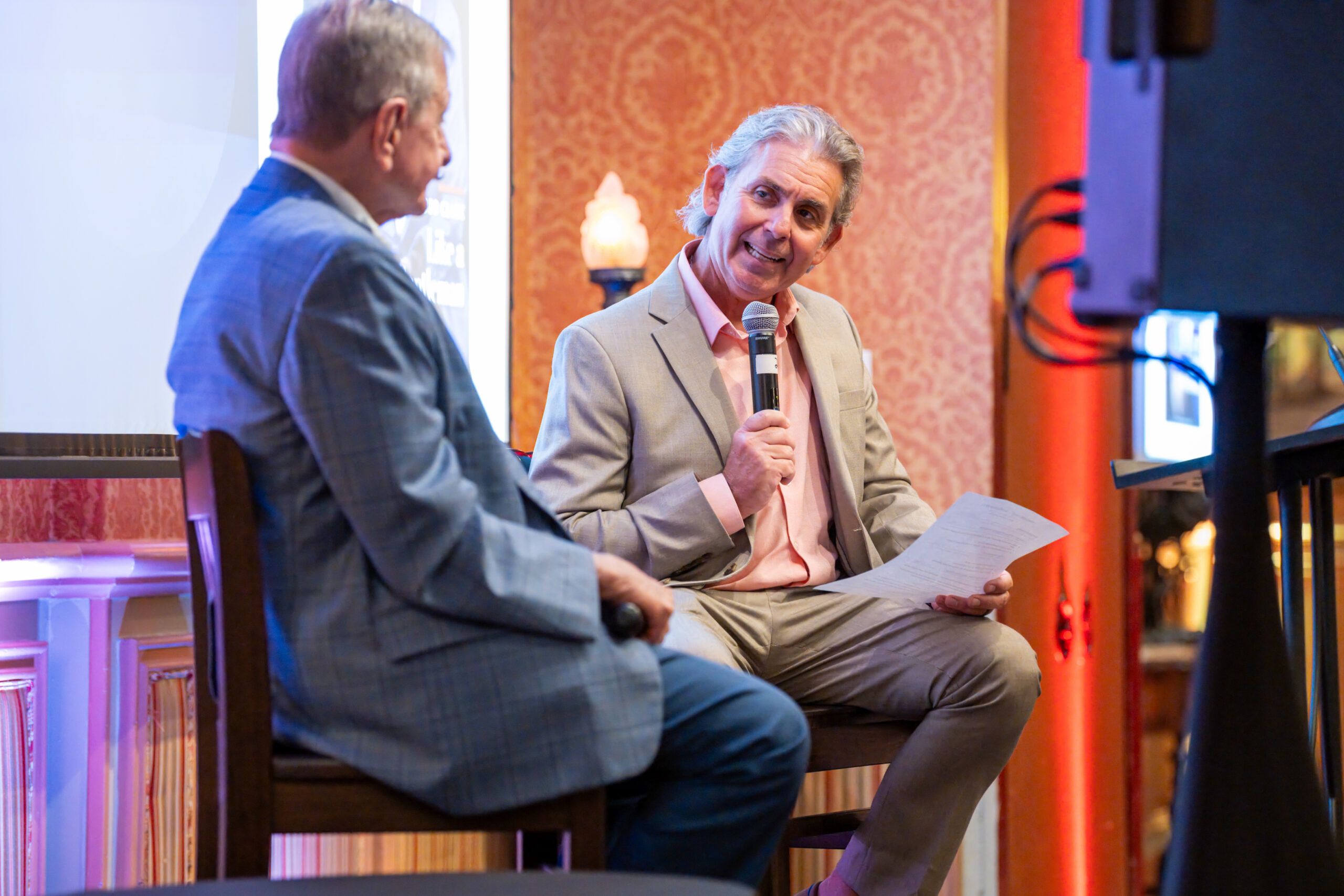
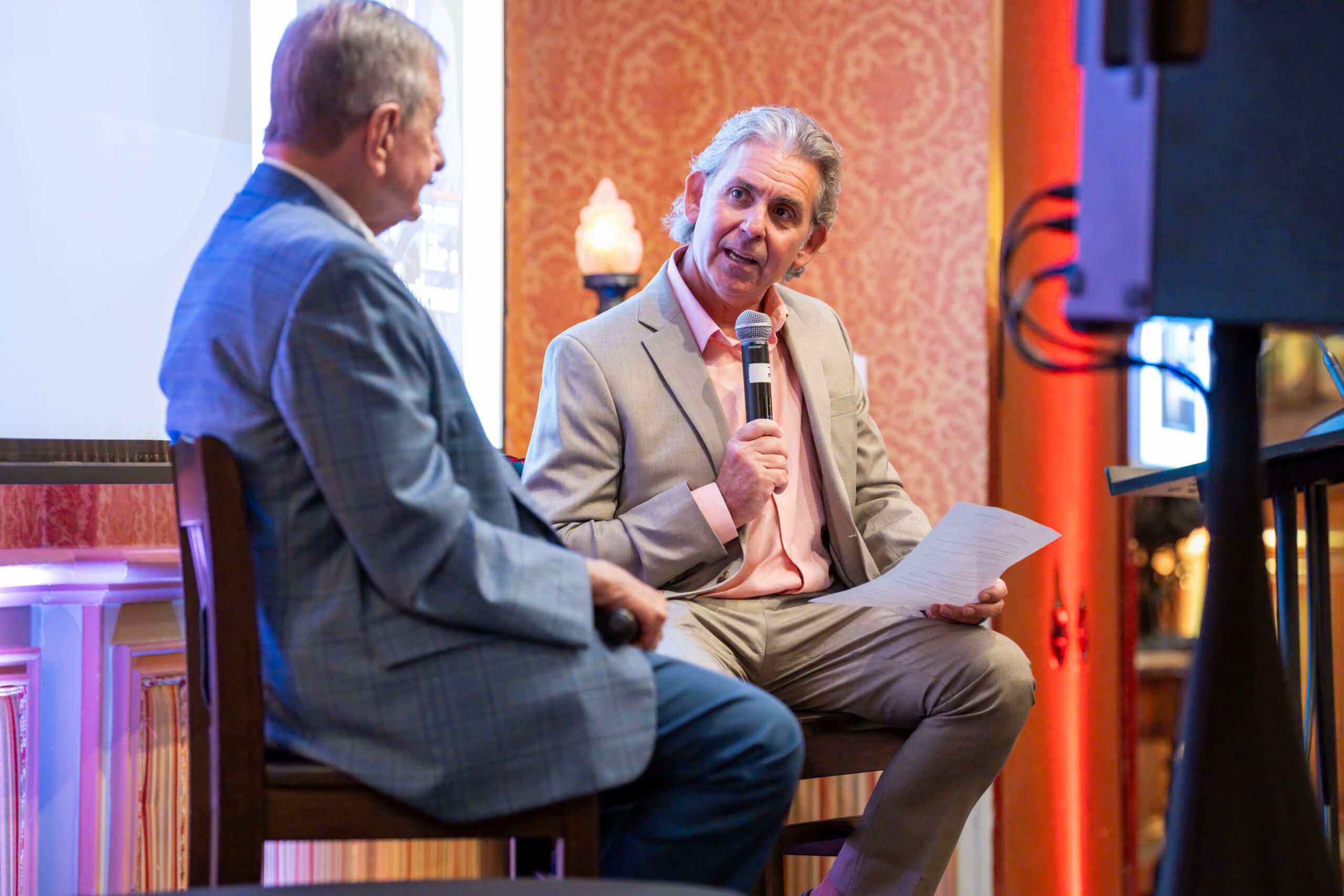
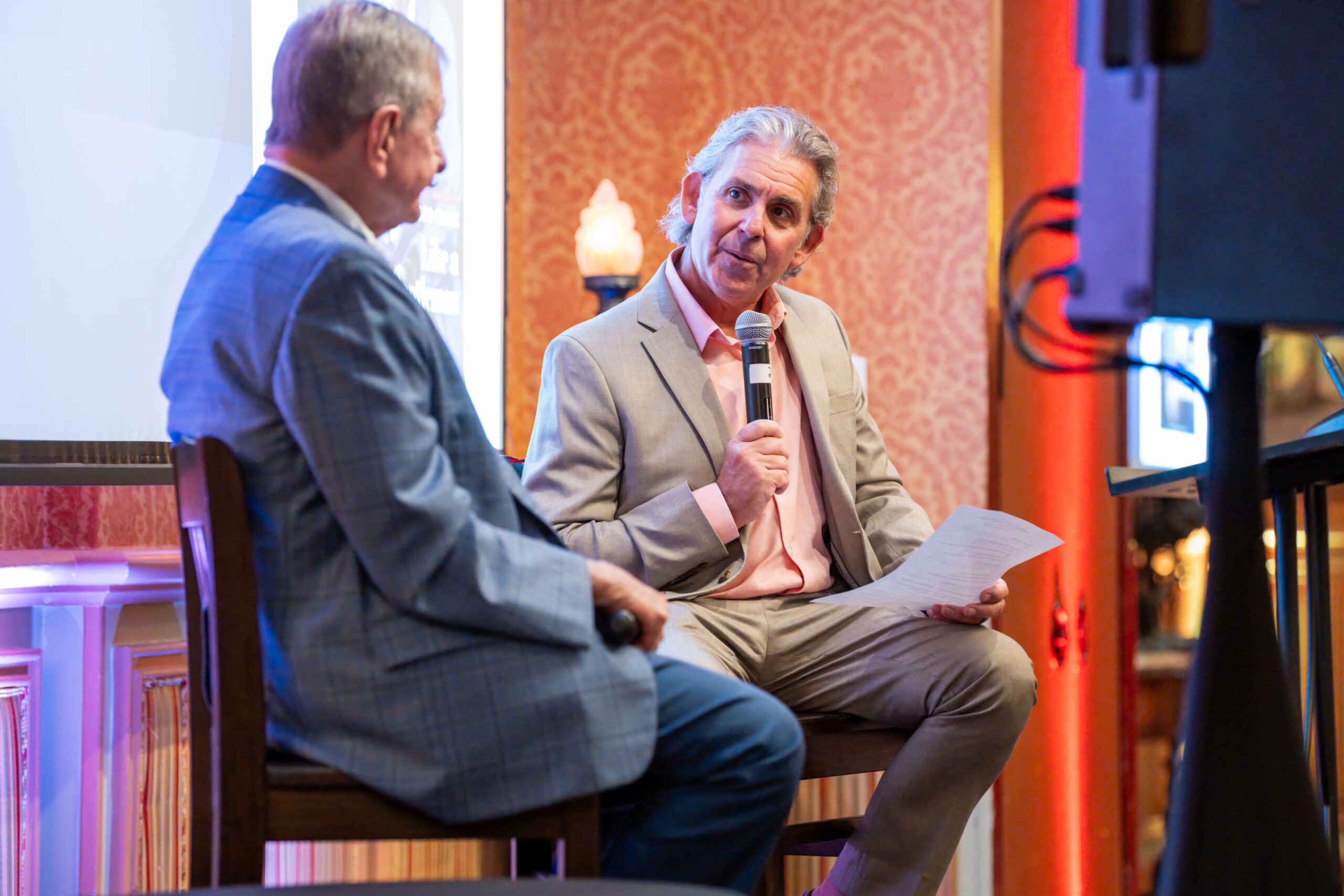
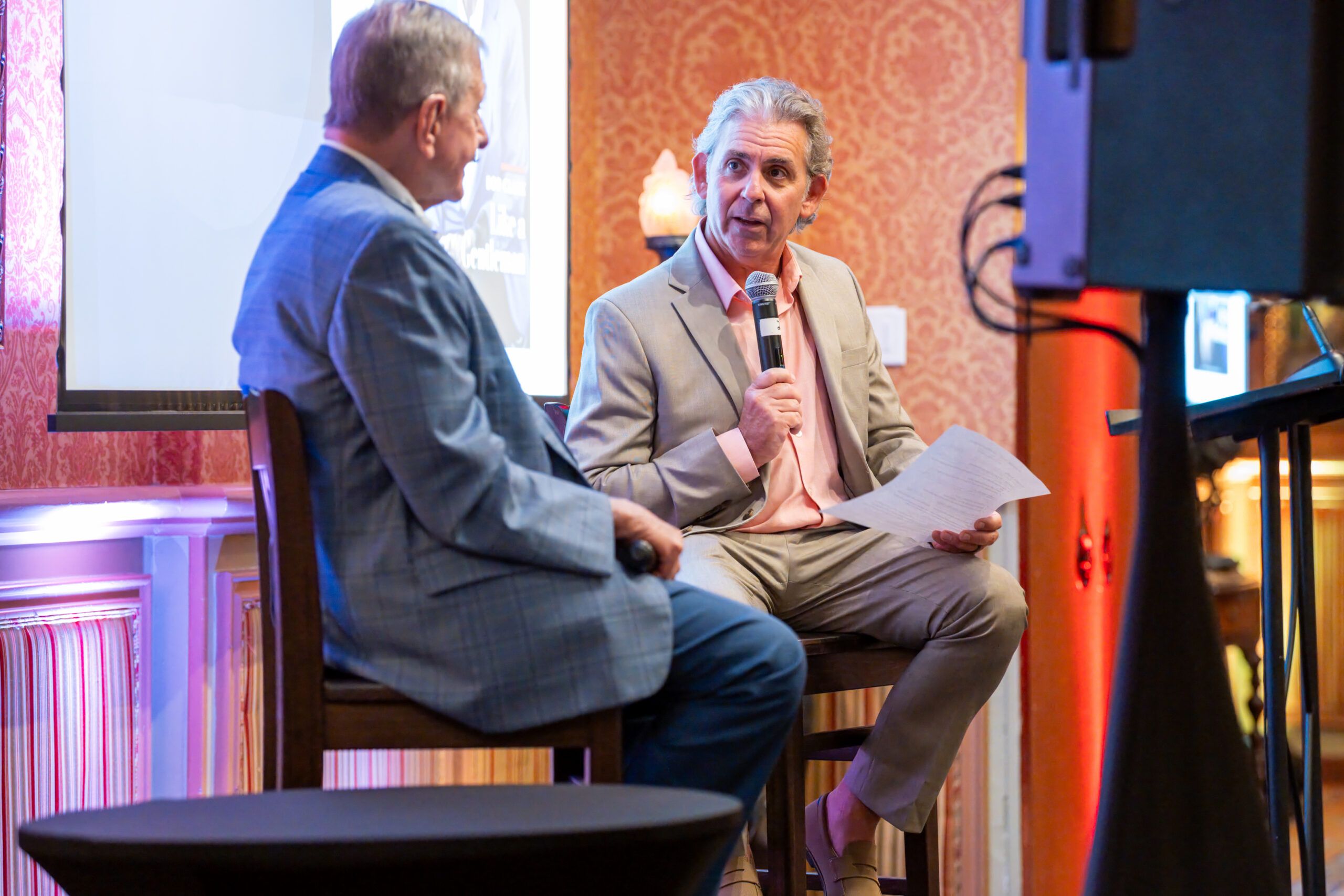
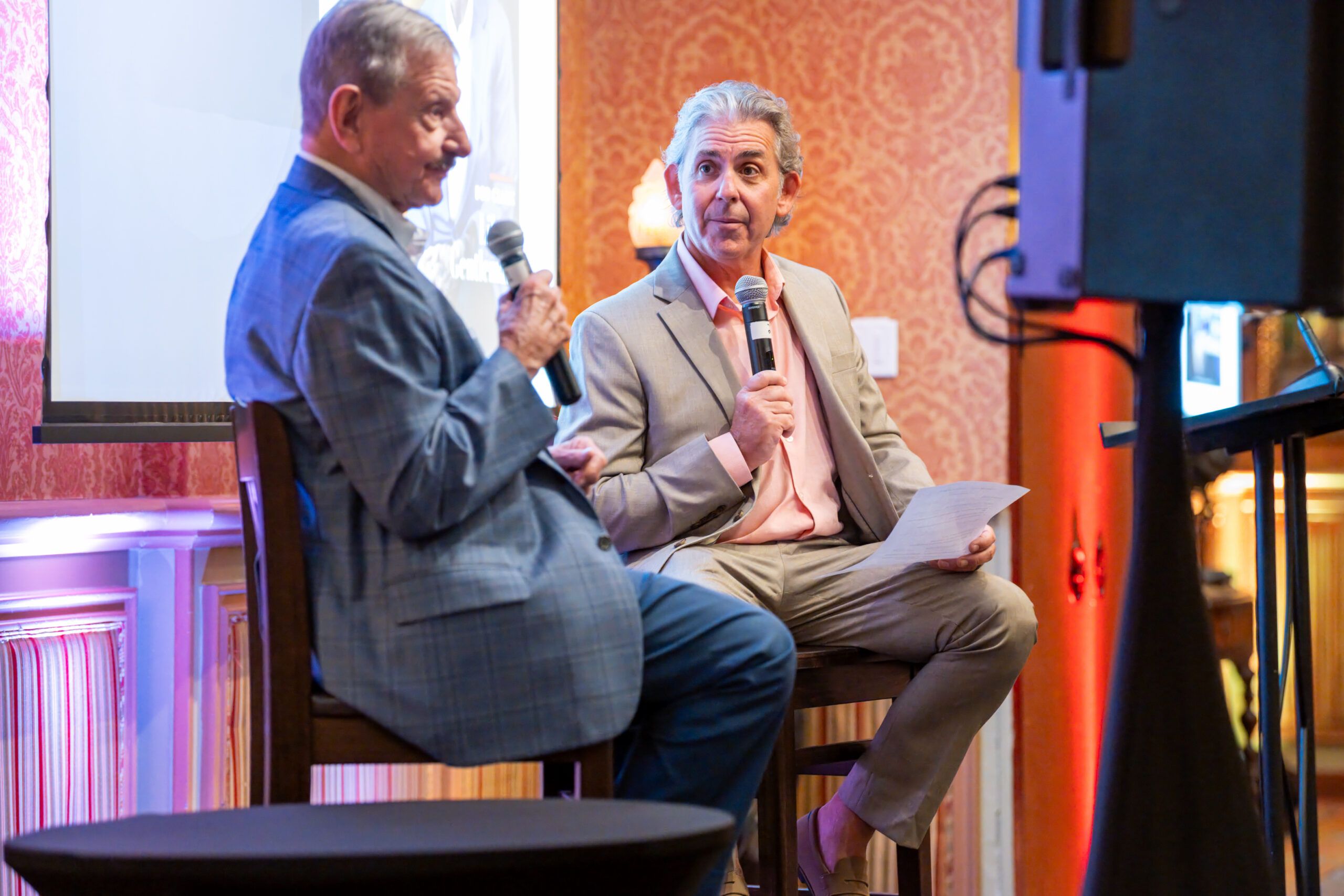
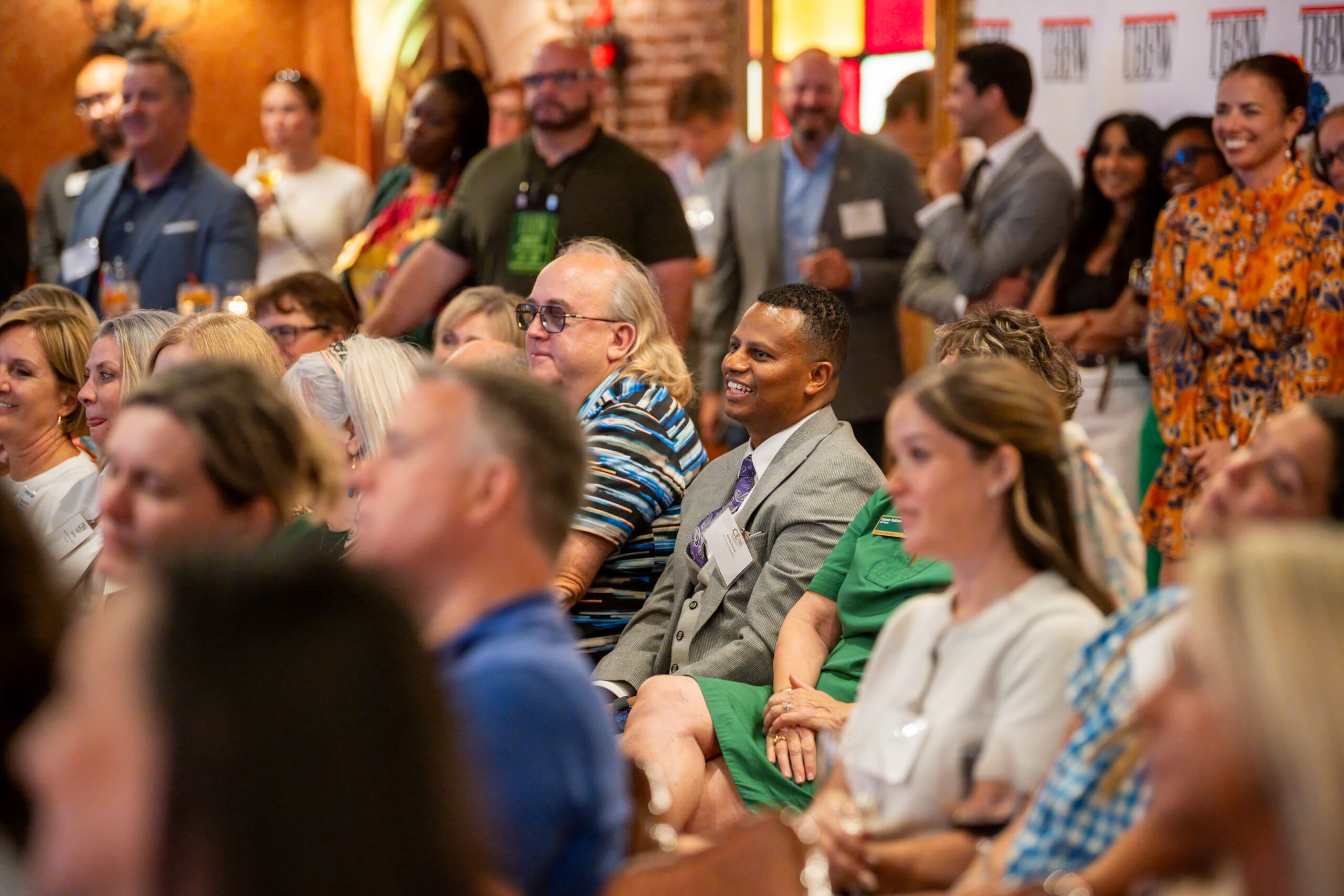
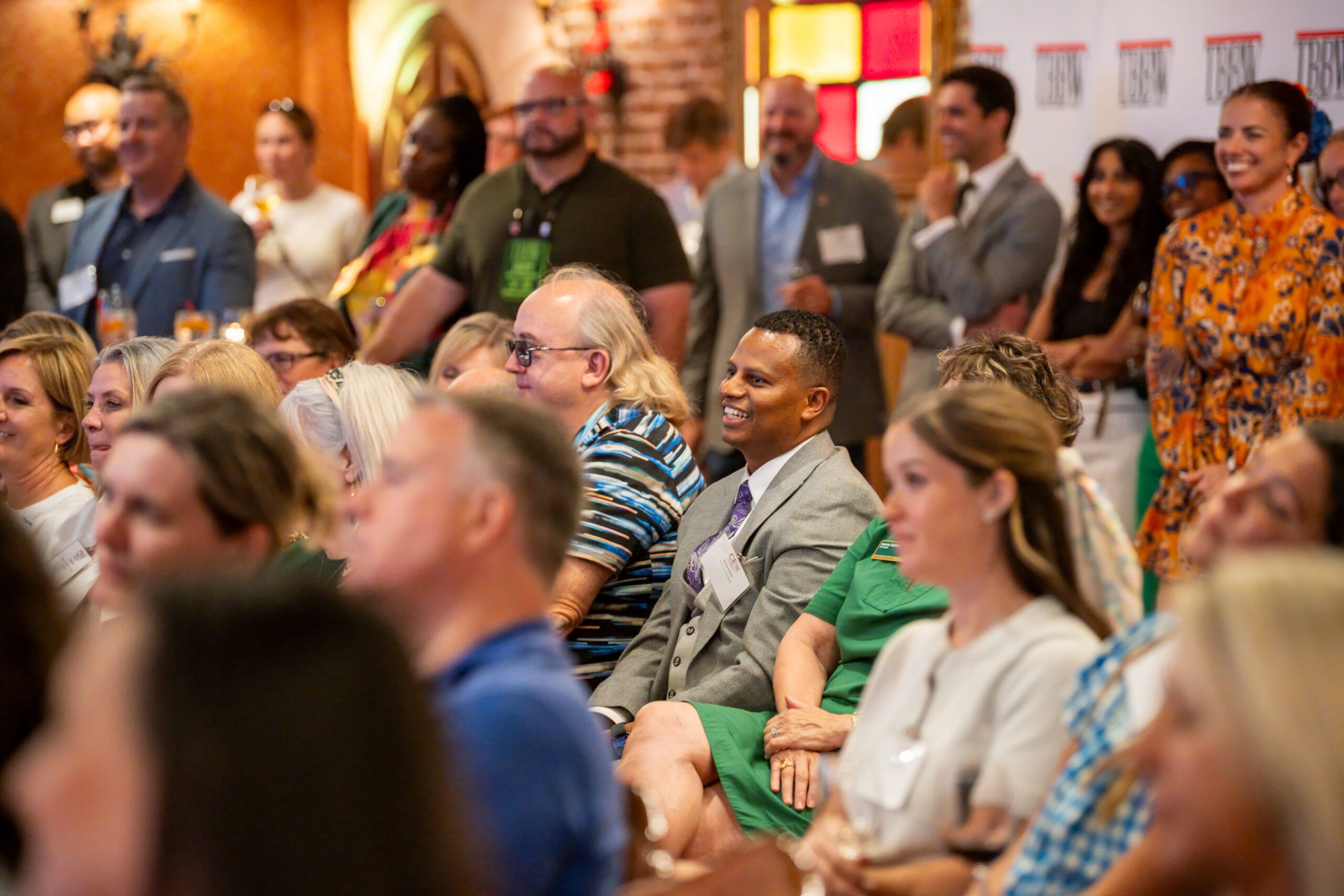
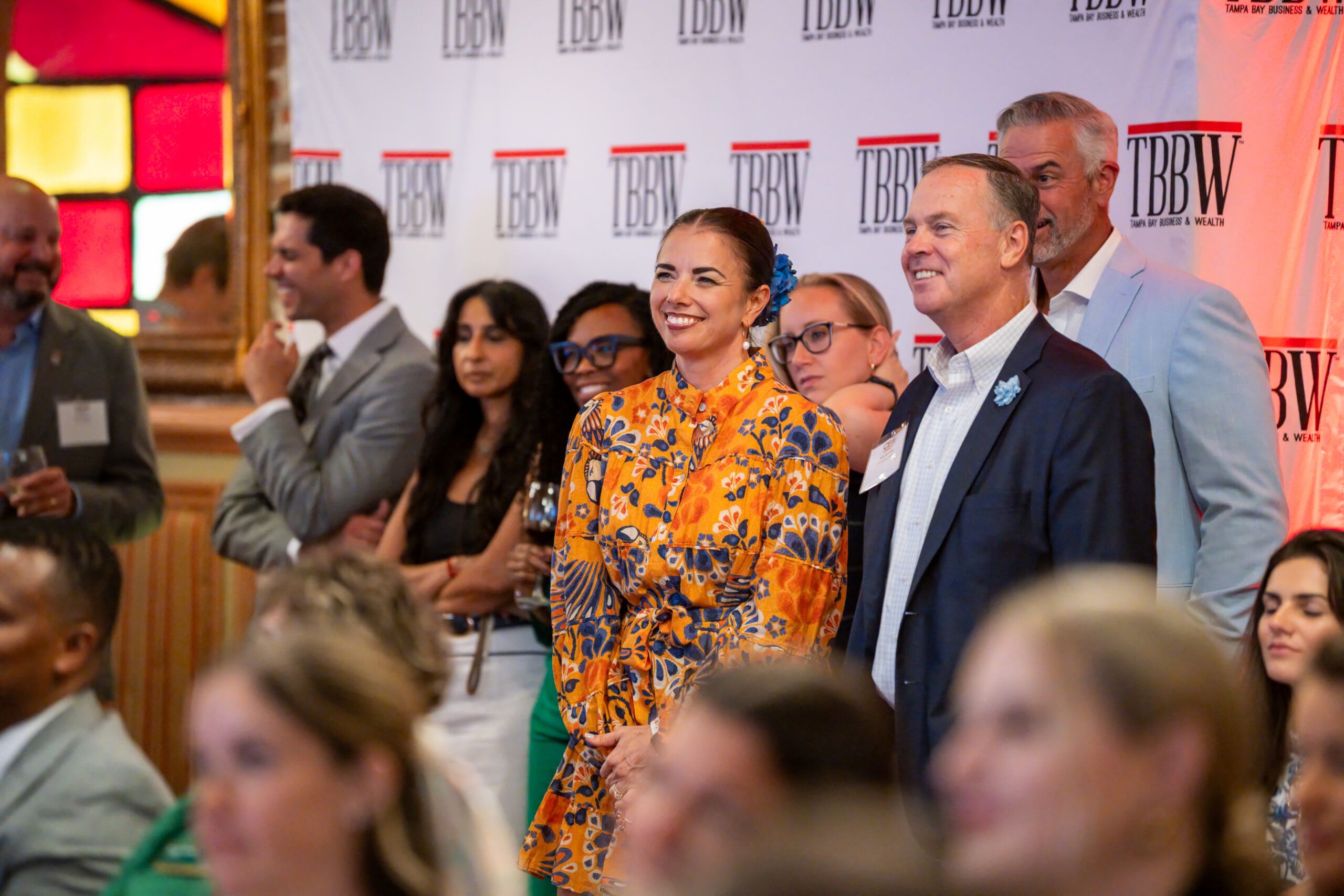
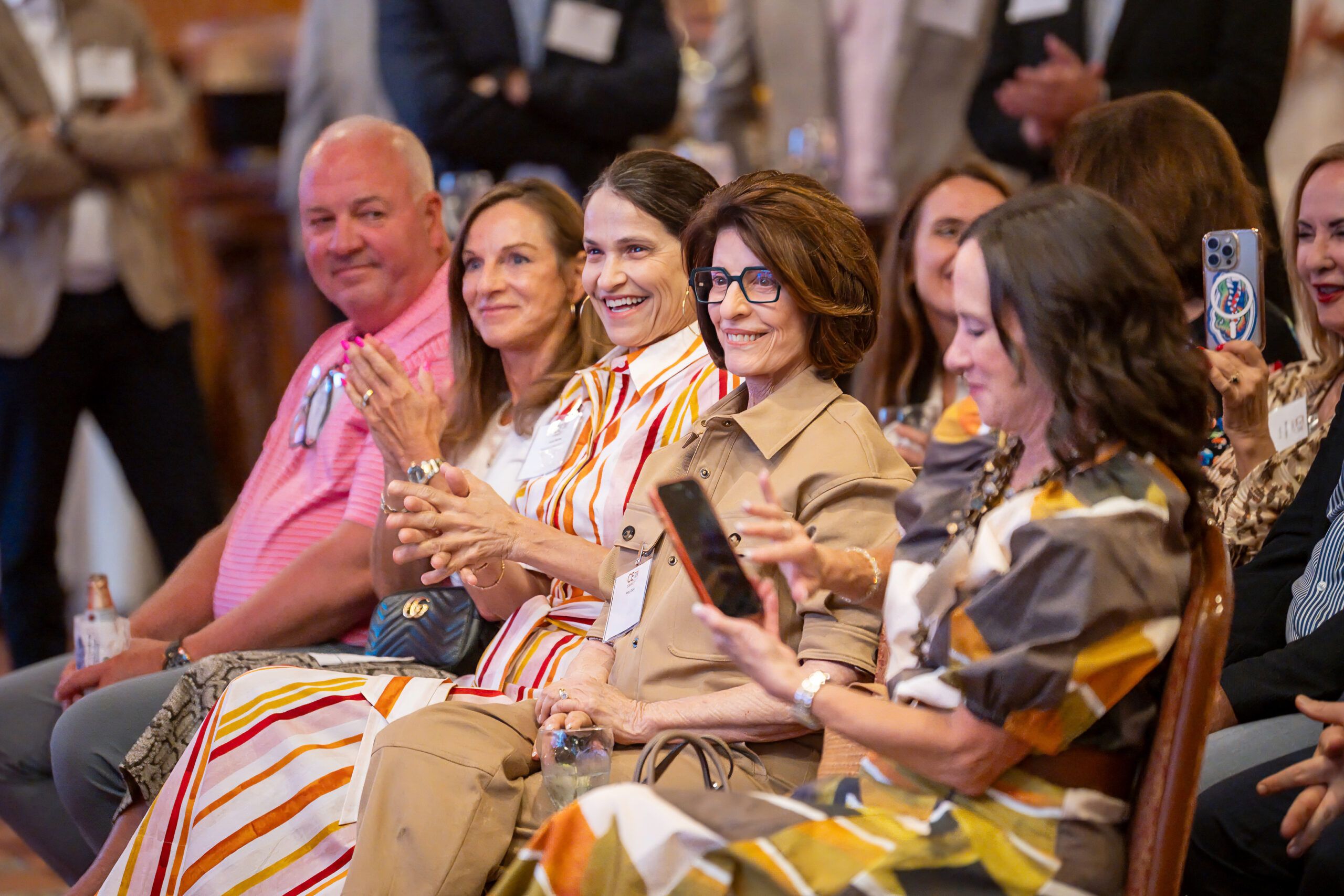
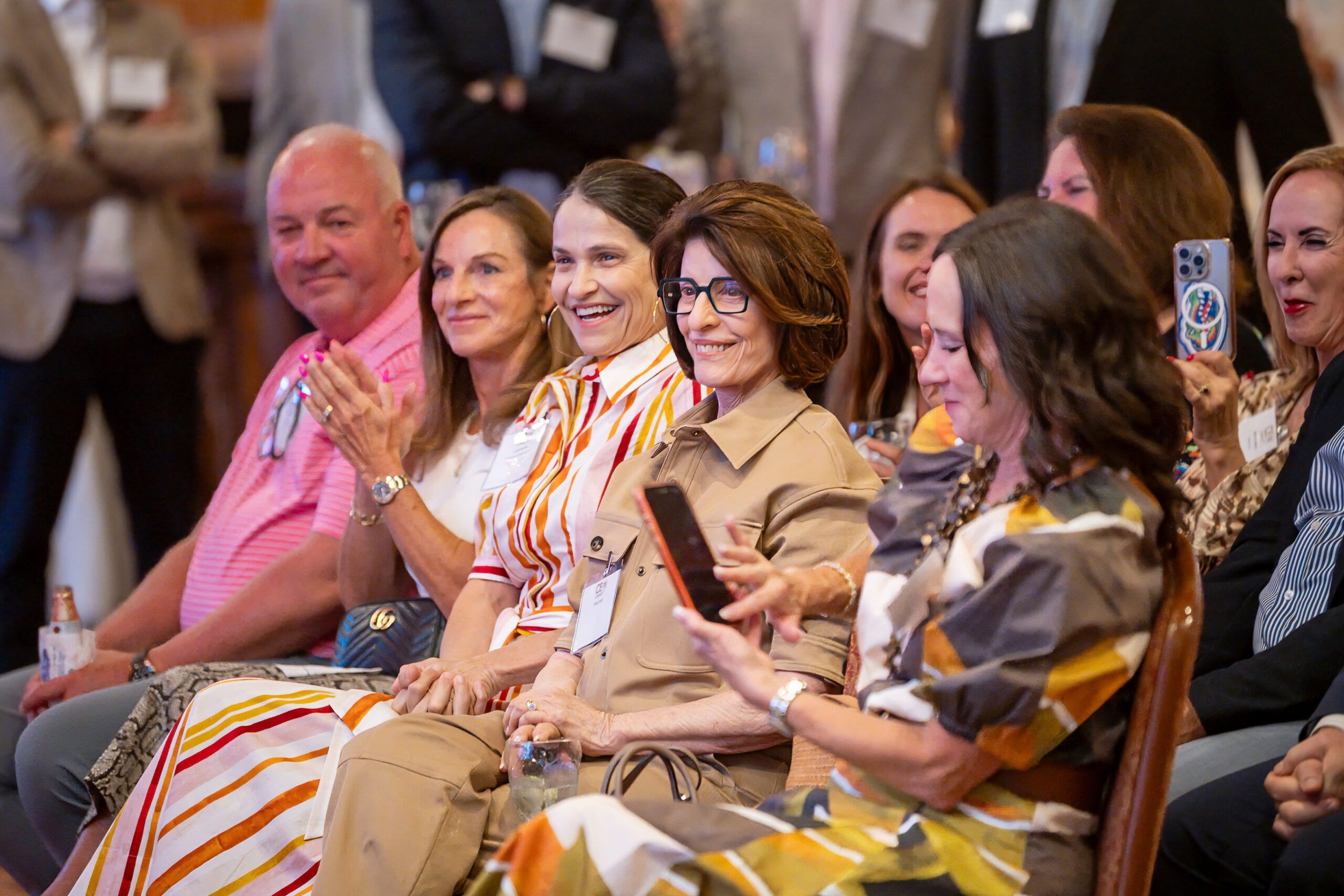
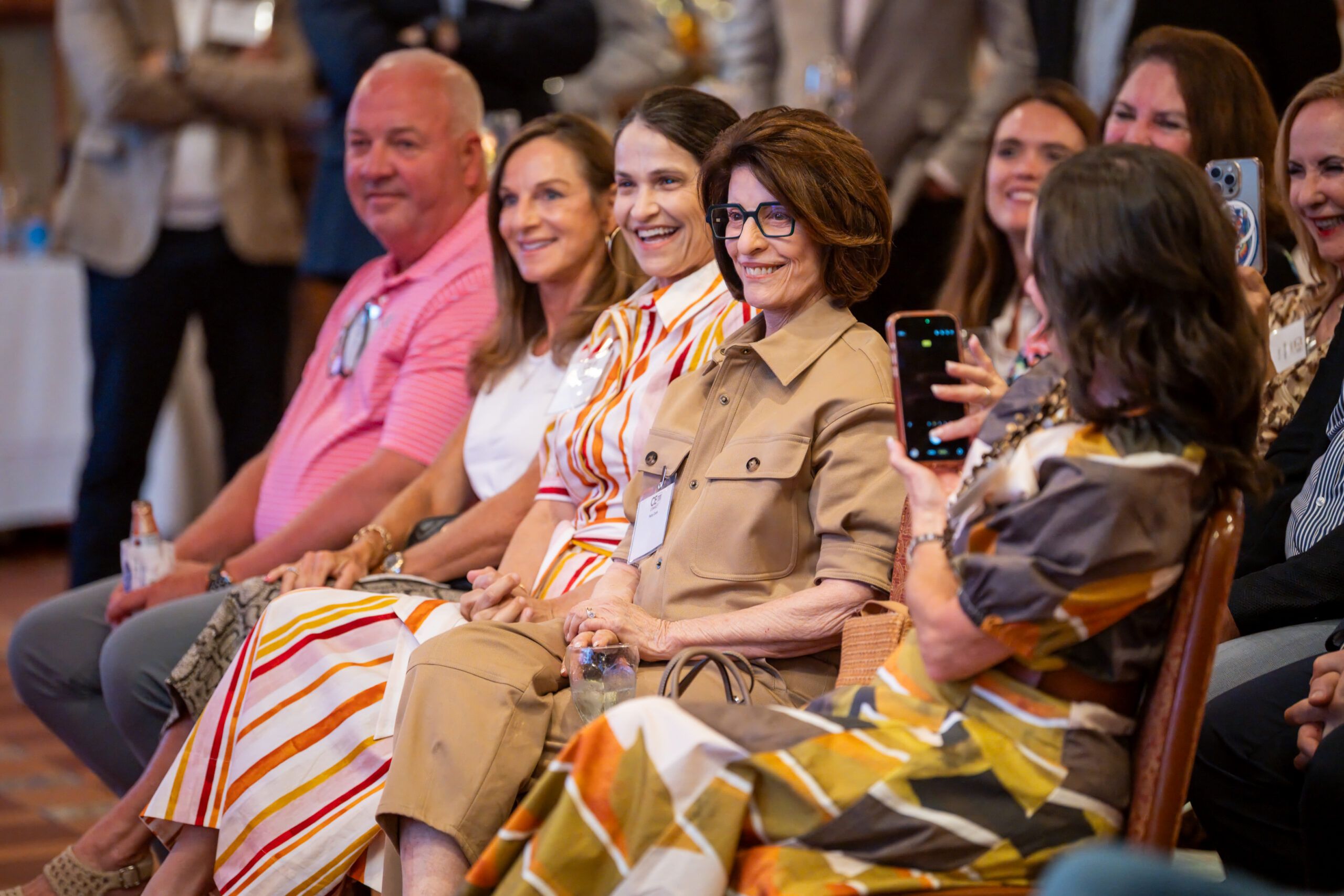
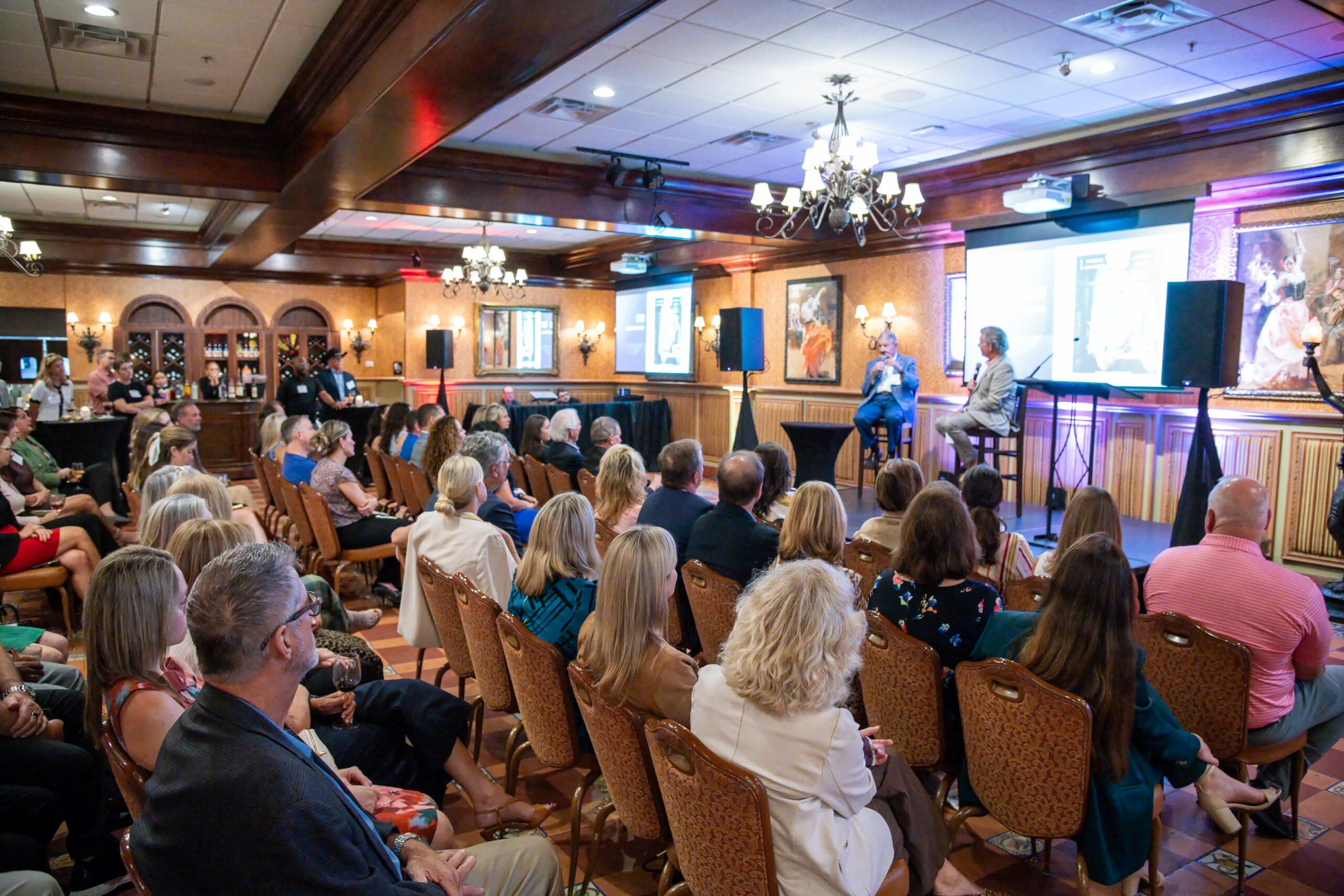
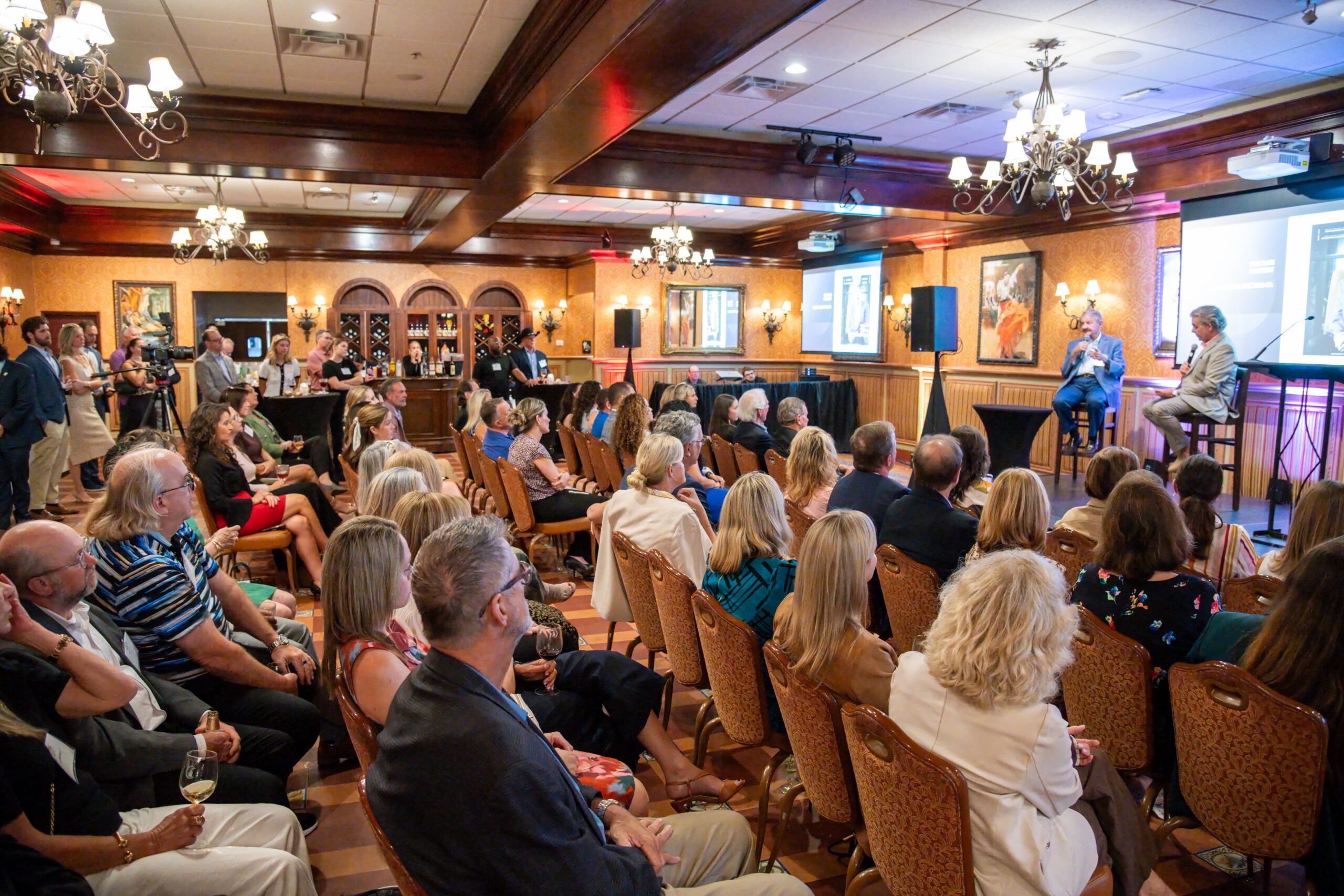
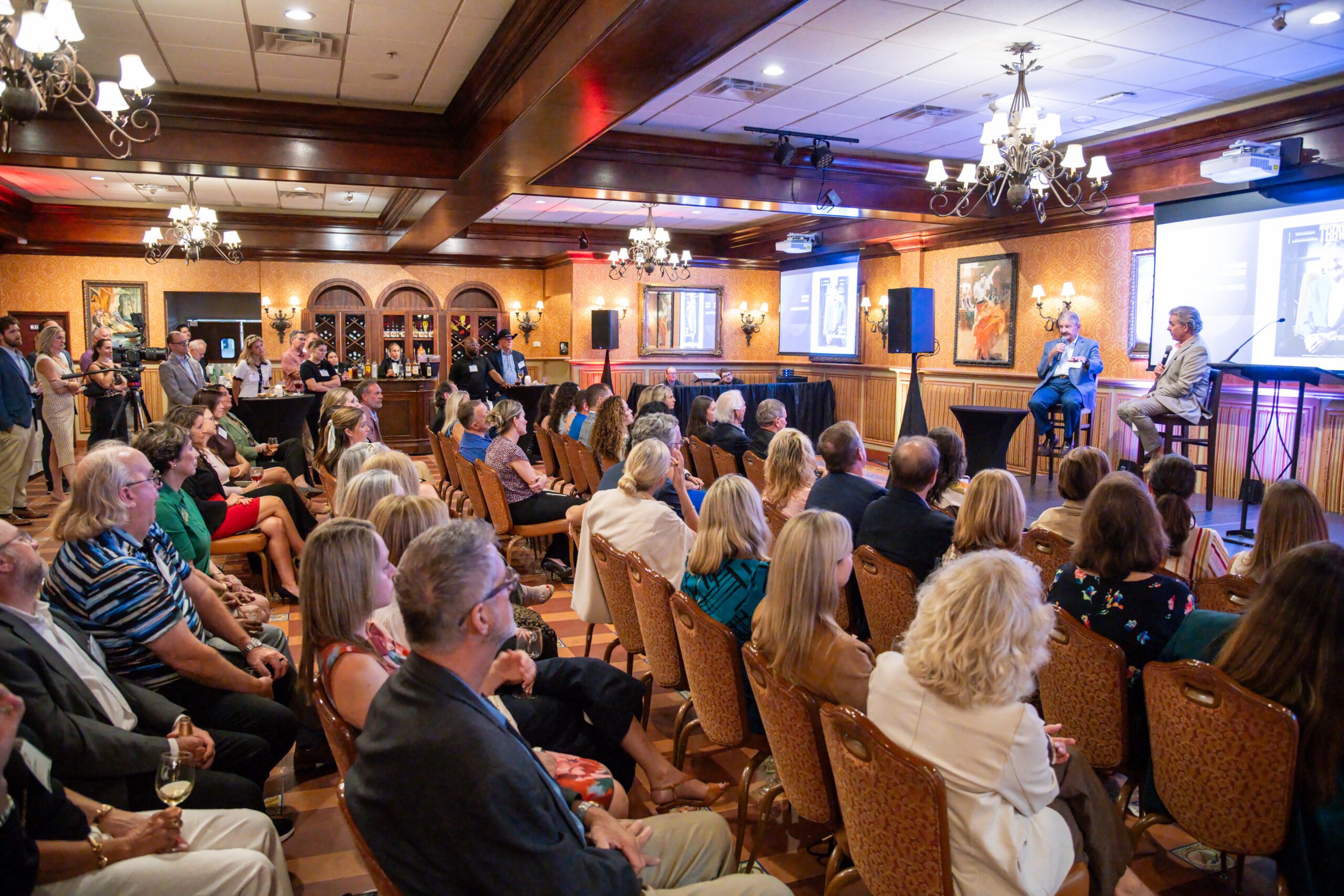
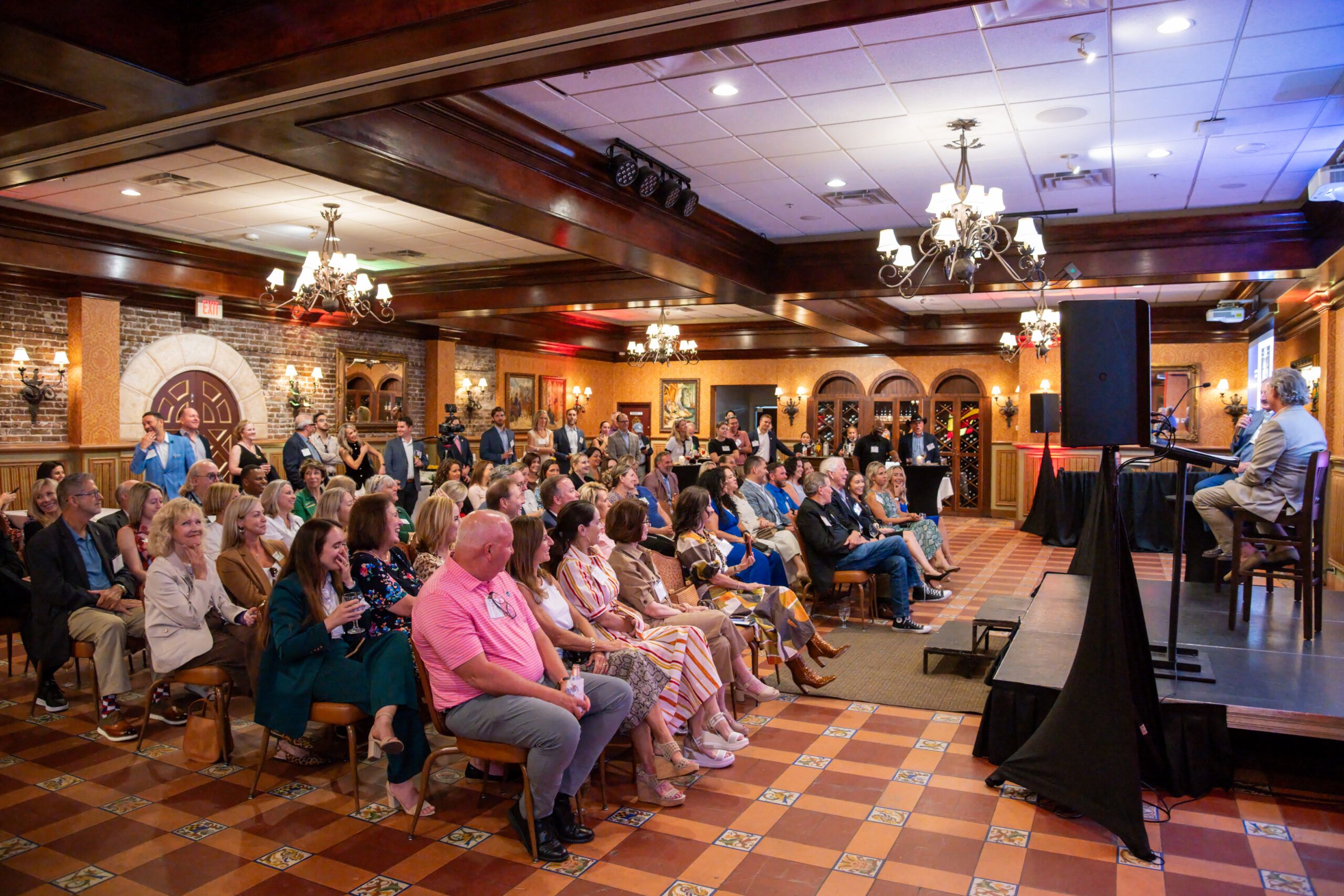
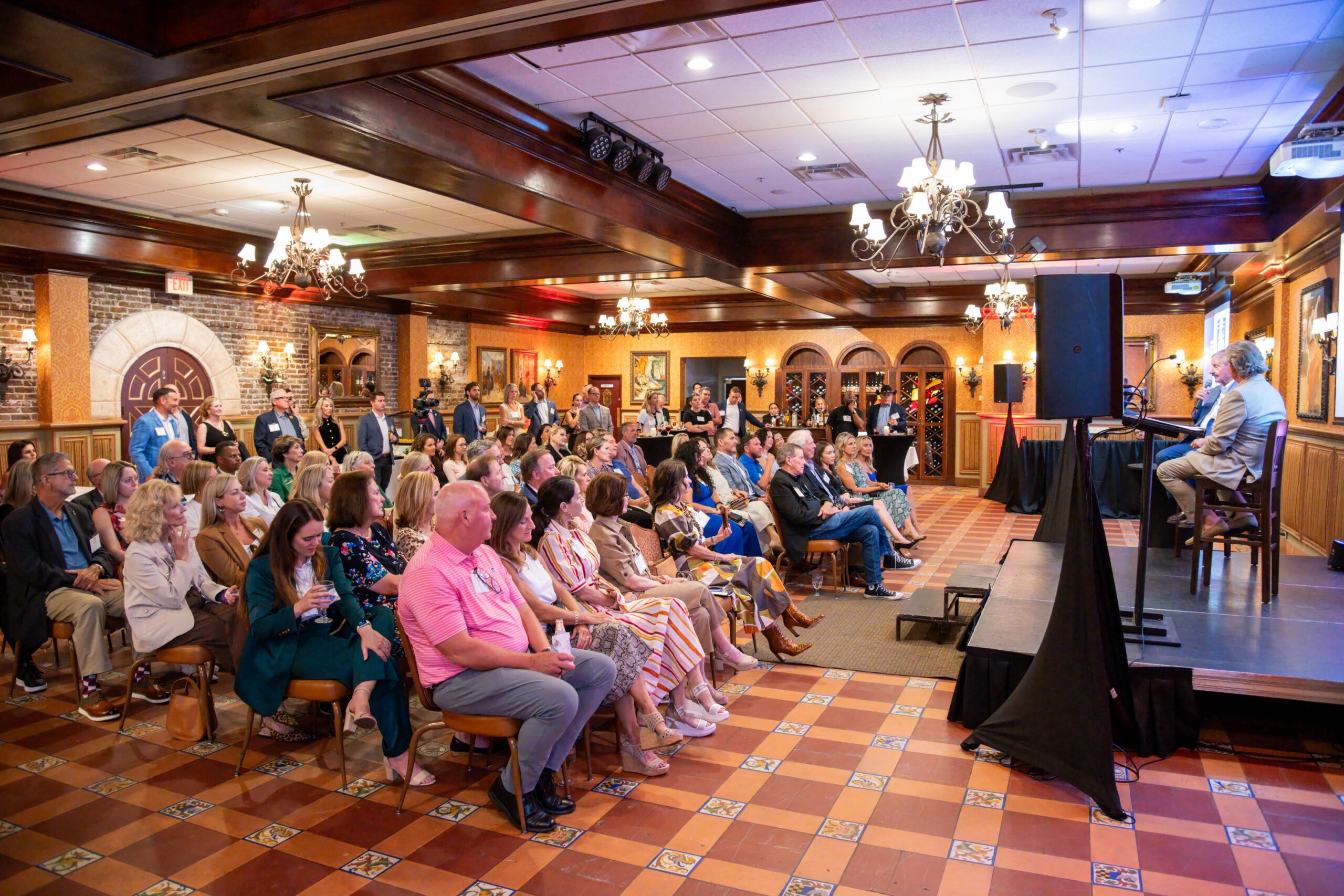
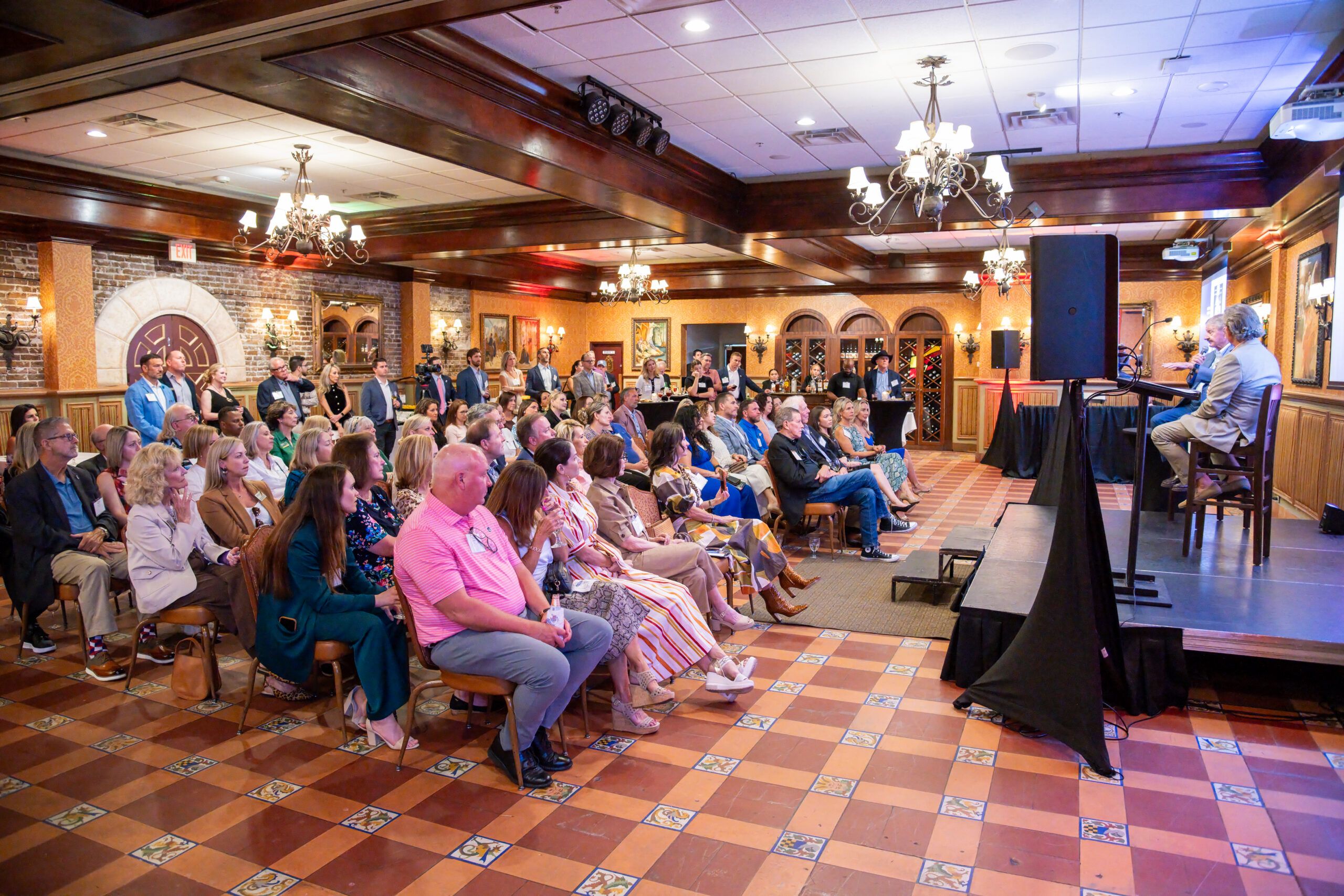
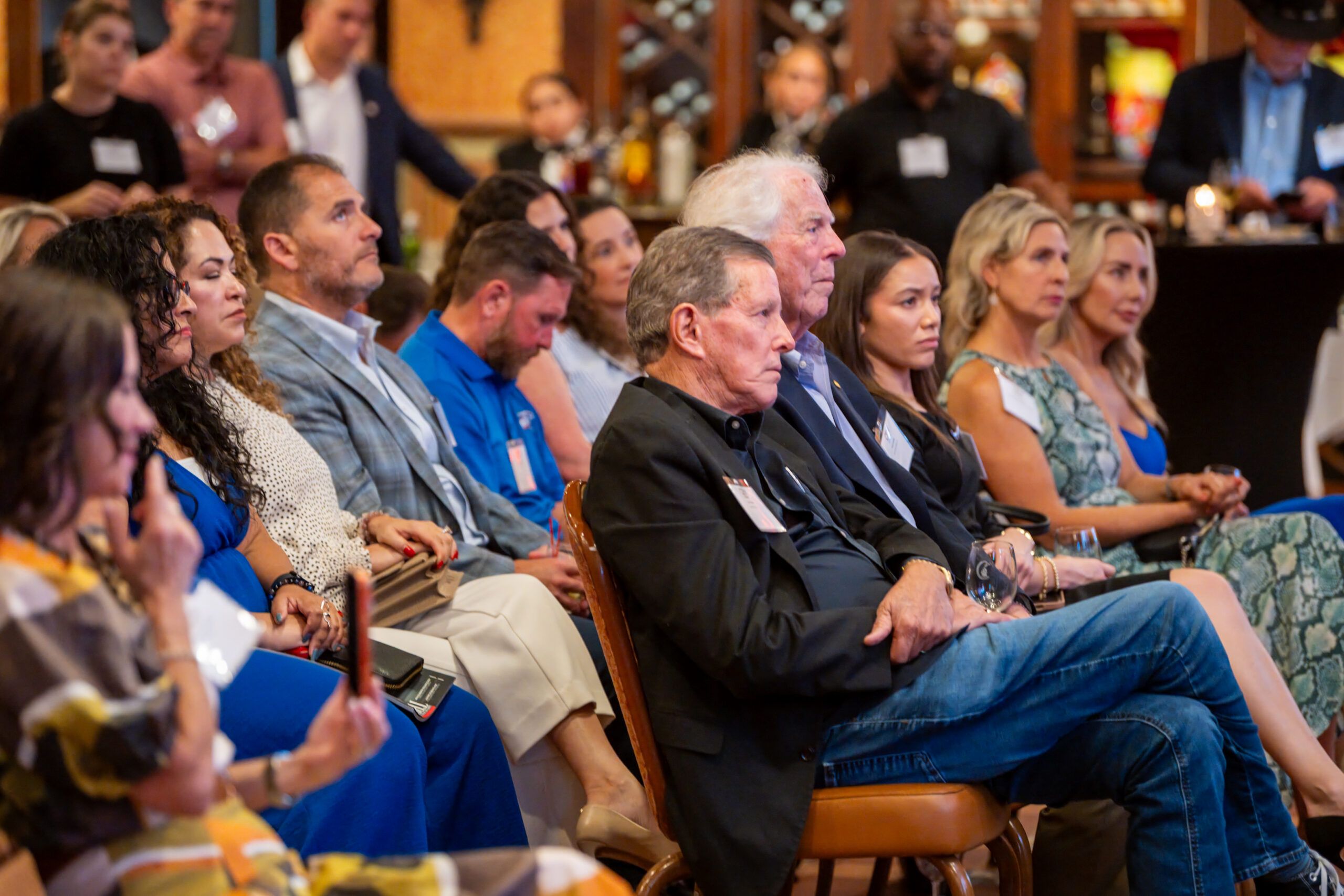
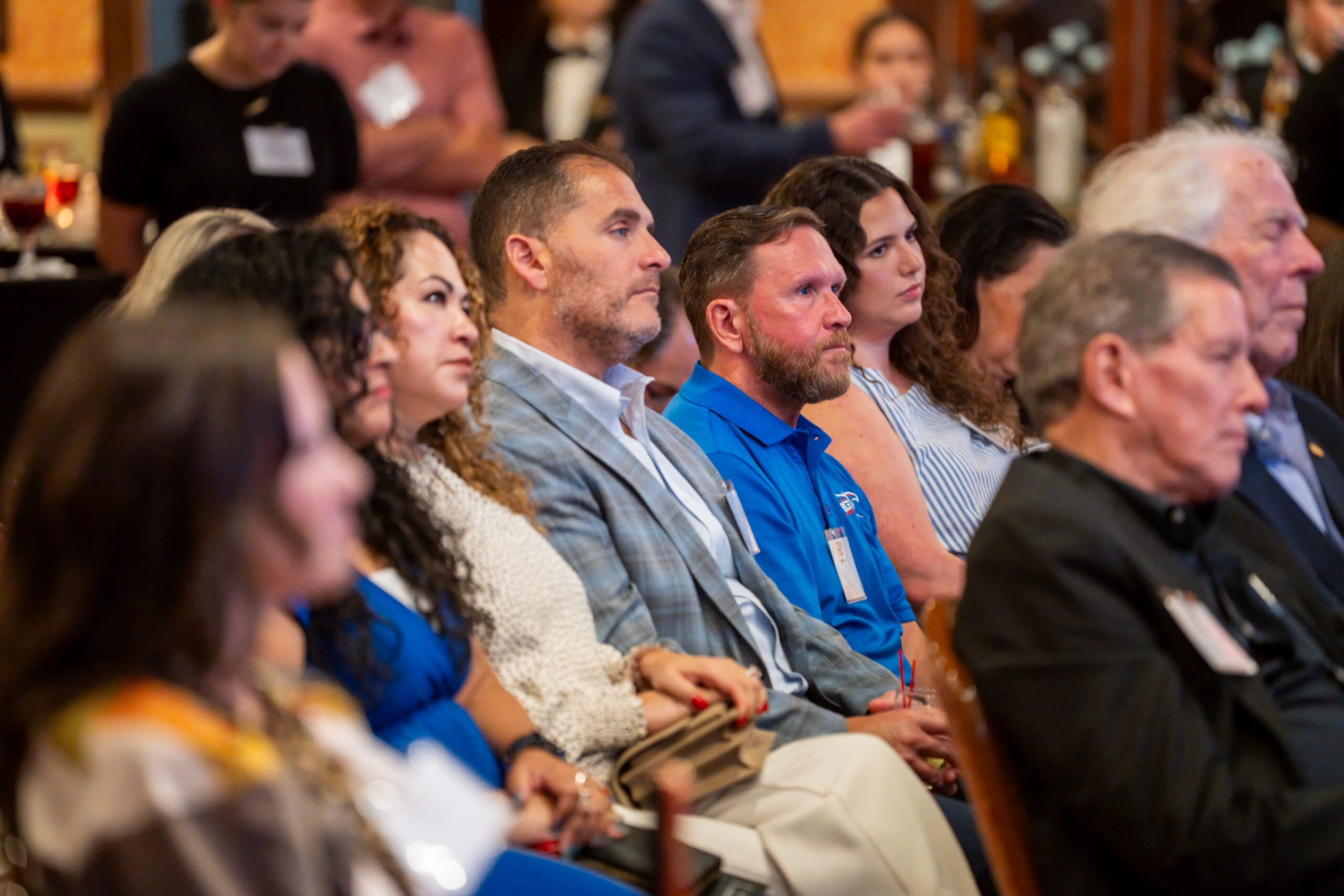
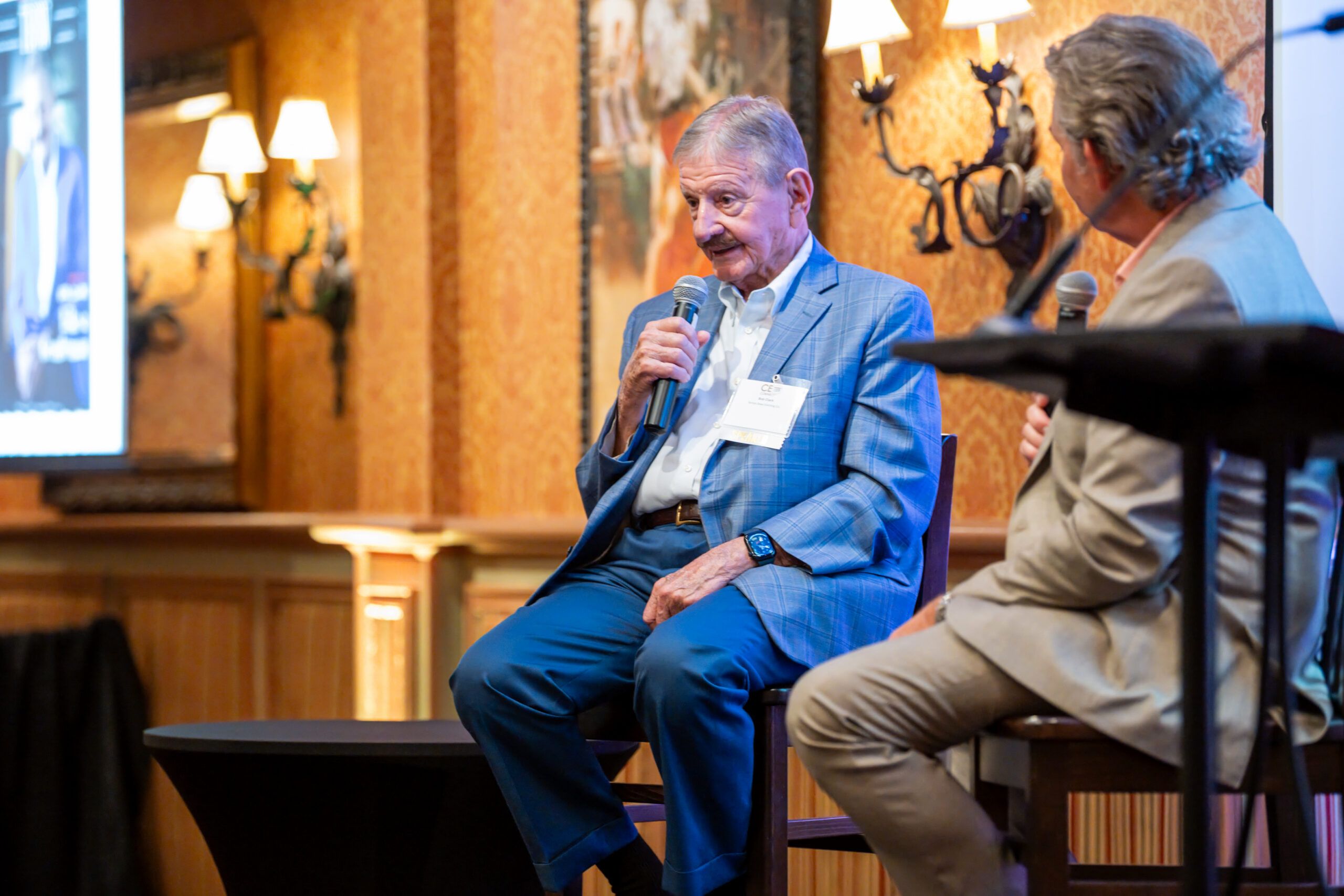
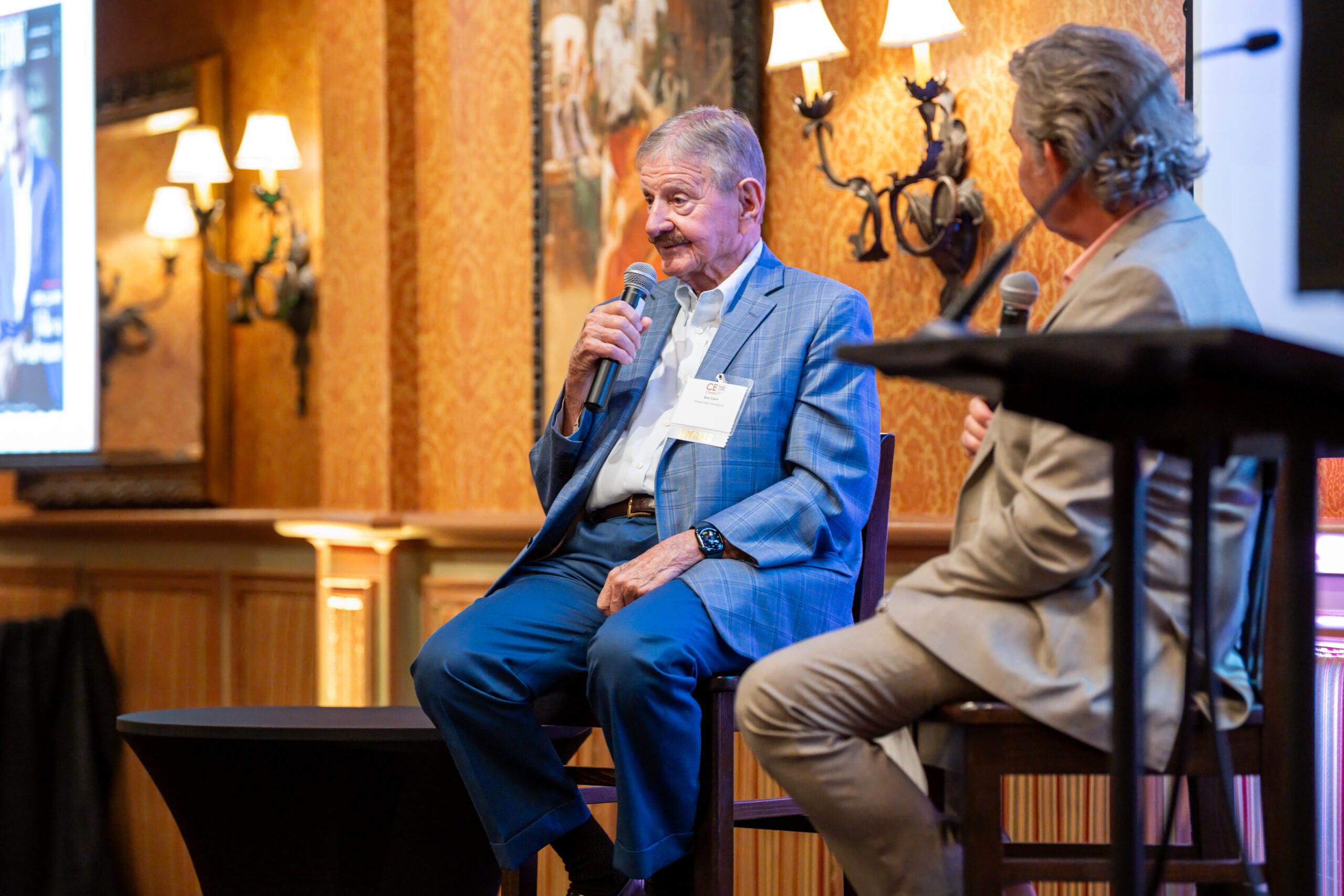
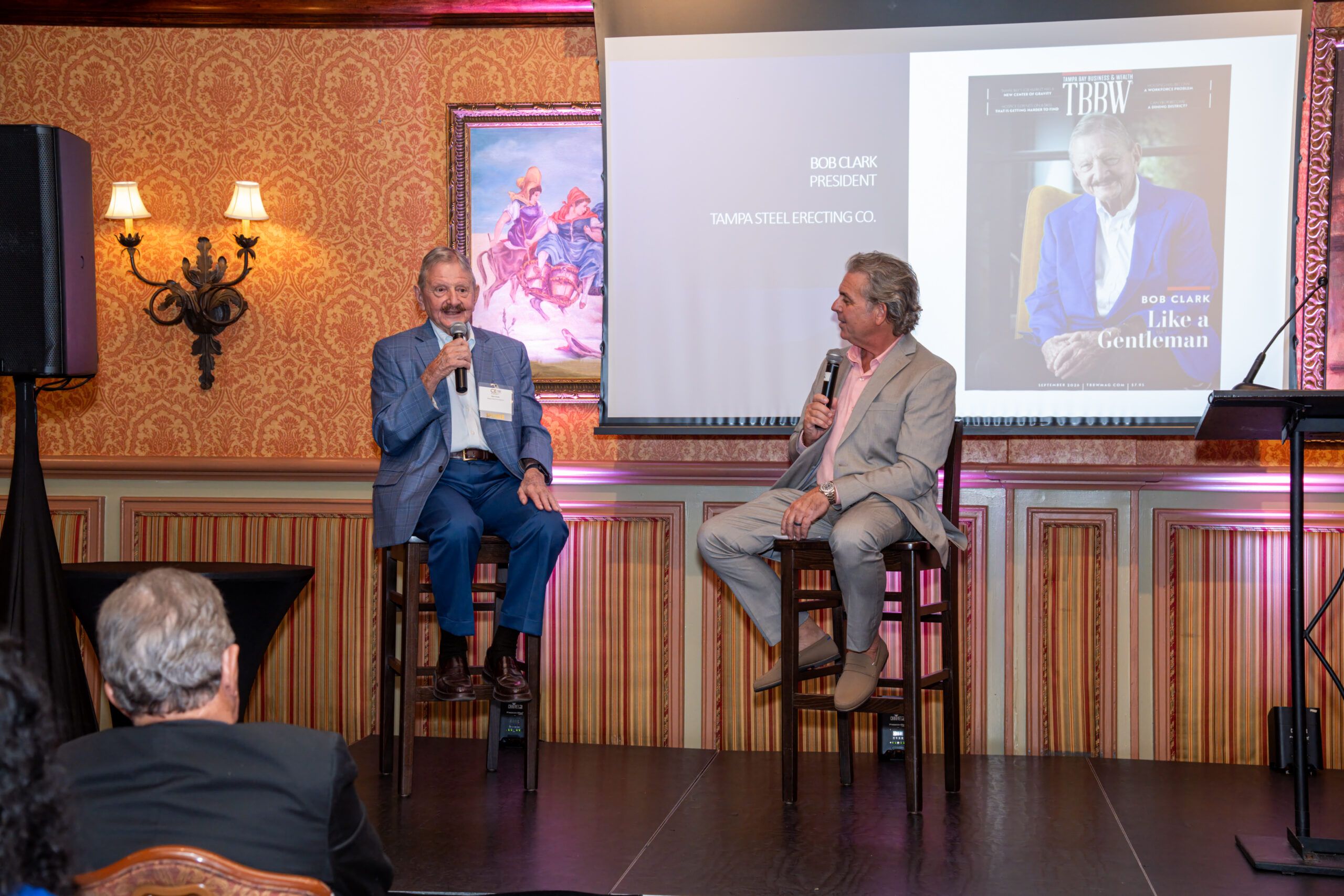
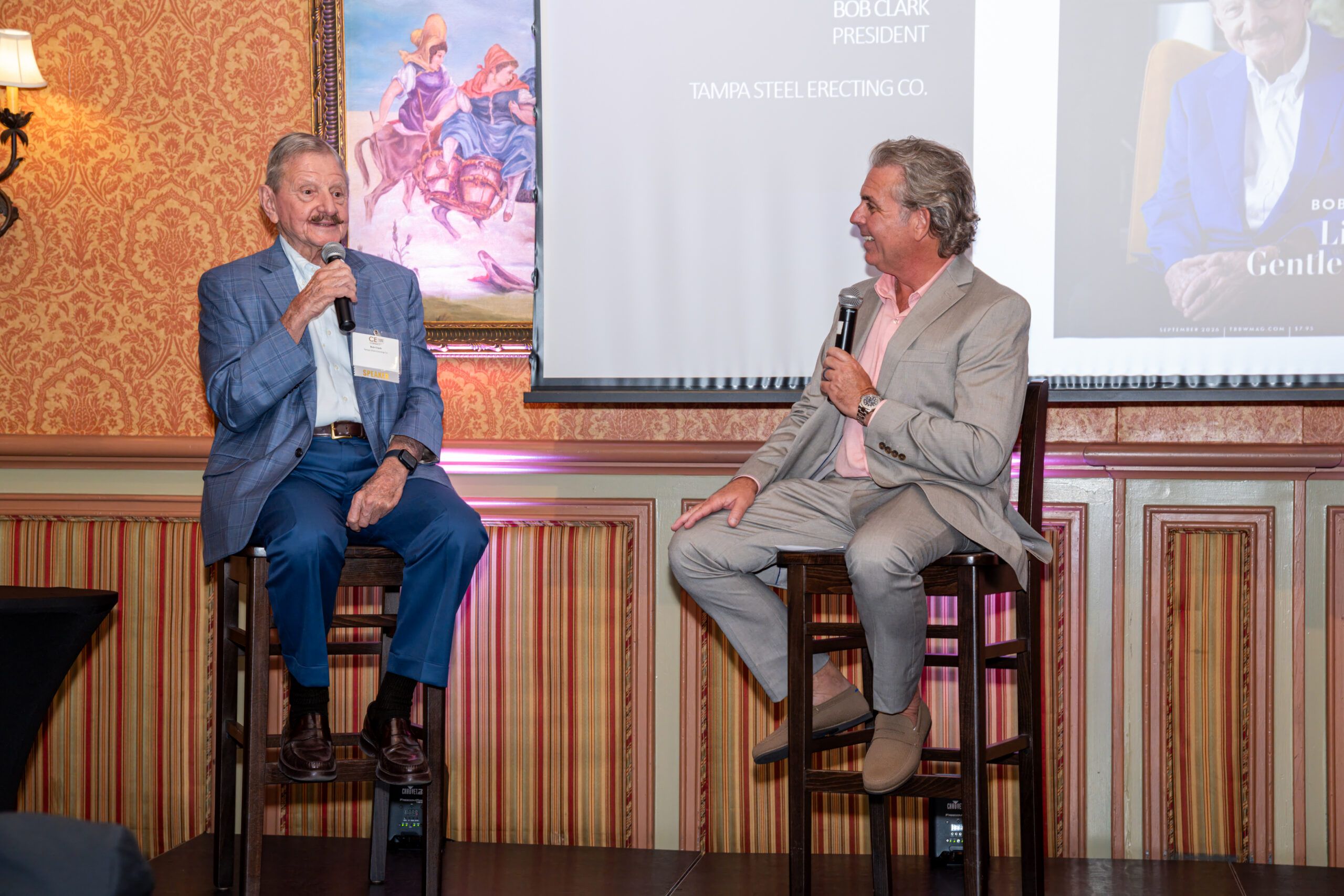
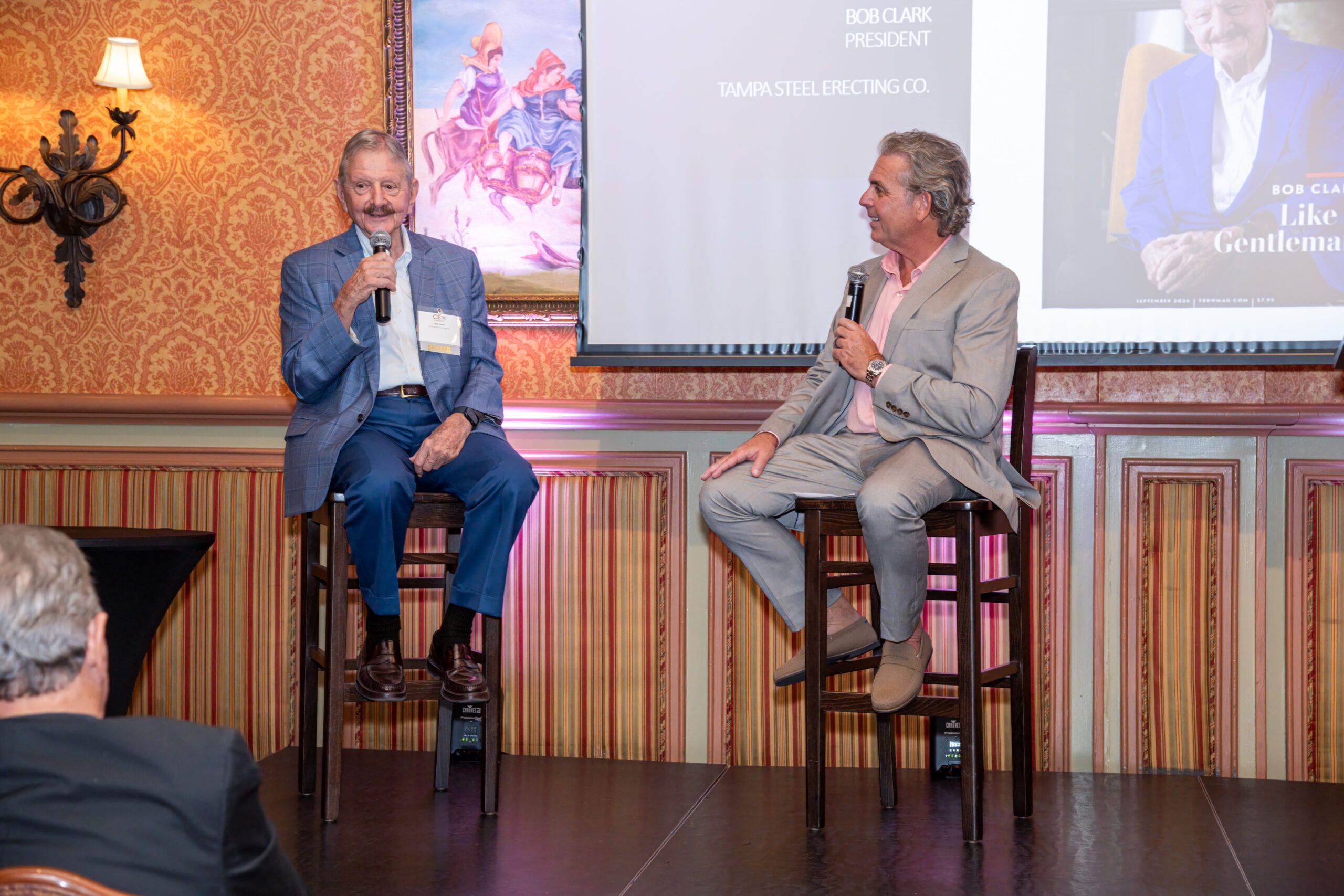
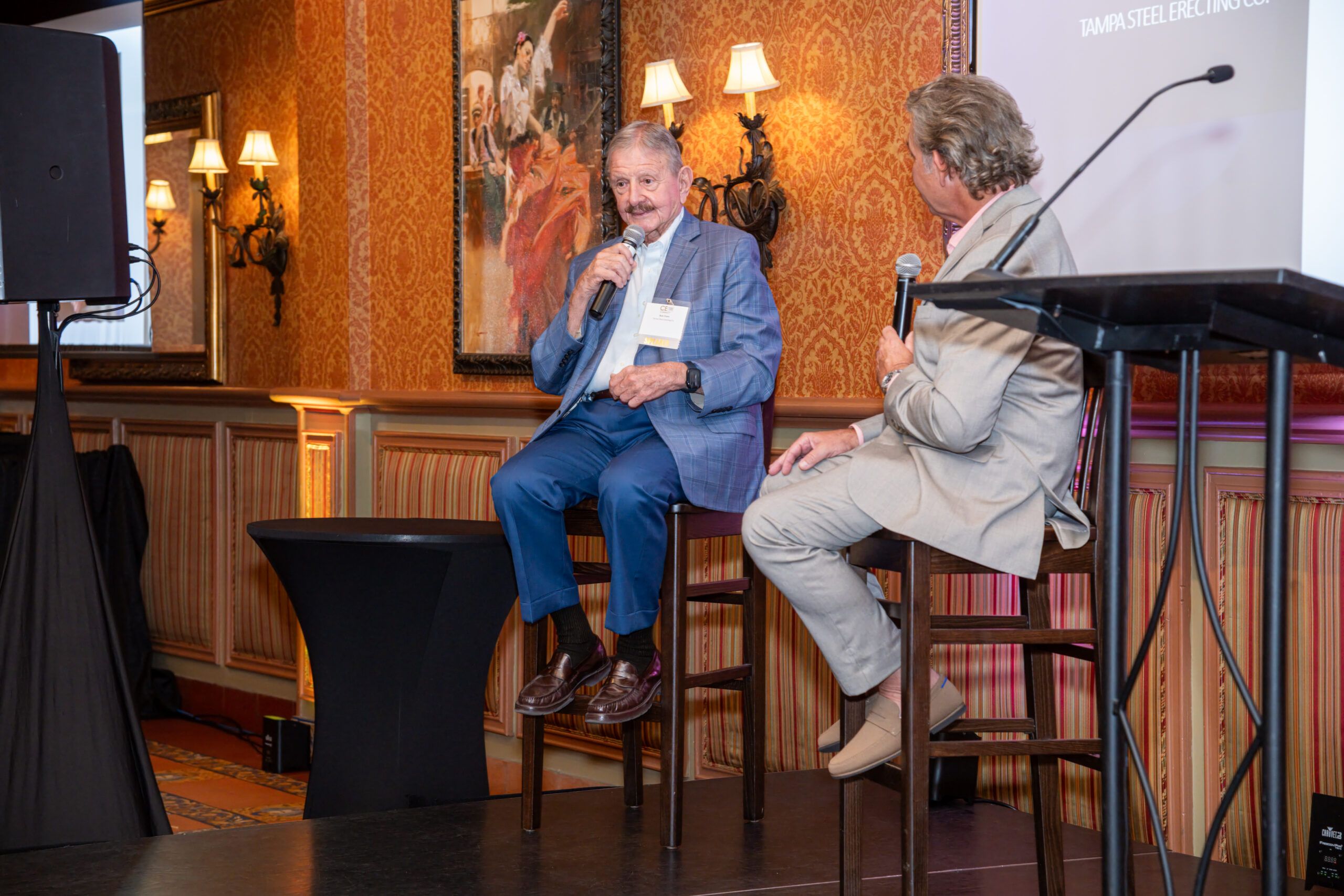
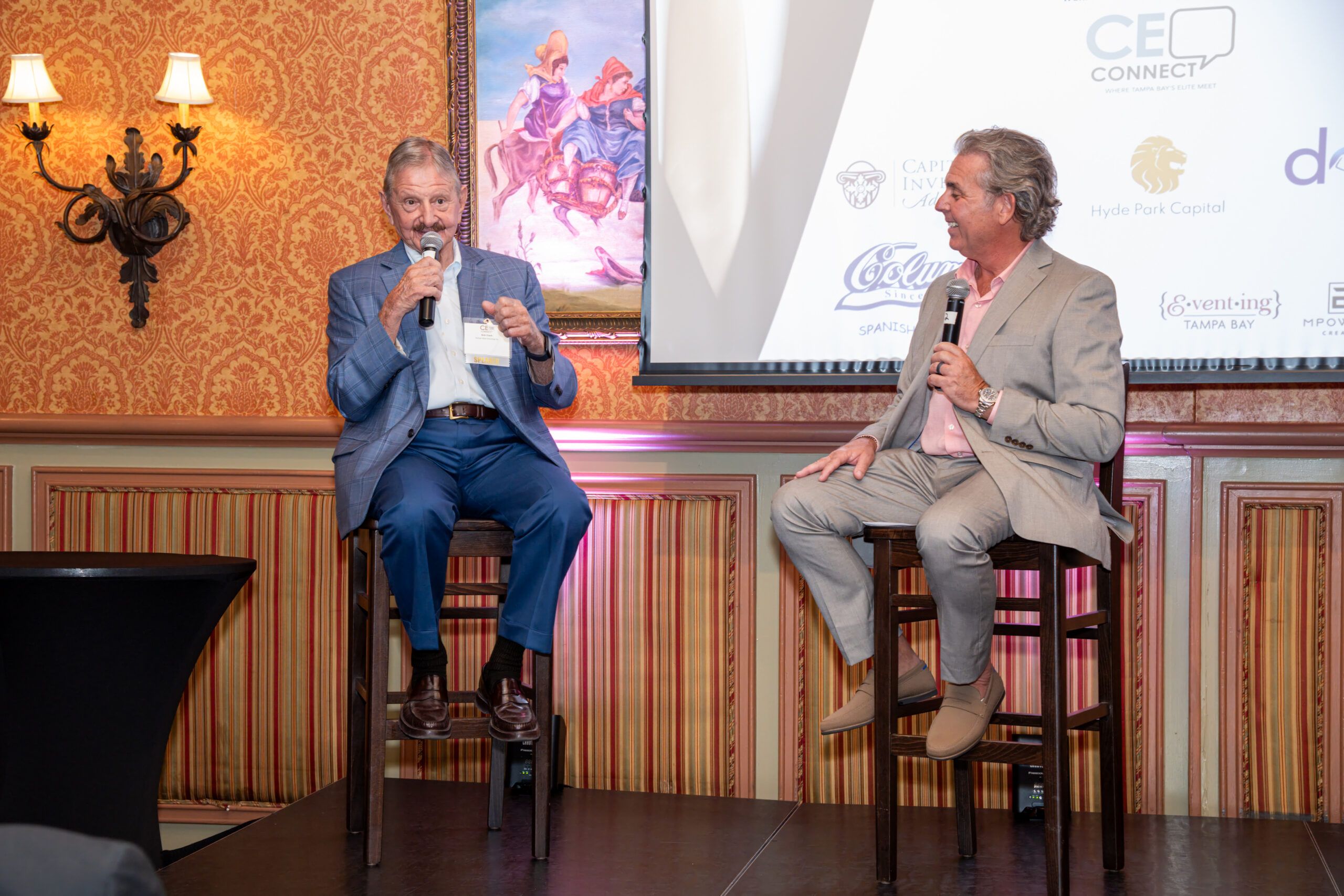
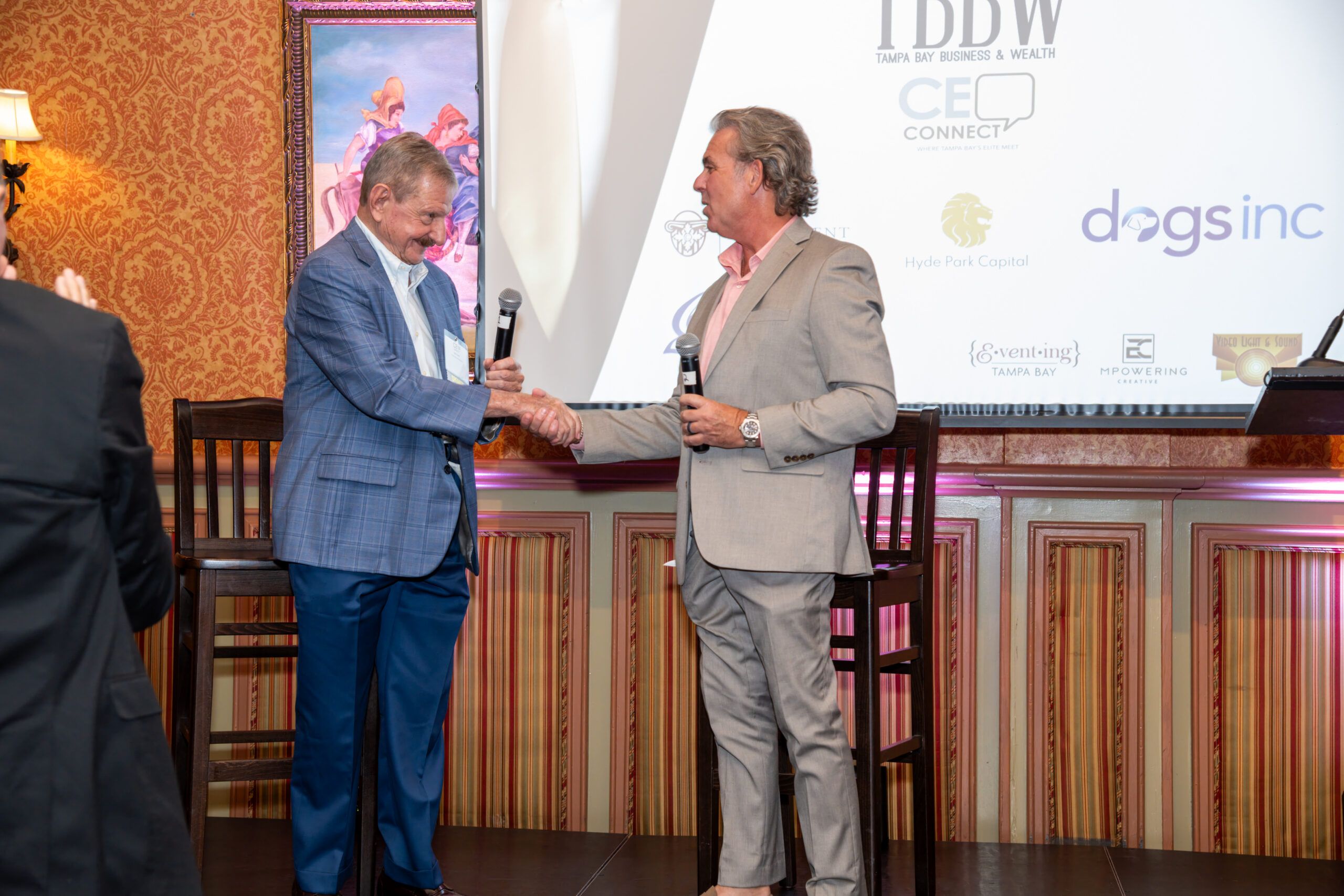
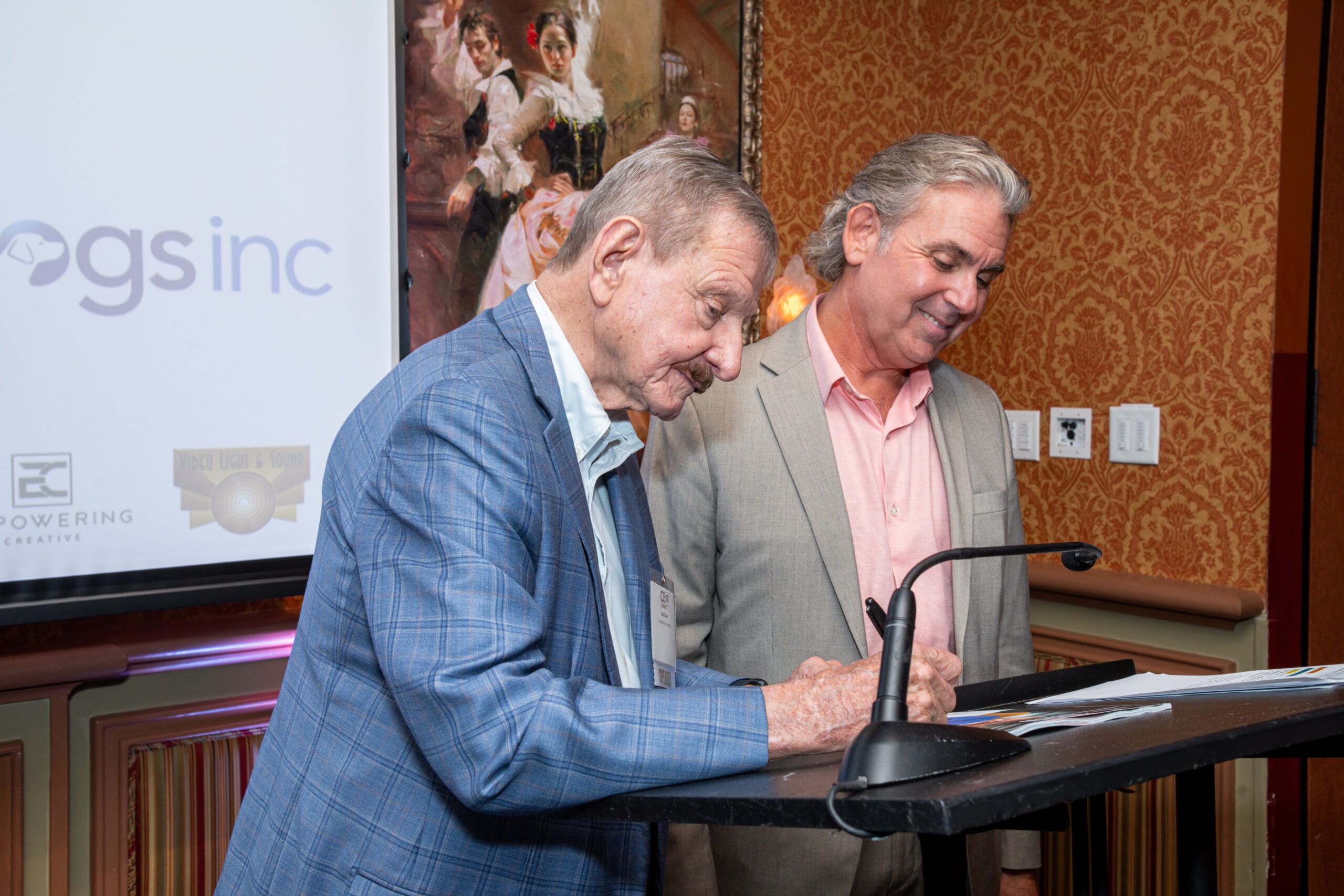
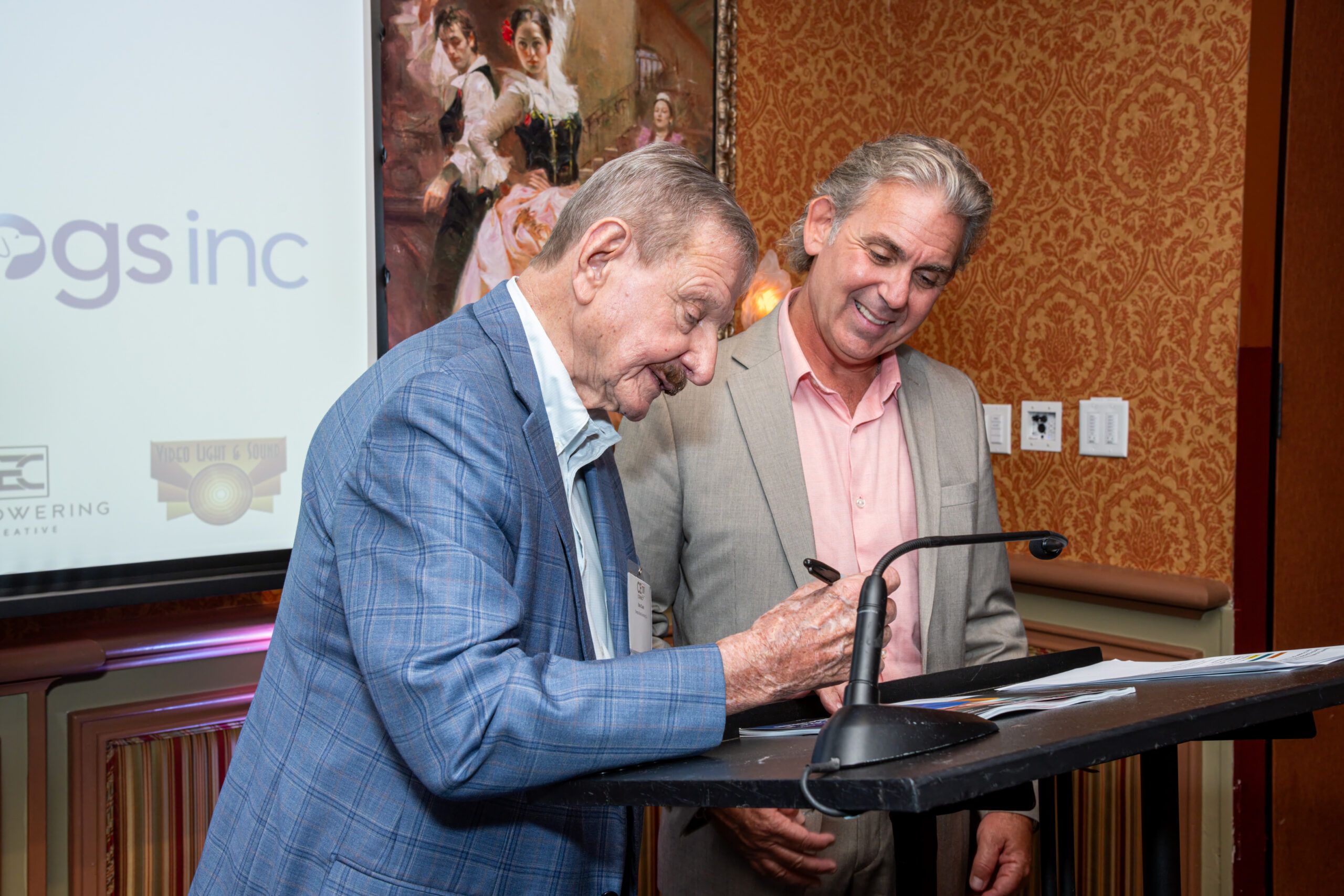
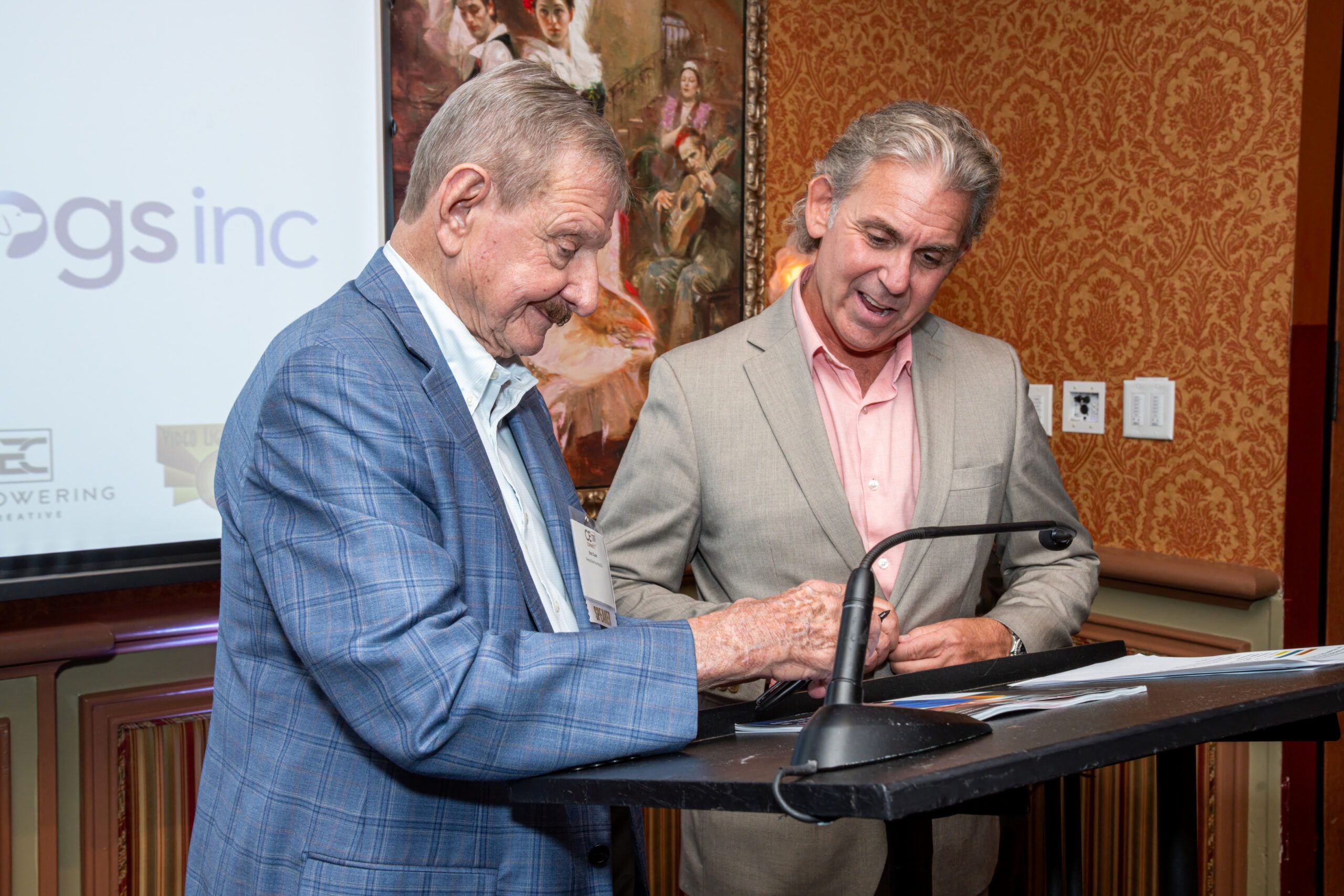
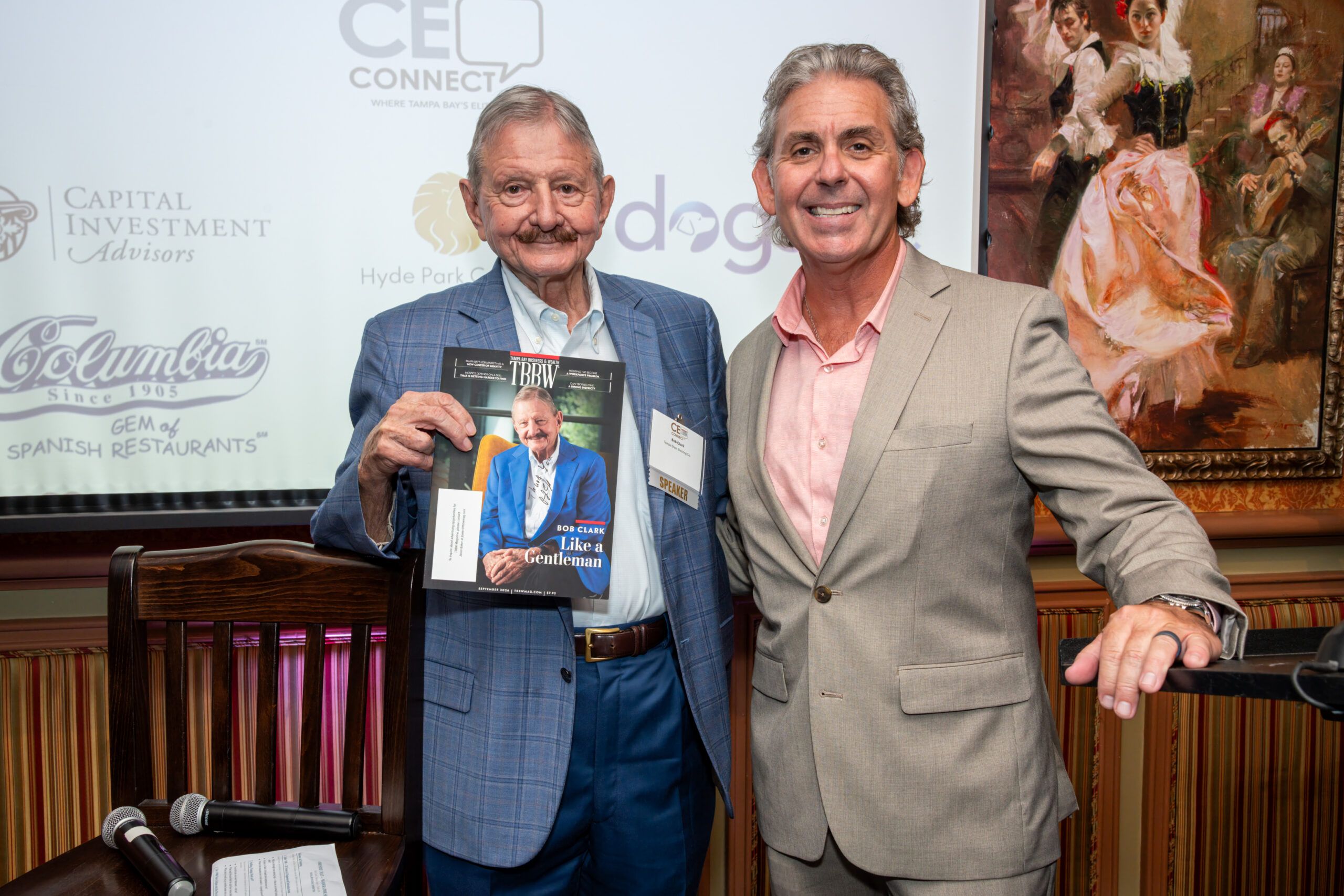
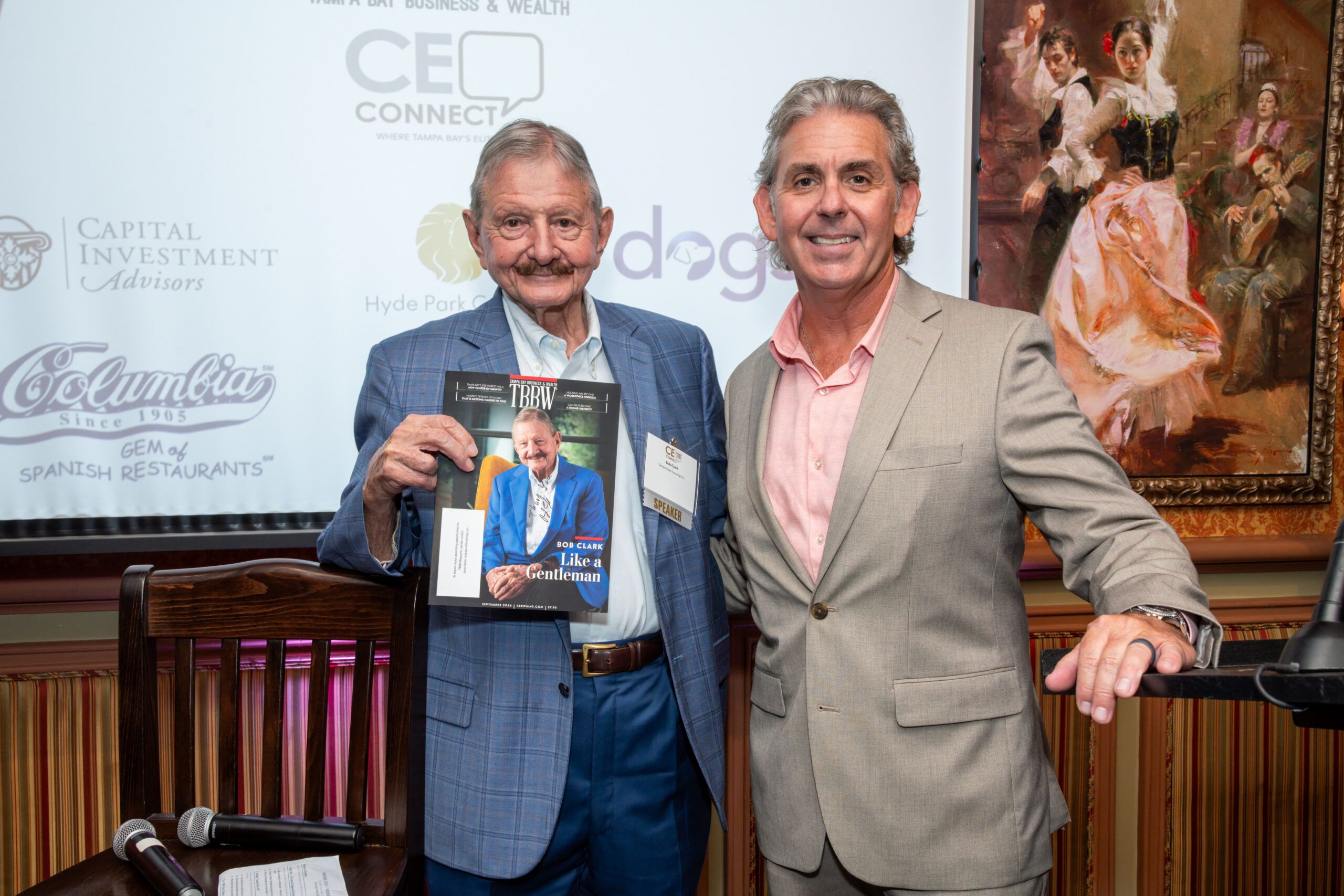
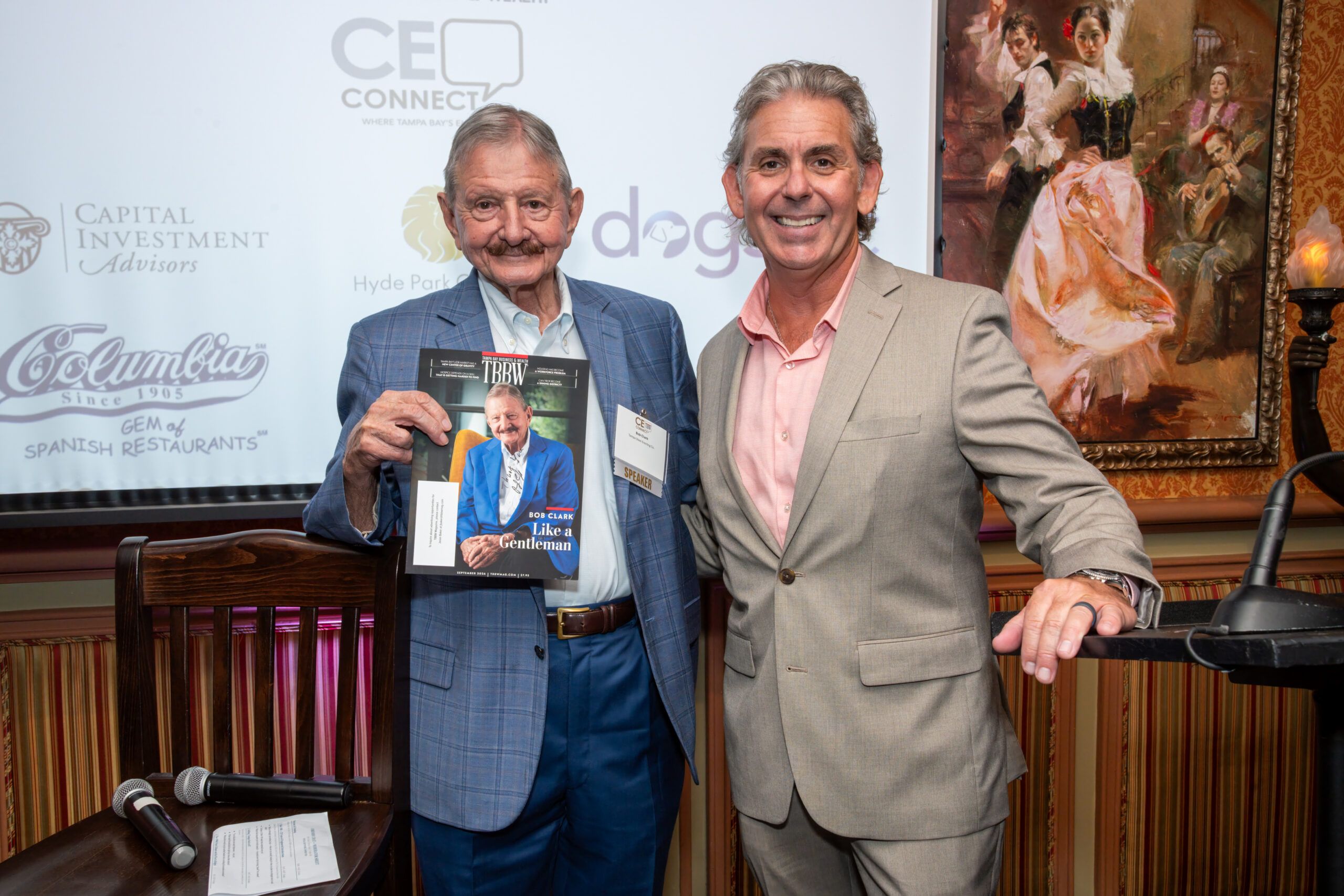
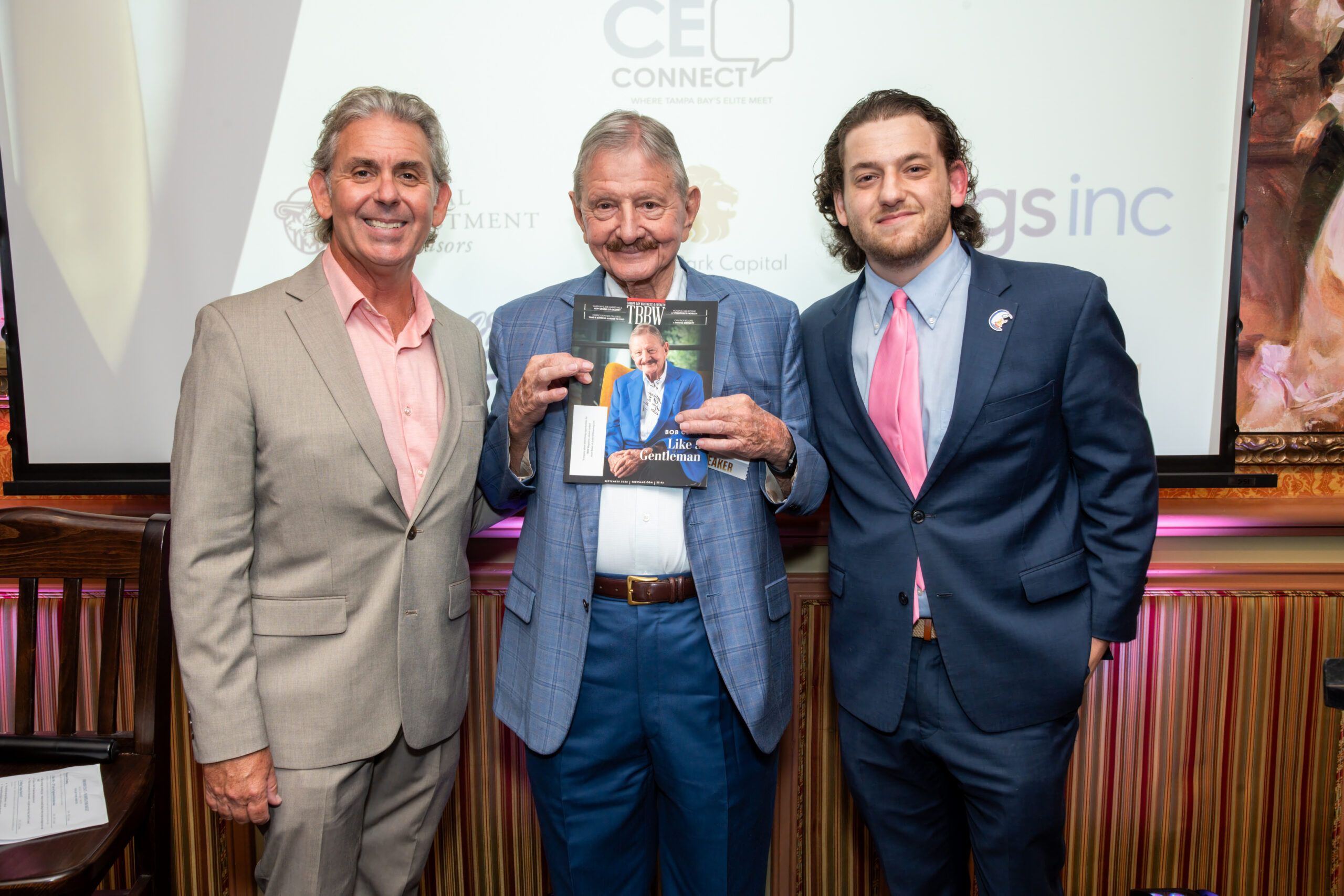
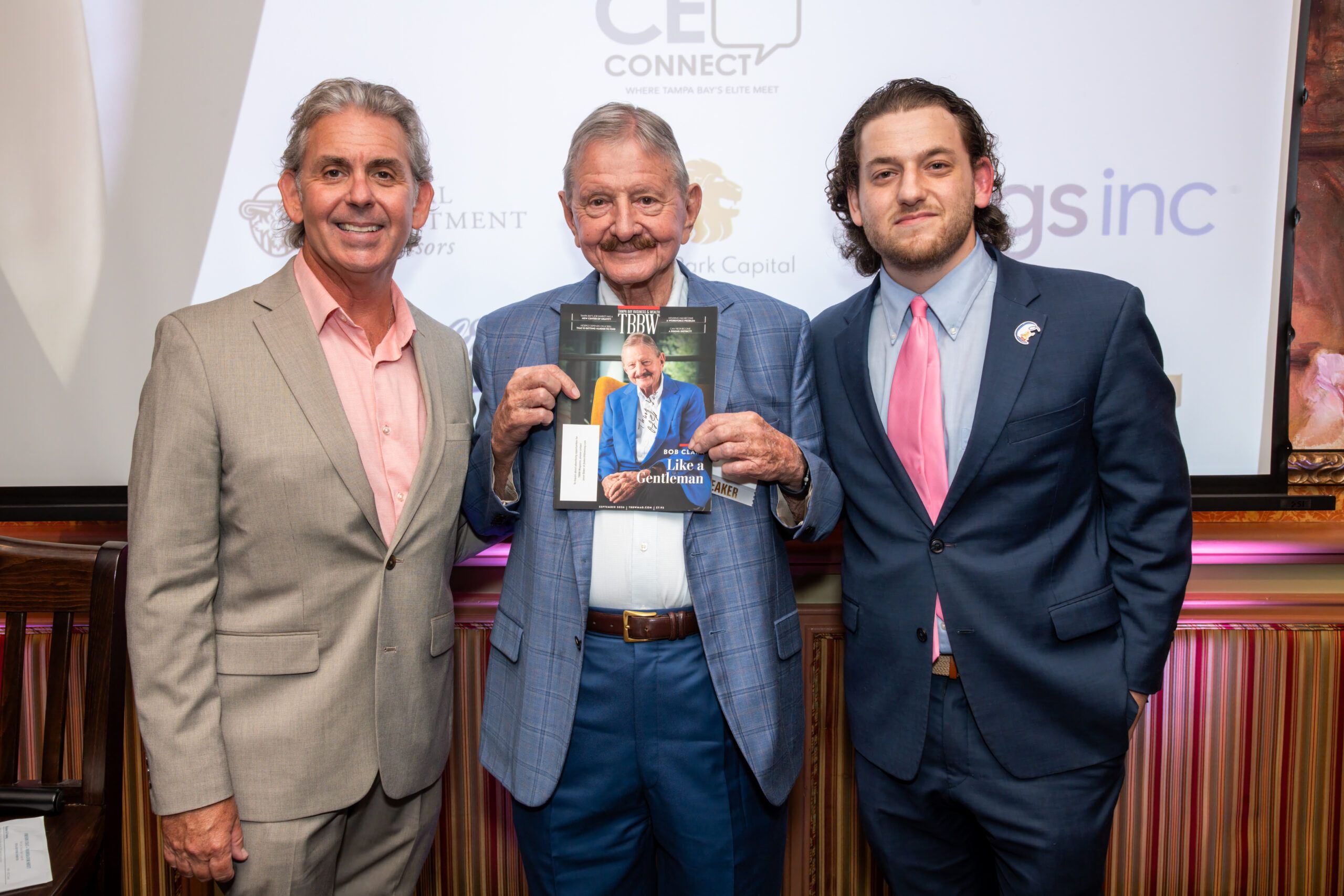
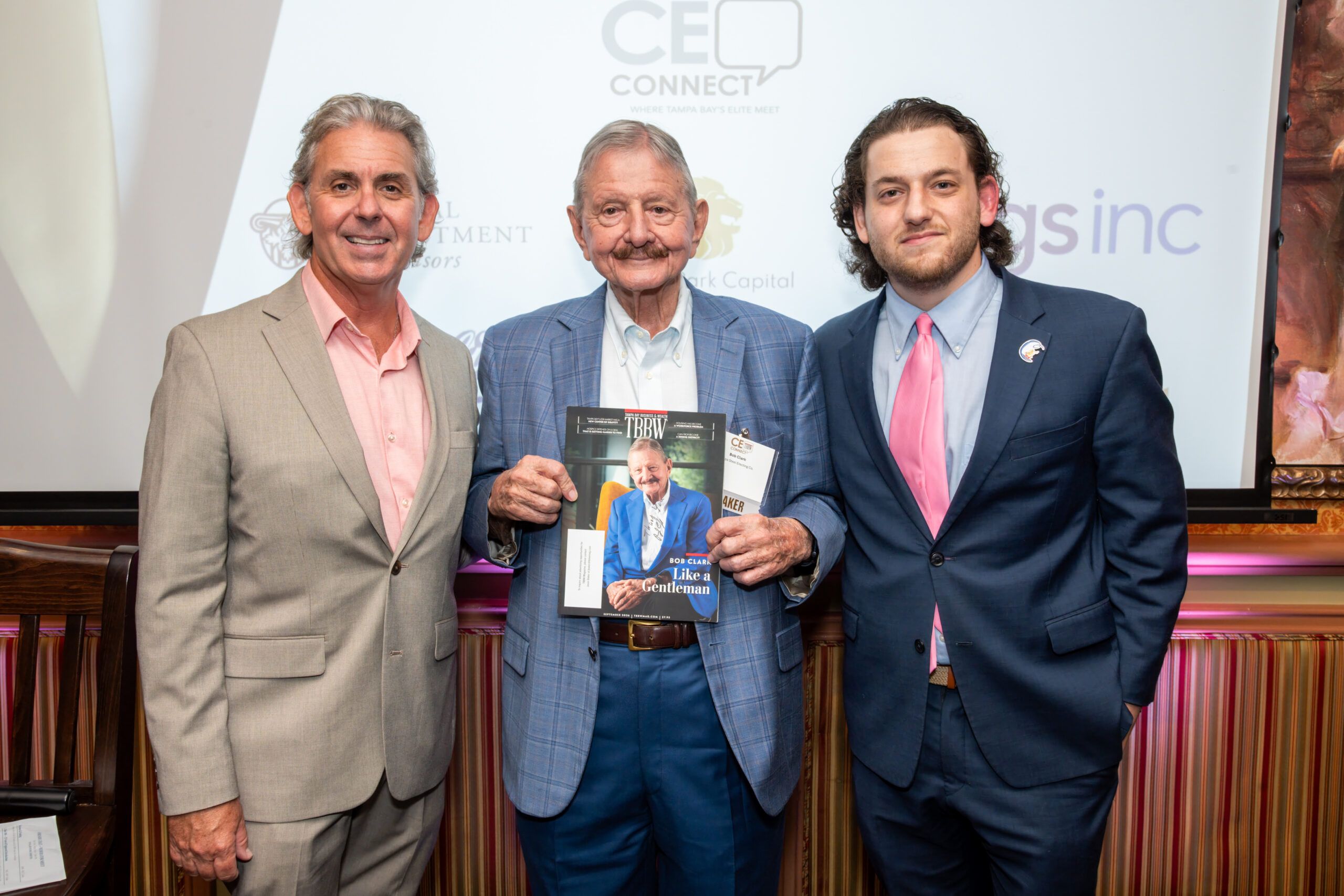
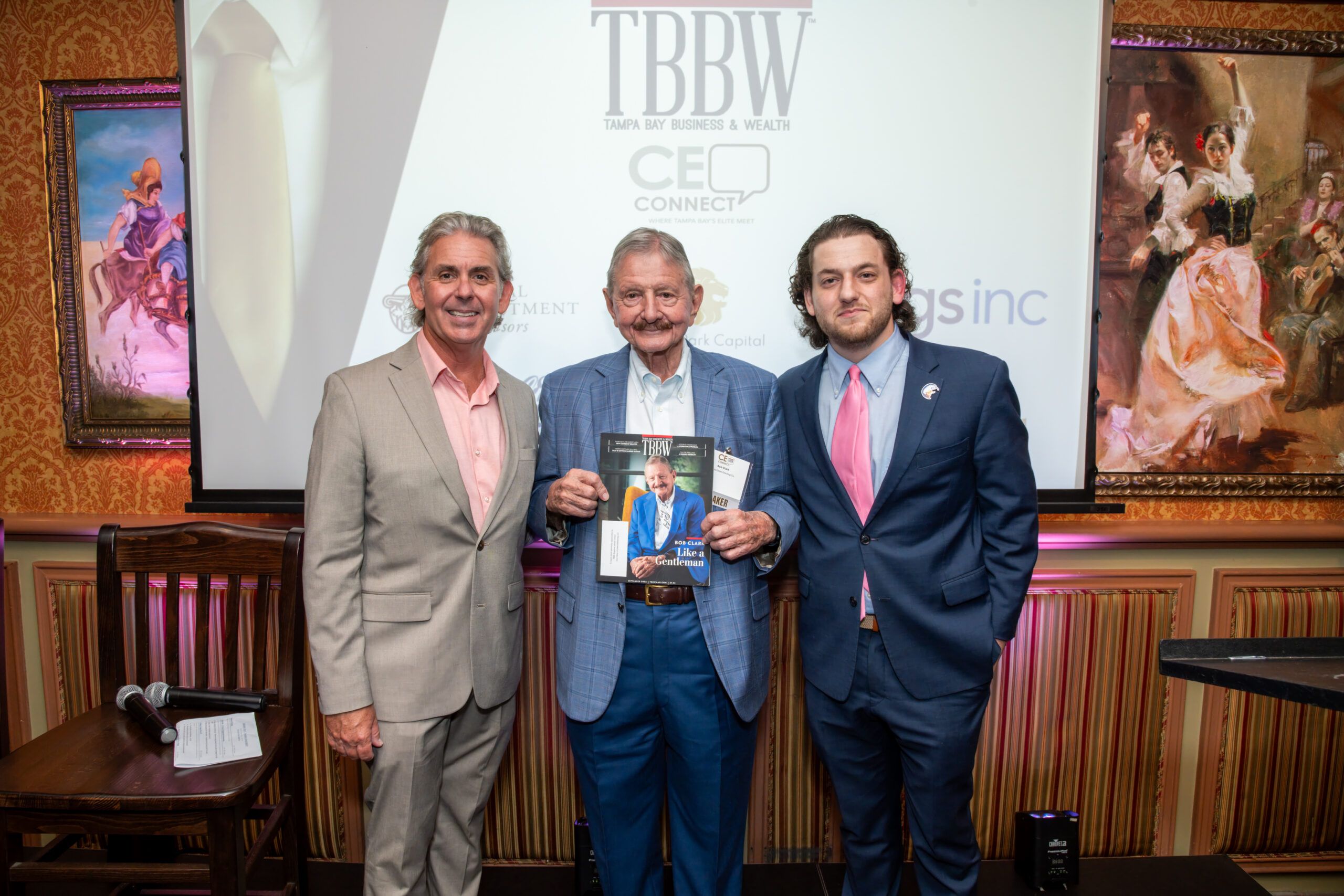
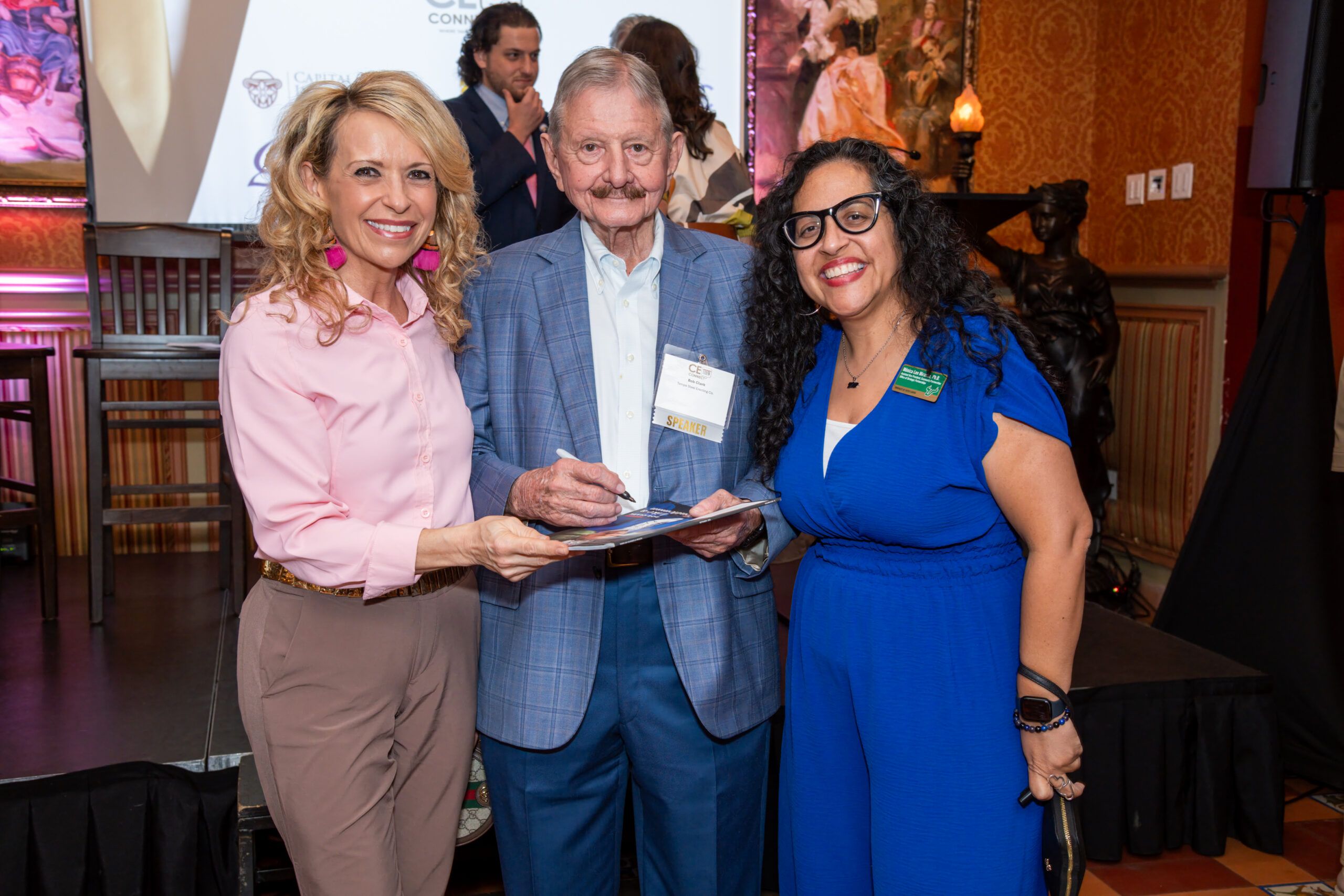
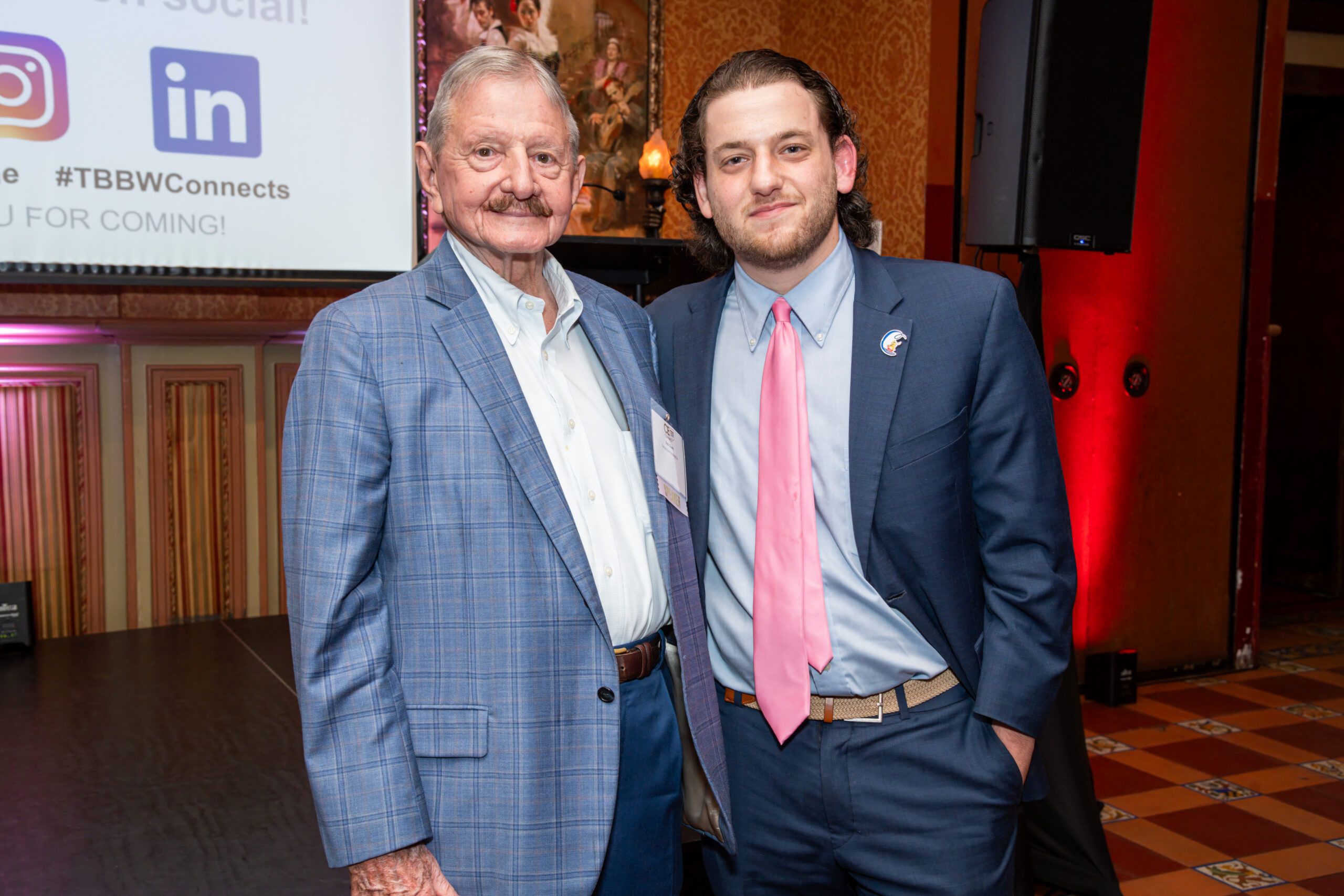
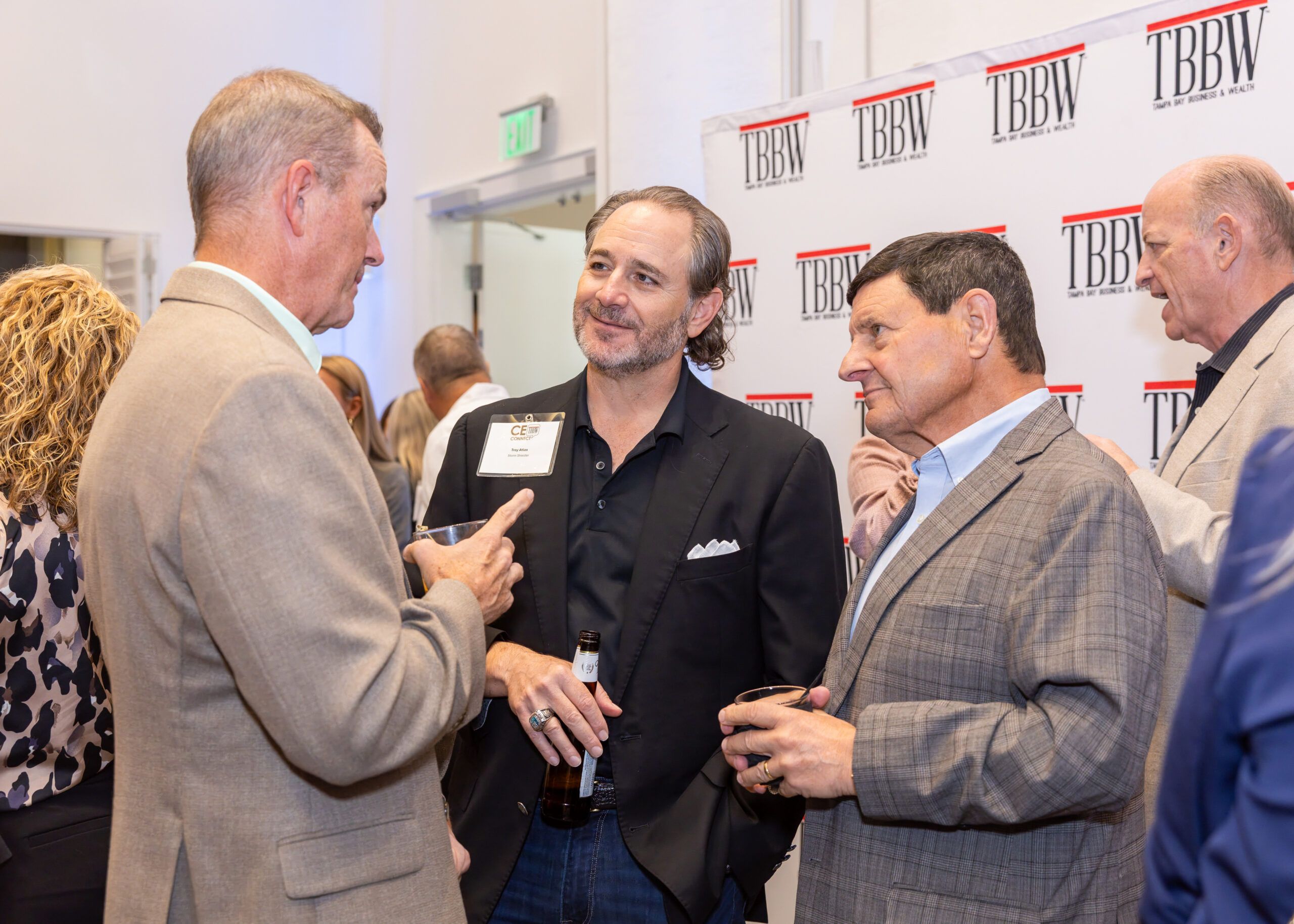
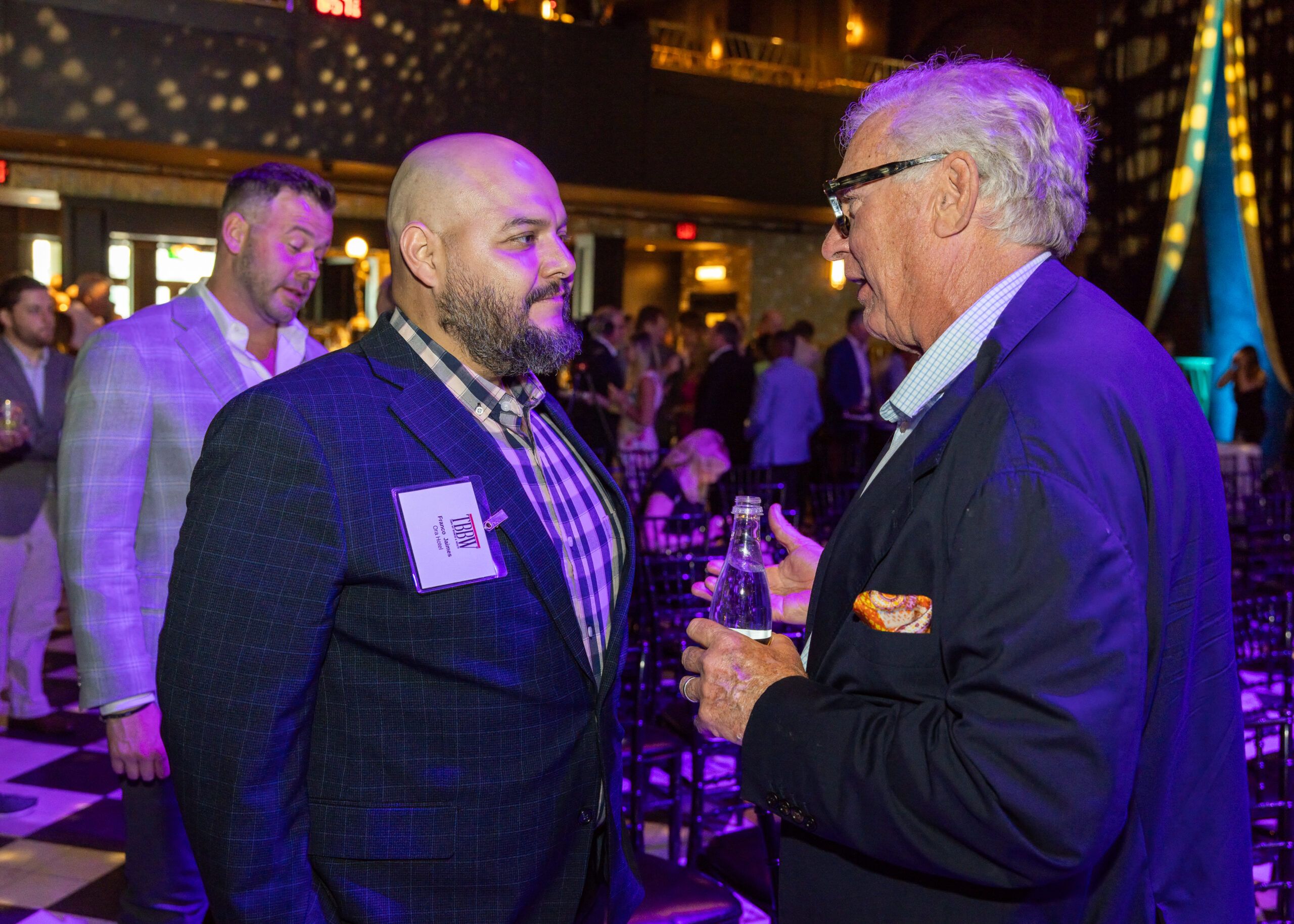
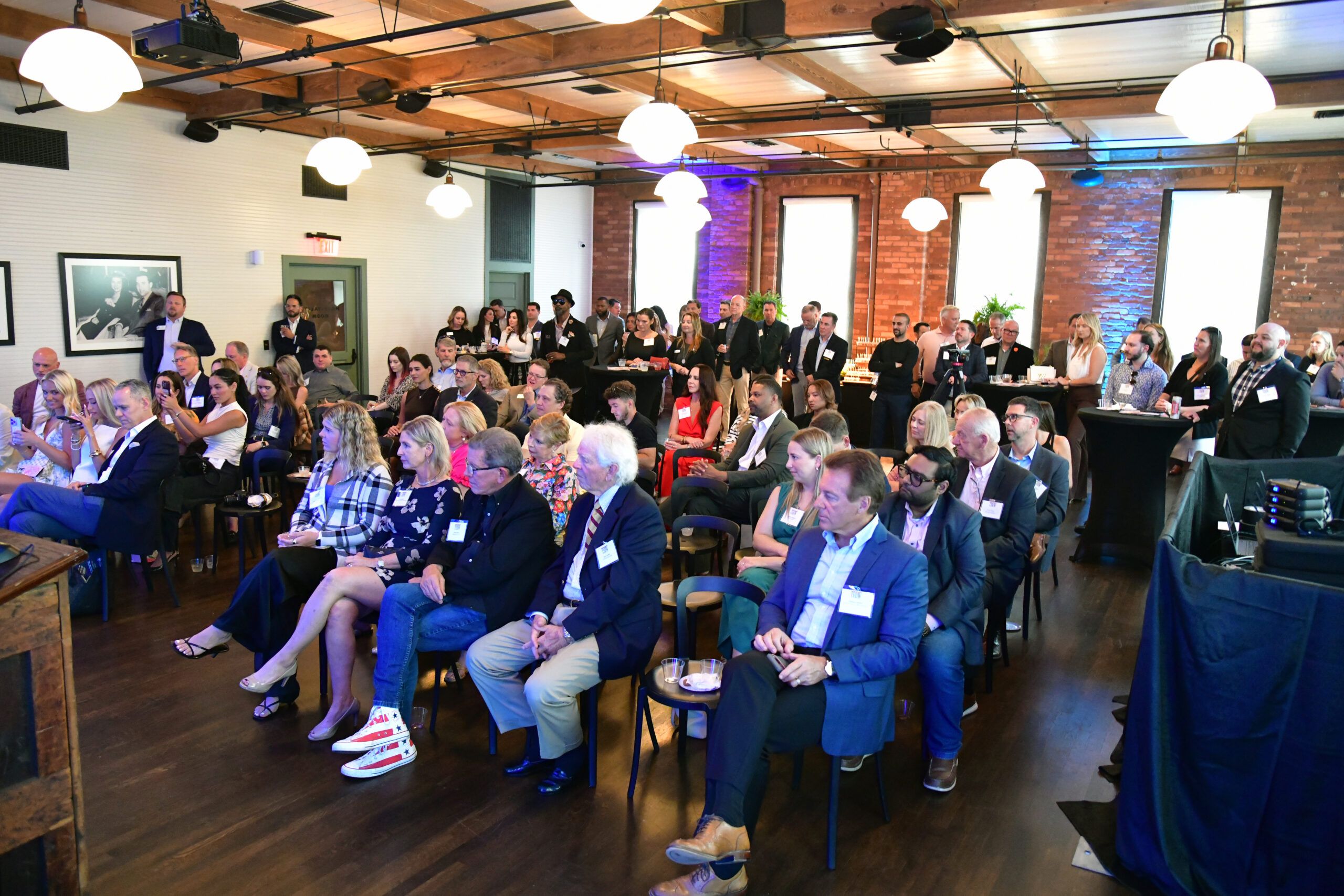
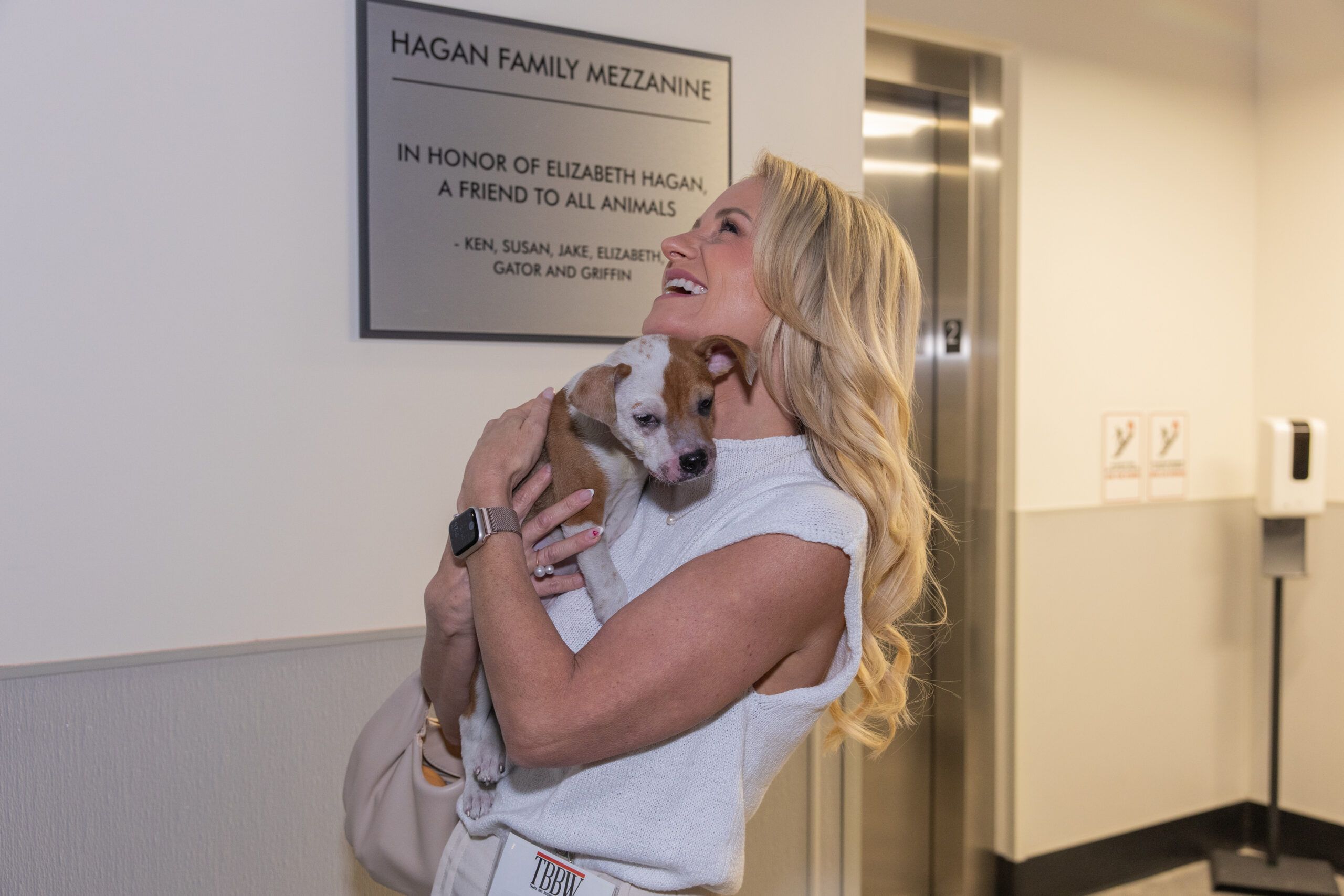
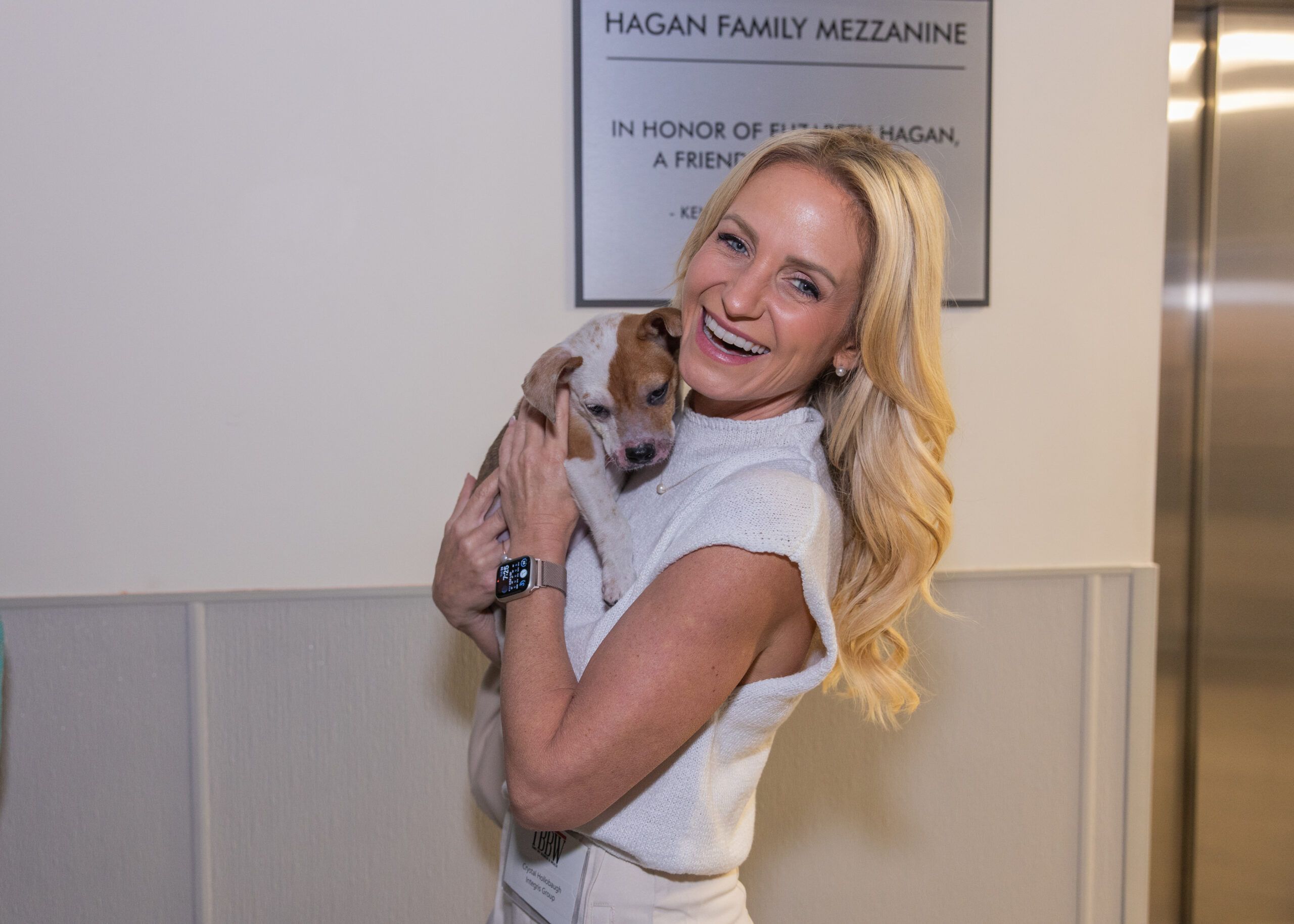
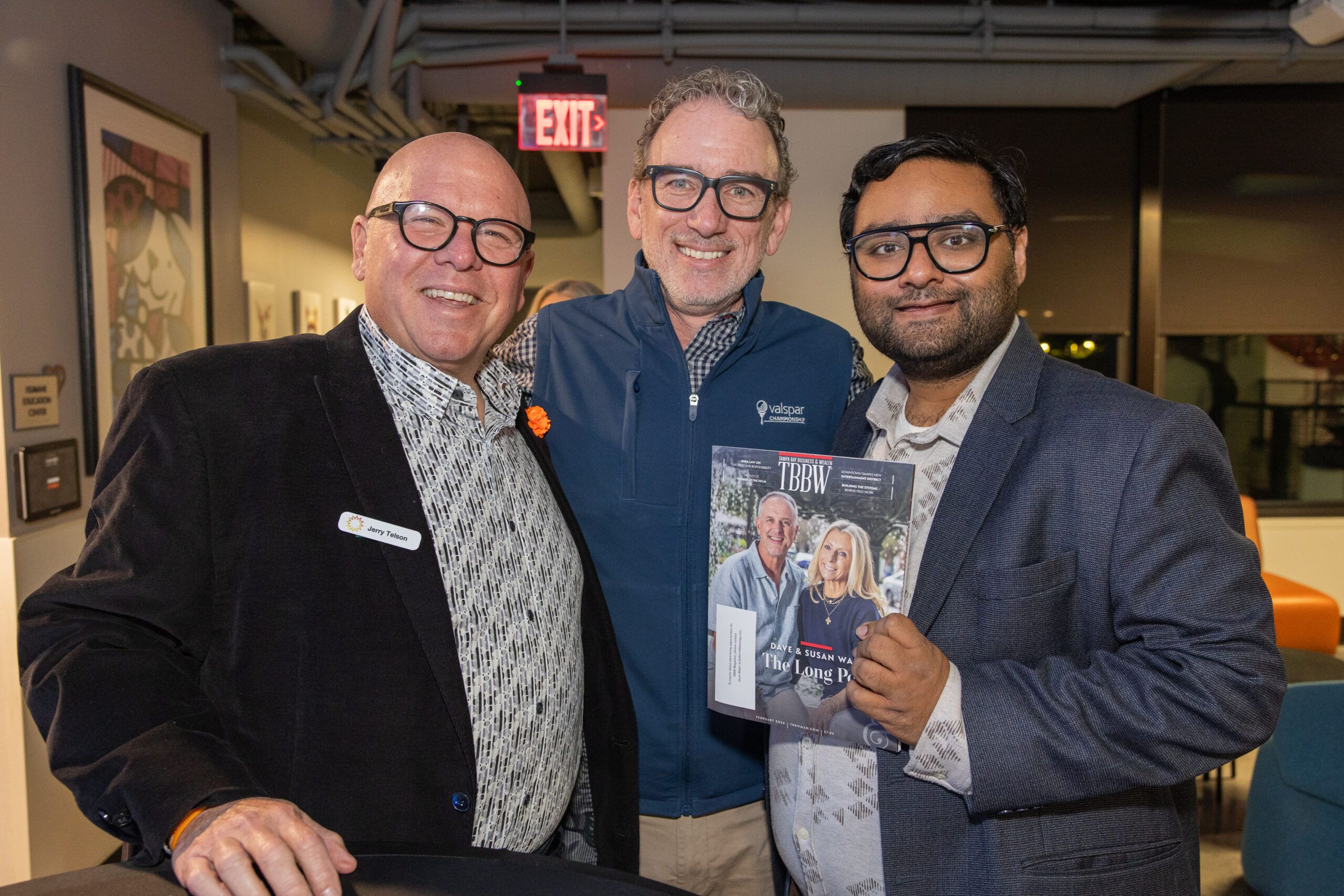
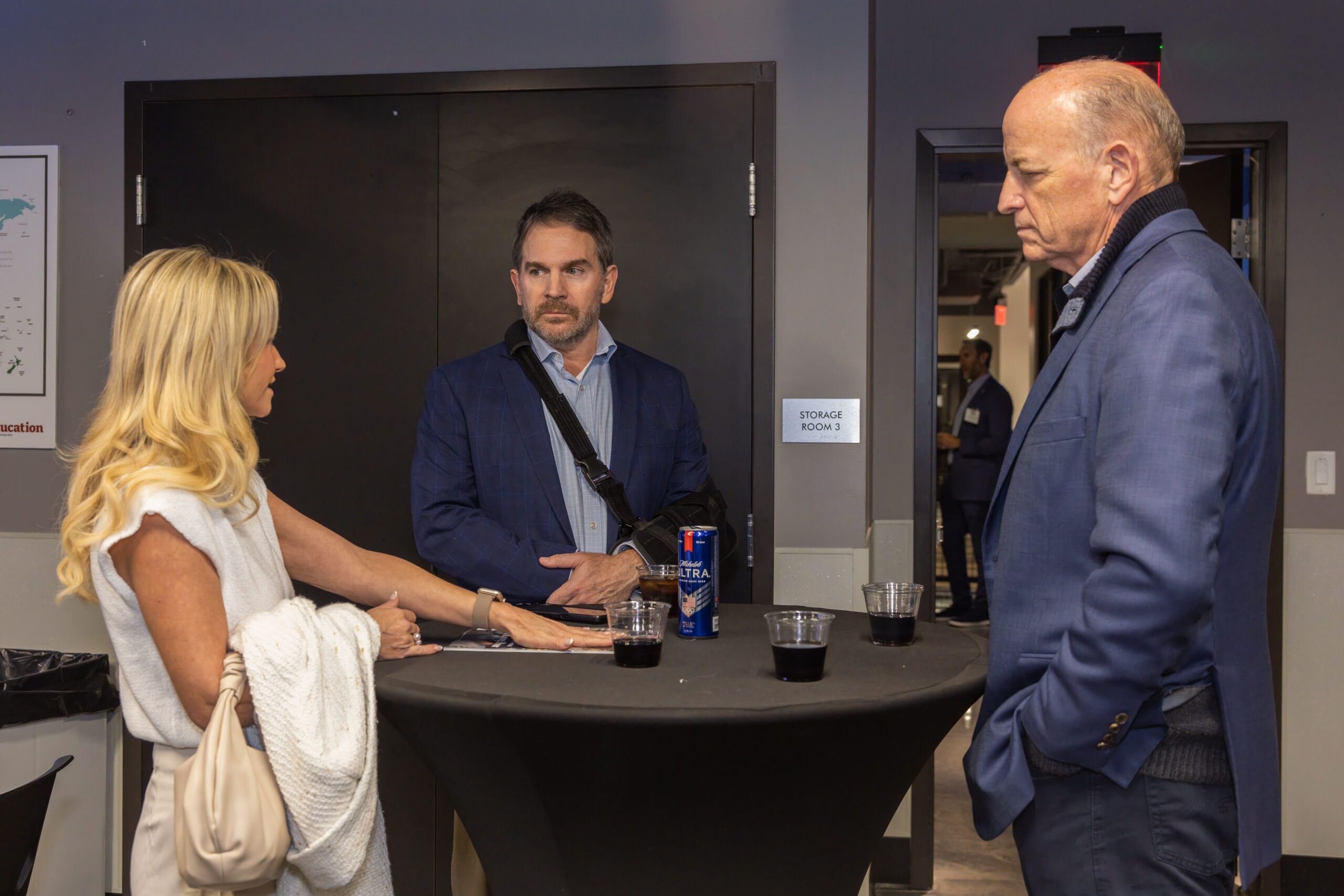
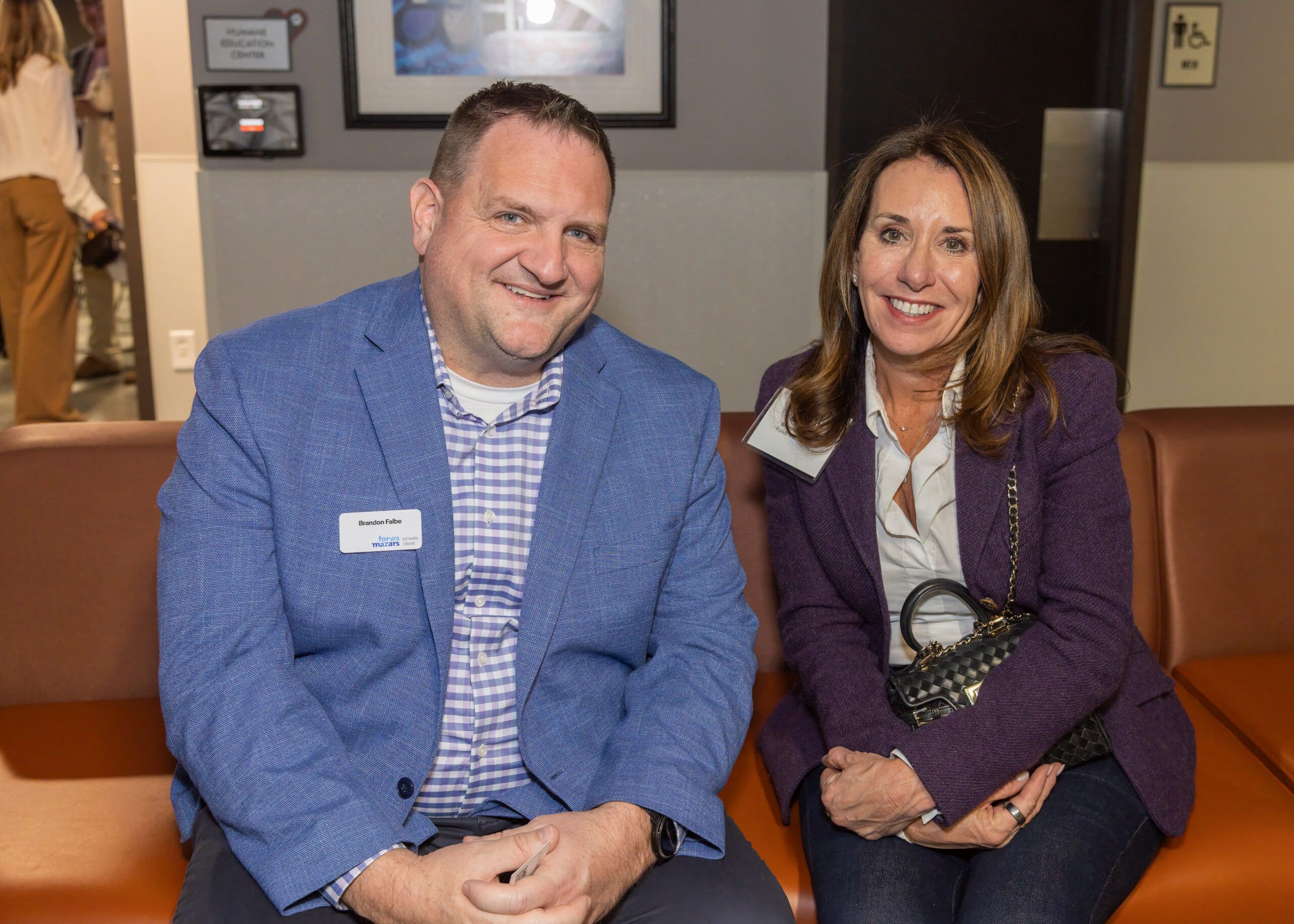
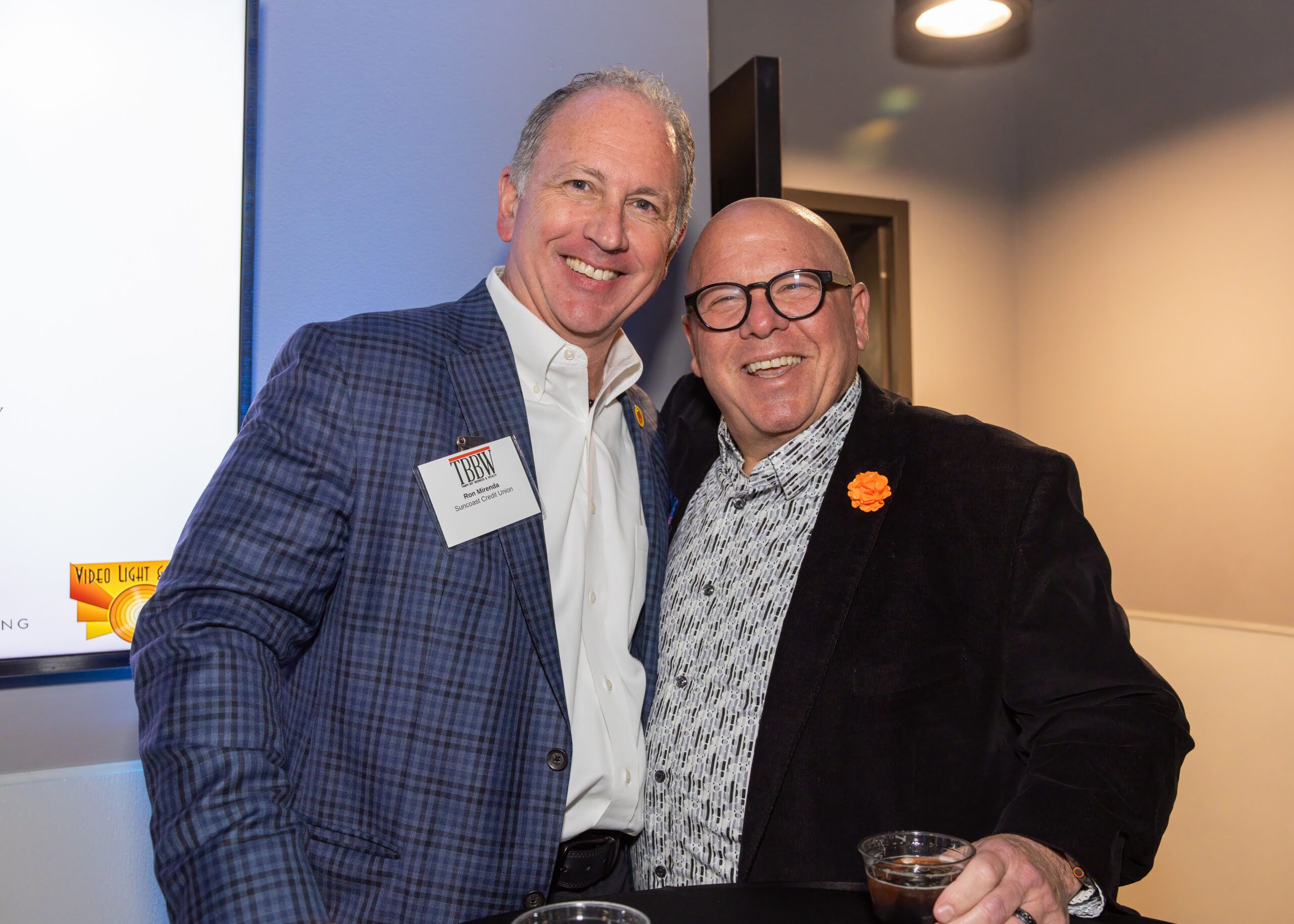
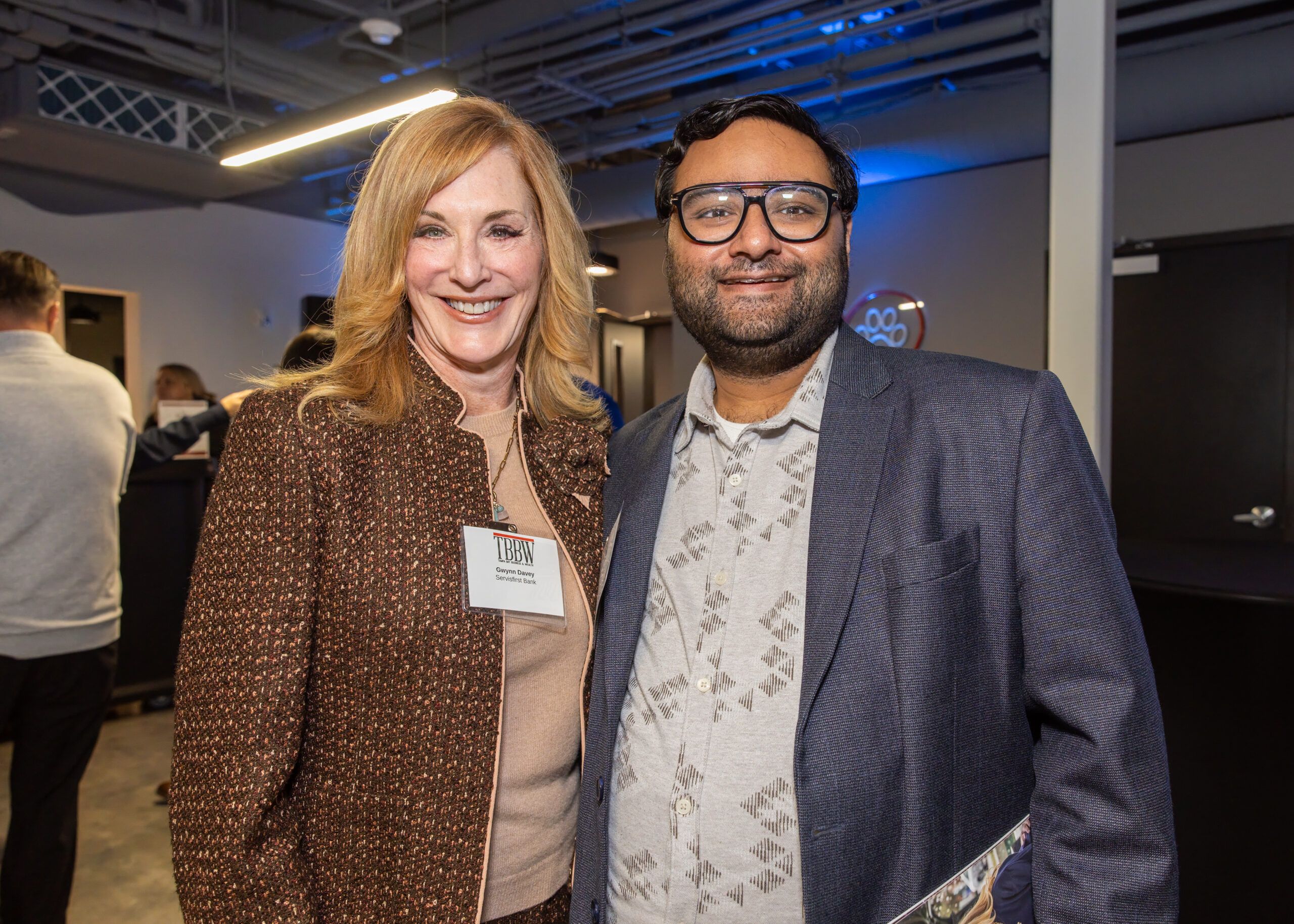
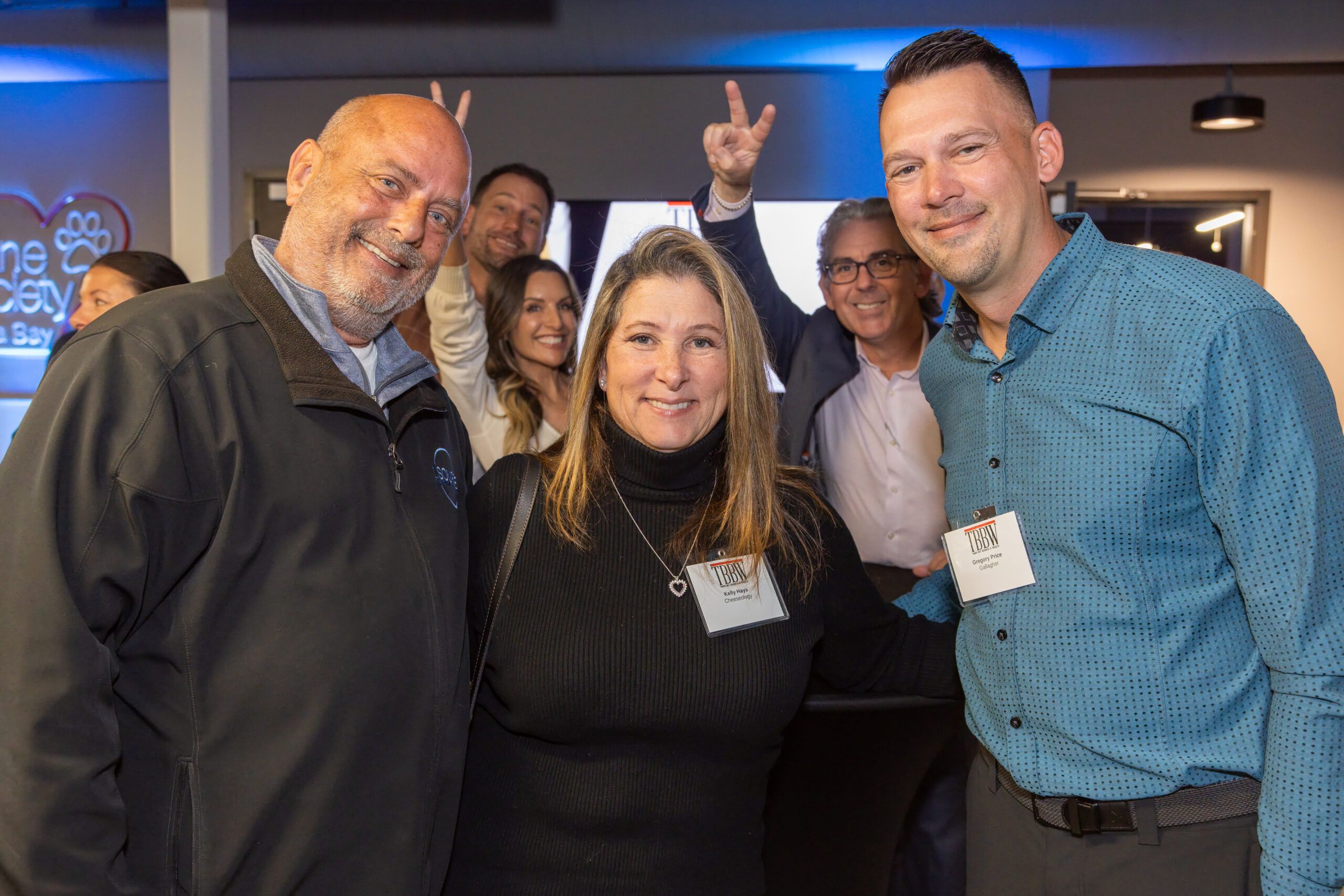
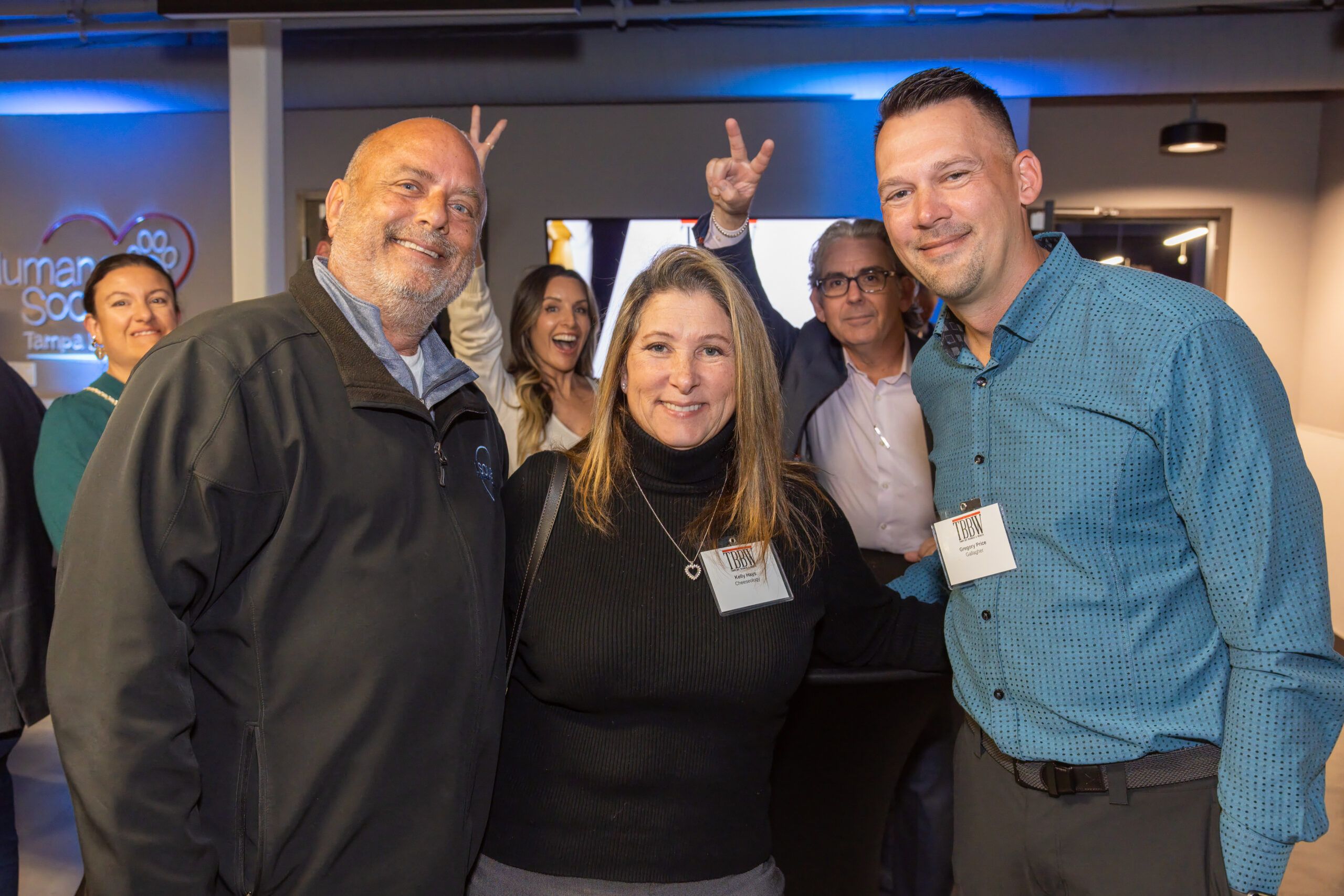
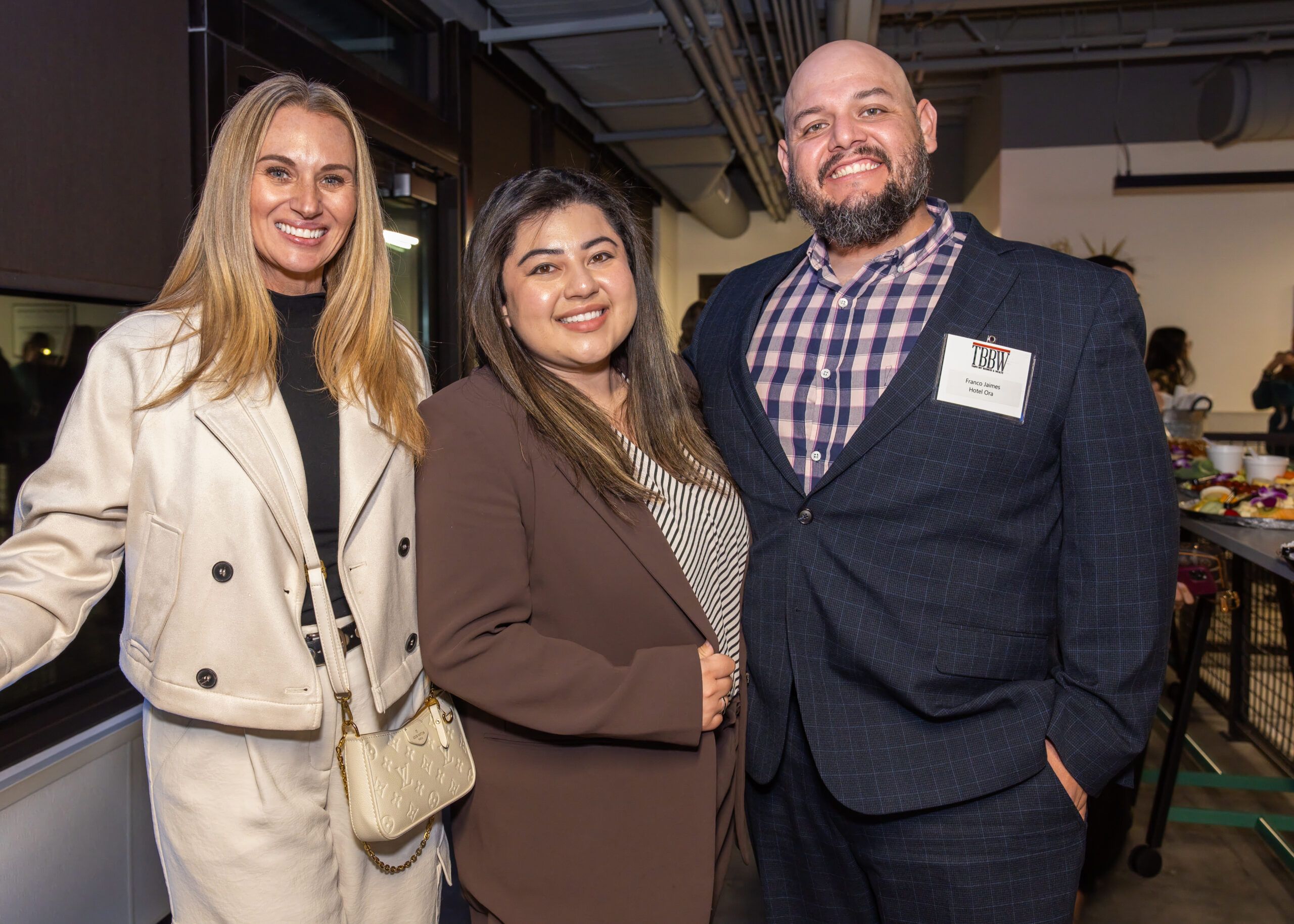
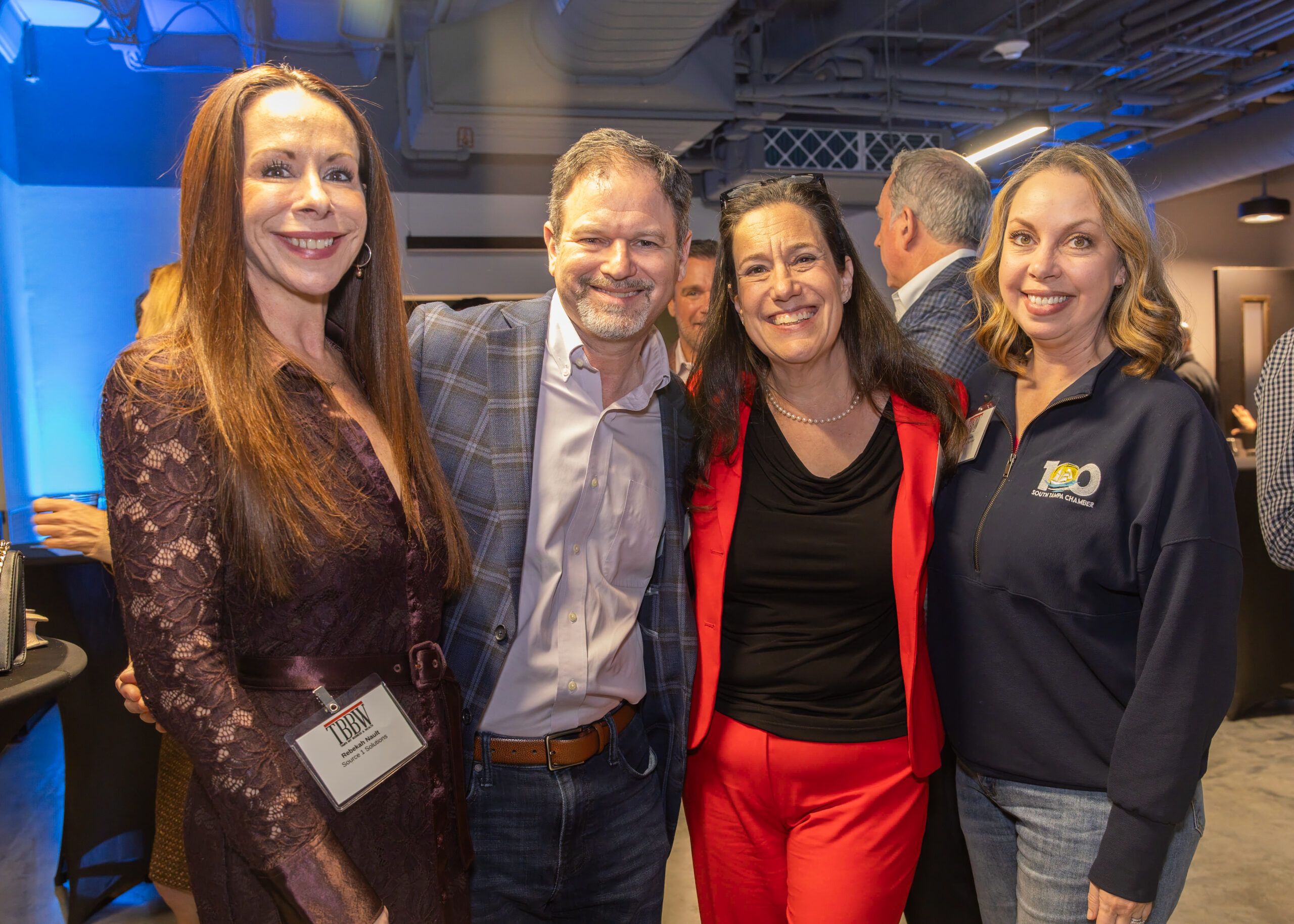
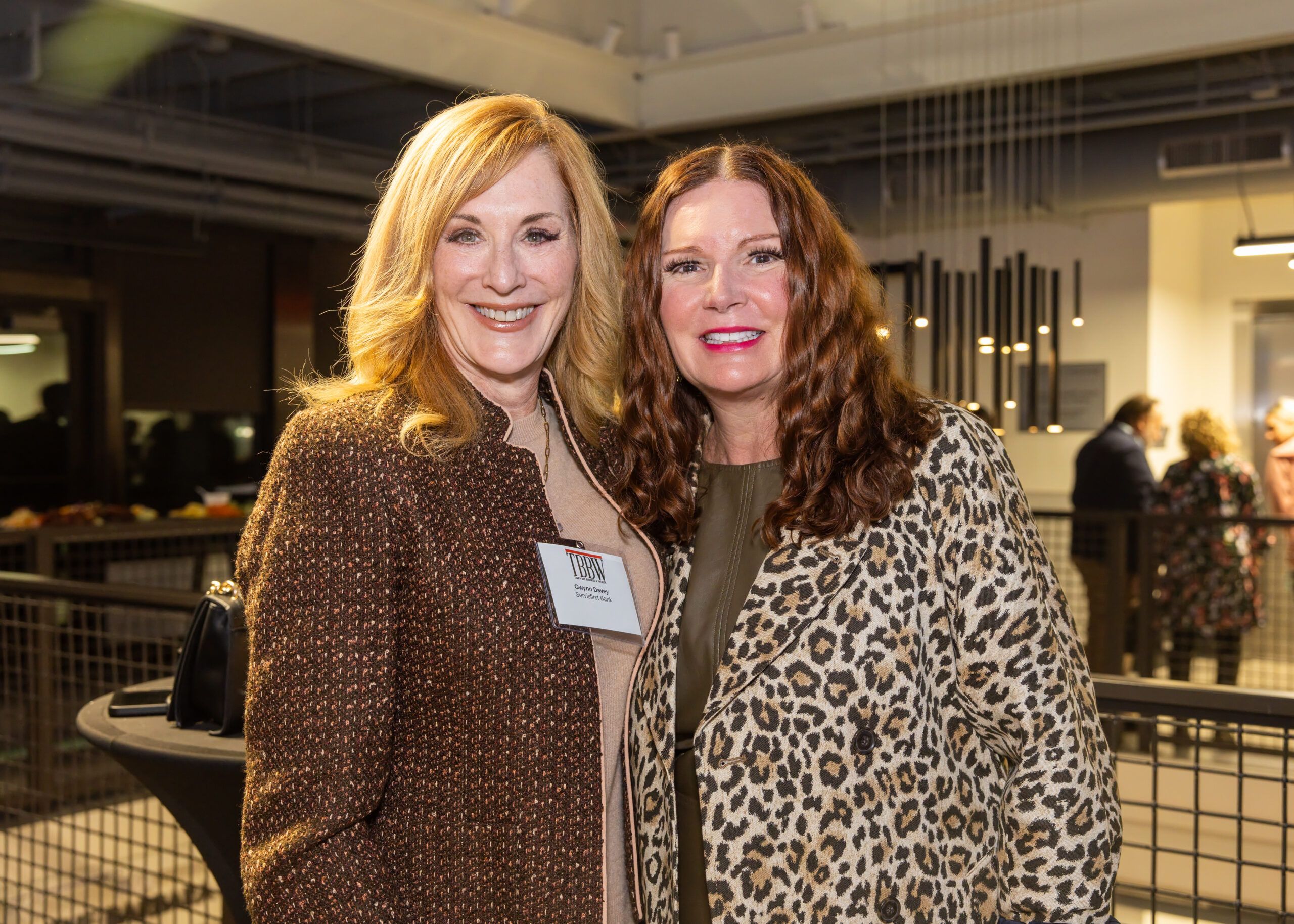
Photos from TBBW’s CEO Connect with Tampa Steel president Bob Clark at the Columbia Restaurant in Ybor City.
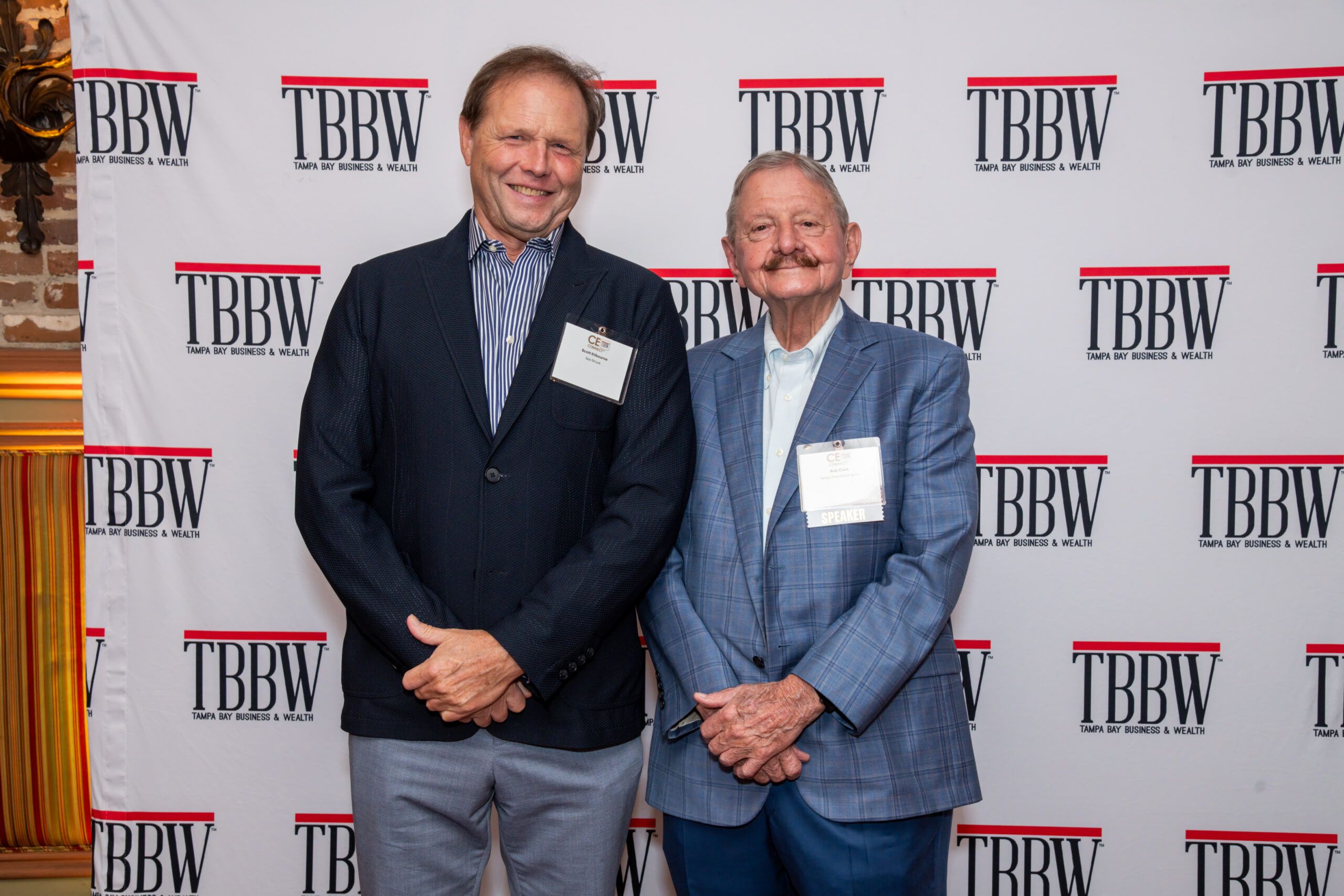
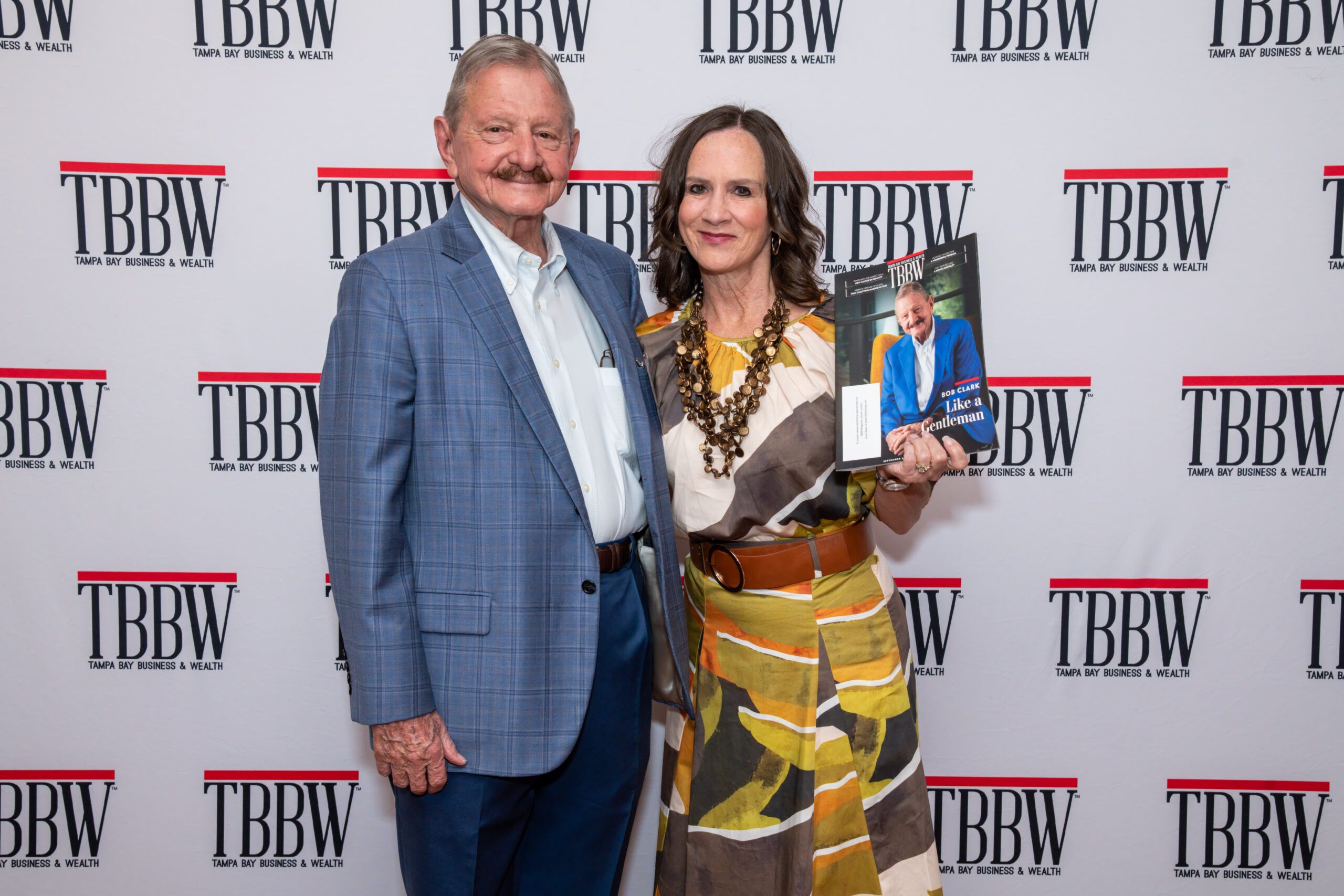
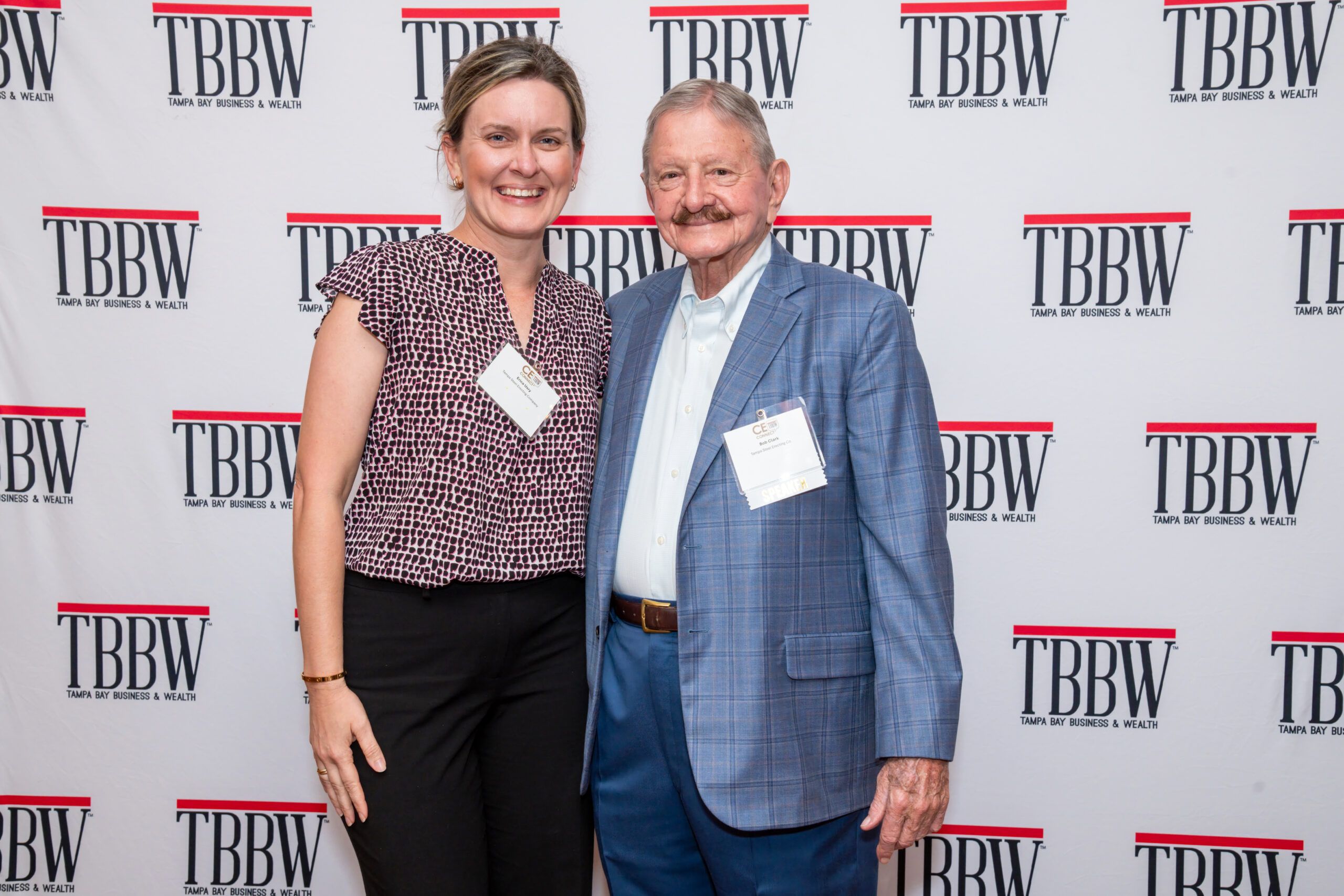
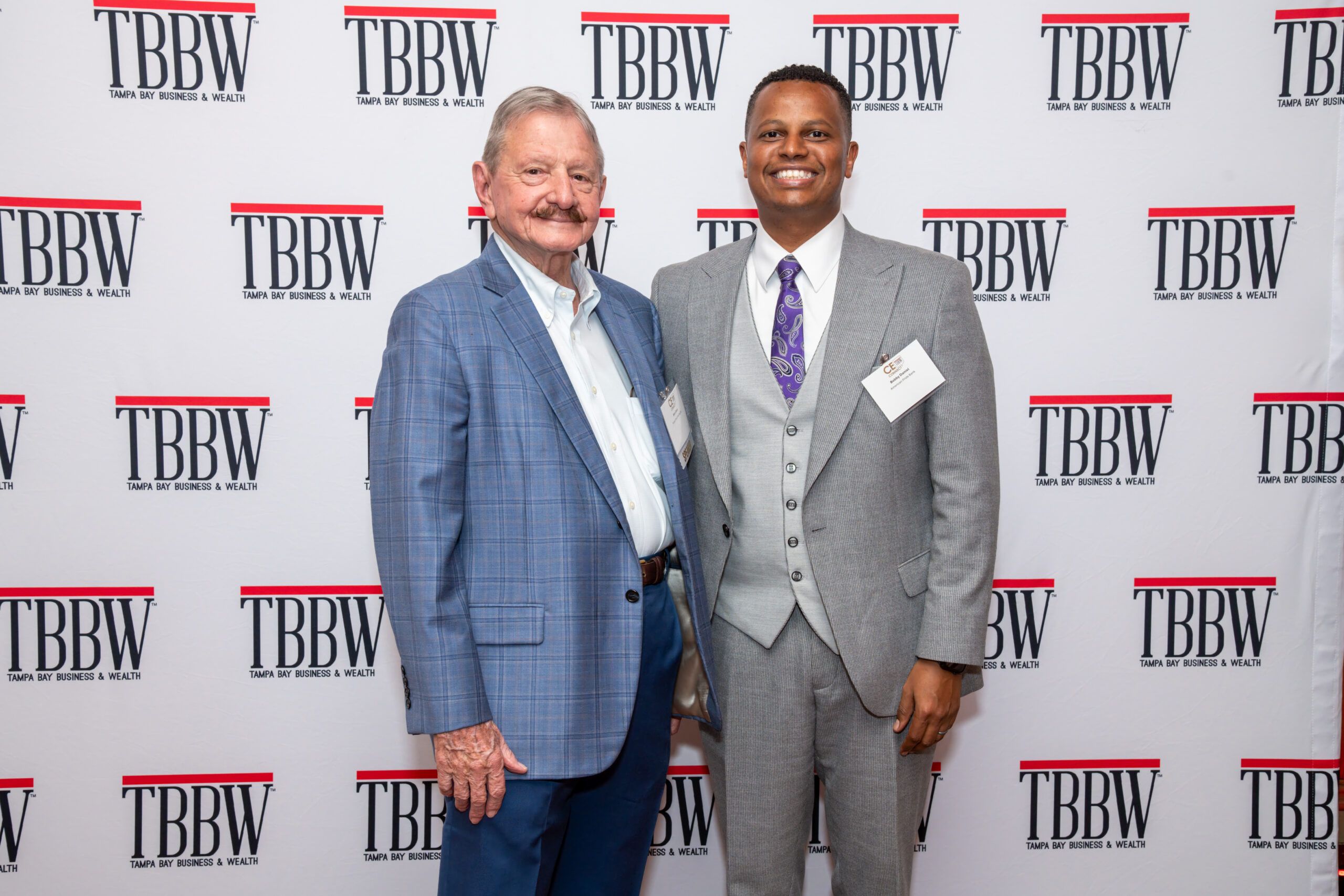
Show 30 more photos
Show 30 more photos
Show 30 more photos
Show 30 more photos
Show 30 more photos
Show 30 more photos
Show 6 more photos
Kal Gullapalli
Built Different Brands founder and CEO Kal Gullapalli discusses franchise investing, rapid expansion, real estate, artificial intelligence, risk and why he chose Tampa Bay as the base for a business generating more than $120 million in annual revenue.
Presented by
Kal Gullapalli on scale, risk and building Built Different Brands
Open a question to begin reading.
You realized early that you did not want to be a brand builder. Why did the “franchisee, not founder” philosophy matter?
My first business was a butcher shop on Long Island, and I realized I’m not that great of a brand person. I think in a very logical, black-and-white way. Going through the trials and tribulations of that first shop, I had to ask whether I wanted to spend five, 10 or 15 years figuring out how to build one brand into three, four, seven or 10 locations.
Later in my career, I found franchising and realized: this is it. The playbook already exists. I could focus on execution, operations and scale instead of trying to invent the brand itself.
How do you decide which brands are worth buying into?
When we first started, our first franchise was Orangetheory Fitness in Boston. A lot of the early decision-making was really math: if you deploy X amount of capital, how quickly are you going to get it back? Back then, our bogey was about four to five years.
Then the second question was whether the brand could last for the foreseeable future — whether it was Amazon-proof. If it passed those two tests, we moved into much deeper due diligence.
Today, the conversation is more sophisticated. We ask whether a concept complements the brands we already have and whether our team can execute it. We just added Mike’s Red Tacos, a San Diego-based birria taco concept, and those portfolio questions matter much more now than they did in the beginning.
What did growing European Wax Center teach you about scaling a franchise portfolio?
My wife and I bought four European Wax Center locations in Boston that were really poorly run. We turned them around relatively quickly, and that taught me a simple lesson: hire great people, incentivize them to do great things and sales and EBITDA tend to follow.
We followed that playbook fast. We added stores five, six and seven, brought in outside investment and grew to about a 50-location portfolio in three or four years.
You’ve been candid that Marco’s Pizza became the clearest example of growing too fast. What went wrong?
I love growing really fast. That’s why I call myself a cowboy. But you realize quickly that if you do not have the team to support that growth, too many acquisitions and too many openings overwhelm the people in the field. Then they cannot serve the guest the way they should.
The same thing happens to the balance sheet. If it gets stretched, you start making decisions for tomorrow instead of two years from now. The minute you start making decisions for tomorrow, you’re in a bad place.
You’ve said real estate is 80% of the game. How does site selection change from one brand to another?
Real estate is extraordinarily hard, and we are not experts. We have become much better than we used to be, but we still have to get it right from day one because we do not have an unlimited balance sheet.
For a concept like Mike’s Red Tacos, we might look at an end cap in a three-unit strip center, how nearby fast-casual operators perform and whether the customer we want is actually in that trade area. If a Cava nearby is doing 40% above its national average, that tells us something. If it is doing 40% below, that tells us something too.
The customer also changes by brand. Dave’s Hot Chicken skews more male. PopUp Bagels skews more female. We use location data to understand where customers go before and after they visit a store, then use that flow to decide where each concept belongs.
Why do end-cap and freestanding locations matter so much?
Florida is strip-mall heaven. If you have a big center with a restaurant on each end and 15 tenants in the middle, the businesses in the middle are generally harder to find. They can get lost in the shuffle.
An end cap is much more visible. Your eyeballs go there, so it functions almost like a walking billboard. A freestanding building can be even better. Everybody wants those locations.
Where is artificial intelligence already moving the needle for Built Different Brands?
We are a Claude business, with ChatGPT on the side. The biggest return we are seeing from Claude right now is in financial and legal review.
A typical lease negotiation through our legal firm might cost about $15,000. Claude is helping take that down to around $7,500, and I think over time it could fall much further. We may negotiate about 25 leases a year. Instead of paying lawyers to work through every issue from the beginning, we can upload the LOI and lease draft, generate an issues list and send the lawyer a much more focused assignment.
I think in a year Claude is going to be doing a lot of what the lawyer does today.
Where don’t you trust AI yet?
It still hallucinates. When we use it for real estate analysis, it can also be too bullish, which is not necessarily good for me because I am already very optimistic. Sometimes it can reinforce what you already want to believe.
I do not believe all of humanity is losing its jobs, but I do think certain professions are going to change dramatically. I tell our team to embrace it now because the people who do are going to become two or three times as capable as they are today.
You’ve spoken publicly about a serious gambling problem in your 20s. What finally made you stop?
I lived in Manhattan from about 2004 to 2011. After work in investment banking and then at a hedge fund, I would go to underground poker games. That grew into sports gambling, one-on-one blackjack, craps, online poker and trips to Atlantic City and Las Vegas. Anytime I could get a fix and I was not working, I was at a casino or somewhere else gambling.
Eventually there was a reckoning. A man named Giovanni Buscemi called my dad at his hospital in Indiana looking for me. My dad called me that day and said Giovanni was looking for me. Everything came out. I was 28 years old and had to tell my parents what was happening.
My mom told me, ‘You’re not marrying Cristina unless you stop.’ That is what made me stop.
Was it really possible to just stop?
It was hard. Addiction is addiction, and you always think about it. I have known people dealing with painkillers, heroin and alcohol, and that struggle can be constant.
For me, business eventually became a replacement. I still take an extraordinary amount of risk — probably too much at times — but now it is much more calculated. I have a board of advisers, we have always had a CFO and we put systems and processes around me to keep me in check.
Why did you choose Tampa Bay for your family and the business?
We knew we wanted to be in the Southeast, and both of our parents live in Orlando. With young kids, being within driving distance gave us a great support system. Tampa also felt more like our vibe than the East Coast, especially because we are both from the Midwest.
From a business perspective, Tampa is one of the best, if not the best, regions in the country. There is so much growth, development and infrastructure, and it is a very business-friendly environment.
What surprised me most was the community. In my first CEO Council group, people were immediately saying, ‘Come to my club’ or ‘Come to my house.’ I had never seen that kind of cohesion in New York or Boston. Tampa has a welcoming, Midwestern quality to it. People look for reasons to say yes instead of reasons to say no.
What do you see in Tampa Bay that can help Built Different Brands reach $500 million in revenue?
The region gives us growth, development, infrastructure and a business environment that supports expansion. Our ambitions go well beyond Tampa Bay, but this is where we have put down roots and where we are building the corporate base for the next phase.
The one negative is that a lot of people leave in the summer, and we can see the business slowdown. Other than that, it is a phenomenal environment for what we are trying to build.
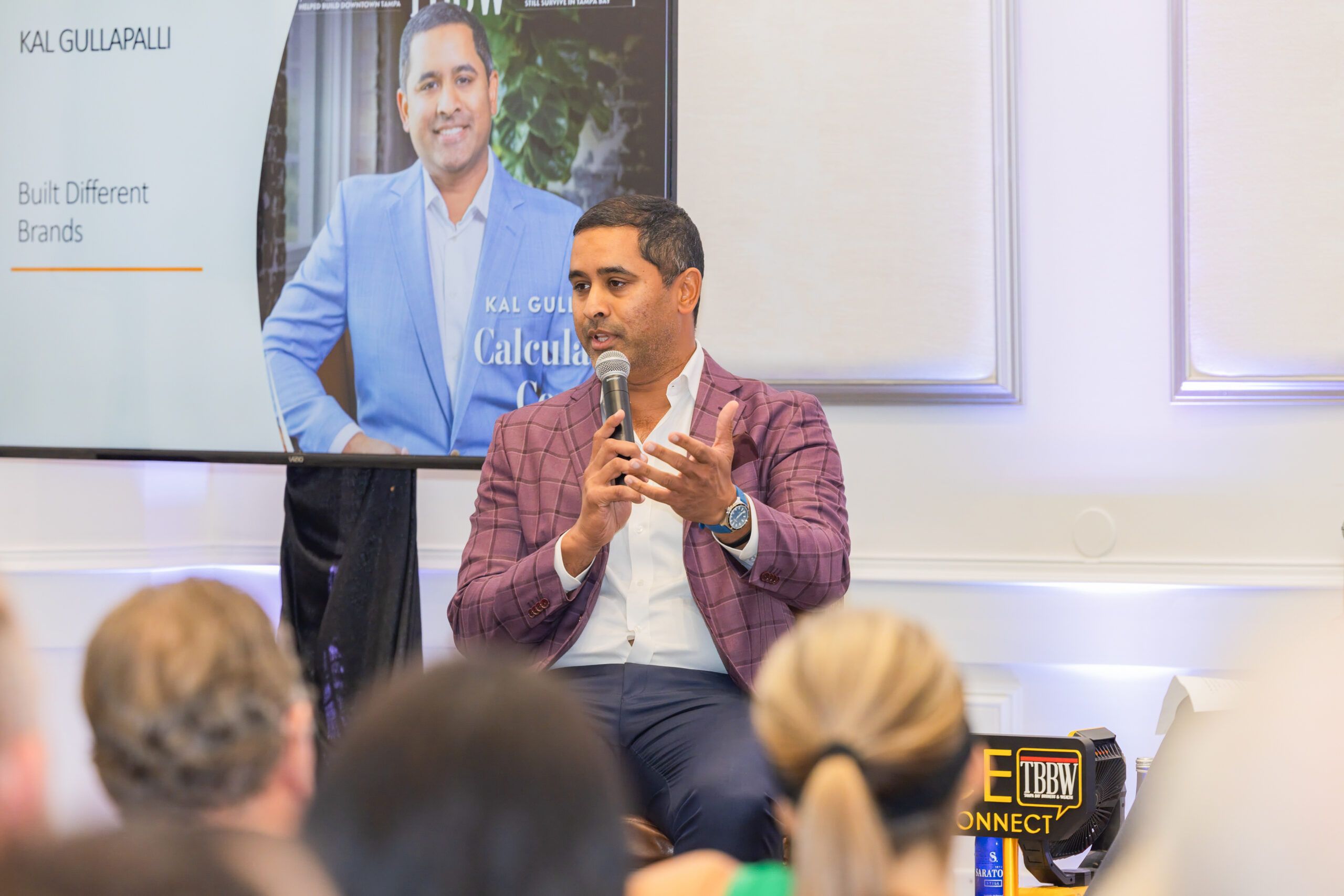
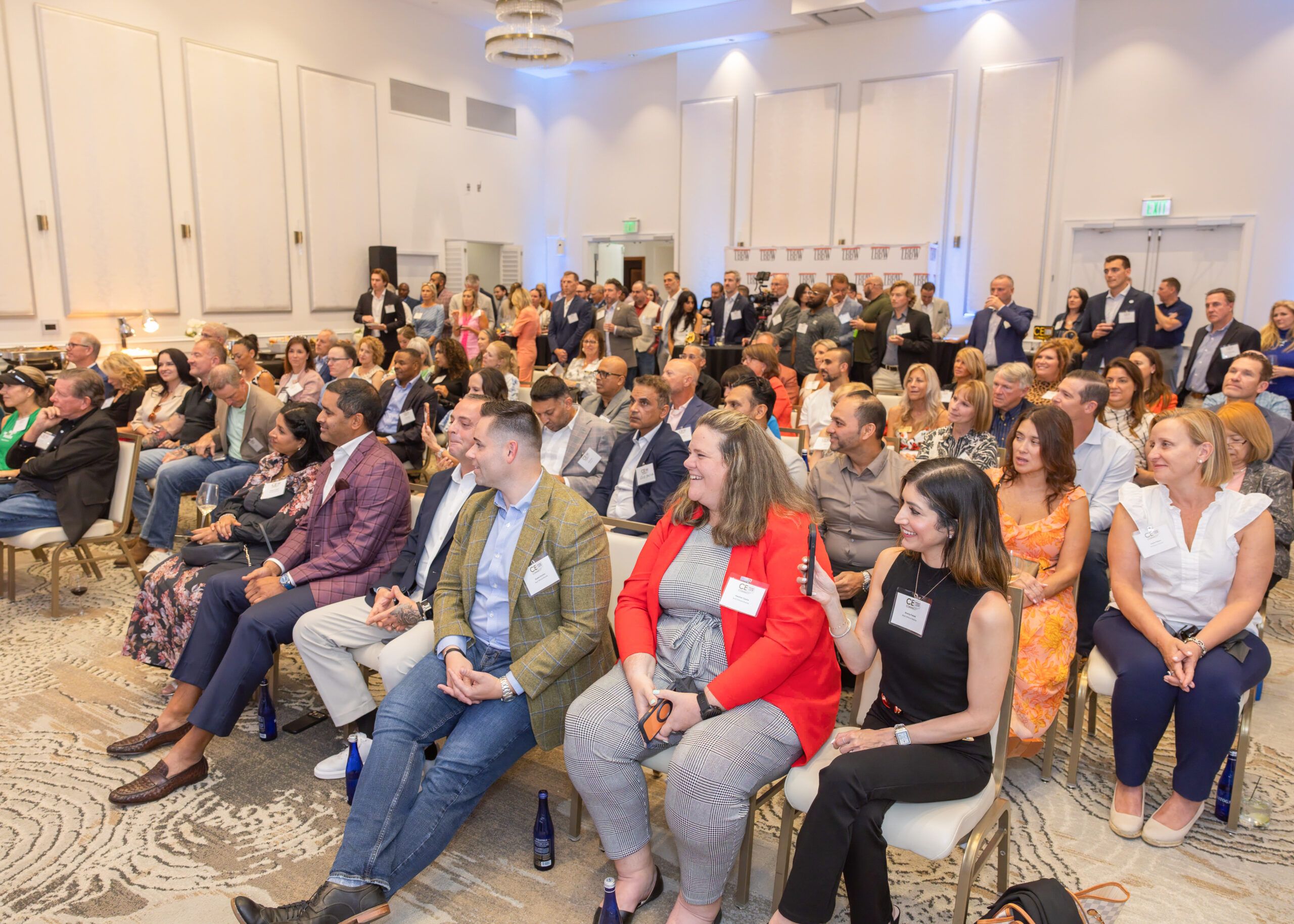
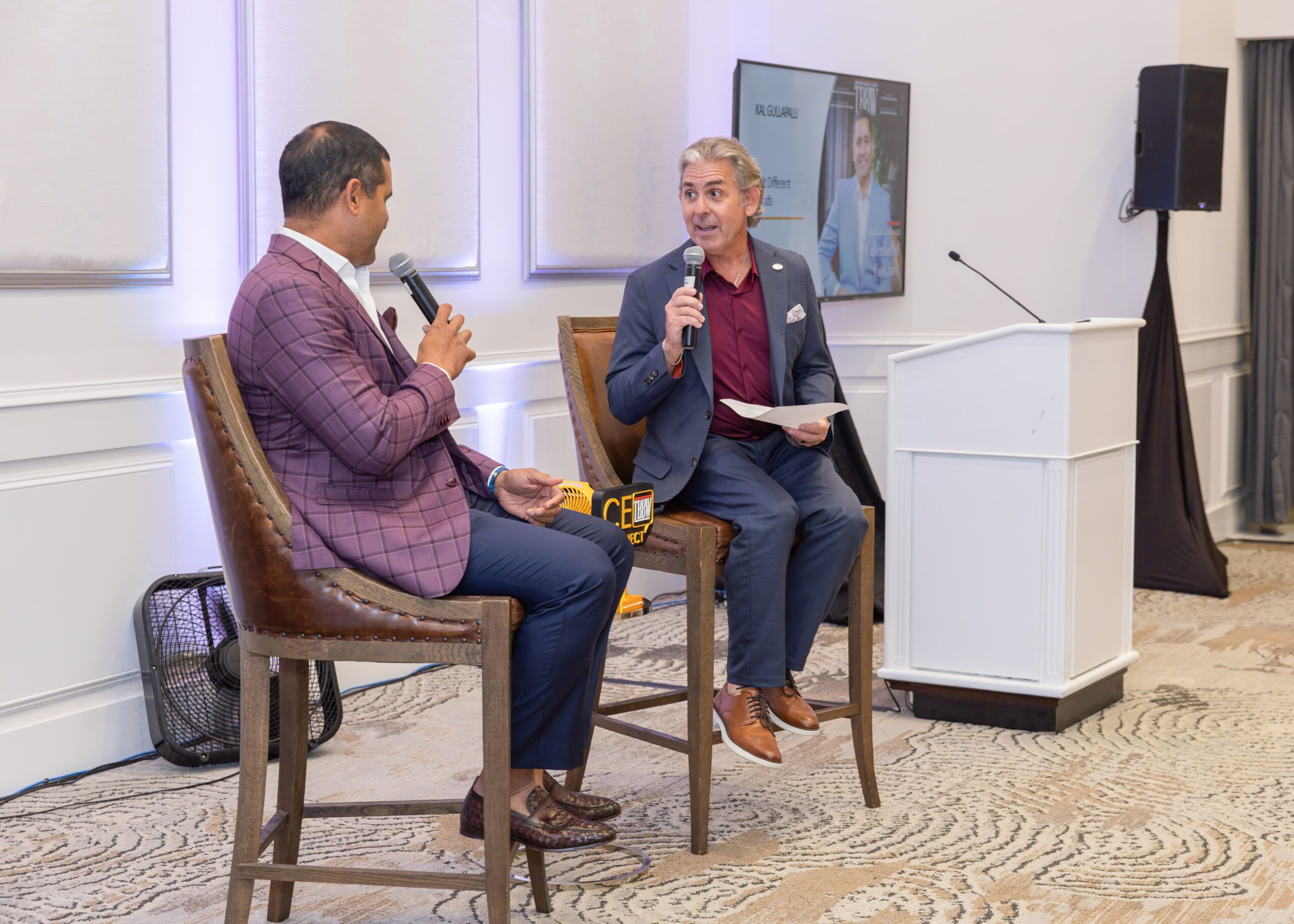
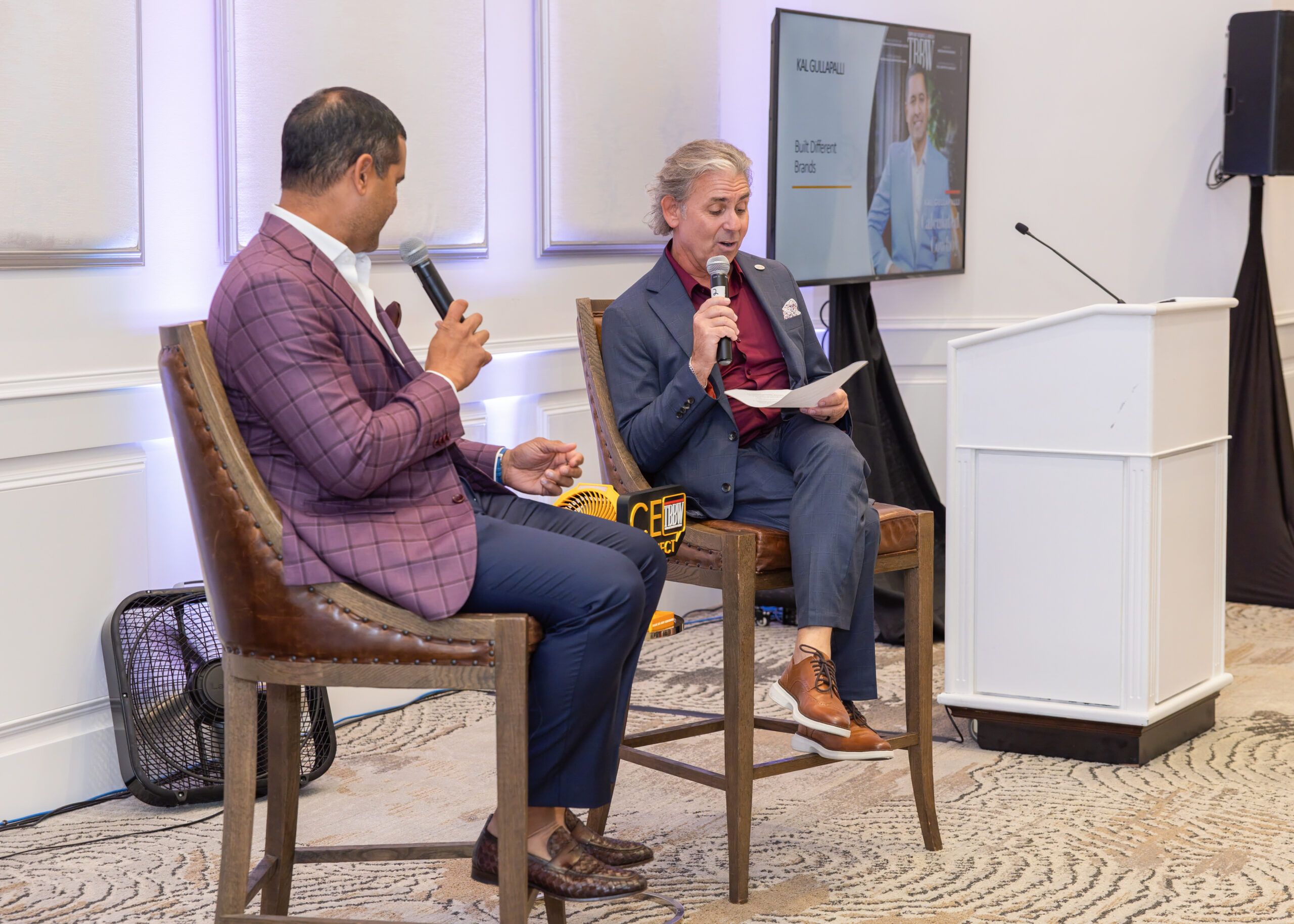
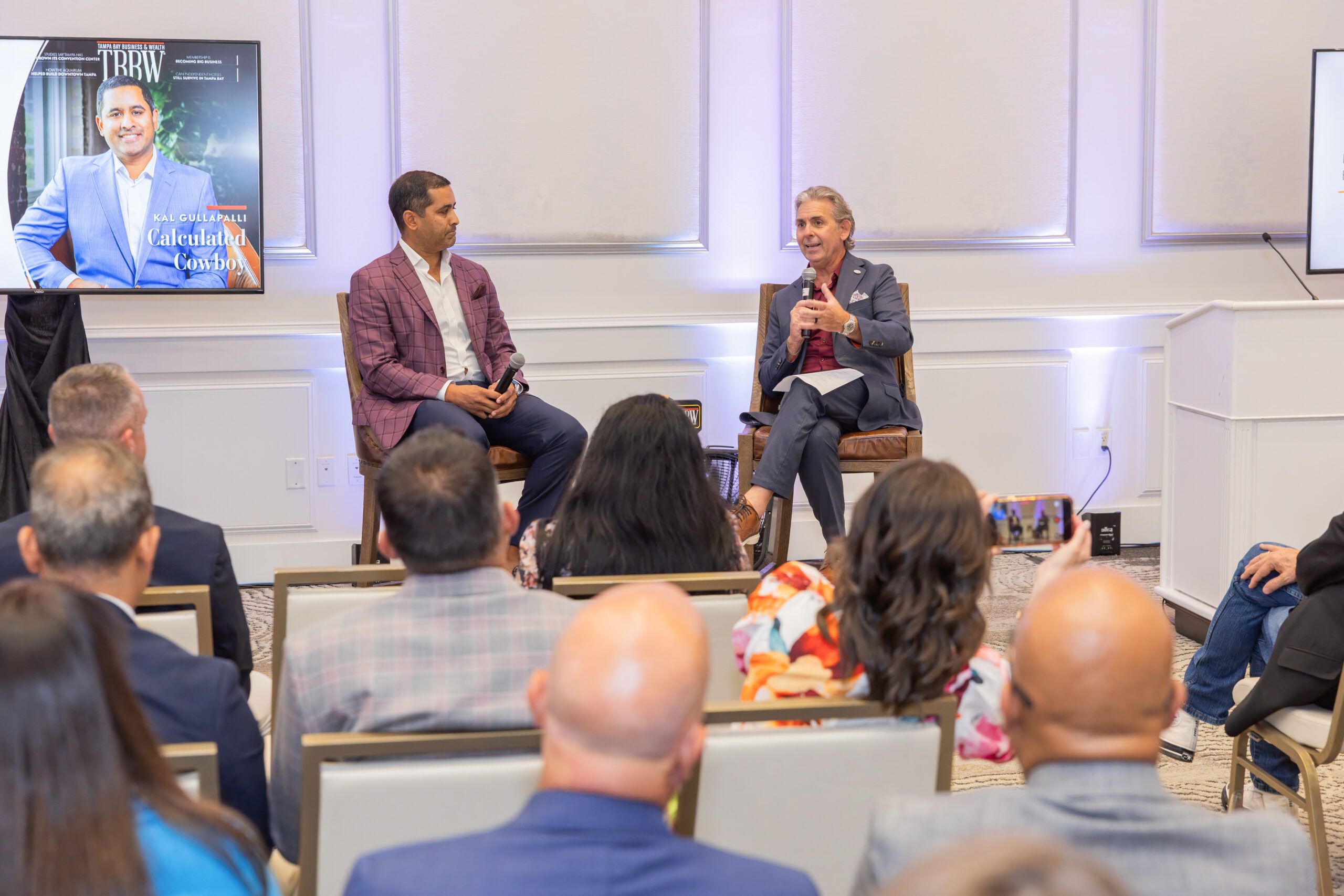
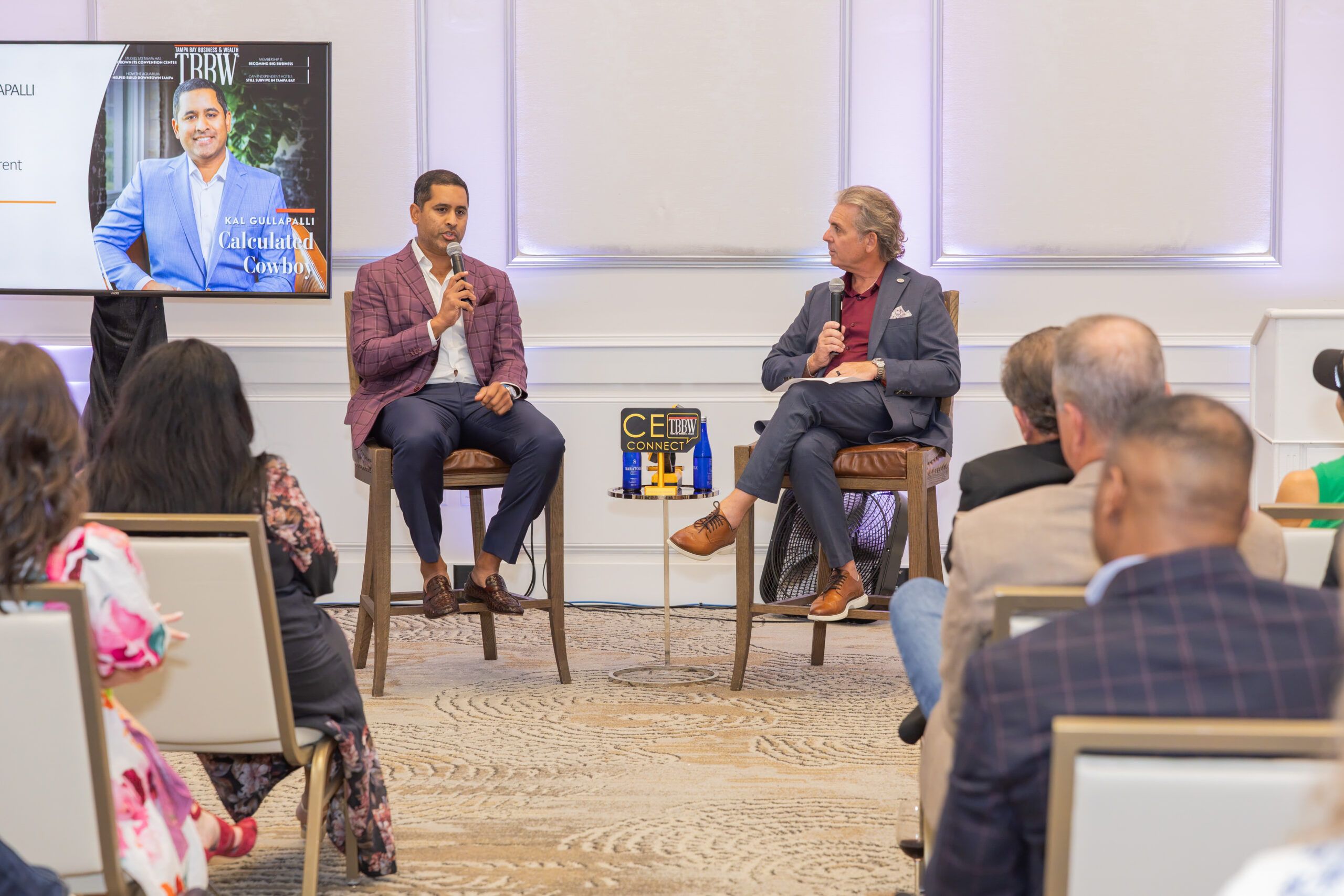
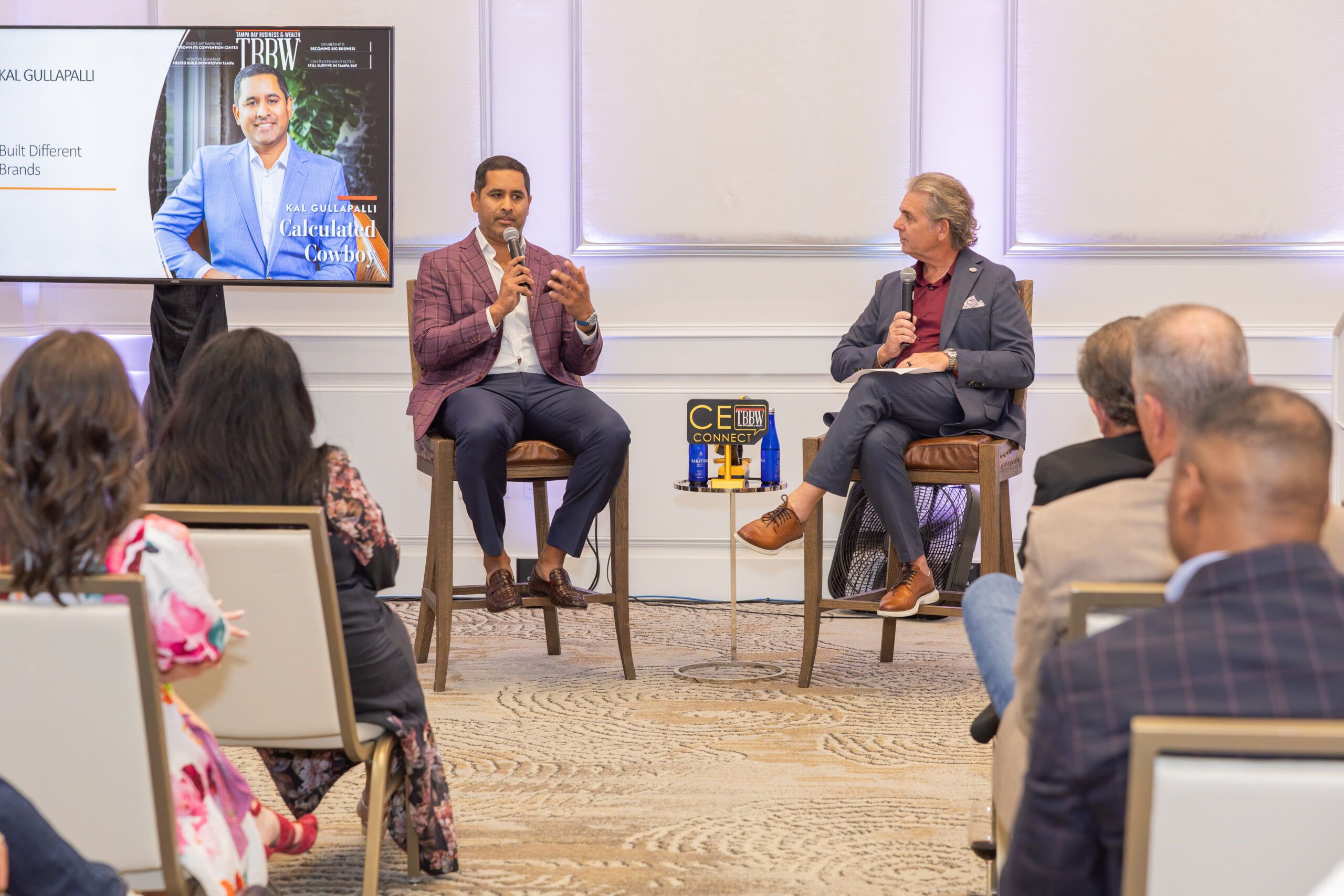
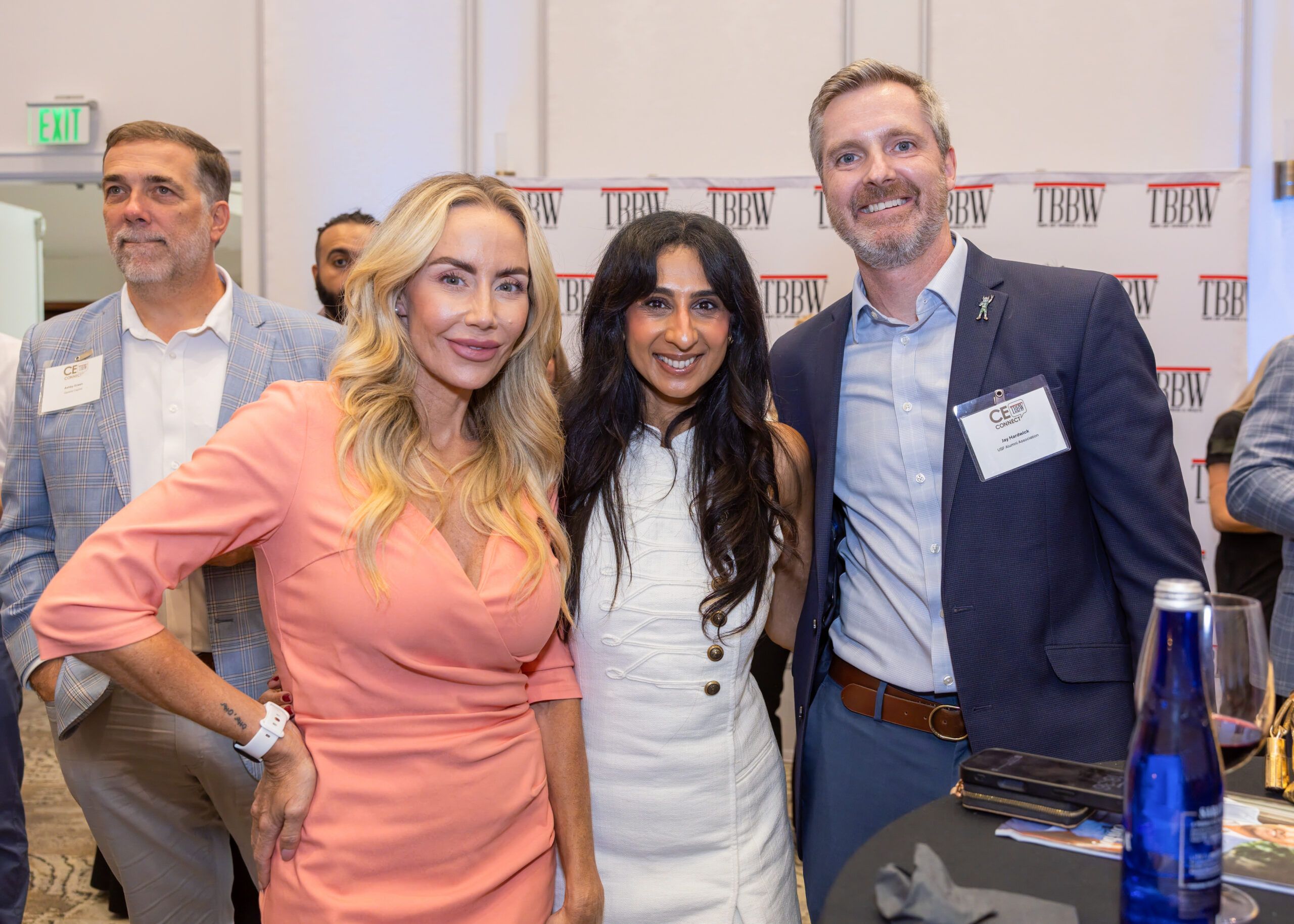
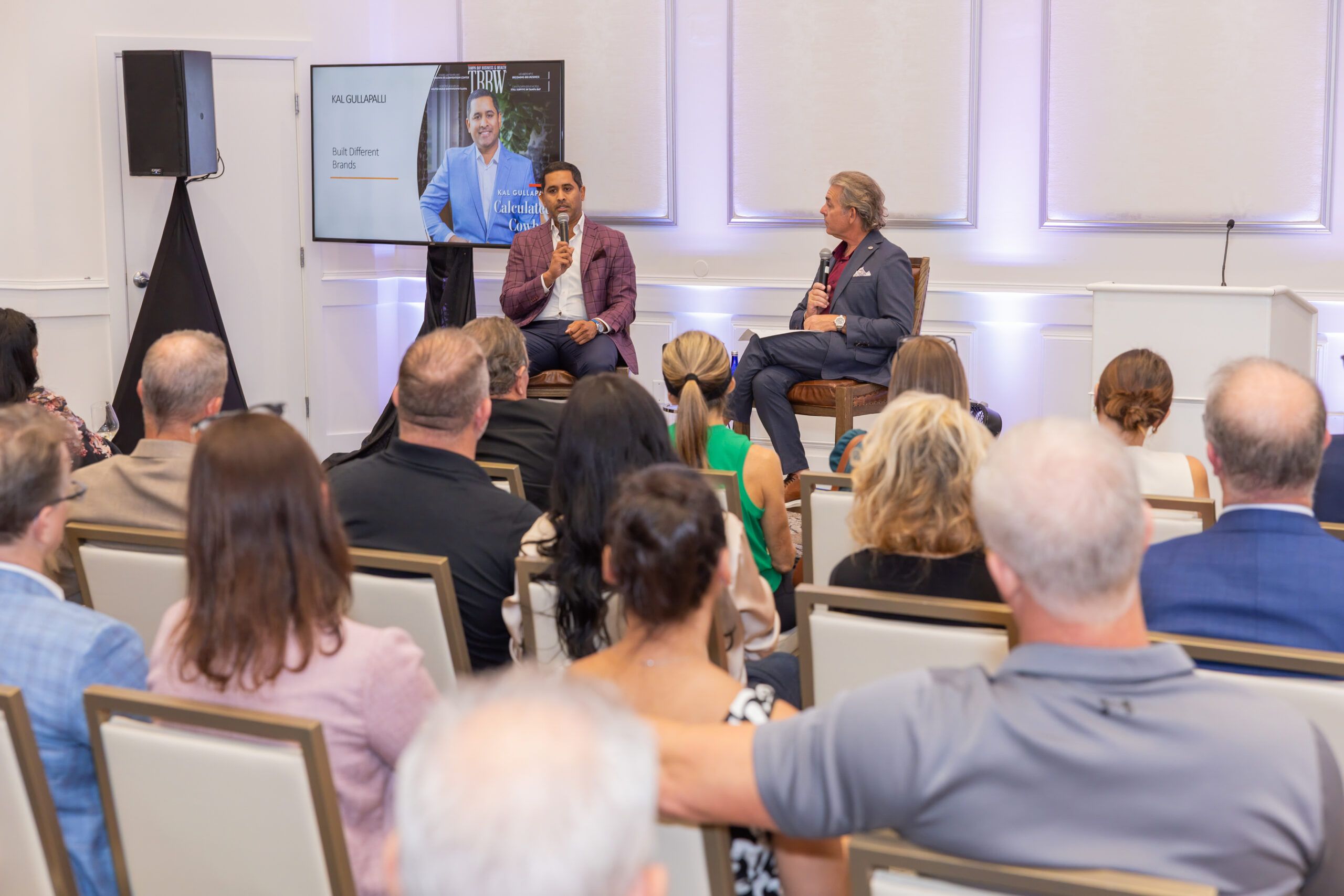
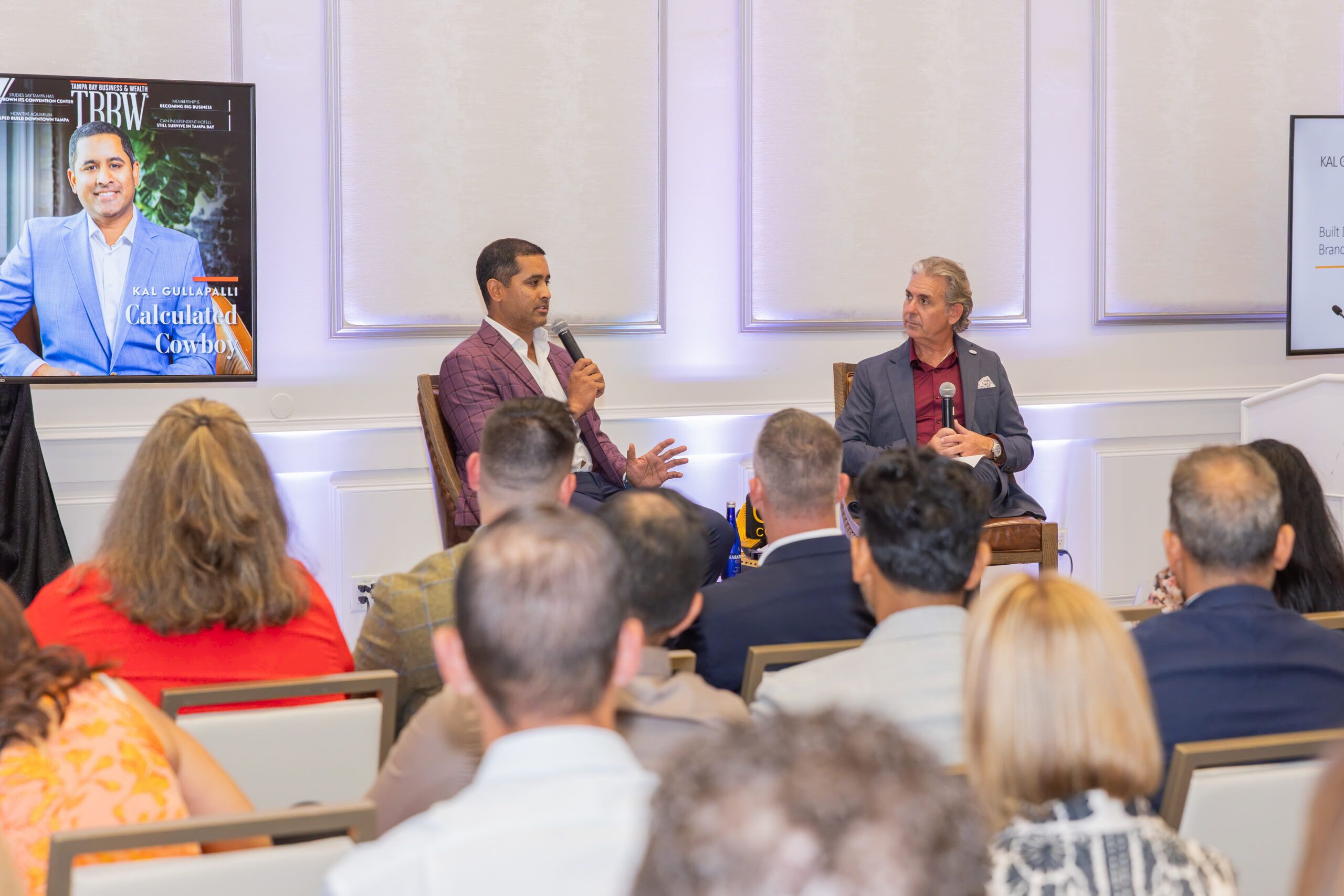
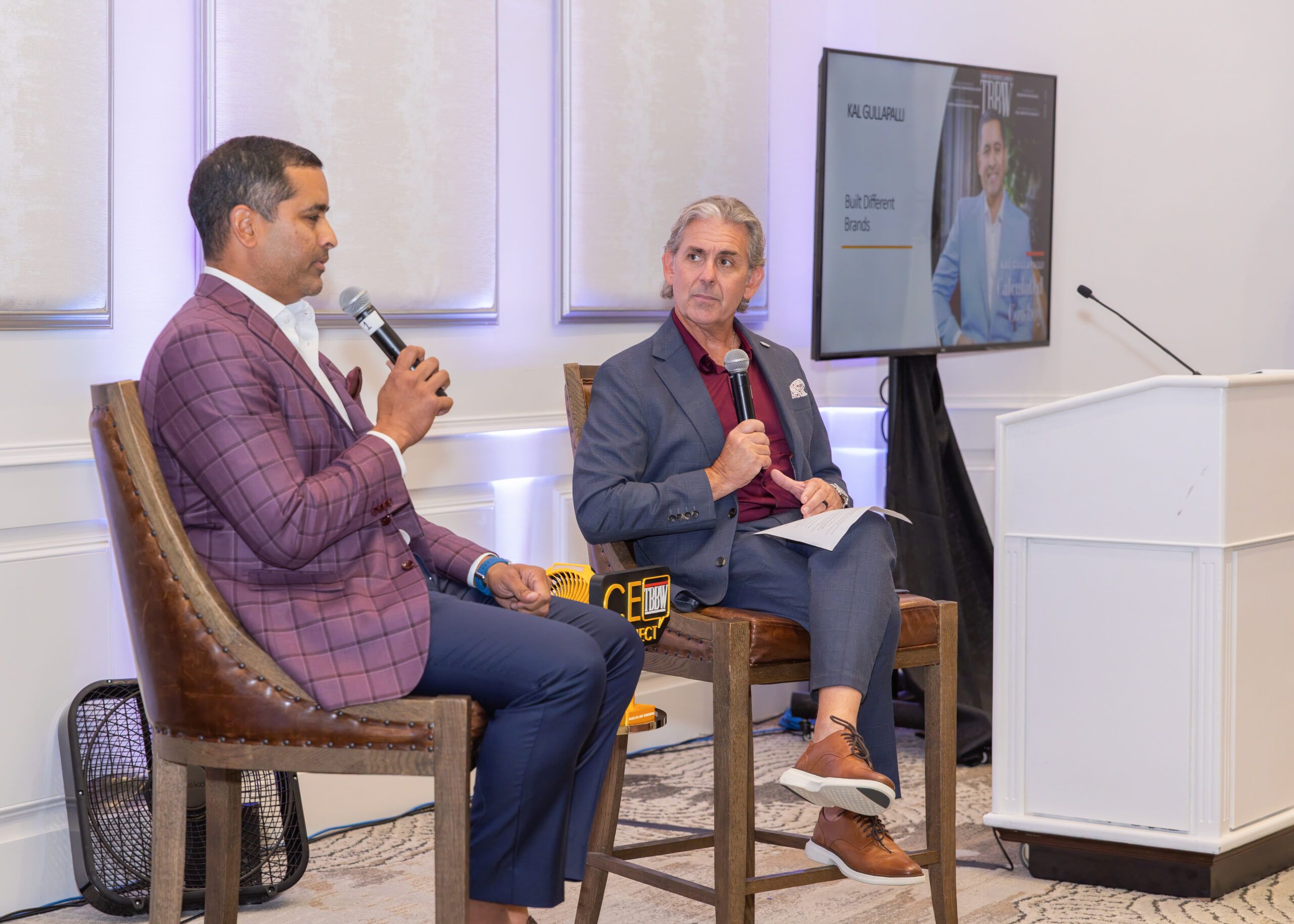
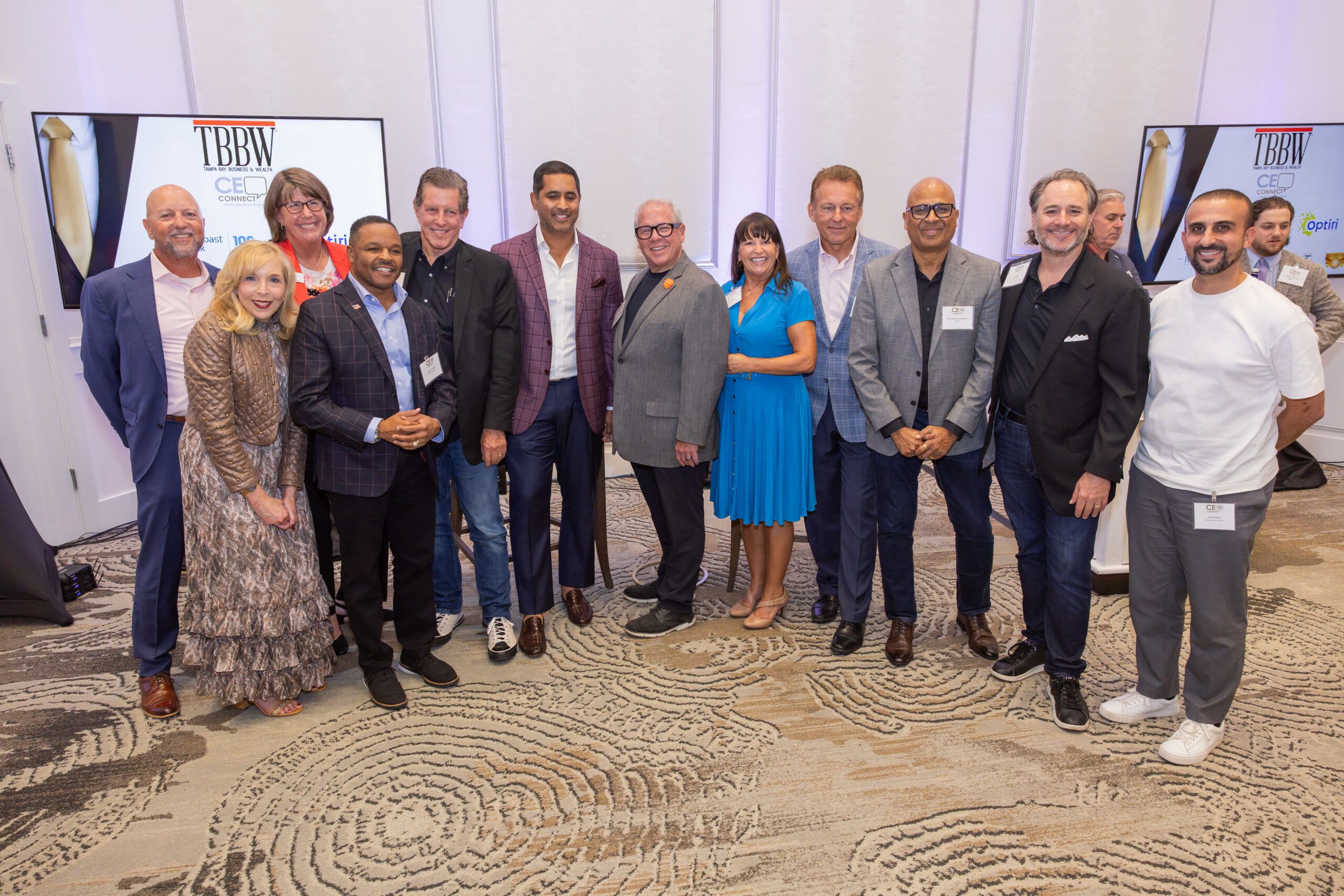
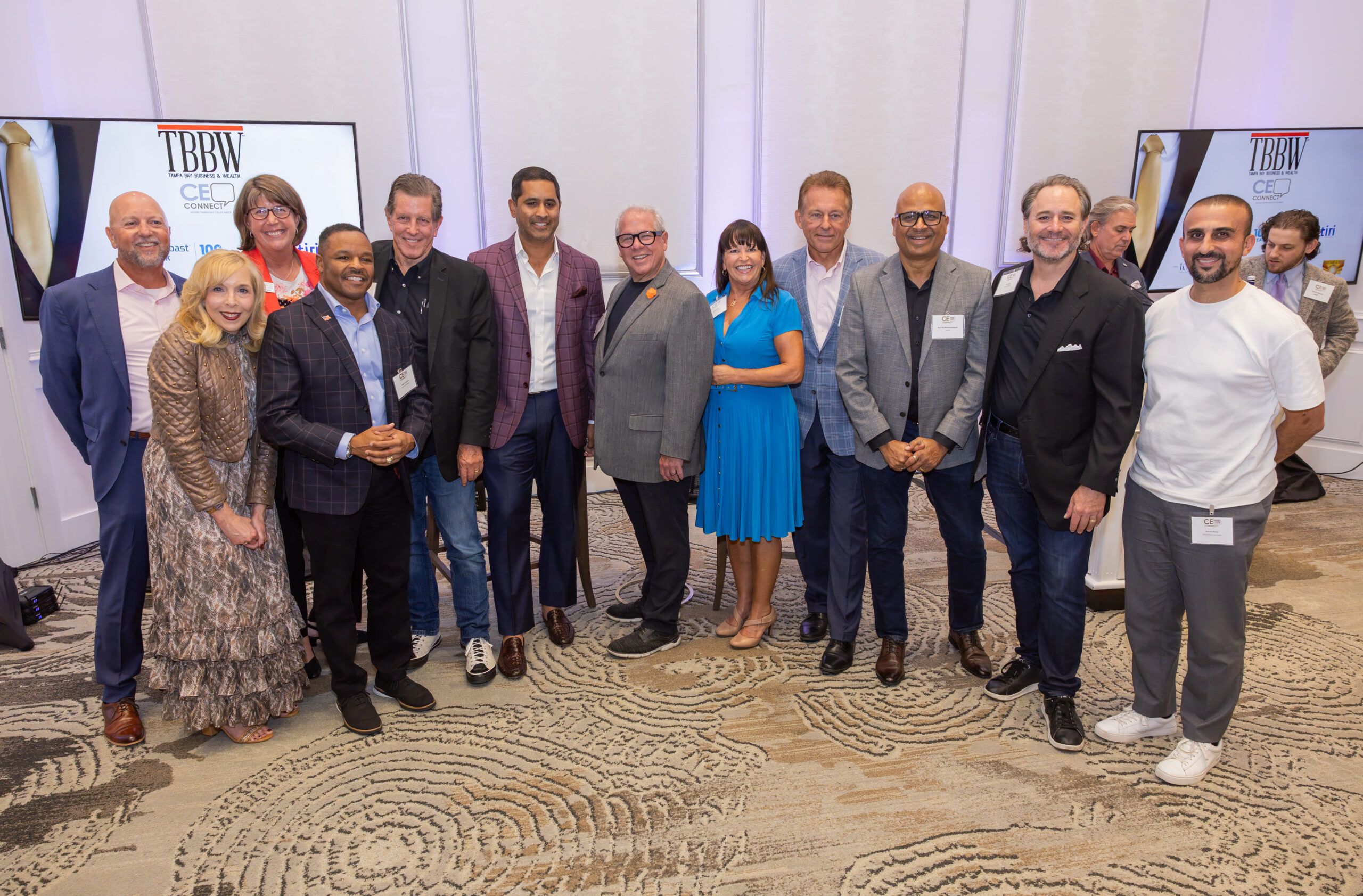
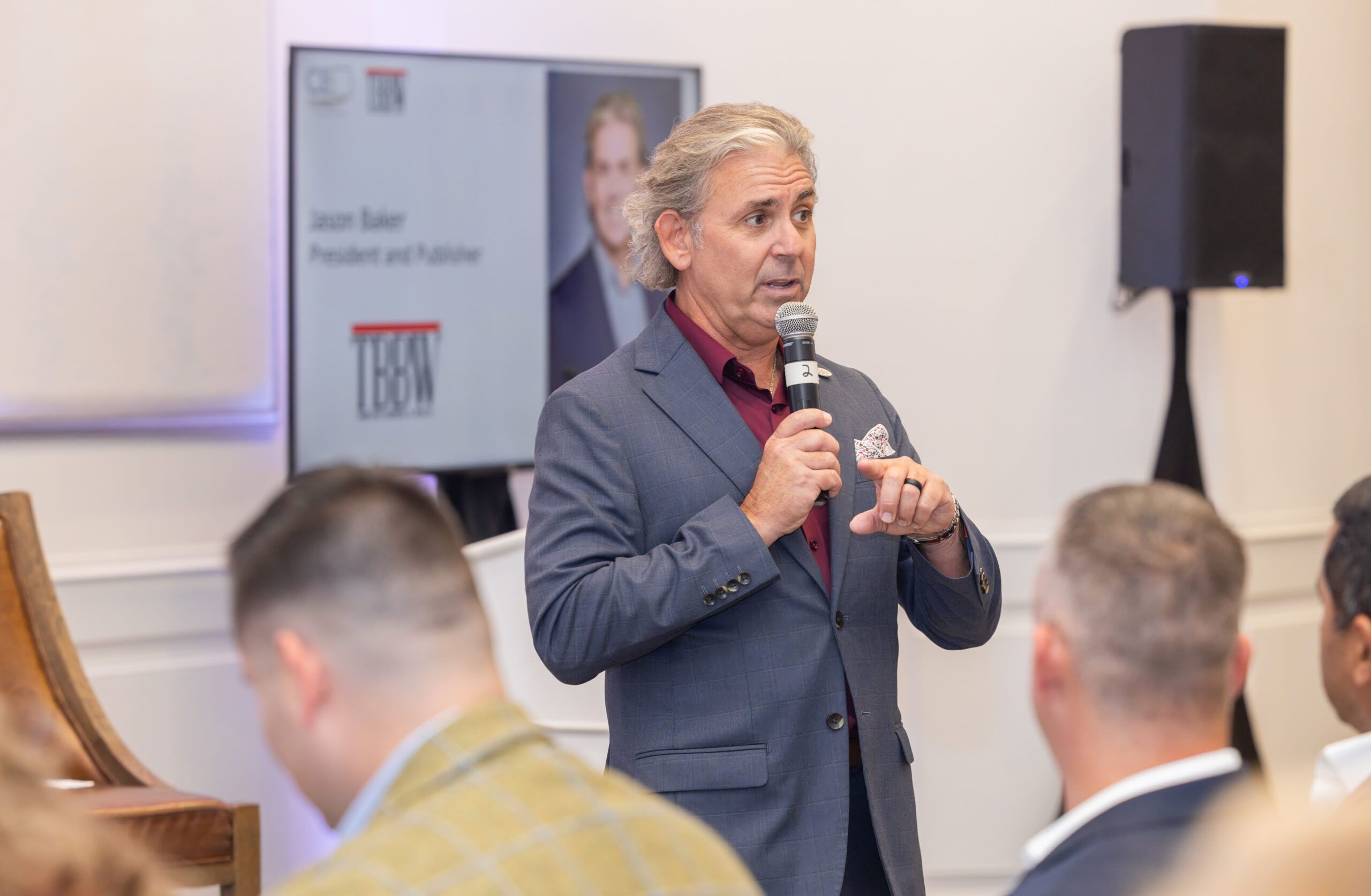
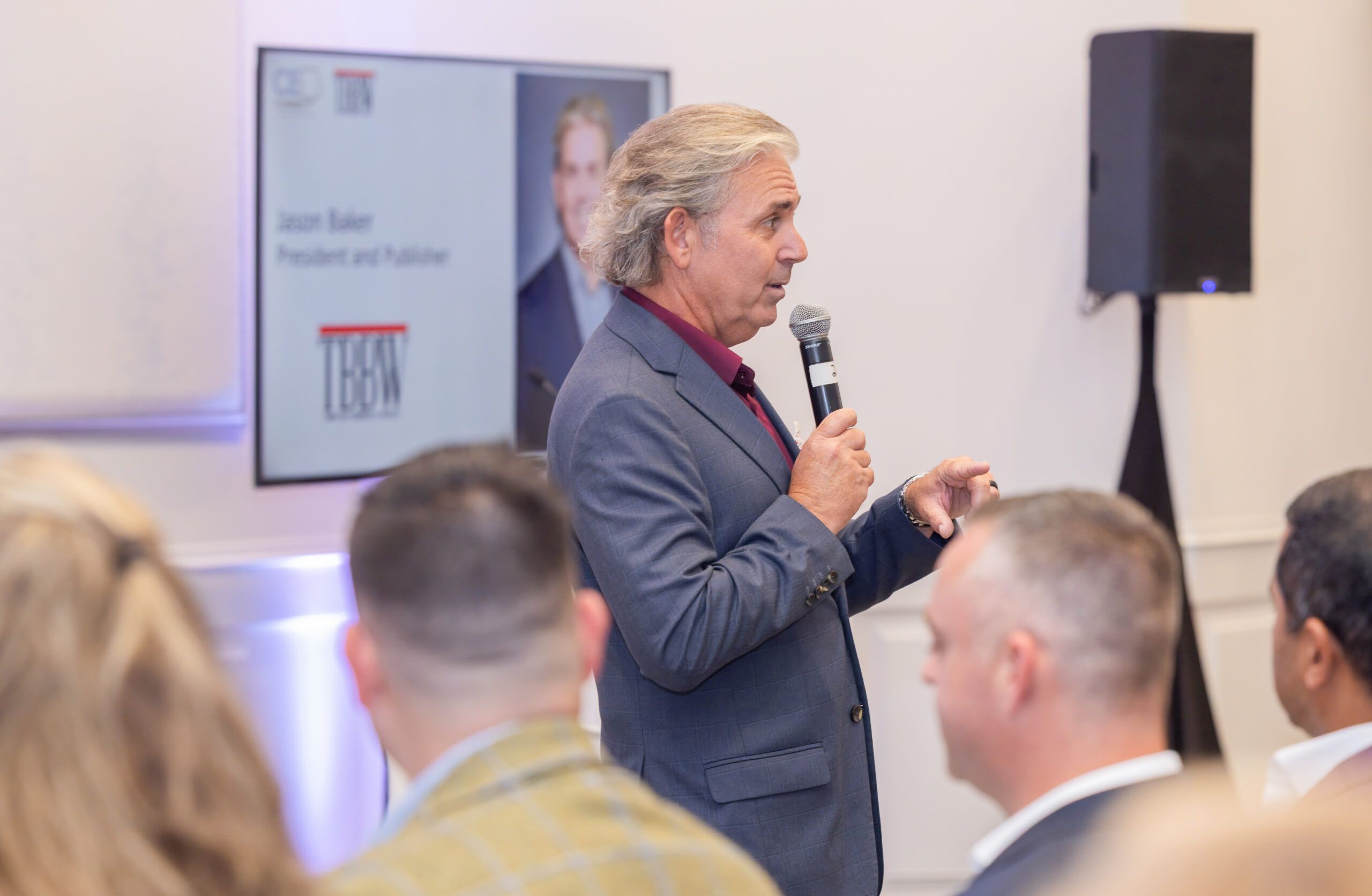
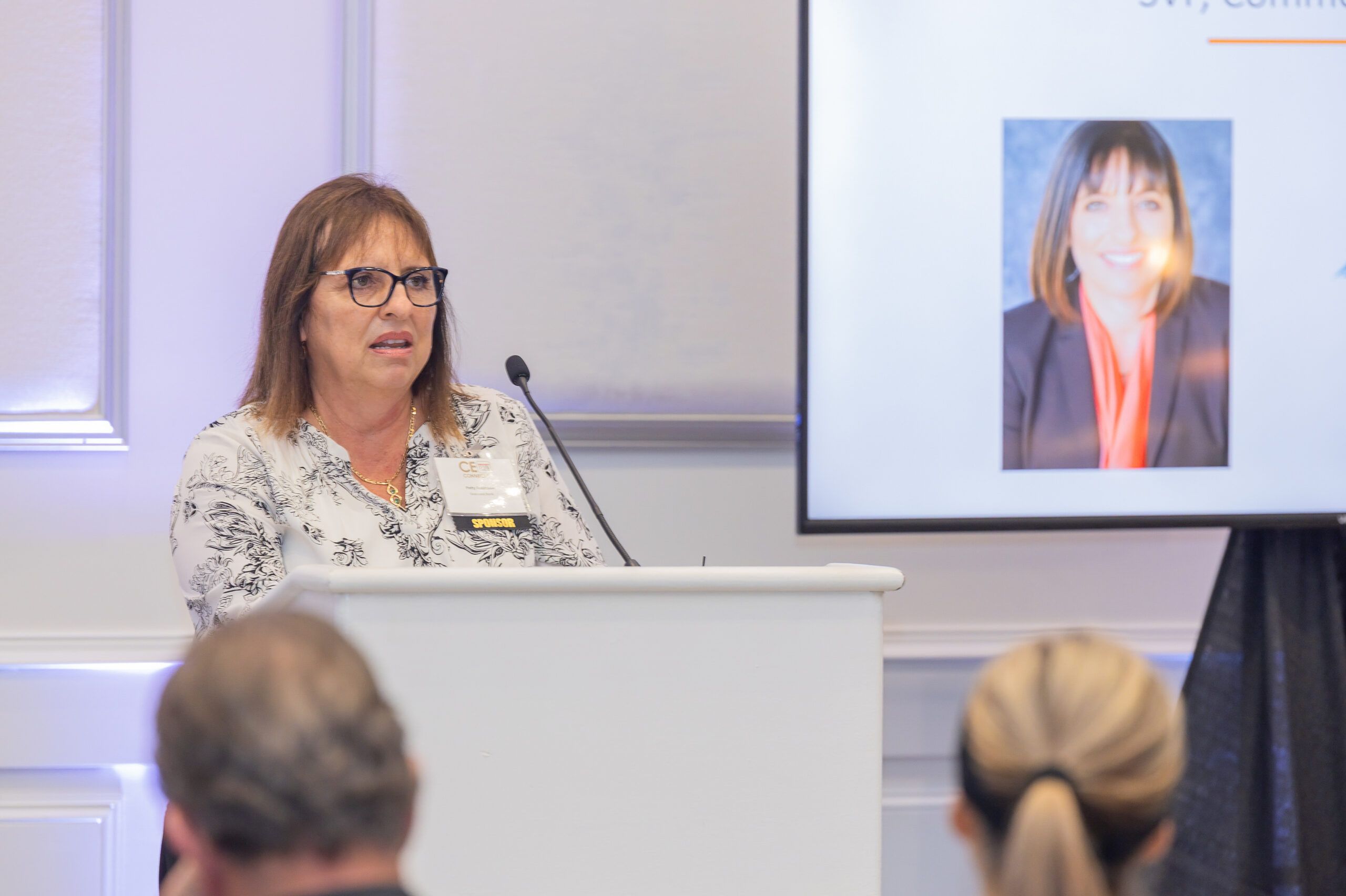
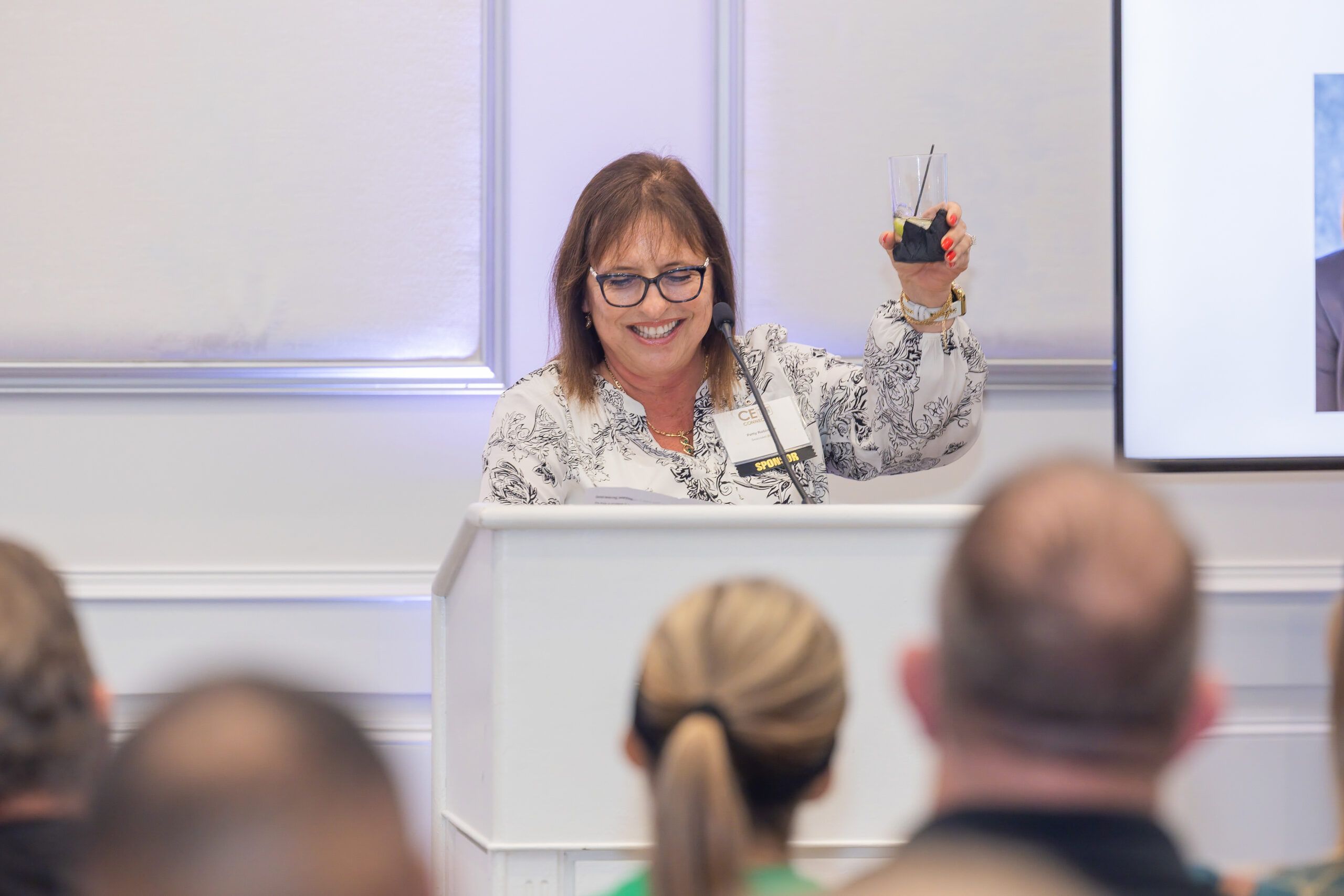
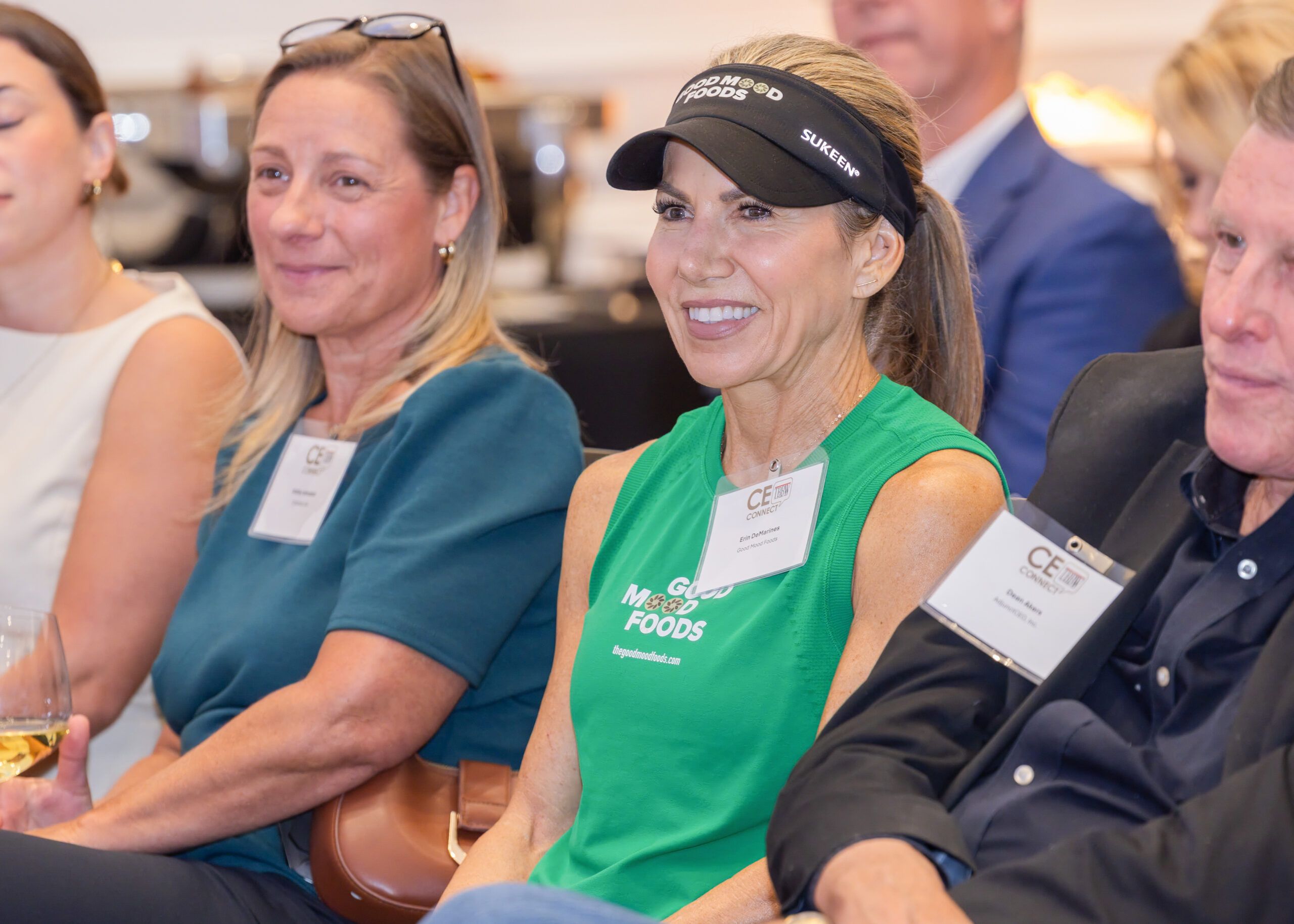
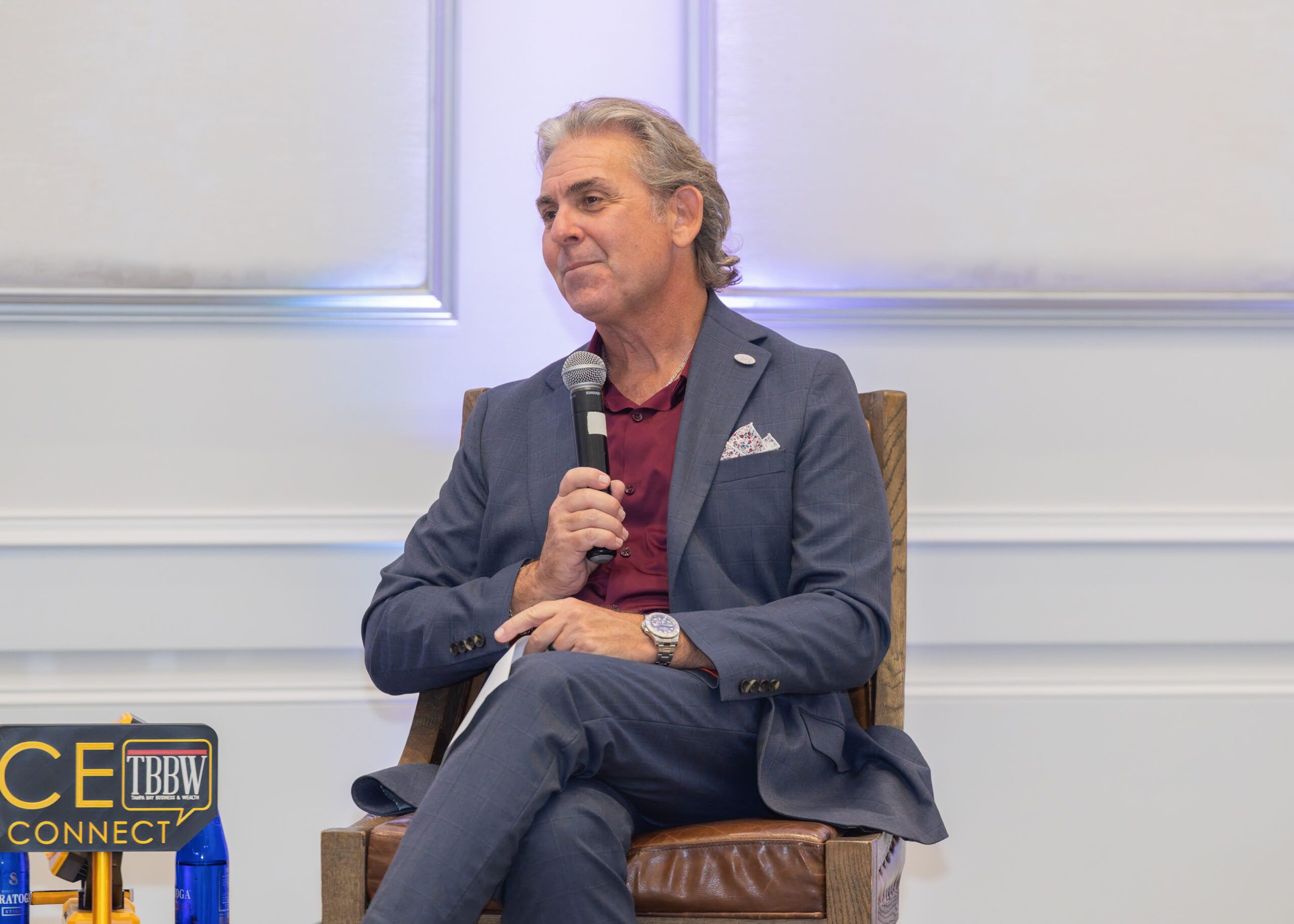
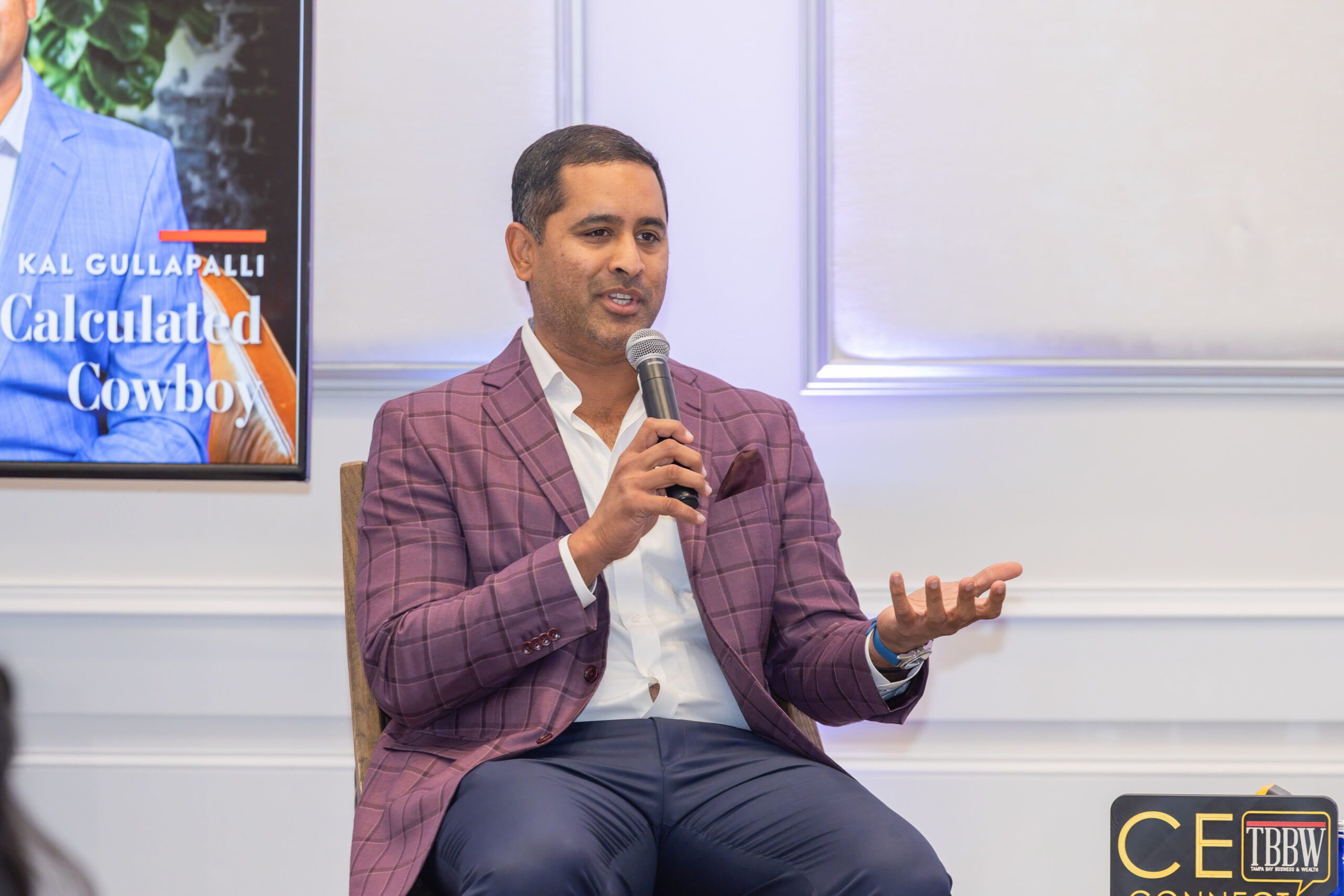
Kal Gullapalli CEO Connect
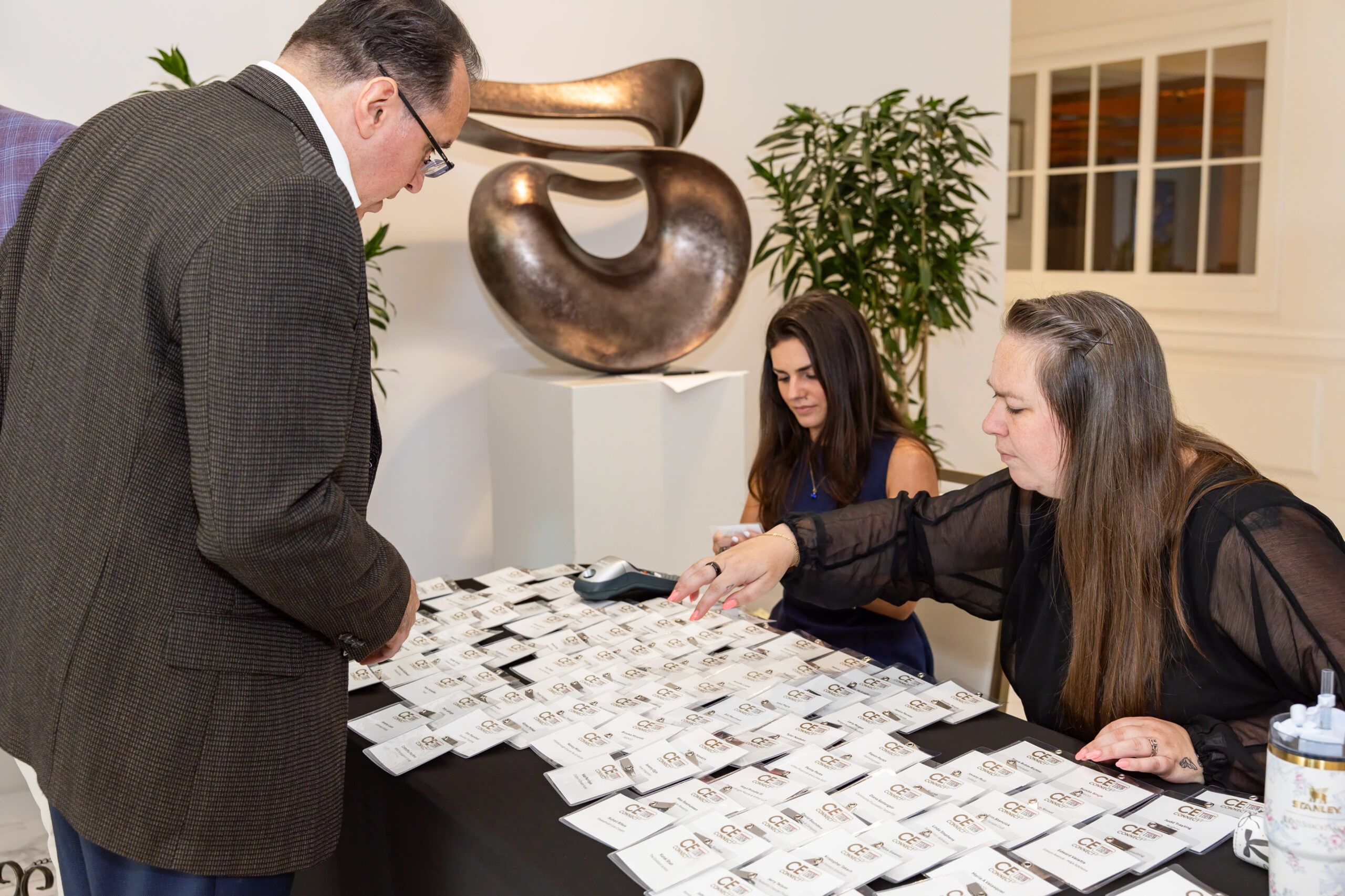
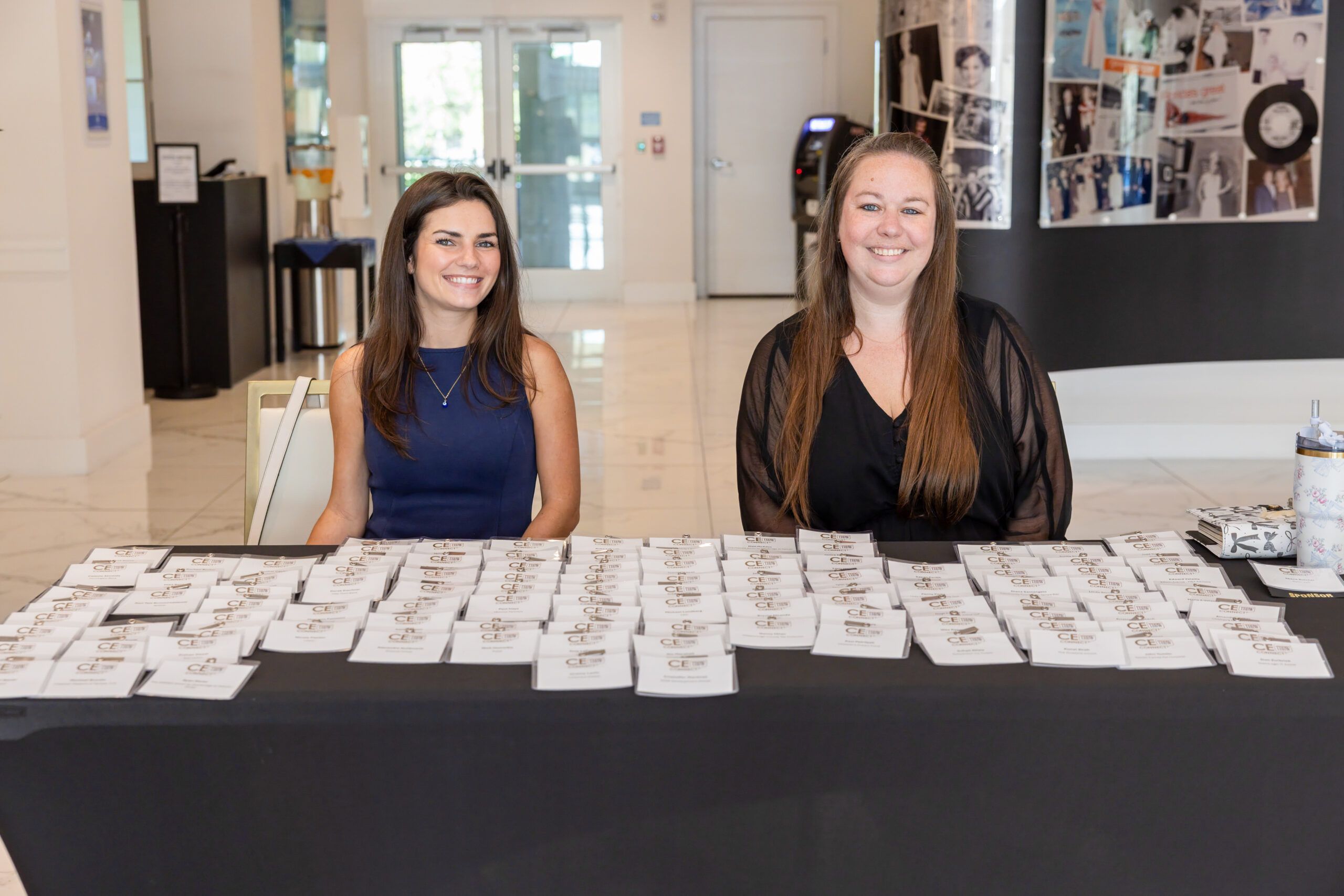
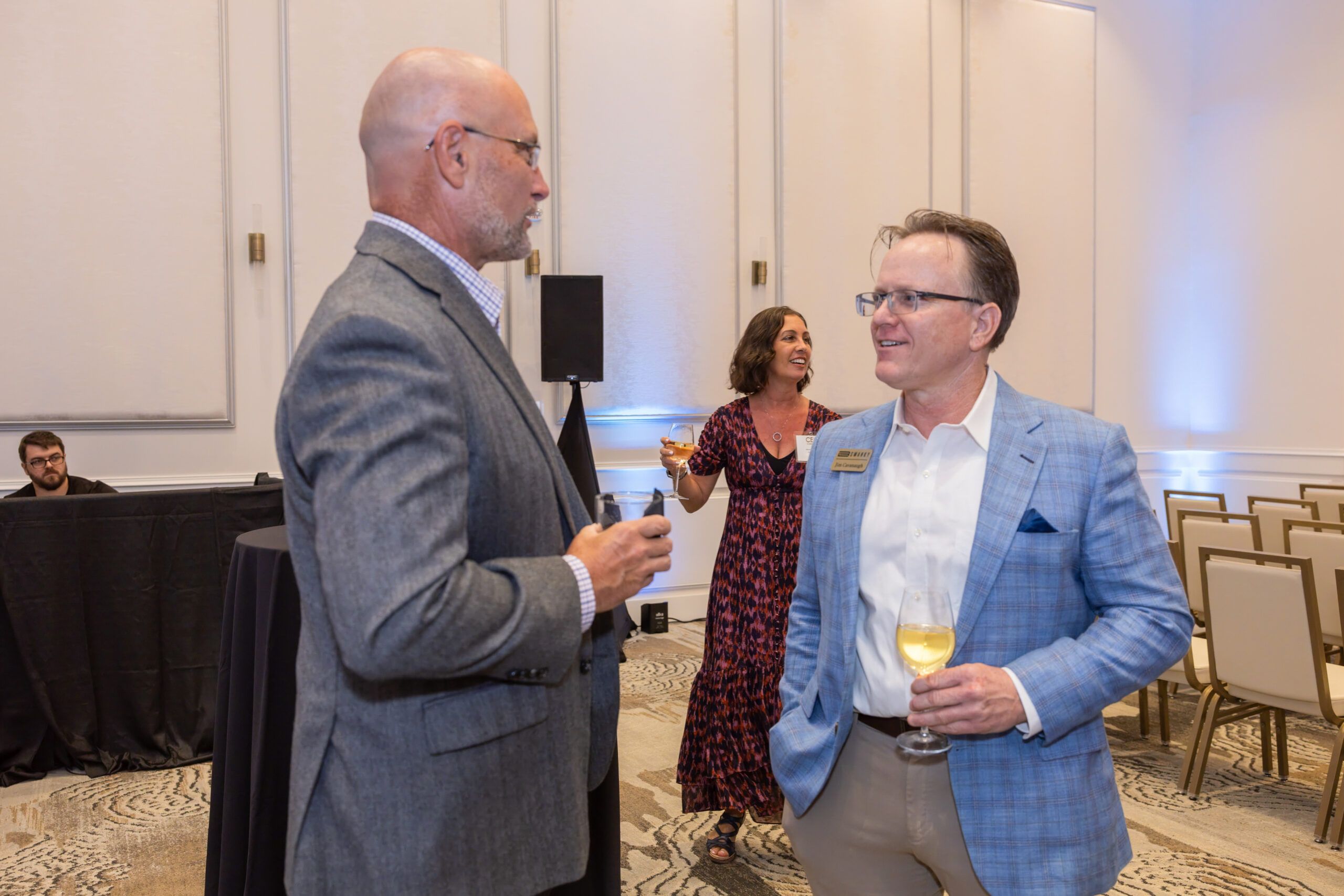
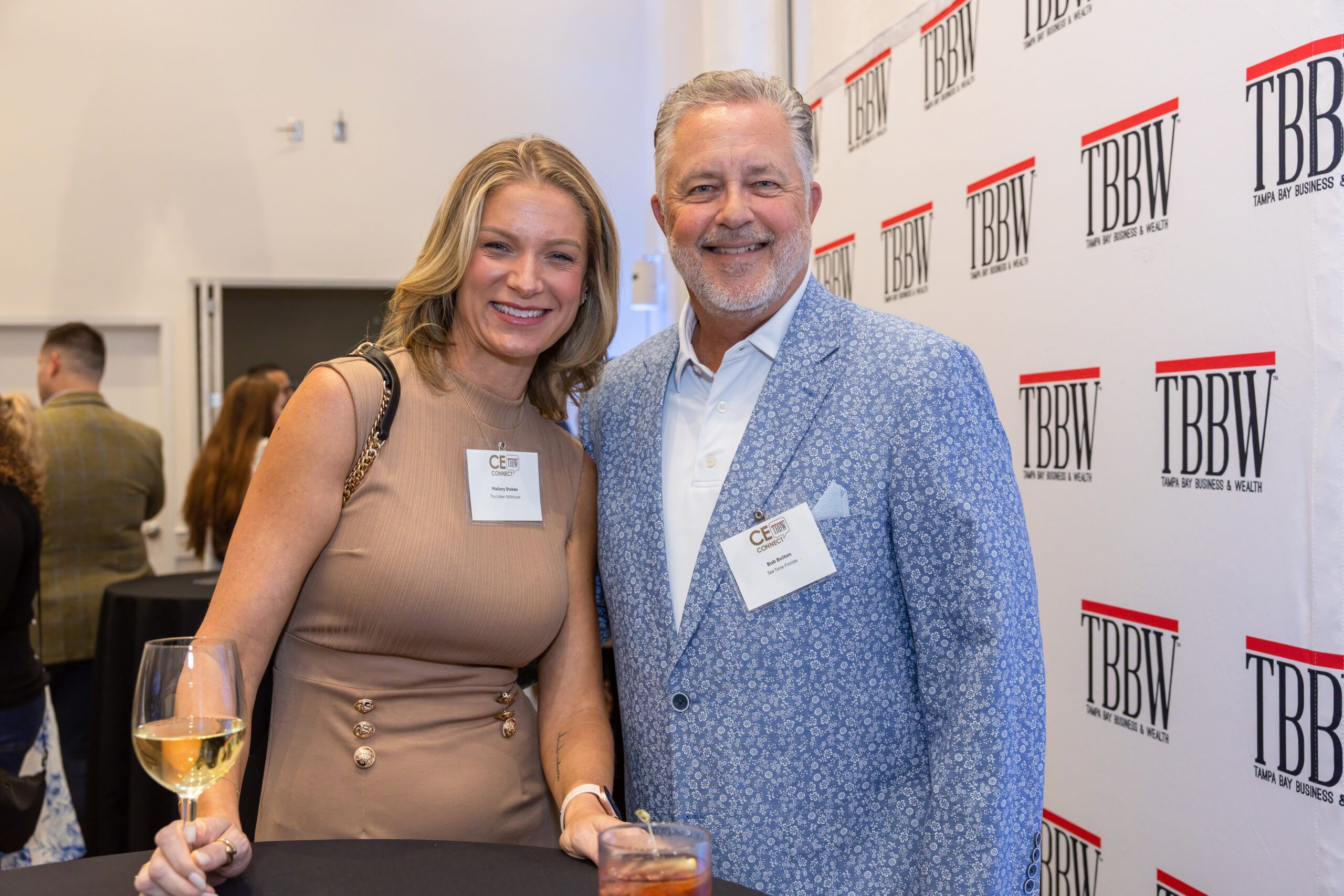
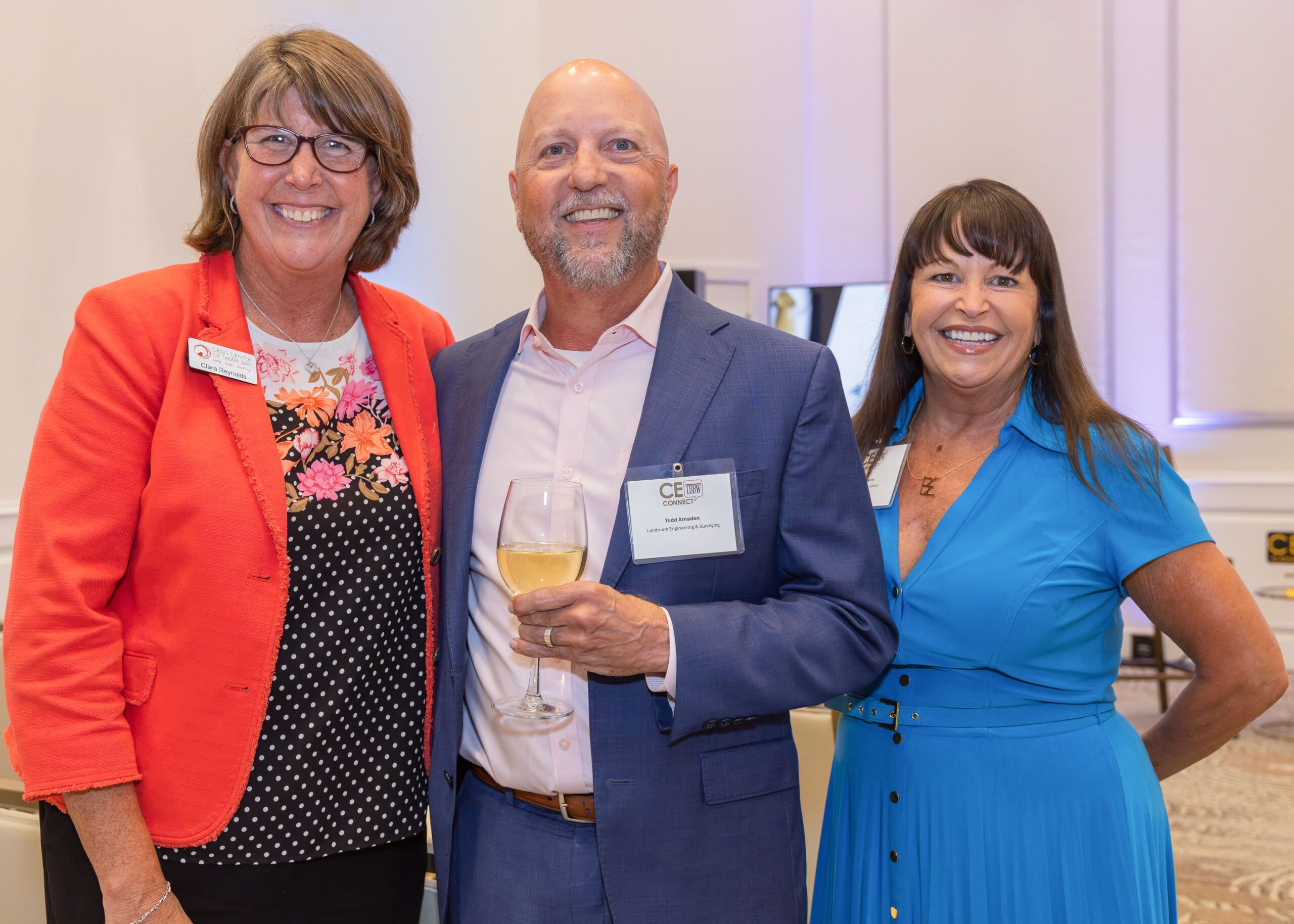
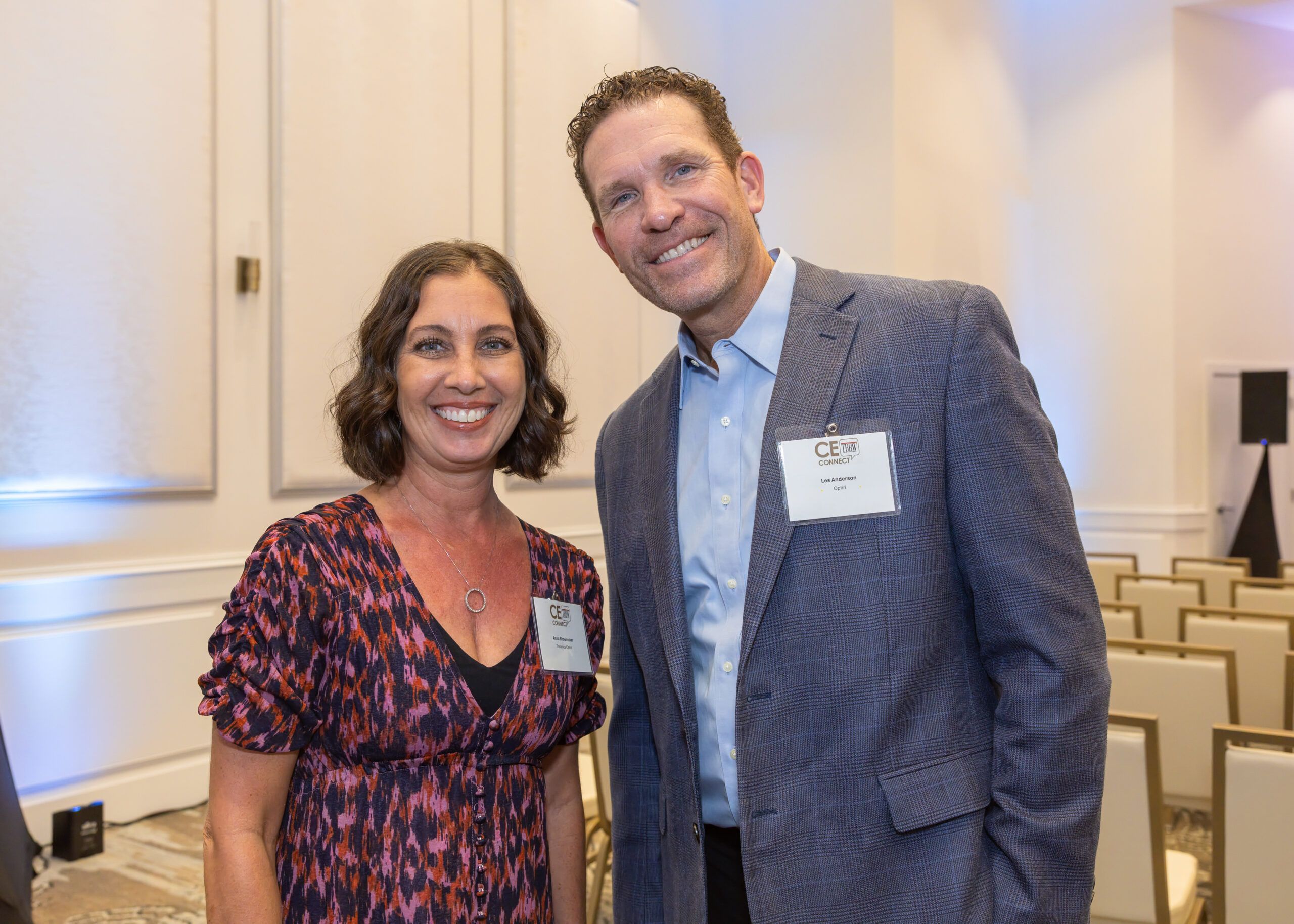
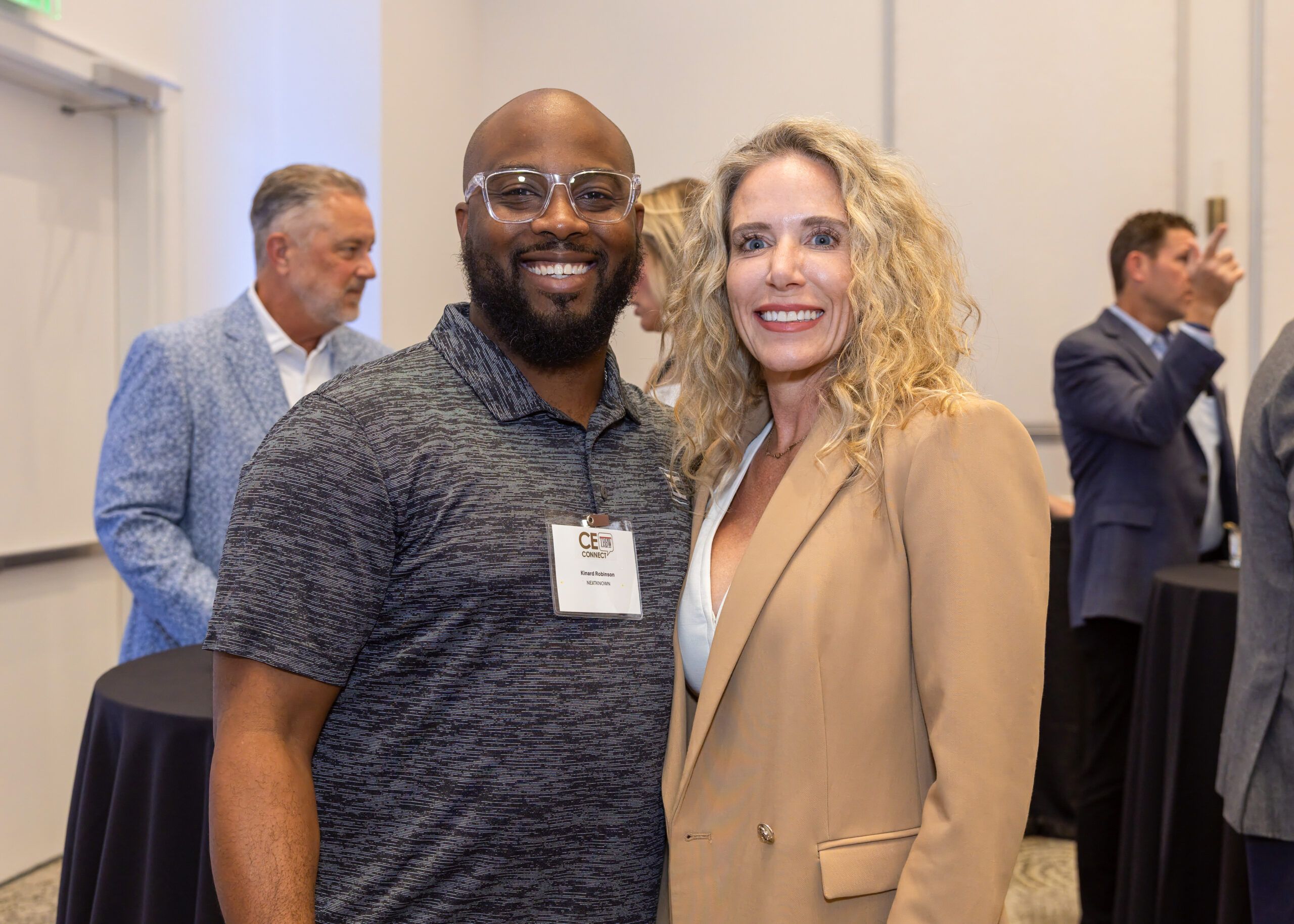
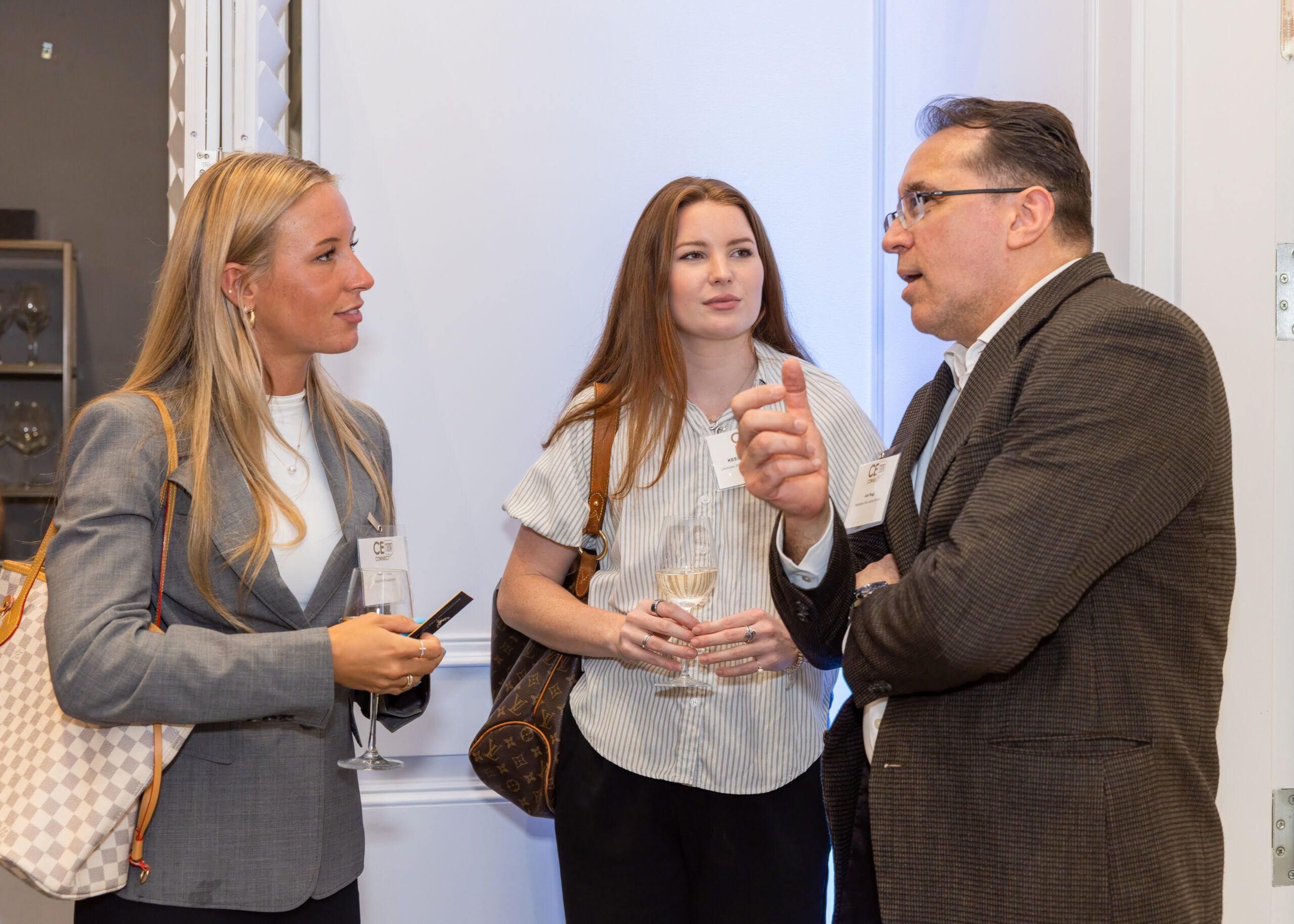
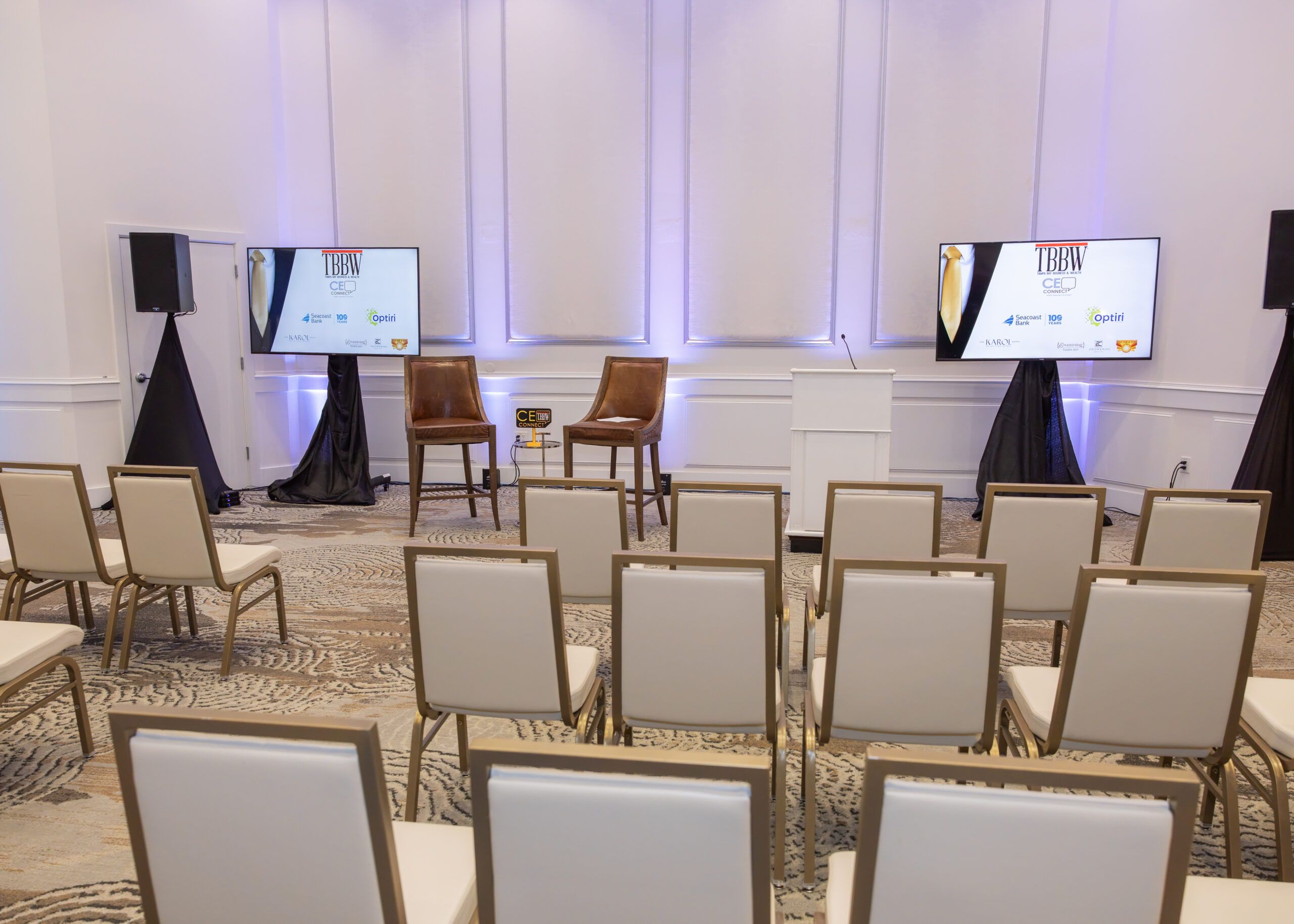
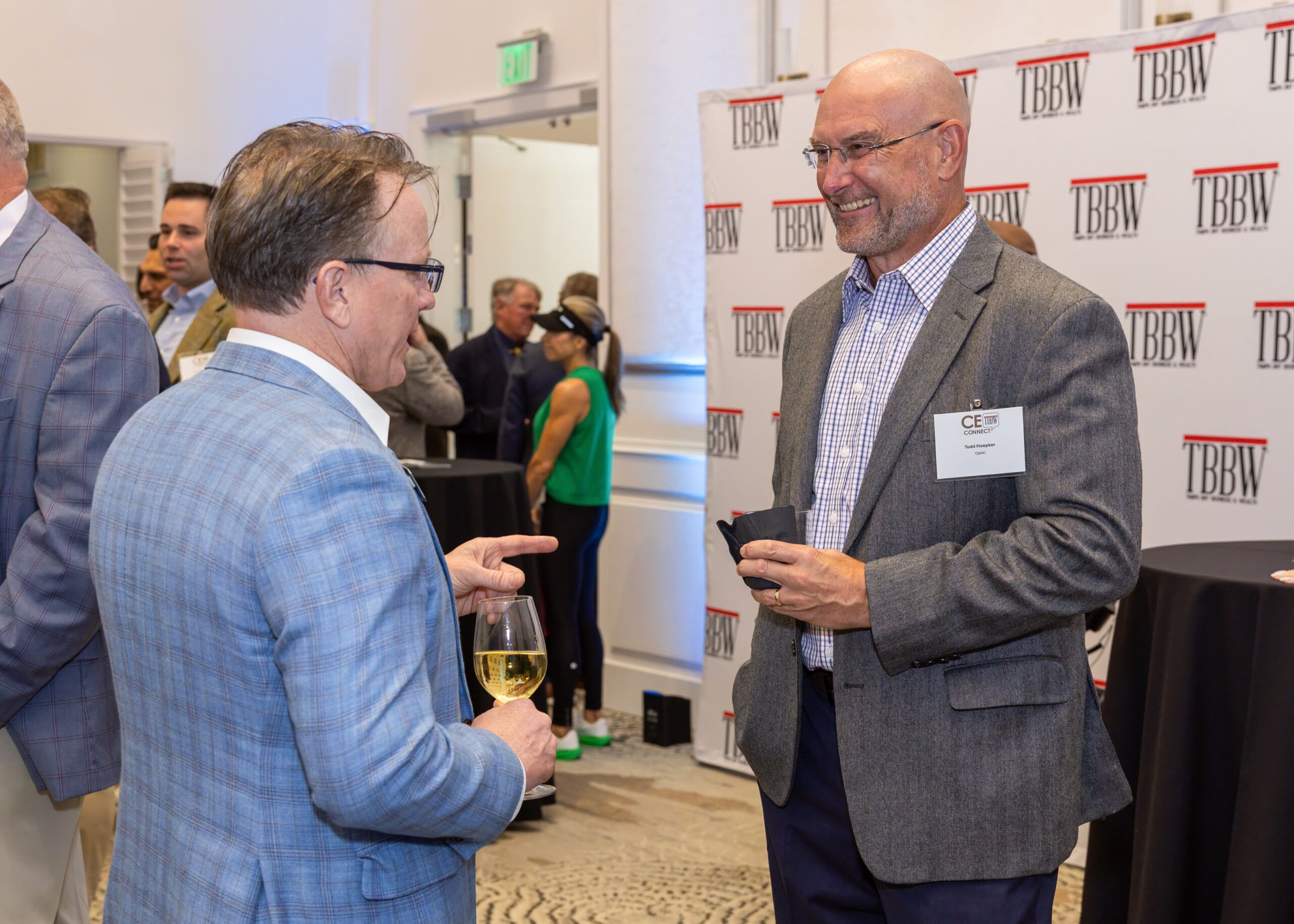
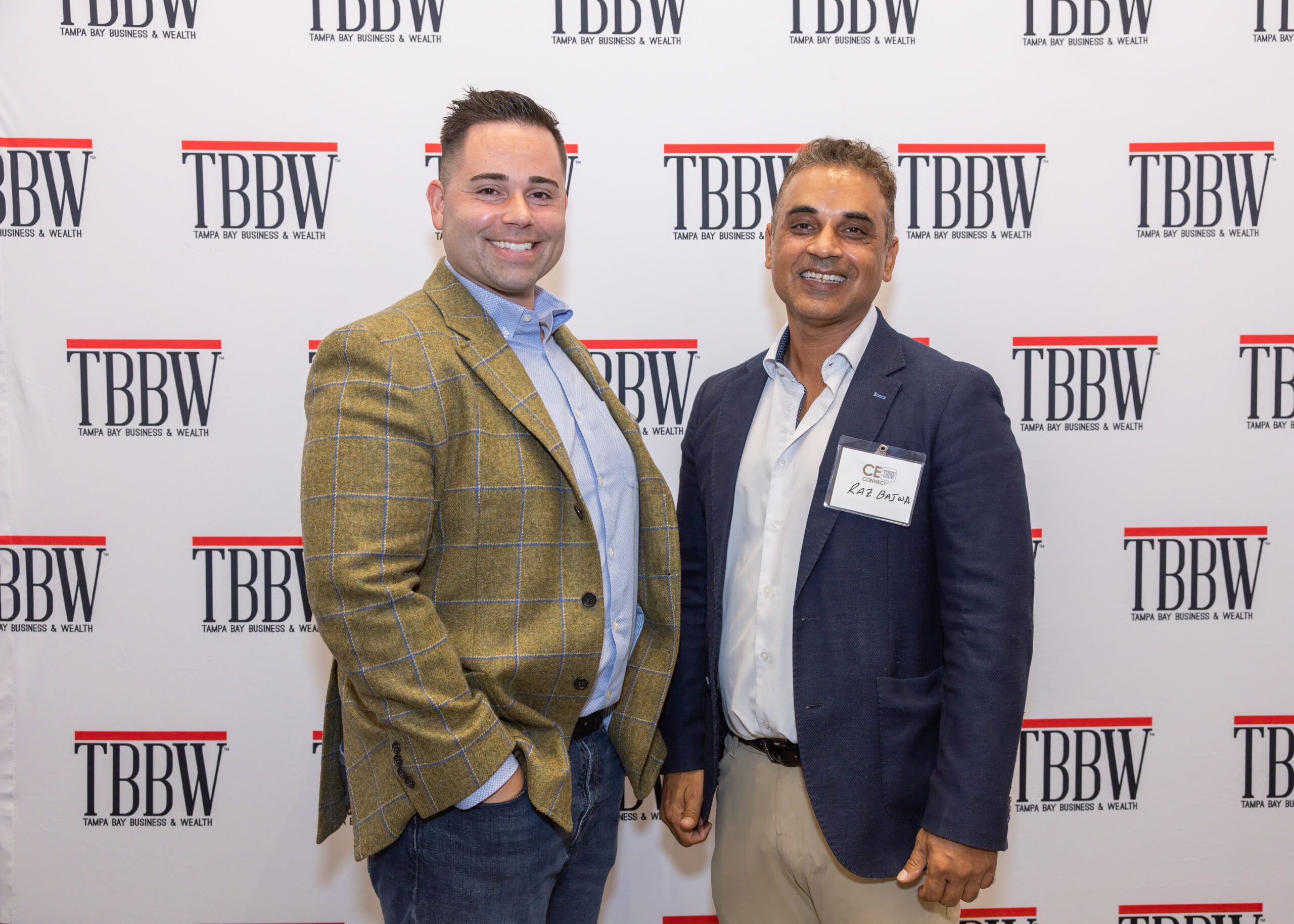
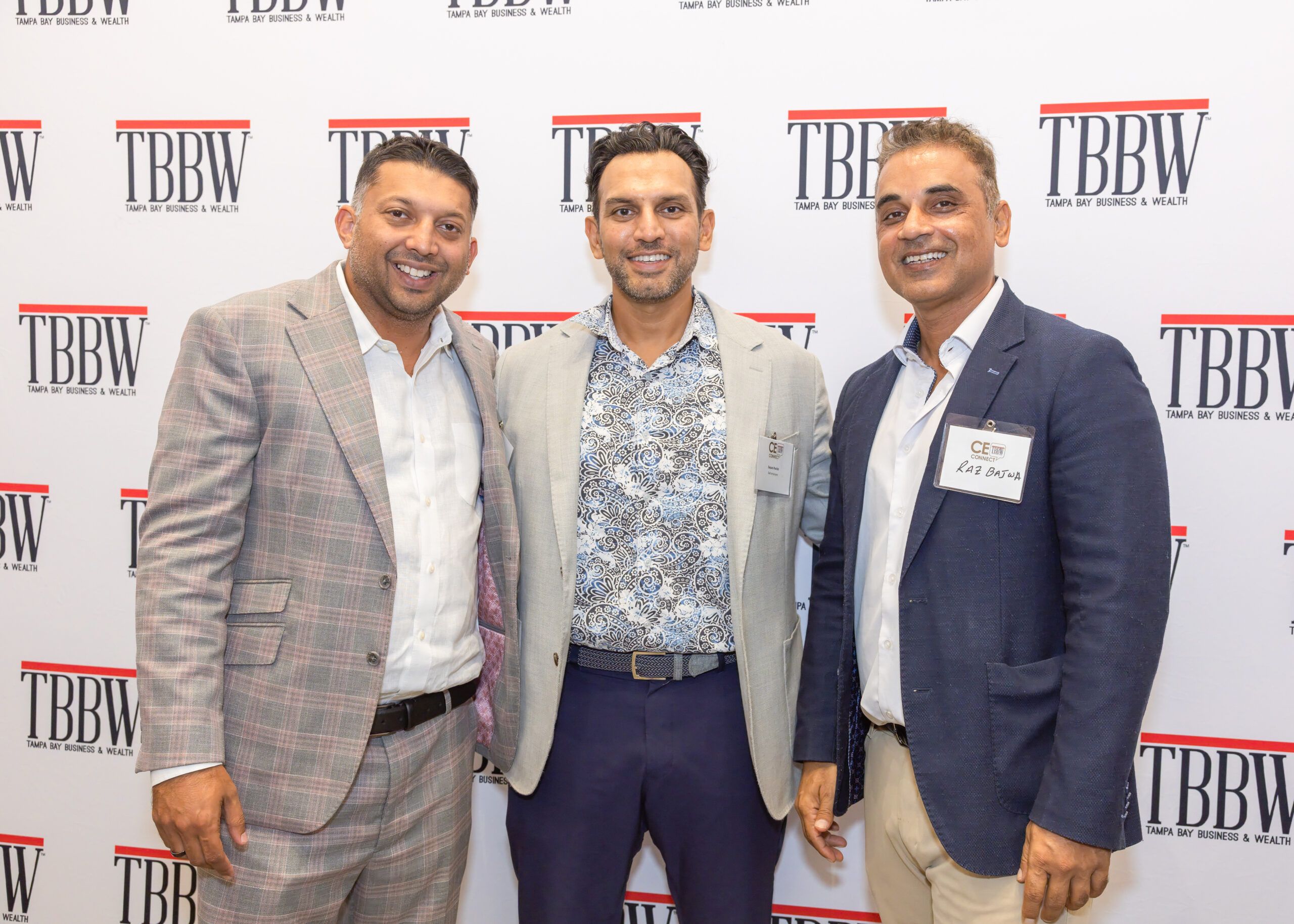
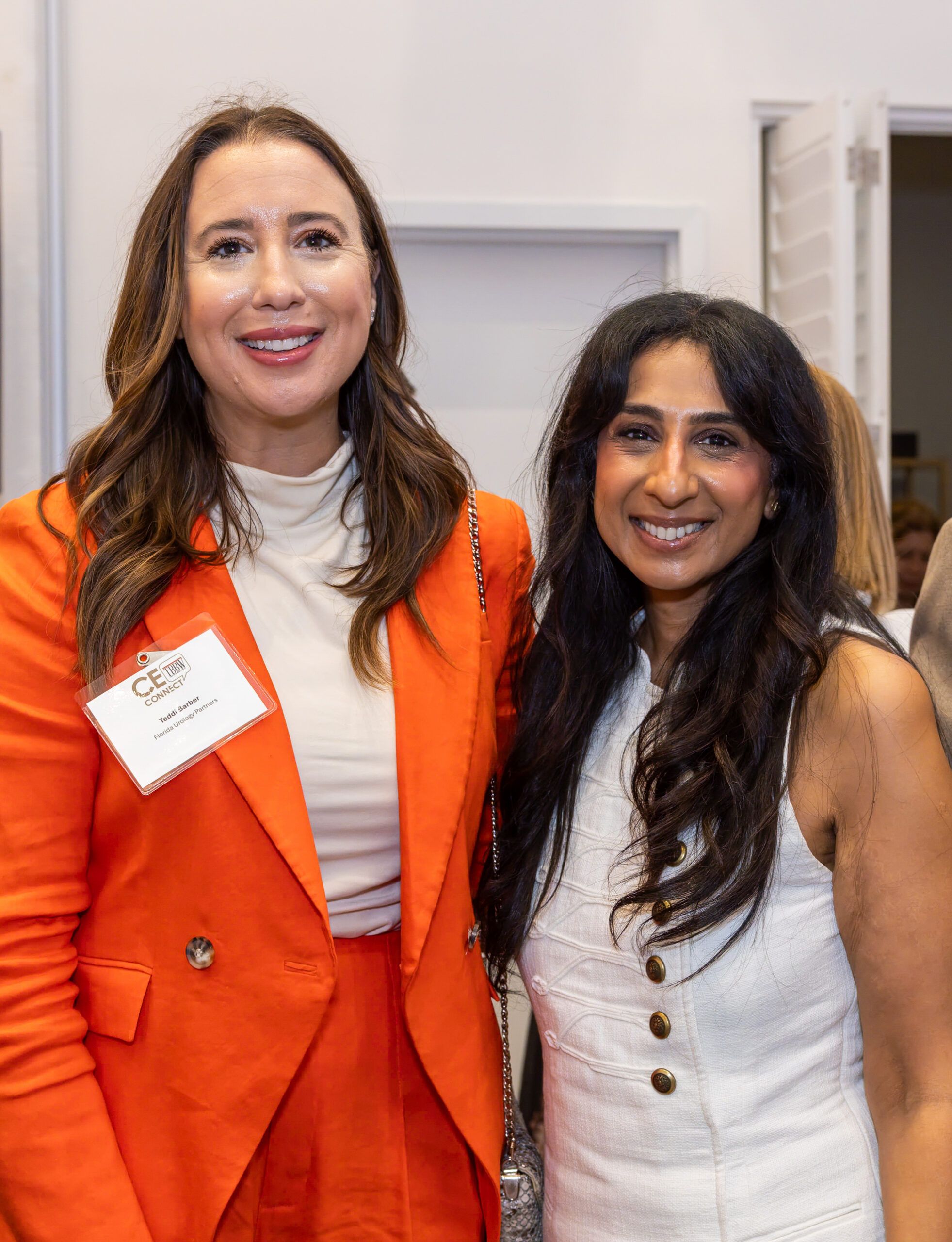
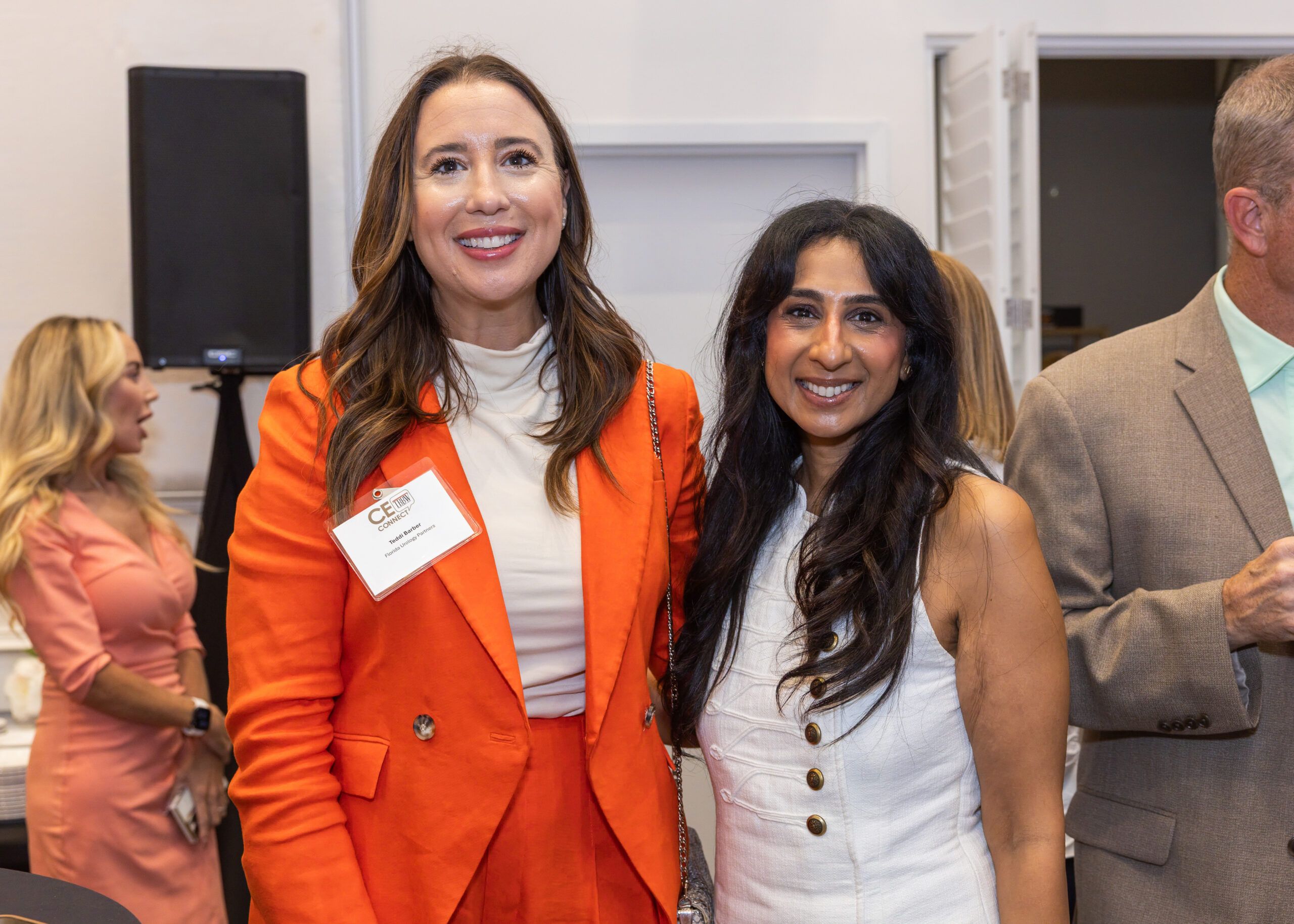
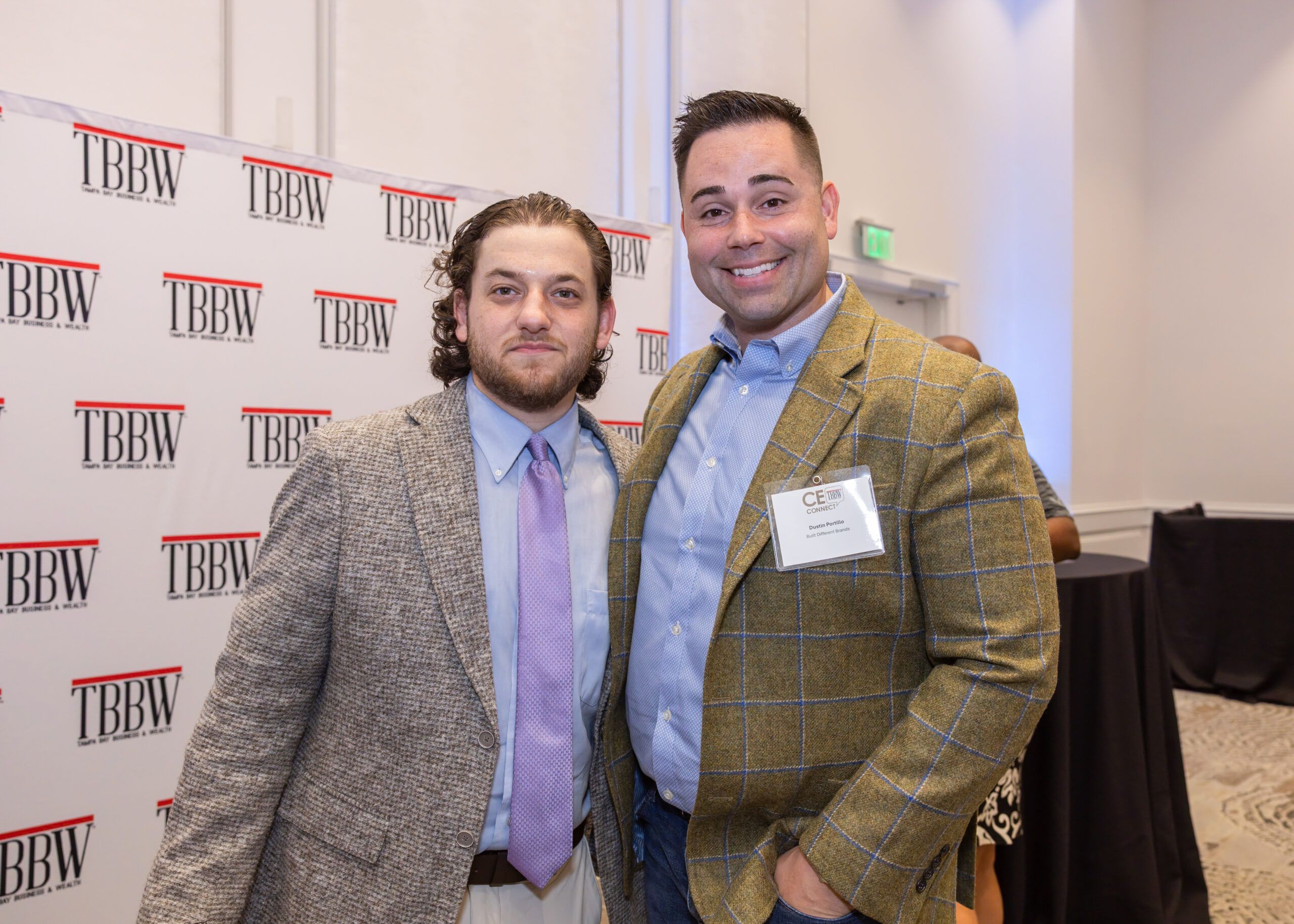
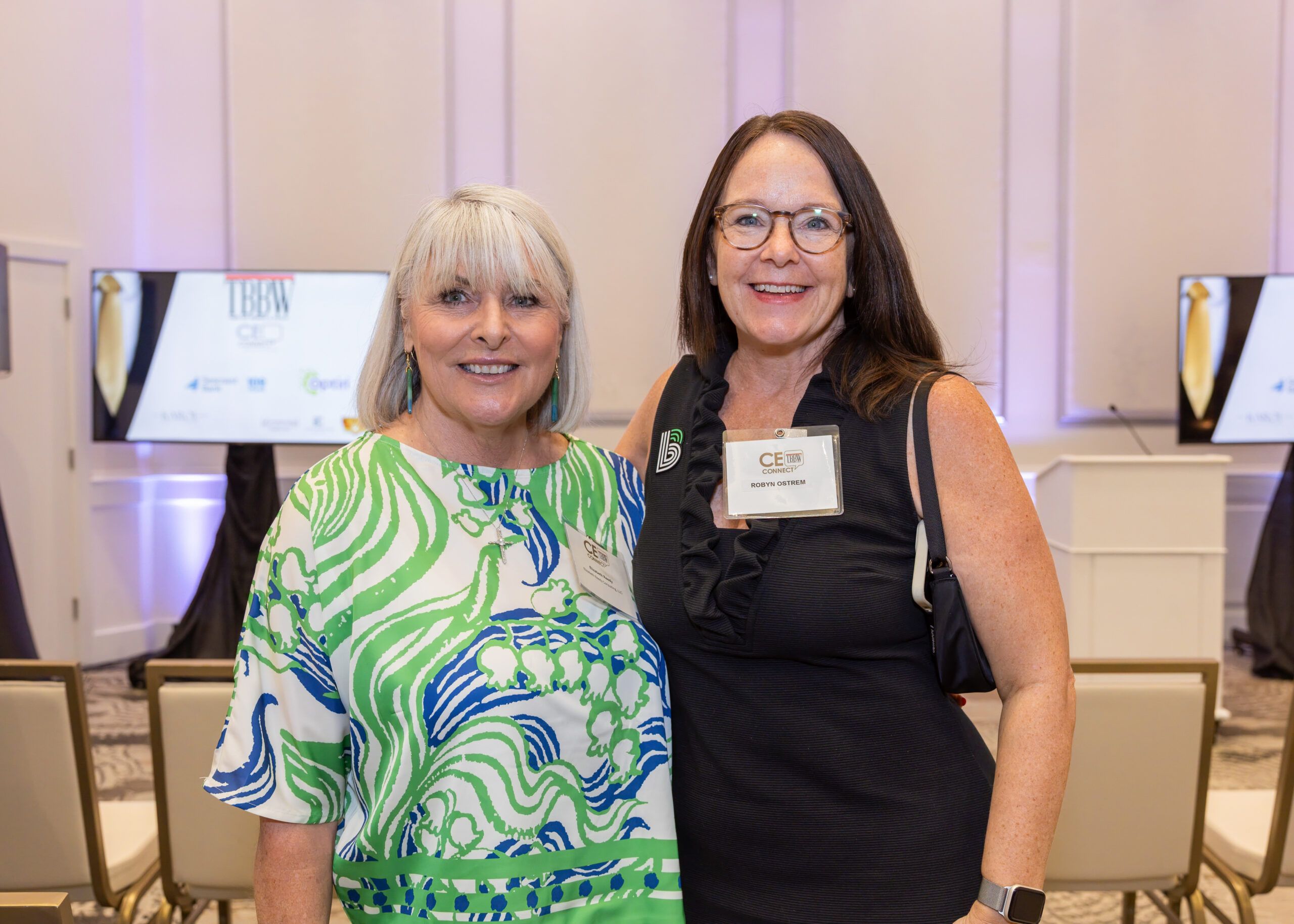
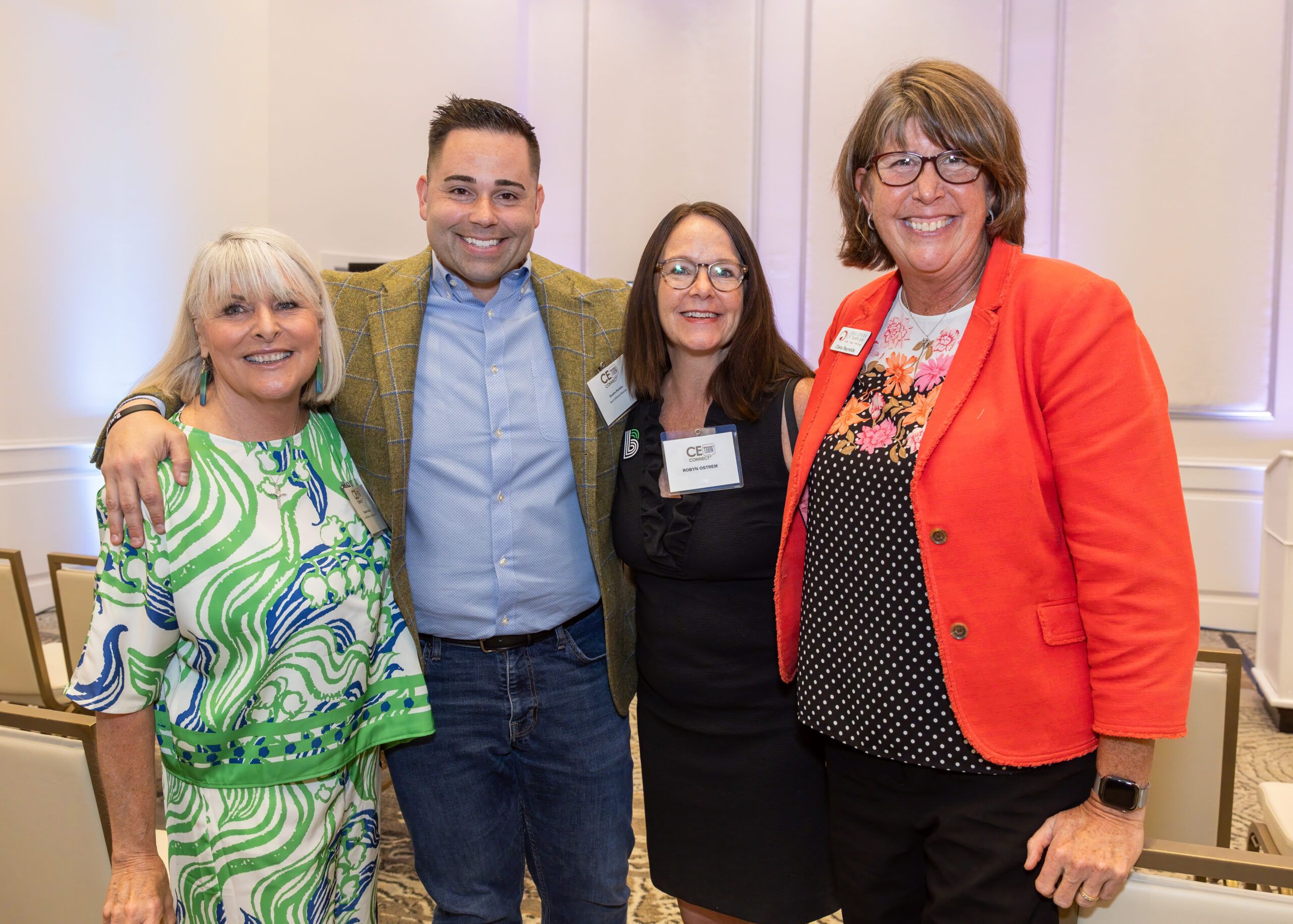
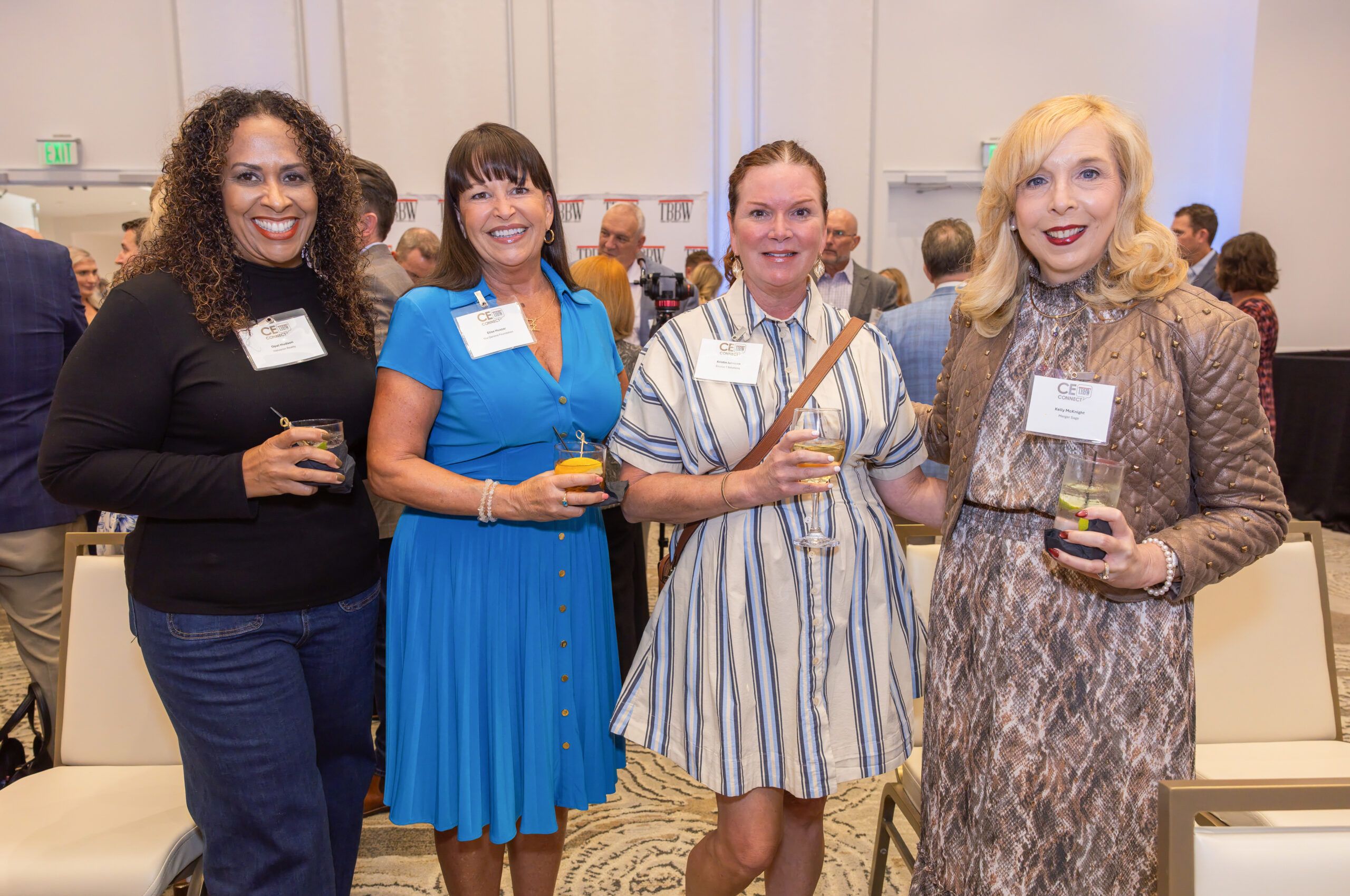
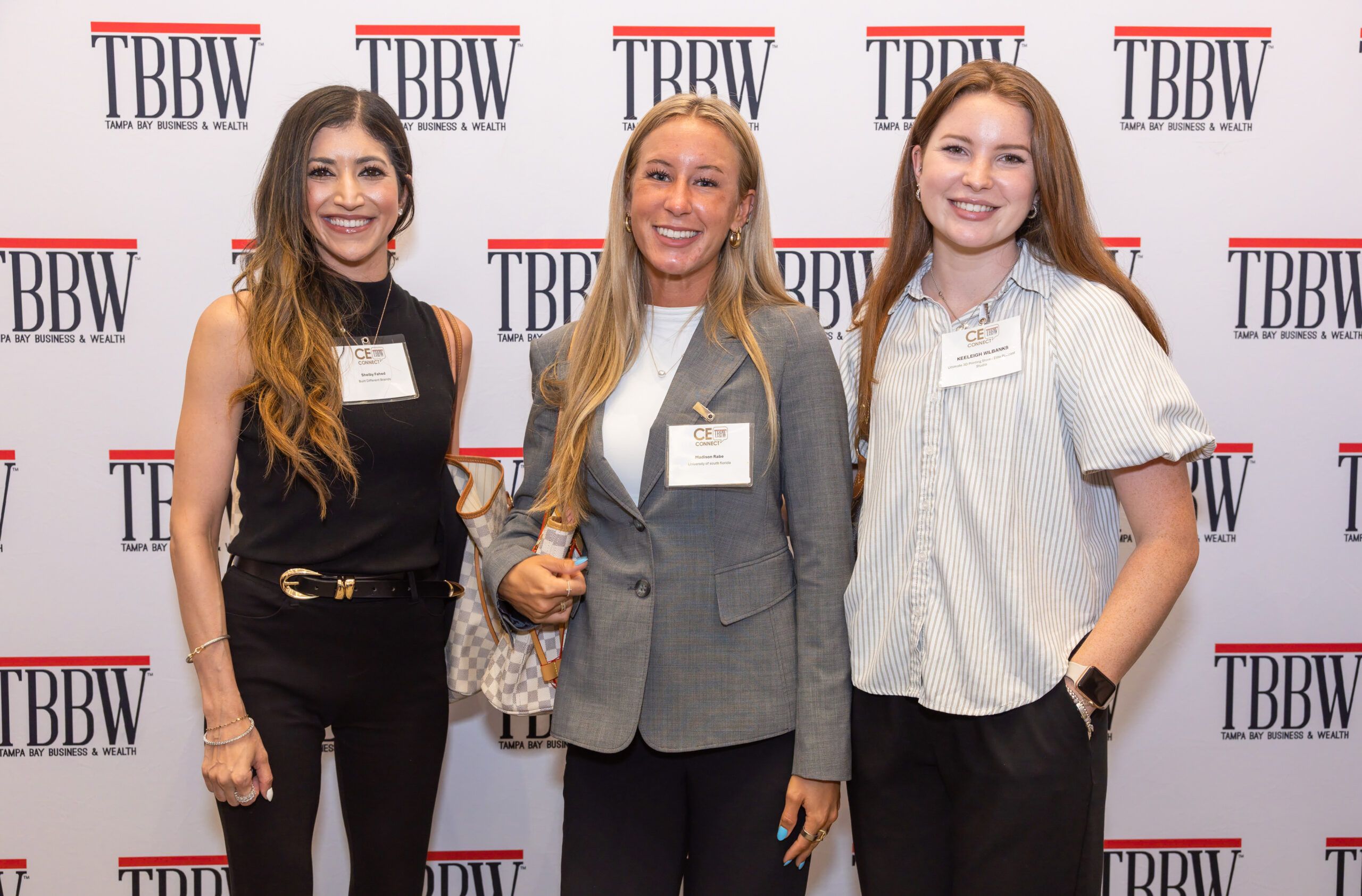
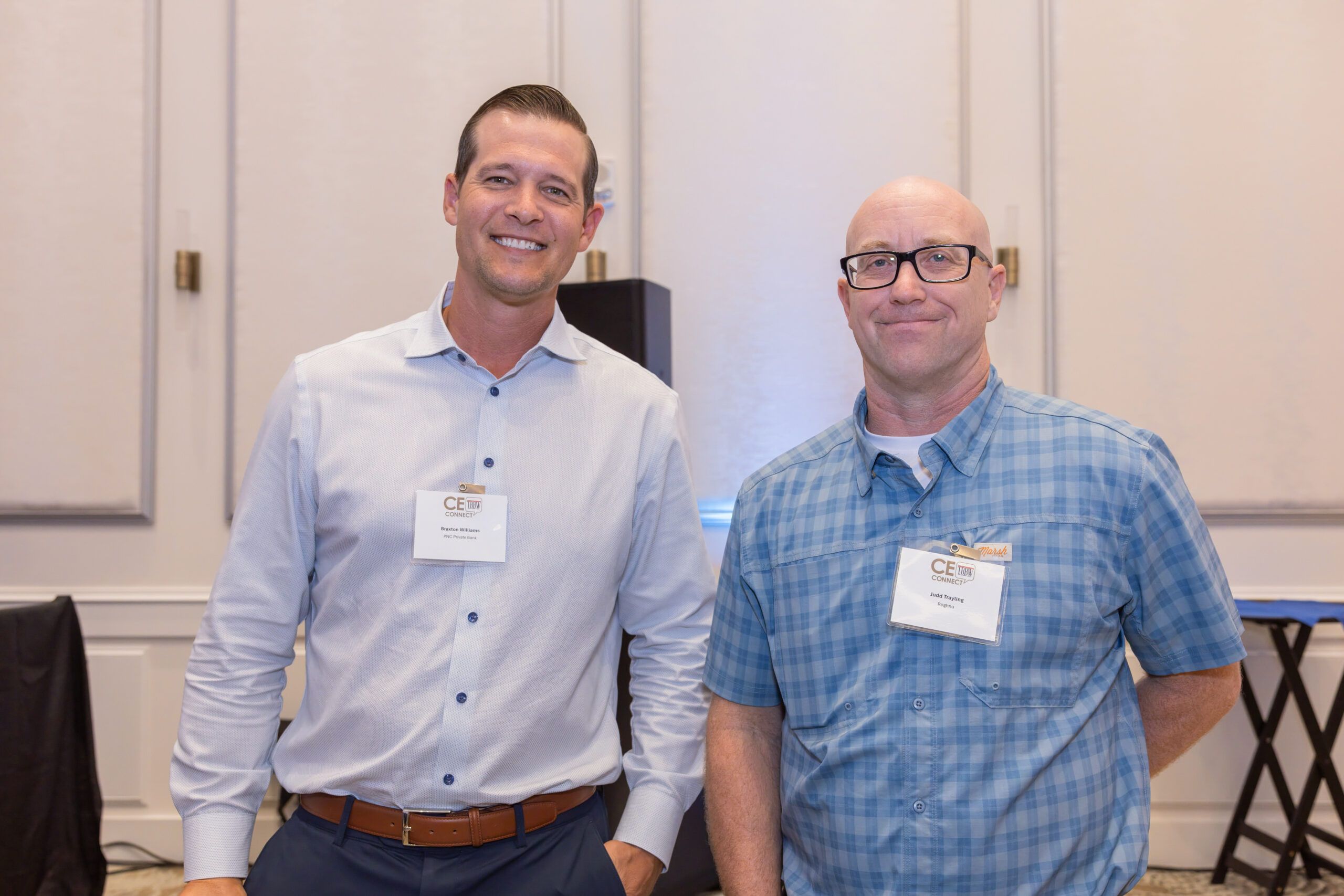
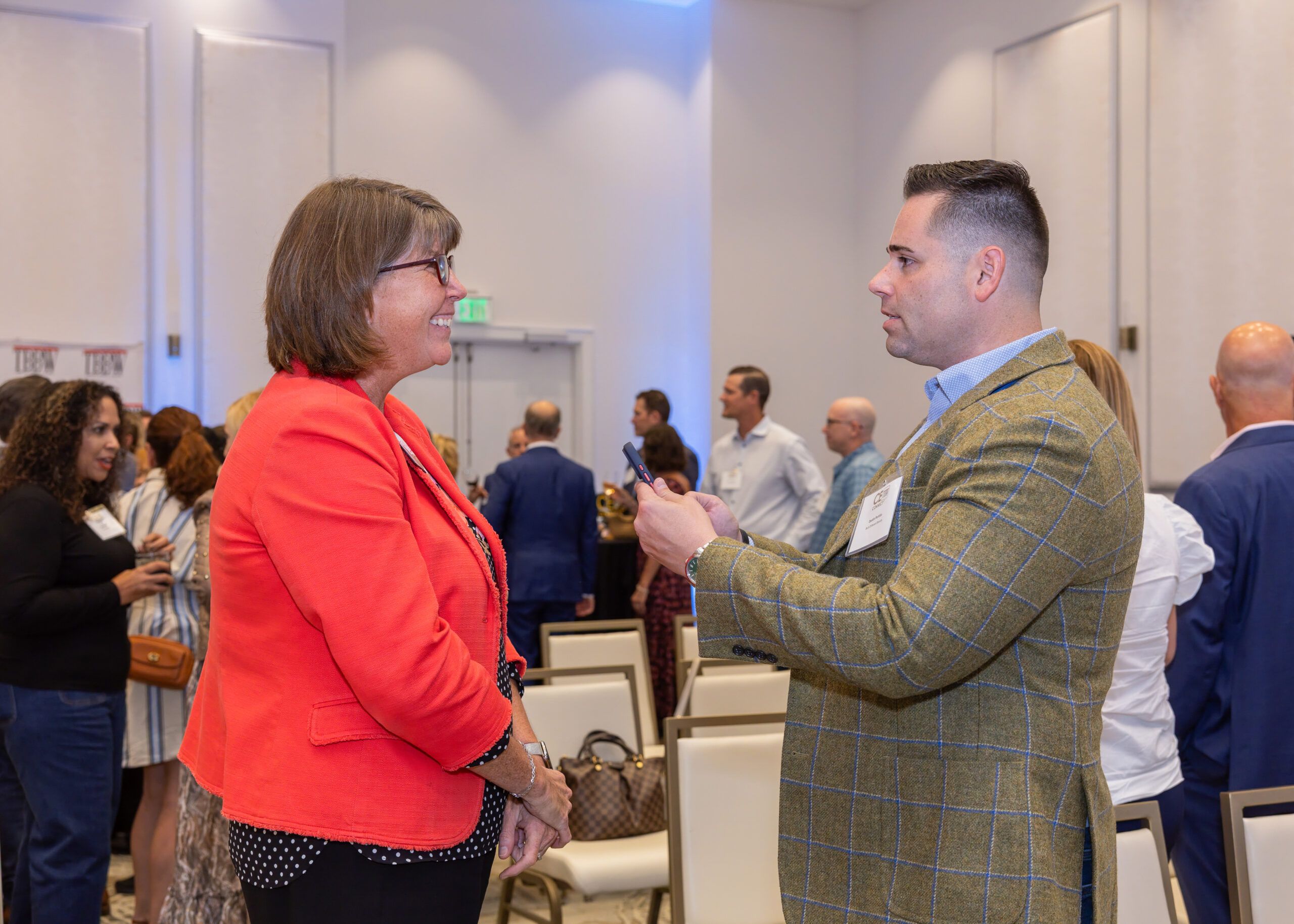
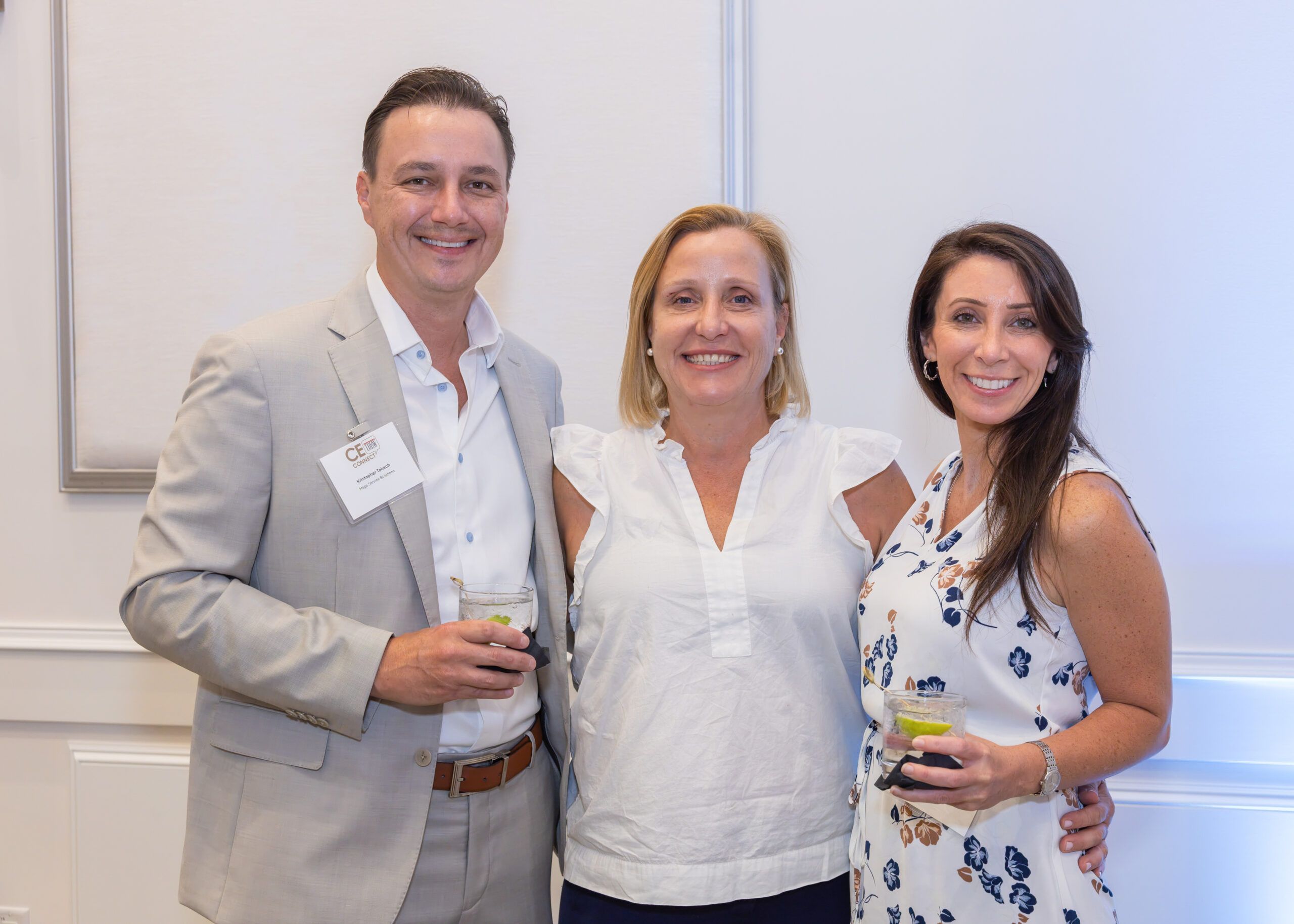
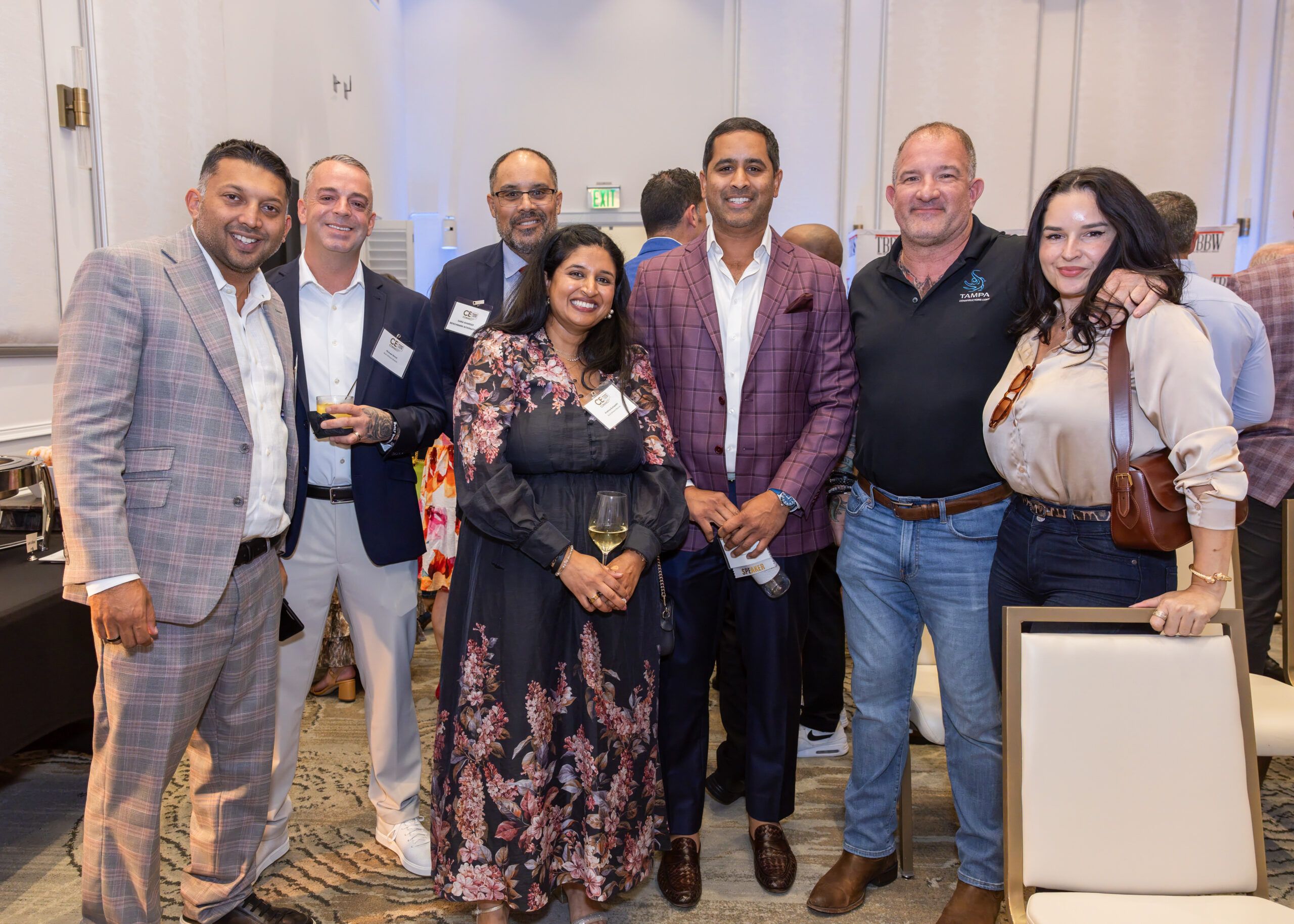
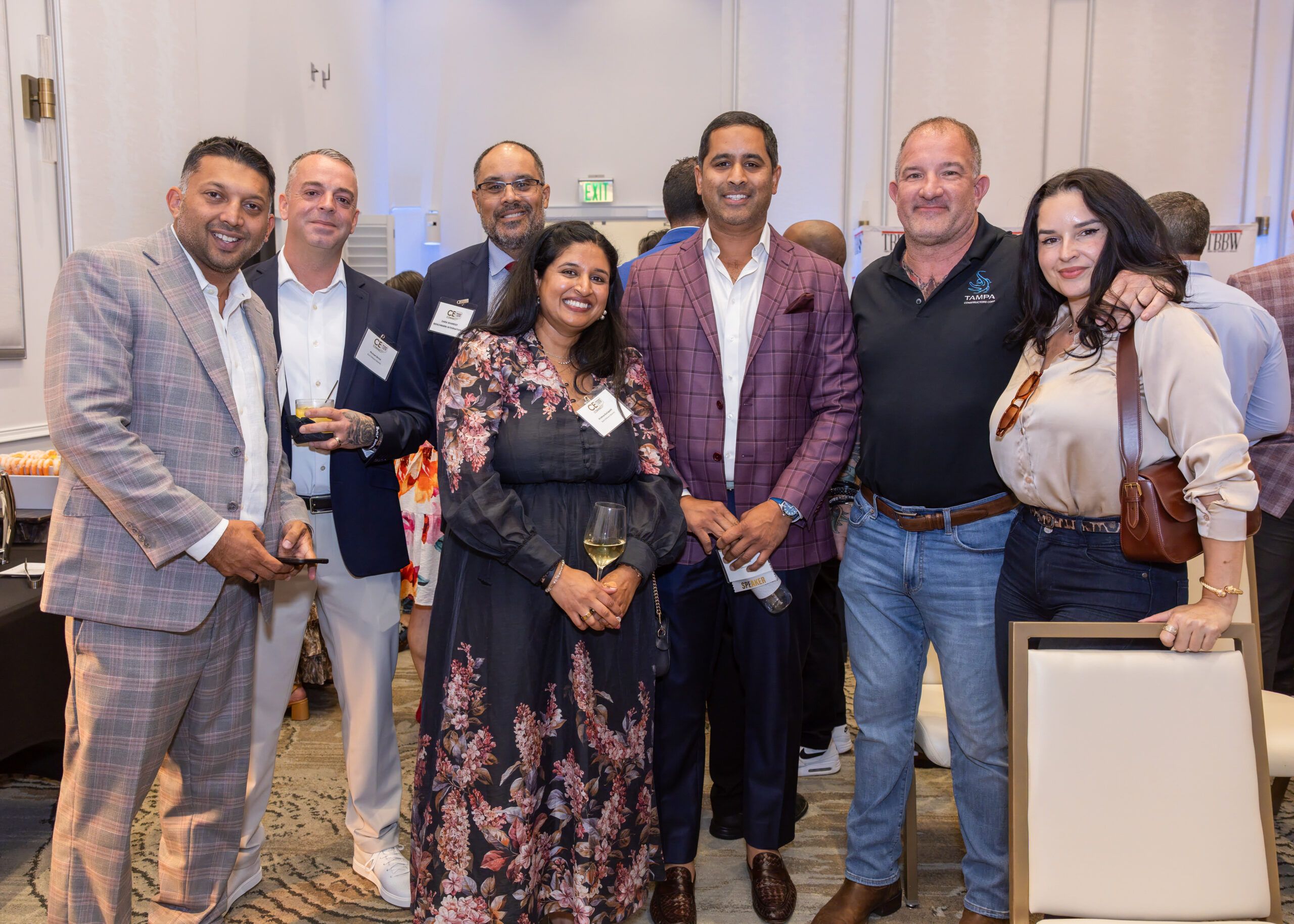
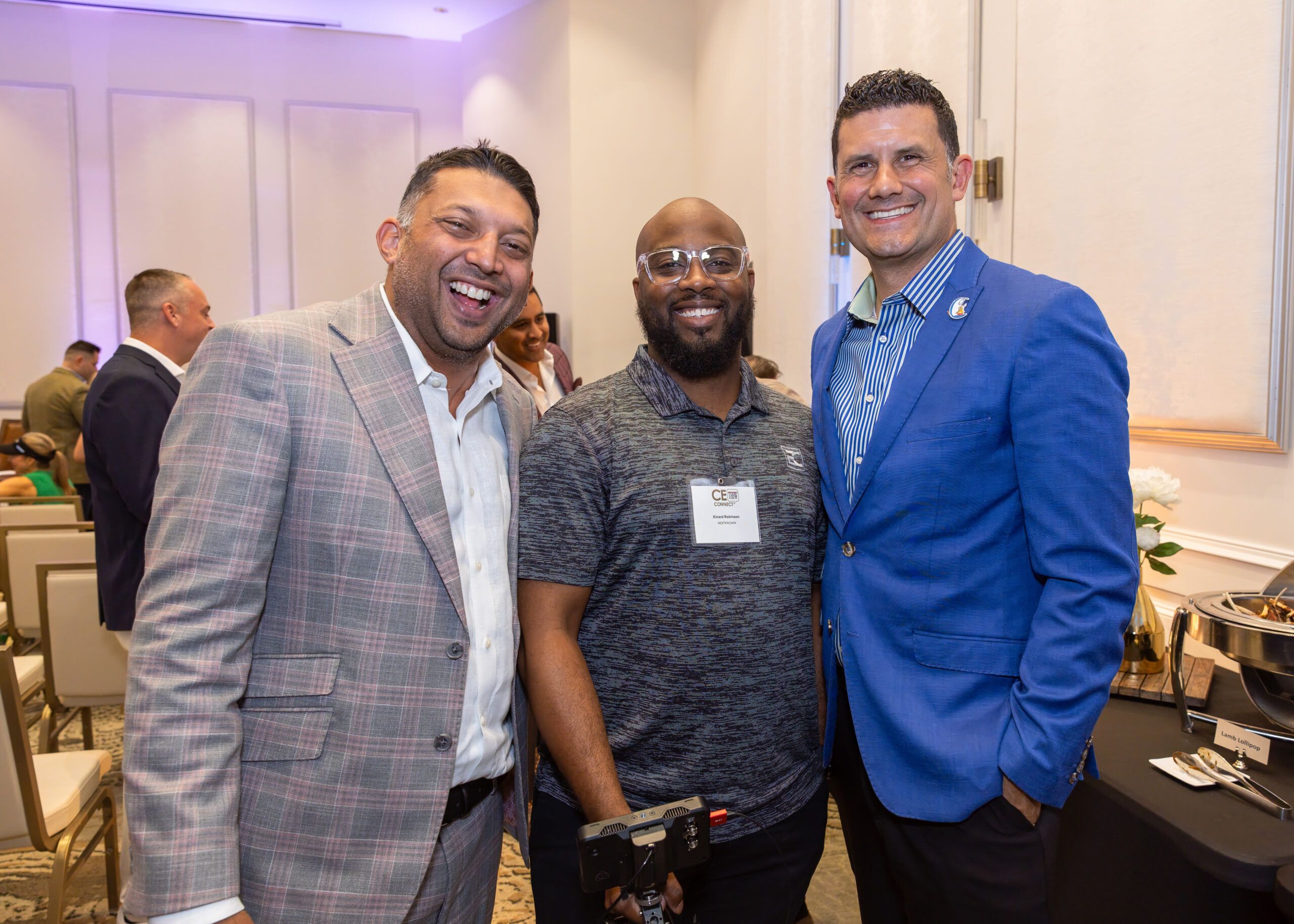
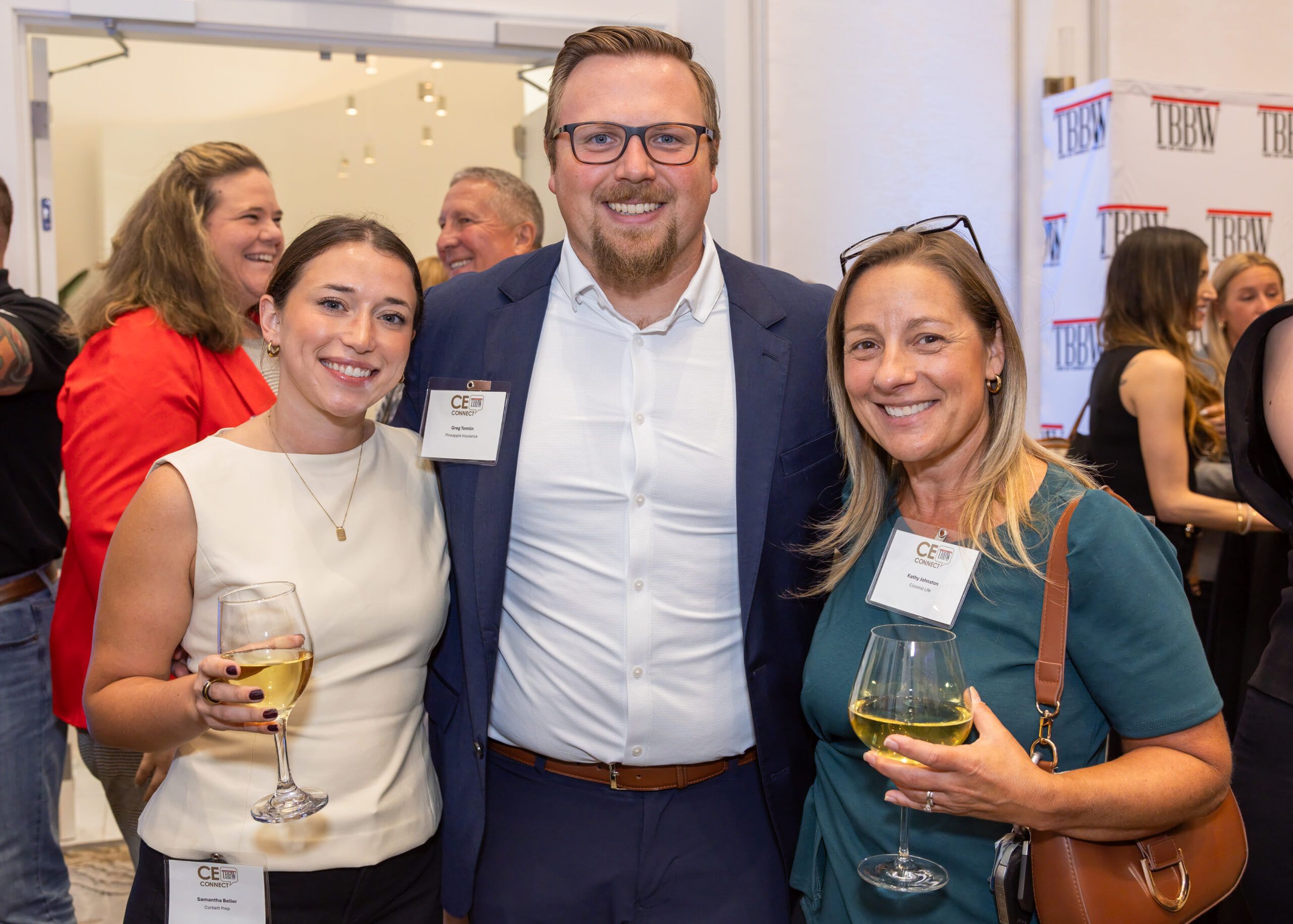
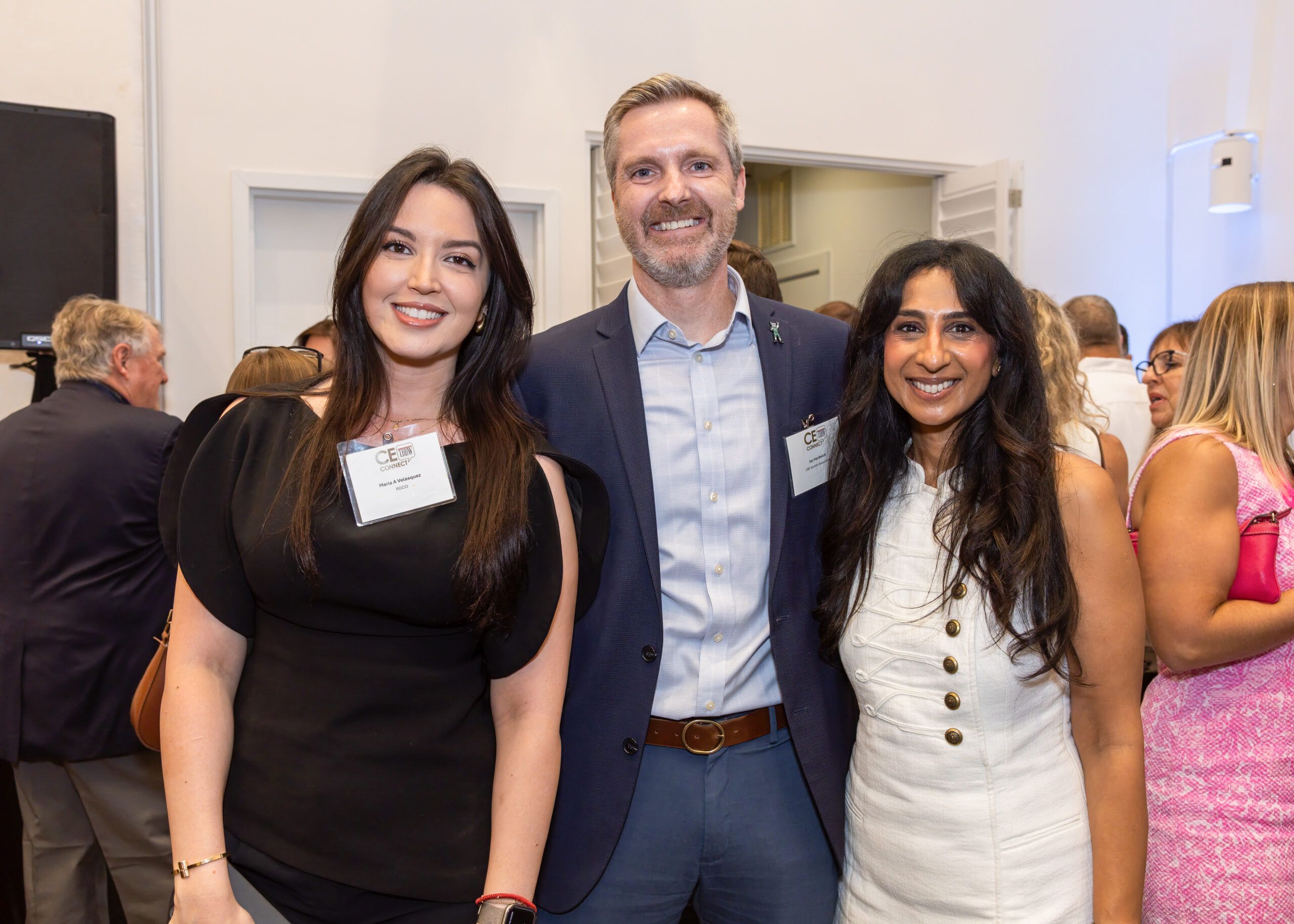
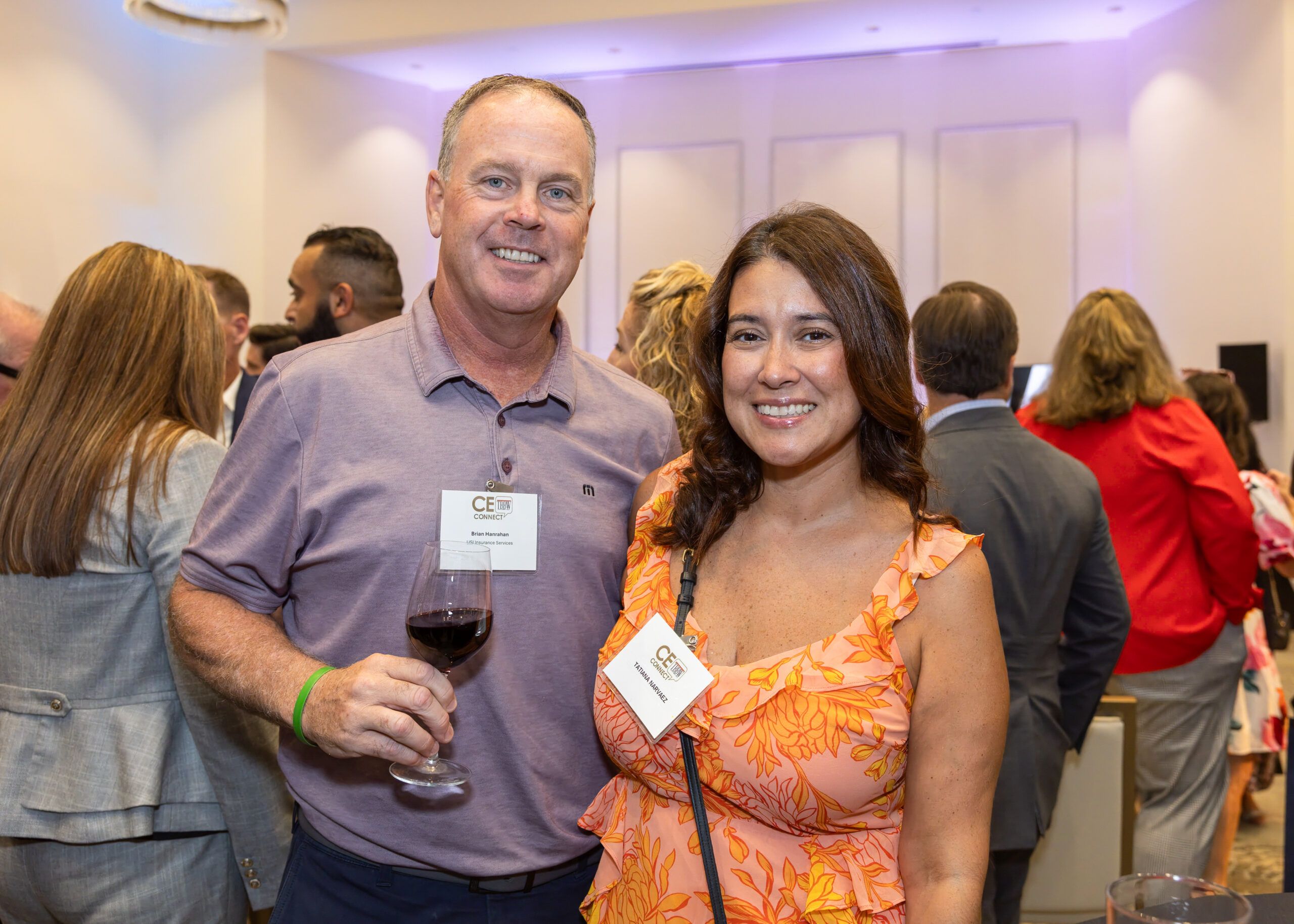
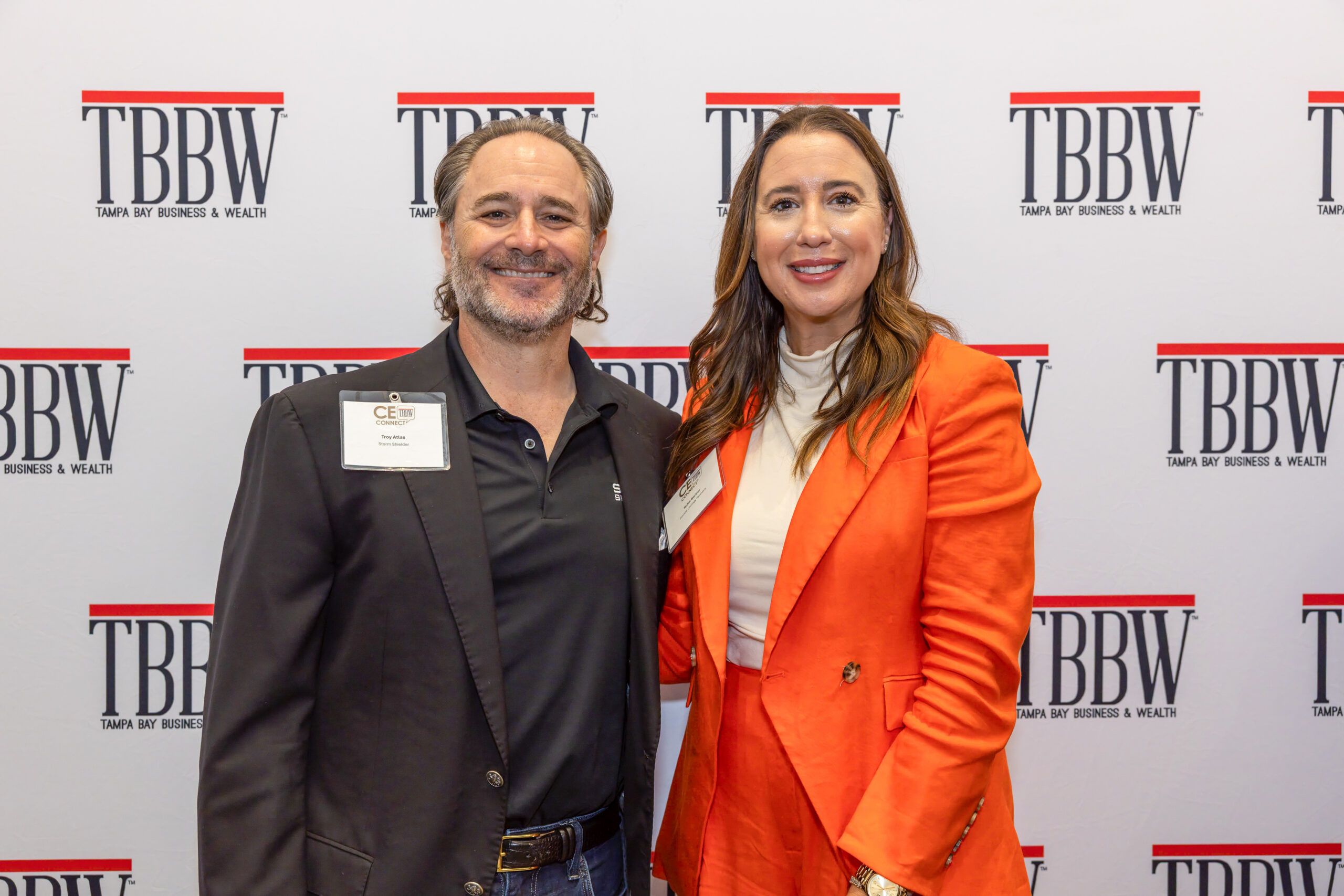
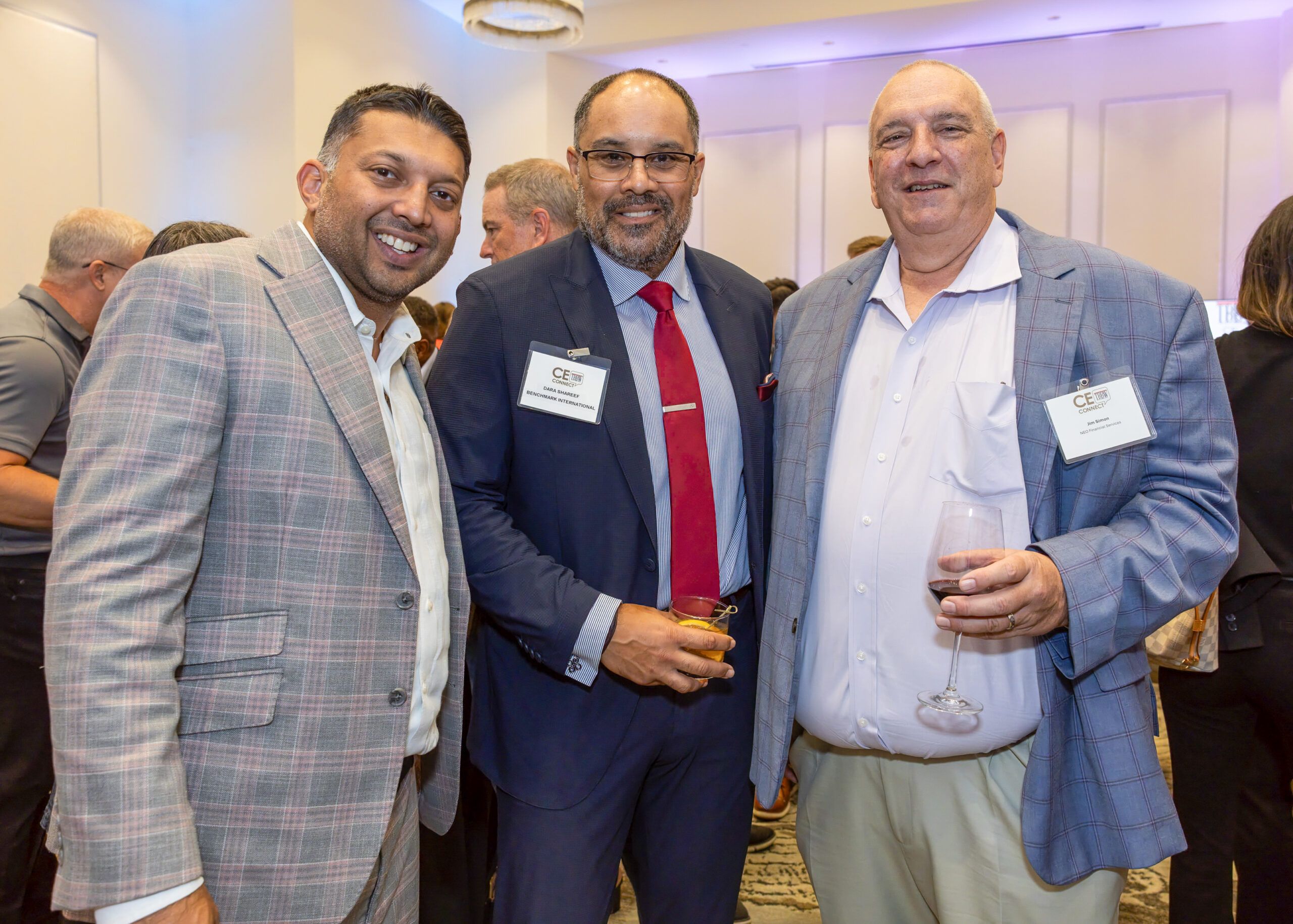
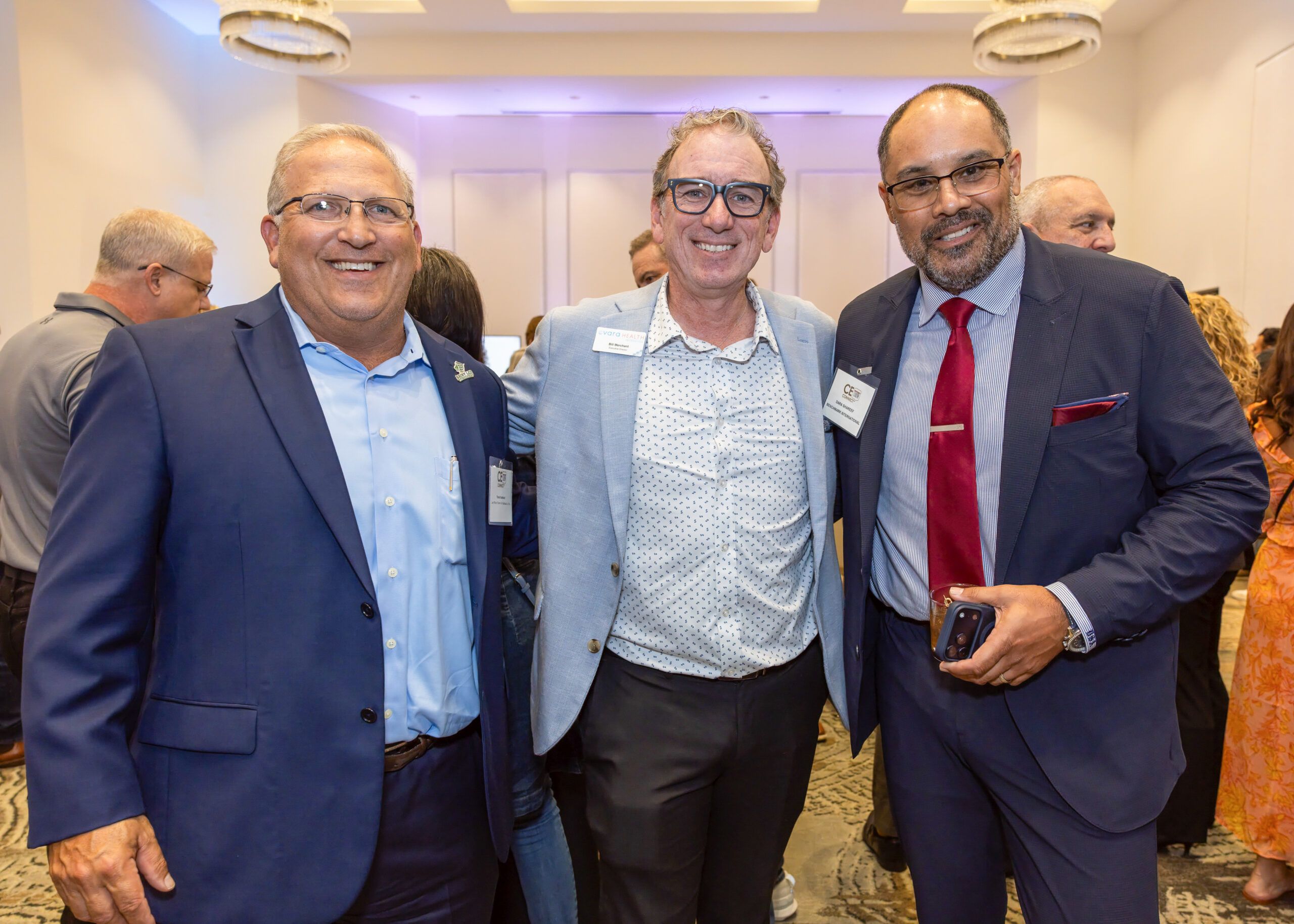
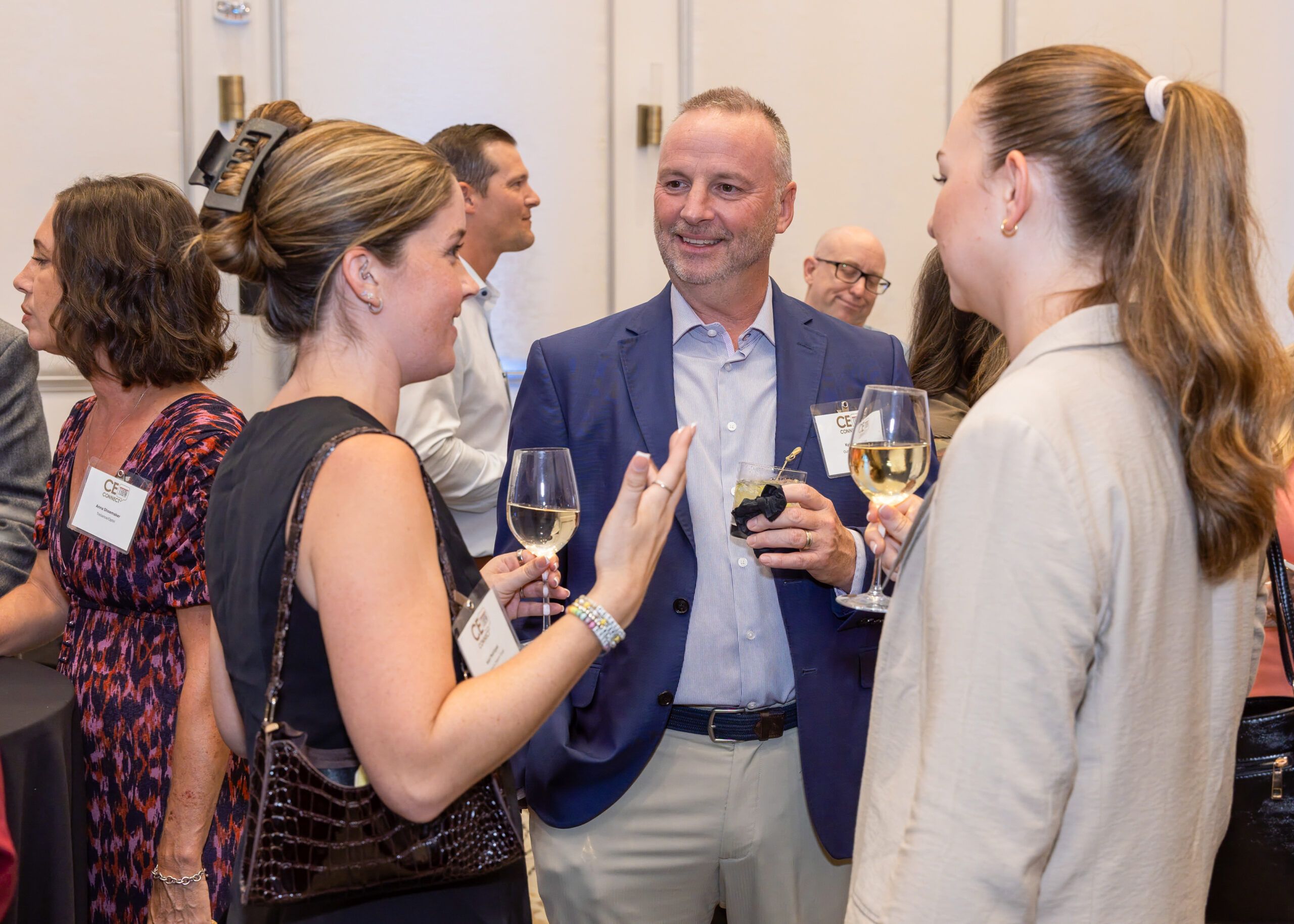
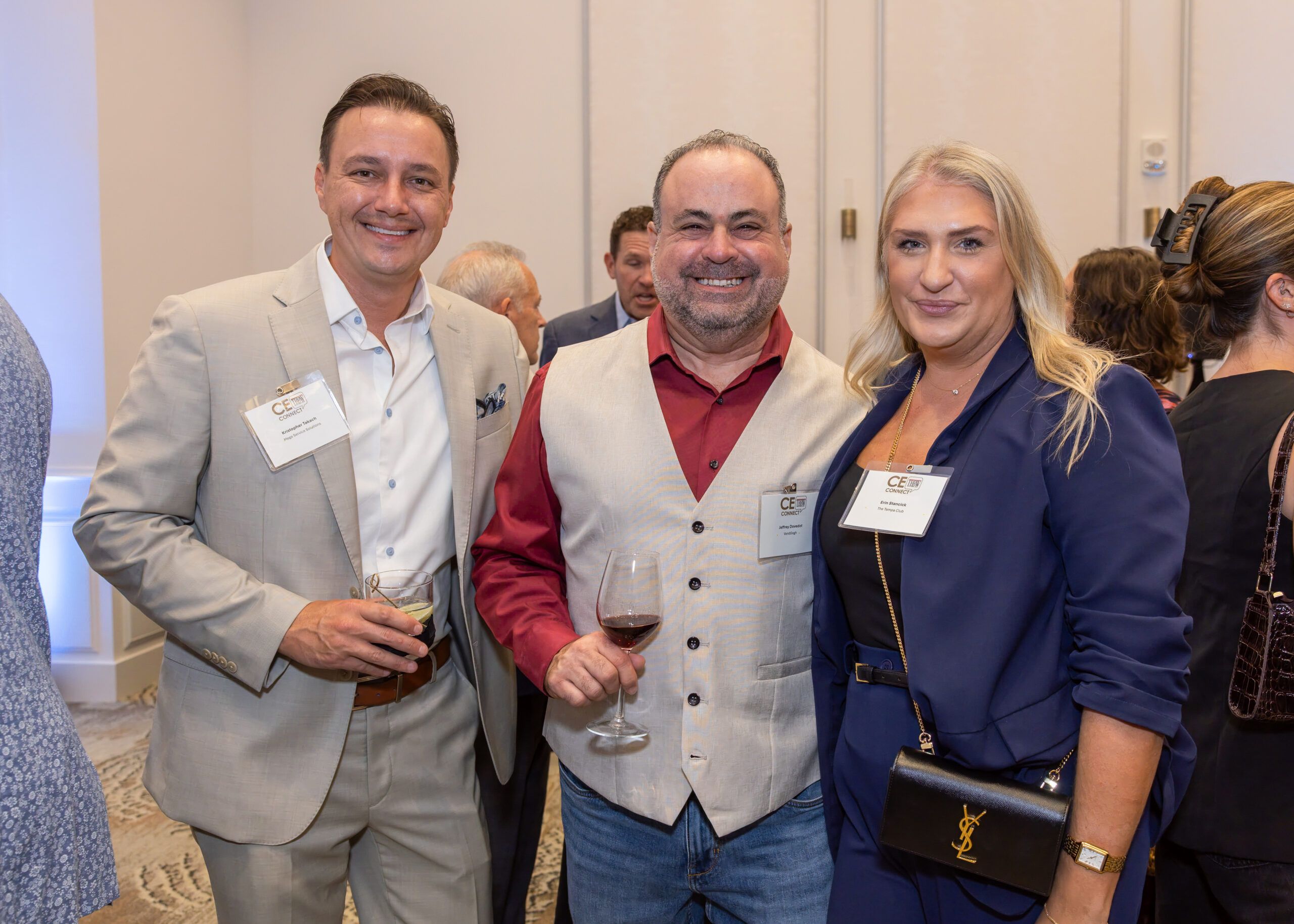
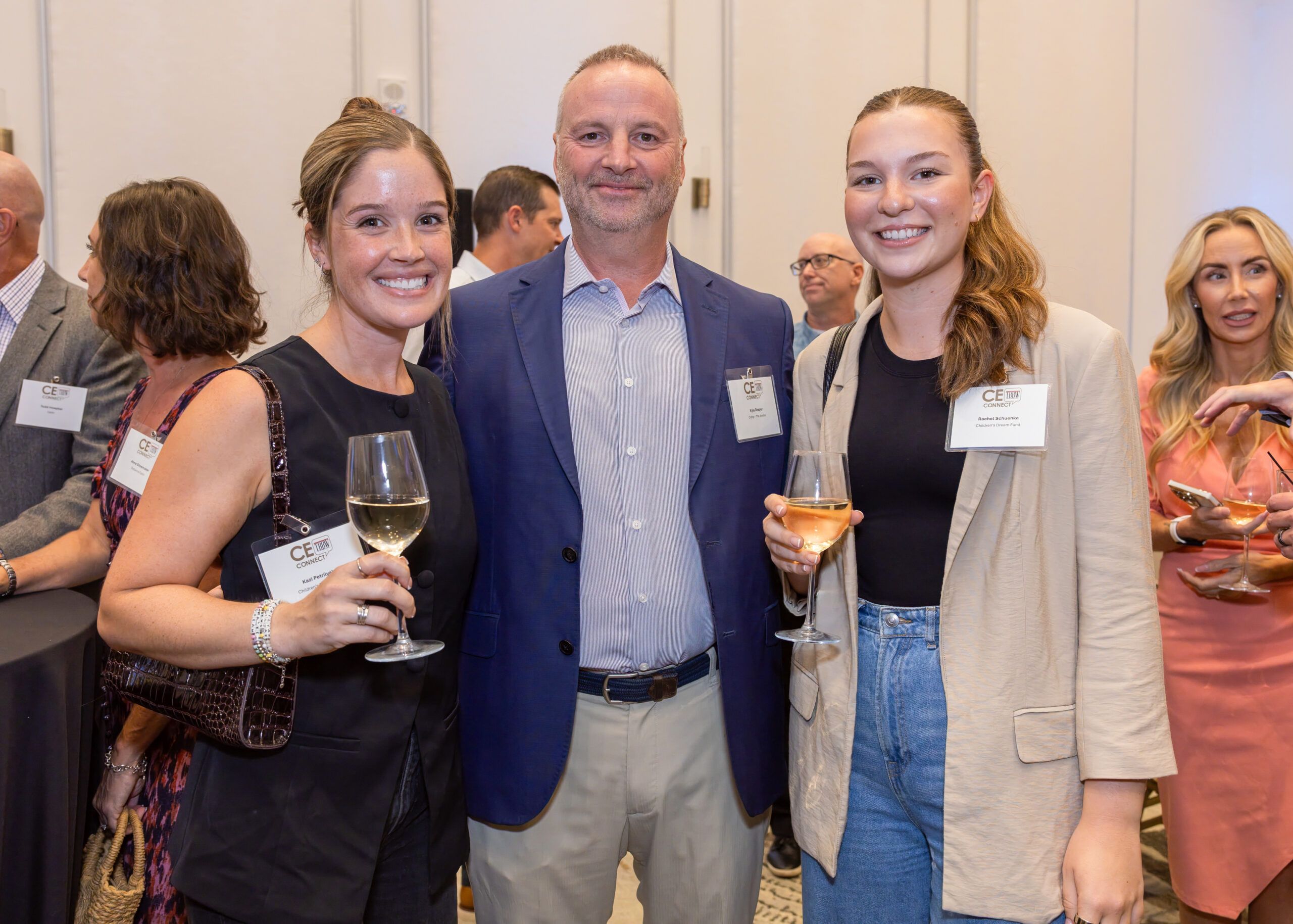
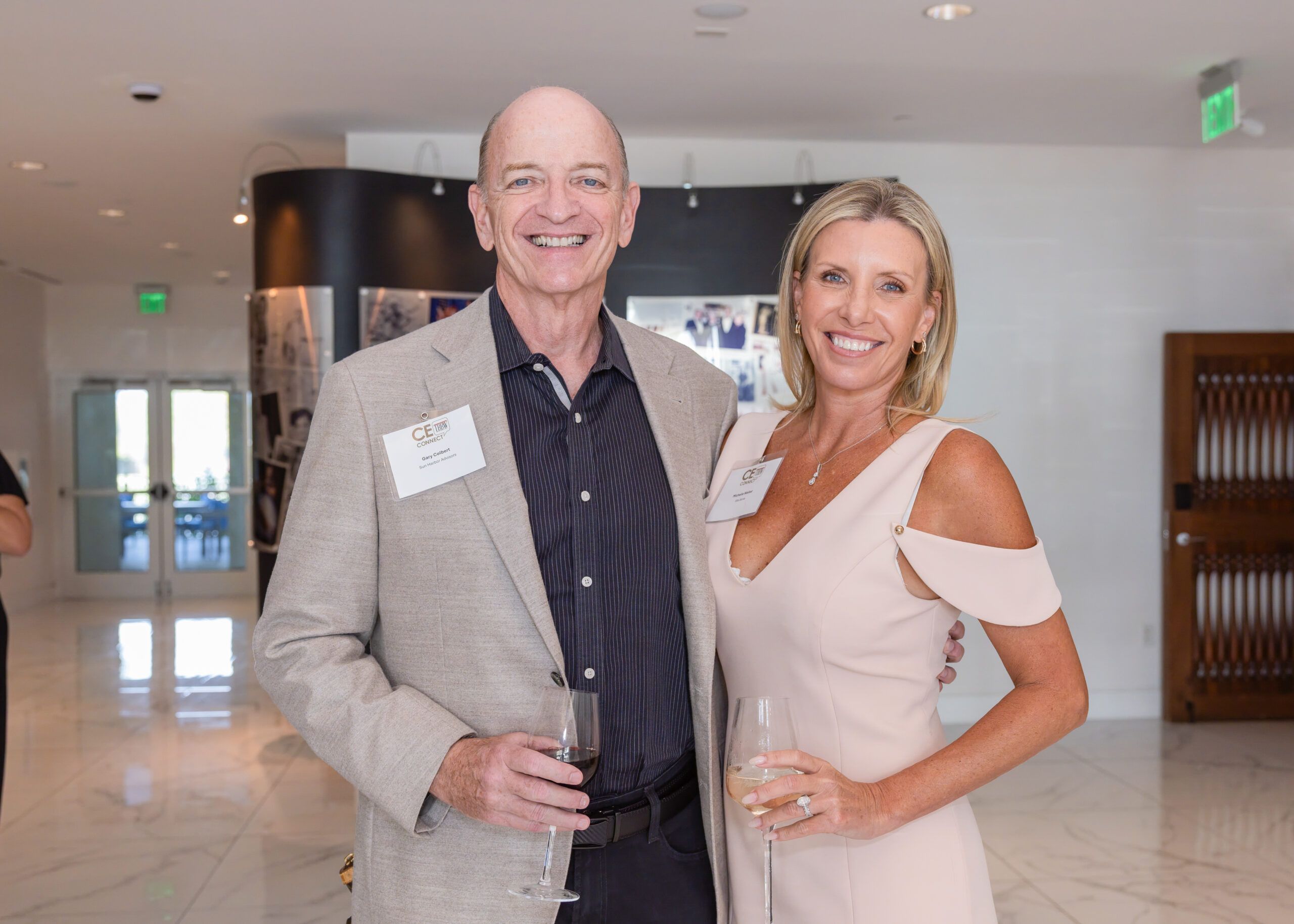
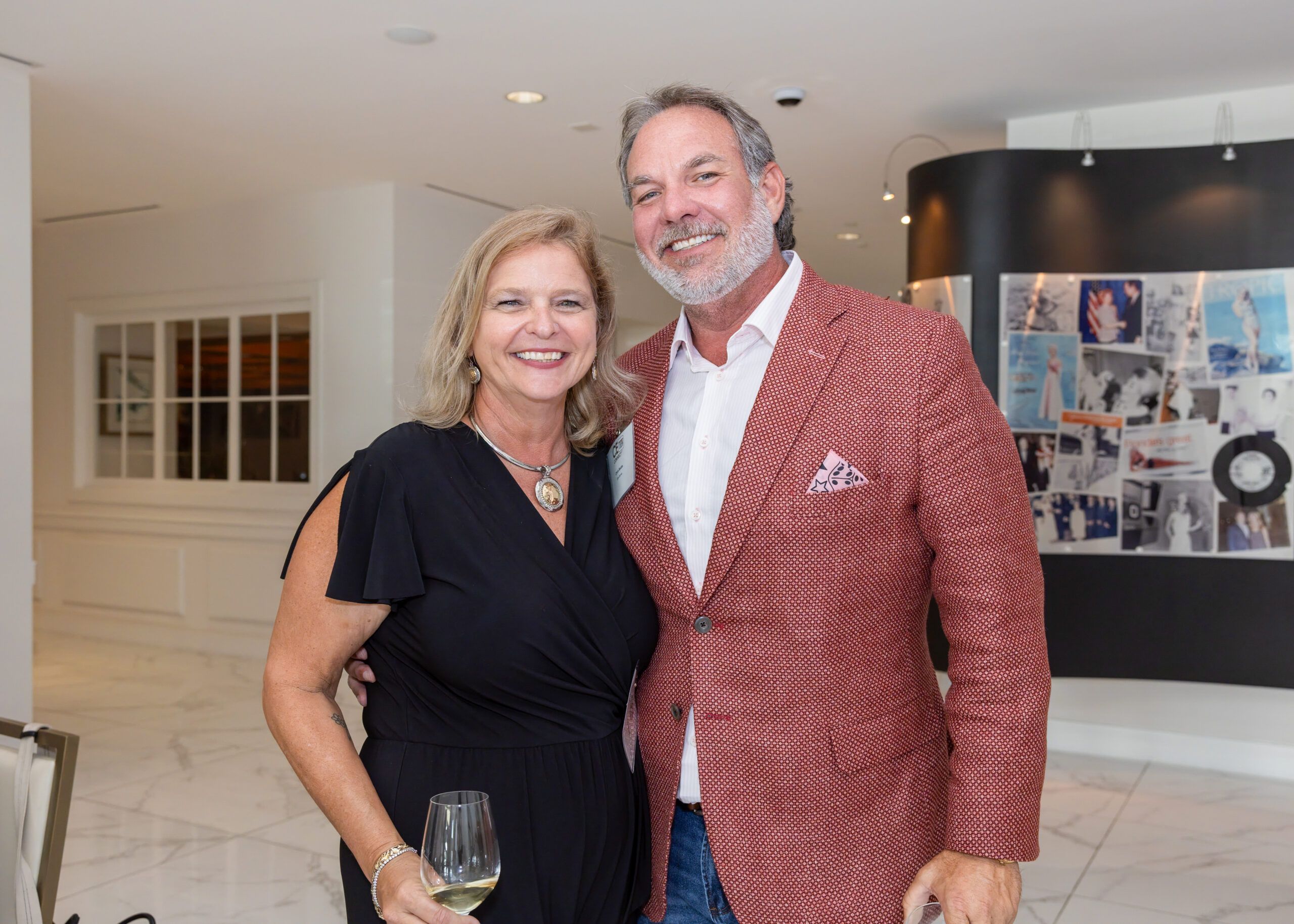
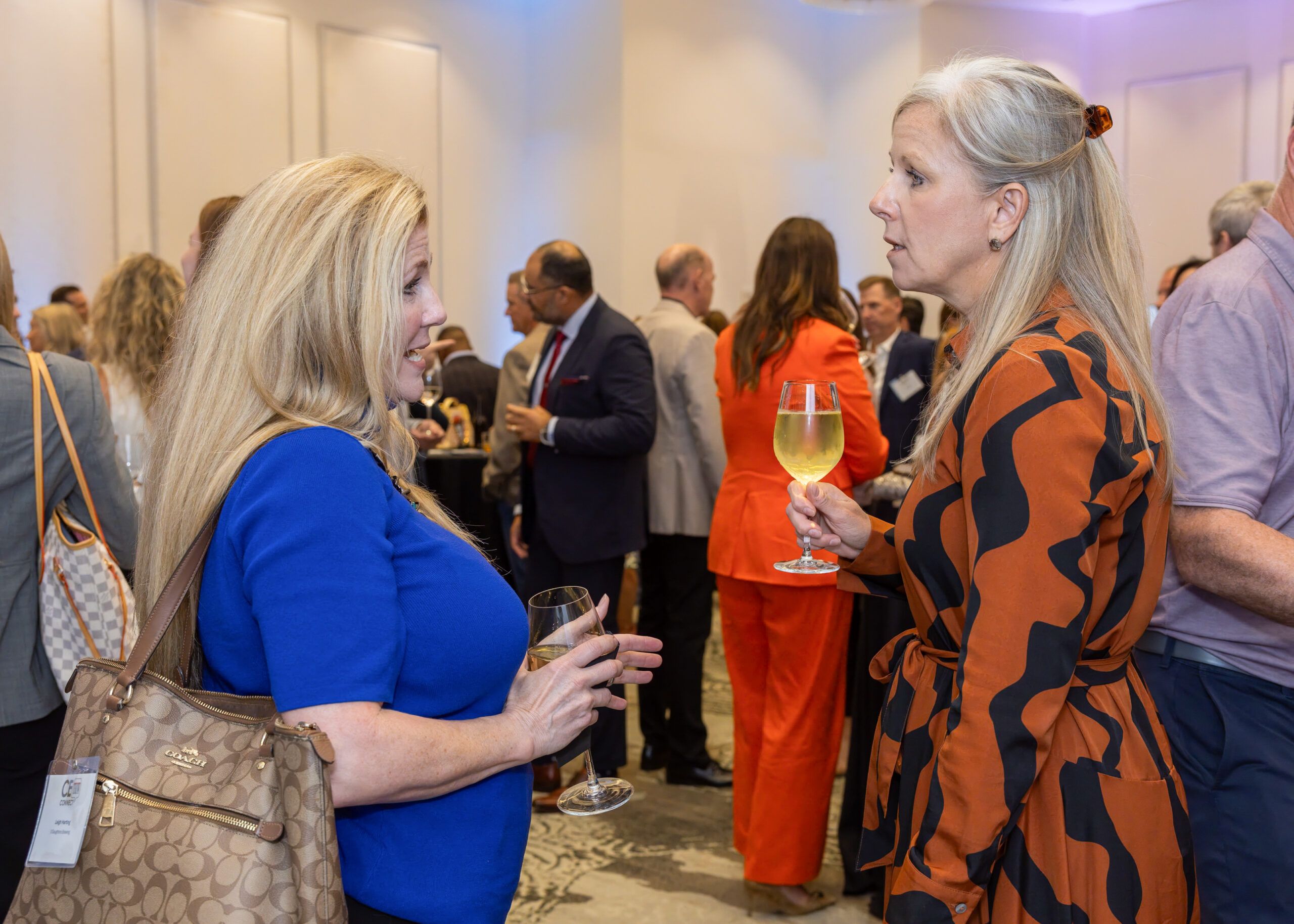
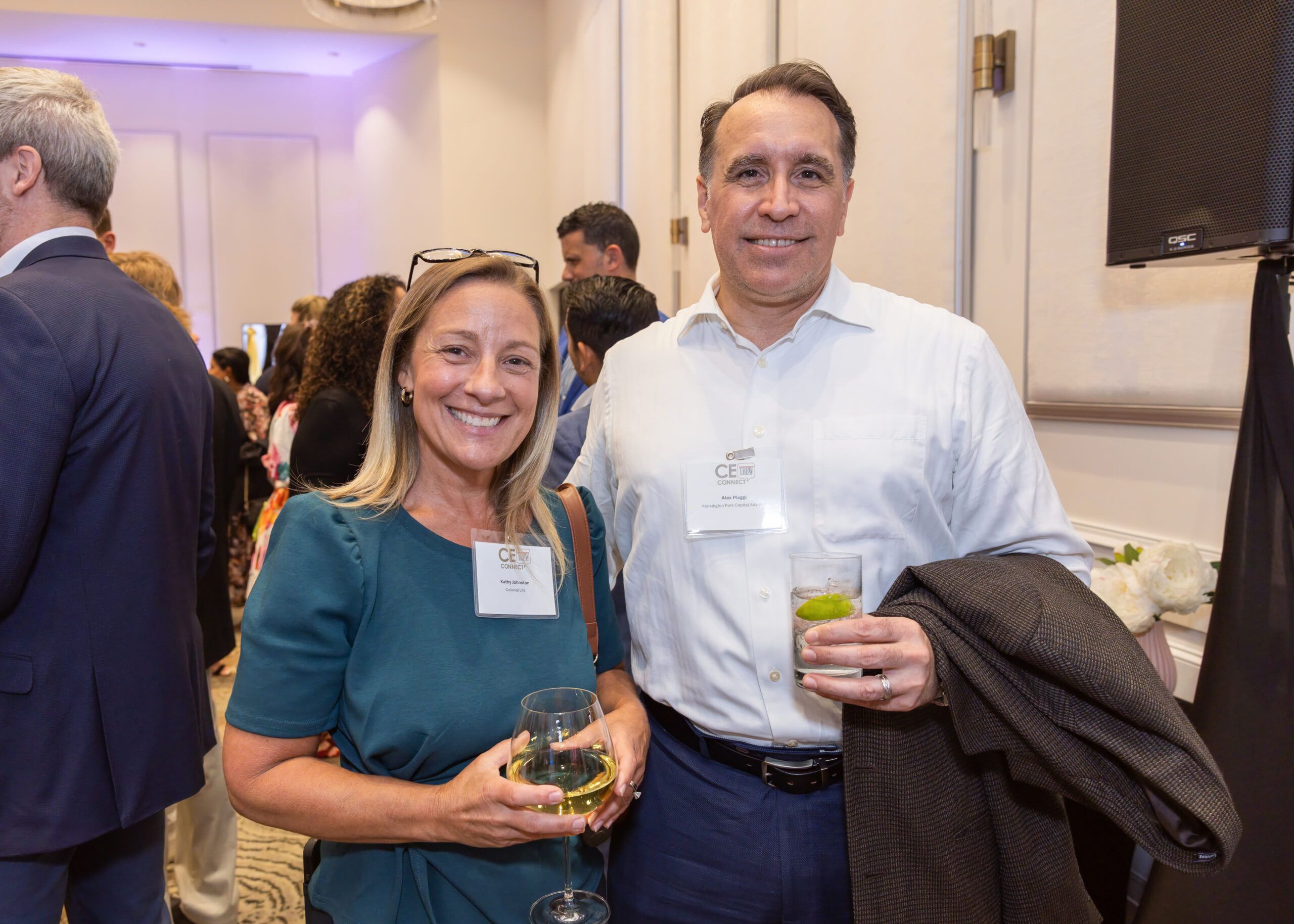
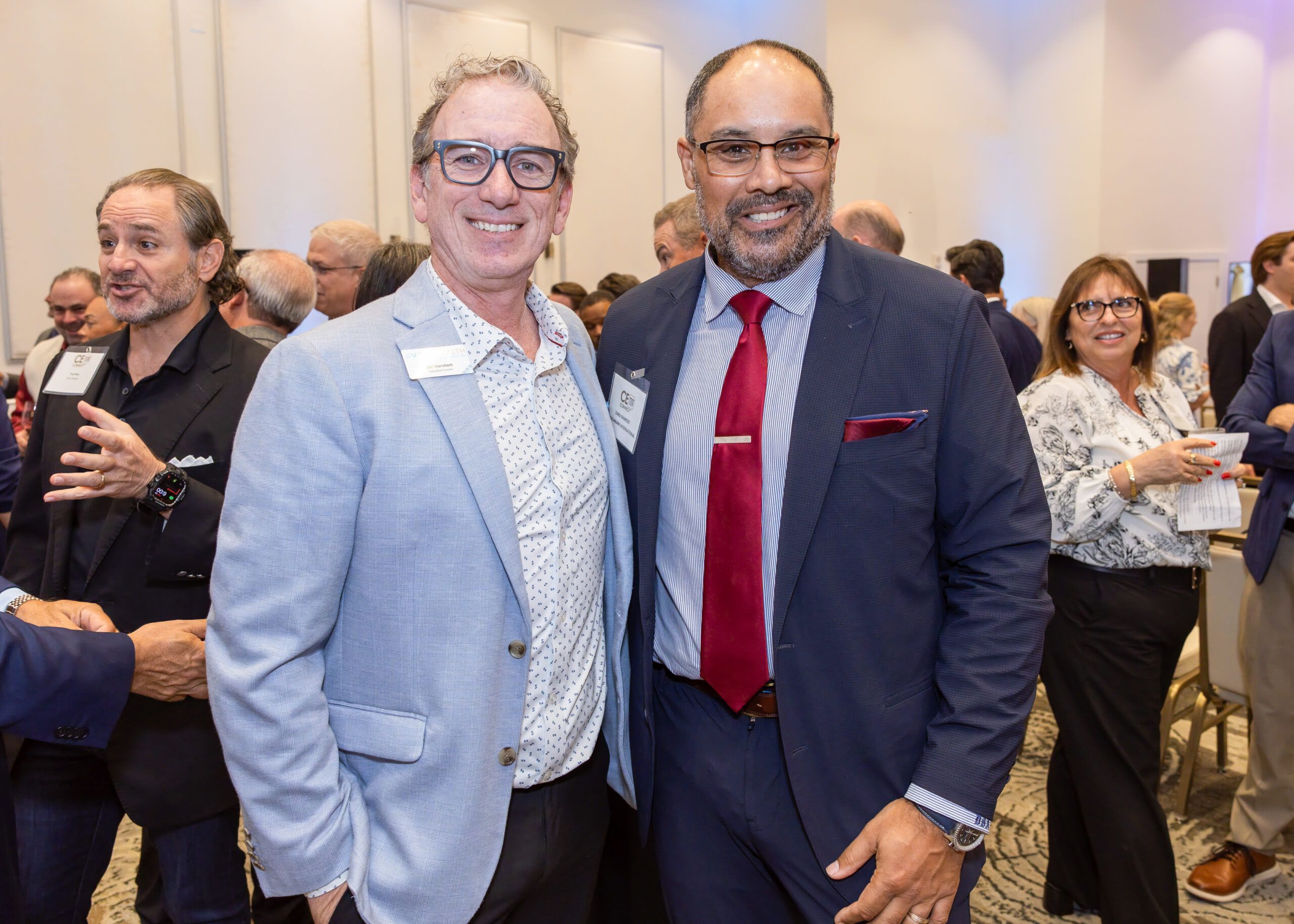
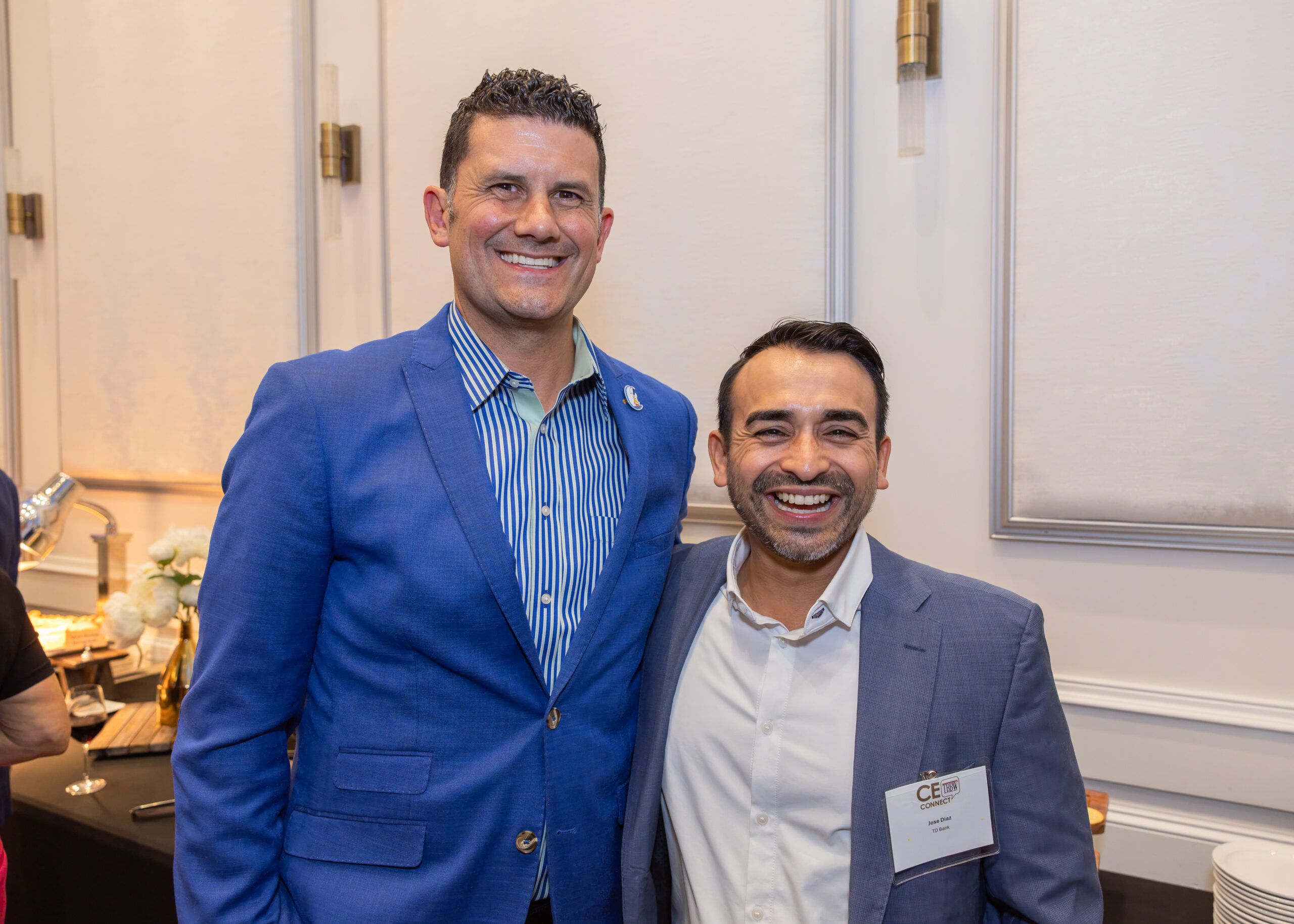
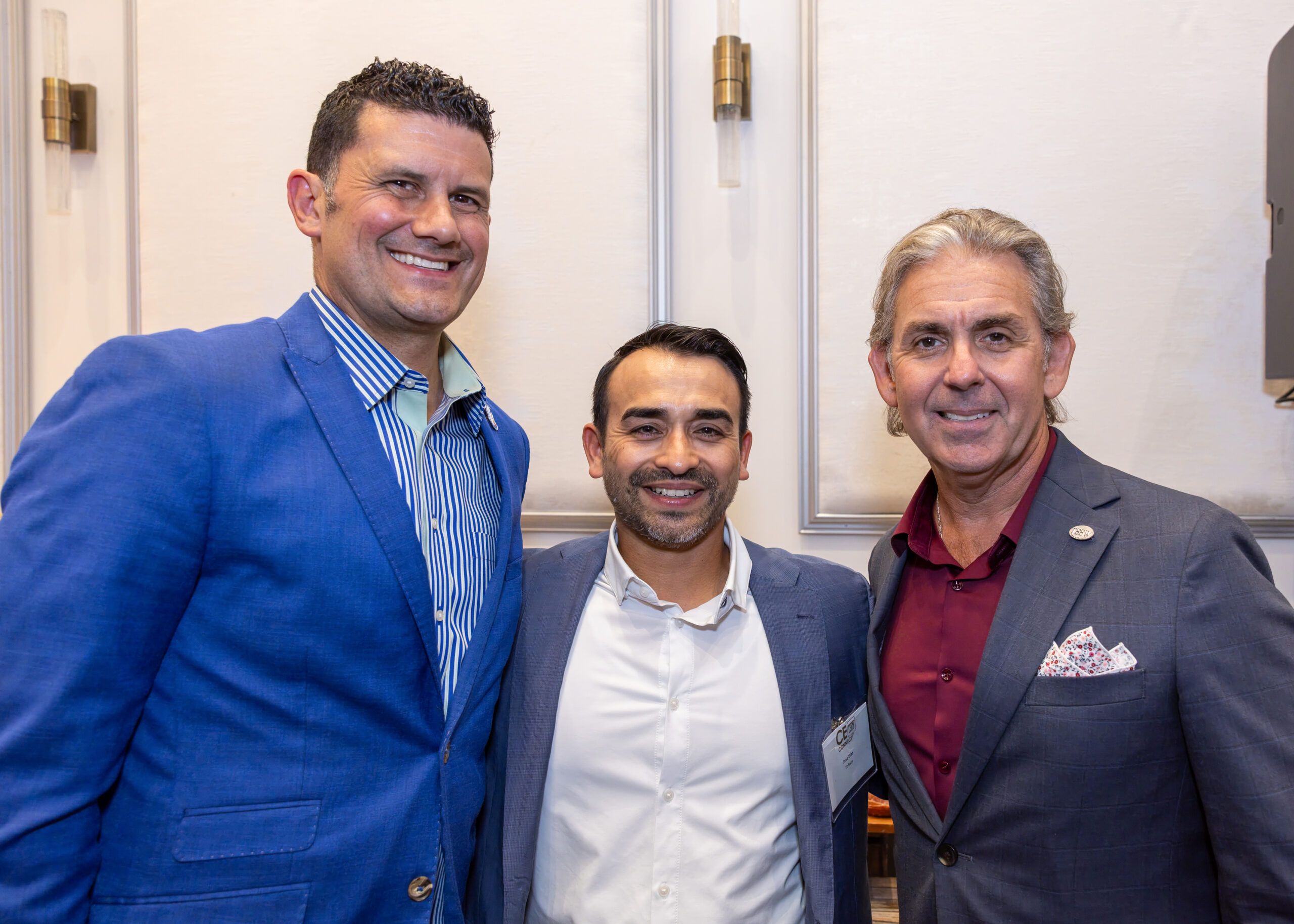
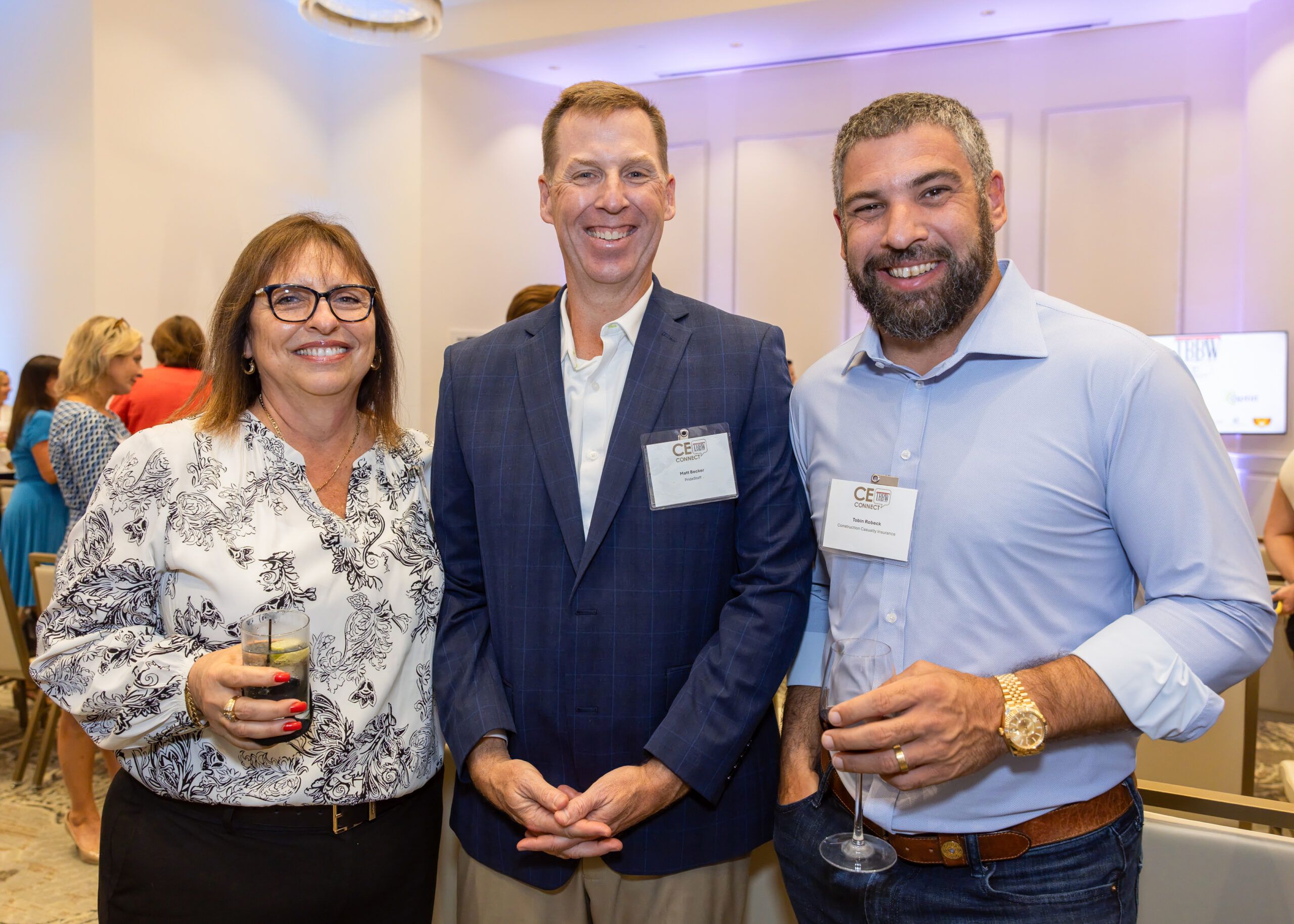
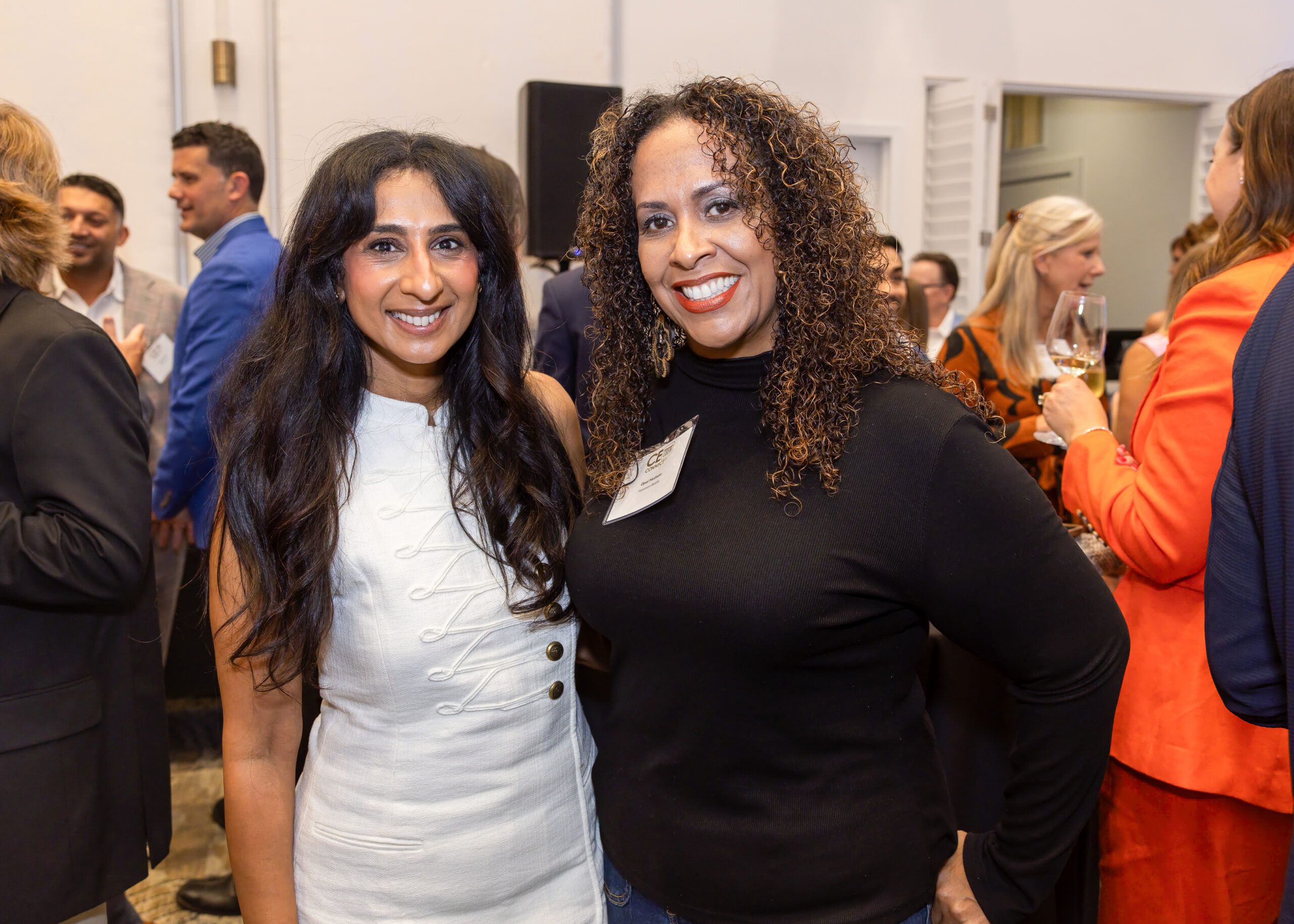
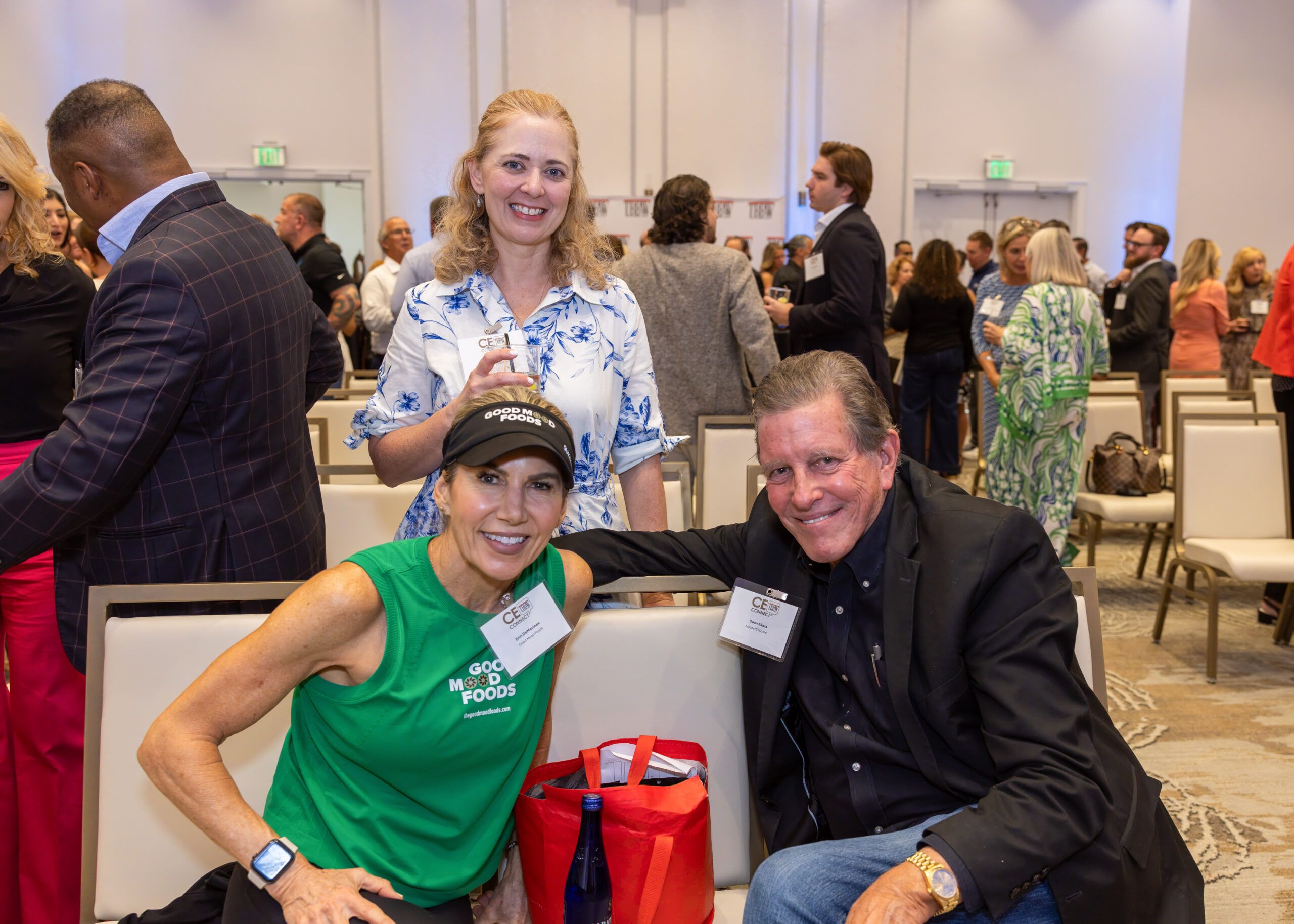
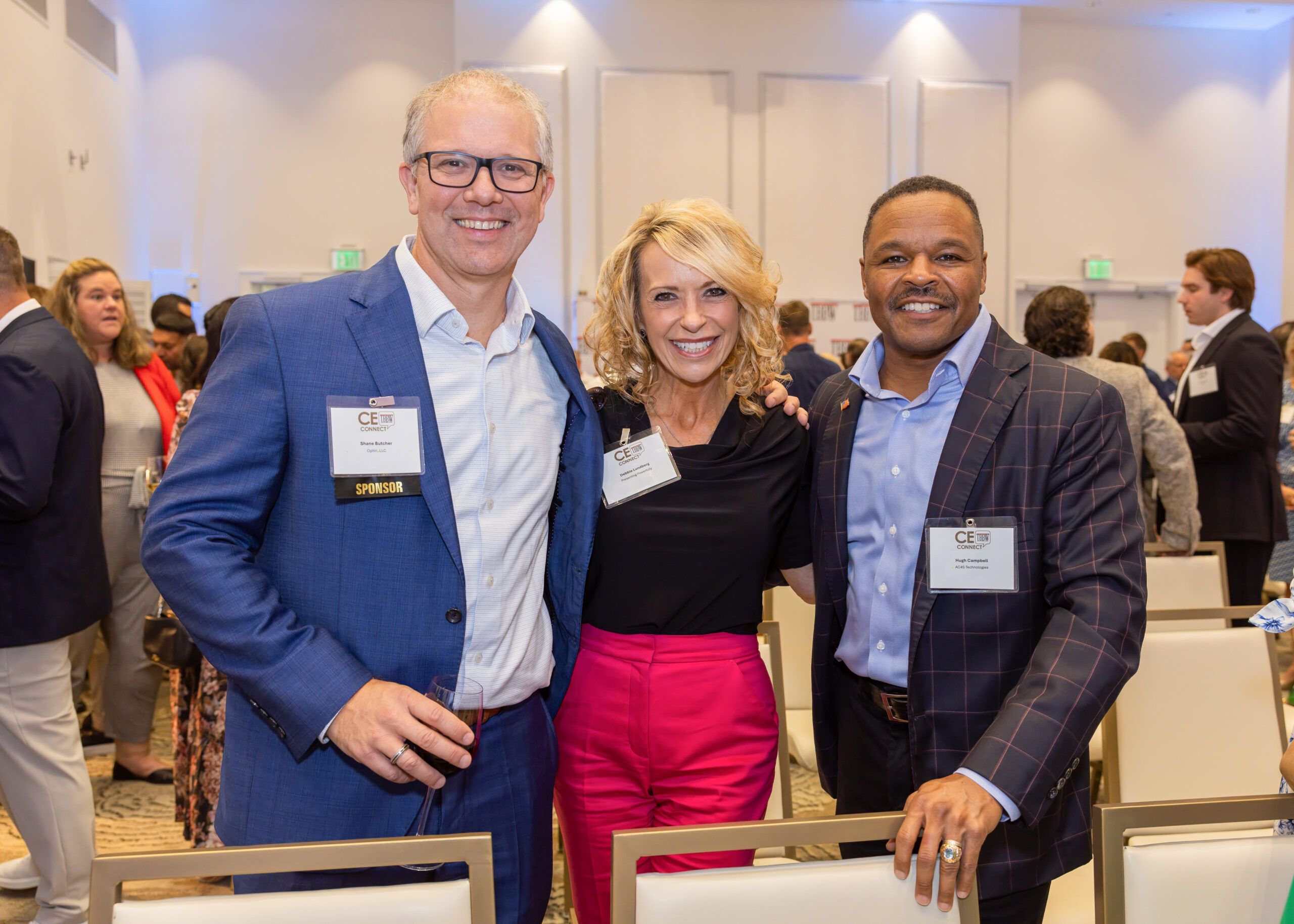
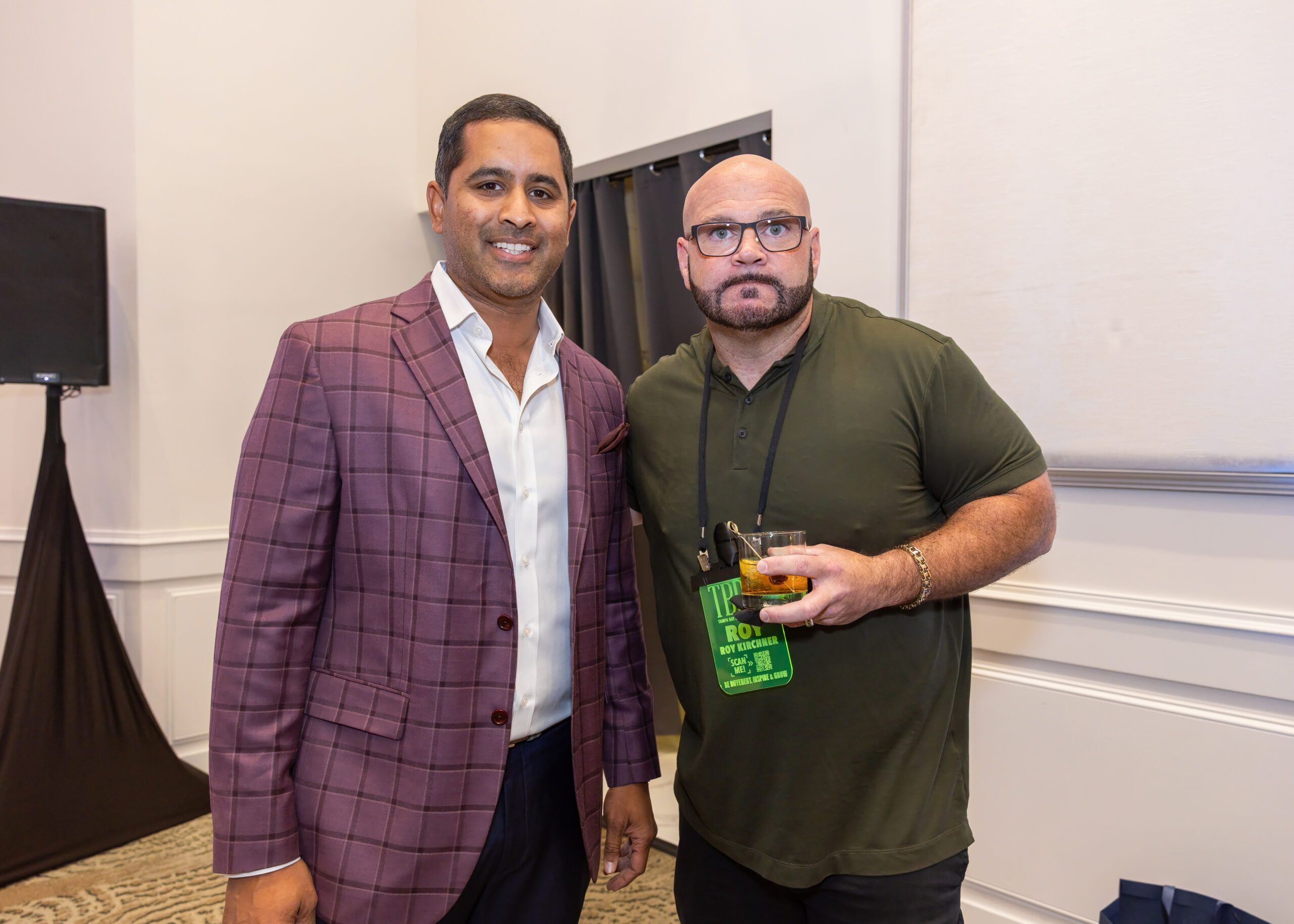
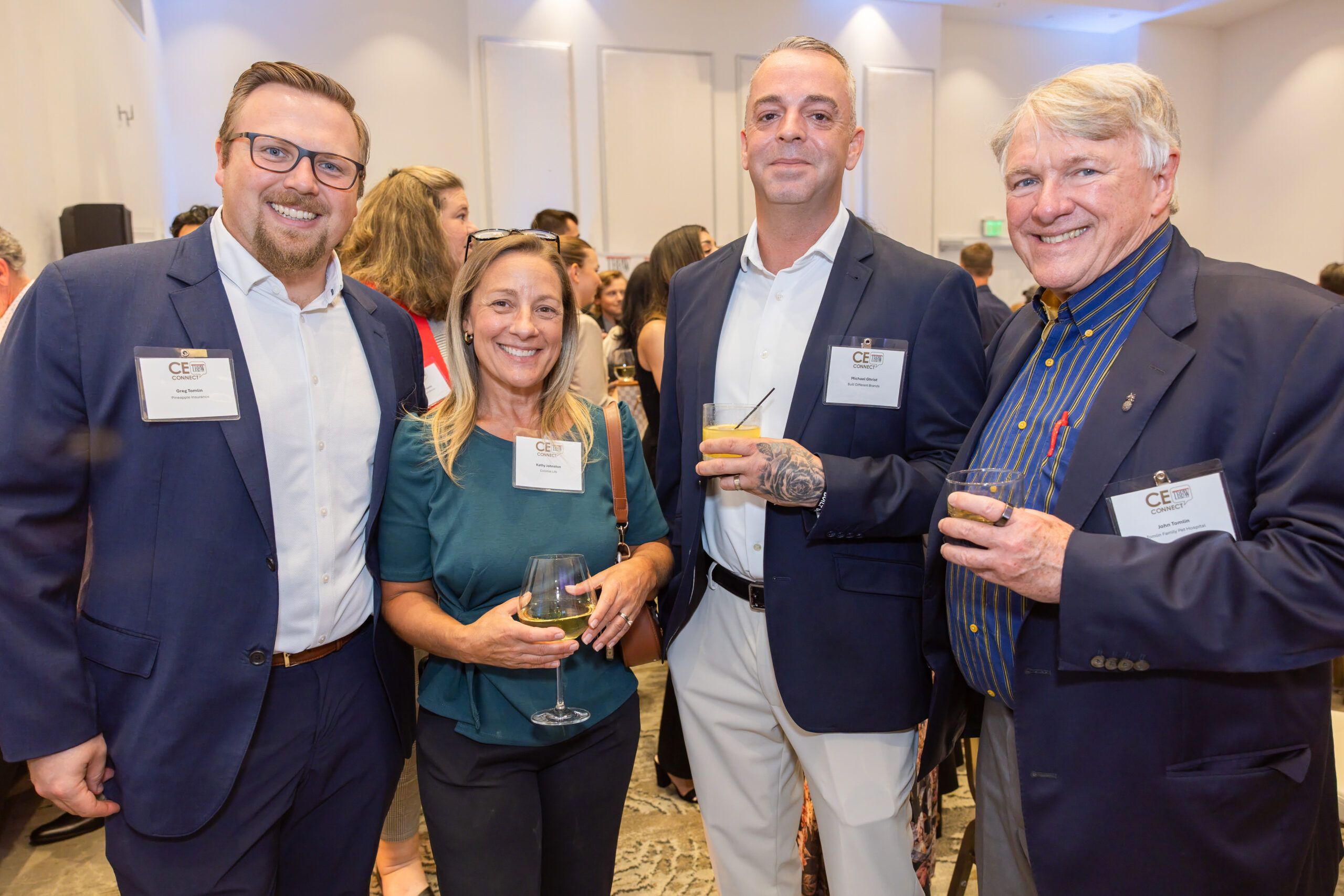
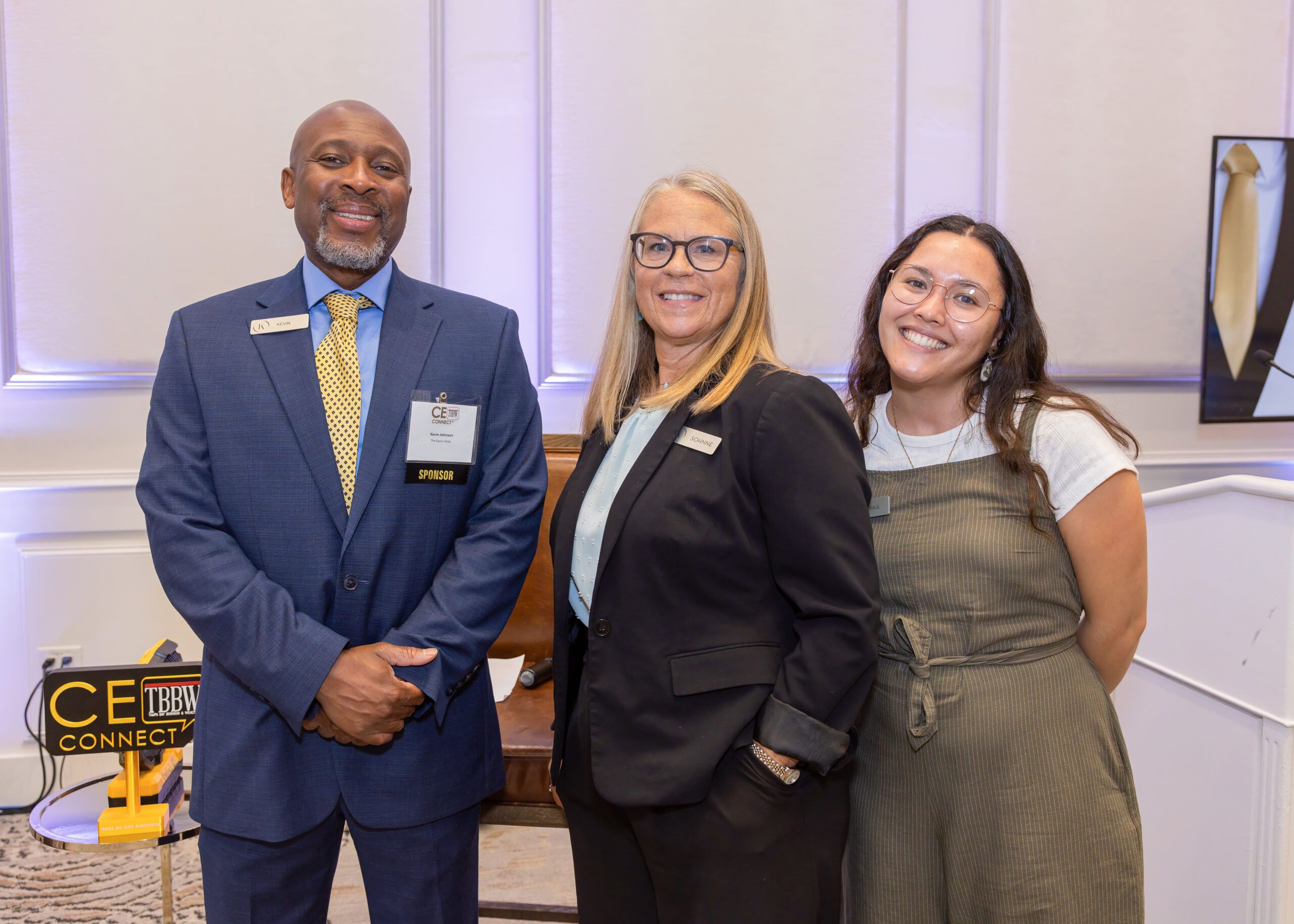
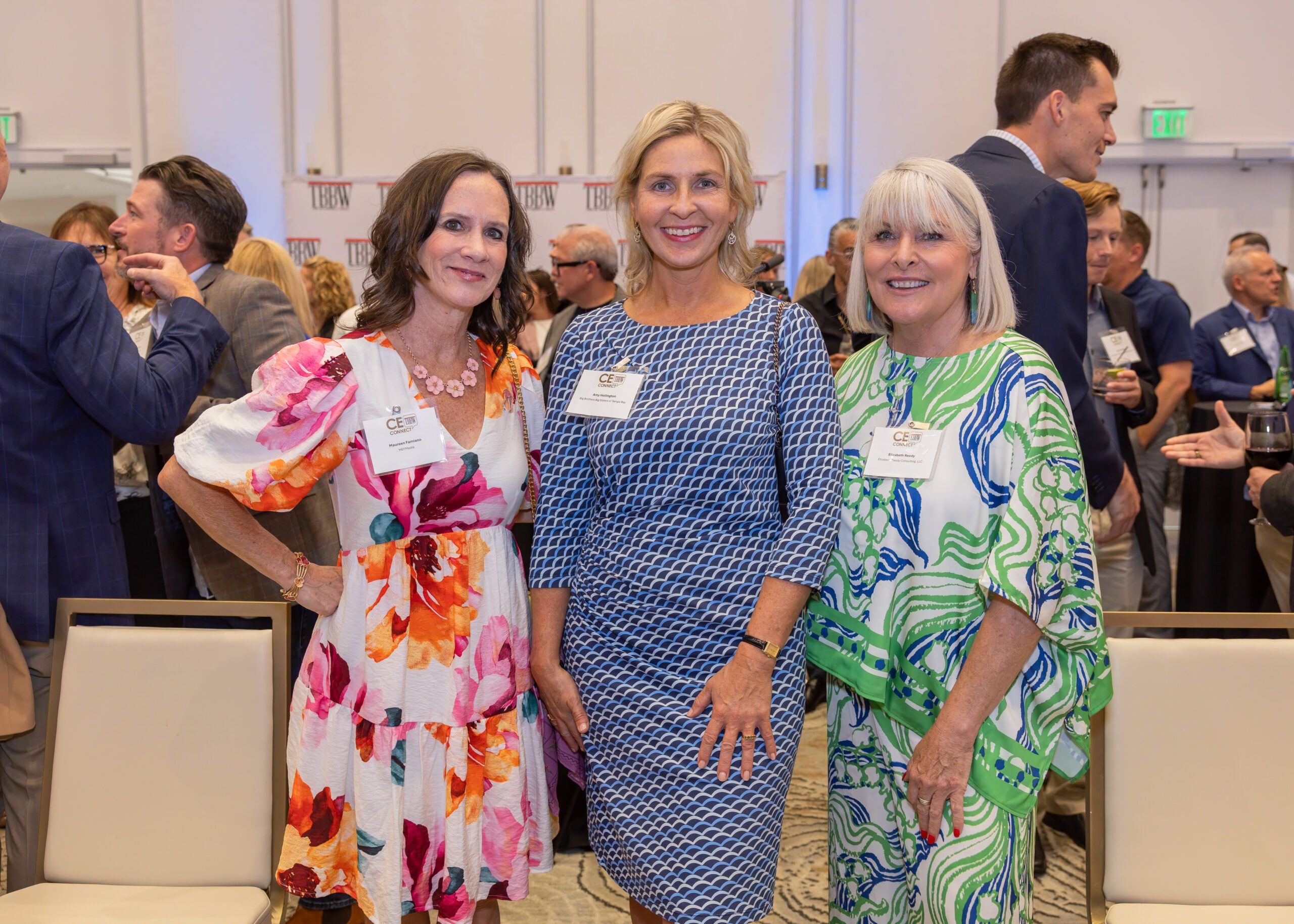
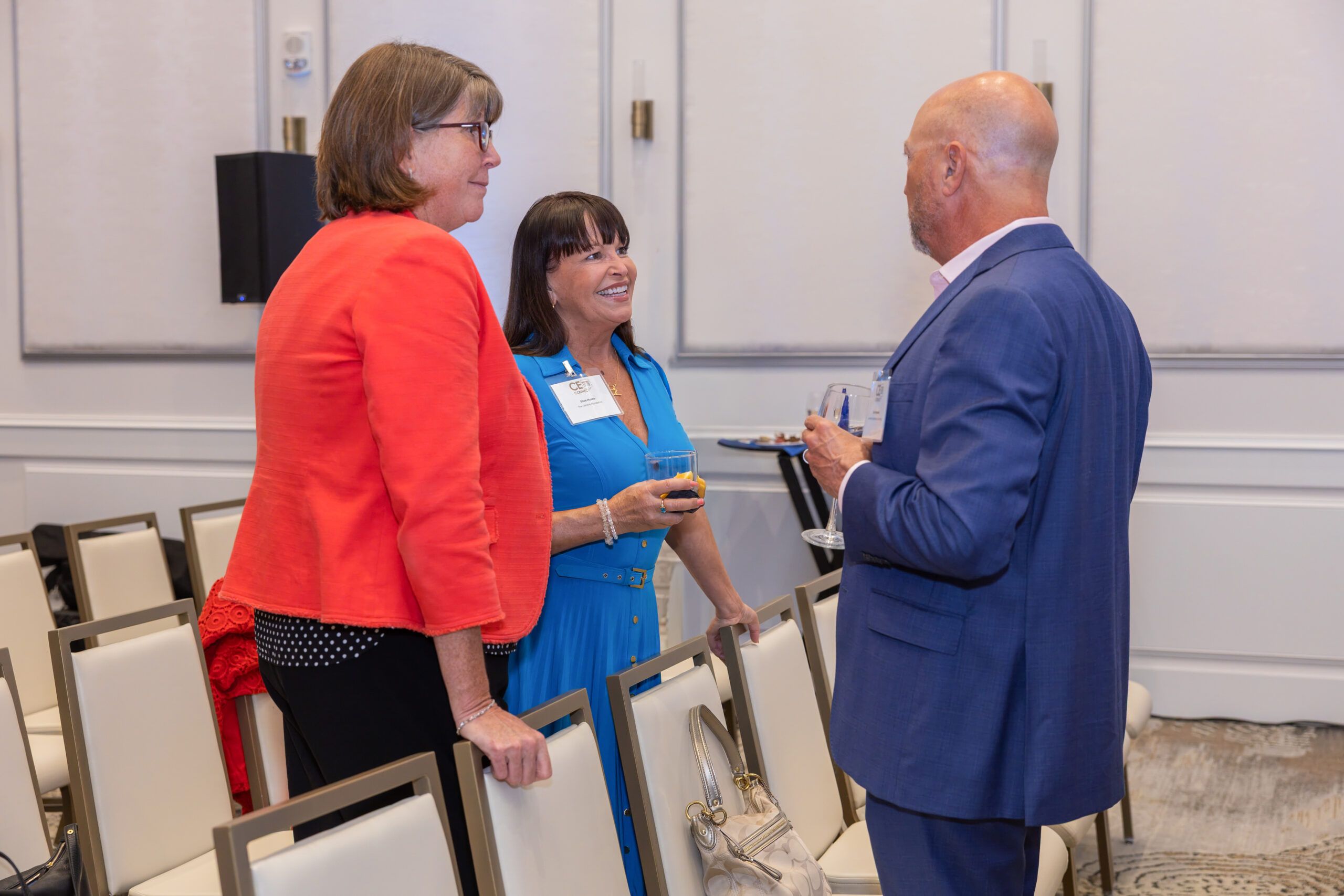
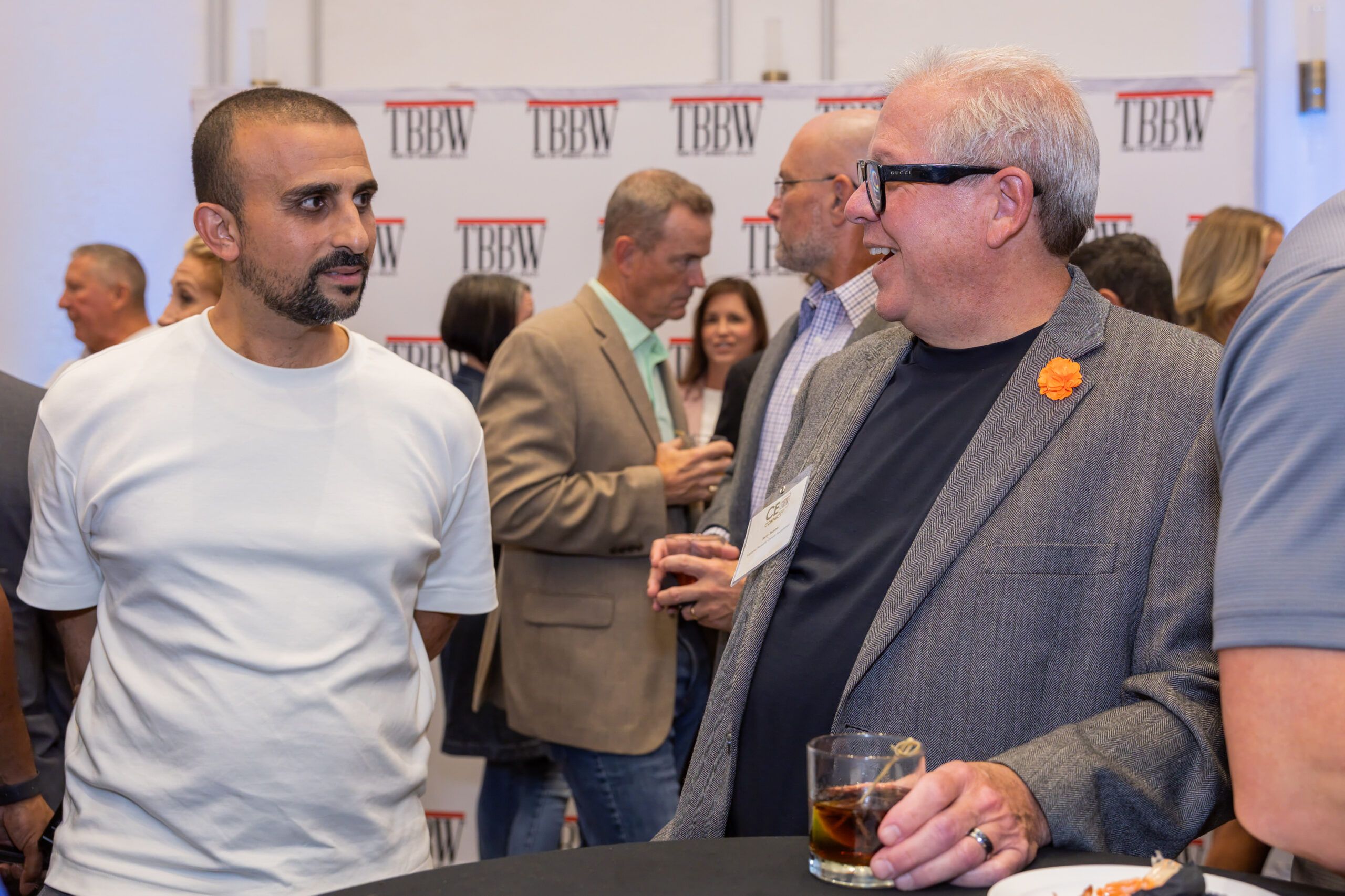
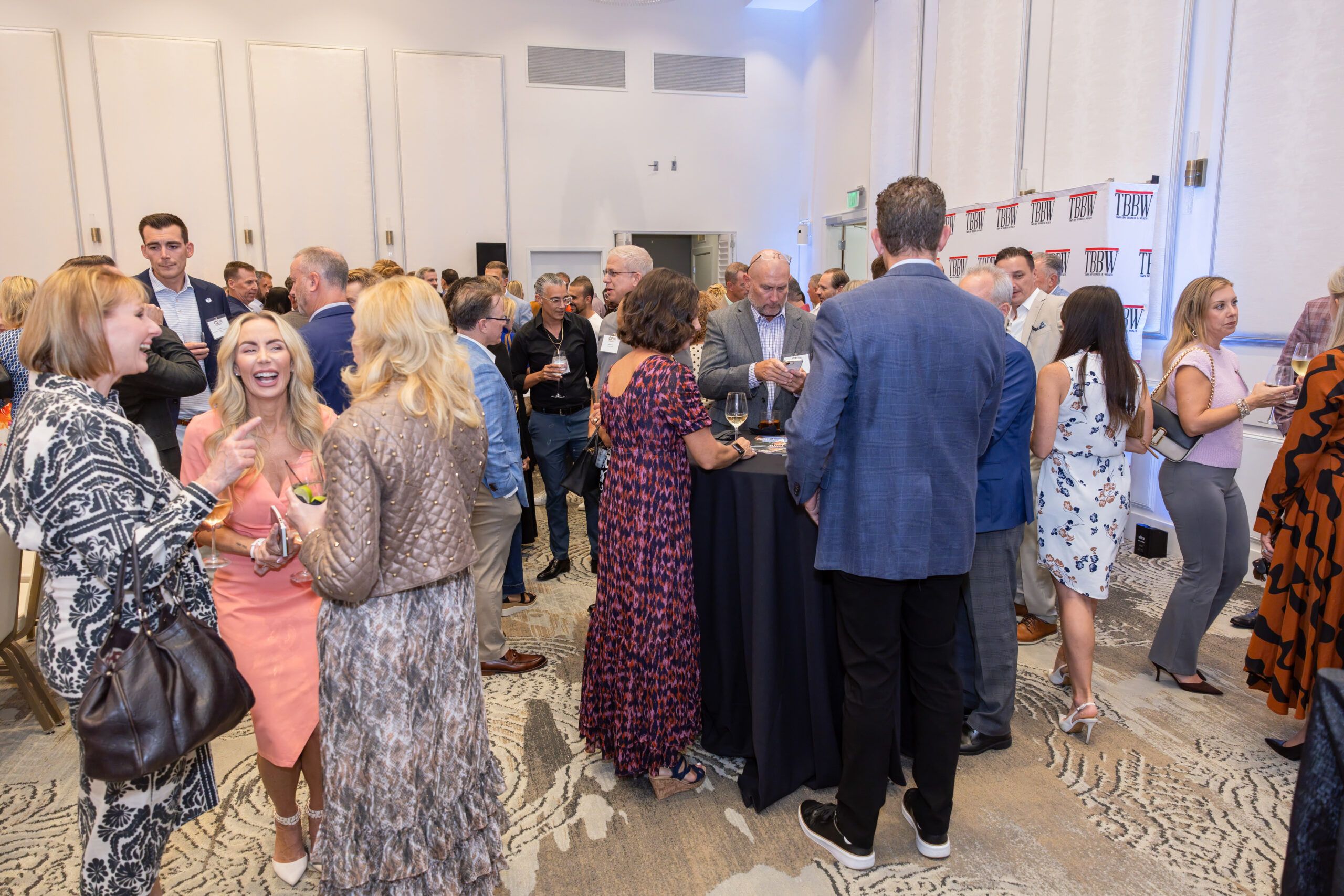
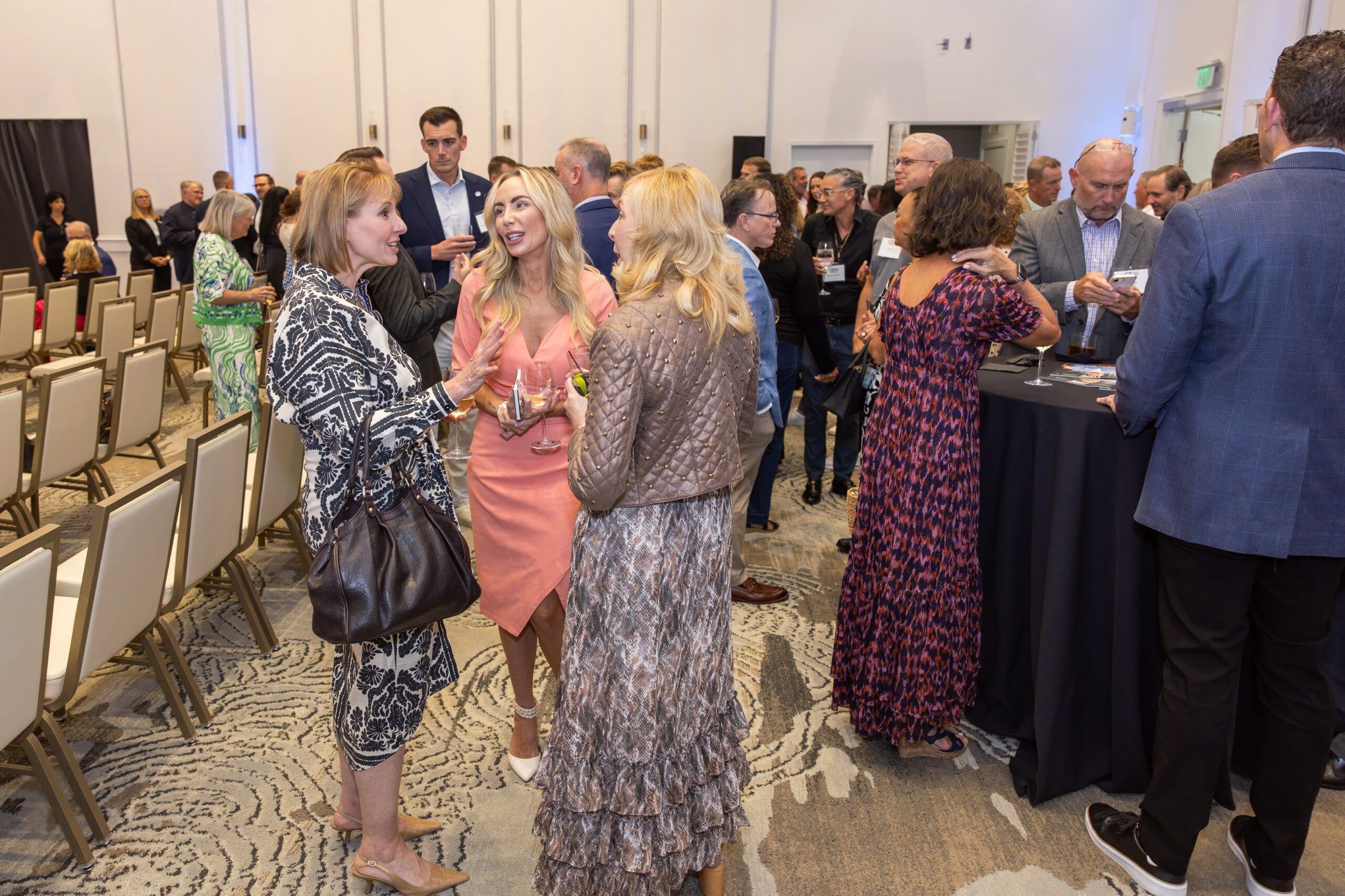
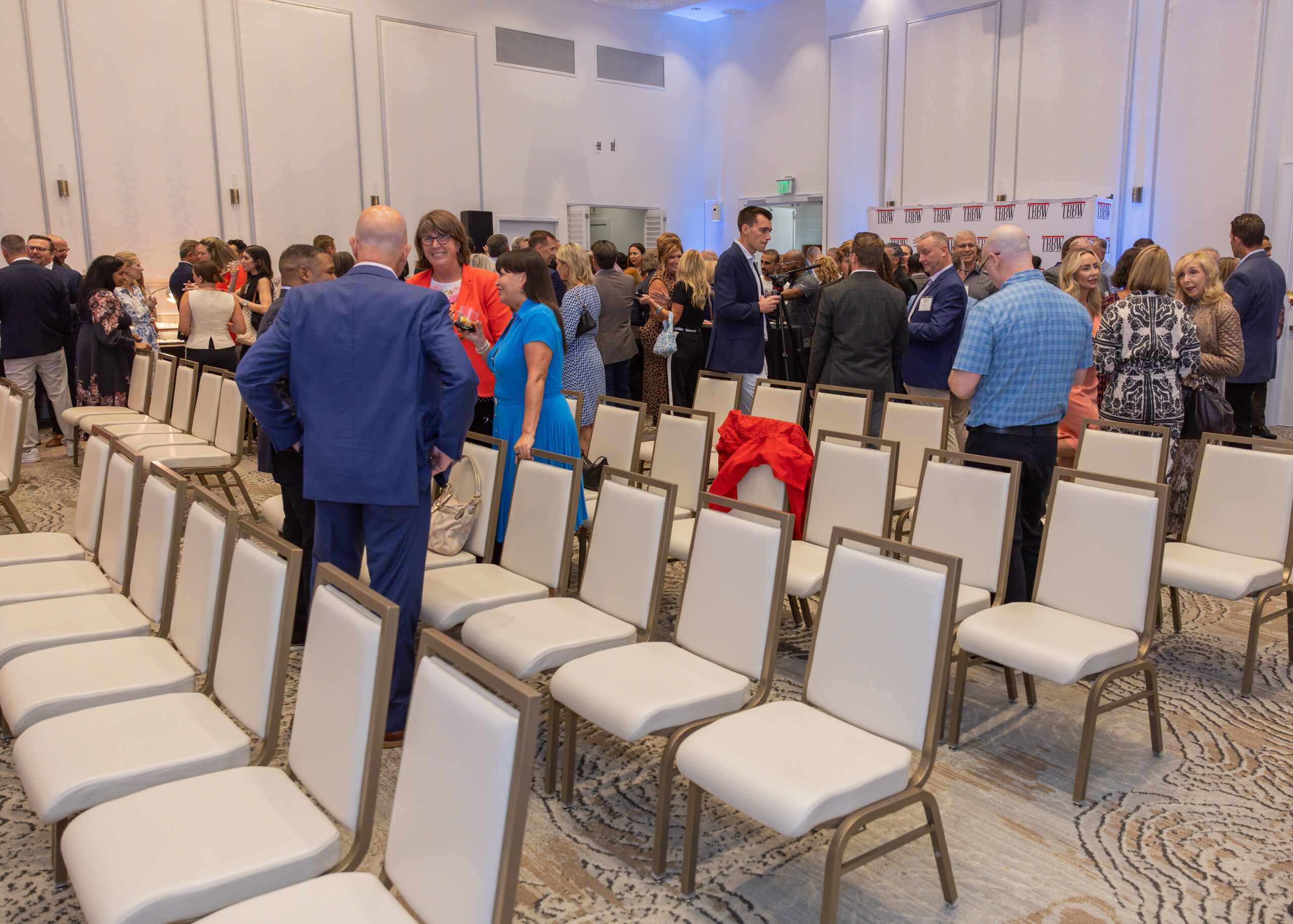
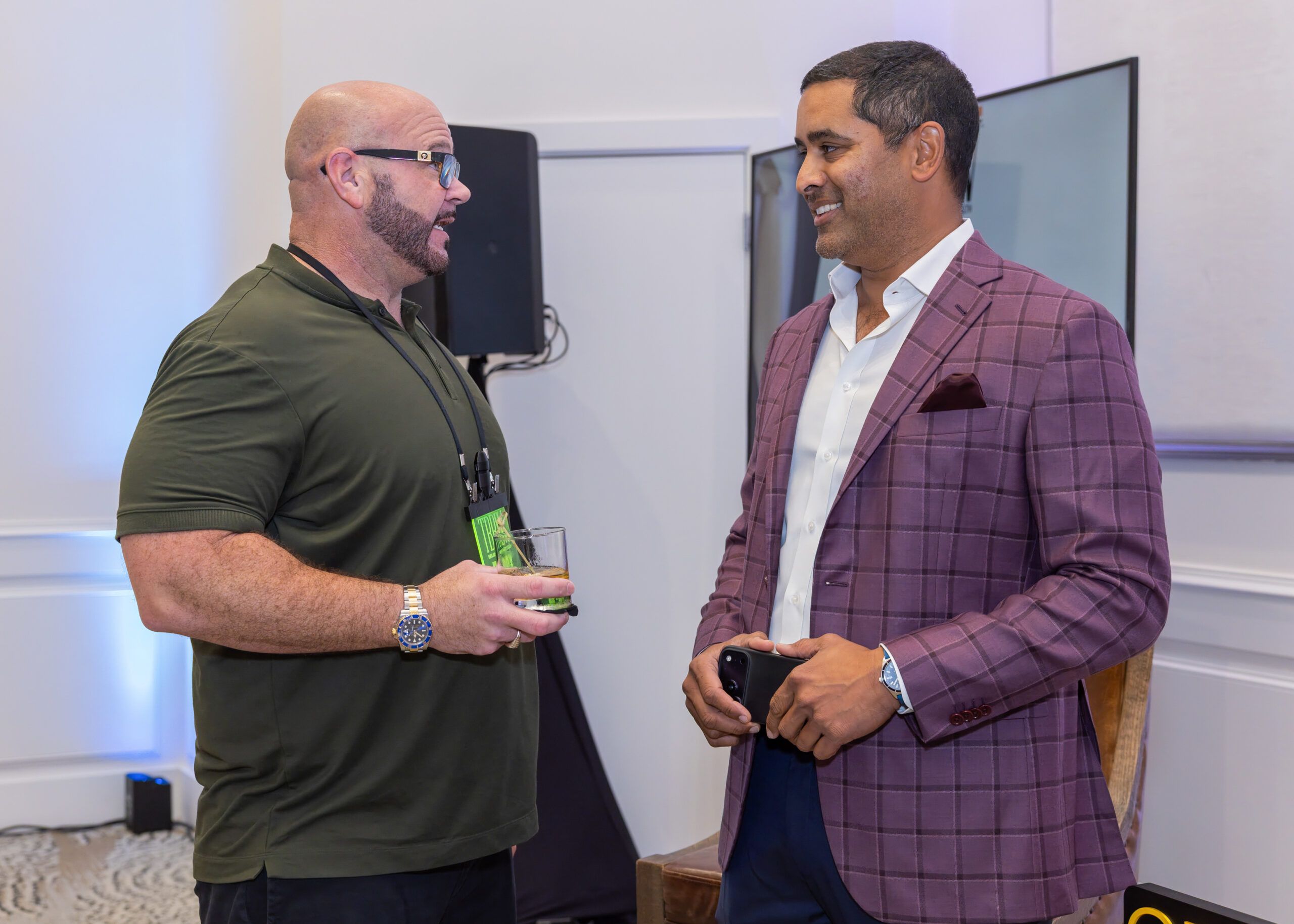
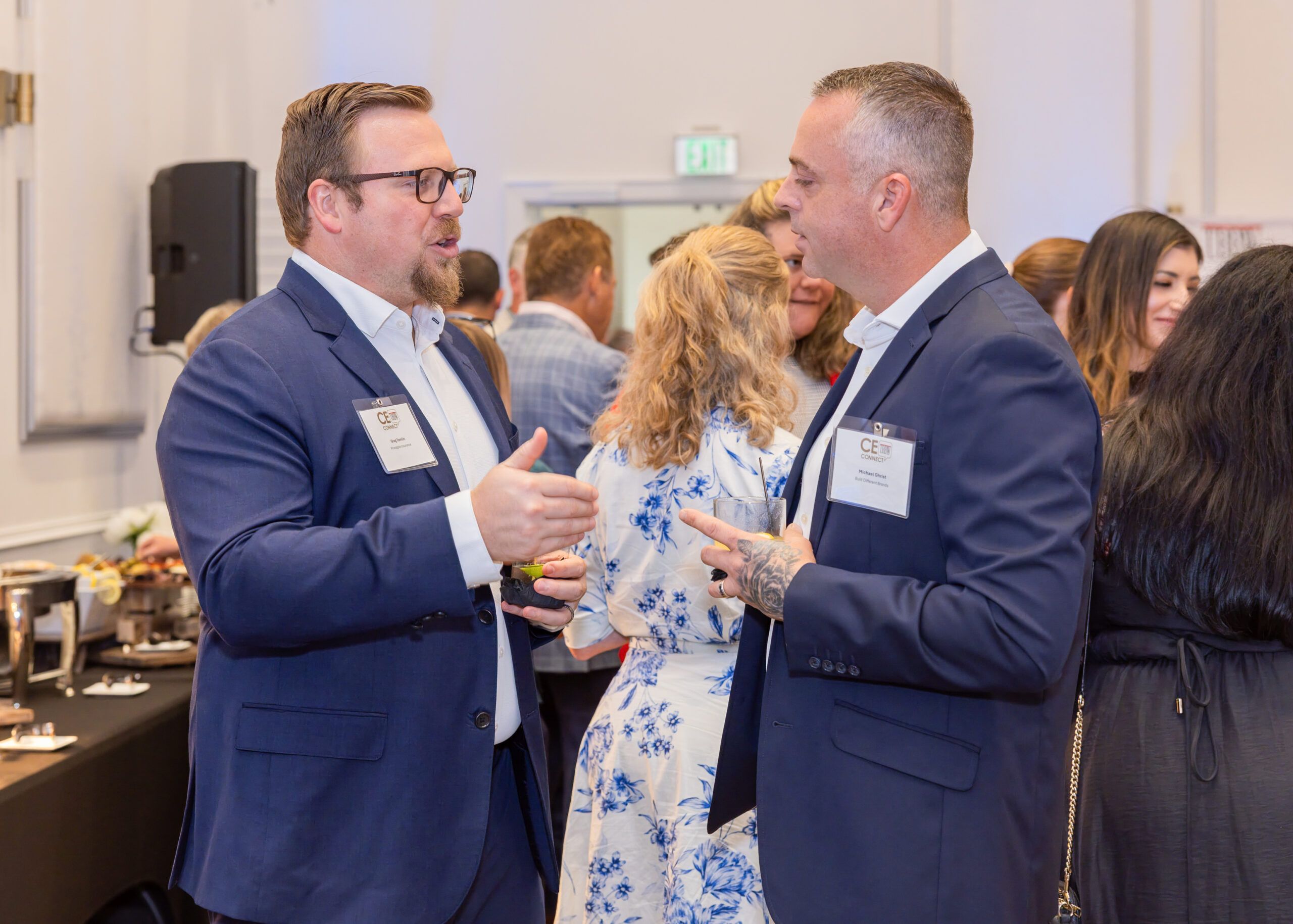
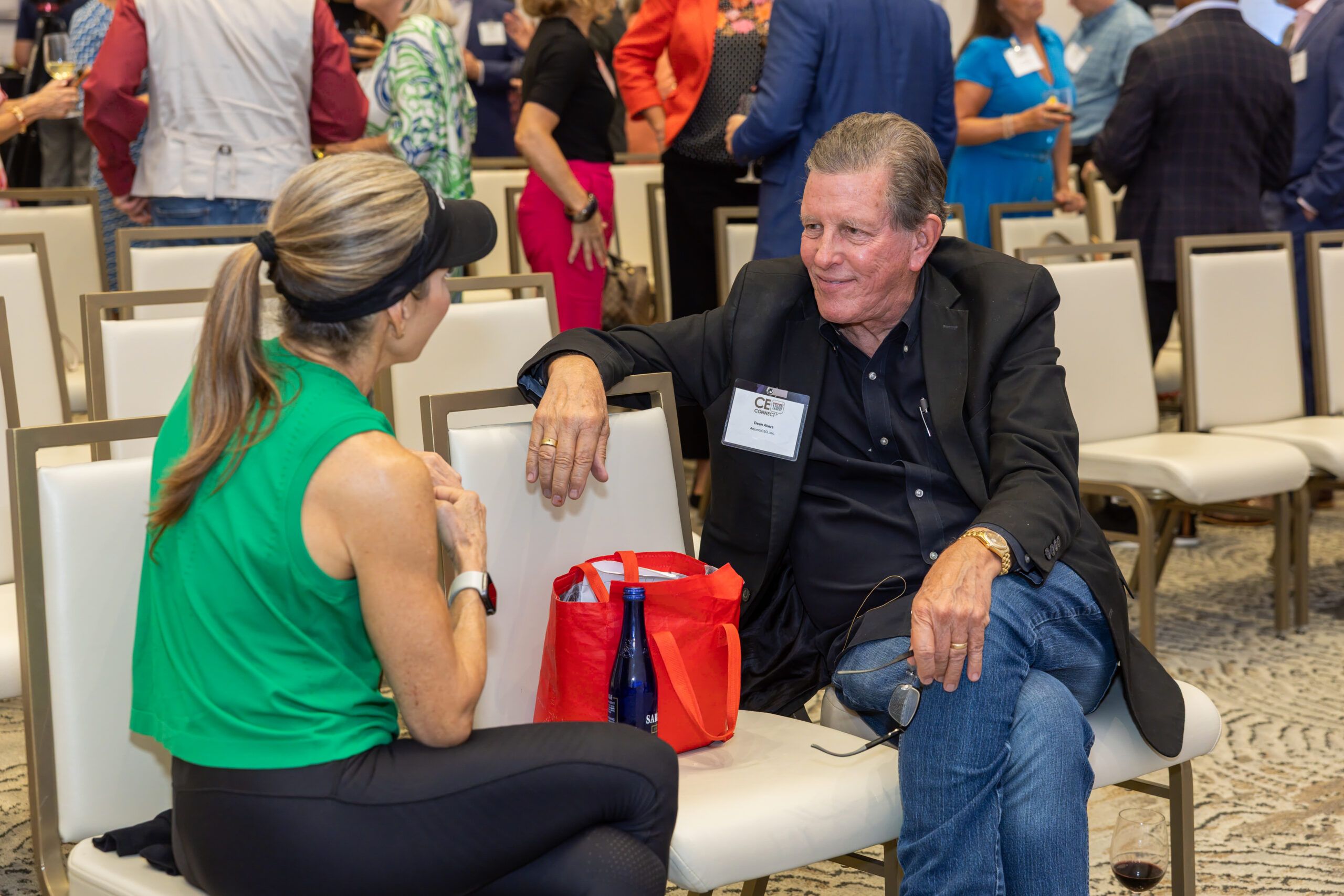
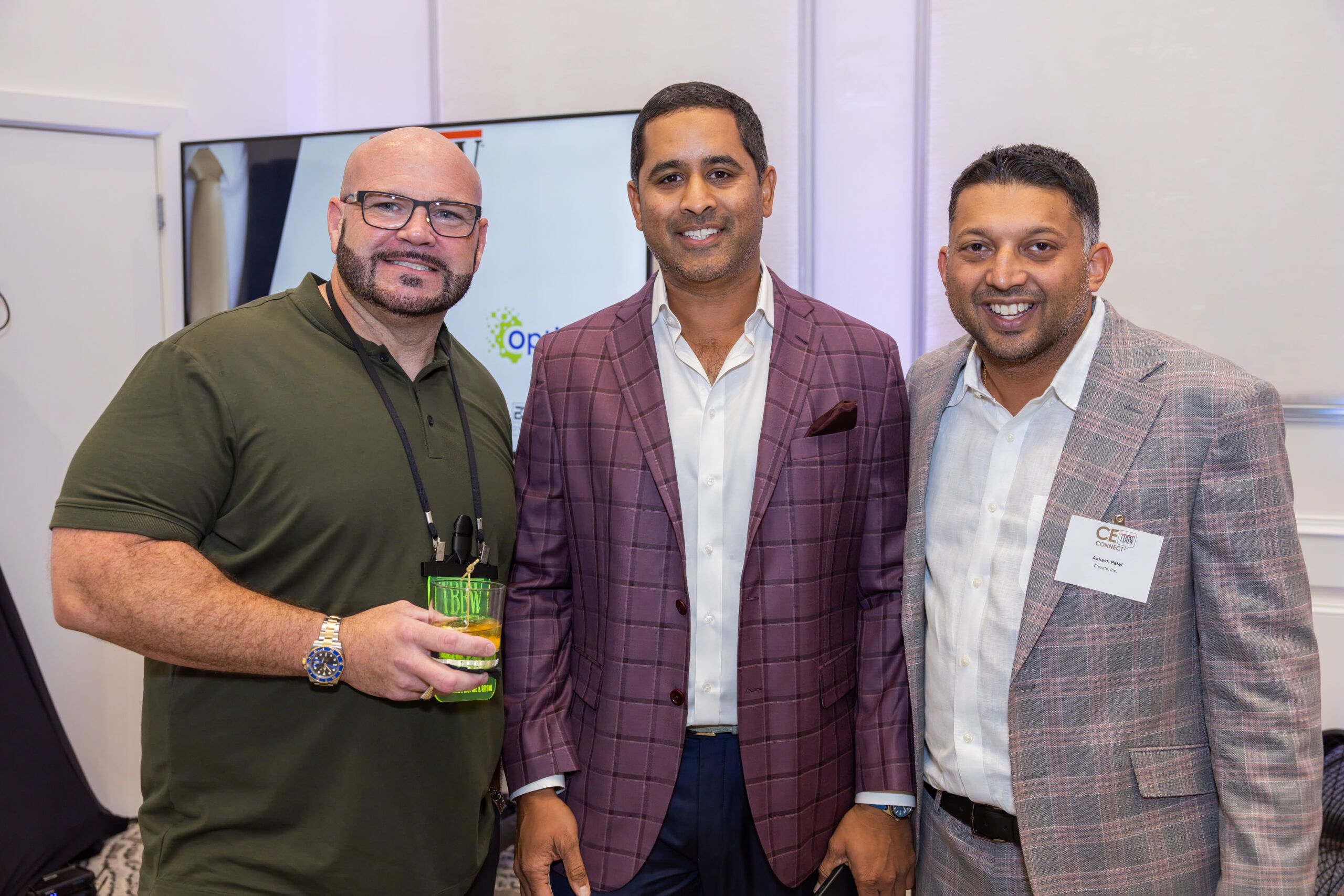
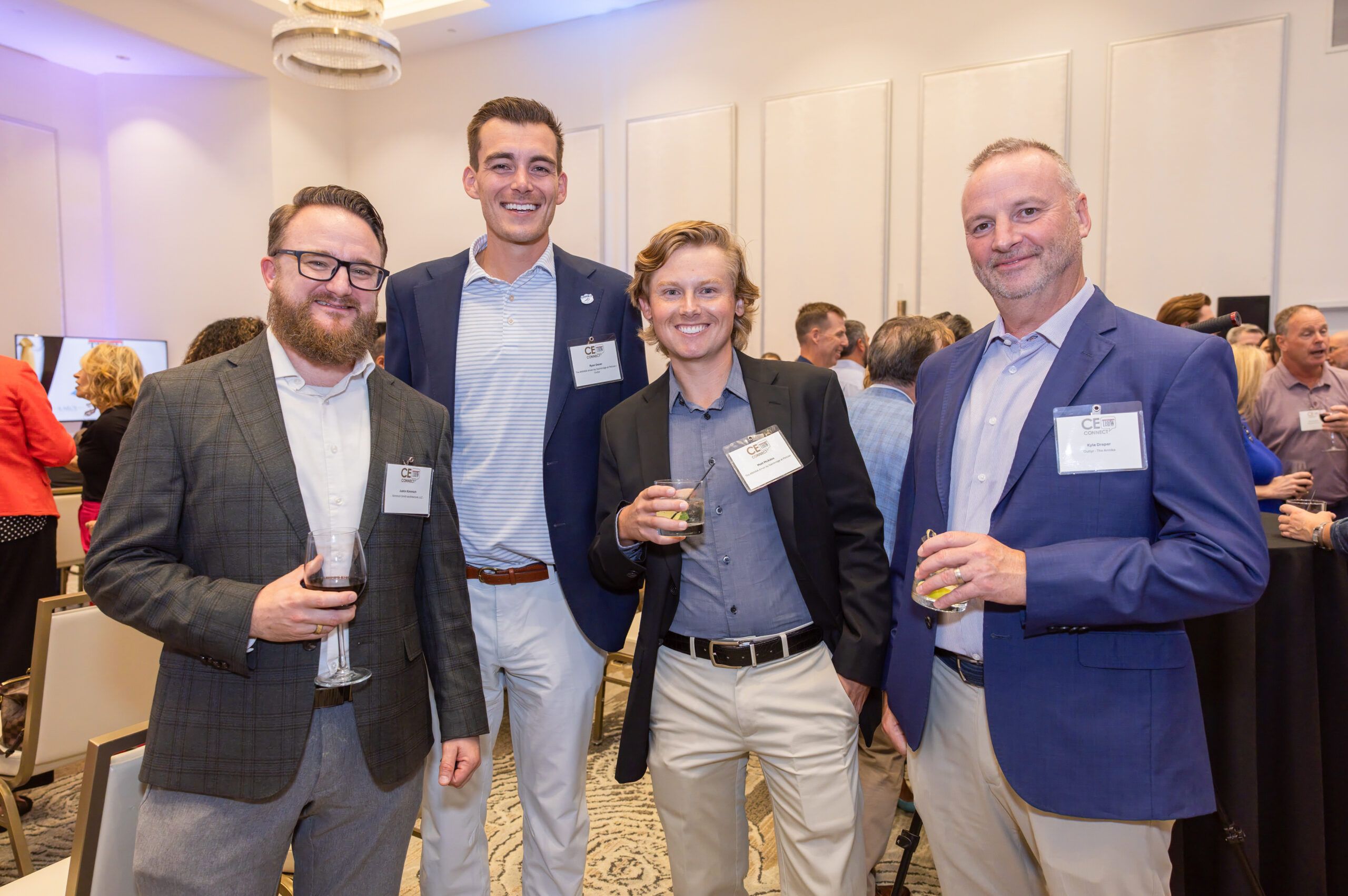
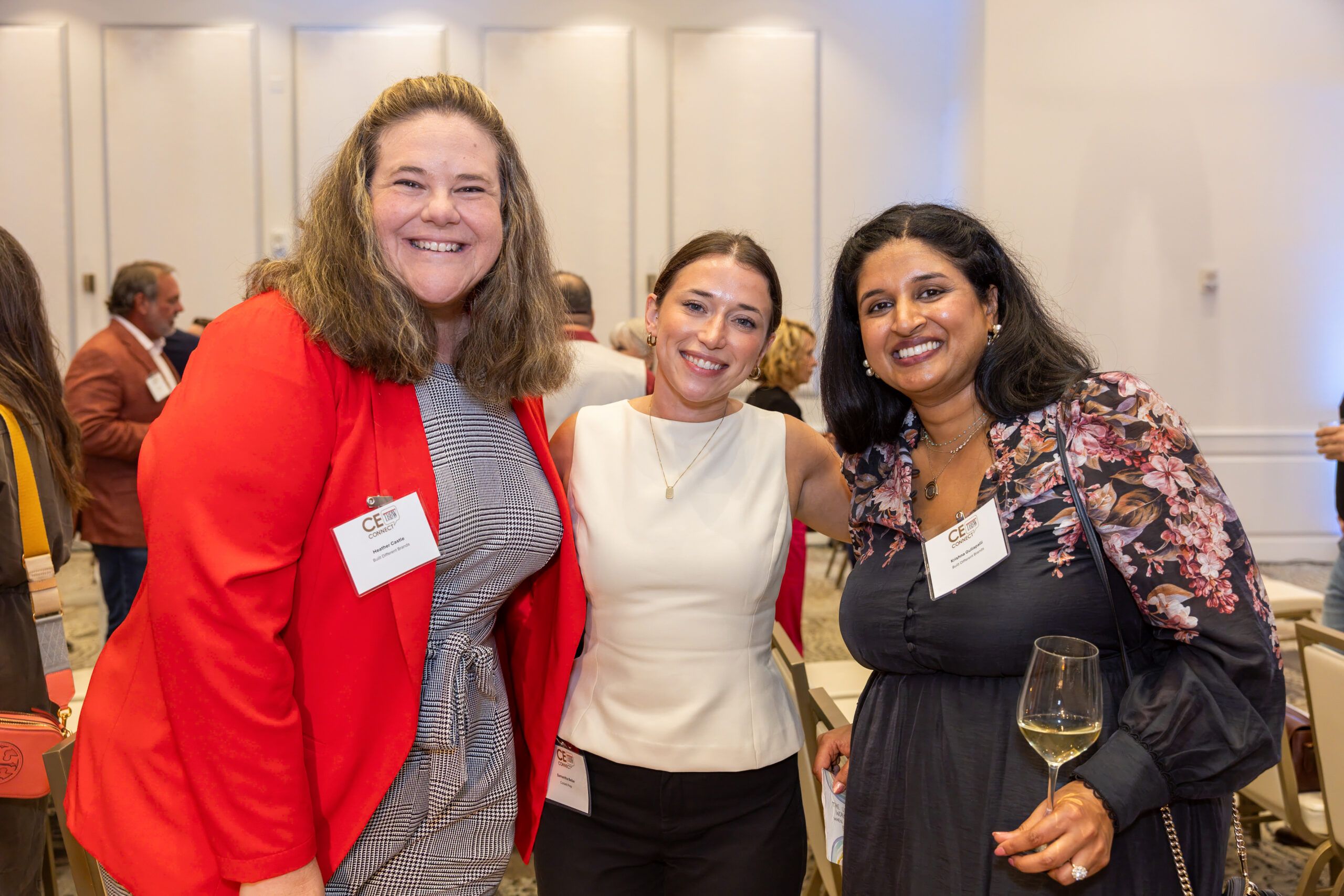
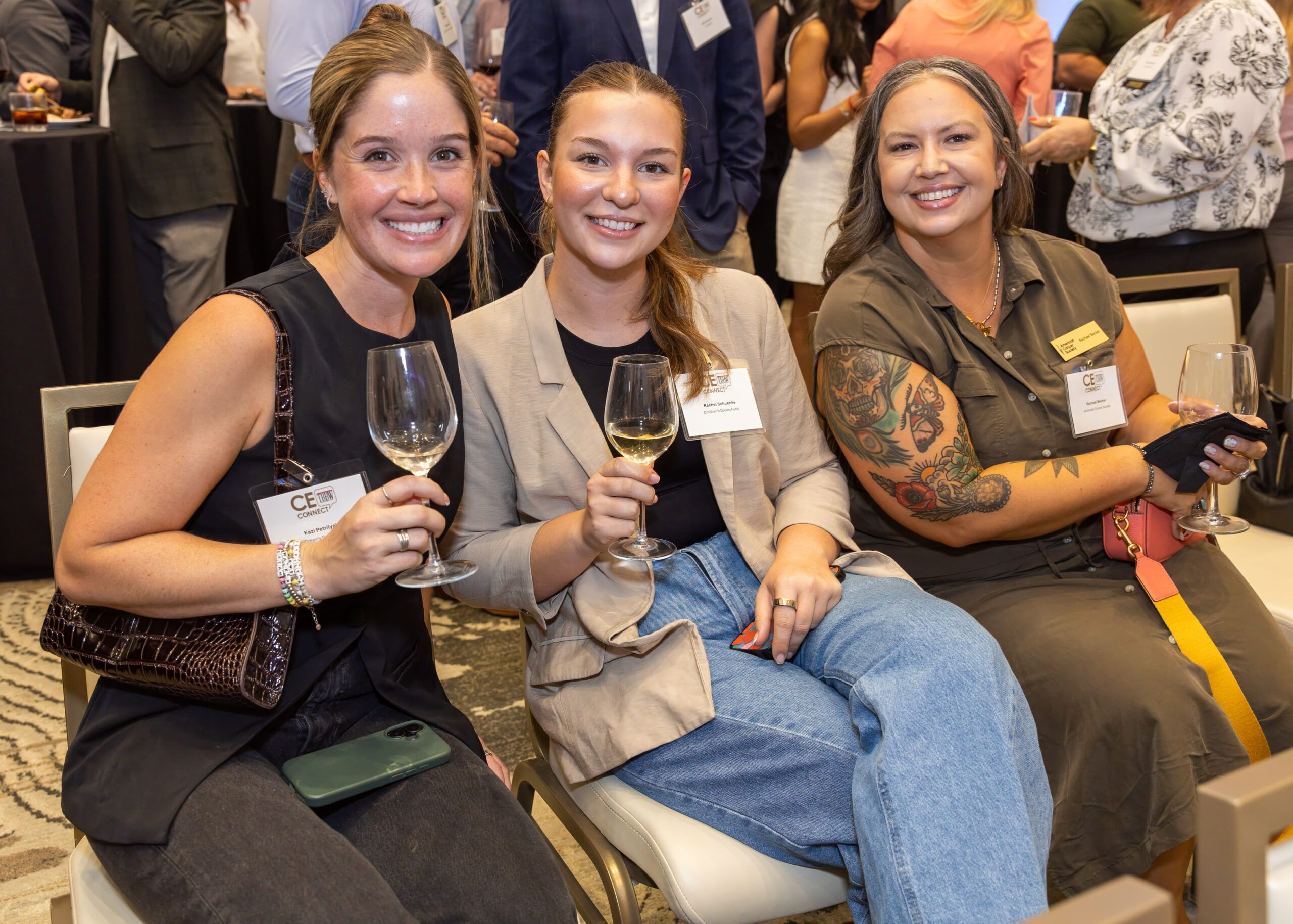
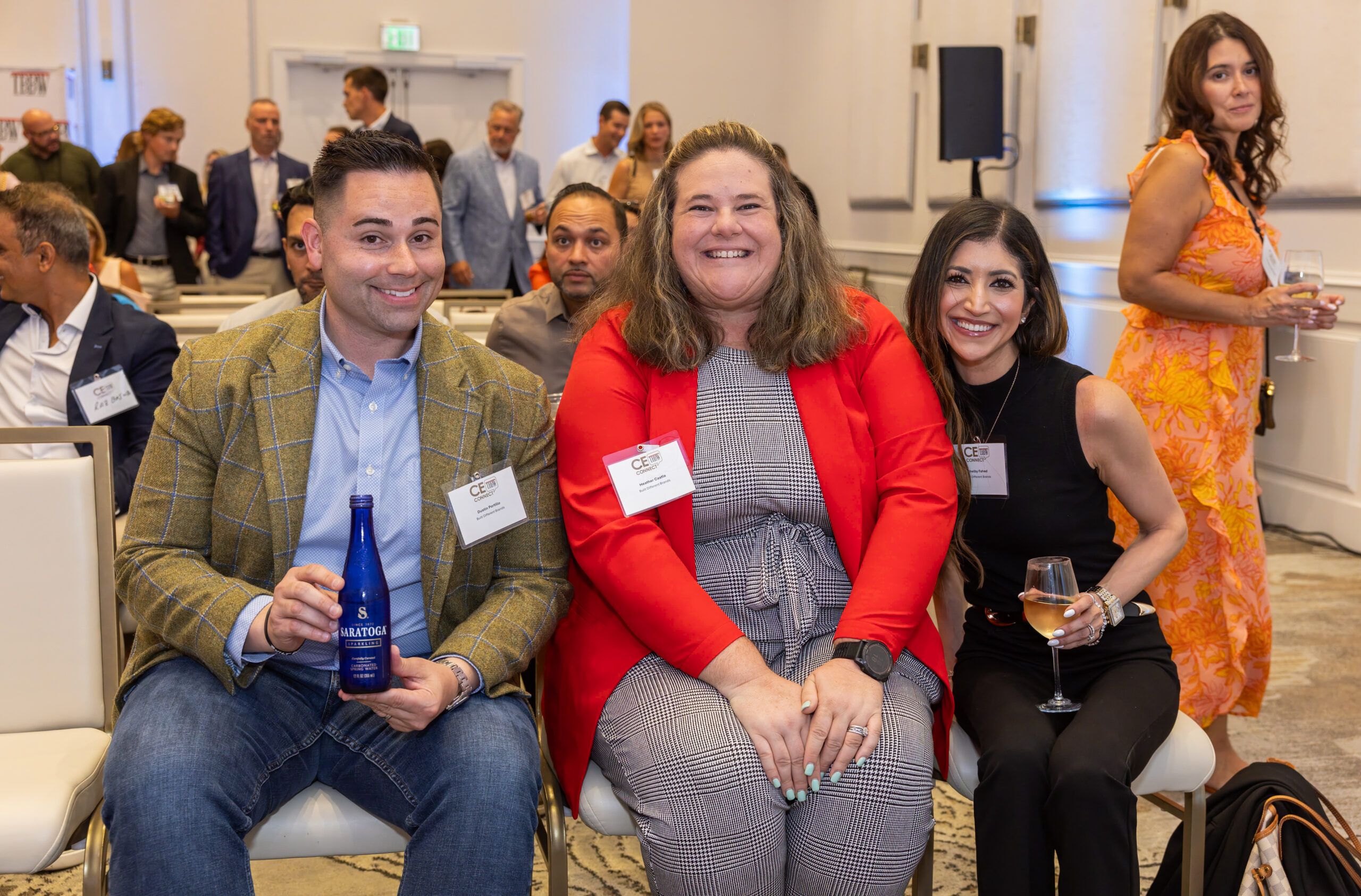
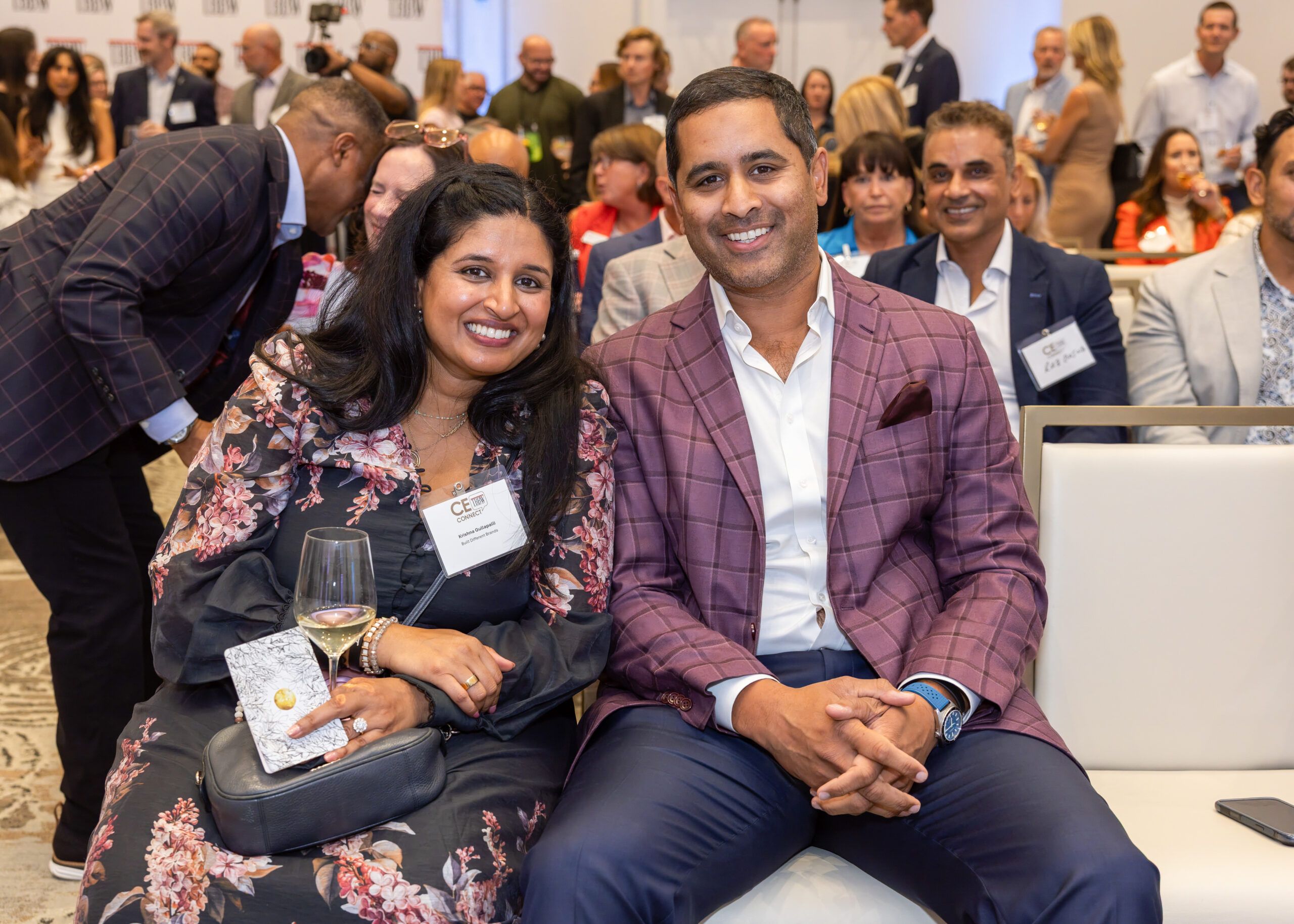
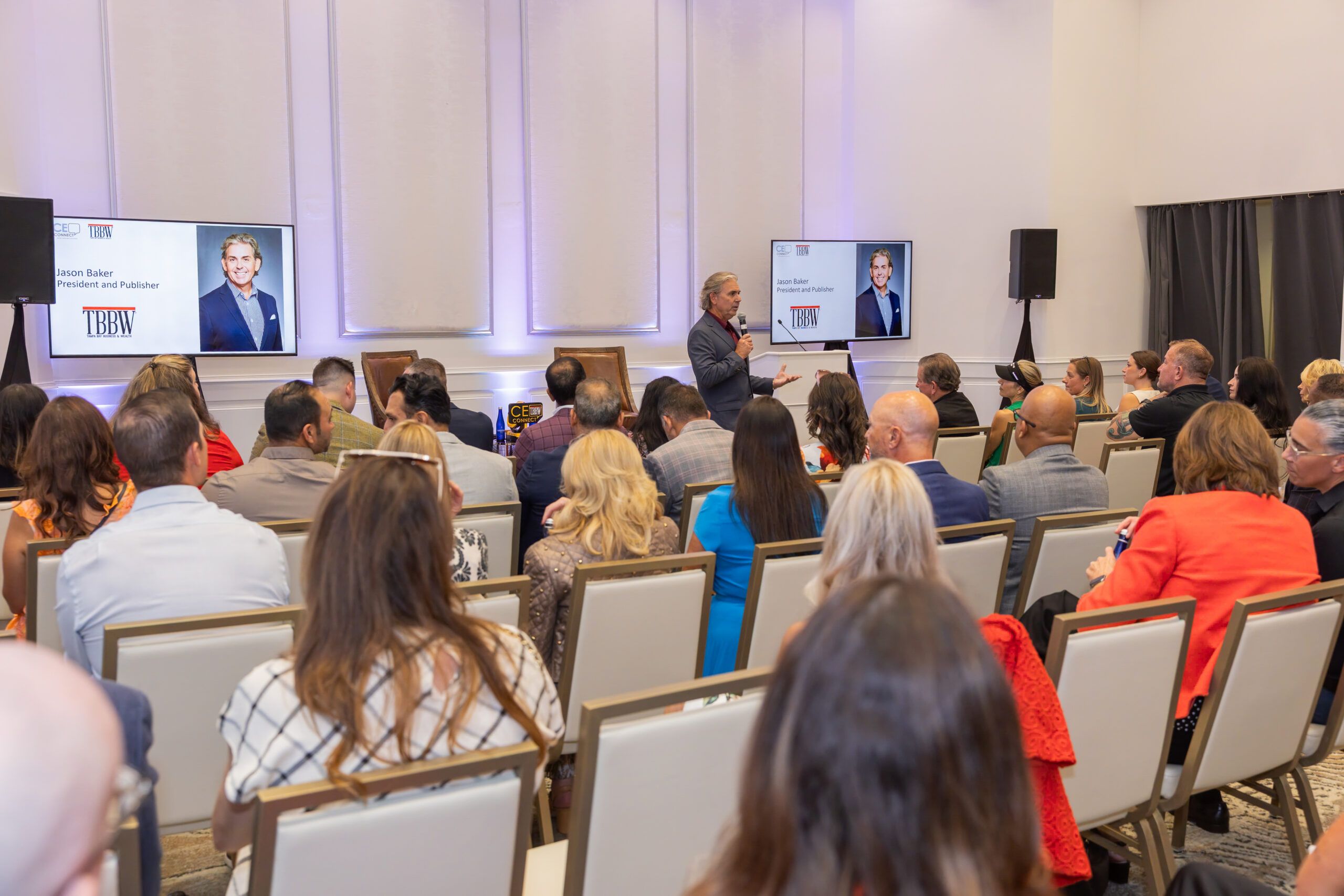
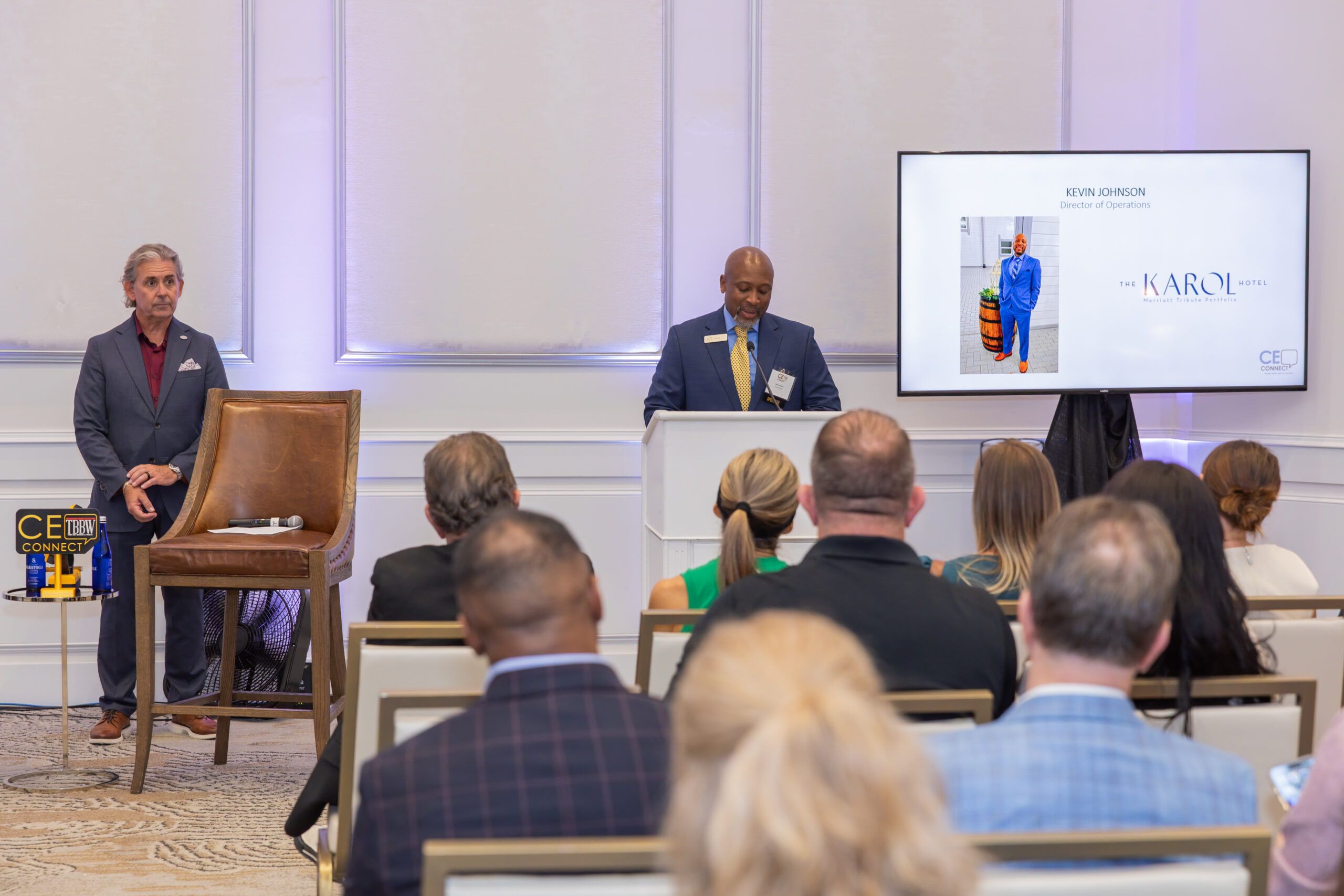
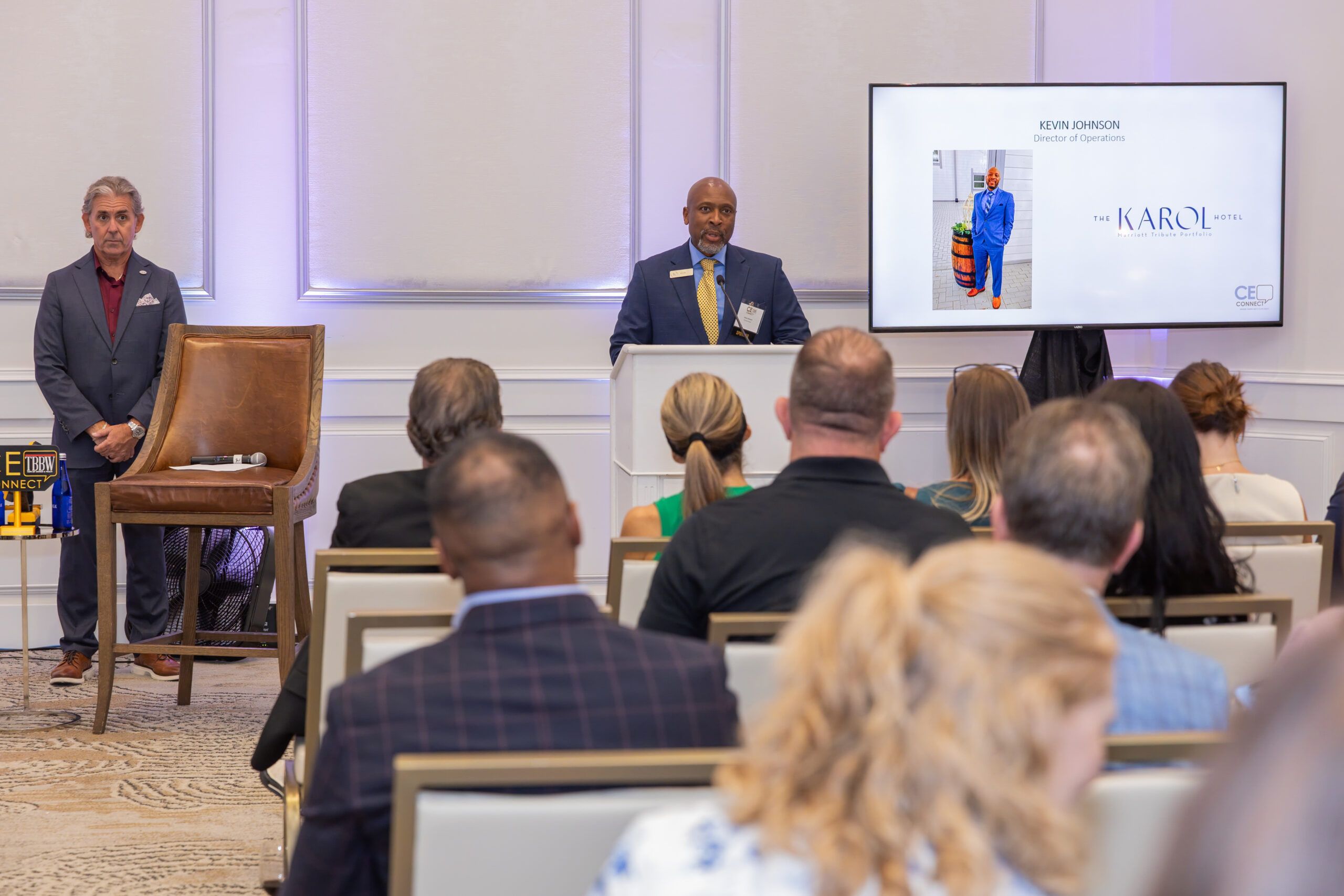
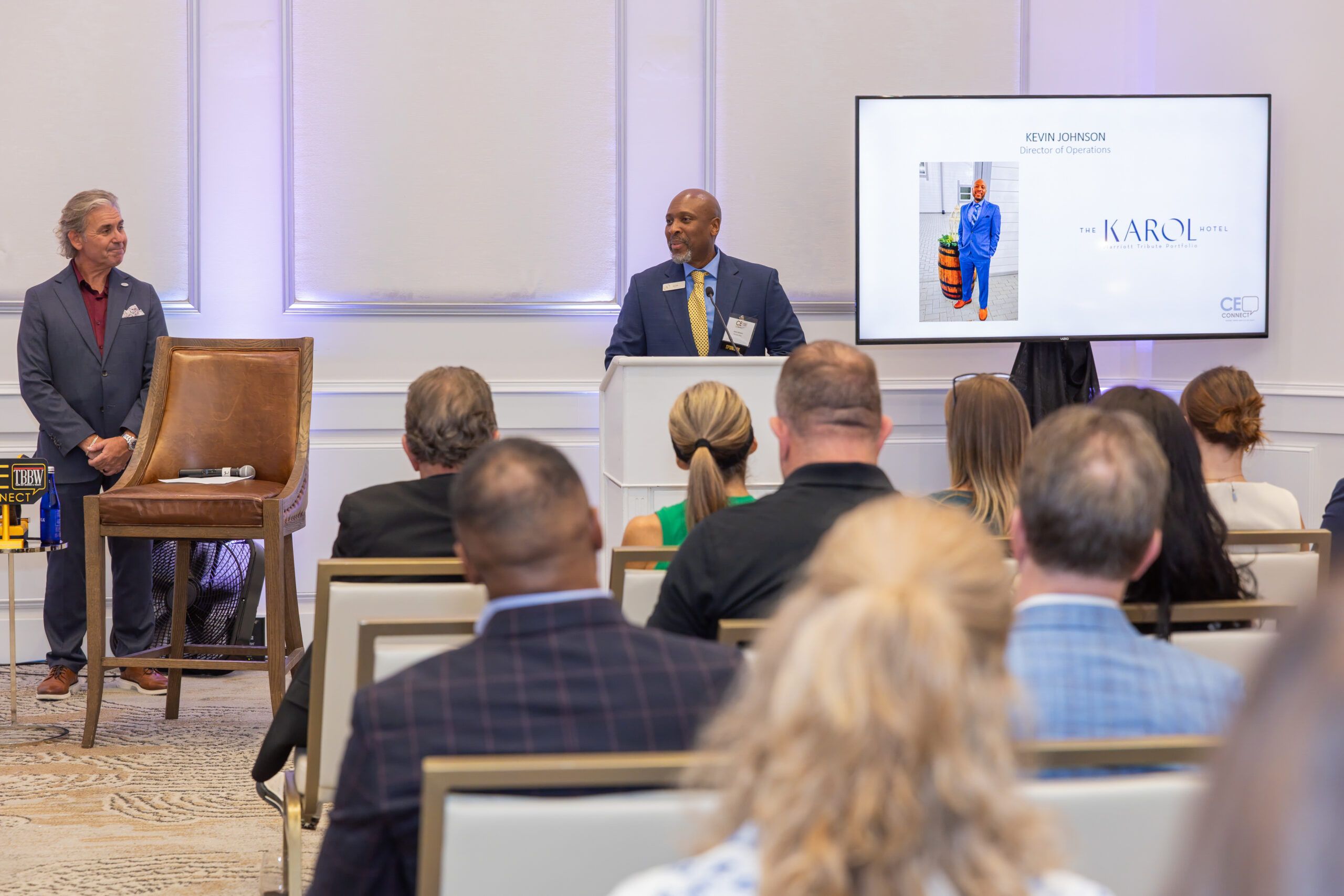
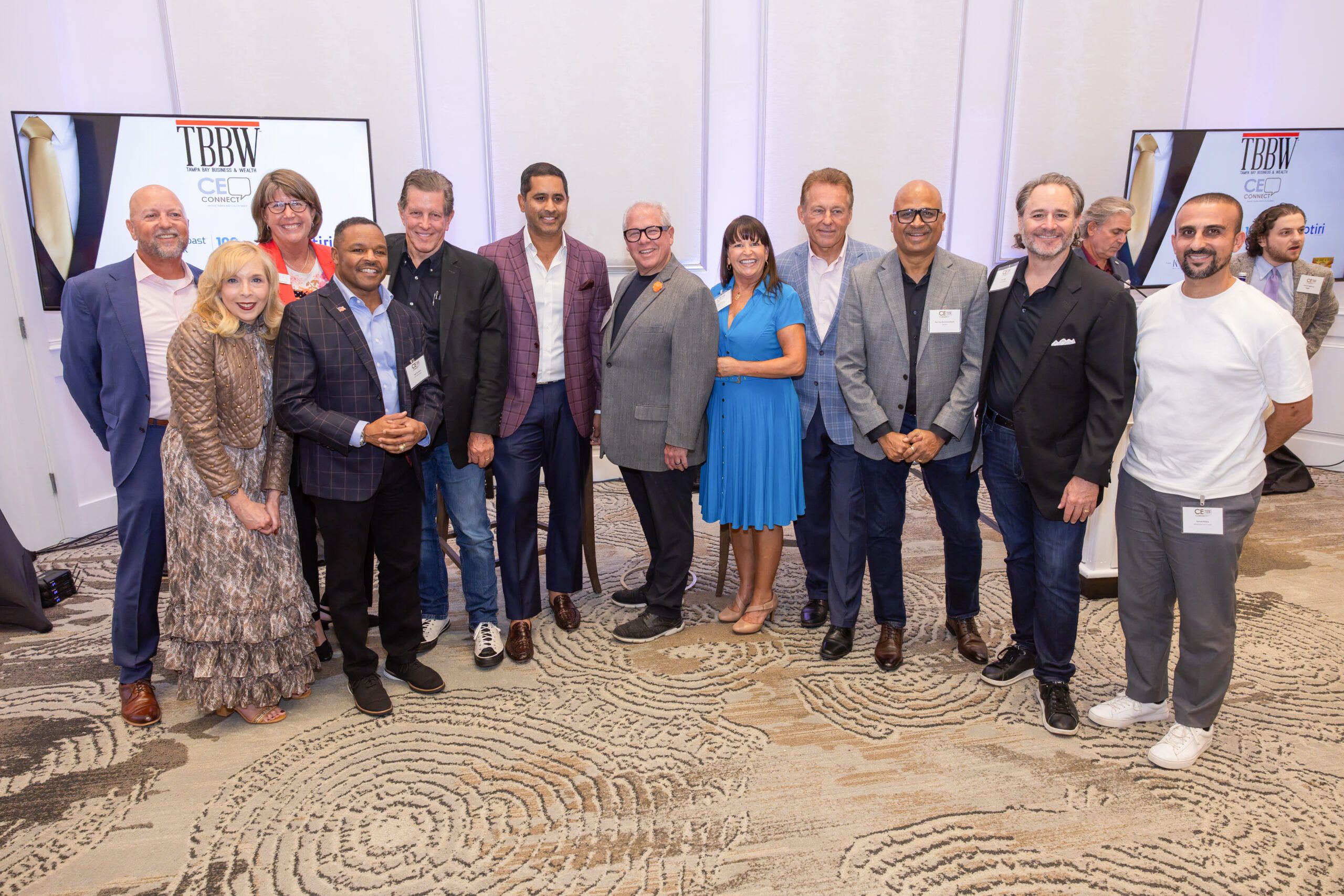
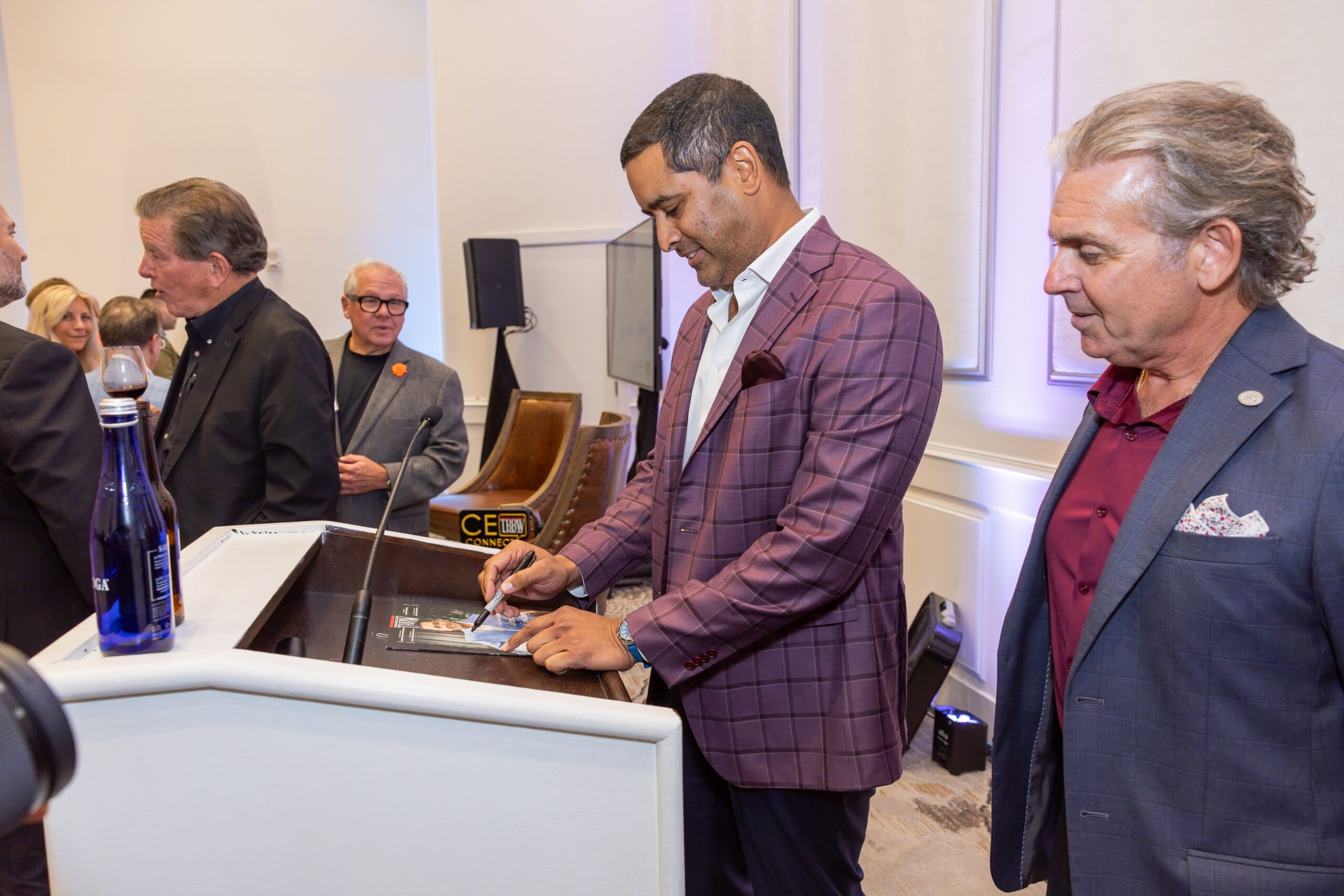
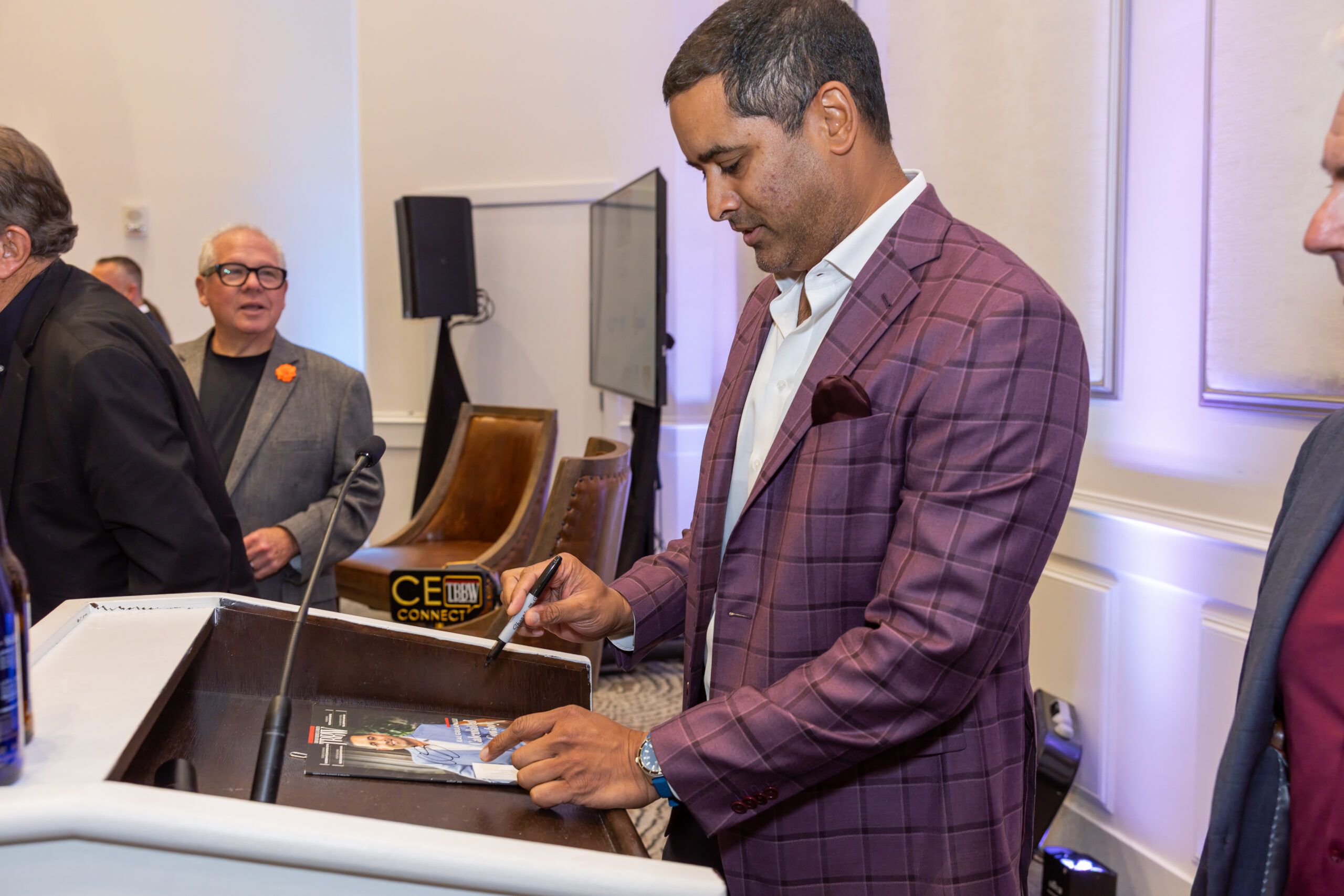
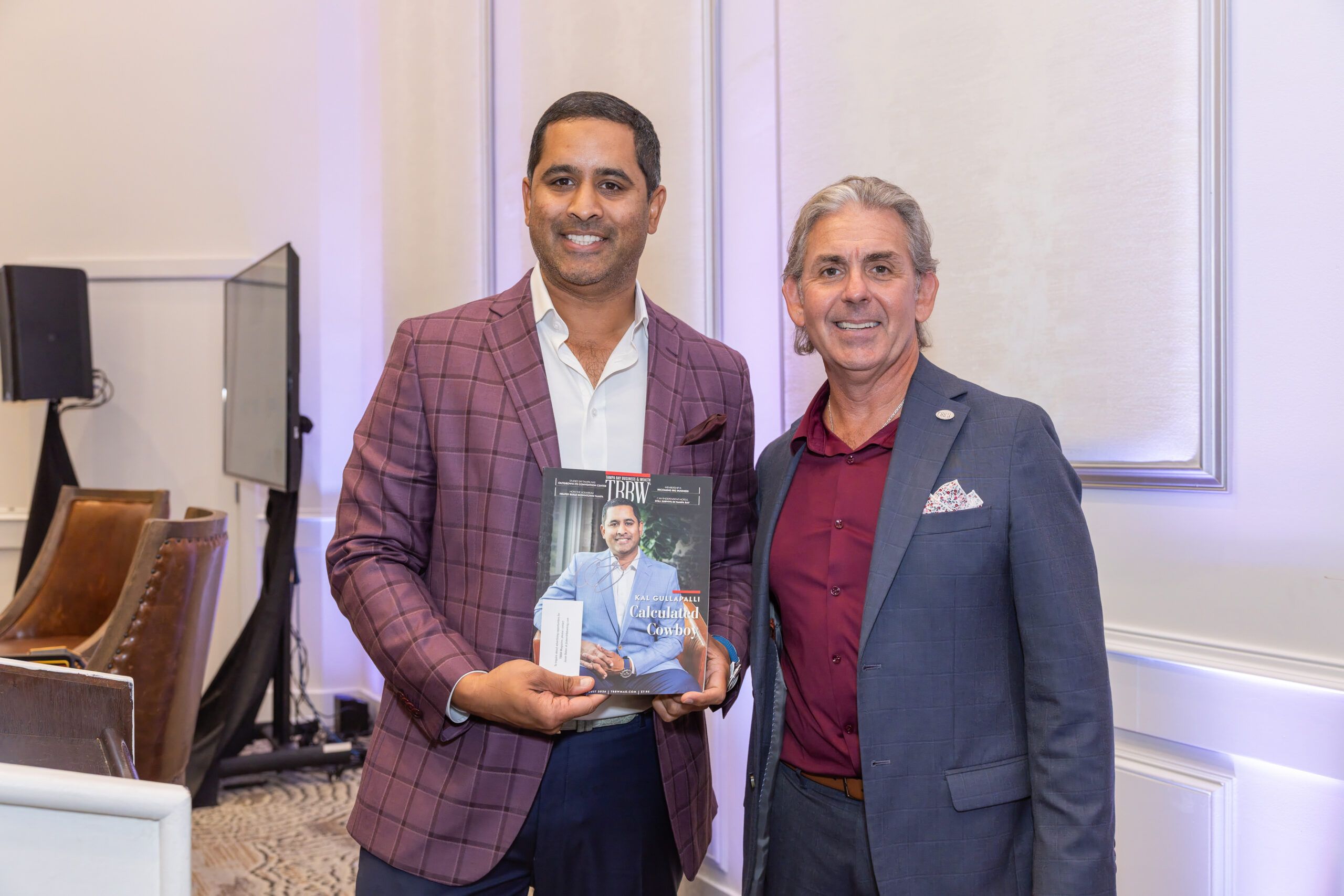
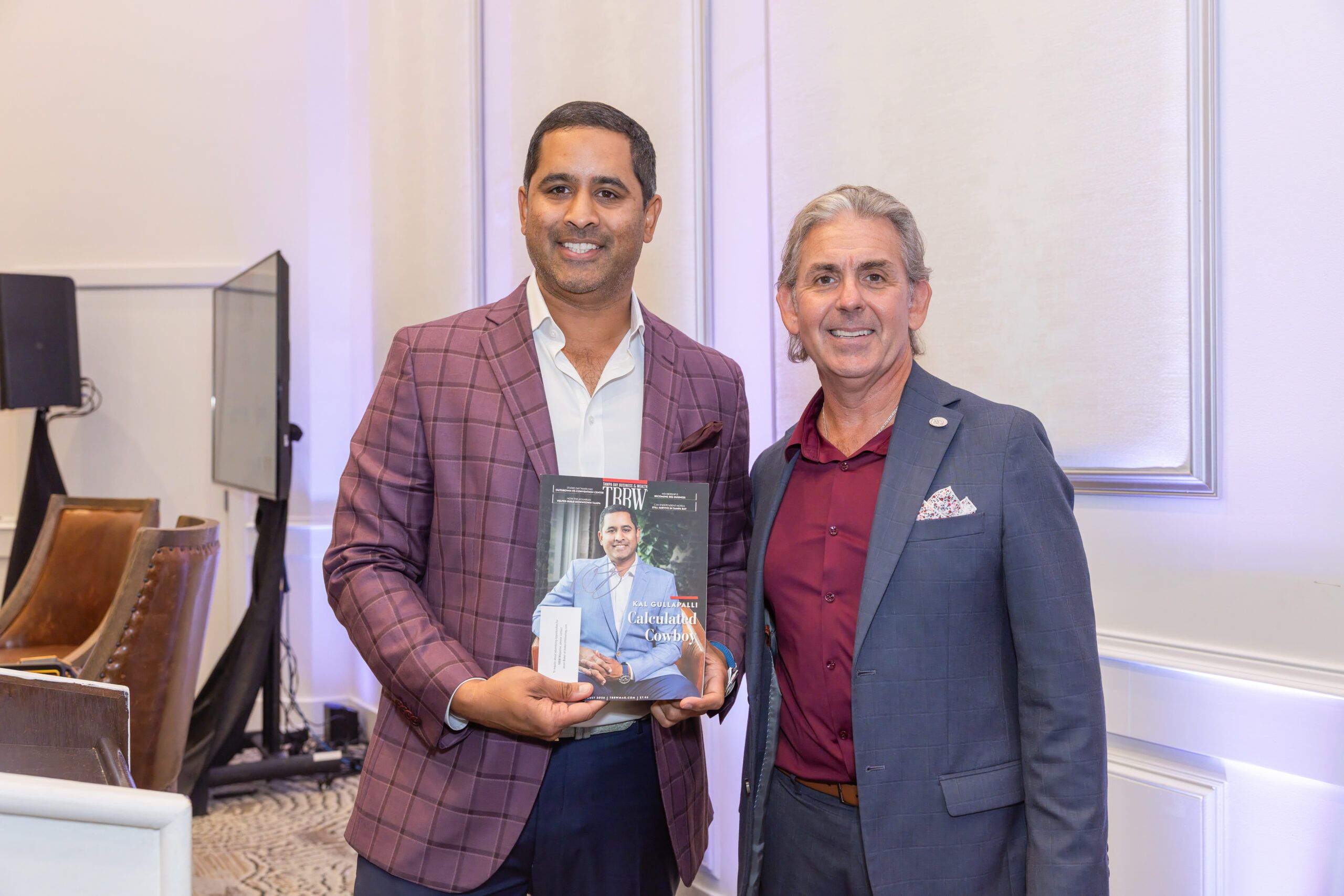
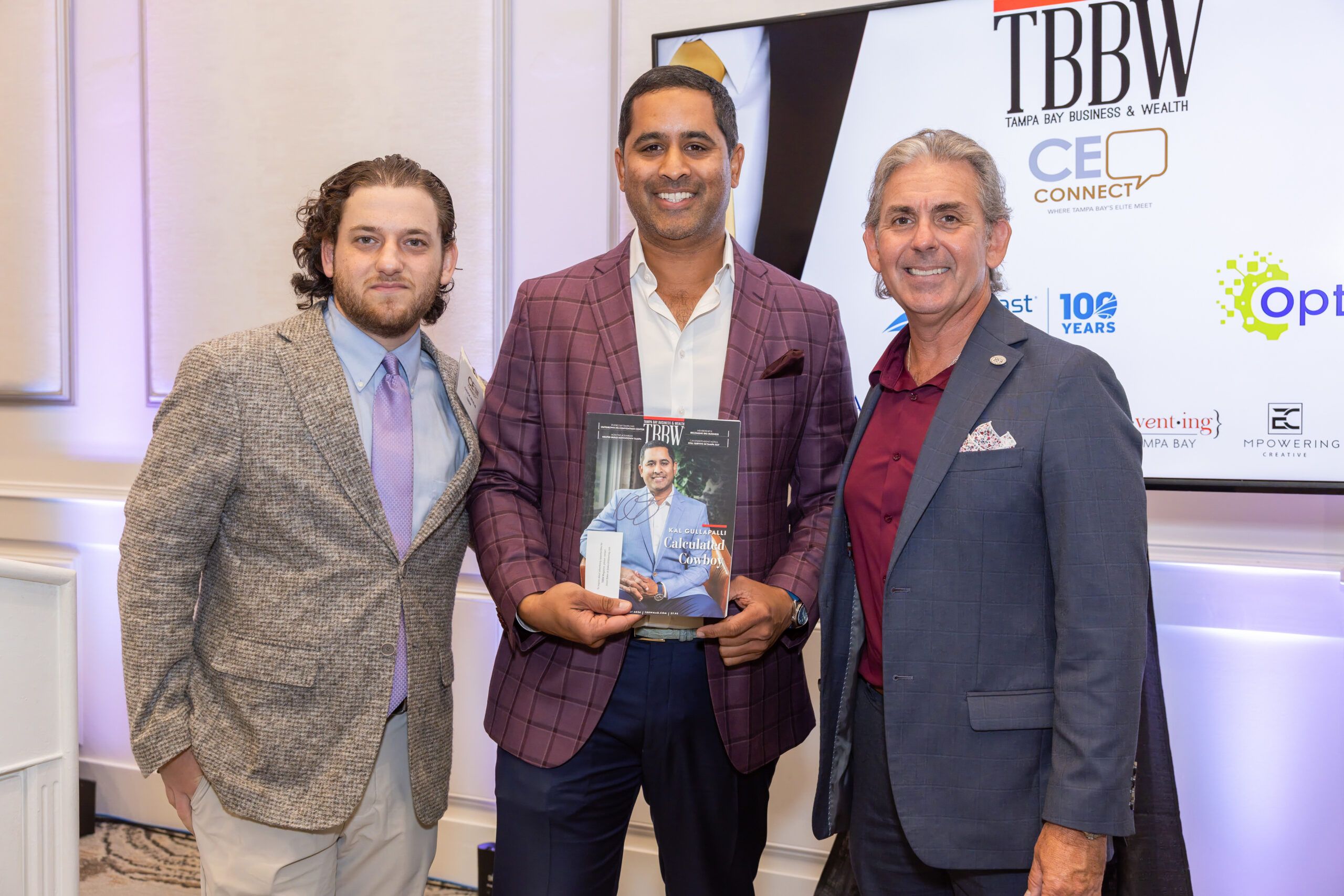
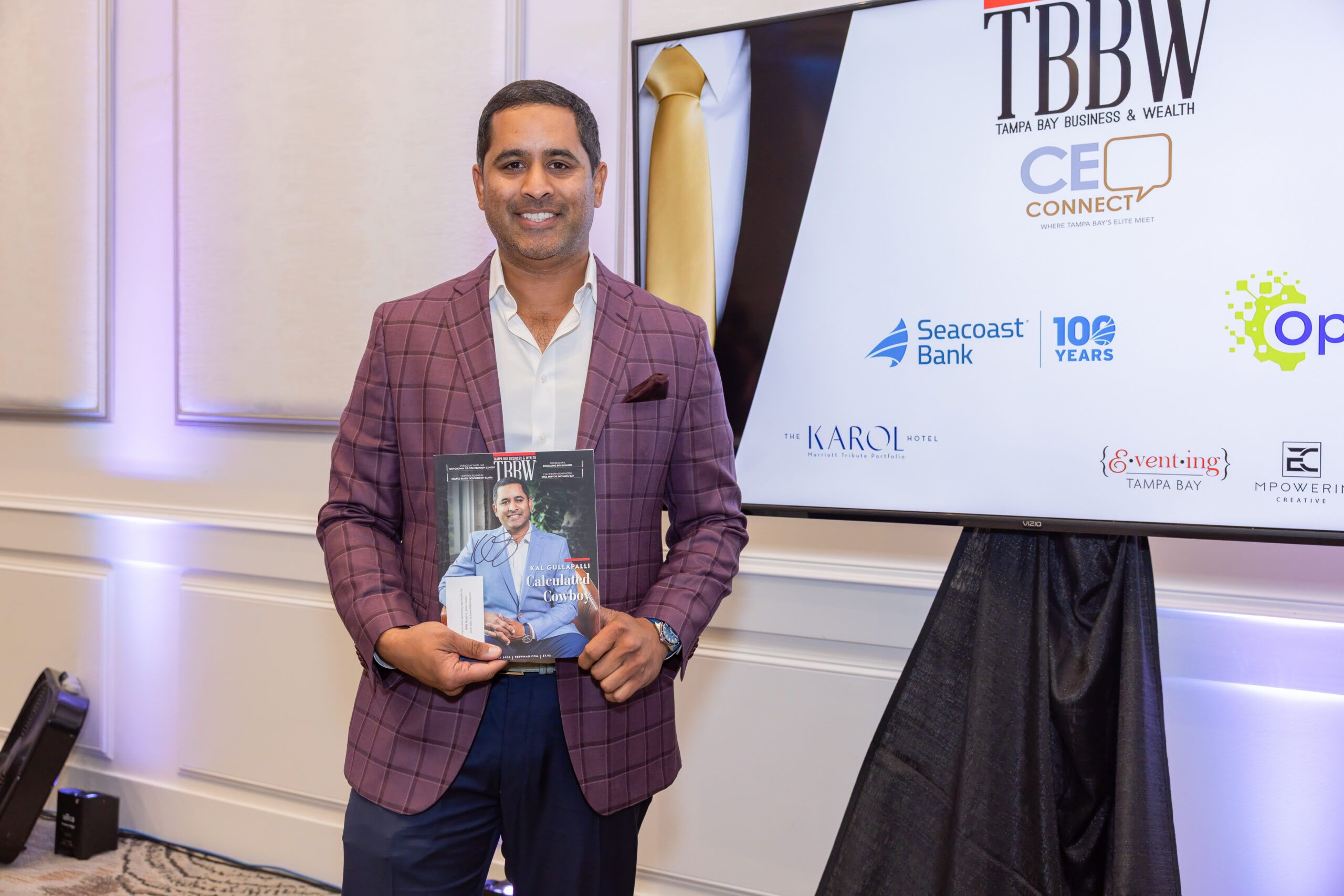
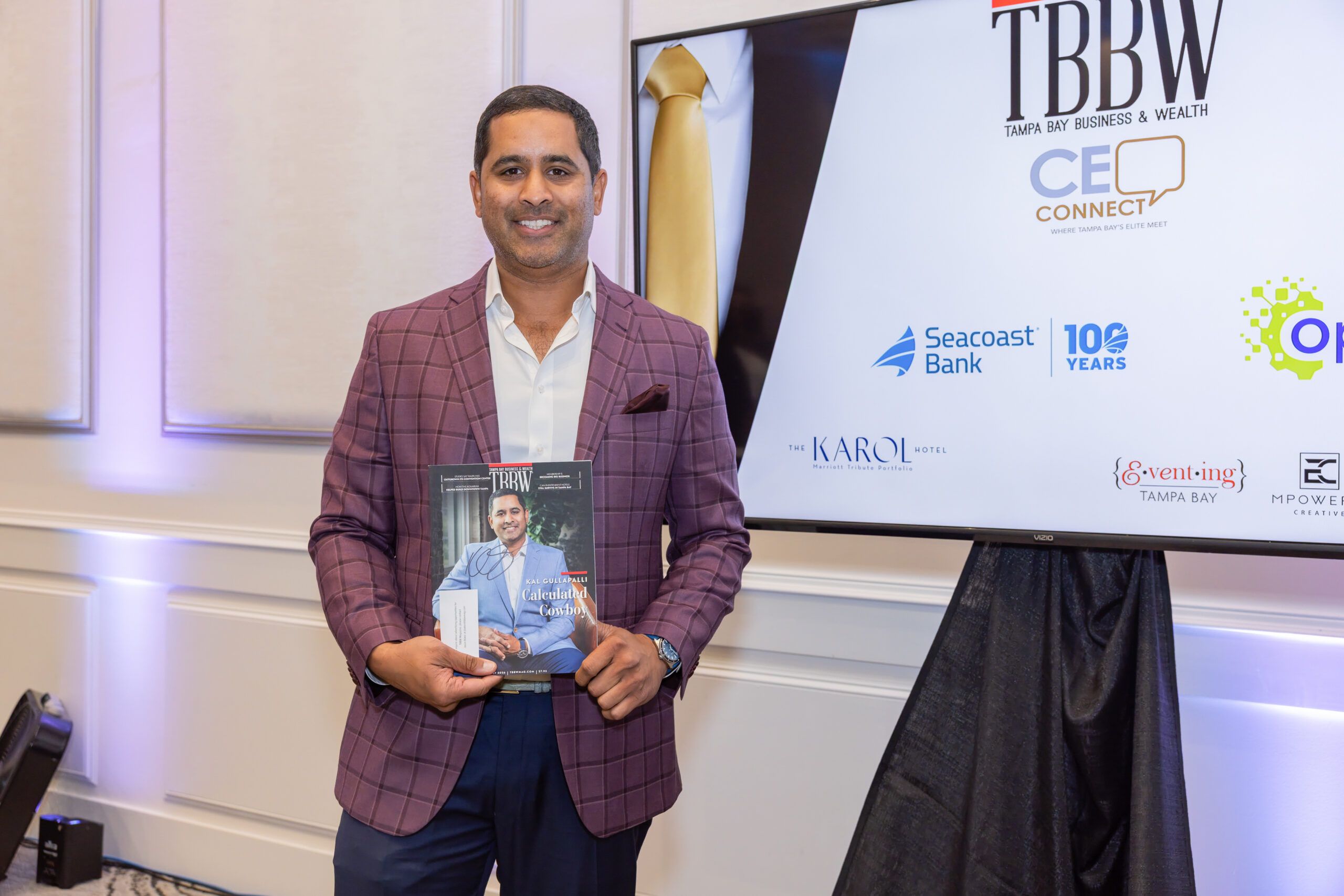
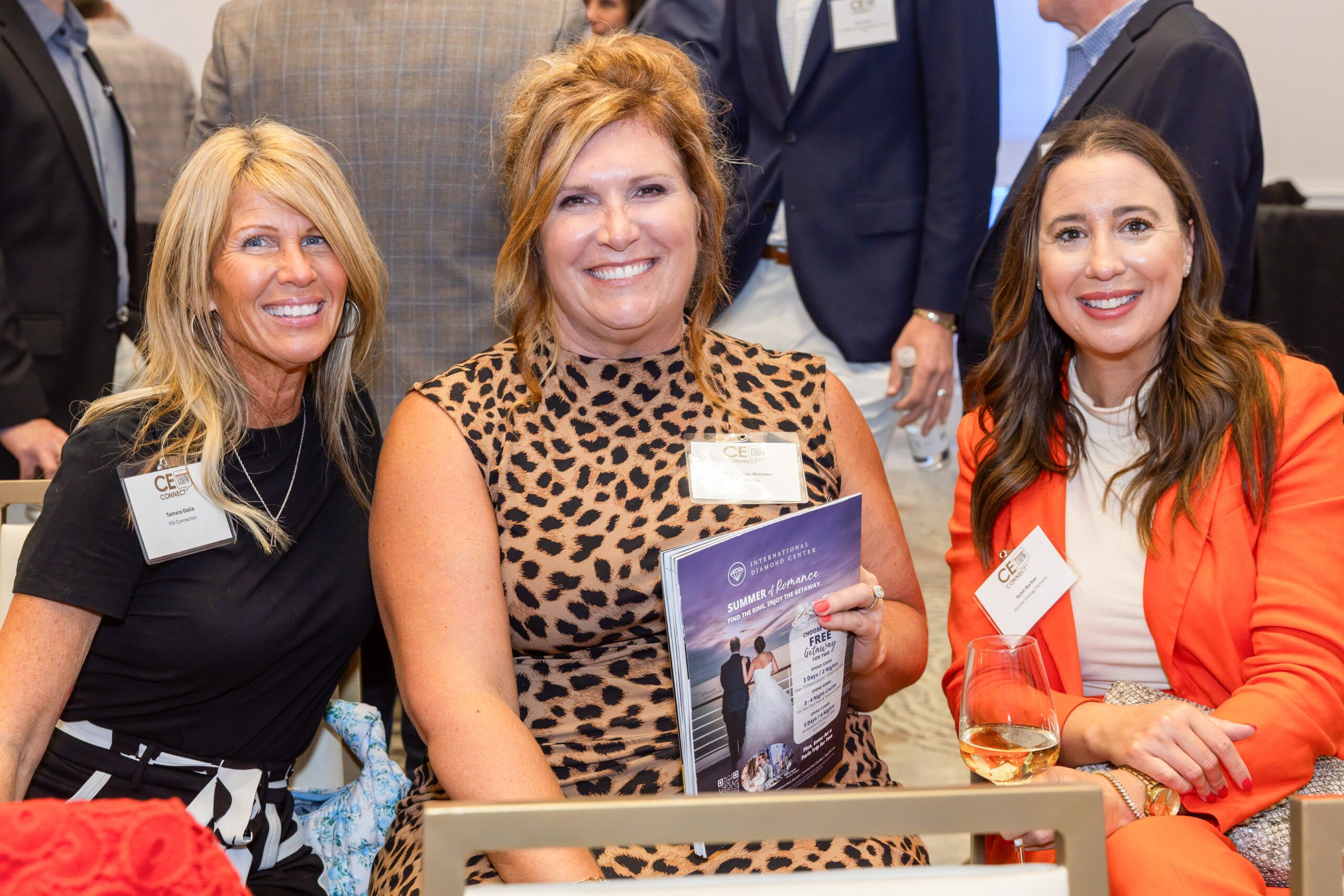
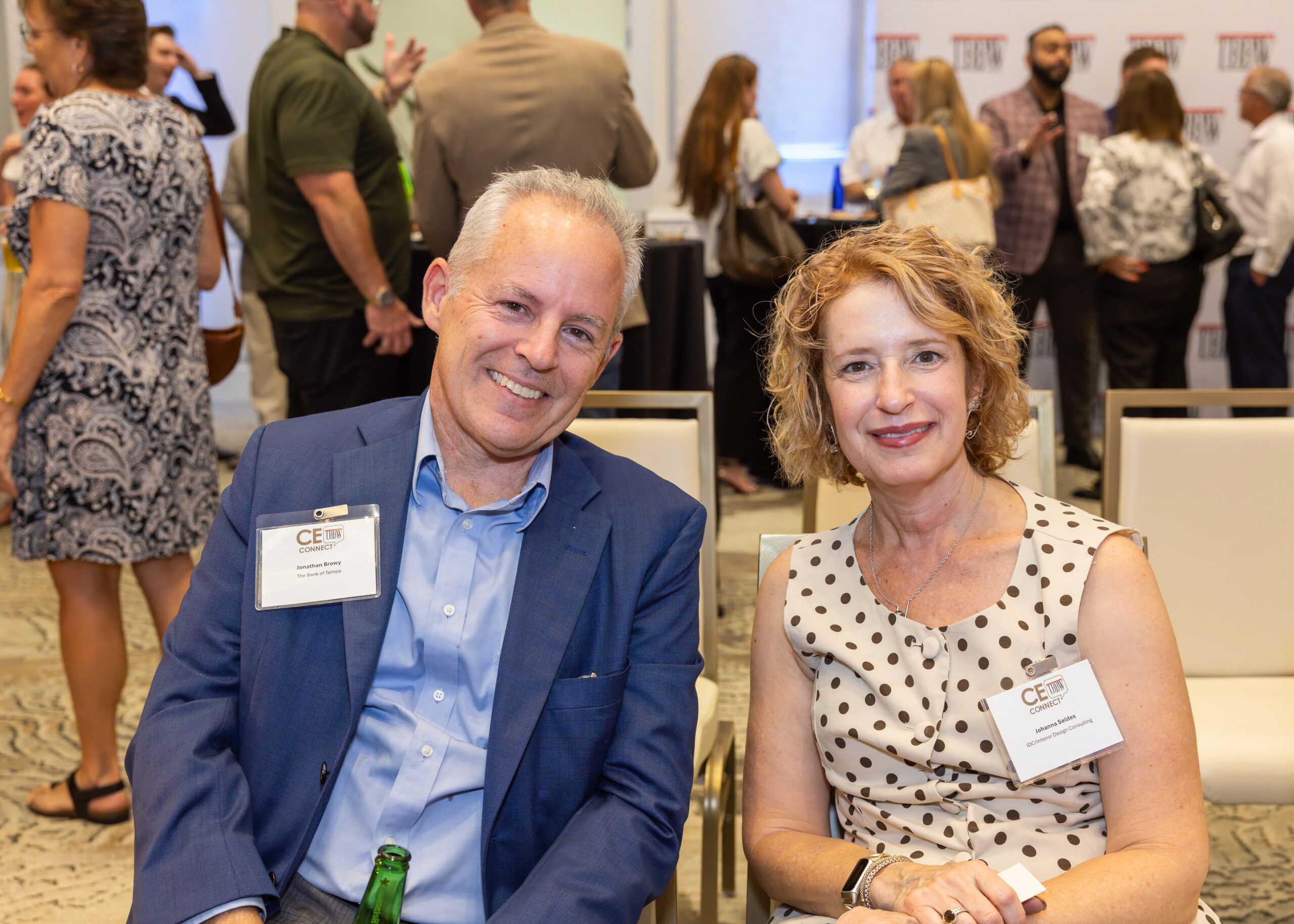
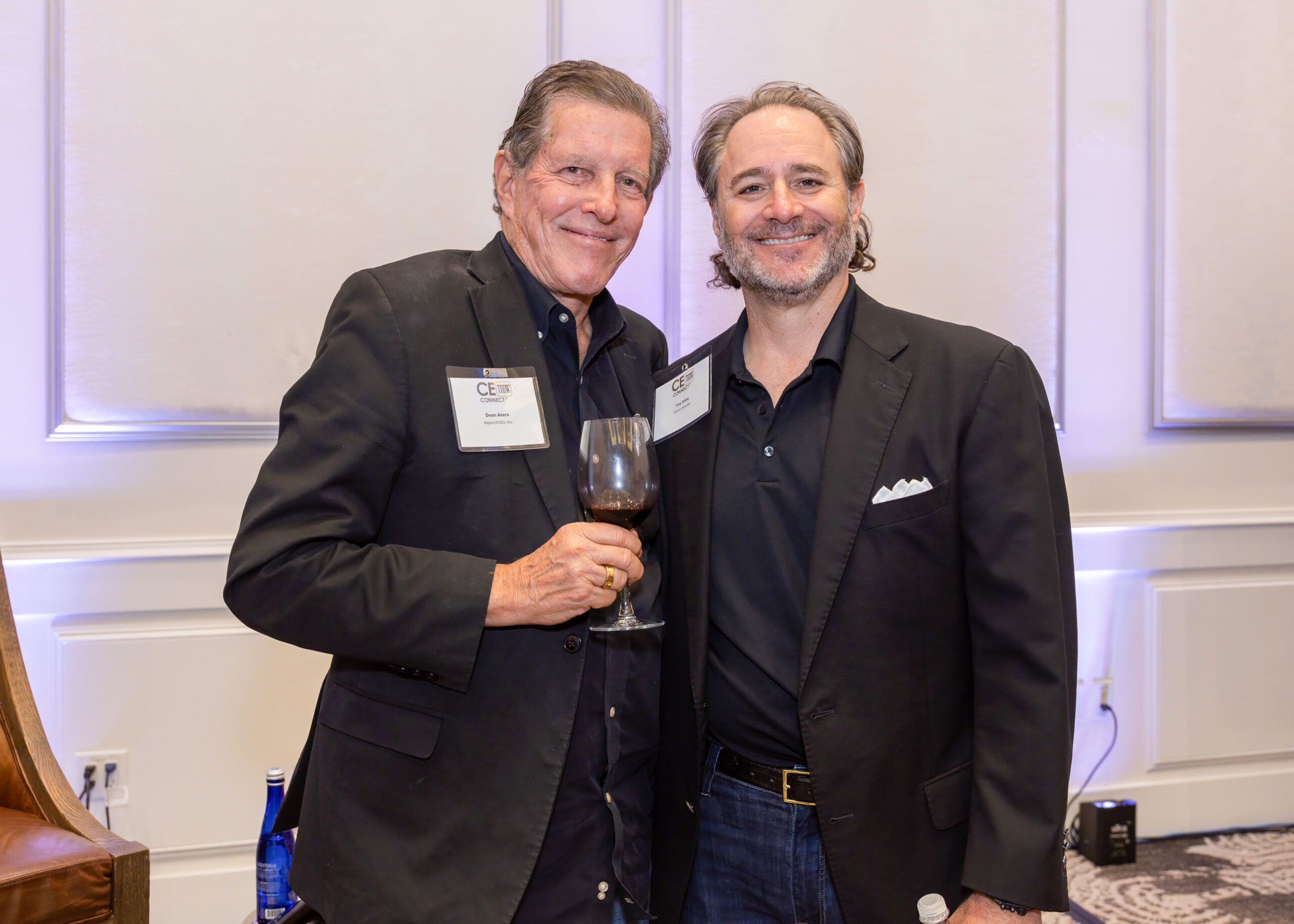
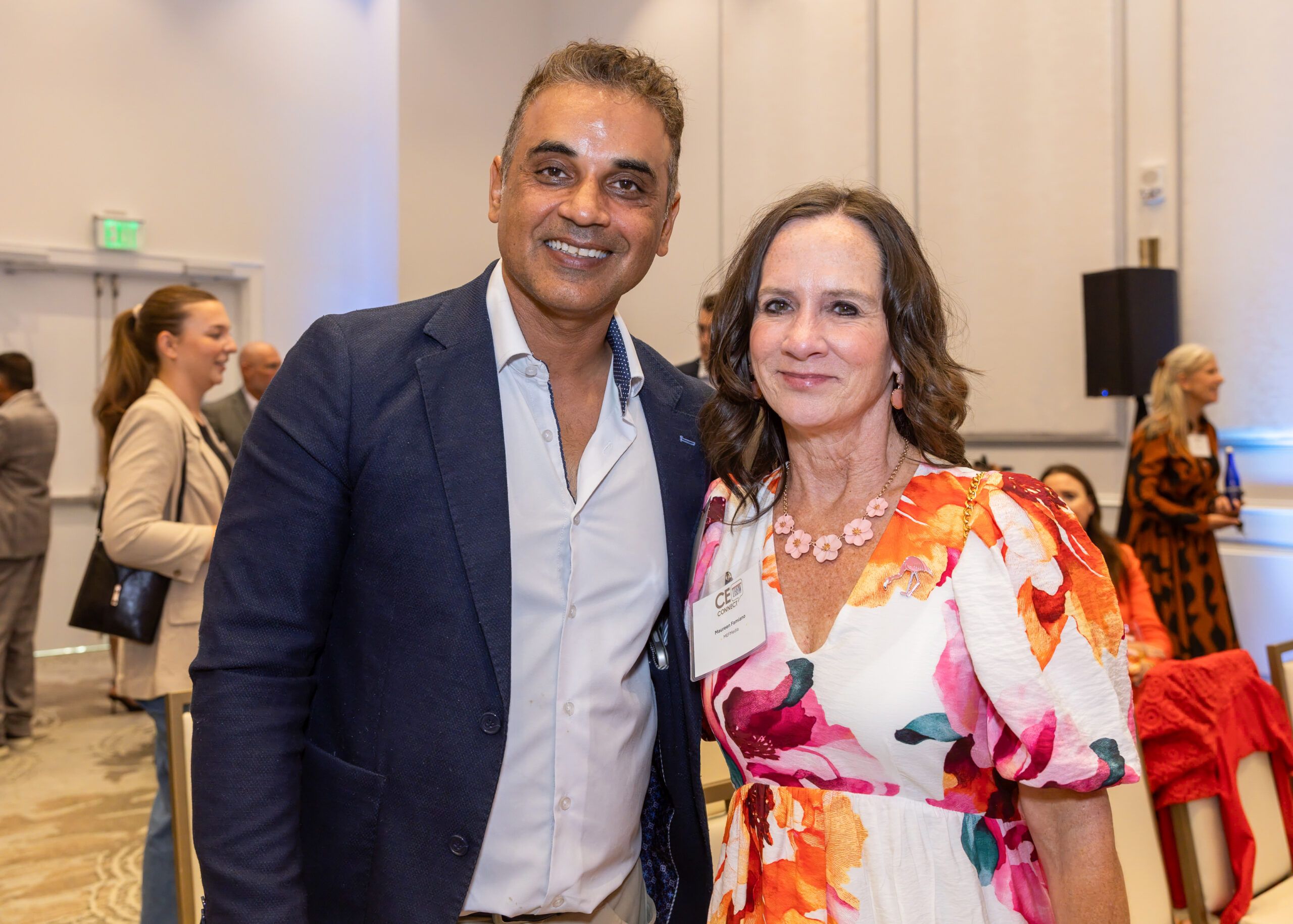
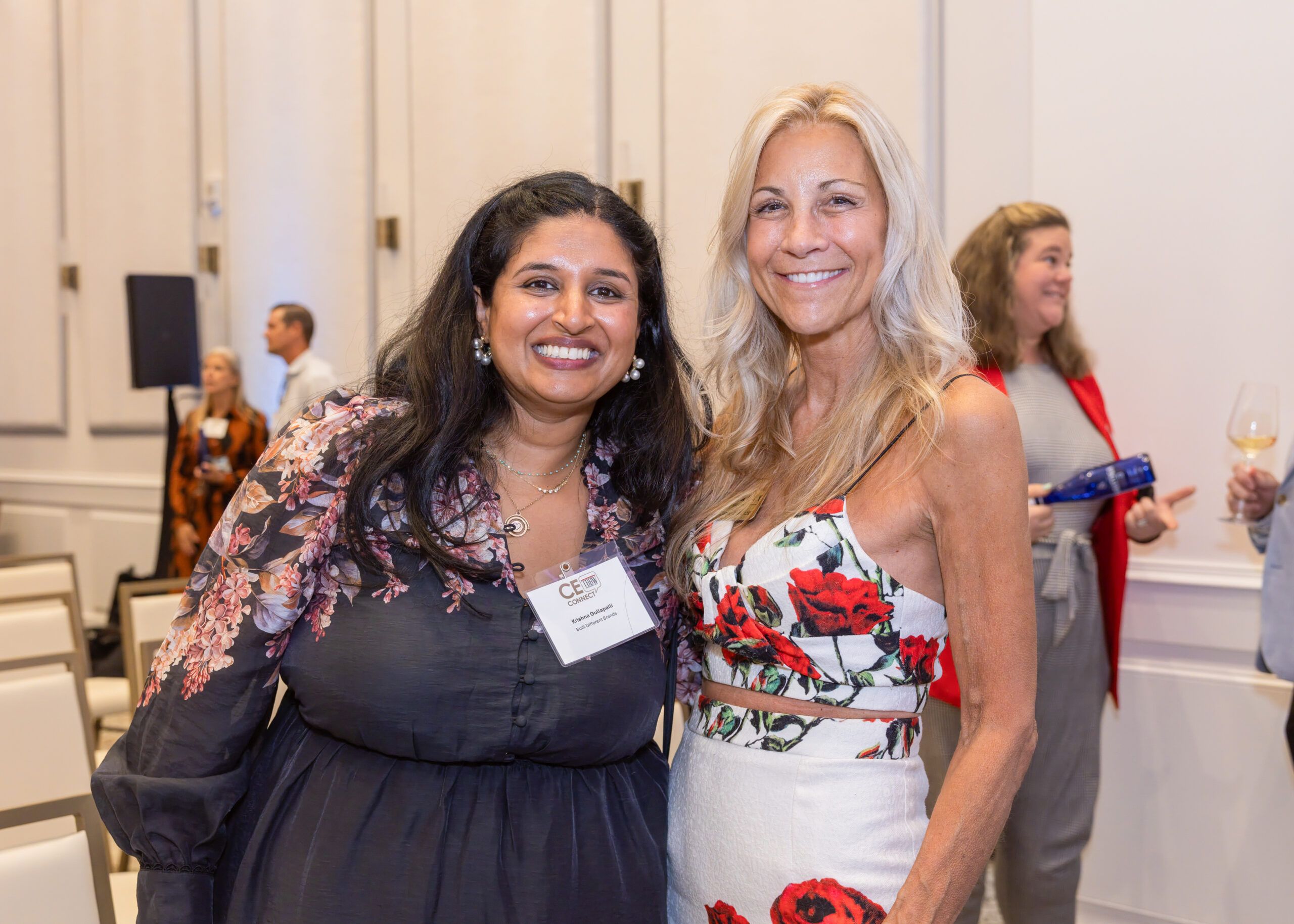
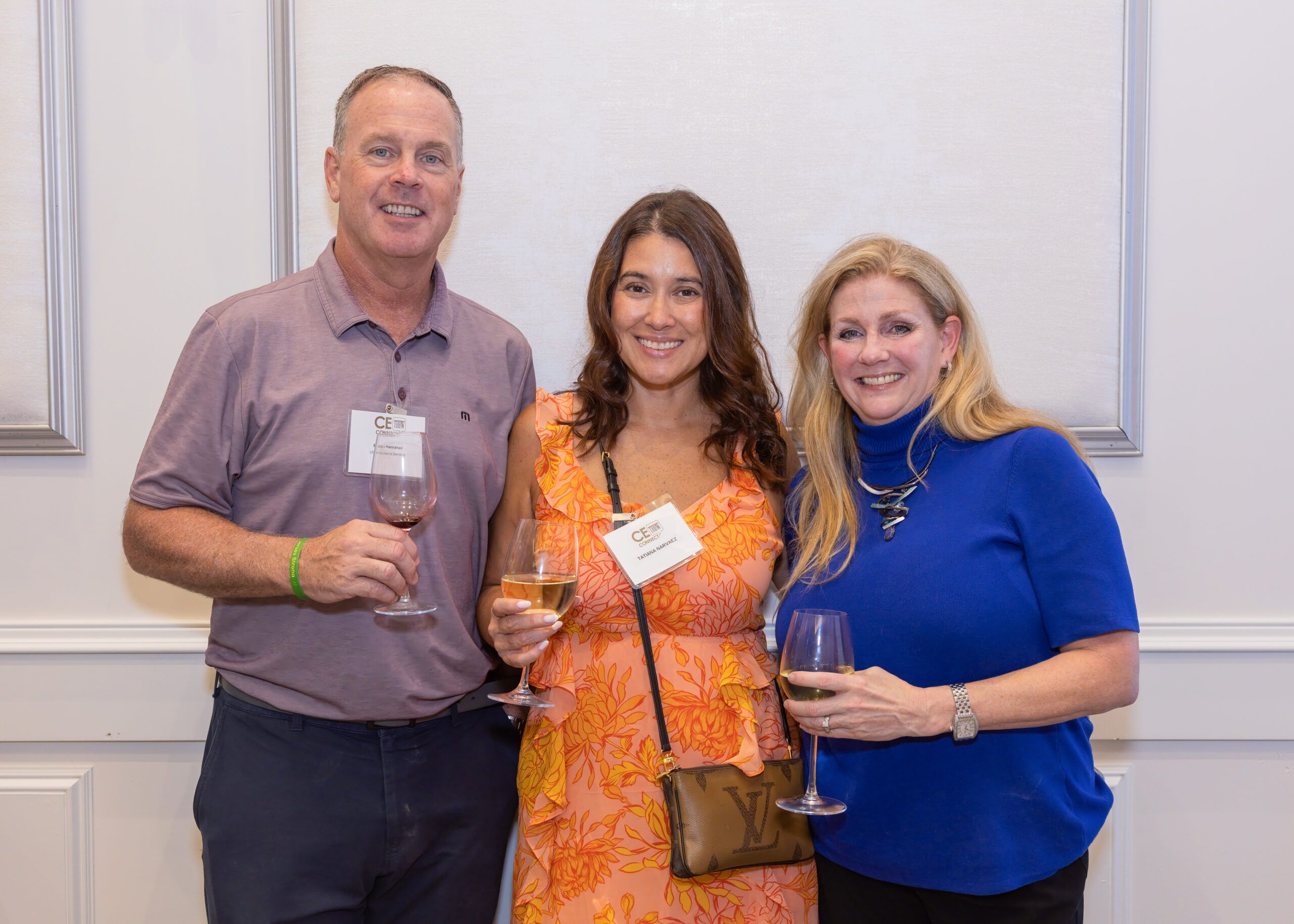
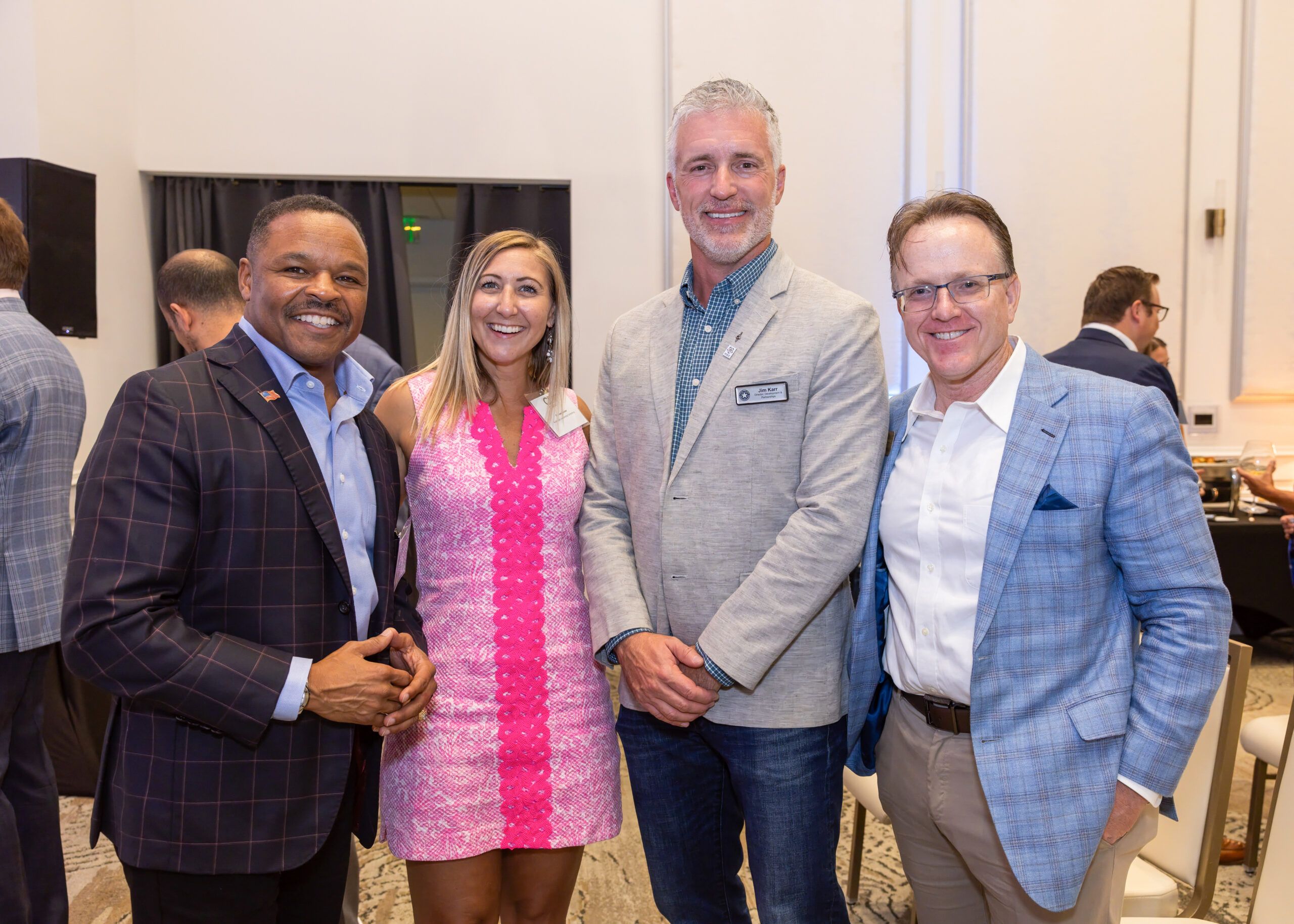
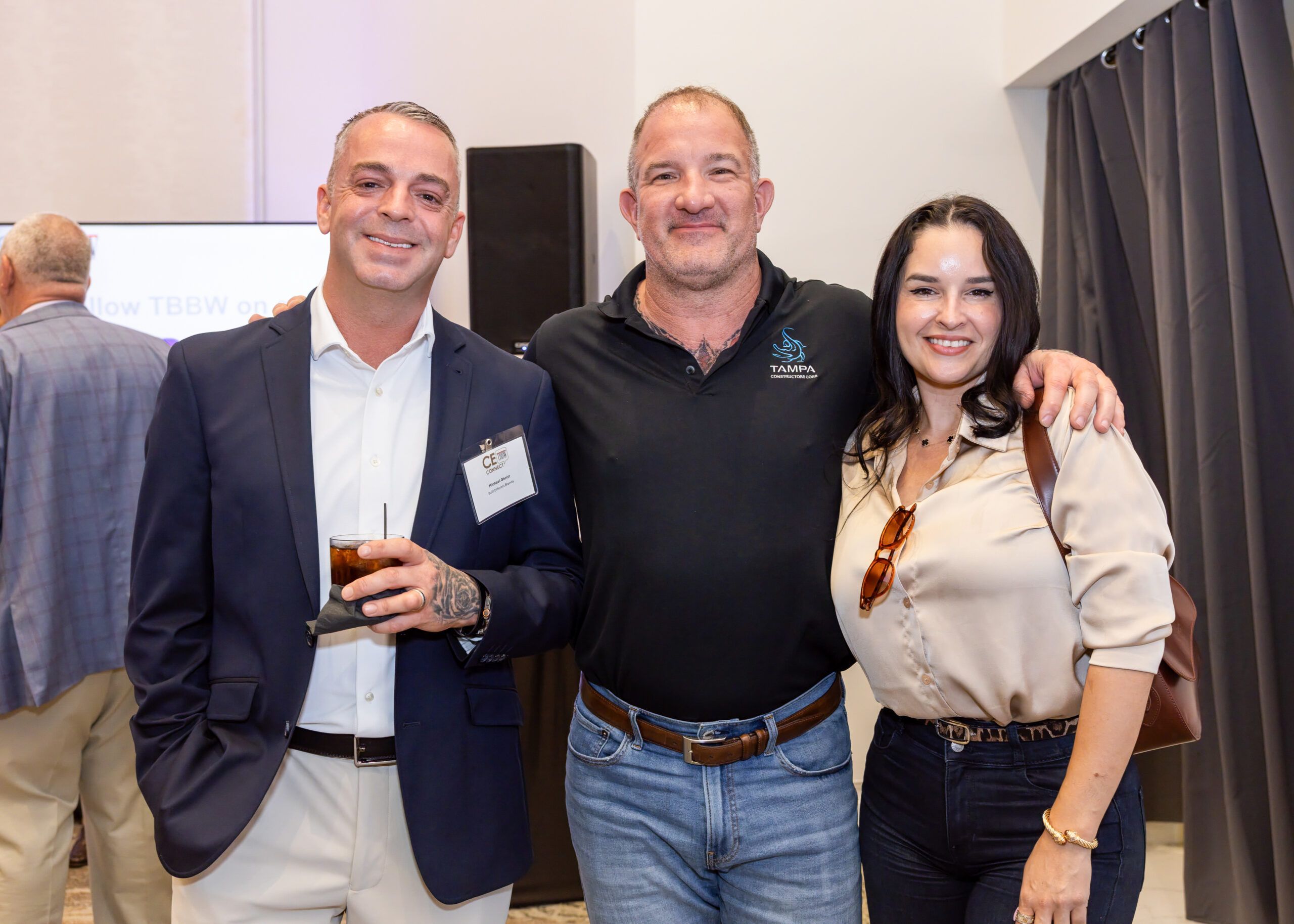
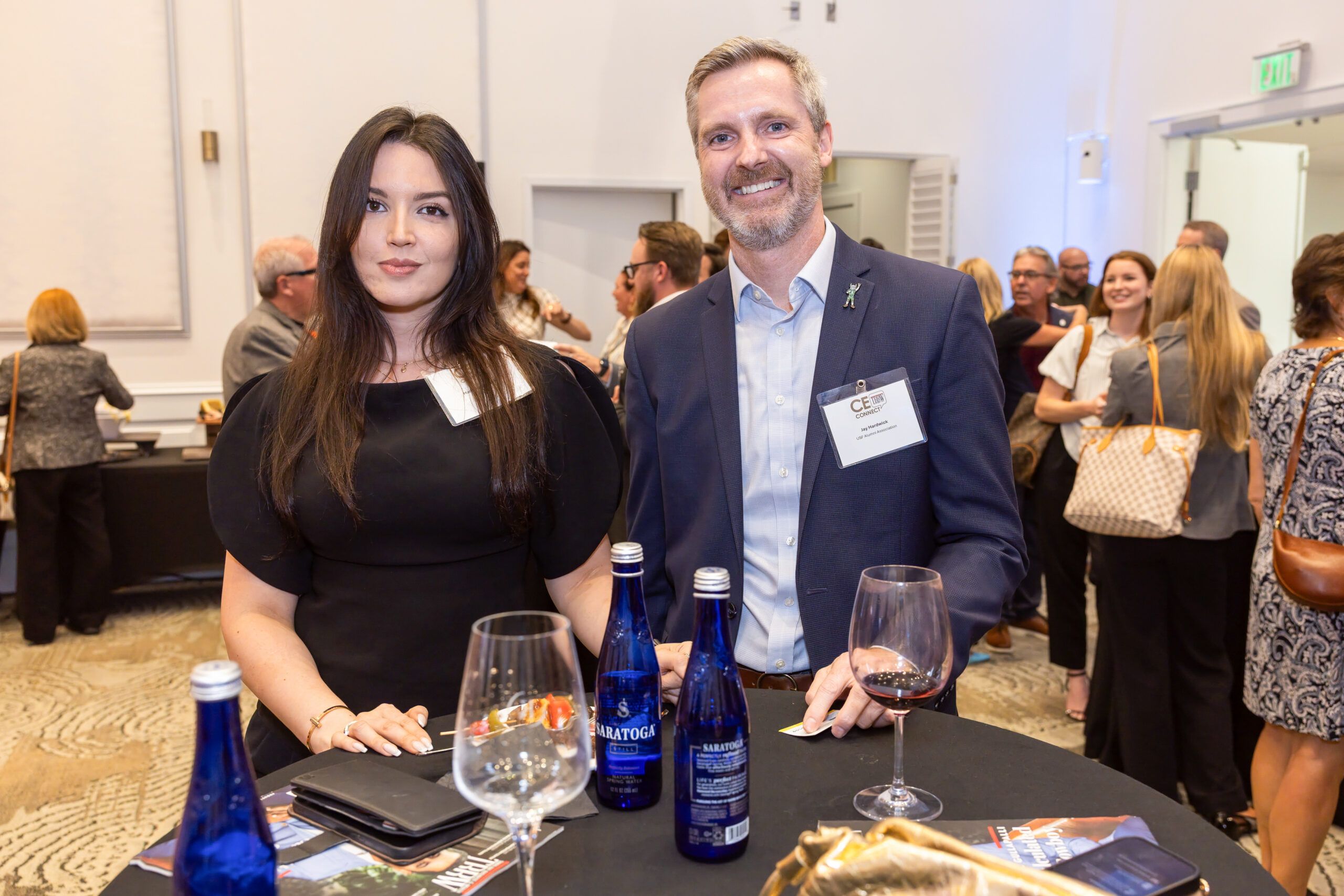
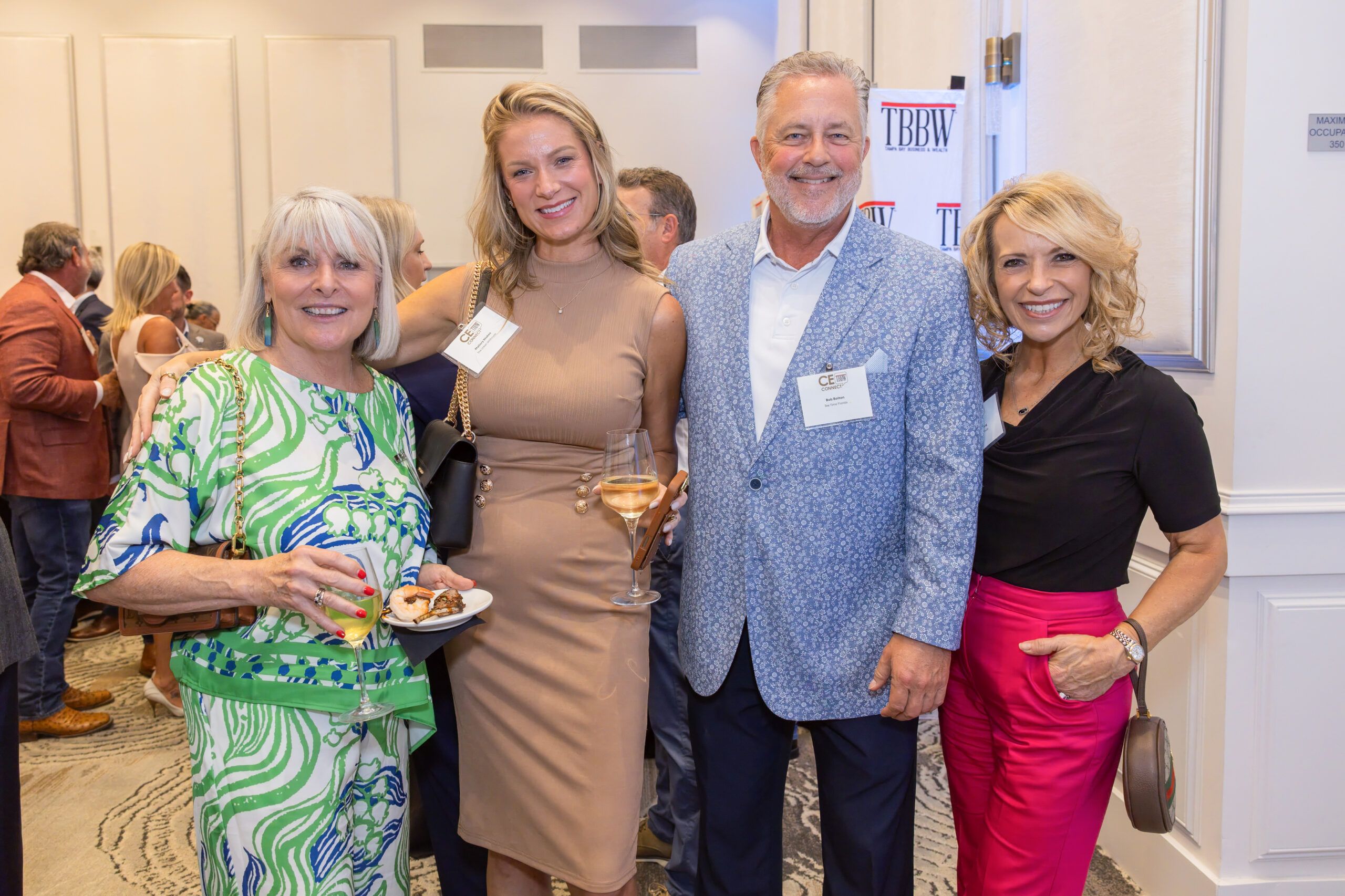
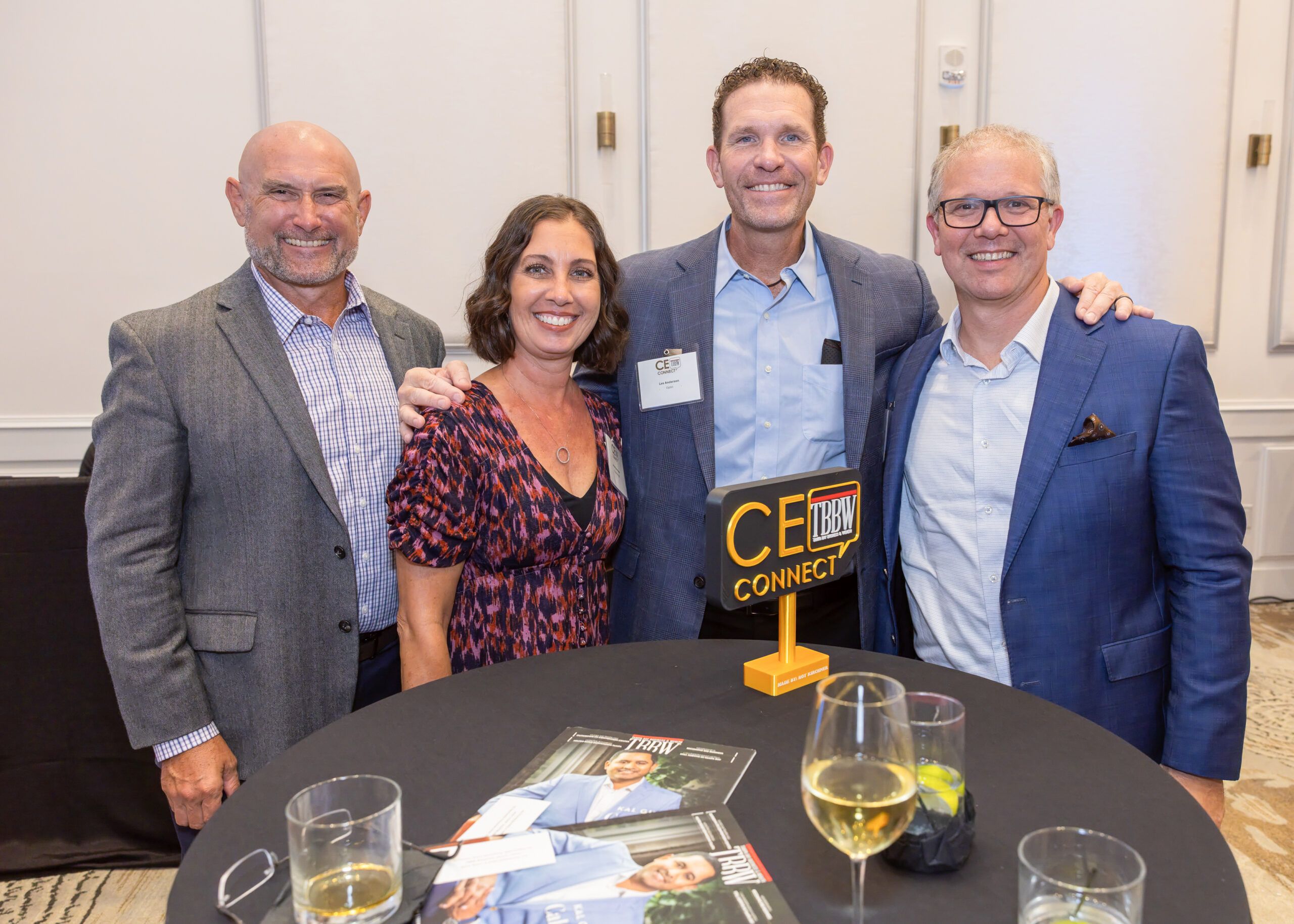
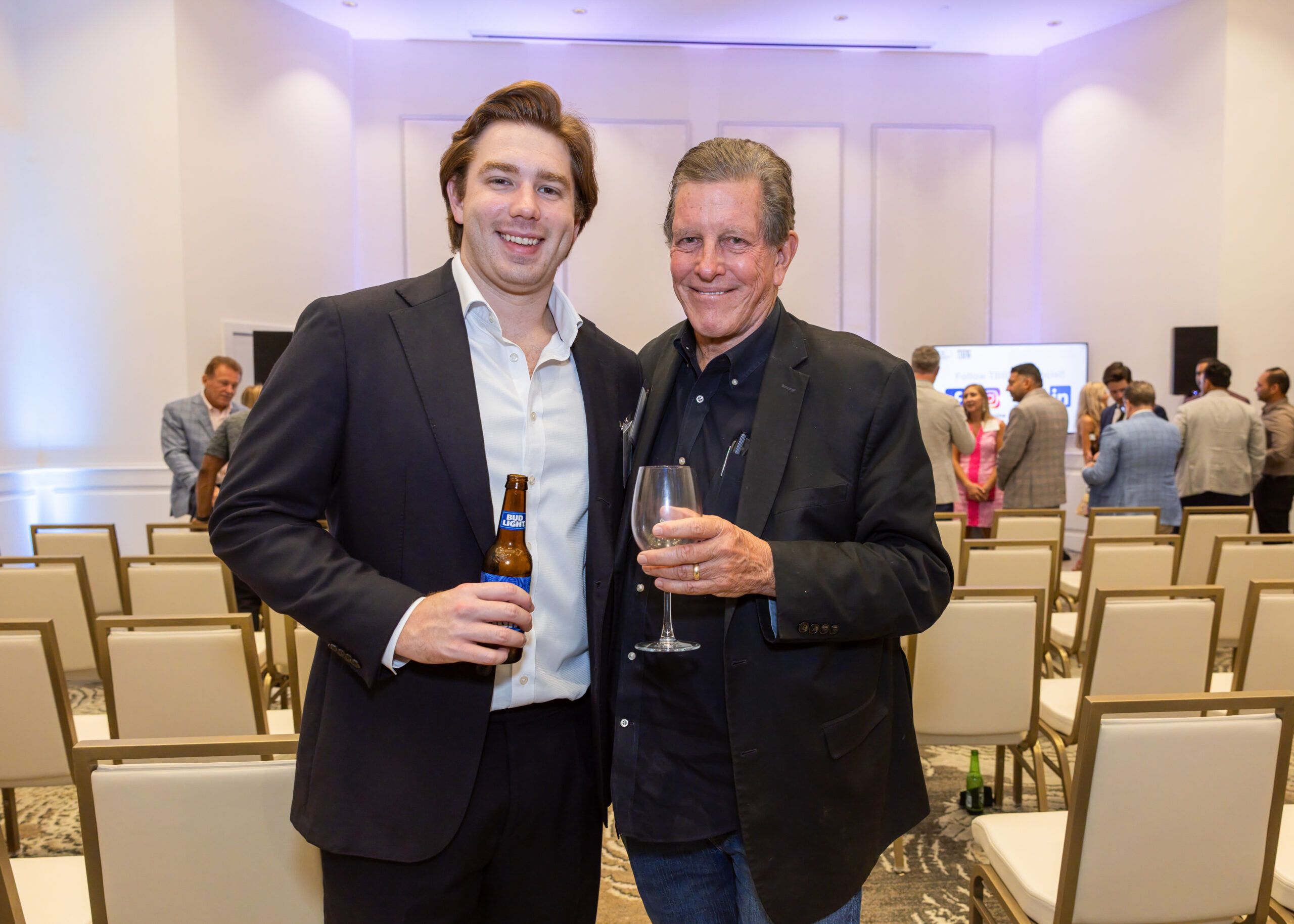
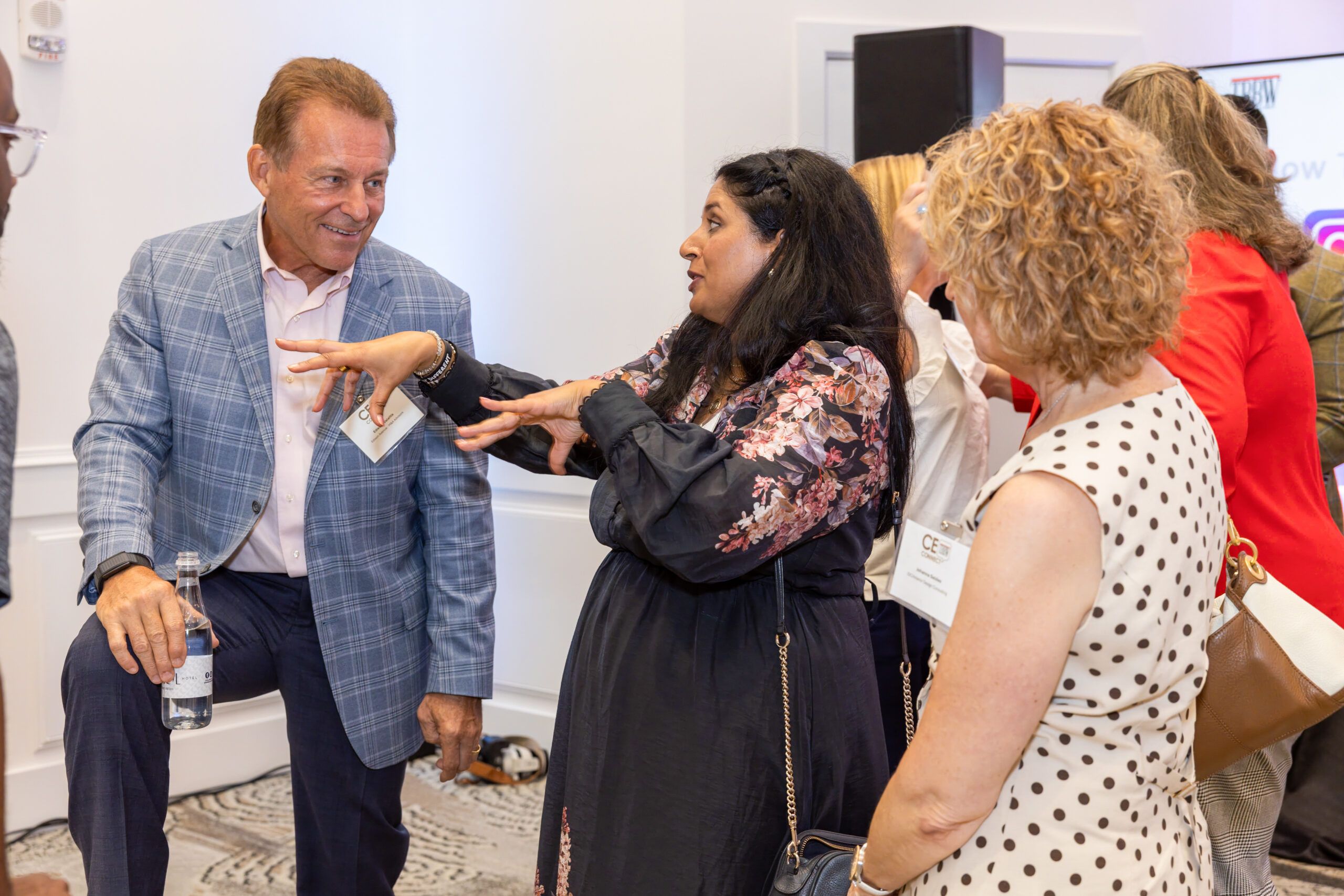
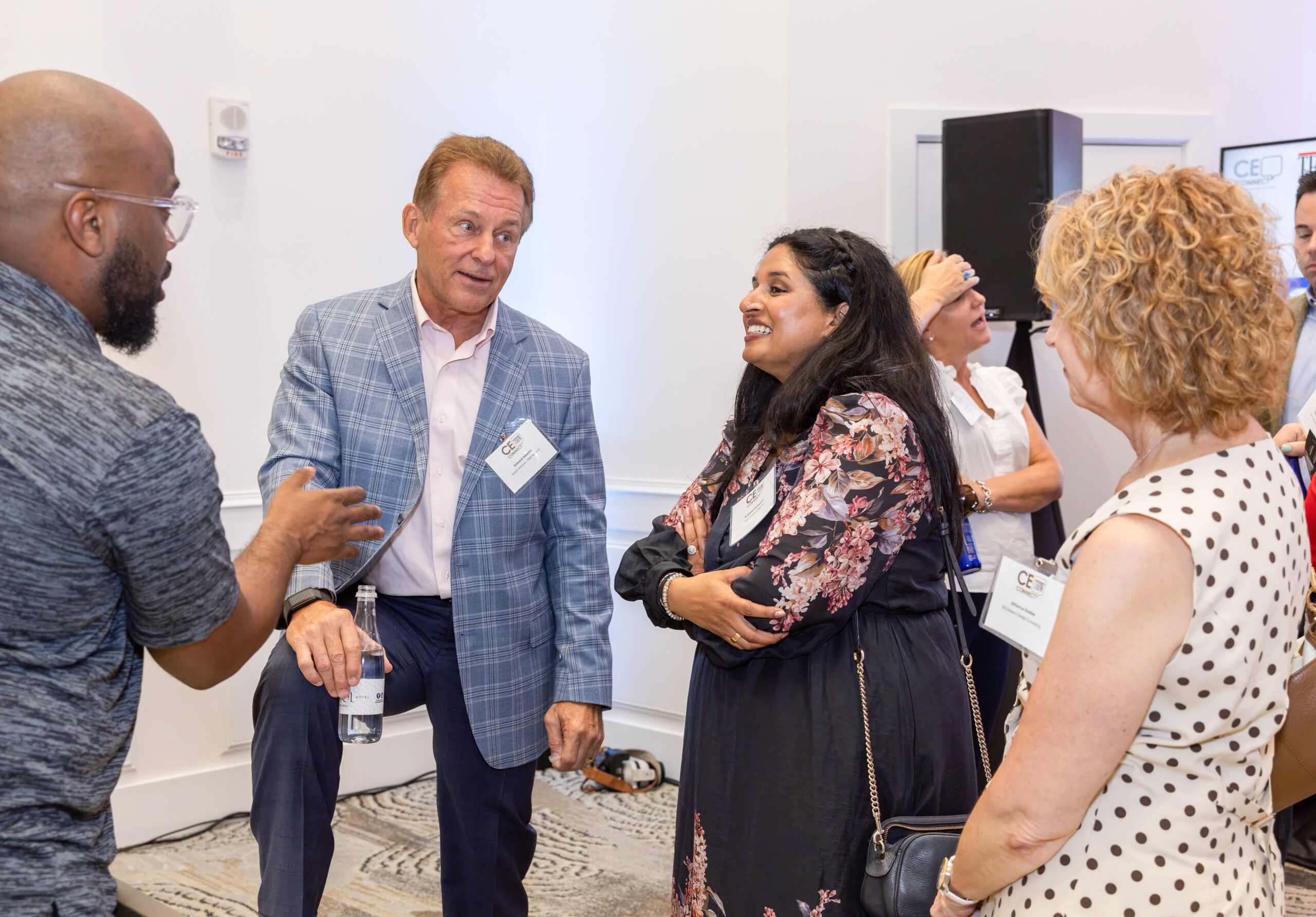
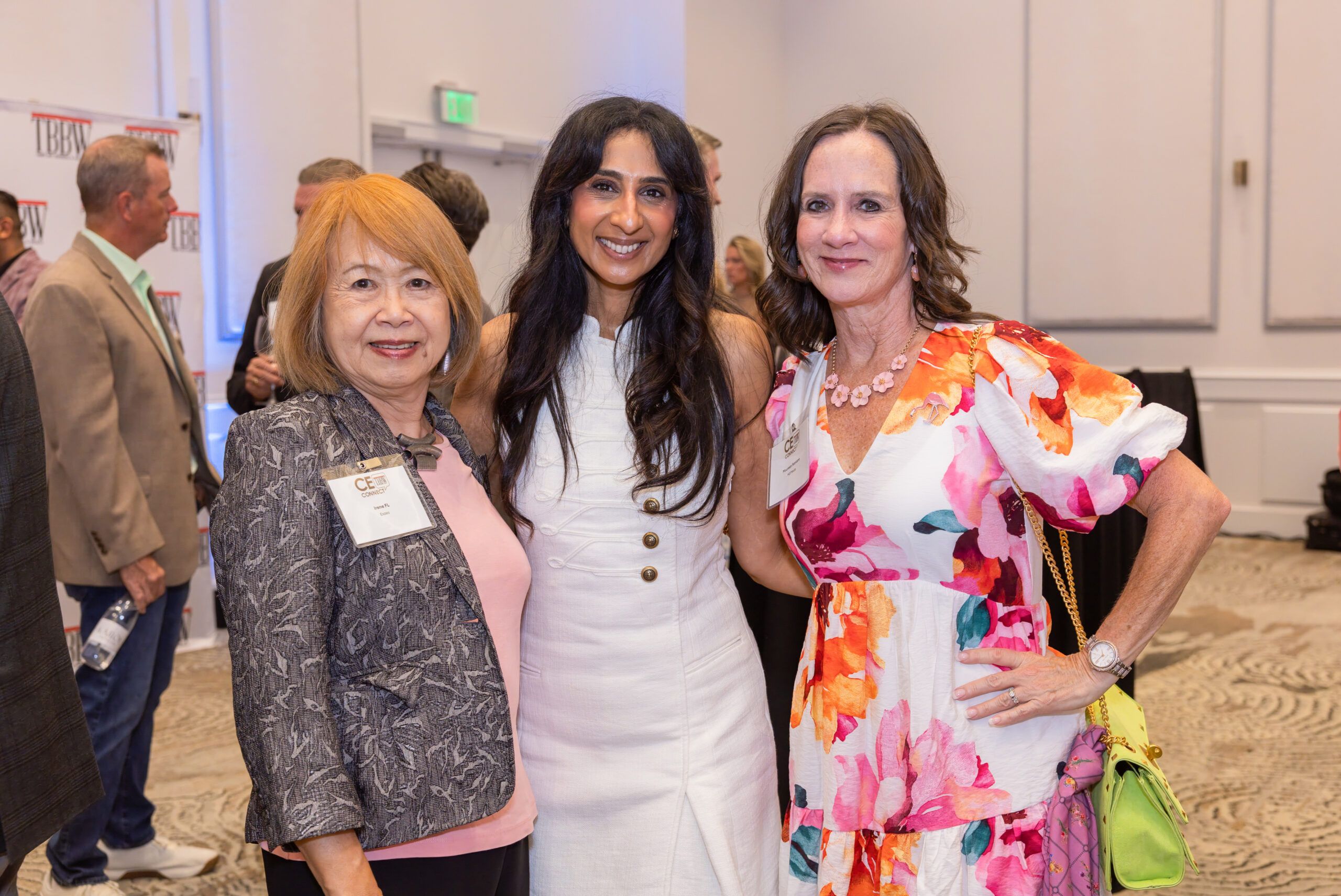
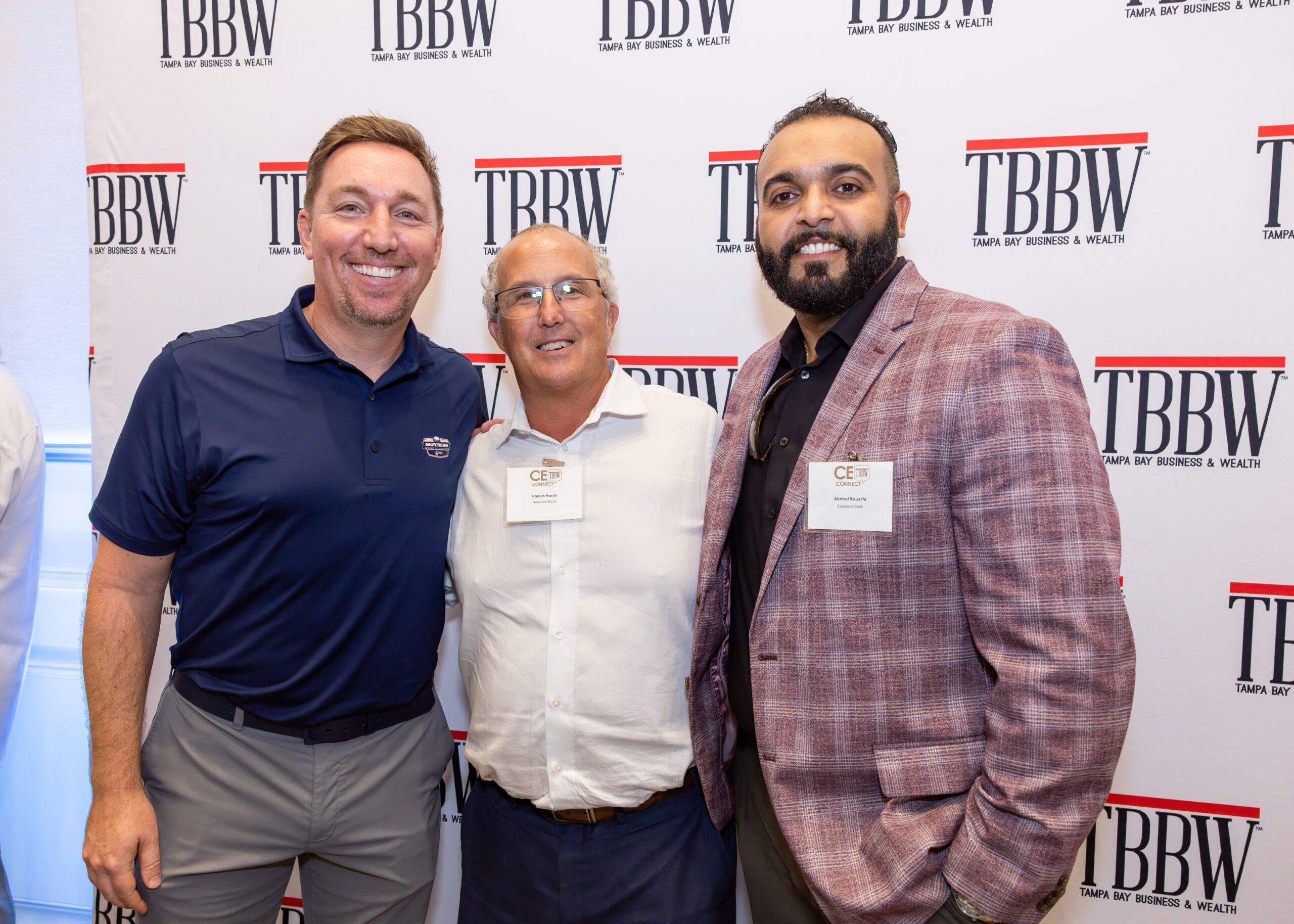
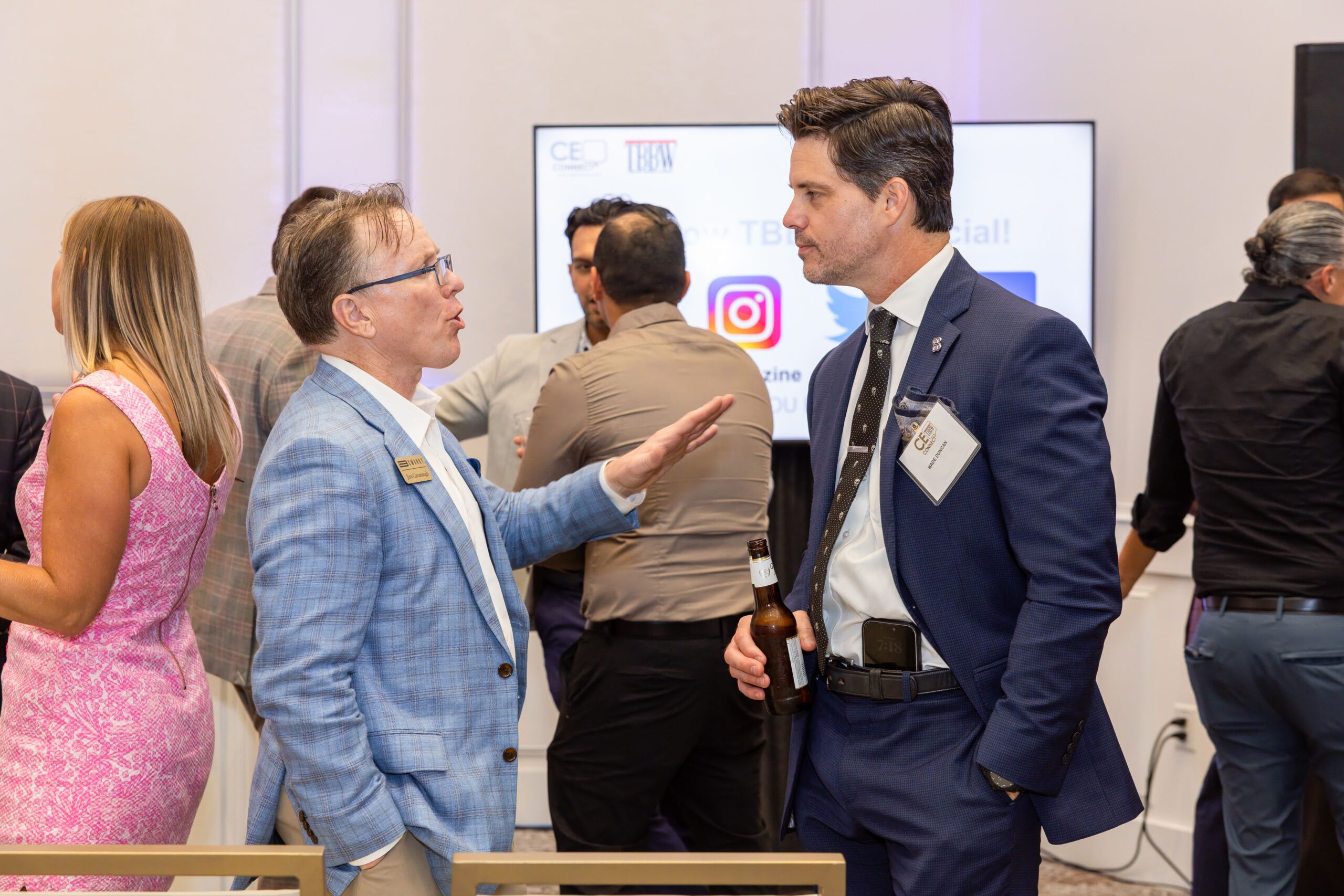
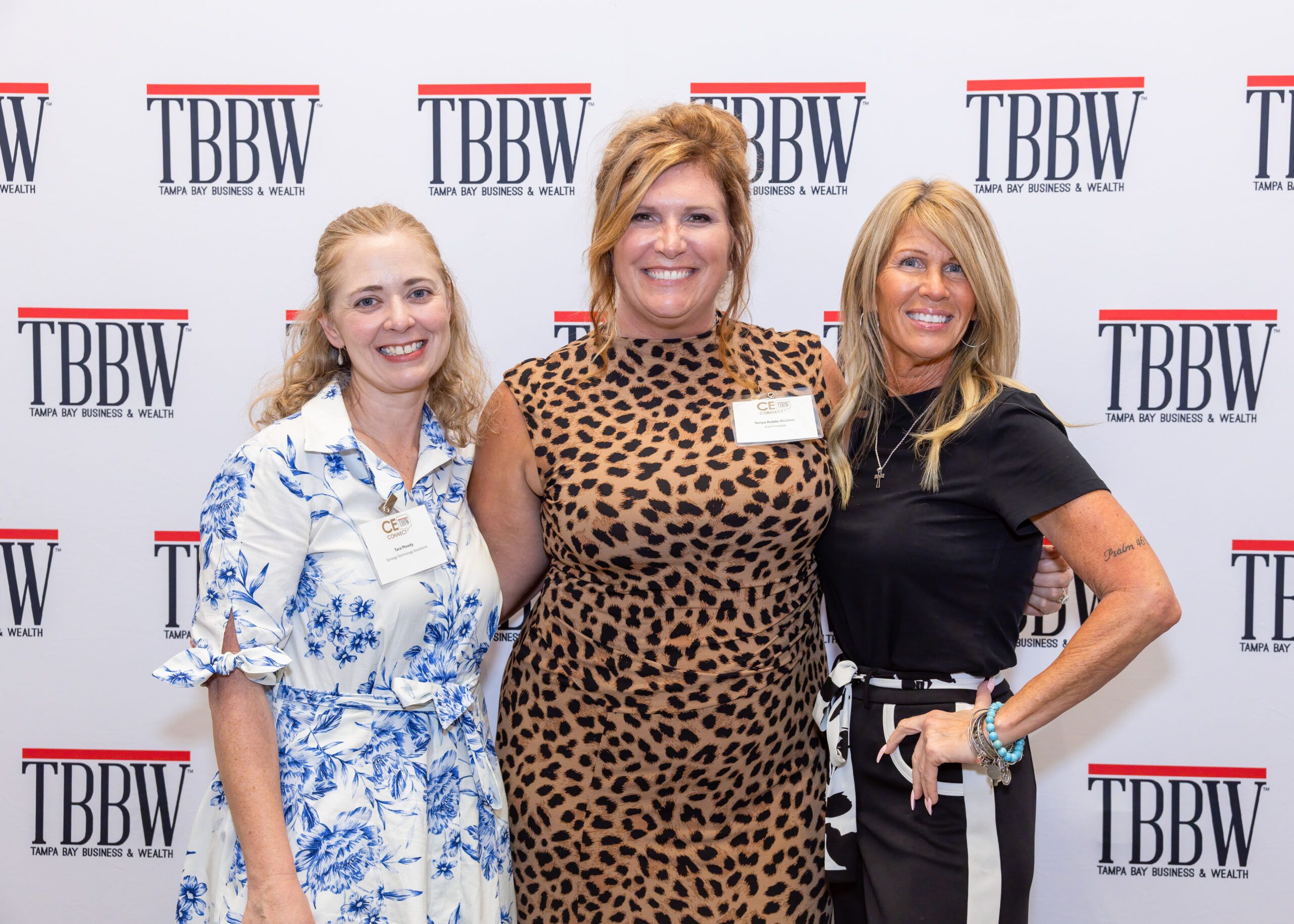
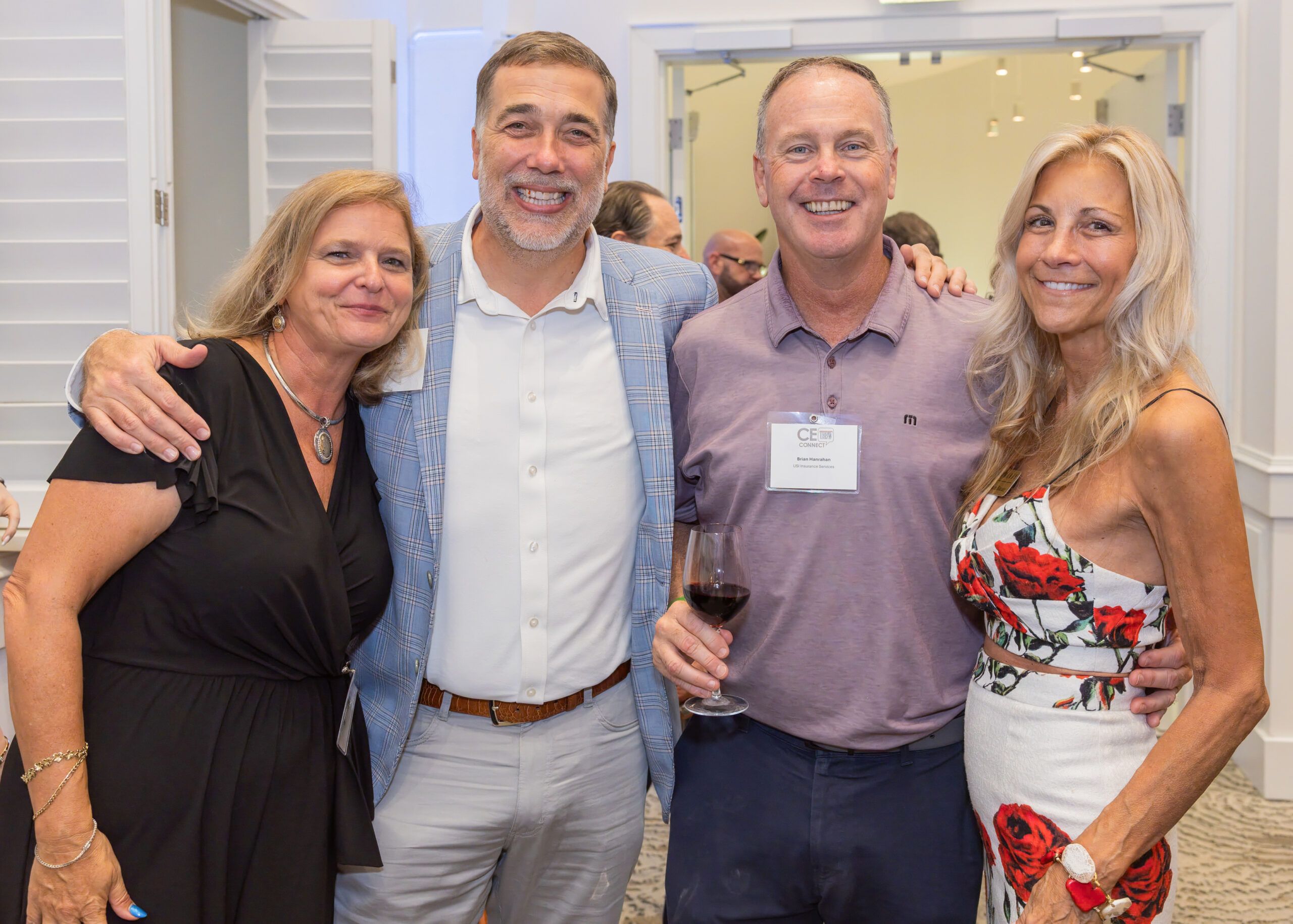
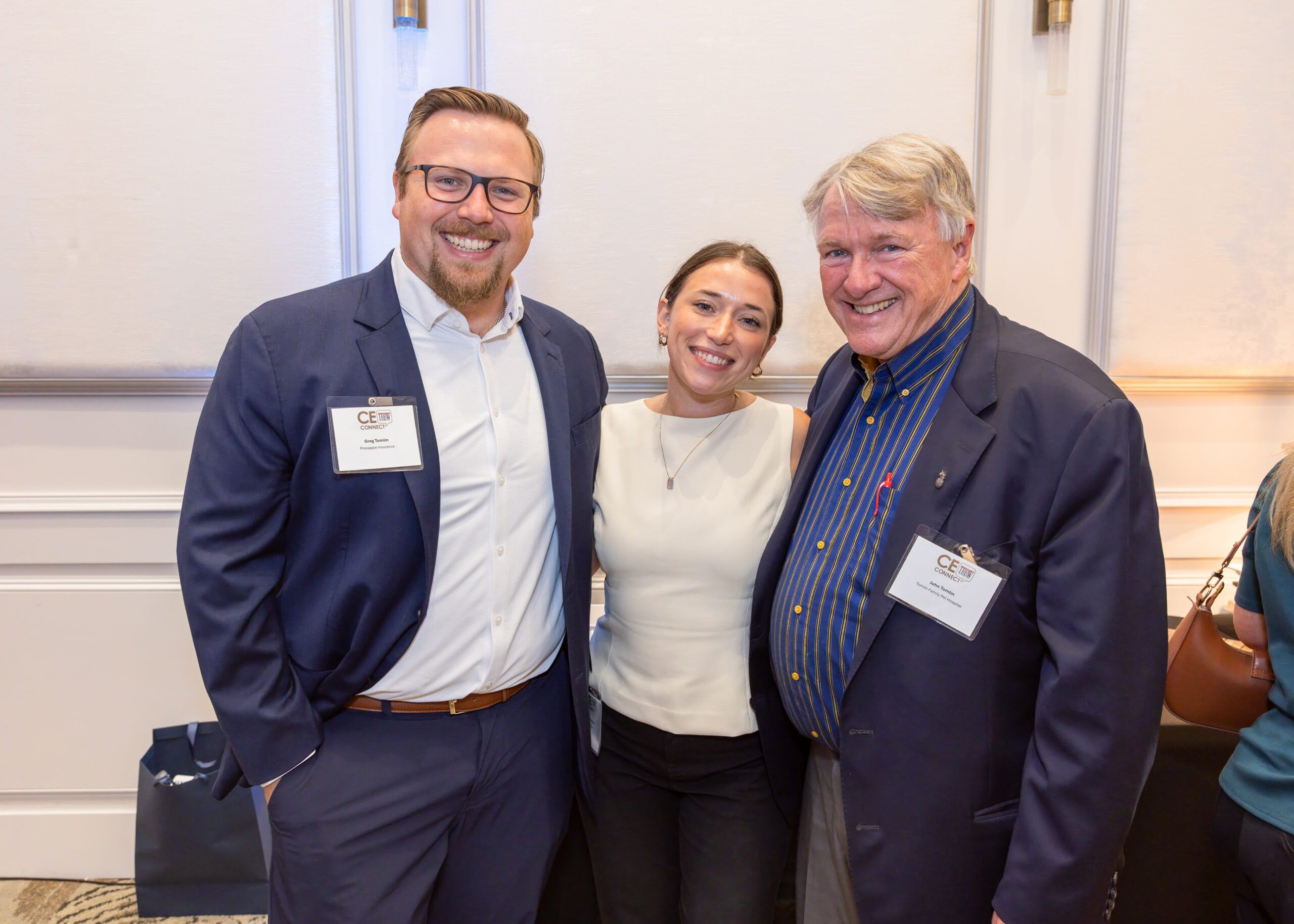
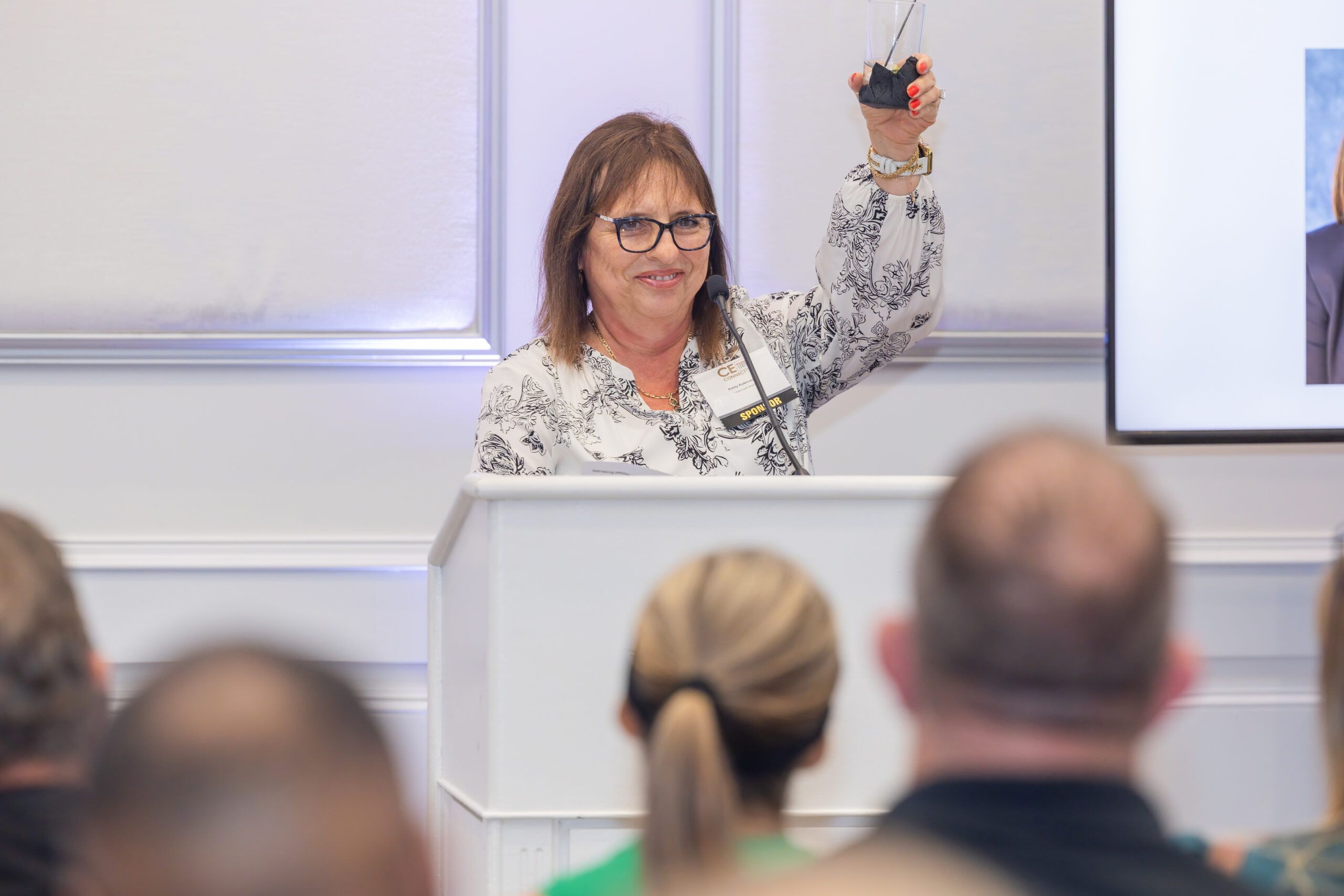
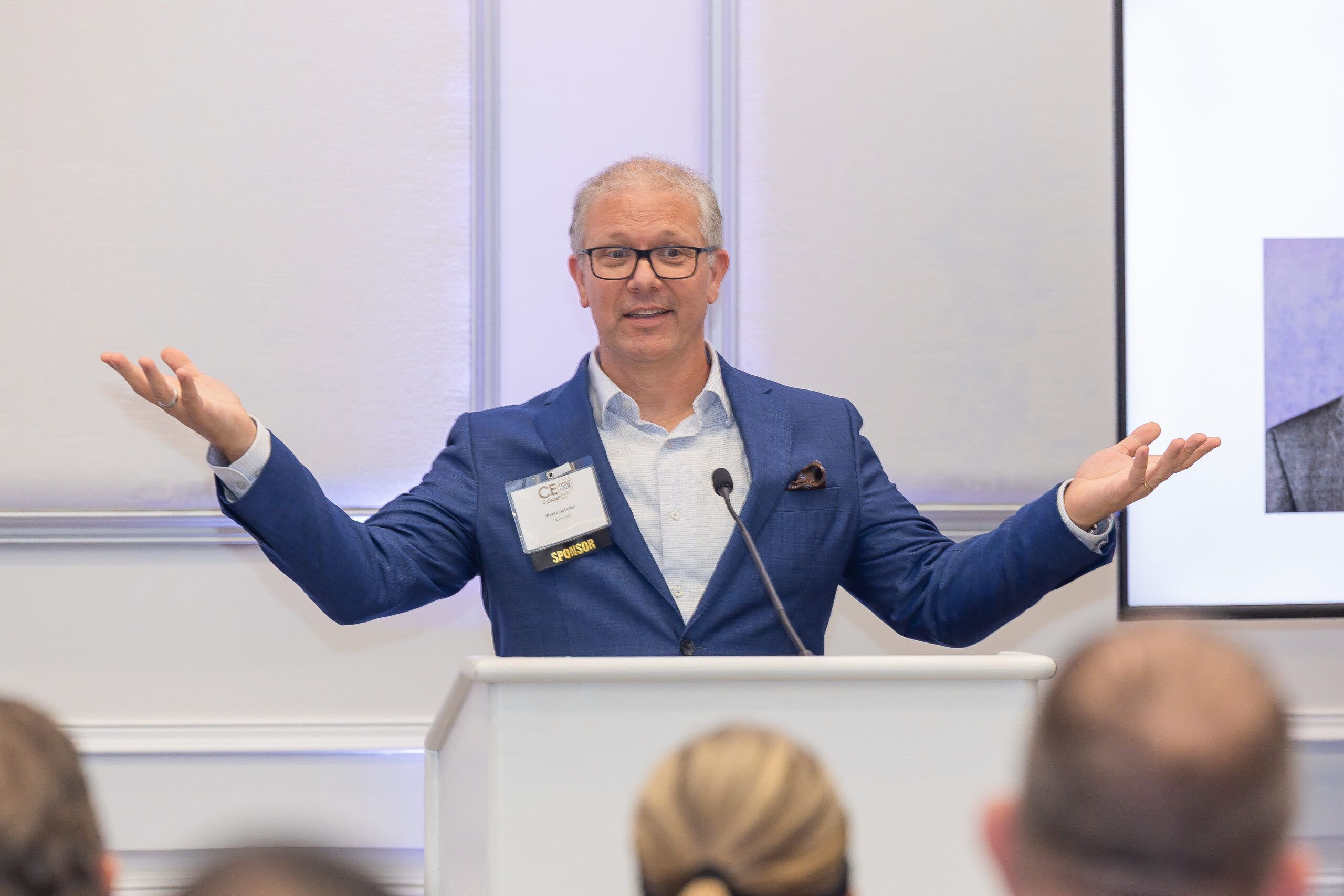
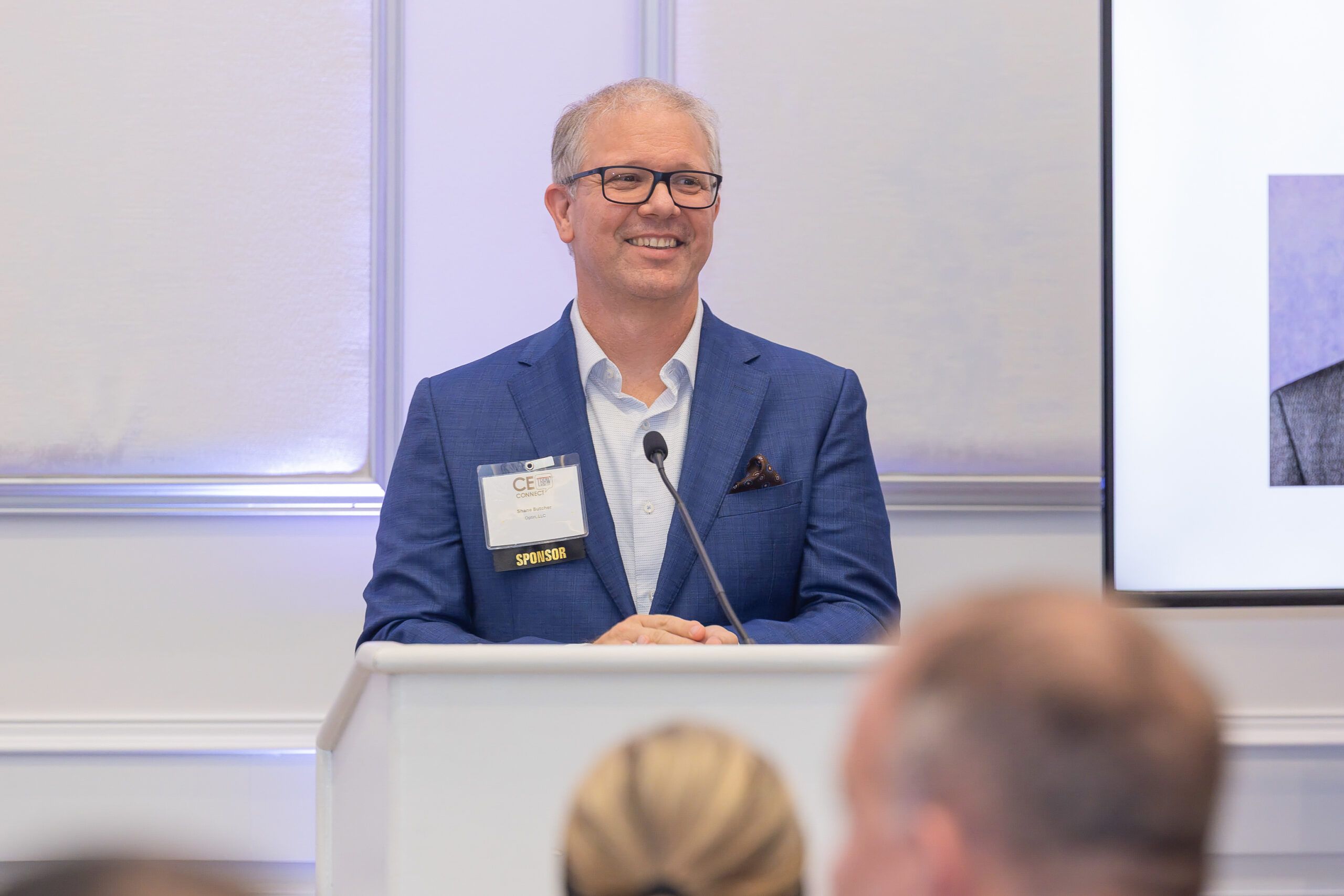
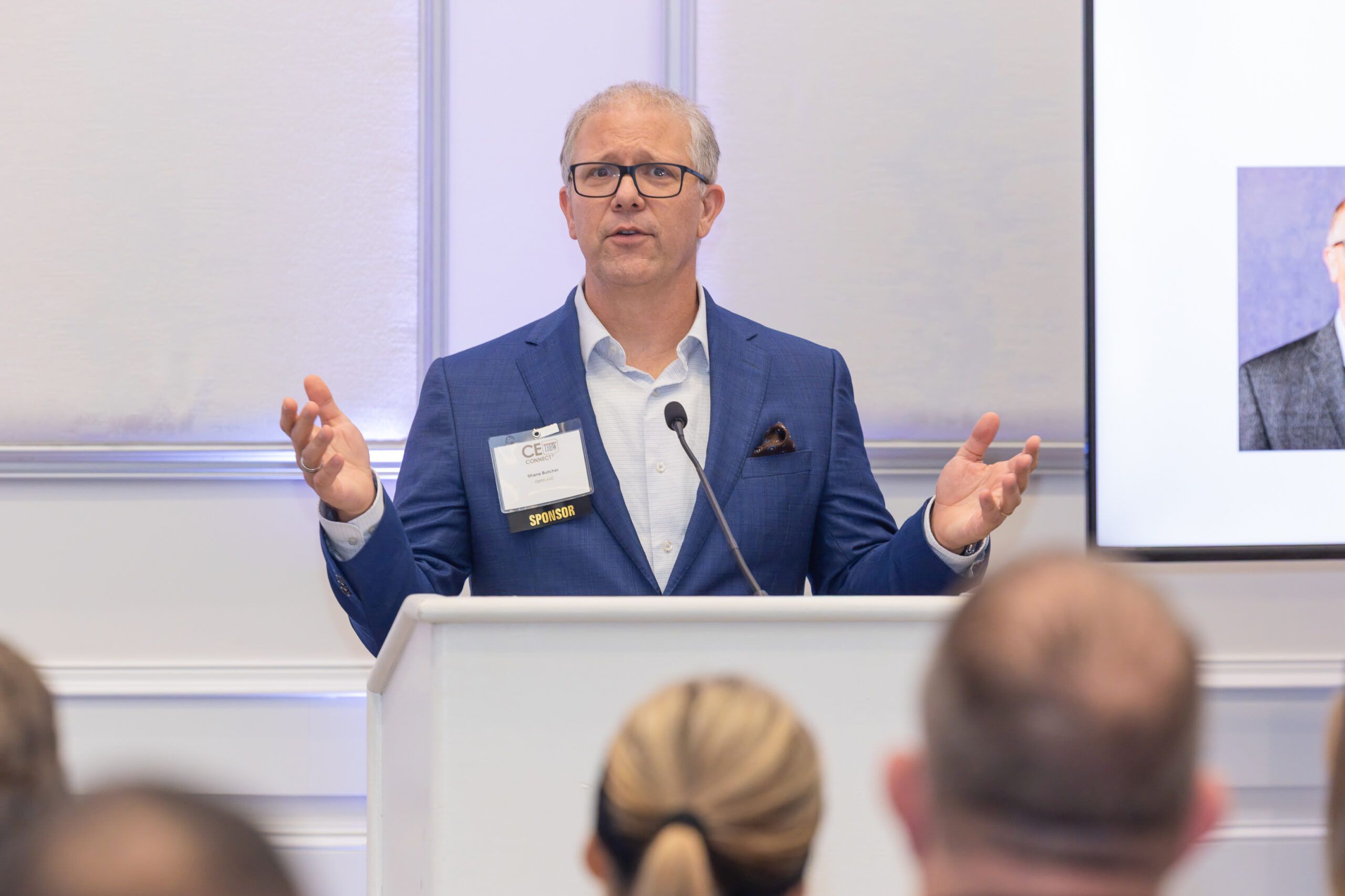
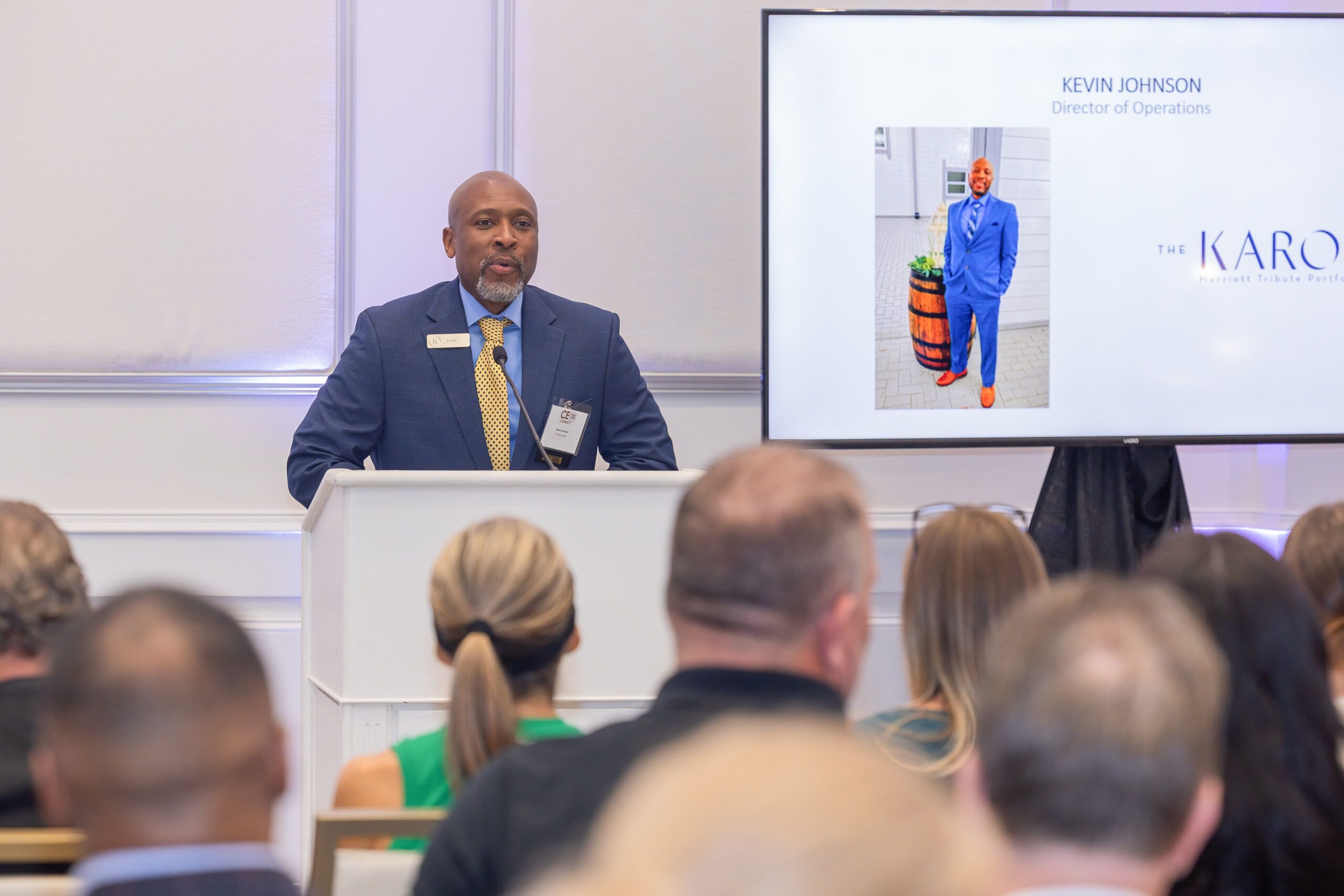
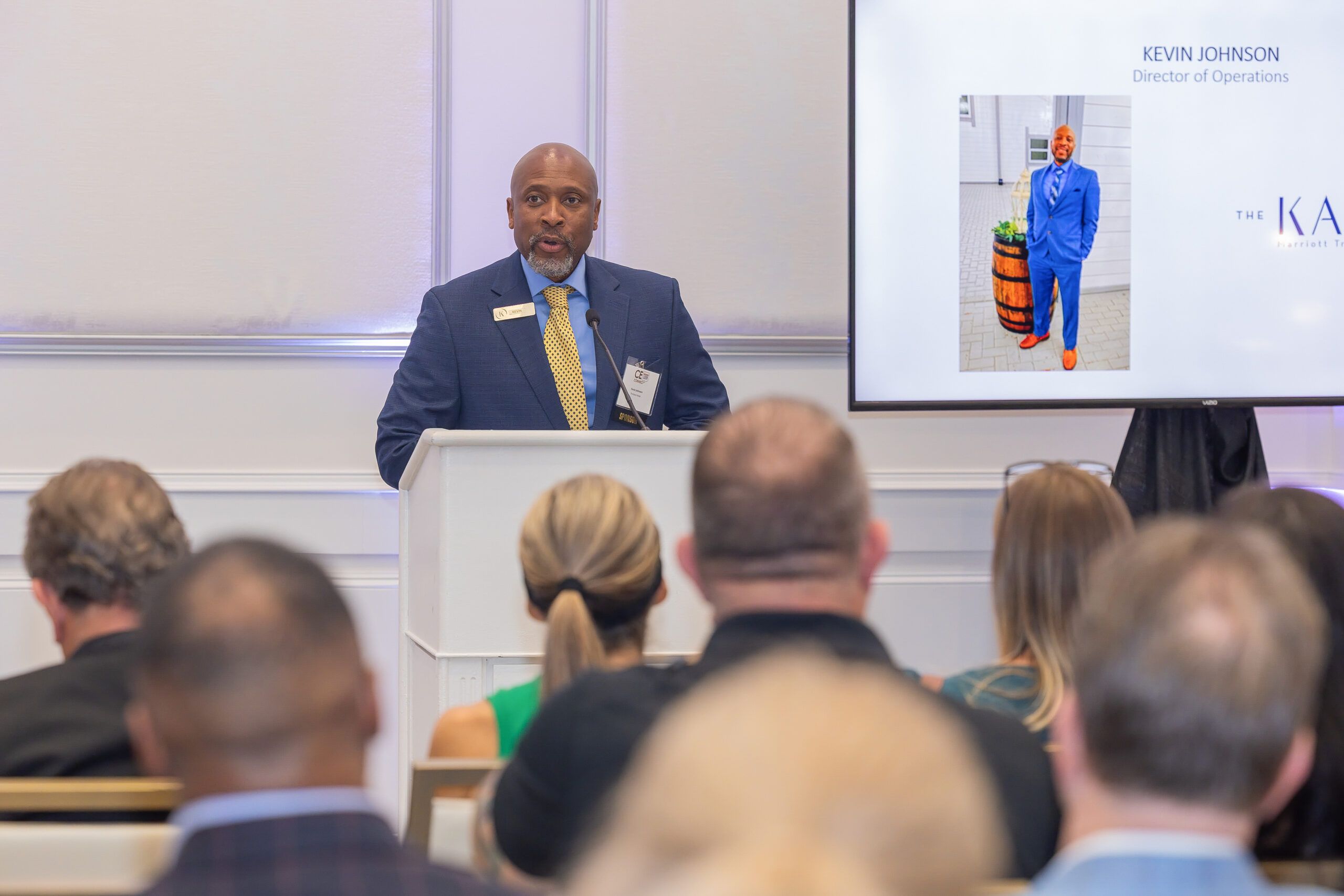
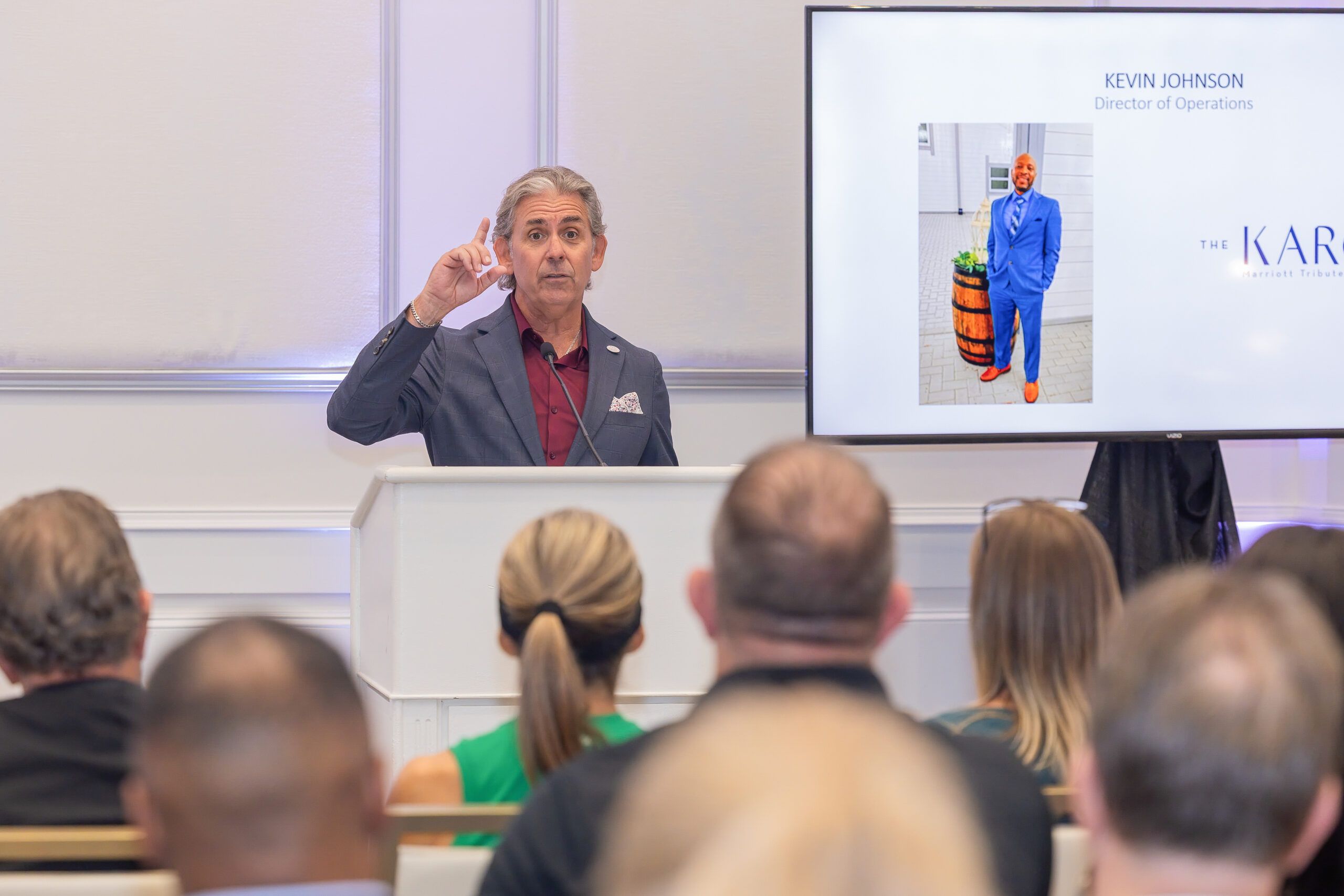
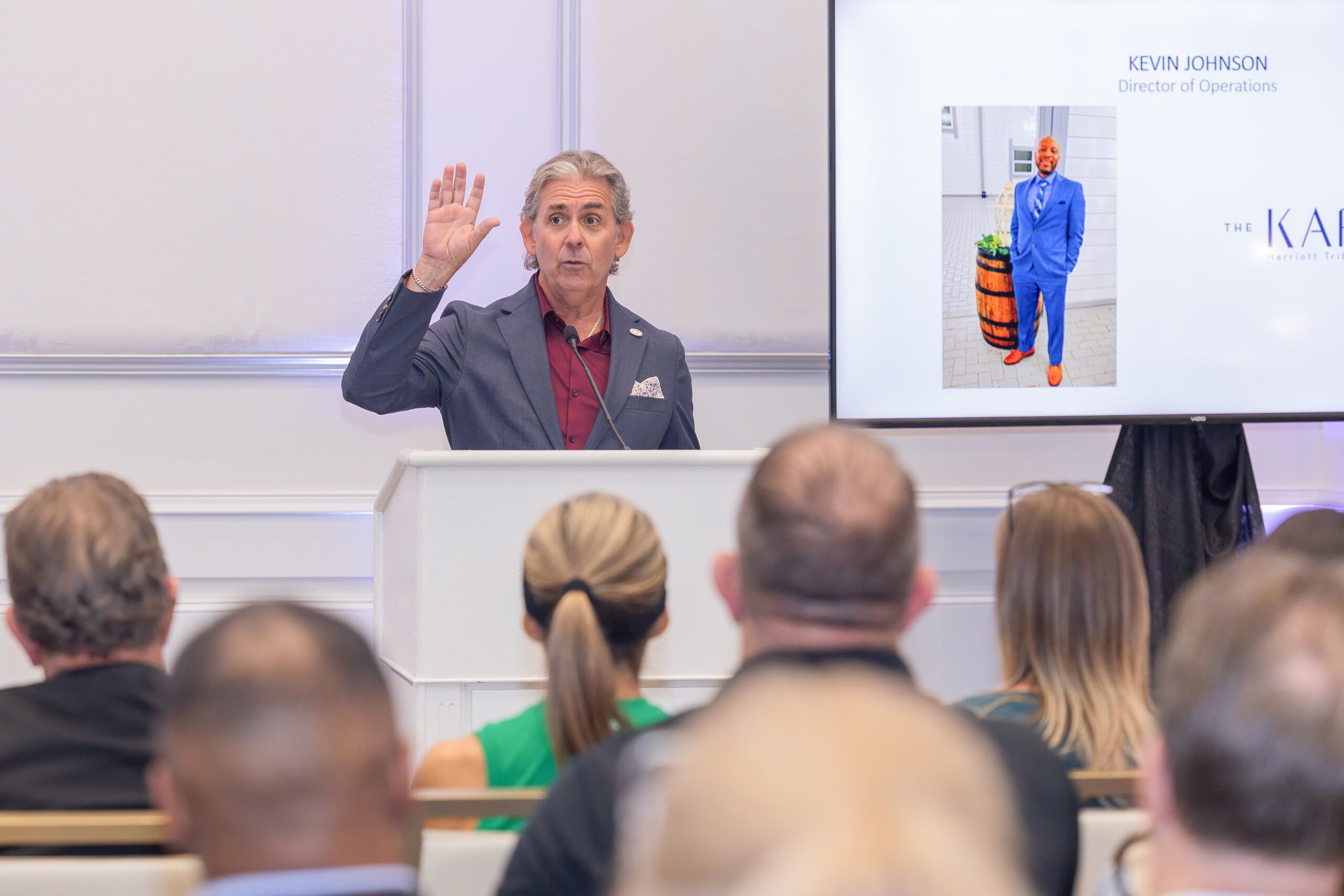
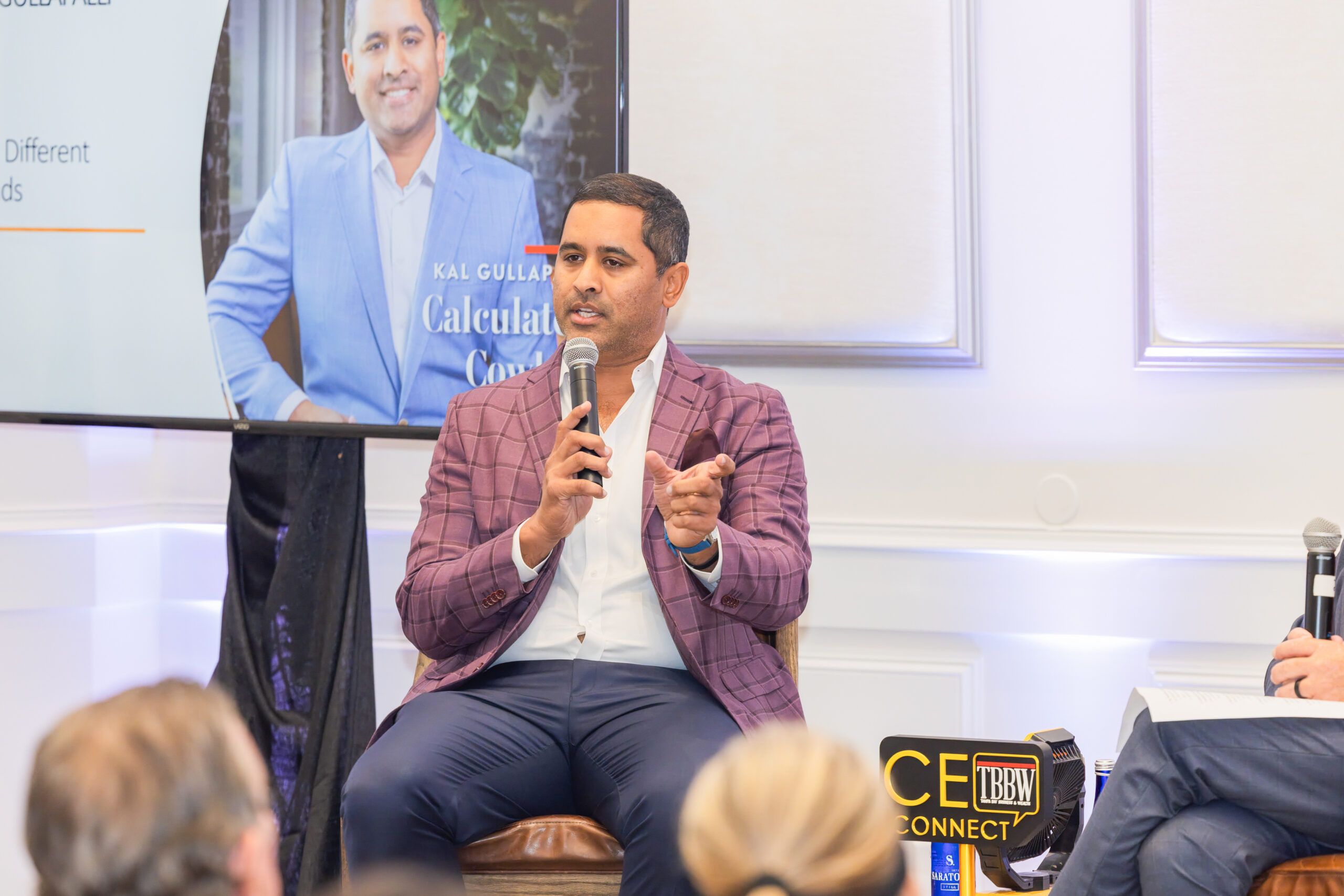
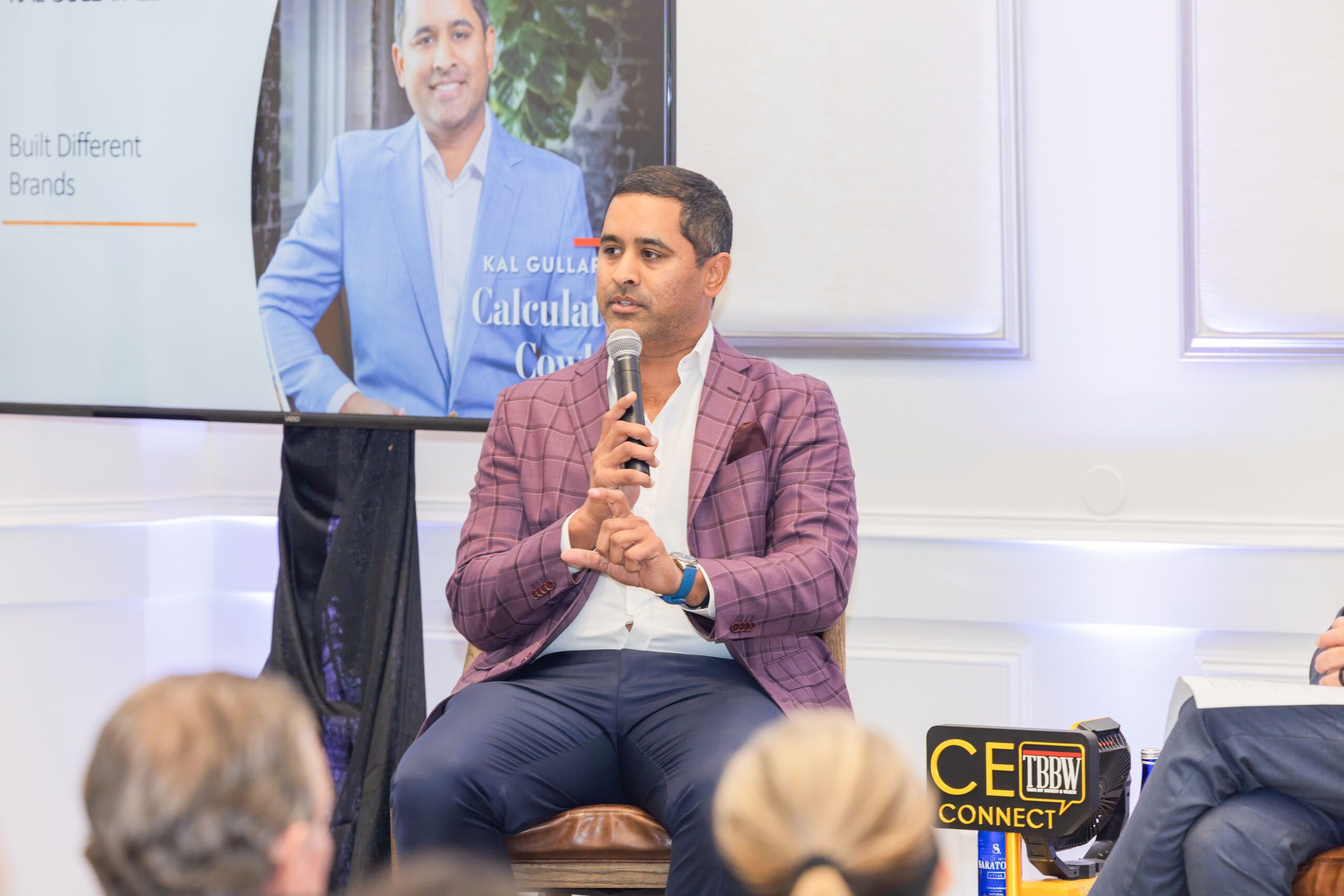
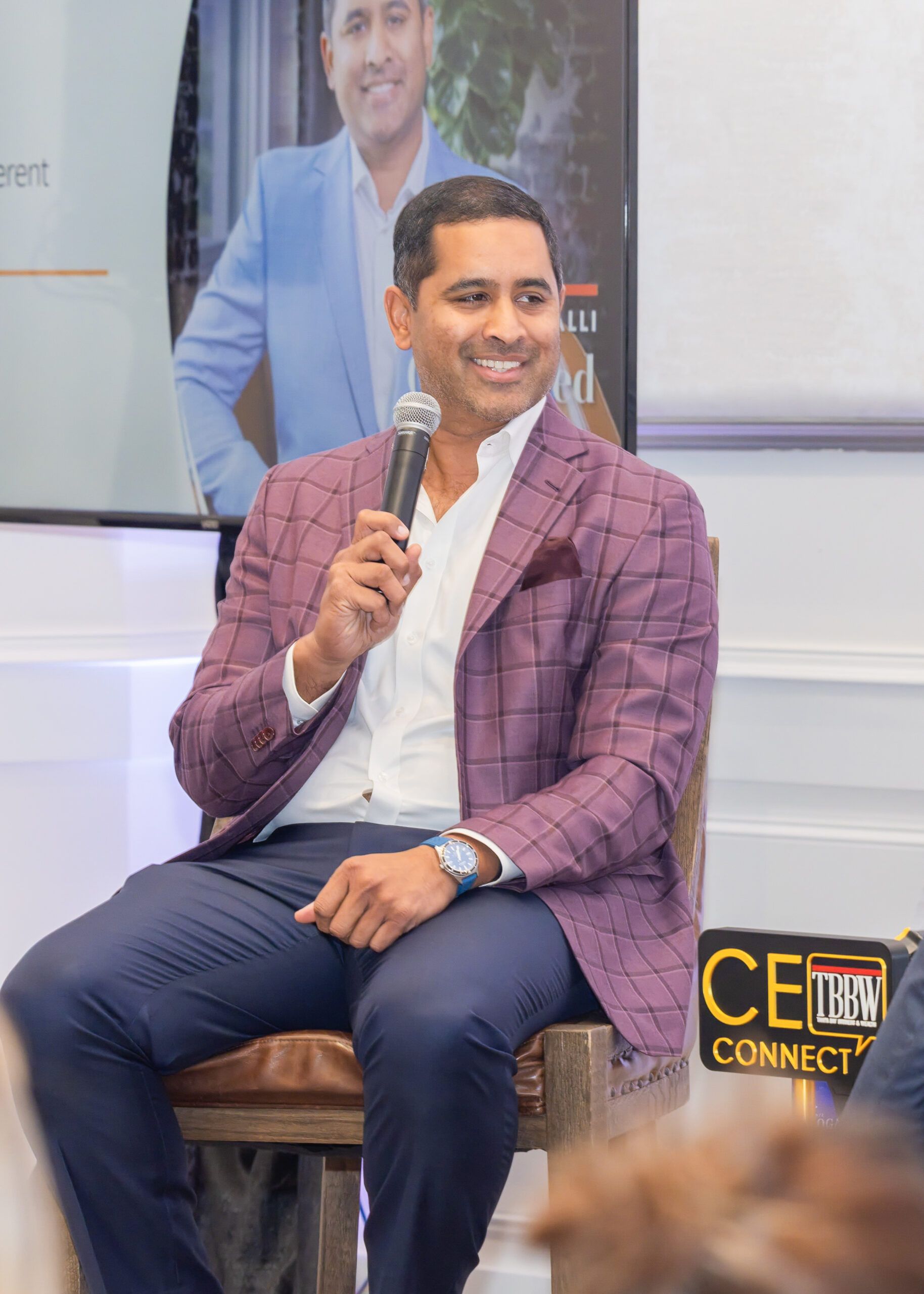
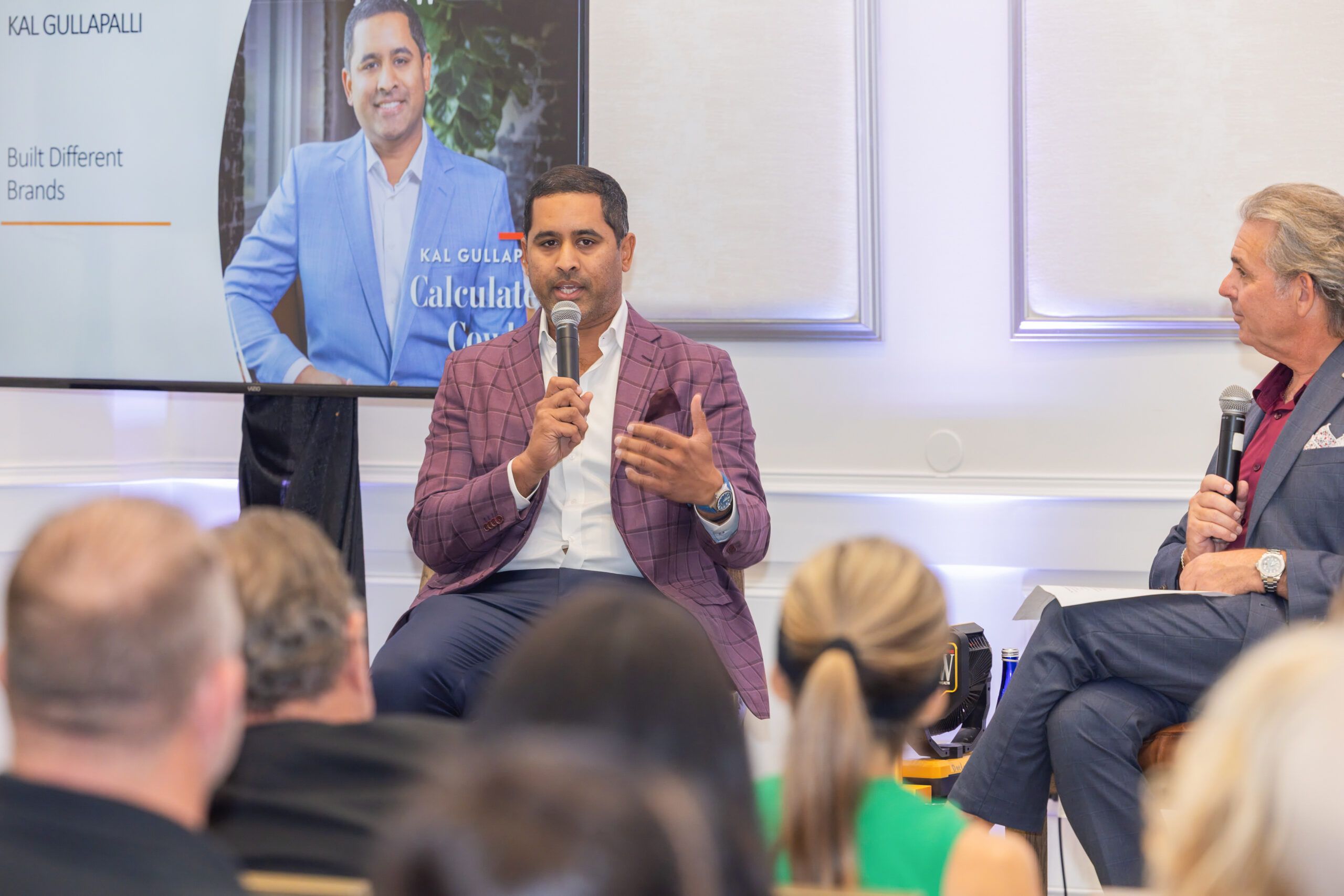
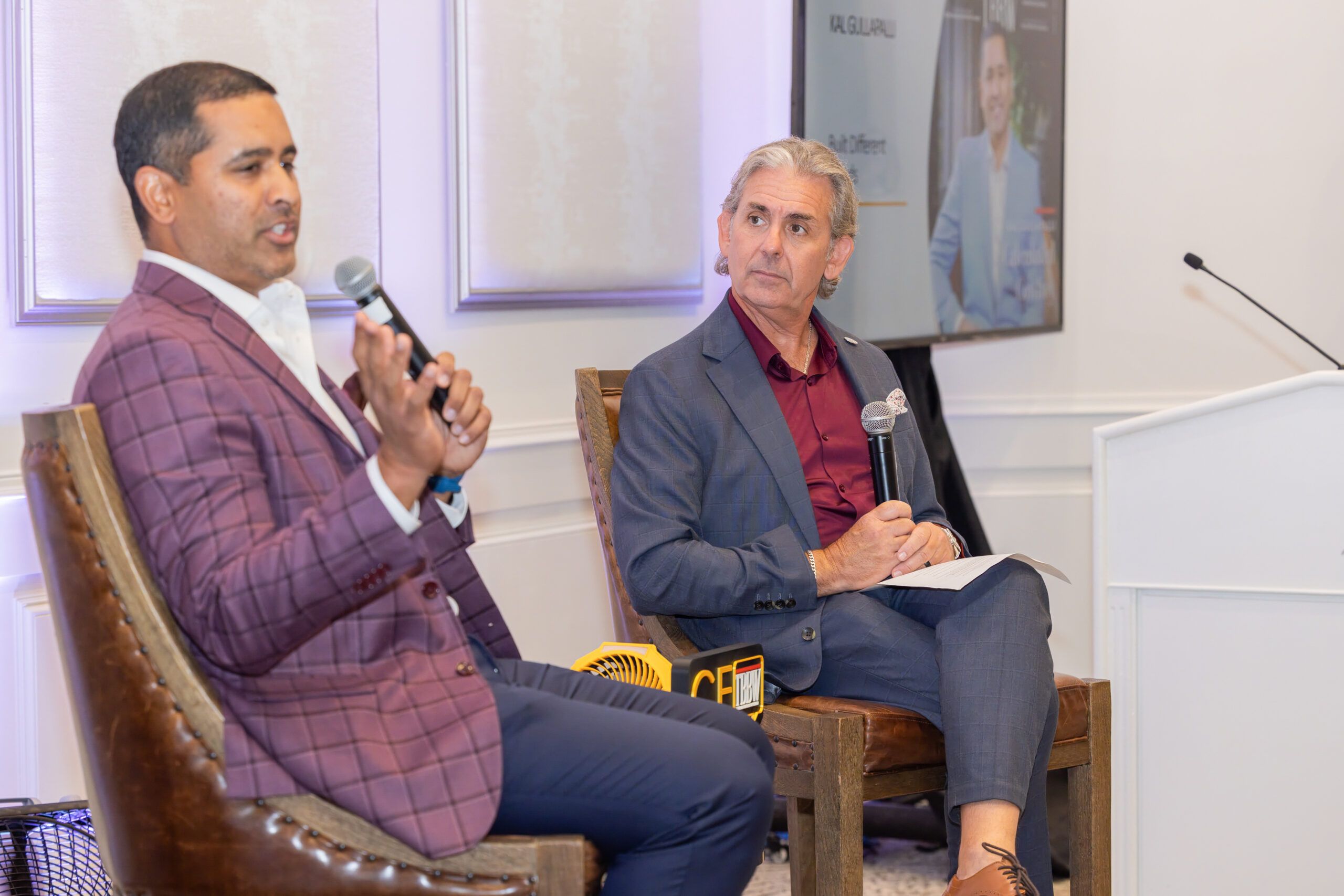
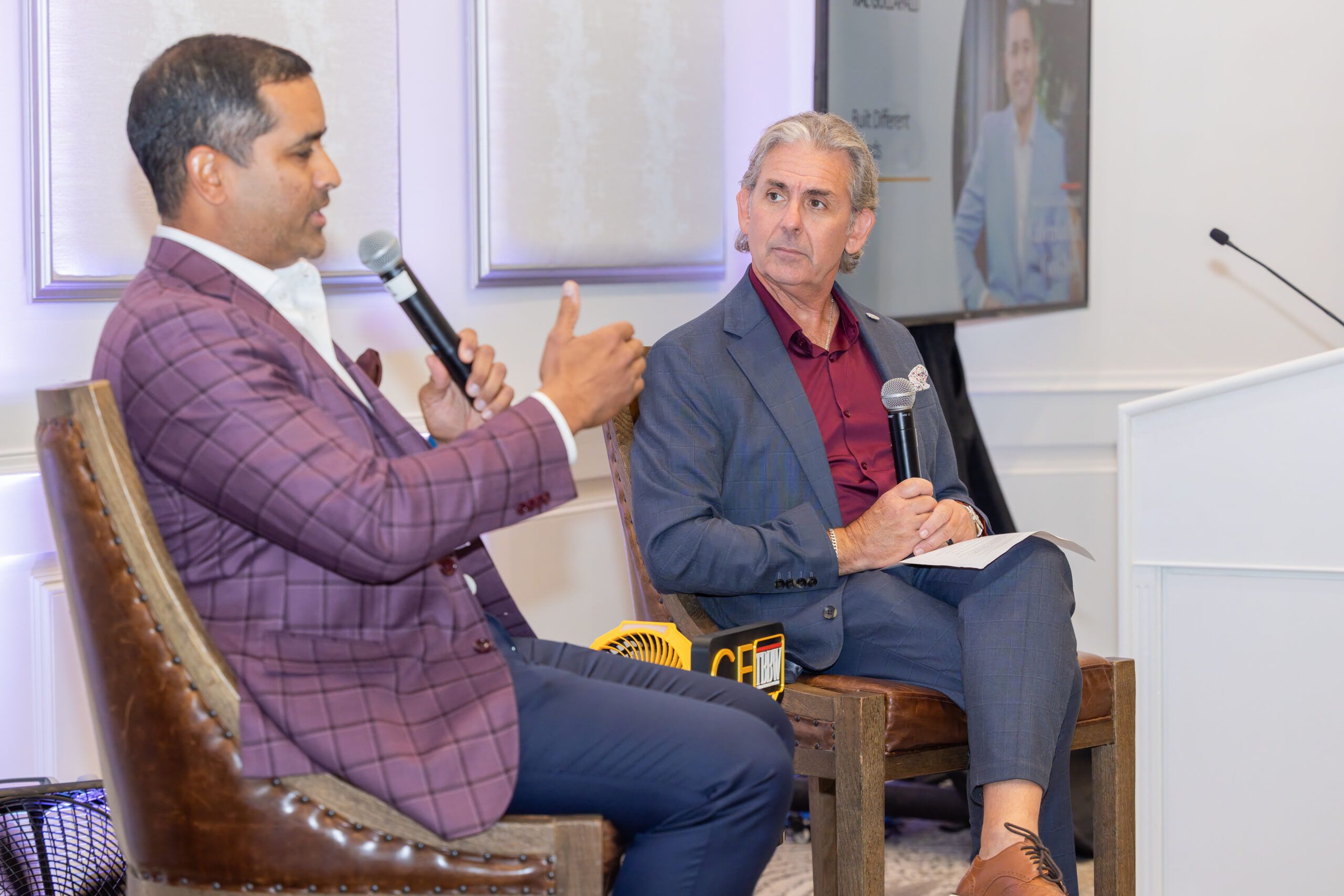
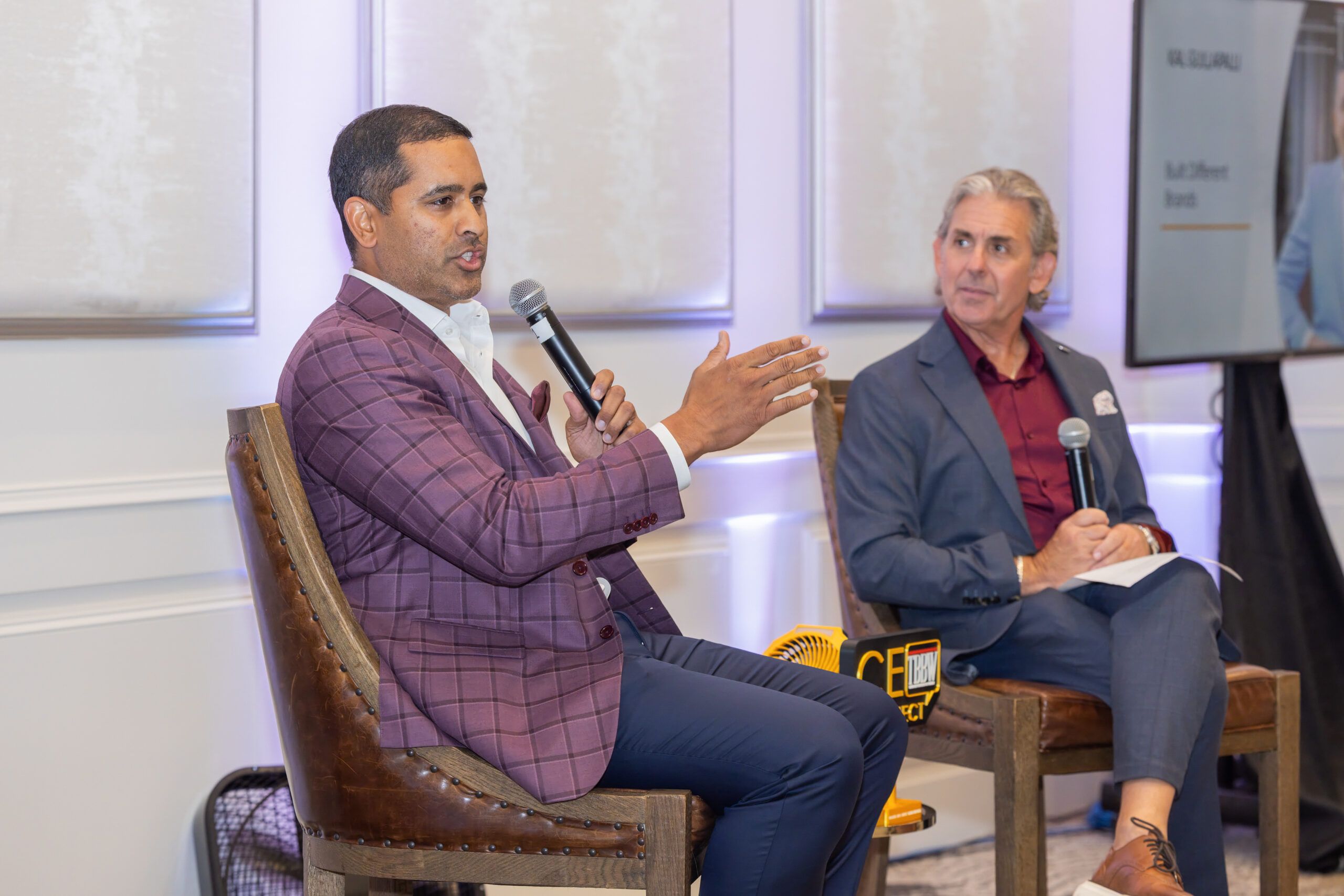
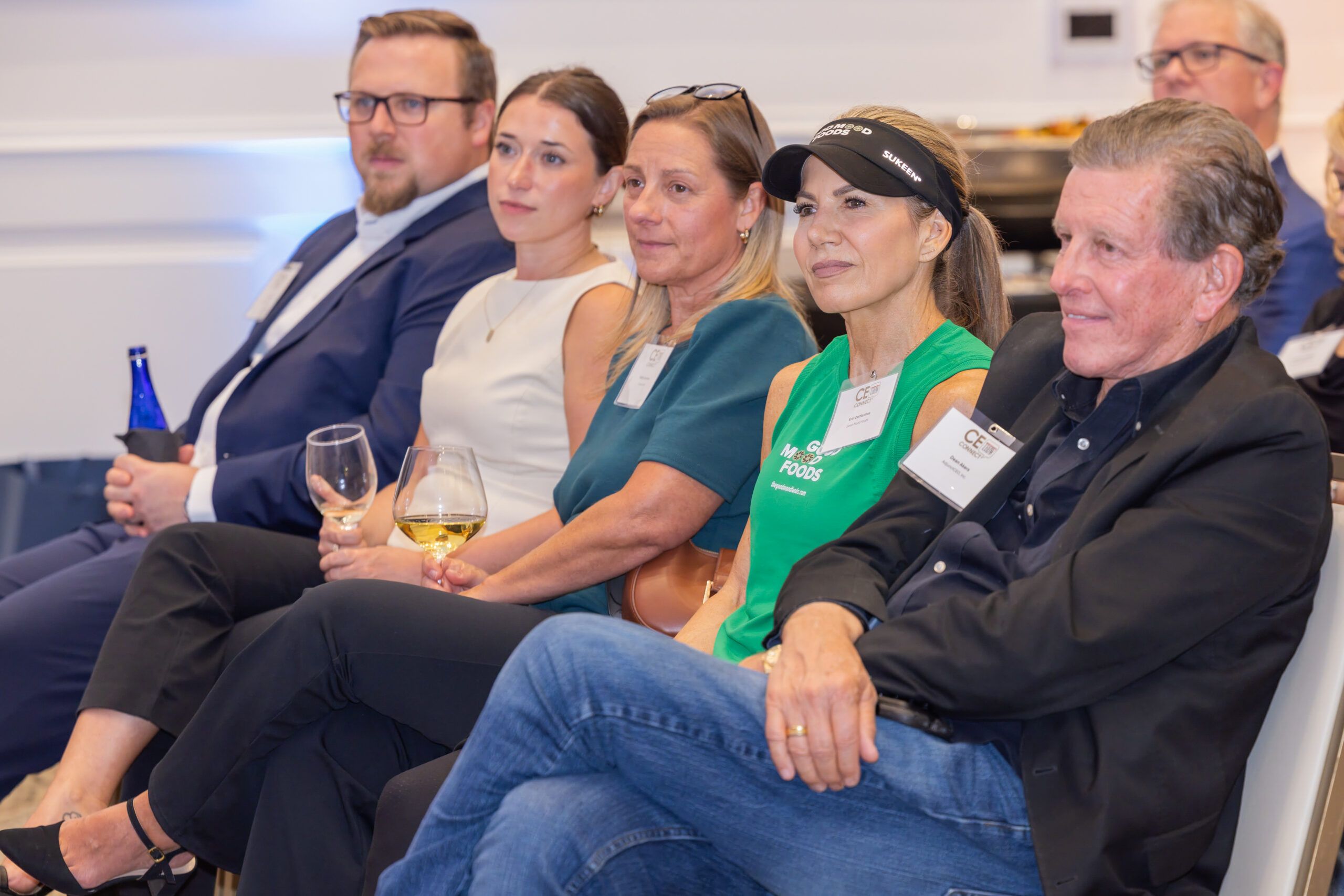
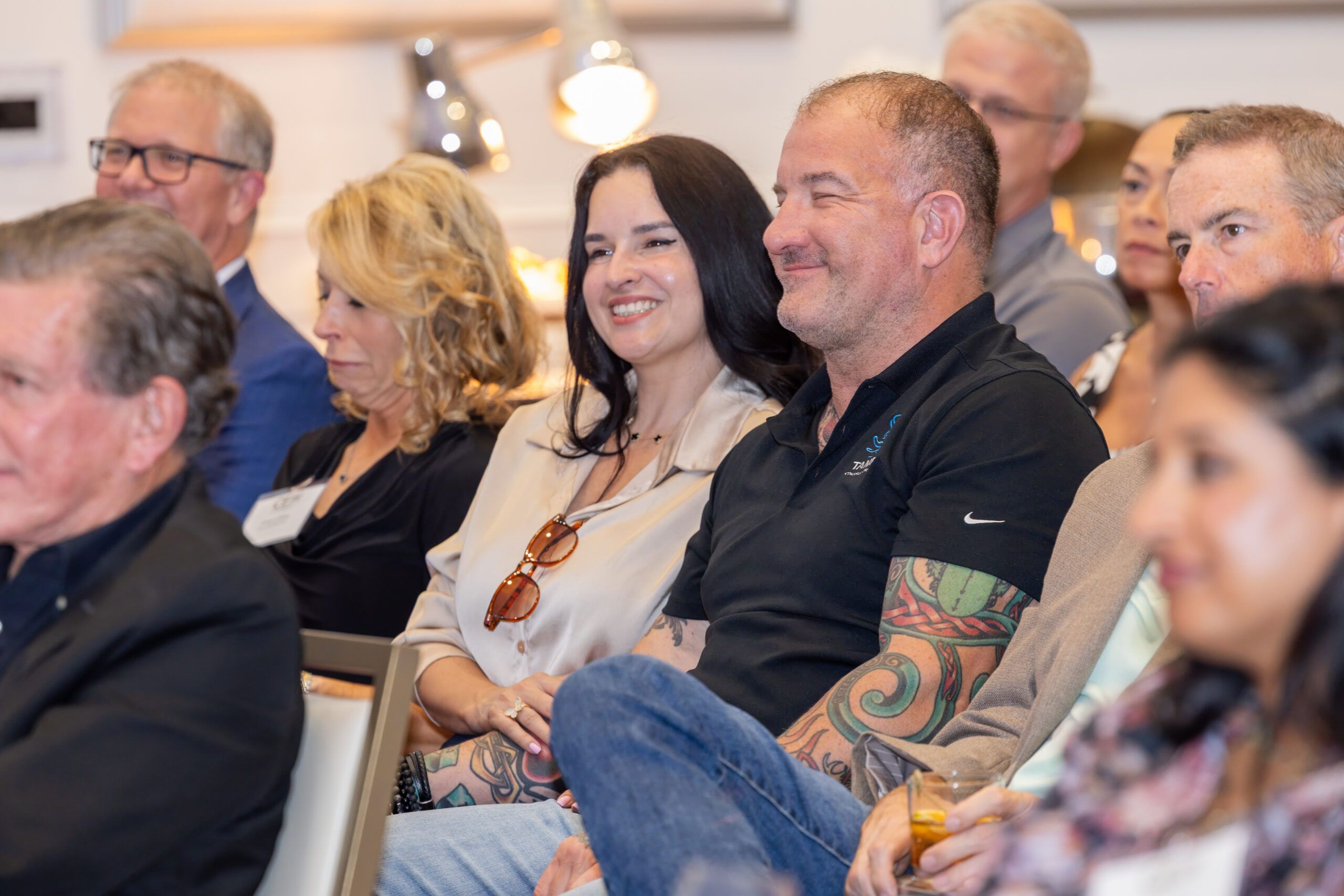
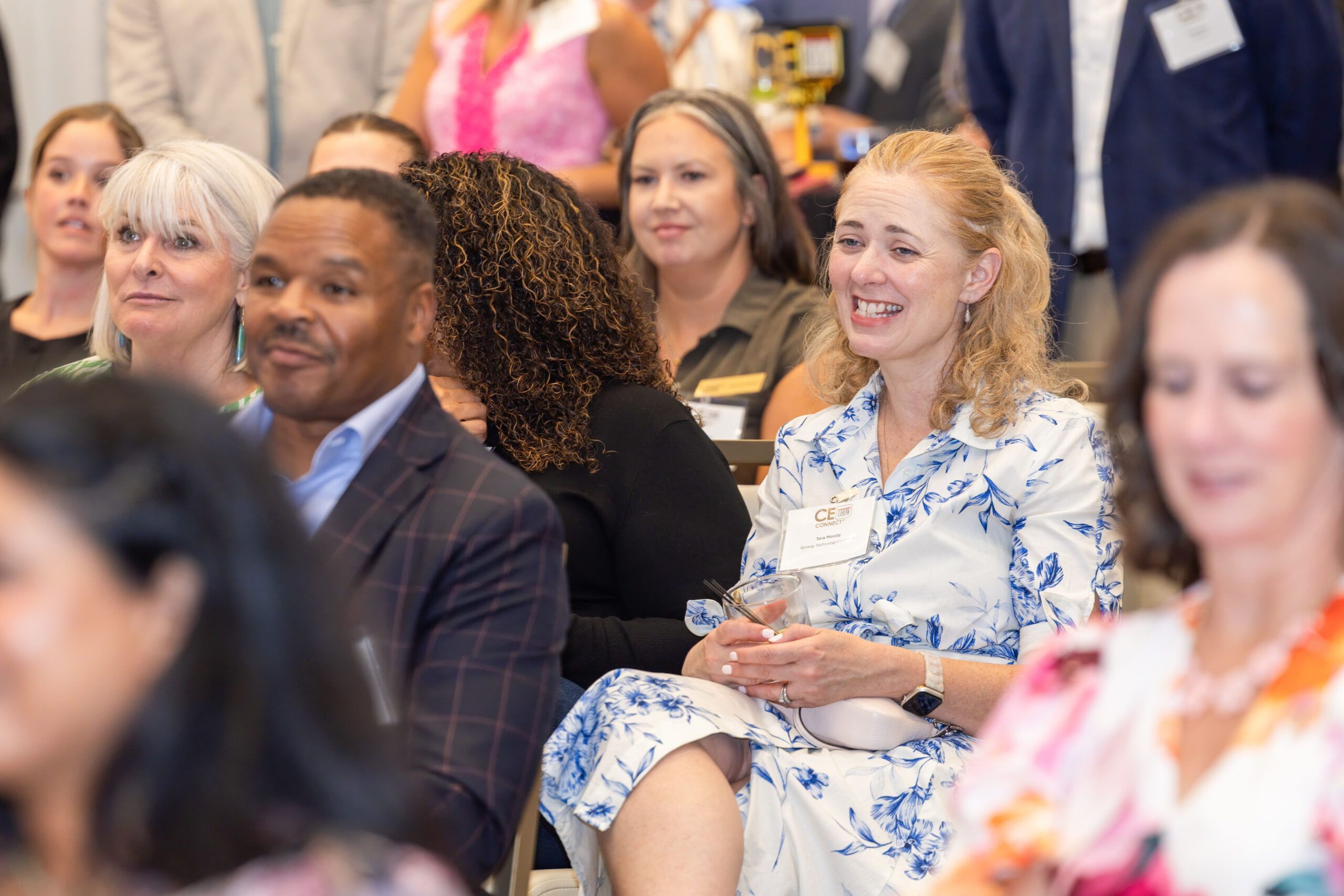
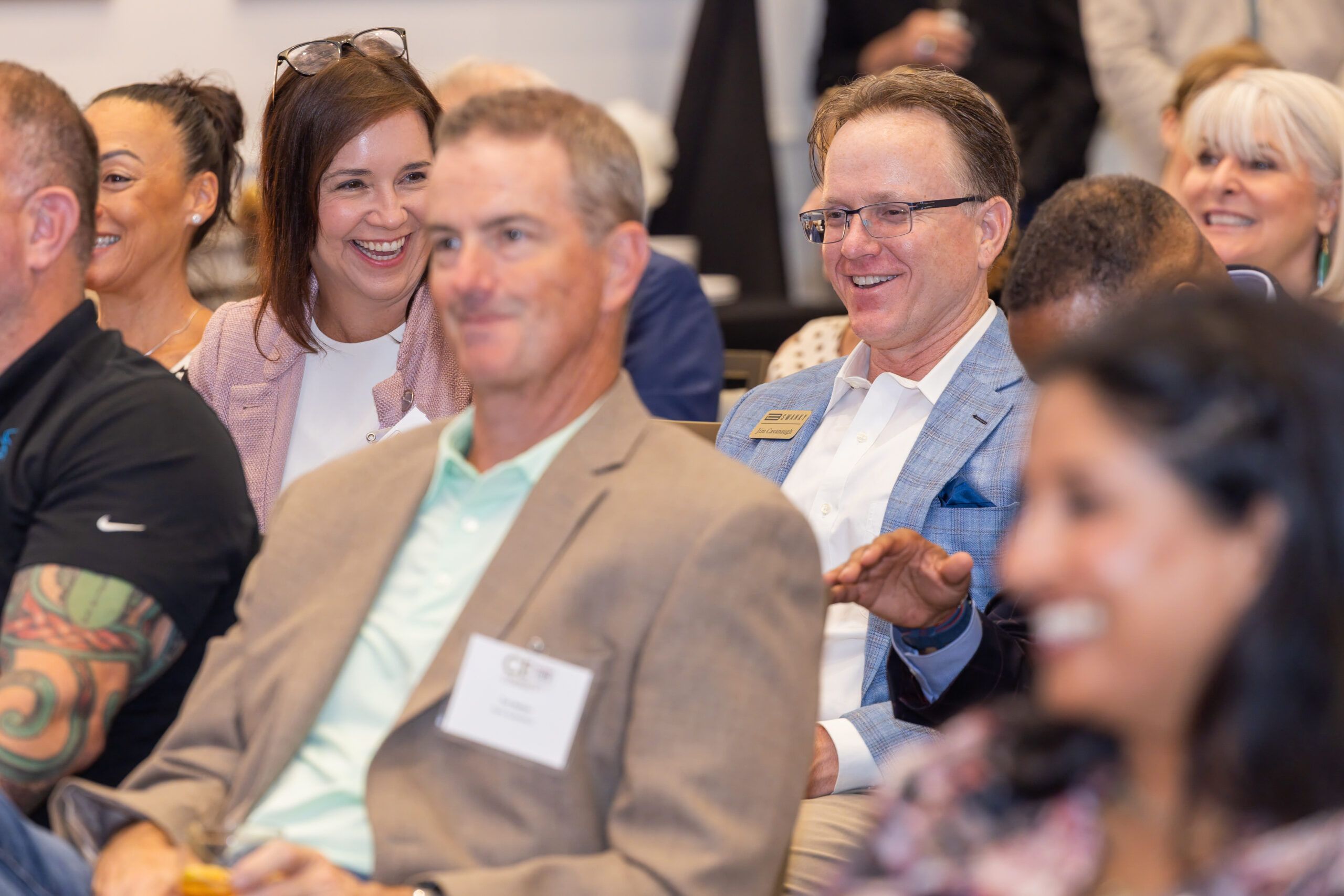
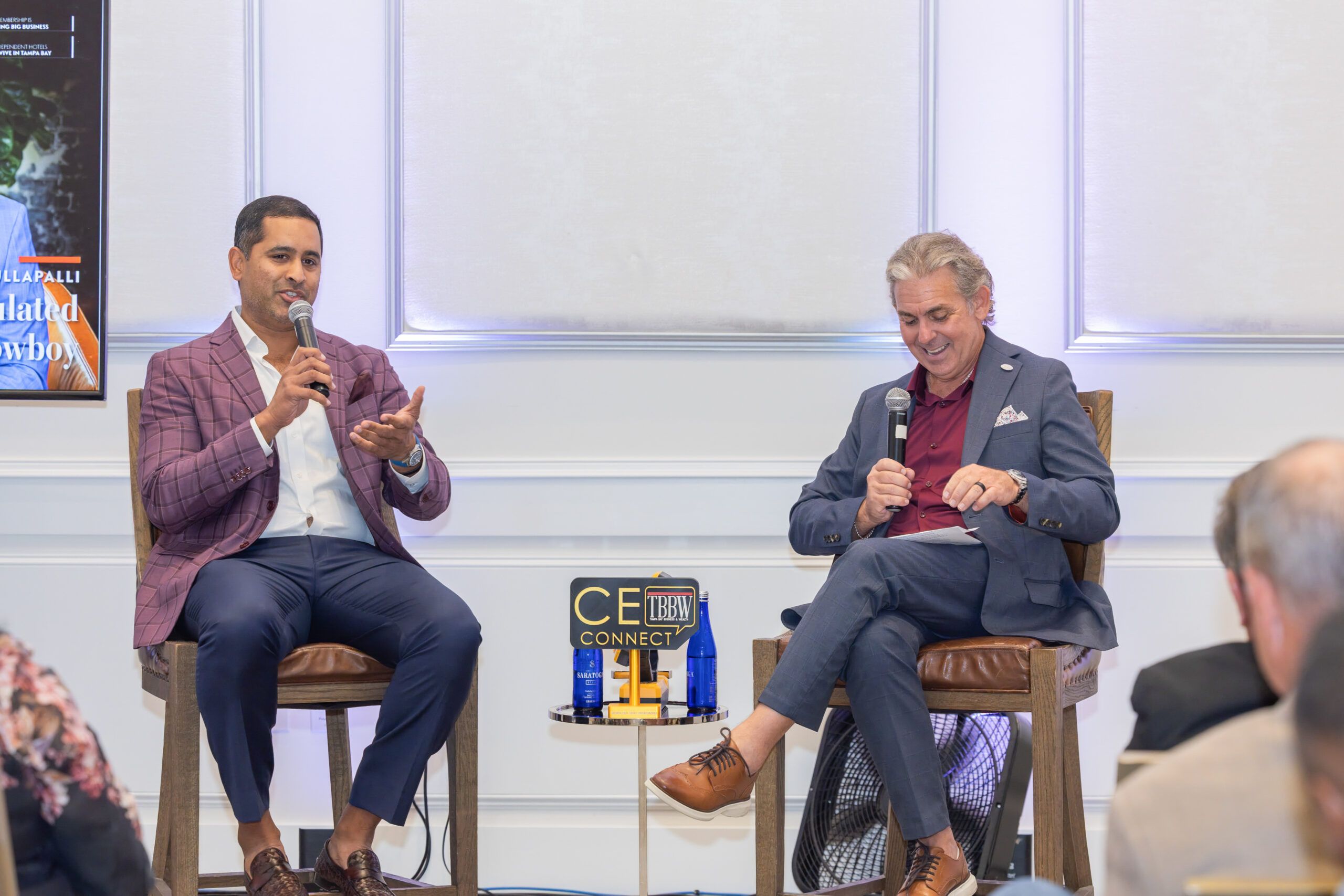
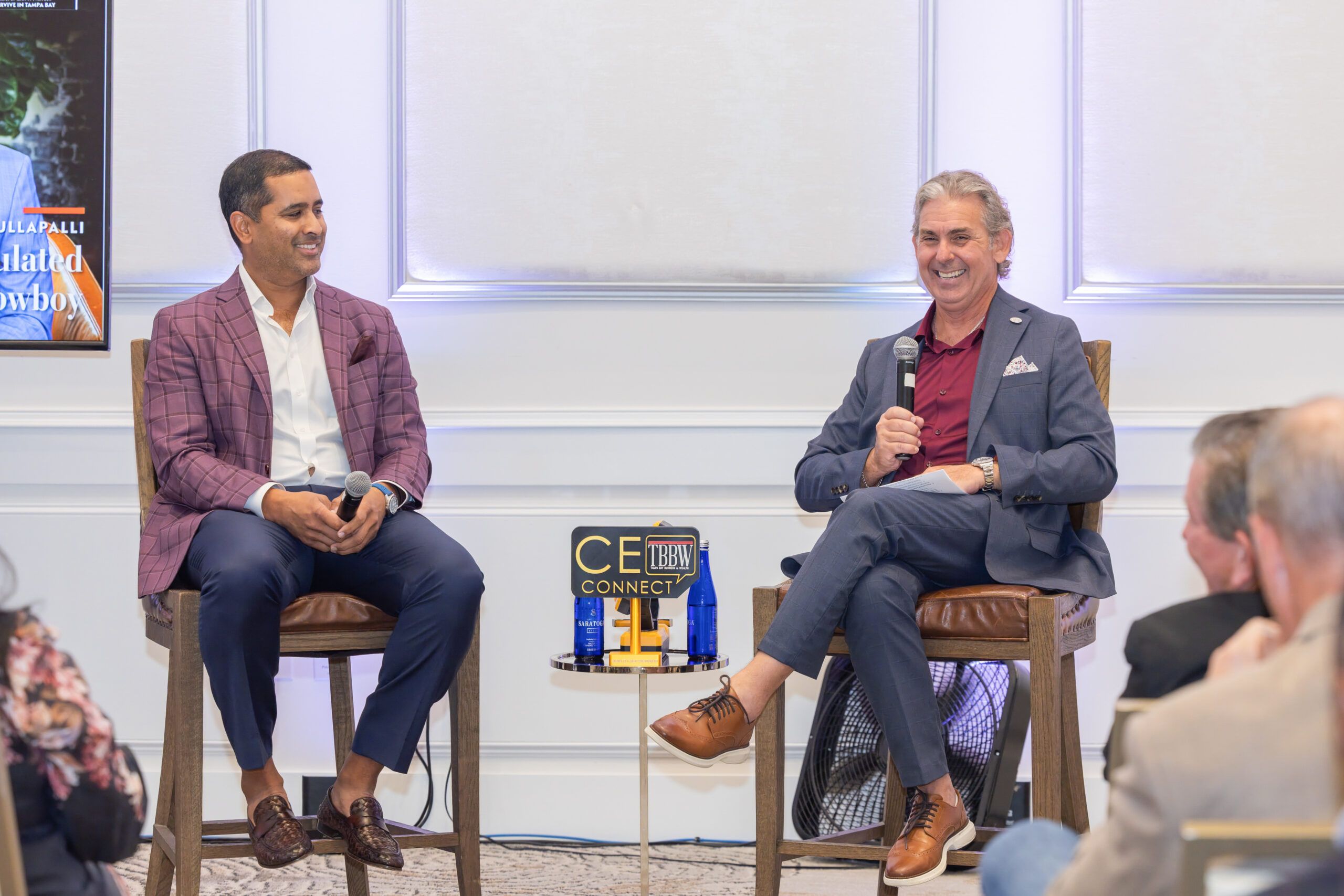
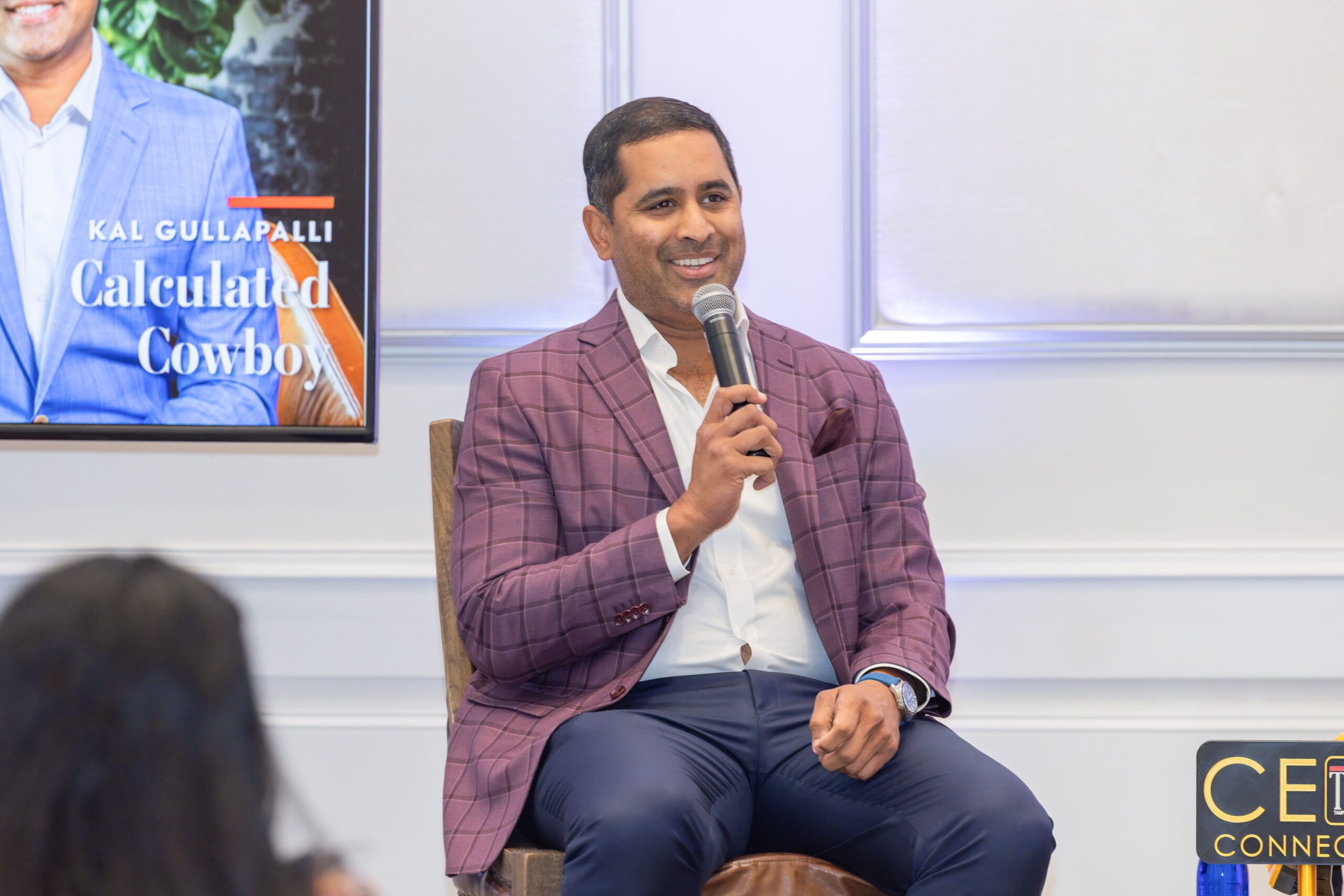
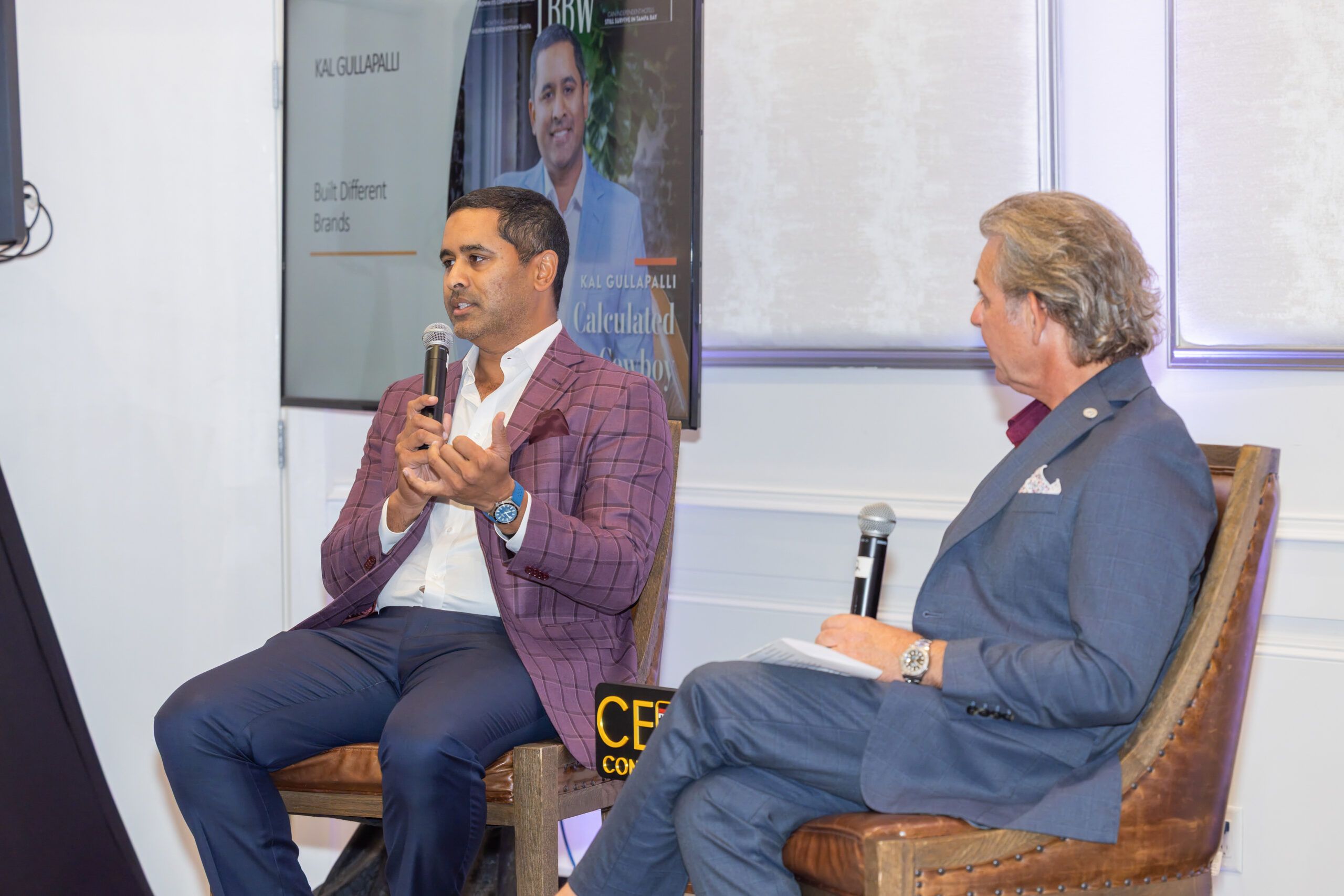
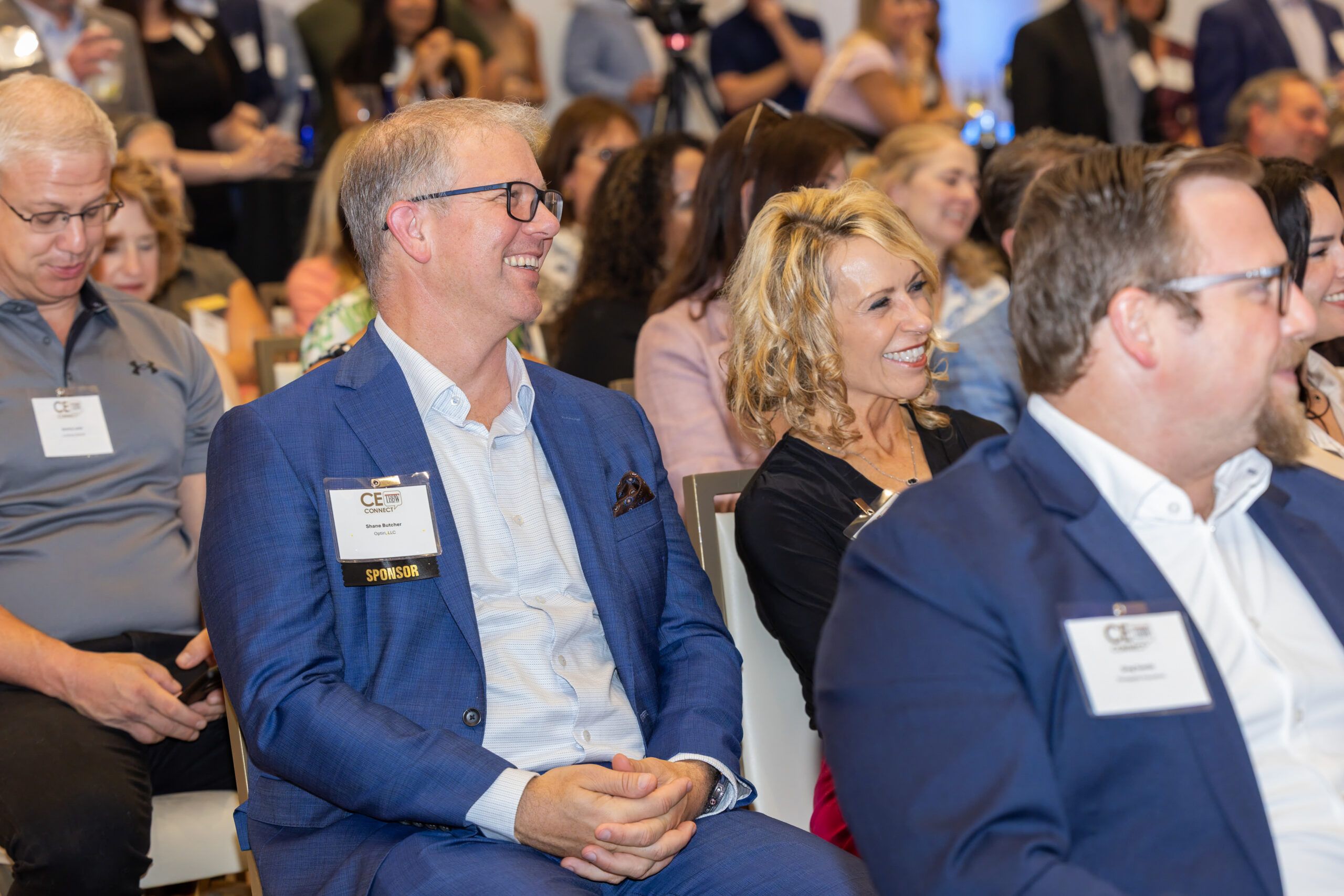
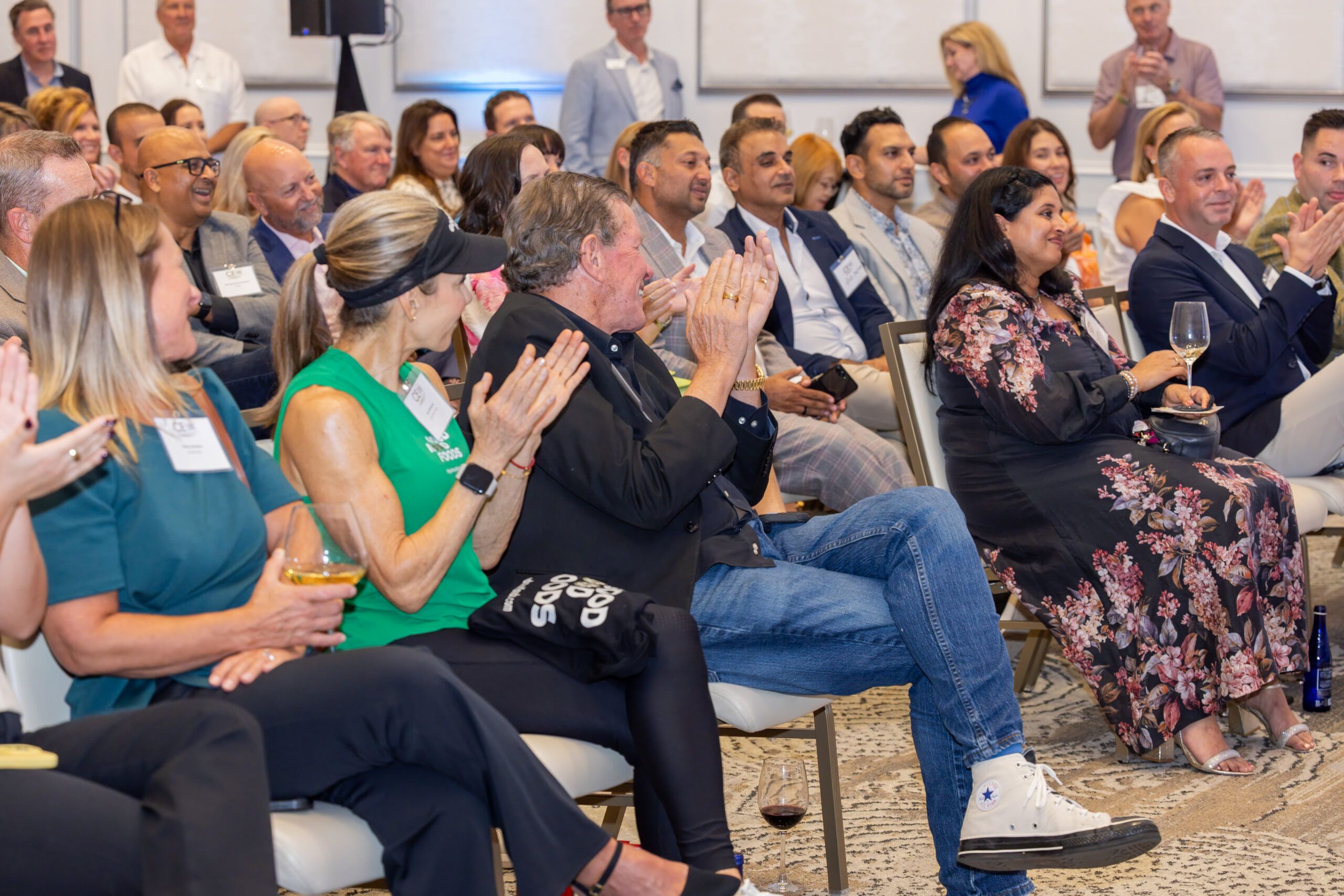
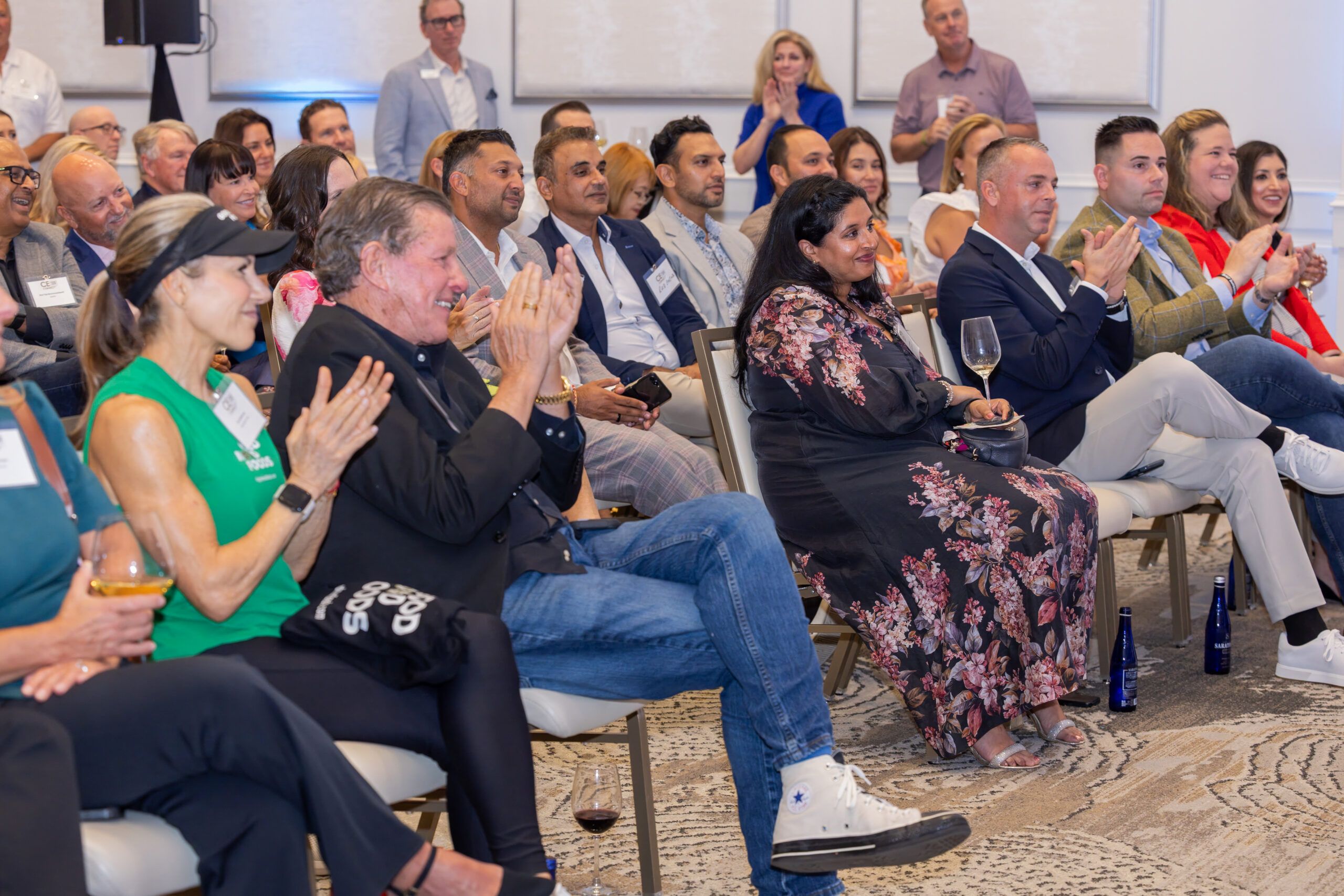
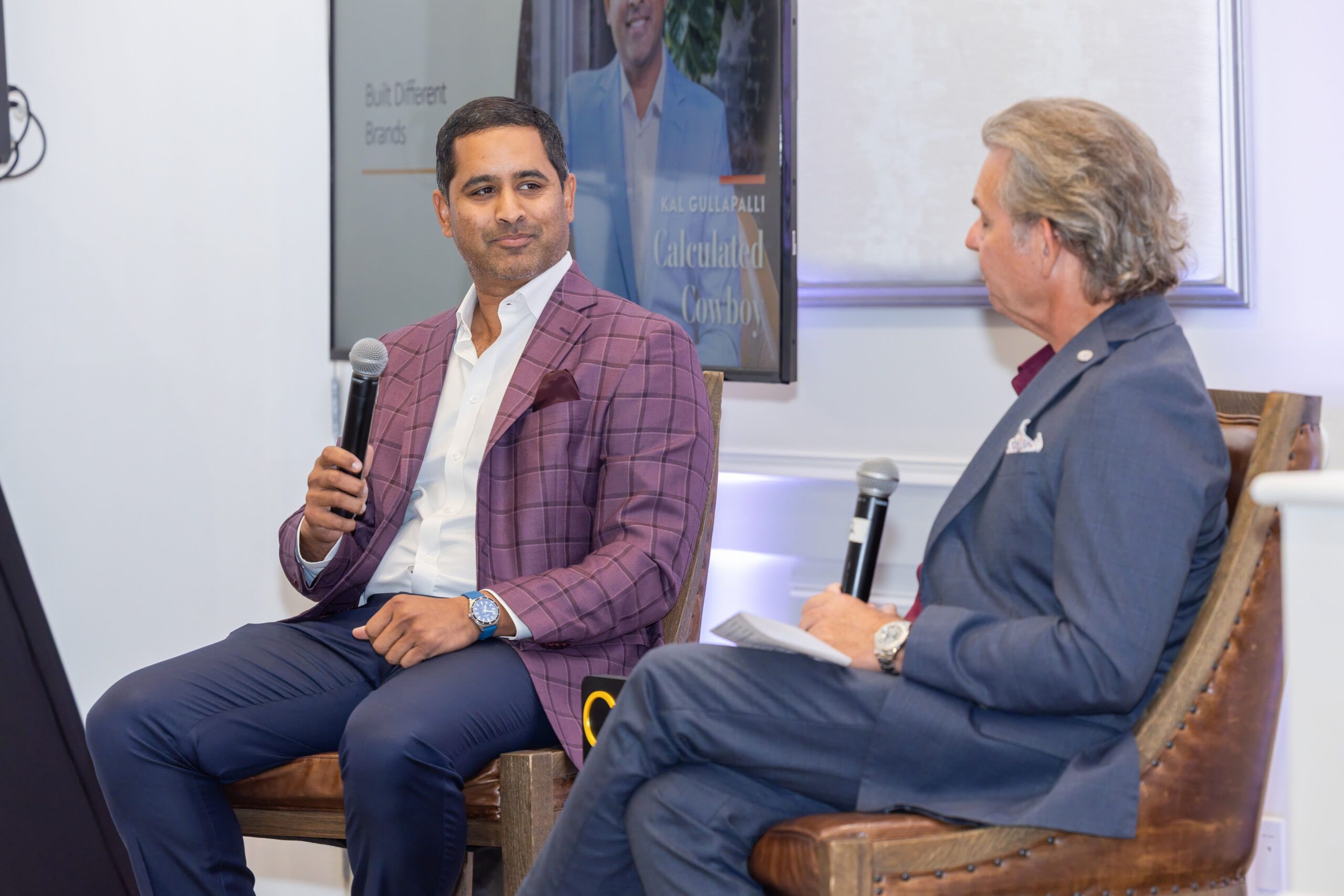
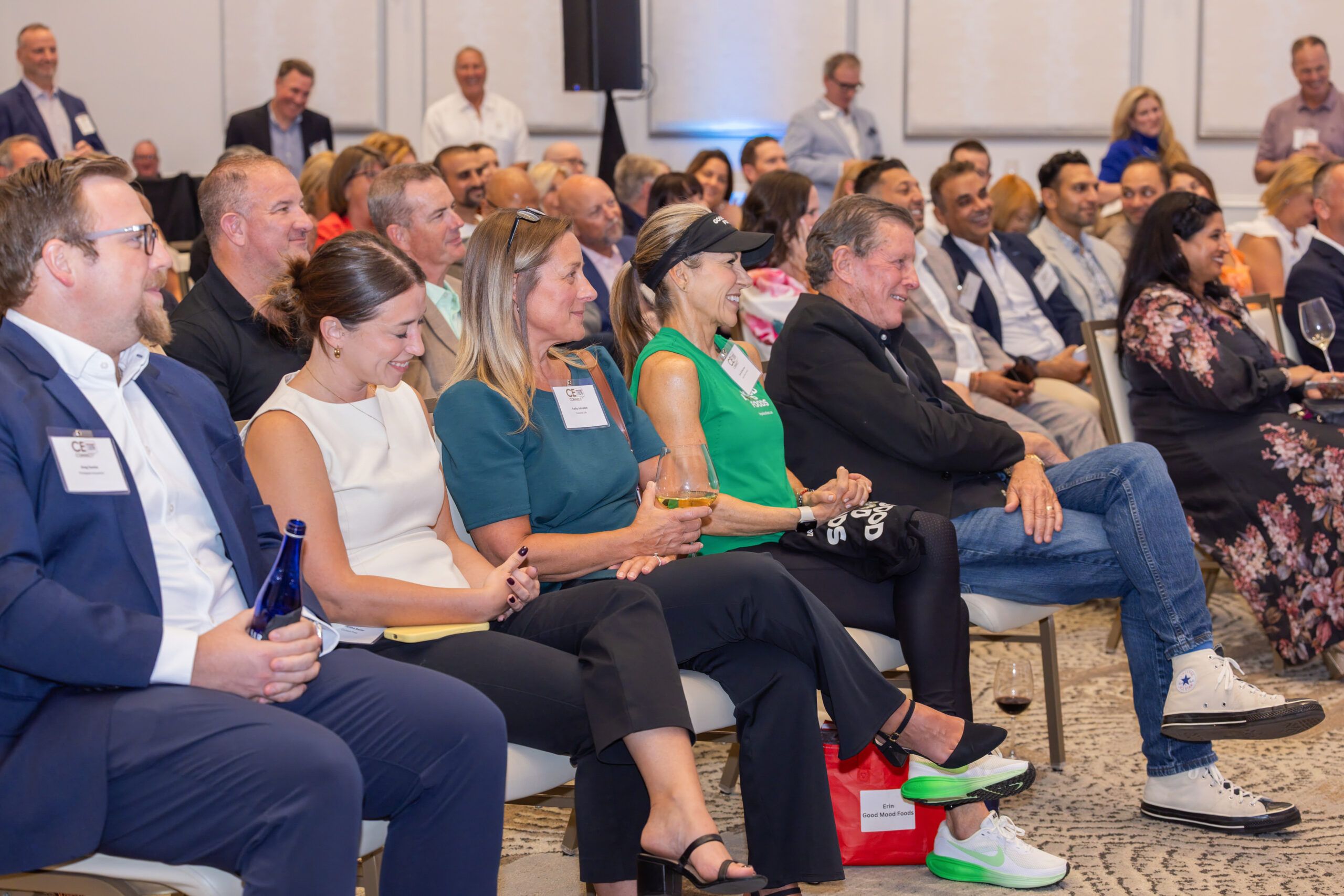
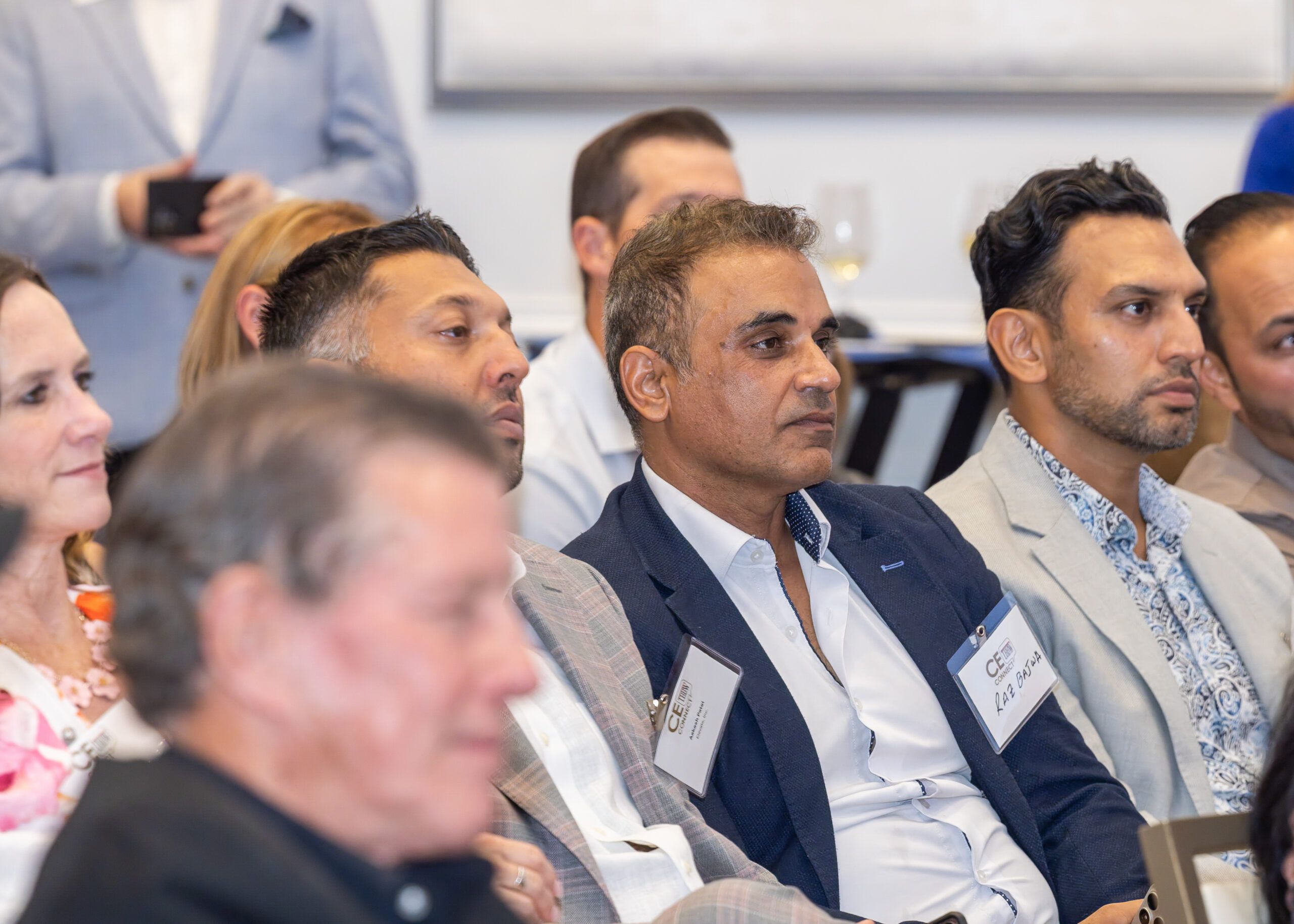
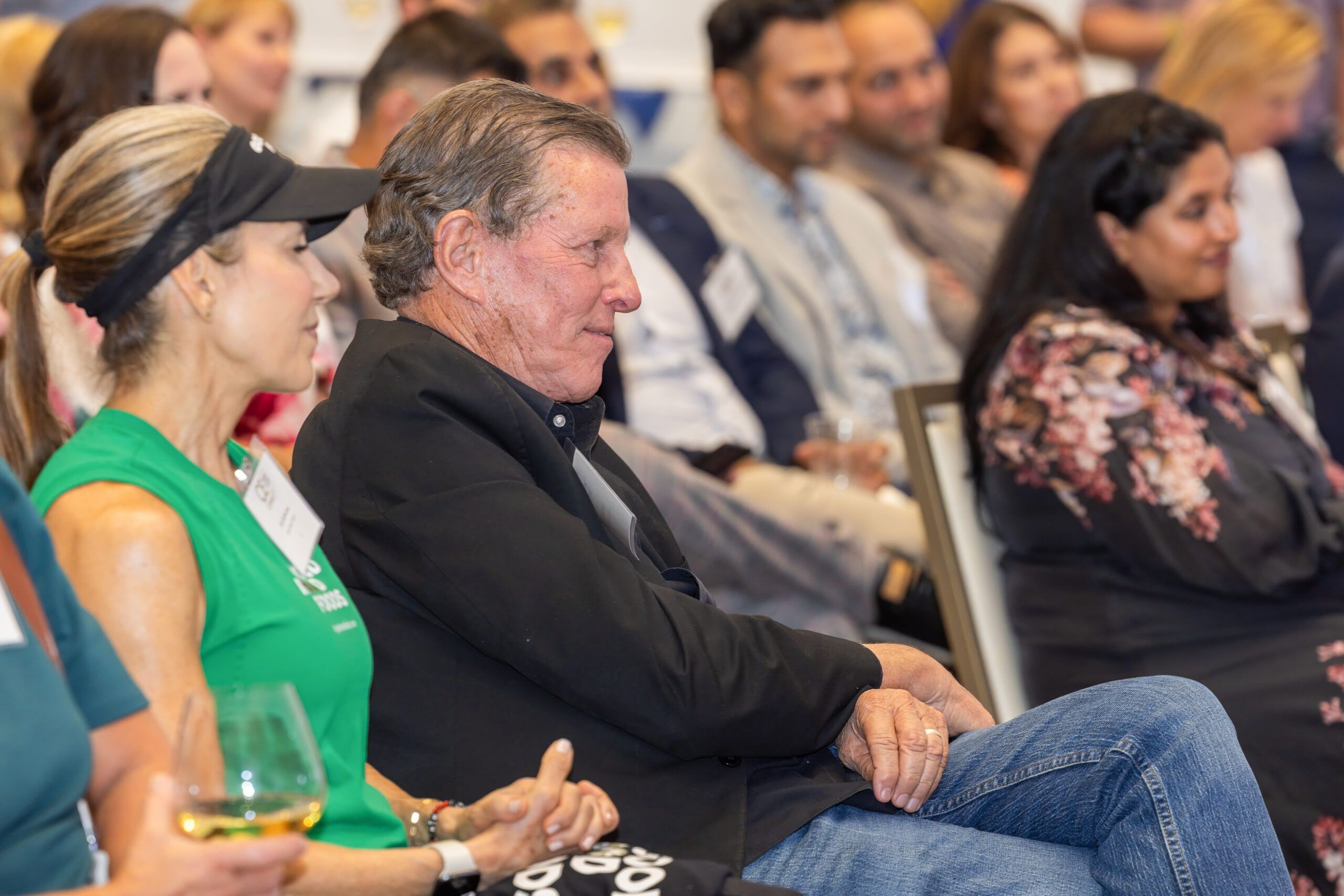
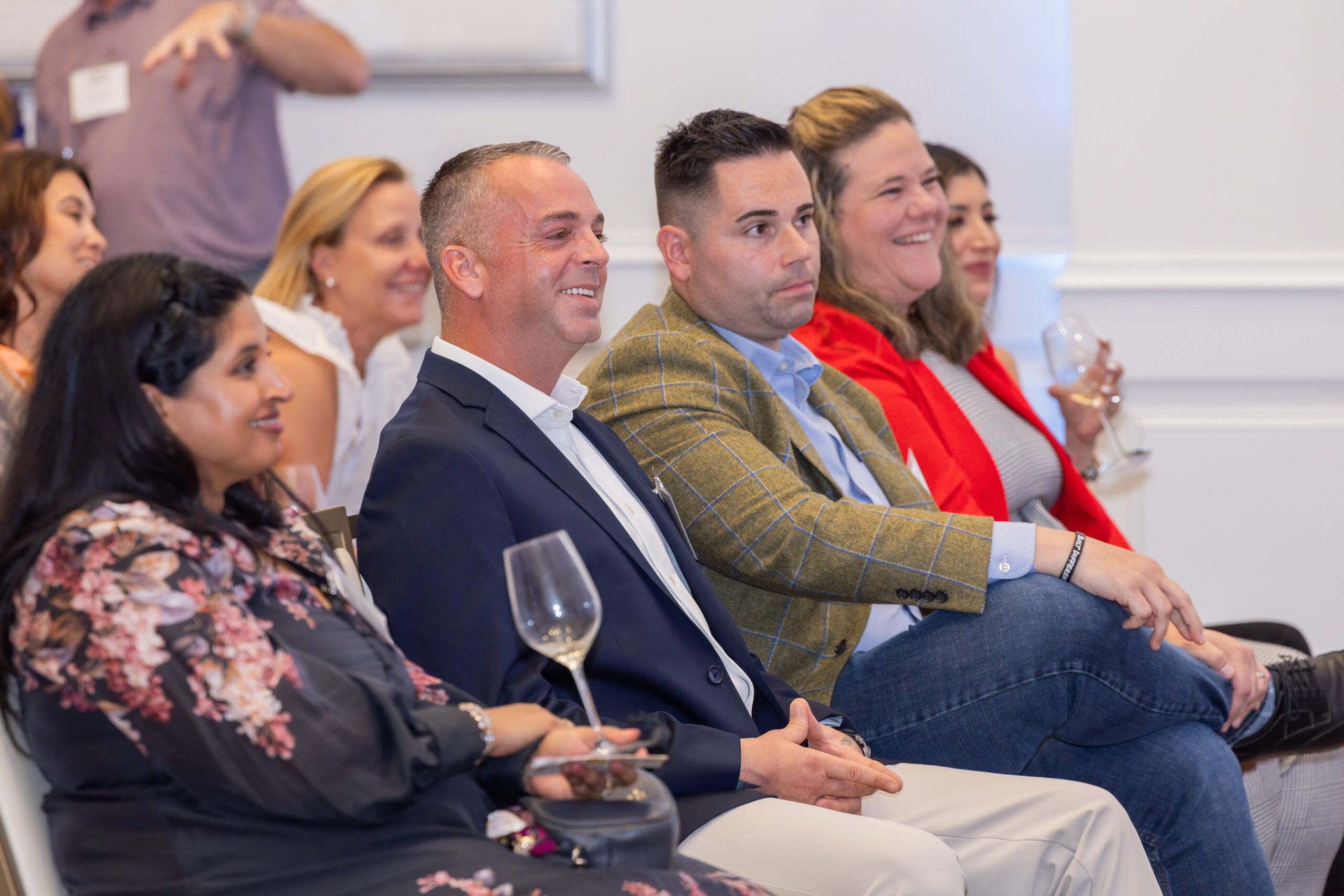
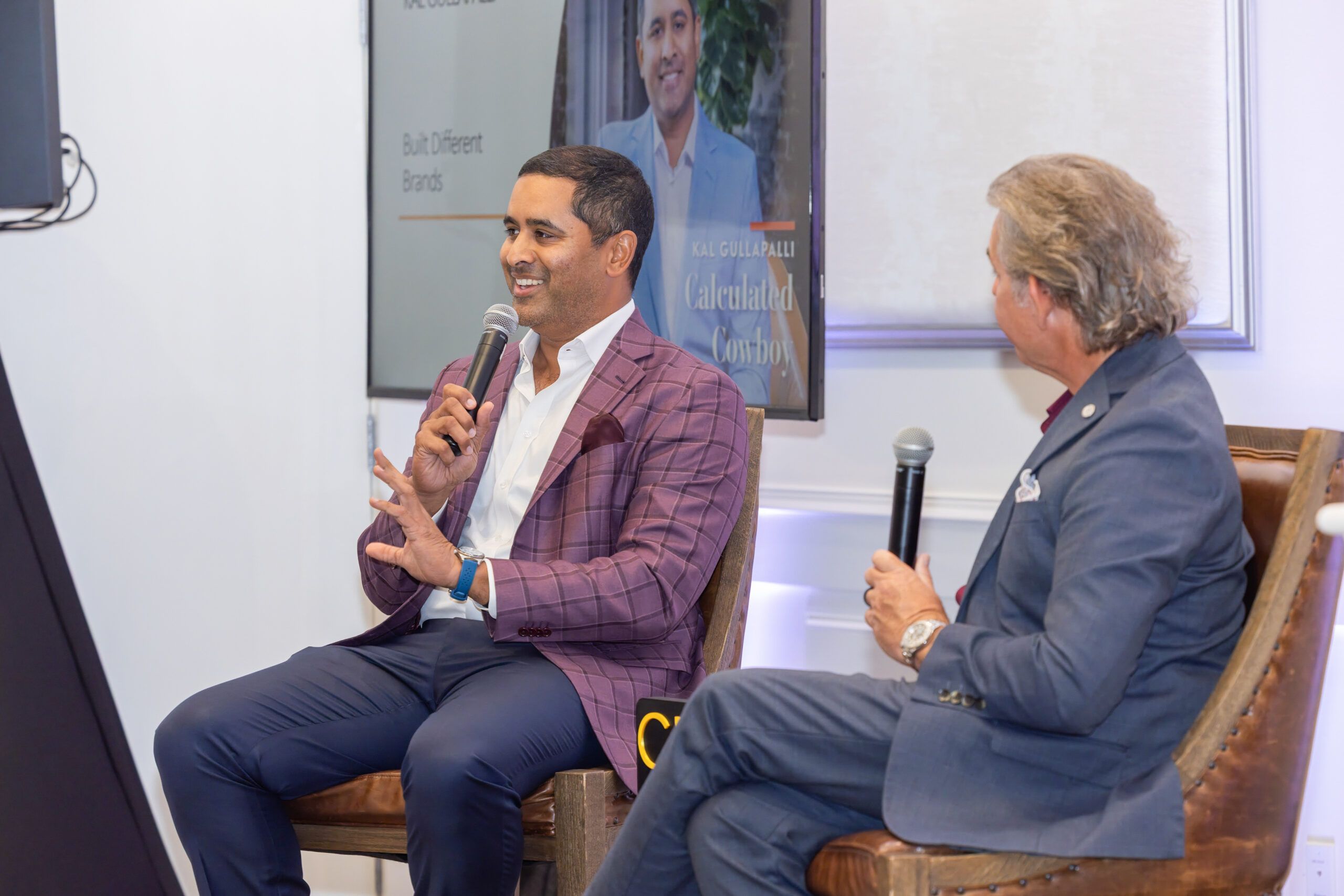
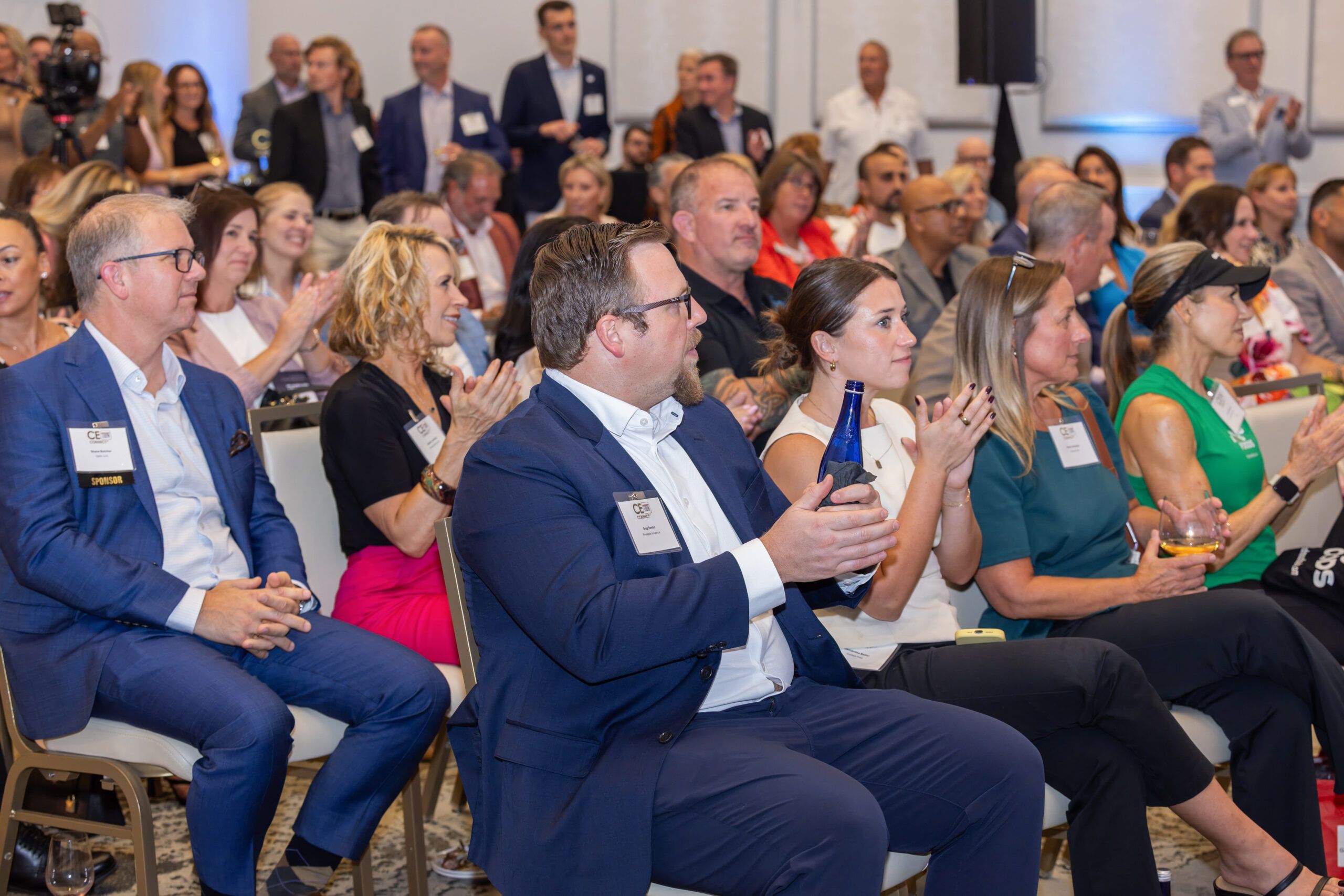
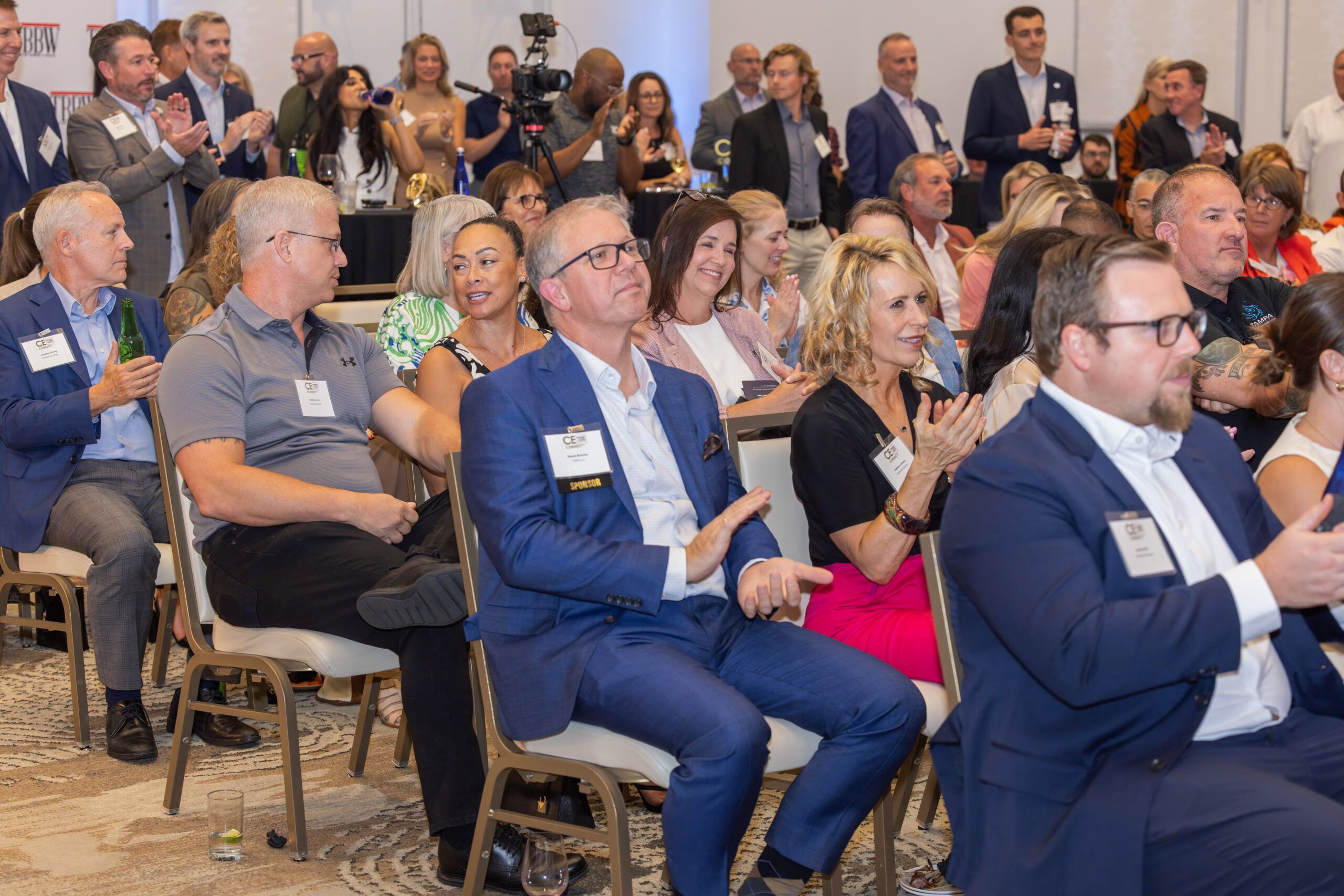
Photos from TBBW’s CEO Connect with Kal Gullapalli at The Karol Hotel.
Rob Higgins
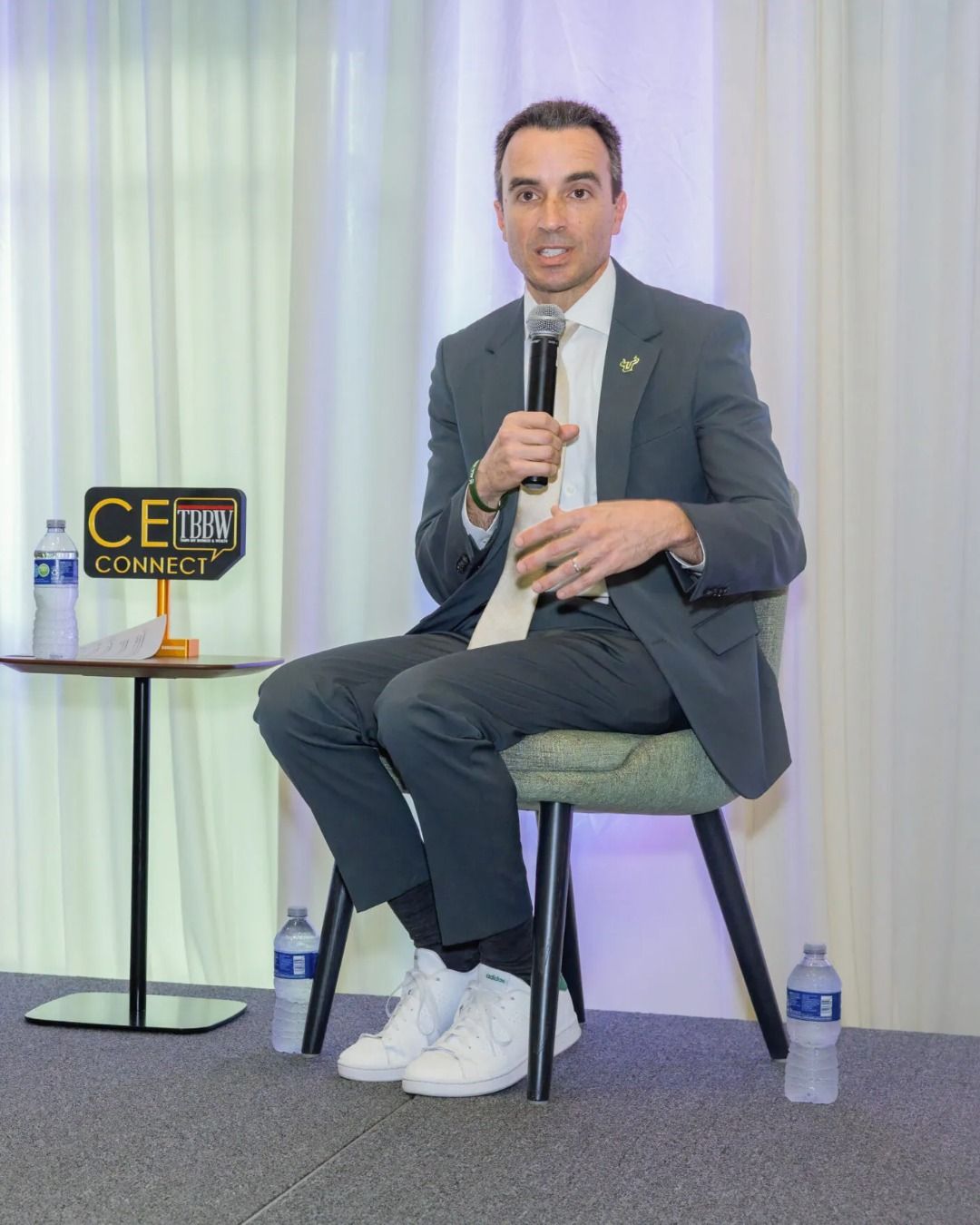
USF’s CEO of Athletics discusses leadership, health, the on-campus stadium and the university’s national ambitions.
Presented by
Rob Higgins on USF, leadership and what comes next
Open a question to begin reading.
You first became part of USF Athletics as an 8-year-old ball kid. What does it feel like to return as CEO of Athletics?
I still feel like that little kid. USF is a place where an 8-year-old can have a dream, pair it with an education, work hard and surround himself with the right people. When I look back, I see how many people supported me and gave me a chance. I started by cleaning floors. Once I did that well enough, they let me clean the locker room. Then they let me do the laundry. Every step taught me that you get what you work for, not what you wish for.
I also look at it with gratitude. My wife, Casey, has been the ultimate teammate, and we will celebrate our 25th anniversary in September. None of this happens without her support. The same applies to the people I worked with across Tampa Bay and at USF. I cringe when a biography says Rob did this or Rob did that. We did those things together. The unity within this community has always been the backbone of the work.
USF gave you the title CEO of Athletics rather than athletic director. What does the title mean?
College athletics has changed so much that the old title no longer captures the job. Athletic departments now have an opportunity to compensate student-athletes, but that also creates new revenue demands. We still have to recruit great talent, hire strong coaches, support academics and create a high-level experience for student-athletes and fans. Those responsibilities remain, but the enterprise has grown around them.
USF Athletics is a nine-figure business with extraordinary affinity. People do not buy season tickets or jerseys for most Fortune 500 companies. They do for universities. That passion creates a responsibility to serve students, alumni, donors and fans at a high level while operating with the discipline of a chief executive. USF recognized where the job was going and put the right title on it. Since then, other schools have started moving in the same direction.
You have said USF should measure itself by performance rather than potential. Why?
Potential has a time and place, but it can become an immeasurable standard that delays accountability. USF has about 50,000 students and roughly 400,000 living alumni. The university has joined the Association of American Universities and continues to grow its academic and research profile. At this point, we should measure ourselves by production, performance and results.
That means setting real goals, establishing standards and asking whether we won the day. Rankings have value, but we have to be accountable for what we produce across athletics, academics, fundraising, facilities and the student-athlete experience. The days of talking about what USF might become are behind us. We are responsible for what we do now.
Your cancer diagnosis became a major part of the cover story. Why have you chosen to speak about it publicly?
I want people to understand their family history and prioritize their health. I had not been to a doctor since I was 15. In sports, you are taught to be tough and work through pain, and I treated avoiding the doctor like a badge of honor. That was foolish.
I learned about my family history during my father’s first oncology appointment after his bladder cancer diagnosis. The doctor asked about relatives, and I learned that my grandfather had died from colon cancer at 53. I started reading about hereditary risk during the appointment and realized I should have been screened earlier. I scheduled a colonoscopy, and doctors found a four-centimeter tumor. They later learned the cancer had spread to my lymph nodes.
The diagnosis changed the way I thought about health and family. I was not afraid for myself as much as I was concerned about what it would do to my wife, my children and everyone around me. My father and I went through treatment on nearly the same schedule, with him about two weeks ahead of me. We are both clean now, and we continue to get screened every three months.
The easiest appointment to postpone may be the one that saves your life. Your family needs you. That means knowing your history, going to the doctor and putting health and family first.
What will the on-campus stadium mean for USF?
It will give USF football the home it has waited for throughout the program’s history. One of our original football players, Jacoby Blunt, visited practice recently. I asked when Coach Jim Leavitt had told the team the stadium would be finished. He said 1999. Thousands of players have worn the USF jersey while waiting for this building.
The stadium also will change the student experience. We placed a construction beam at the Marshall Student Center so students could sign it before it was installed in the student section. We thought 500 or 600 students might participate. More than 5,000 signed it in 72 hours. Those students will be able to walk from a residence hall or nearby apartment to watch classmates play in a stadium on their campus.
The project will give alumni a reason to return and see how much the university has changed. USF has about 400,000 living alumni, and many live within driving distance. A home football weekend can reconnect them to the campus, their classmates and the university.
The stadium also creates opportunities beyond six home football games. It can host concerts, professional wrestling, soccer matches and other events that fit a 35,000-seat venue. Its location adds to the effect. The stadium, the Fletcher District redevelopment and the Museum of Science and Industry site place three large projects within roughly three-quarters of a mile. Their timelines overlap, giving the university area a concentration of investment that few communities see at one time.
How does the stadium fit into USF’s conference realignment goals?
USF deserves to compete on the biggest national stage. The university checks many of the boxes that matter. Academically, USF is one of two public AAU universities in Florida. From a media standpoint, Tampa is the largest television market in the state, the 11th largest in the country and the second largest in the Southeast. Our athletic performance also is moving in the right direction. USF won six American Athletic Conference championships during the past year, more than any other member of the conference.
Facilities matter, too. USF has one of the strongest athletic districts in the country, and the stadium fills the most visible gap. It is scheduled to open Sept. 4, 2027, against Louisville.
The path forward begins with our current conference. We have to become the best version of ourselves in the American and compete for championships across the department. Success now strengthens every argument USF can make later. We cannot wait for realignment to improve our position. We have to produce results that place us in that position.
What does the stadium mean to the wider Tampa Bay community?
The stadium gives the region another venue for events that may not fit its larger buildings. It can bring people to campus for sports, concerts and entertainment while introducing visitors to a university that supports the regional economy, graduates thousands of students each year and supplies talent to local employers.
USF also can use the stadium to deepen relationships with companies and civic organizations. The university already works closely with Tampa General Hospital, local banks, construction companies, hospitality businesses and other employers. A campus venue creates more occasions for those relationships to grow through sponsorships, events, hospitality and student engagement.
What did your years at the Tampa Bay Sports Commission teach you about leading USF Athletics?
They taught me to focus on service and the work behind the event. During a Super Bowl or Final Four, fans see the field or the court. The people running the event are working through transportation, security, fundraising, sponsorships, hotels and hundreds of operational details. When the Buccaneers won the Super Bowl in Tampa, I did not see a play. I checked the score when I could and returned to the next responsibility.
That experience applies directly to college athletics. The public sees games and championships, but the department has to manage academics, compliance, facilities, fundraising, media rights, name, image and likeness, revenue sharing, travel and student welfare. The event works when those responsibilities come together without drawing attention away from the athletes and fans.
What brought you back to college athletics after 21 years with the Sports Commission?
At the Sports Commission, athletes came to Tampa for several days and then left. At USF, student-athletes may be here for months or four years. That gives us time to serve them daily and support what they want to accomplish in athletics, academics and life.
Their energy reminded me why I entered this work. Wide receiver Mudia Reuben is one example. He transferred from Stanford, chose USF over several other programs and used name, image and likeness money to help bring clean water to his parents’ village in Nigeria. When teammates entered the transfer portal, he stayed. College athletics is often discussed through money and movement, but each decision affects a student with goals that reach beyond the field.
You hired five head coaches during your first seven months. What were you looking for?
The turnover was greater than I expected, but the searches gave us a chance to establish what we value. We wanted coaches who had led before and still had something to prove. Some people want to inherit a program with banners already hanging. We wanted people who were attracted to building what comes next at USF.
That mindset fits where the university stands. The stadium is under construction, the athletic district is growing and our teams are expected to compete for championships. We need coaches who see that work clearly and want responsibility for the result.
How has your family’s connection to USF shaped your return?
Both of my parents graduated from USF. My sister graduated from USF. I graduated from USF, and I met Casey here while she was completing an internship. Nearly every part of our family’s story connects to this university.
When I was a ball kid, I sat under the basket with a towel. If a player fell, I ran onto the floor and wiped up the spot so no one slipped on the next possession. During games, I sometimes looked into the stands and saw my parents watching me even when play had moved to the other end of the court.
My mother died unexpectedly four years ago after a stroke. She did not get to see me take this job, but I know what it would have meant to her. My father still attends games and tells everyone he meets that I am the CEO of Athletics. I am convinced that when I was a ball kid, a manager and now in this role, they were not watching the game. They were watching me.
What do you want Tampa Bay business leaders and USF alumni to do now?
We need people to talk about what is happening at USF and participate in it. That can mean becoming a season-ticket holder, making a gift, supporting a student-athlete, attending events or simply correcting the old perception that USF remains a university waiting for its future.
The university has not always received its fair share of attention in a state dominated by older institutions in Gainesville and Tallahassee. The way to change that is through performance and participation. USF has to win, and the region has to recognize what is already happening here. This is the moment to come get our fair share.
Rob Higgins CEO Connect
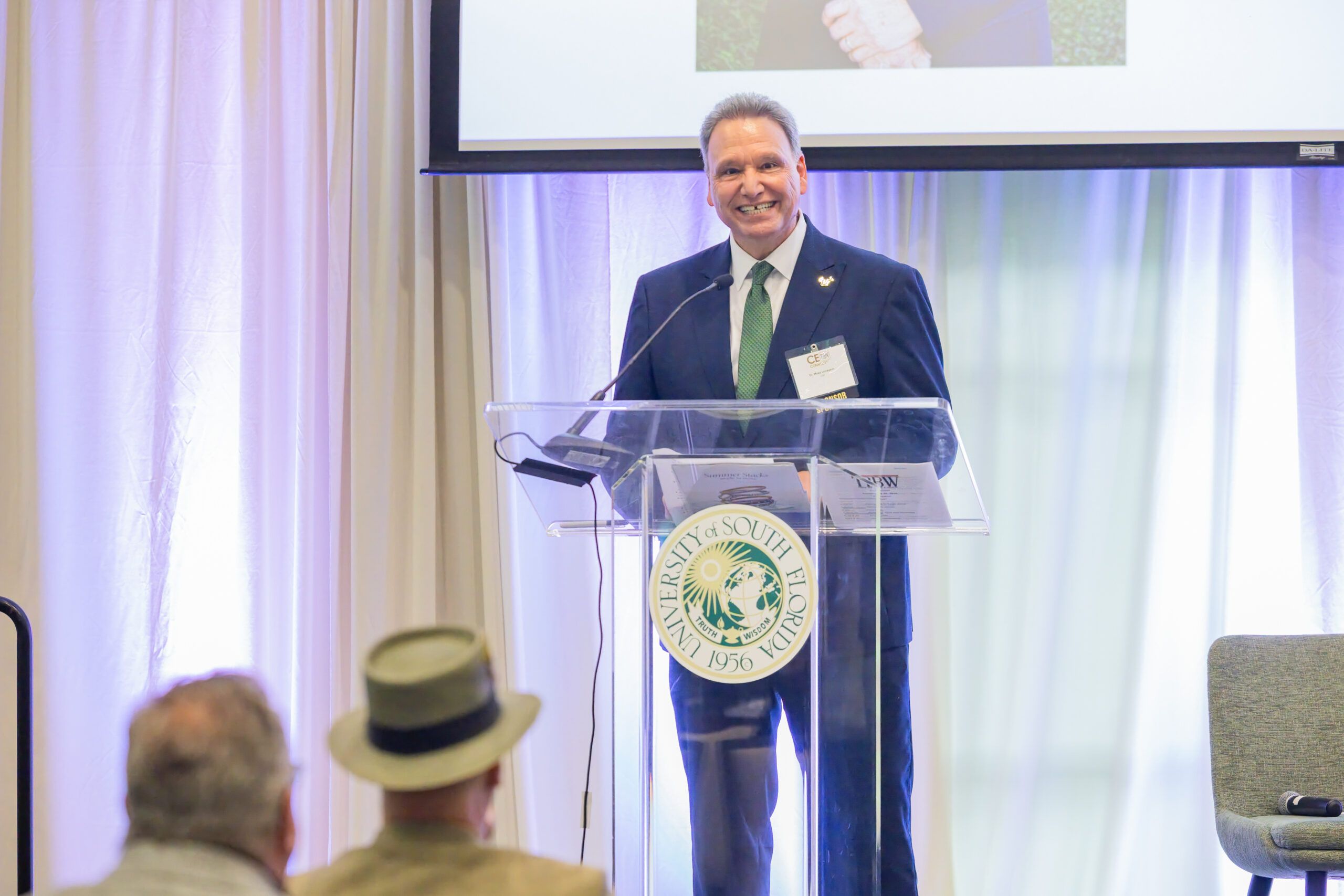
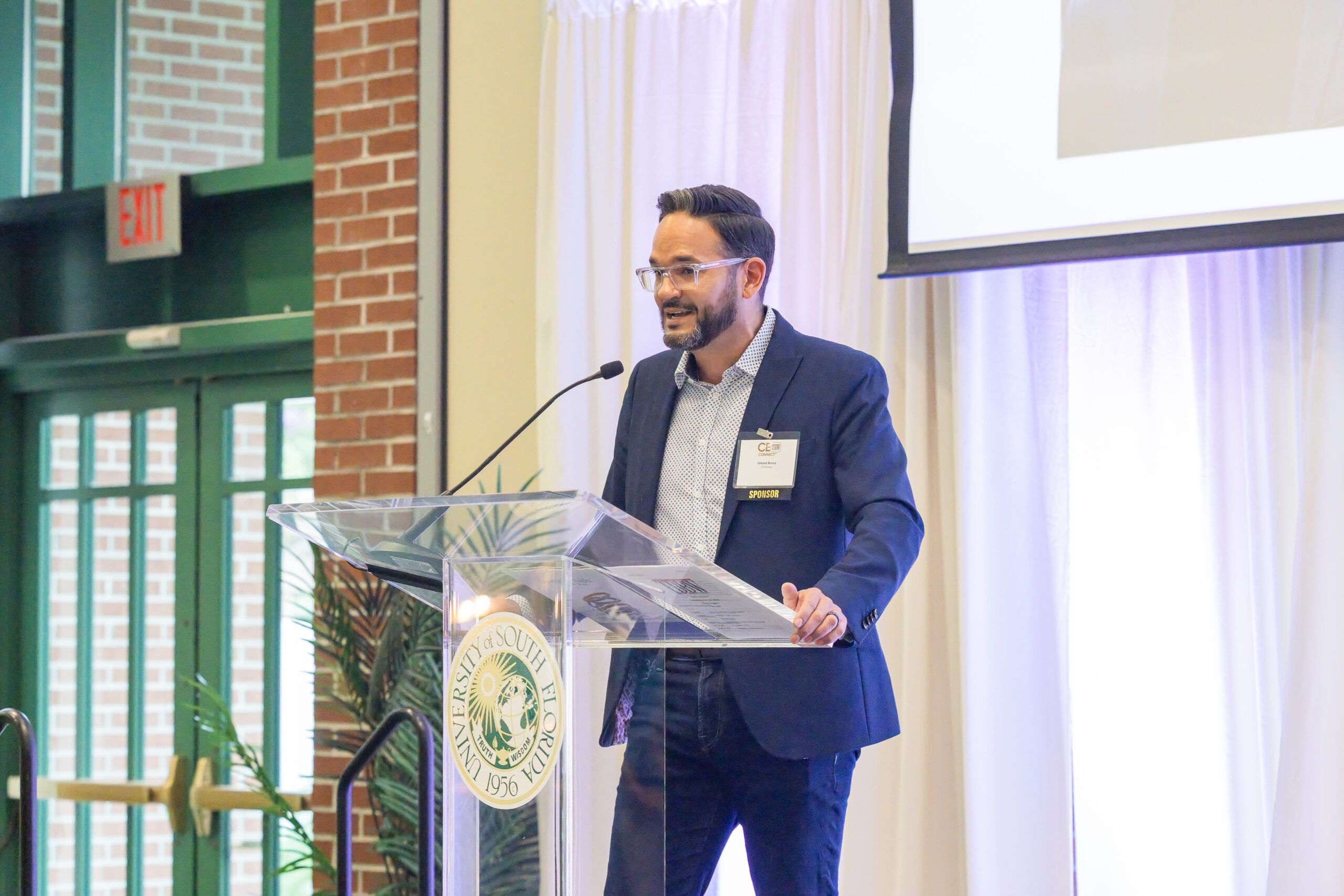
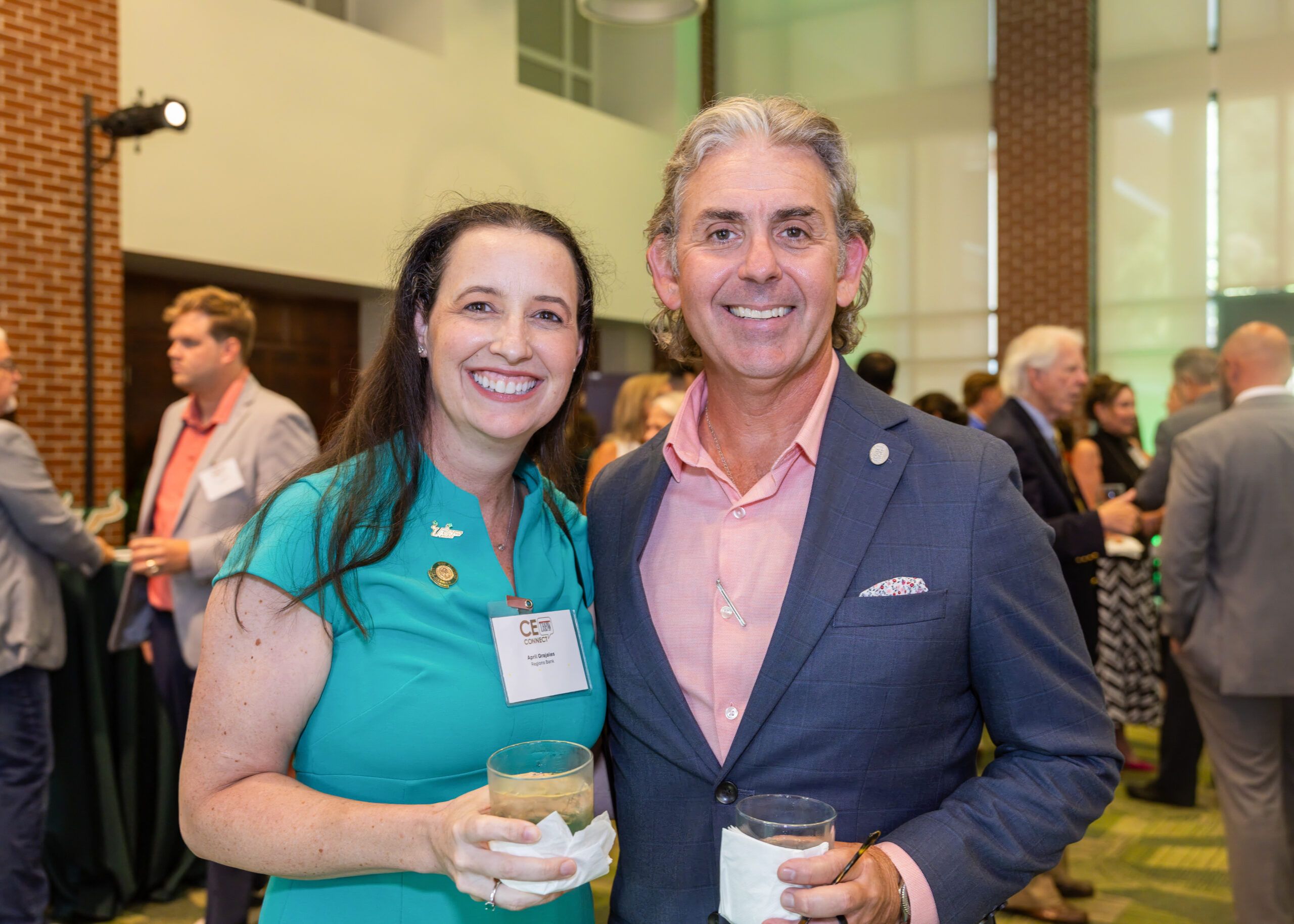
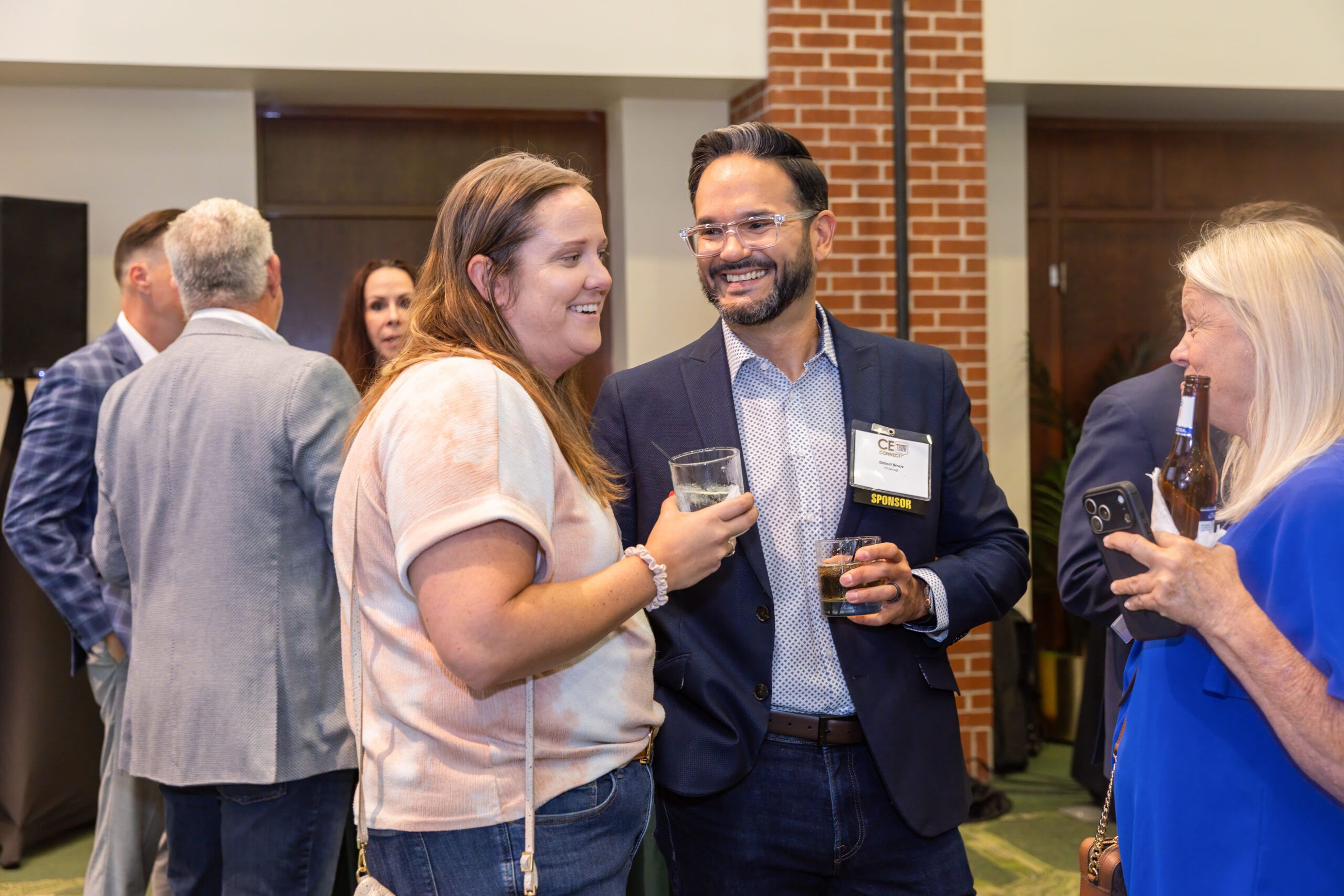
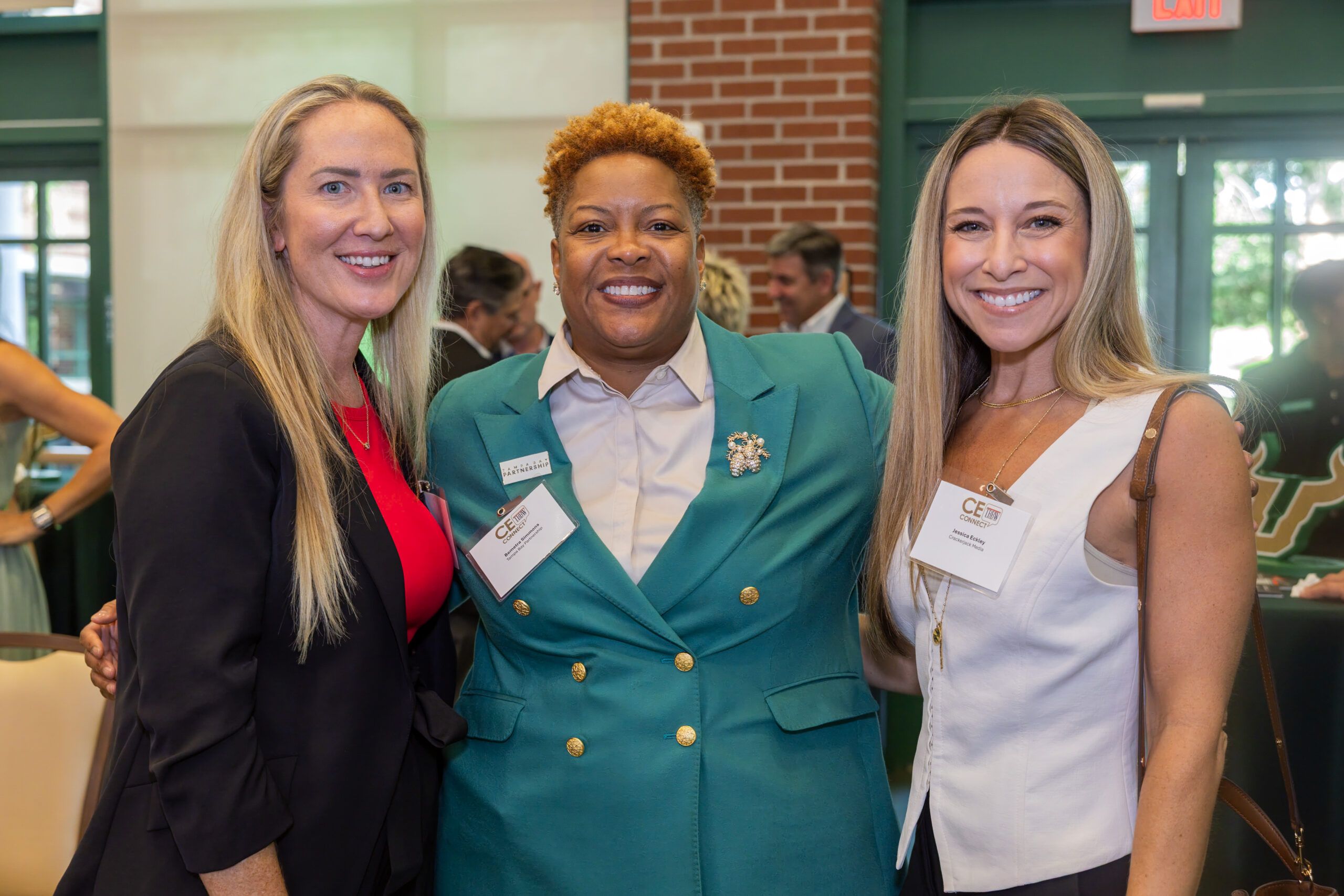
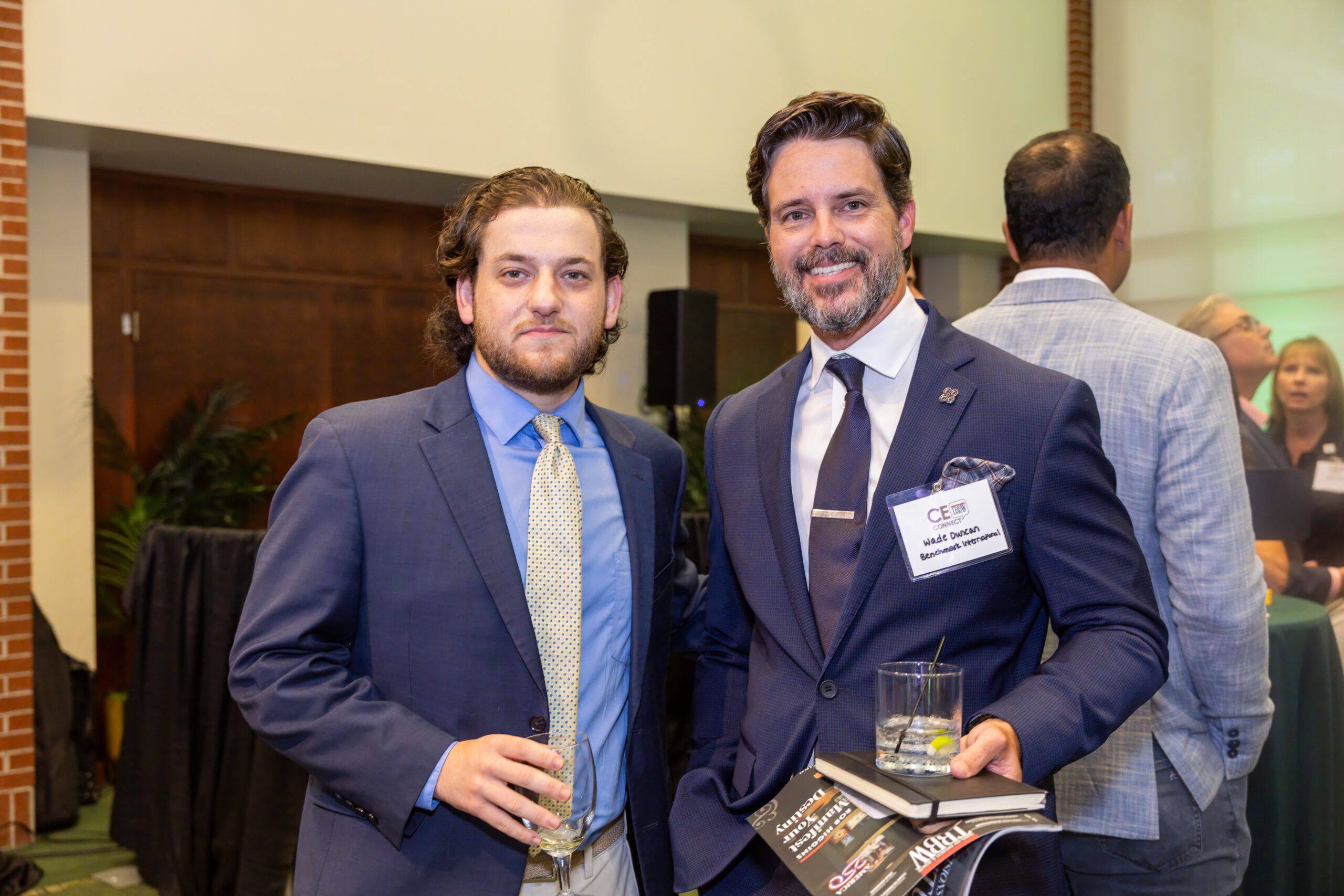
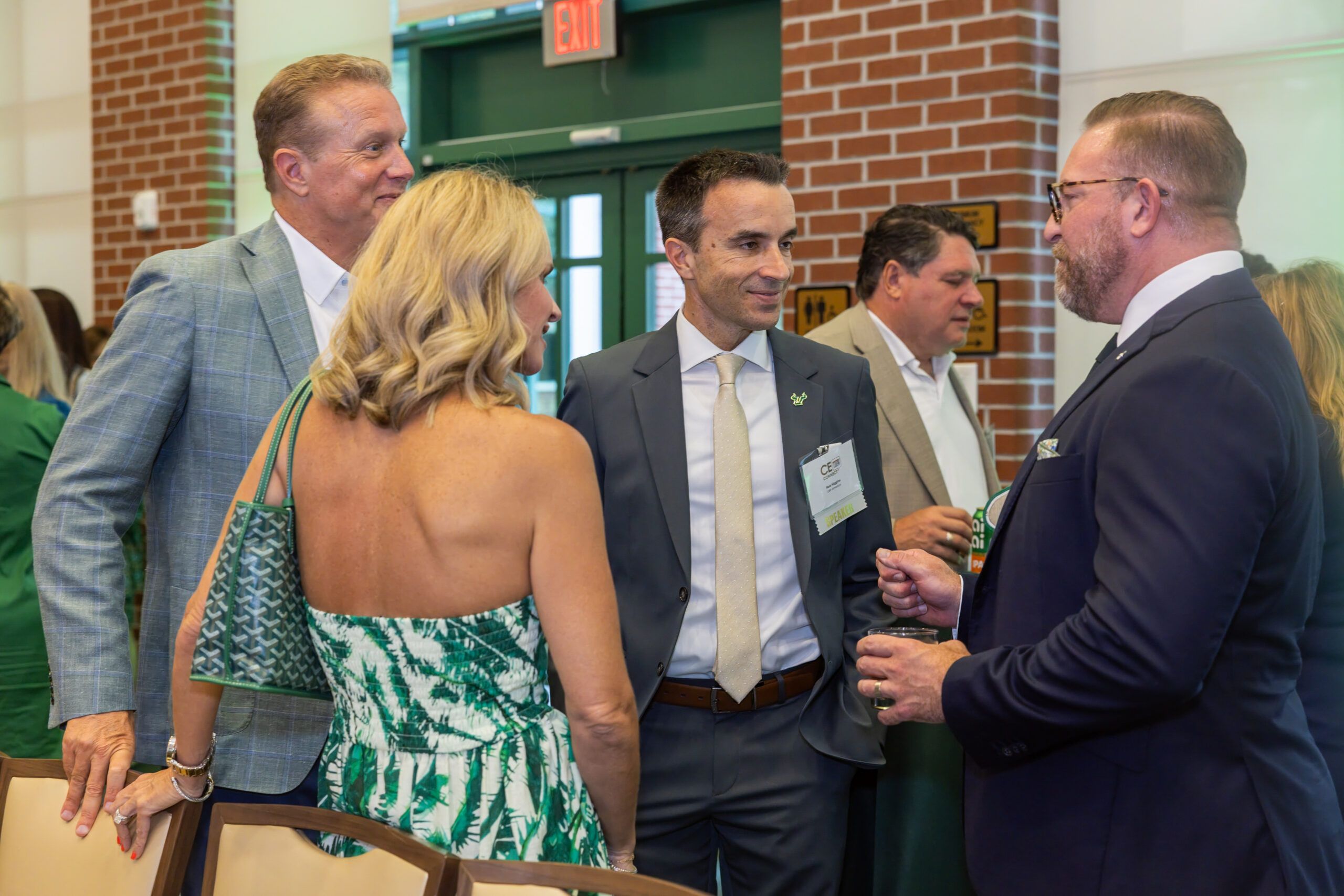
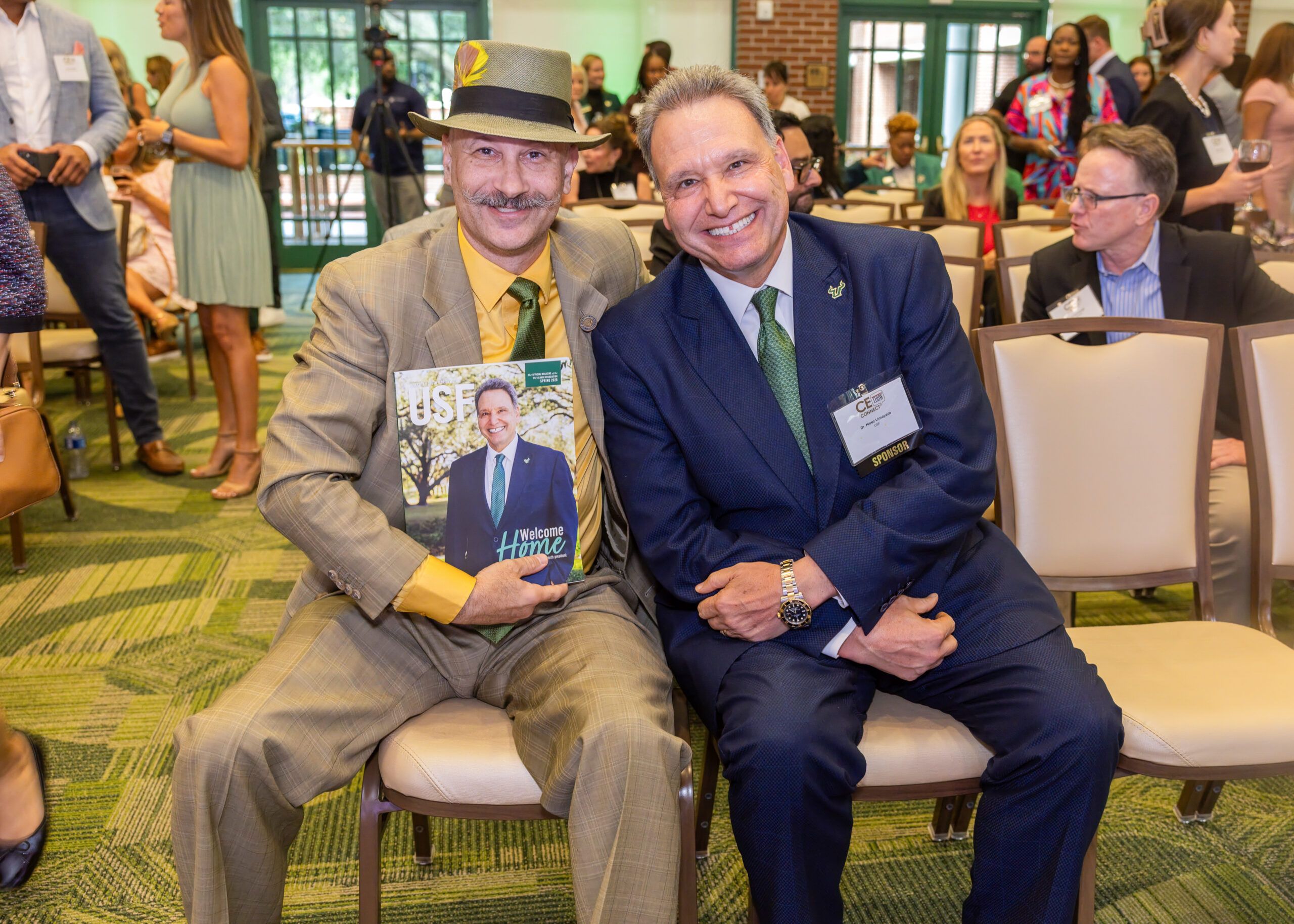
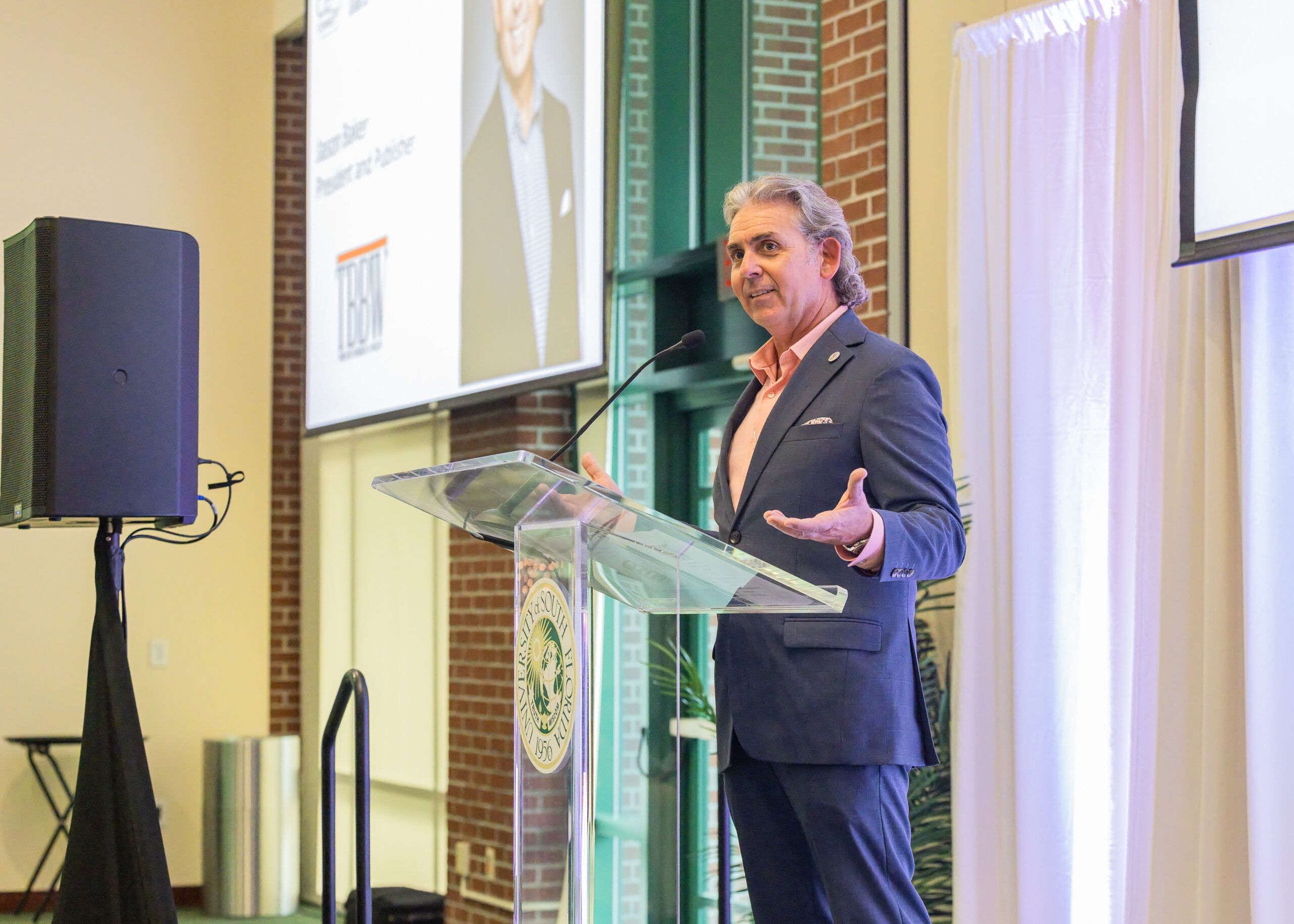
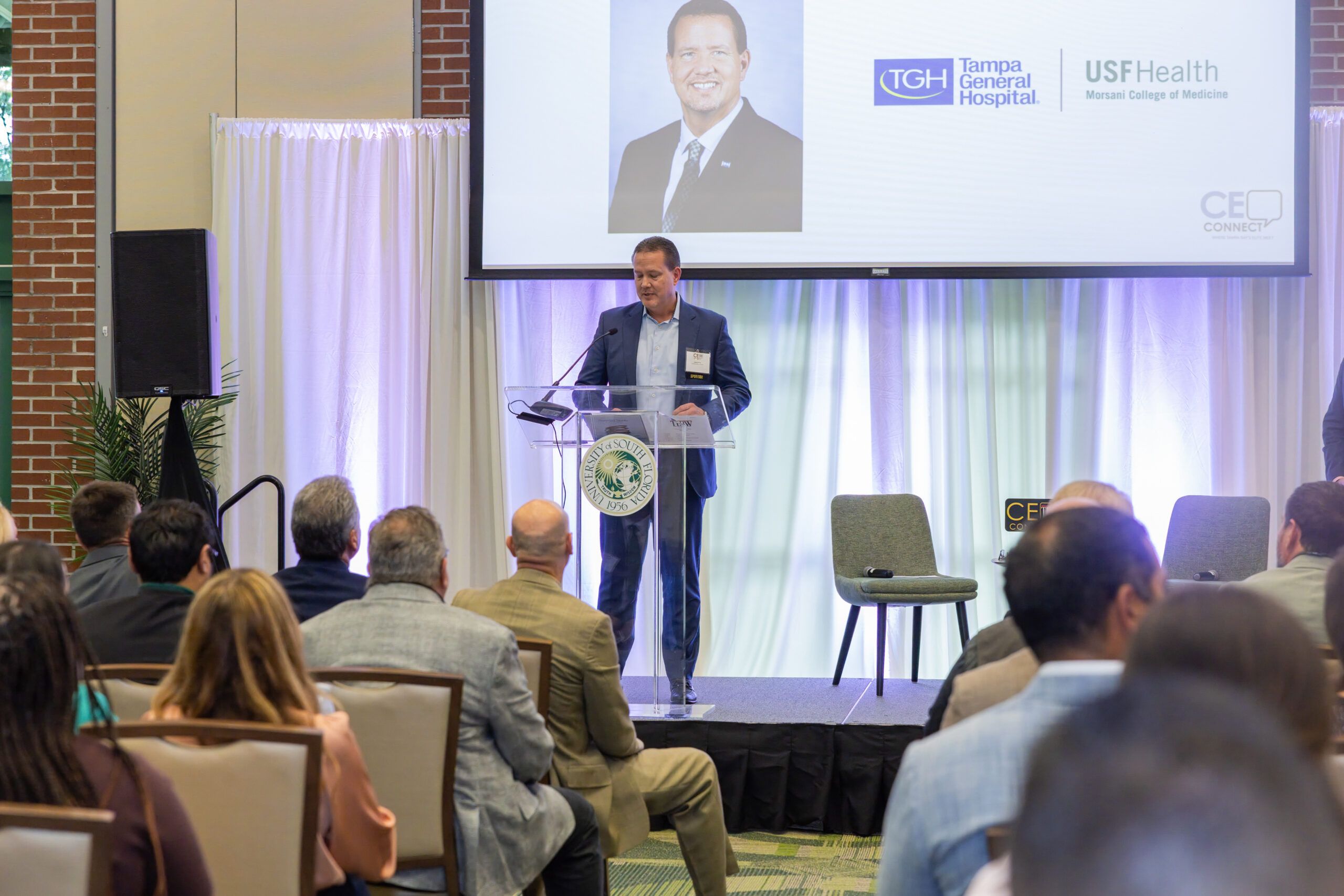
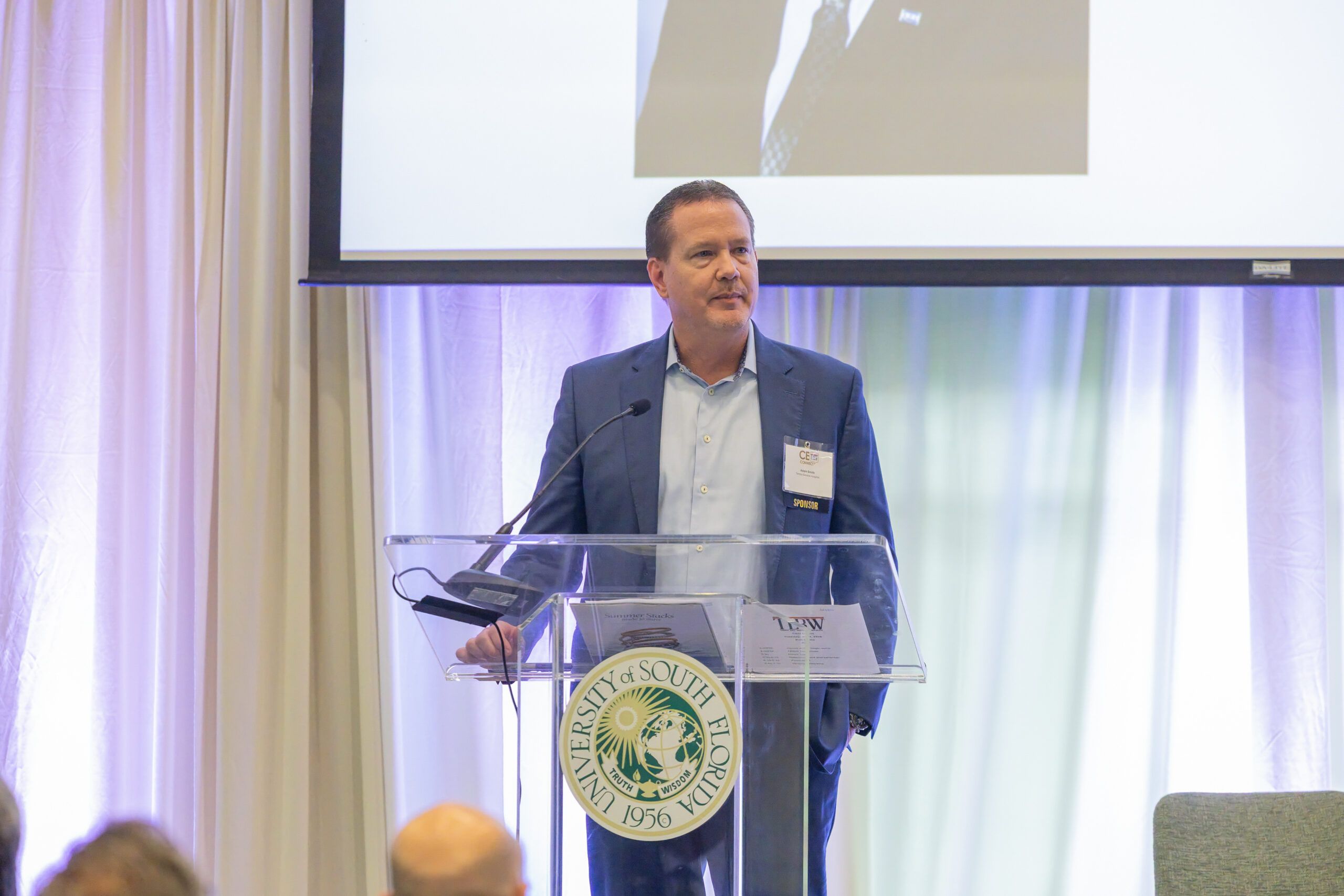
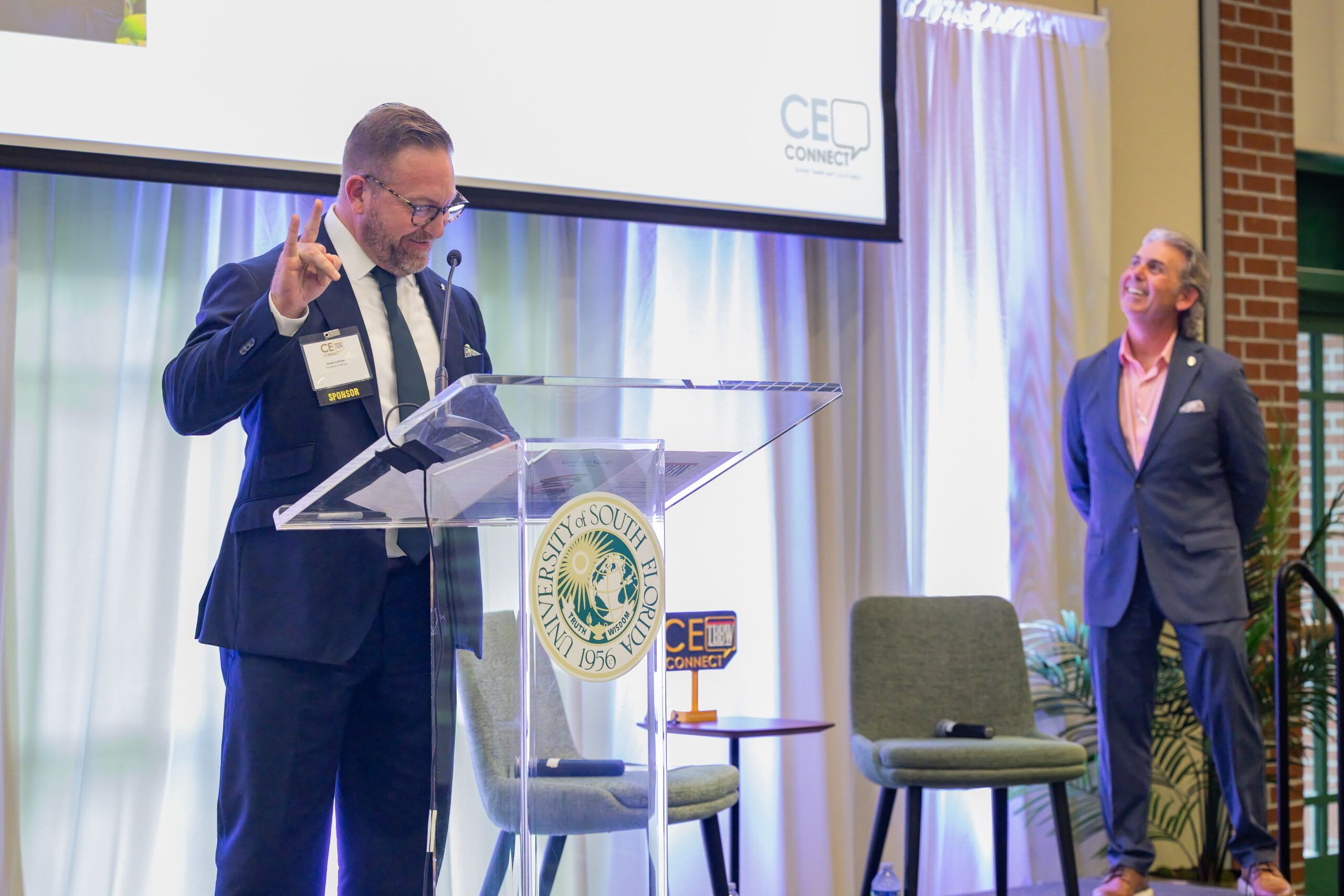
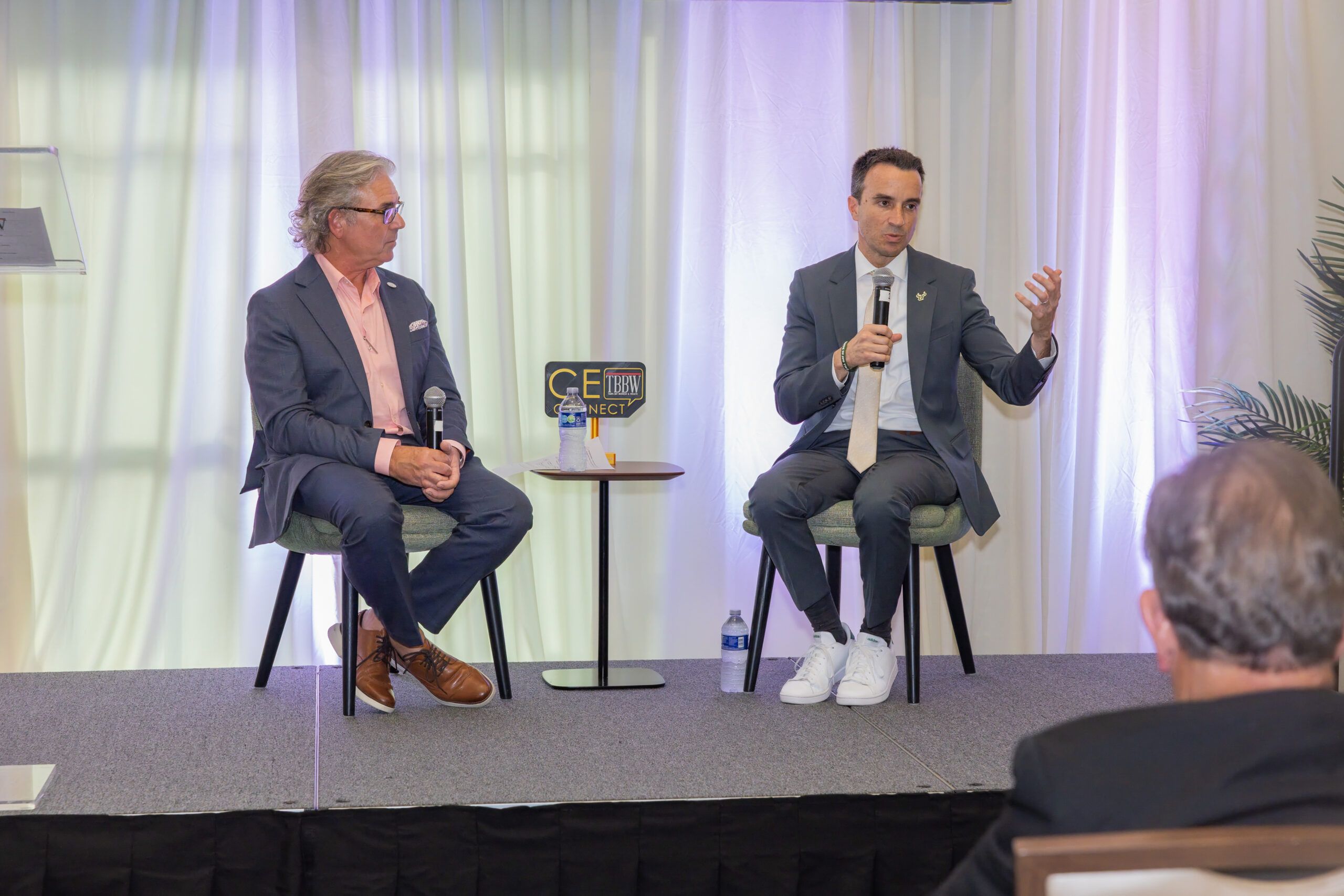
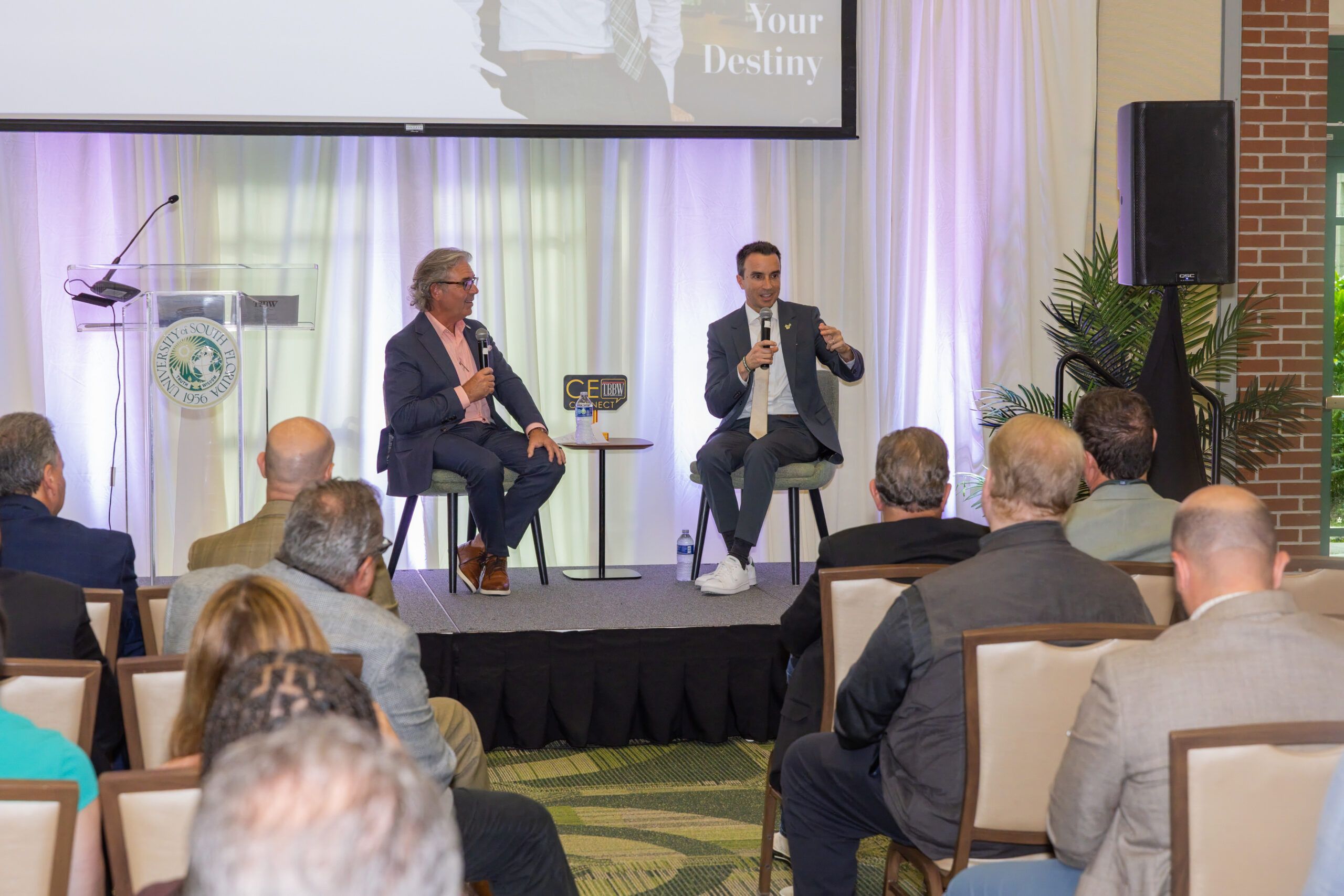
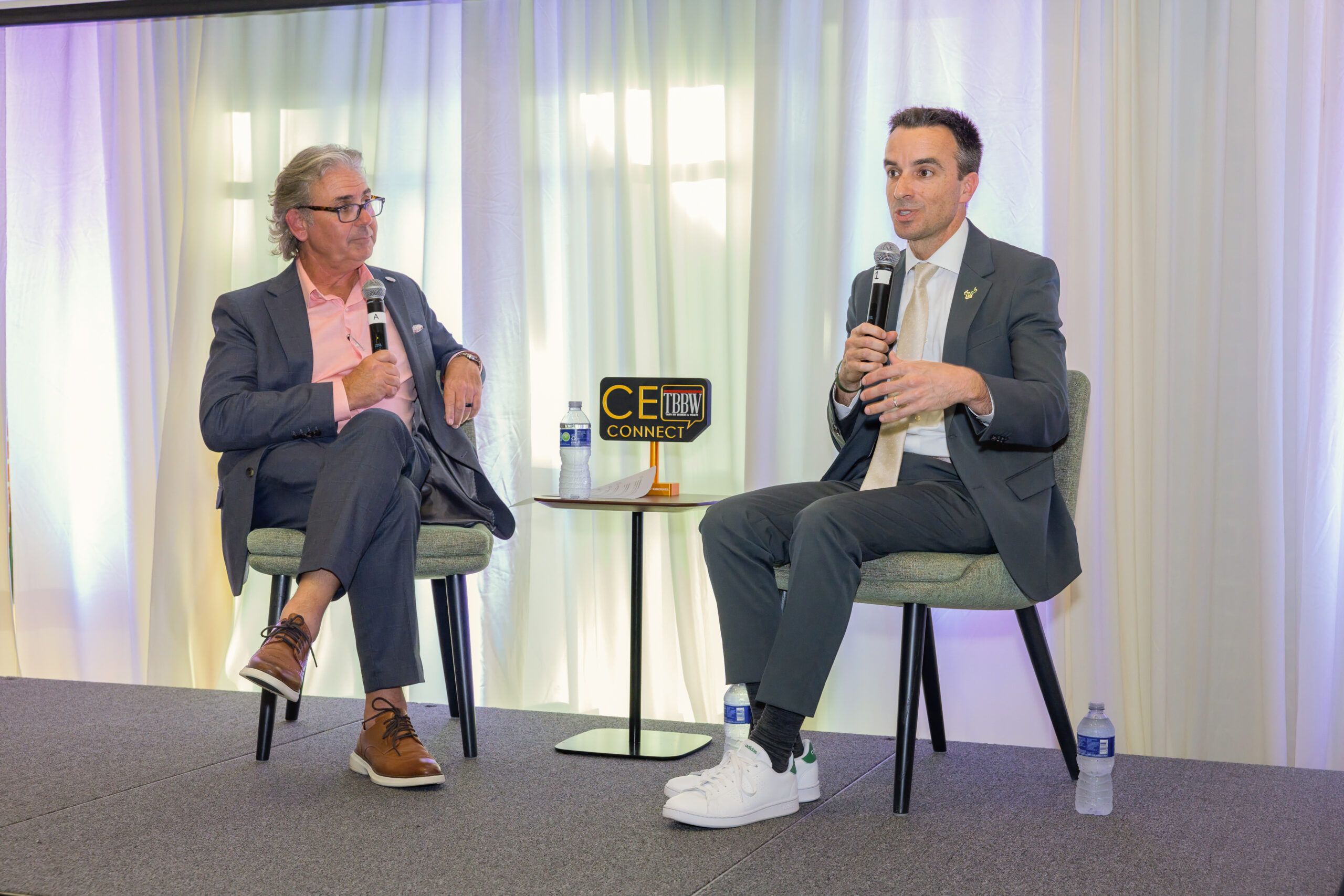
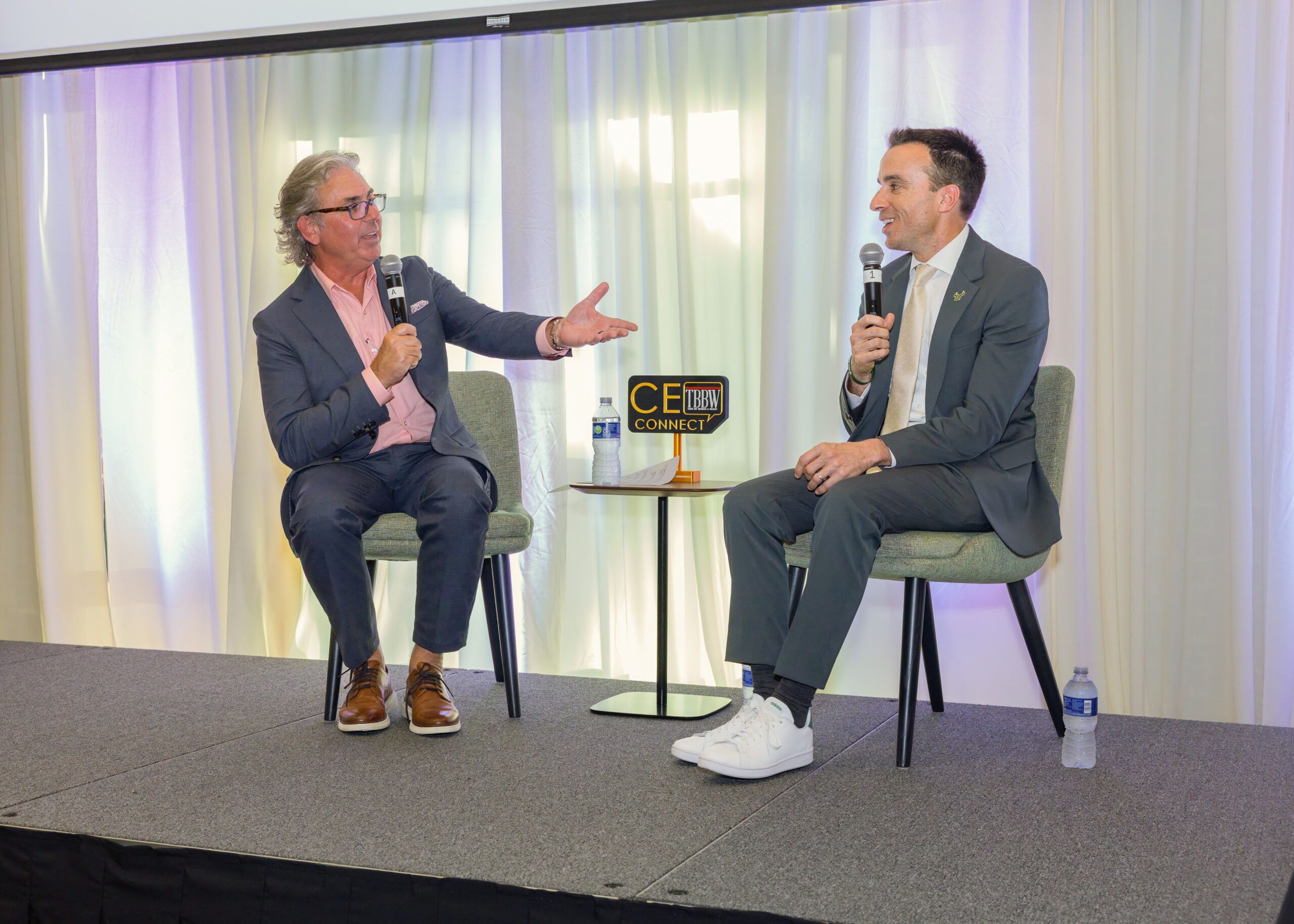
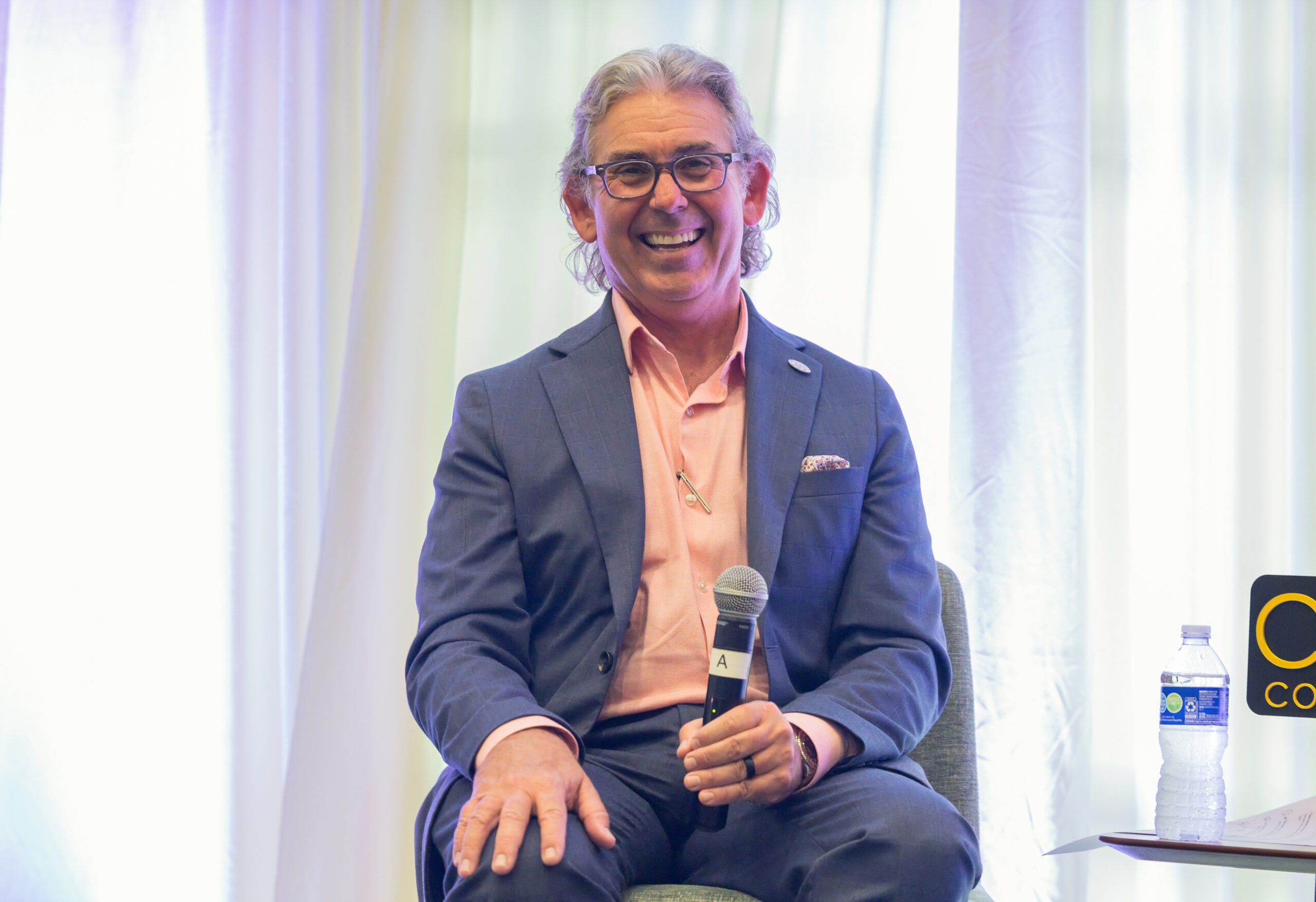
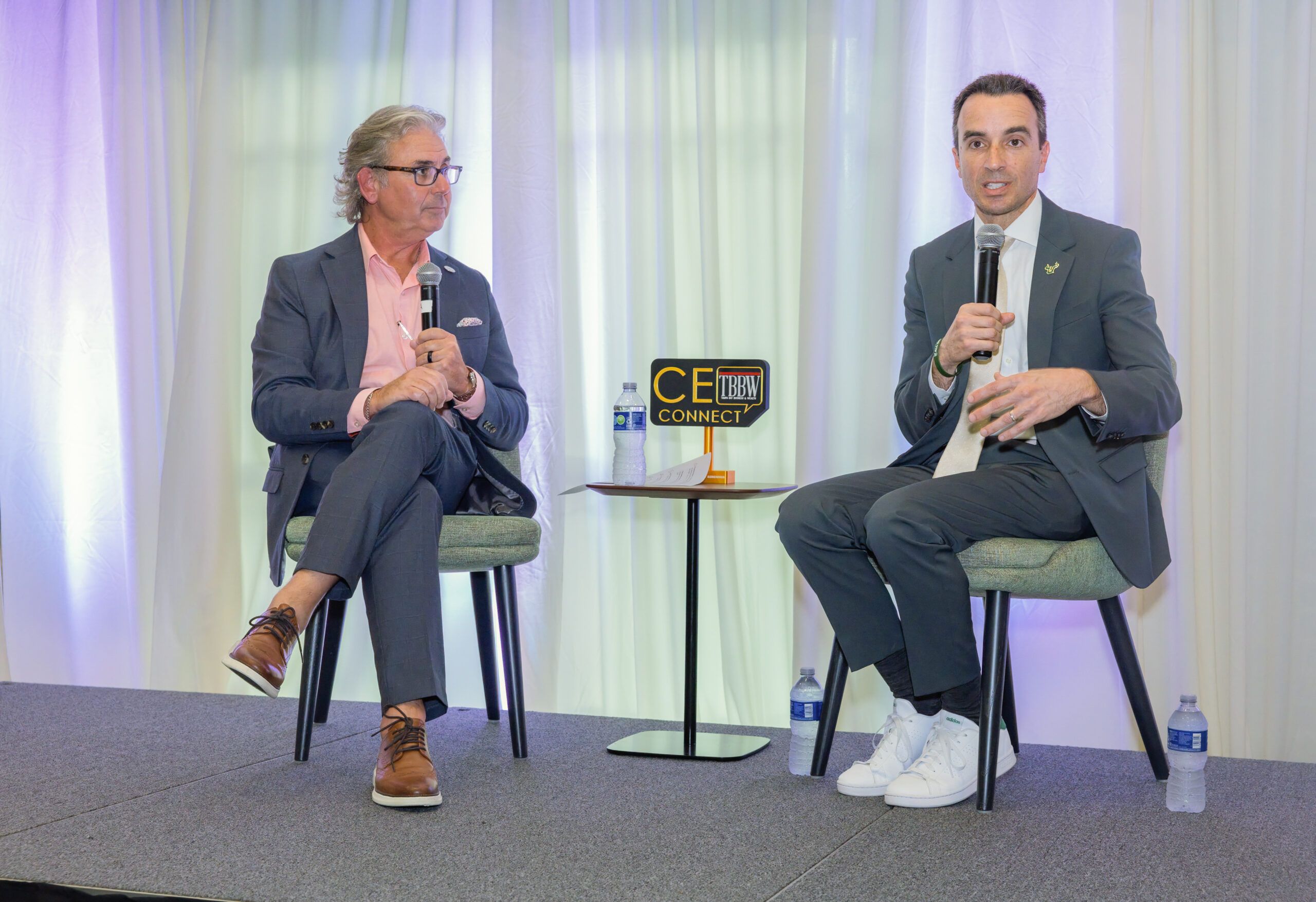
Photos from TBBW’s CEO Connect with Rob Higgins at the University of South Florida.
Bob Glaser
Smith & Associates Real Estate CEO Bob Glaser discusses philanthropy, Tampa Bay’s changing skyline, brokerage consolidation, artificial intelligence and succession planning.
Presented by
Bob Glaser on Tampa Bay’s changing skyline
Open a question to begin reading.
You’ve spent years supporting smaller nonprofits and arts organizations throughout Tampa Bay. Why has that become such a focus for you?
With more than 300 agents through the years, imagine how many of them have been involved in nonprofits or community organizations. They were already doing the work and we tried to support that work.
A lot of these organizations have a great mission, but they need help building longevity. Sometimes that support is financial. Sometimes it’s accounting, strategic planning or leadership support. The goal is to help organizations sustain themselves over time instead of just funding a single event or project.
What advice would you give business leaders looking to support smaller nonprofits in a meaningful way?
You have to define what your long-term strategy is with an organization. Sometimes the most valuable support isn’t simply writing a check.
Maybe it’s helping with accounting. Maybe it’s strategic planning. Maybe it’s bringing employees into the mission and helping organizations build operational strength over time.
There are a lot of opportunities to make a real difference if you stay involved consistently.
What kinds of organizations have stood out to you over the years?
There have been many. One example is the Arts Conservatory for Teens, which serves thousands of students through after-school arts programs and education initiatives.
Over time, you realize even smaller organizations can create major impact if they have the right operational support behind them.
Tampa Bay’s skyline has changed dramatically during your career. What stands out most to you when you look at the region today?
We’ve been fortunate to participate in nearly 50 projects that came out of the ground across Tampa Bay, representing thousands of residential units over time.
That goes back to projects like Monte Carlo years ago. Back then, we were giving away BMWs to help move condominium units. Today, Tampa Bay is full and there’s still more coming.
It’s unusual for an independent brokerage to have that much involvement across a market over that period of time.
What does working with developers actually look like once projects come online?
In some cases, developers call and say, “We’ve got $60 million left. What can you do to help us sell it?”
That’s where experience matters. We’ve spent decades understanding pricing, buyer behavior and absorption rates across different parts of the market.
National luxury brands continue entering Tampa Bay. What does that say about where the market is headed?
Those brands bring attention from outside markets. Take the Waldorf Astoria Residences in St. Petersburg. That branding introduces the market to buyers who may not have previously considered Tampa Bay.
Most recently, there’s roughly $210 million already under contract with buyers ahead of that project’s next phase. That tells you how much outside demand exists for the market today.
At the same time, Tampa Bay still develops differently than Miami or some larger markets. This has never been a place where thousands of units hit the market all at once. Development here happens more gradually, which forces developers to think carefully about what they’re delivering.
Smith & Associates has remained independent while much of the brokerage industry consolidates. Why was that important to you?
It’s unusual for an independent brokerage to have this kind of position in a market. We’ve worked hard to maintain local control and strong listing inventory because local relationships still matter in this business.
If you get in trouble, you call Mr. Coldwell Banker and see if he responds, or call me.
People still want somebody who understands the community, understands the market and can help guide them through difficult decisions.
How quickly is brokerage consolidation changing the industry?
The consolidation is happening at breakneck speed. Large national brands continue buying regional firms and expanding market share.
For a company like ours, that means protecting listing inventory, relationships and local market knowledge becomes even more important.
What do luxury buyers still value most in an agent?
Relationships and trust. Buyers and sellers still want direct access to someone who understands the nuances of the market.
Technology helps operations, but this remains a relationship business. People want somebody who can answer questions directly and give them confidence in the process.
How are you thinking about artificial intelligence and technology inside the brokerage business?
AI is already helping with operational efficiency, workflow management and internal systems. We’re continuing to invest heavily in technology and internal systems because the business is changing quickly.
At the same time, I remind our people this is still about relationships. Buyers and sellers want one-on-one conversations. They want real market insight. Technology can support the work, but it doesn’t replace the human side of the business.
What was it like seeing your life and career laid out in a cover story?
I don’t really like talking about myself, so it was uncomfortable at first. But when you get to a certain age, you realize there have been a lot of chapters along the way.
It started at Red Lobster. It started in a mobile home worrying about bounced checks and trying to stay ahead financially.
As you climb a ladder, you’re not really looking at the top. You’re just going. You’re so motivated to get someplace you didn’t fully know yet.
Hopefully sharing that story helps younger people understand you have to start somewhere and keep climbing.
What does succession planning look like at Smith & Associates today?
We have leadership teams overseeing brokerage operations, development services, title and mortgage, along with managers who have been with the company for years.
Two of my children are active in the business and my youngest still follows everything closely even though he’s in Atlanta.
My name helped push the brand forward, but the brand succeeds because people succeed. The goal is making sure the company stays strong for the next generation.
What’s your outlook on the Tampa Bay market right now?
Tampa Bay is in a very good position long term. We’re very fortunate to be here.
The market continues attracting new residents, outside capital and long-term demand. Growth may happen more carefully than it did several years ago, but the fundamentals remain strong.
Are you thinking about slowing down?
I’m far from done. I’ve started trying to take some Fridays off, but I still enjoy the work and I still enjoy building things with the team.
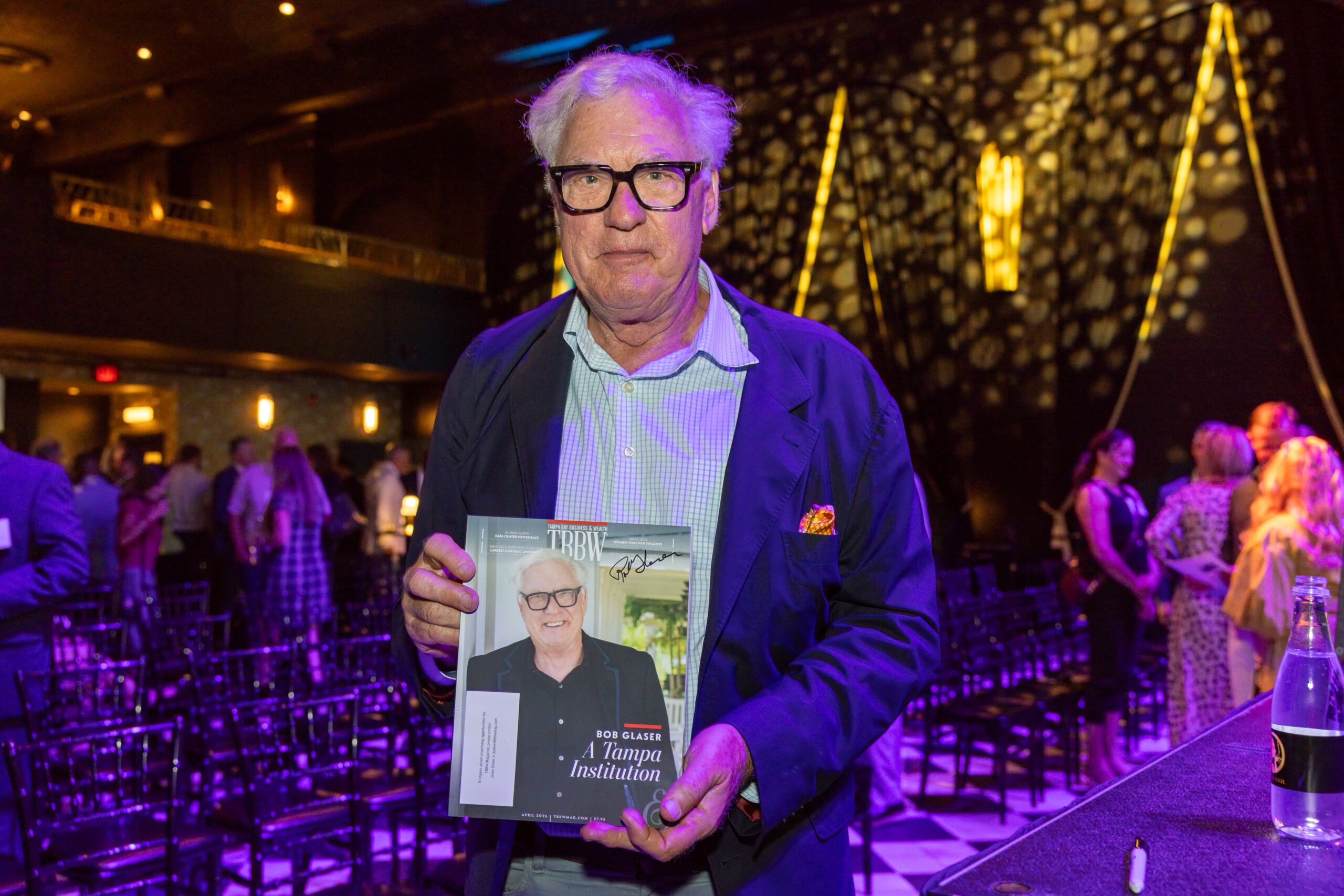
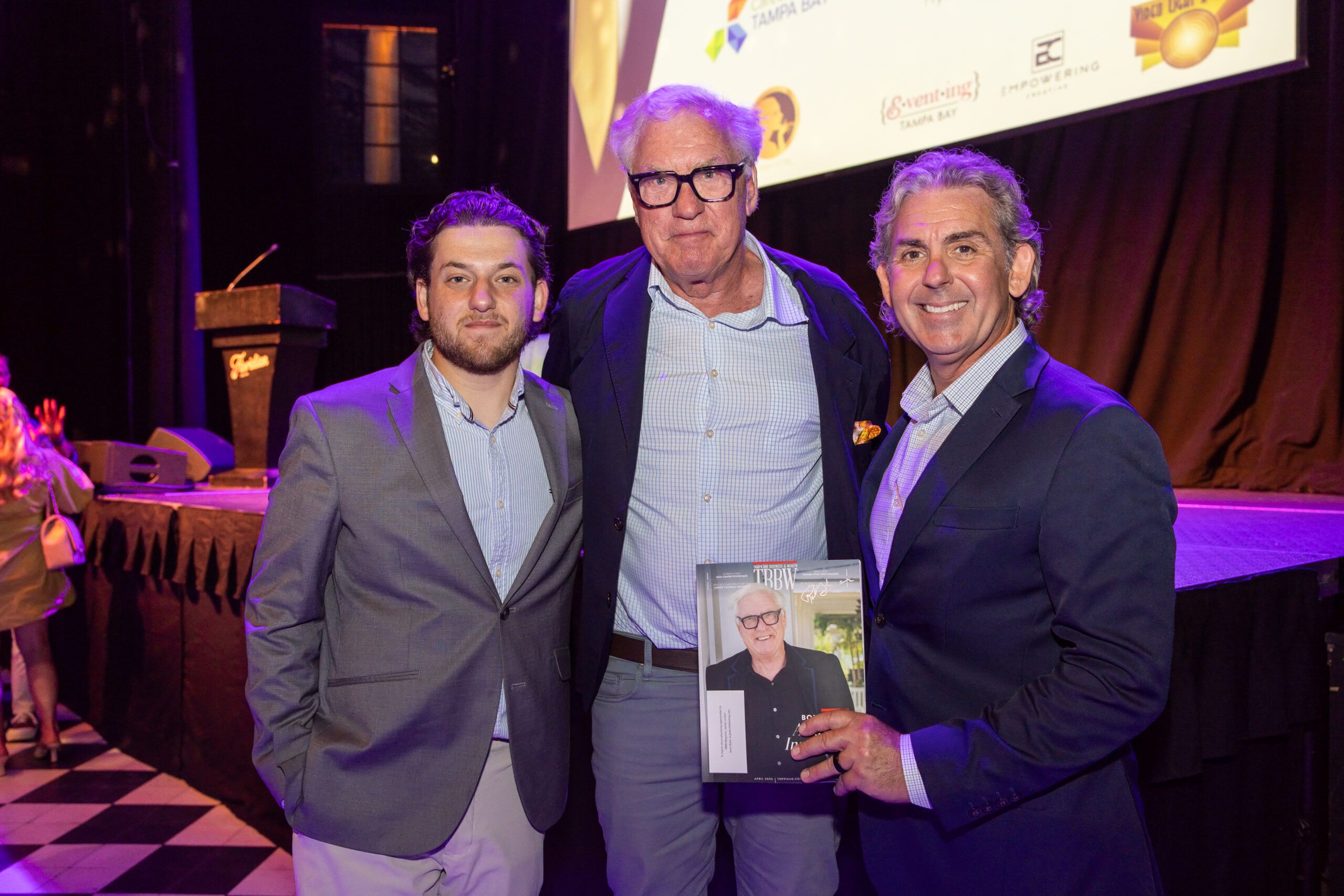
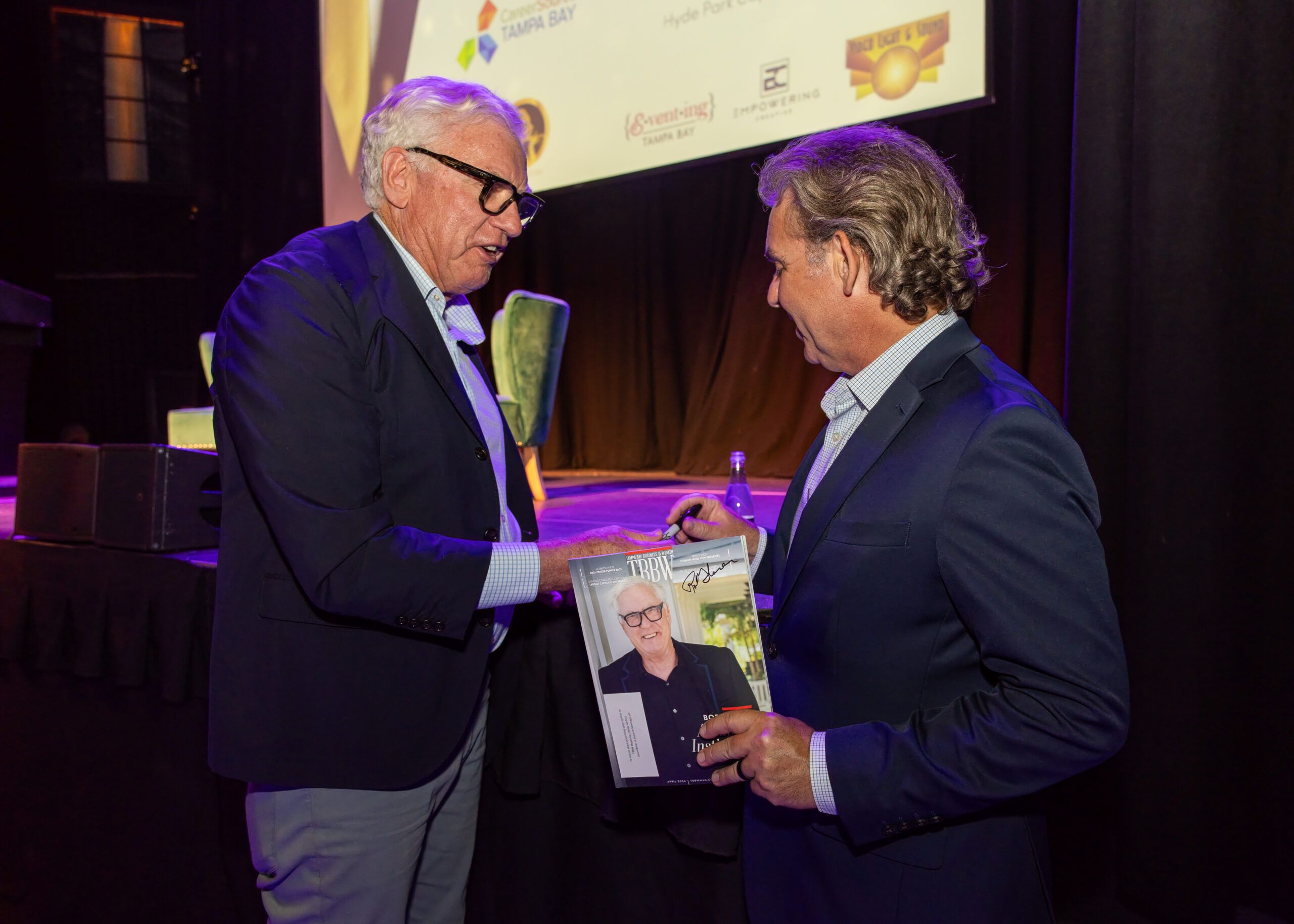
Bob Glaser CEO Connect
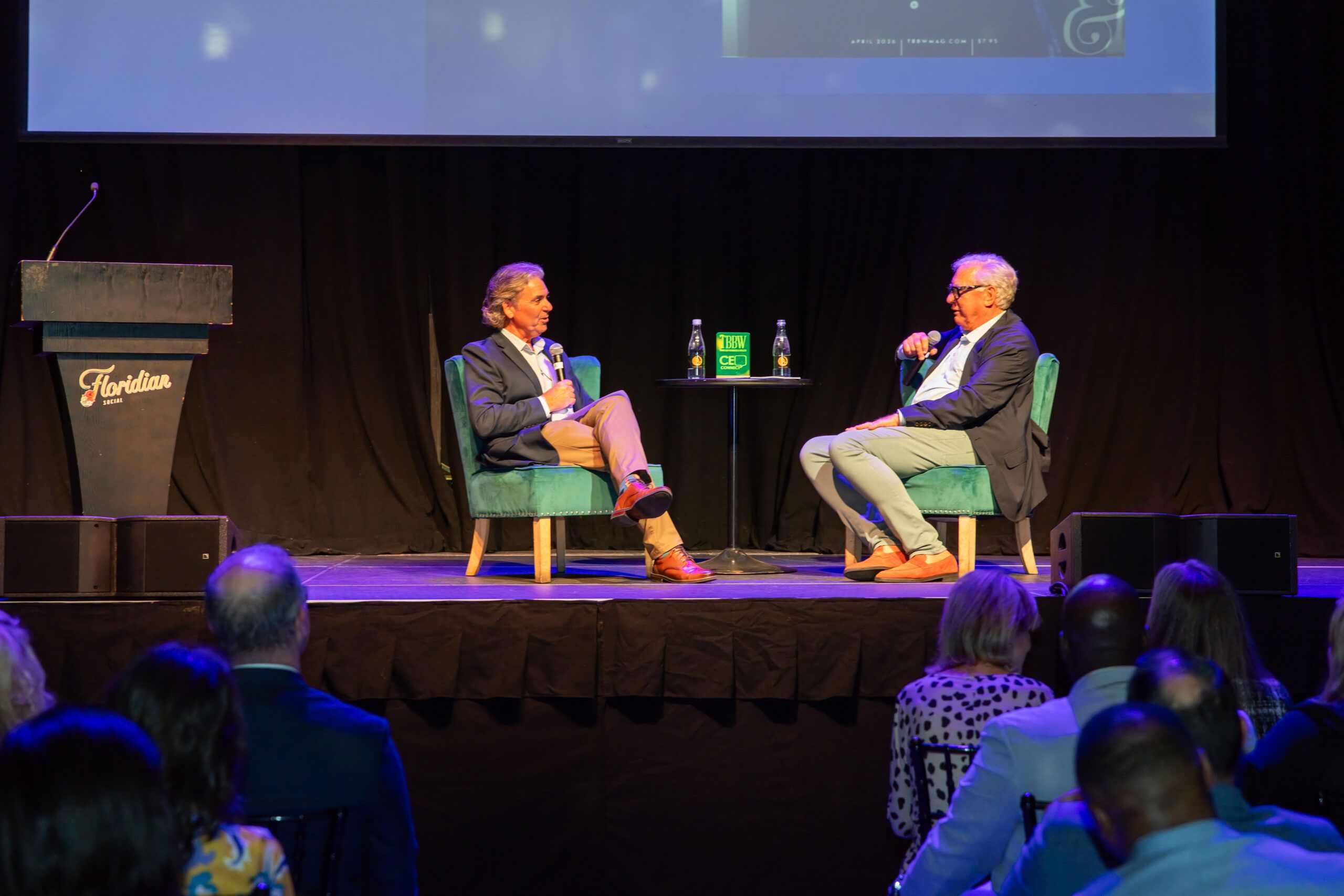
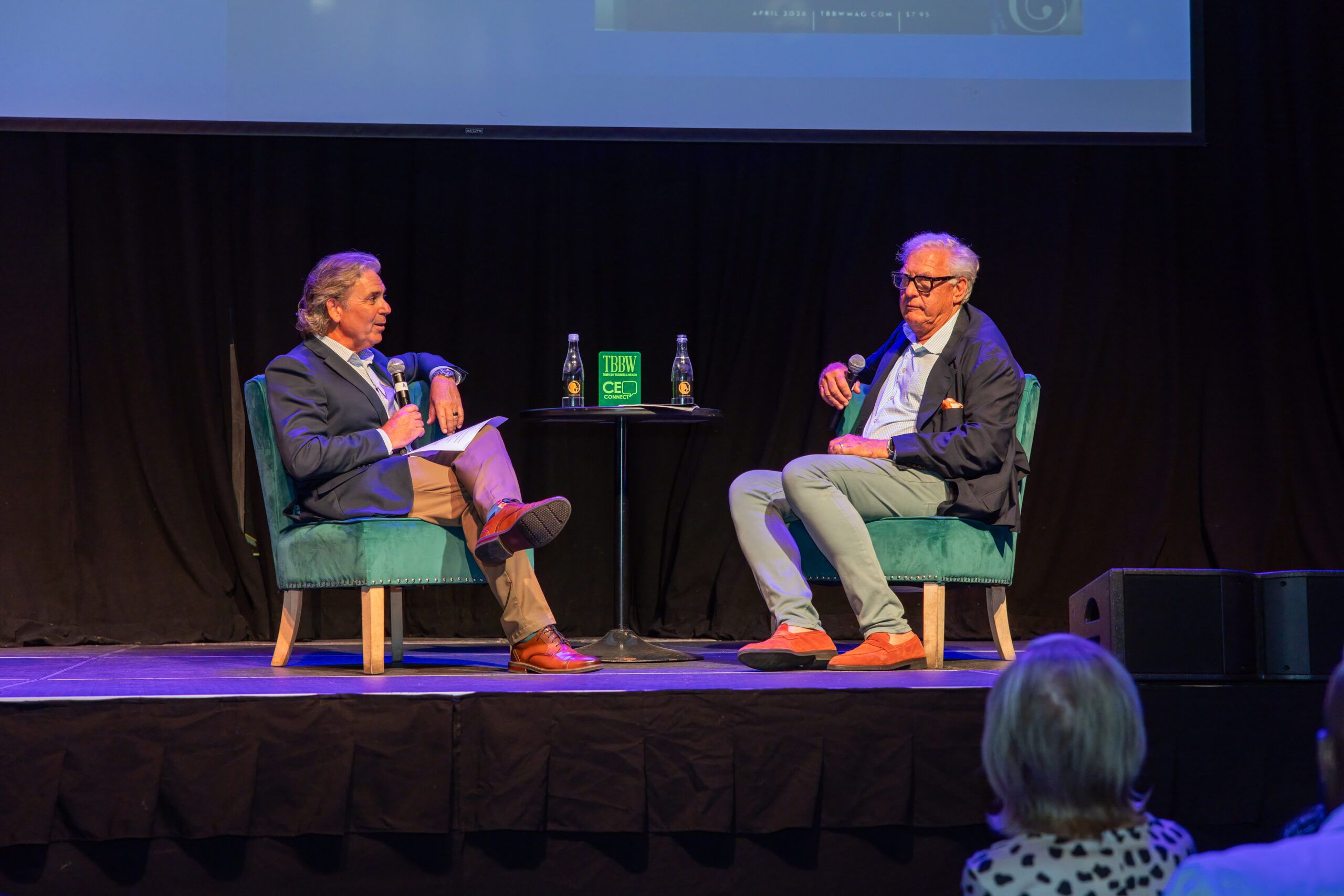
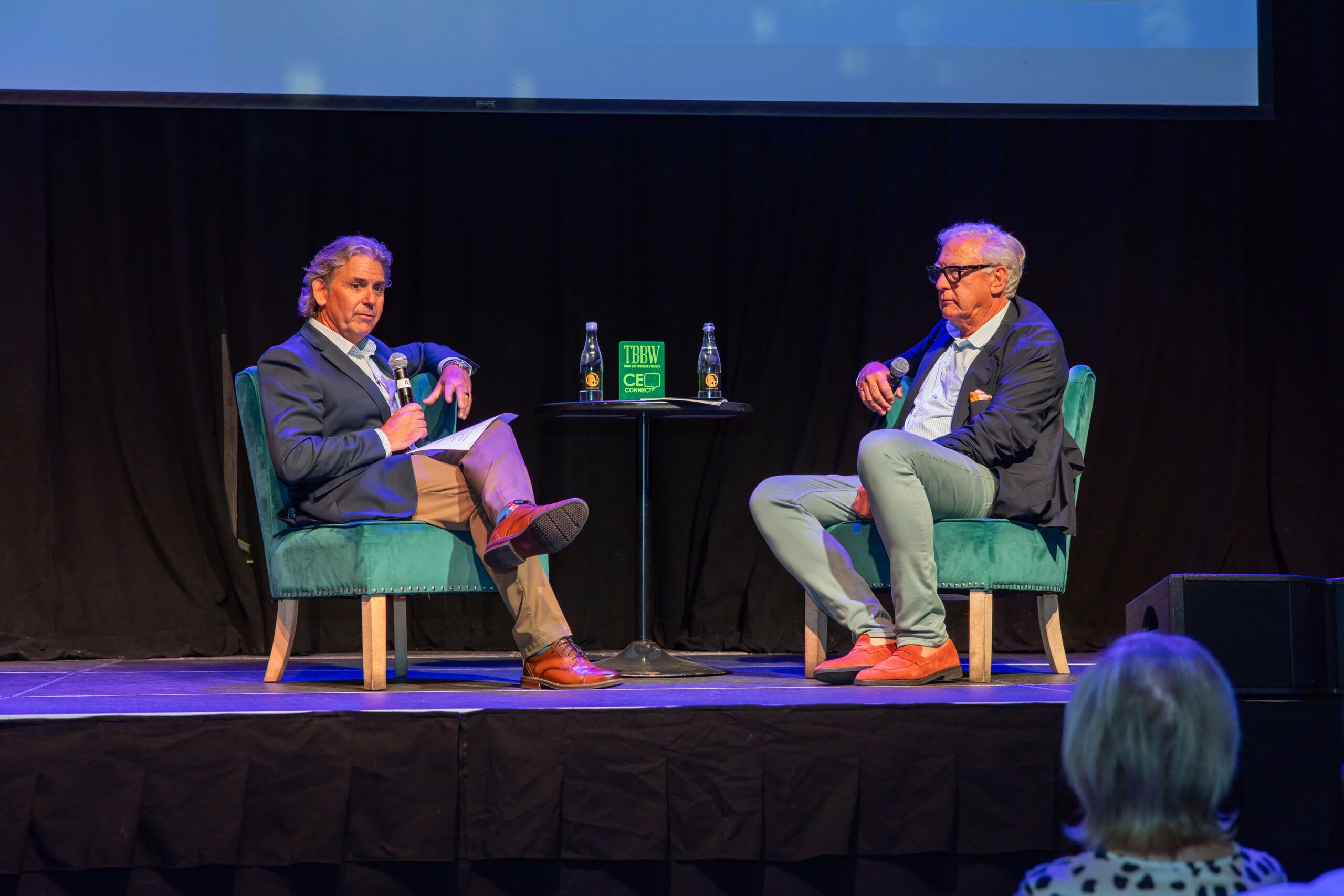
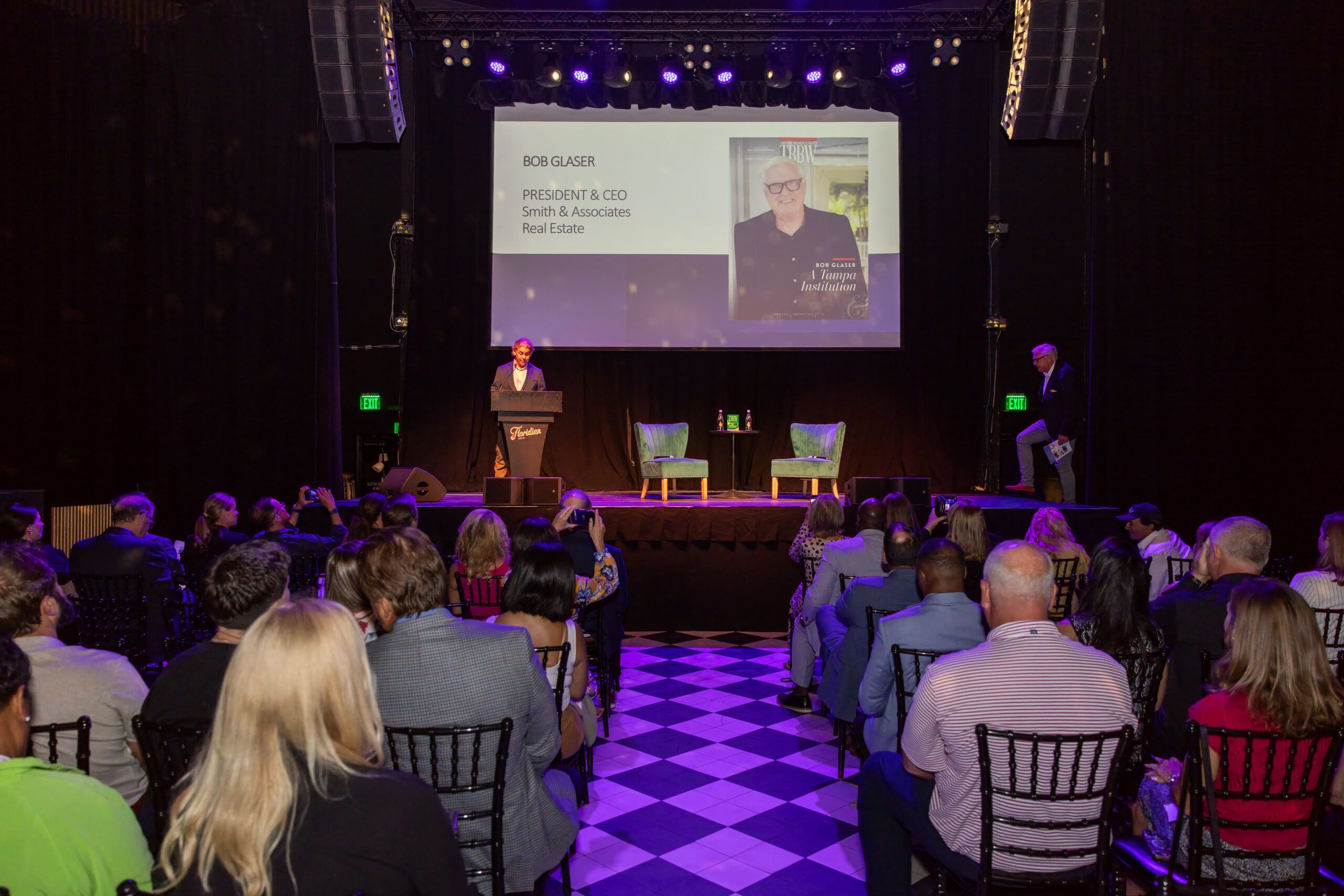
Photos from TBBW’s CEO Connect with Bob Glaser at Floridian Social in St. Petersburg.
Liz Folce
Nakery Beauty founder and CEO Liz Folce discusses building a $100 million beauty brand by listening to women over 50, television sales, product development and disciplined growth.
Presented by
Liz Folce on building a $100M beauty brand
Open a question to begin reading.
You’ve worked in the beauty industry most of your career. What did you see missing in the market?
Women over 50 were being ignored. They were being told certain products weren’t for them and that the industry was focused on a younger customer. At some point, it became clear that no one was really listening to women in that stage of life.
What pushed you to actually start the company?
I took the idea to larger companies and they laughed. They said it wasn’t a big enough demographic. After hearing that a few times, I realized the worst thing that could happen is I’d have to start over. So I quit my job, used my savings and built it myself.
You’ve said everything starts with the customer. What does that look like in practice?
I get on the phone and ask one question: what is one thing this brand must be? Then I listen. Women tell you exactly what they’re dealing with, whether it’s pain, skin changes or things the industry doesn’t talk about. I write everything down and build from there.
How central are those conversations to how you run the business today?
They guide everything. We built the brand with women across the country and even internationally. We asked them what they wanted, how products should perform and even what the brand should be called. That same process still drives product development.
Where did the name Nakery come from?
Women told me they didn’t like looking at themselves in the mirror as they got older. They would turn off the lights or avoid certain clothes. The idea was, what if we could help them feel confident again. The original idea was “naked,” but that name was taken, so we built Nakery from that concept.
Your first product addressed a problem most brands ignored. Why start there?
Because it was real. Women kept talking about it. If you solve a real problem and the product works, they come back. That’s how you build a business.
Nakery has grown across direct-to-consumer, Amazon and television. Why was TV so important early on?
It already had our customer. Women over 50 are watching and buying from TV. It also forces performance. You don’t get a second chance. The product has to work.
What kind of volume are you moving during those TV appearances?
In a 24-hour period, we’ll do between $2.2 million and $2.5 million in sales. We do that about nine times a year.
What’s the pressure like carrying a full day on HSN or QVC?
The “Today’s Special” carries the network for the day. It’s not just about my numbers. There’s pressure to help the network hit its goals, but I try not to think about it that way or it would affect how I perform.
You’ve invested heavily in clinical testing and FDA-reviewed products. Why take that route?
Because customers asked for it. They want proof. That process takes time and money, but it builds trust. When something works and improves someone’s life, that’s what matters.
How do you think about social media in the business today?
You should think of it as its own retailer, especially TikTok. It’s not just marketing. It’s where you learn from your customer in real time and sell directly to them.
How do you handle skepticism or competitors trying to replicate what you’ve built?
Early on, people told me not to start the company and said I wouldn’t succeed. You have to block that out. Now I see some of those same people at trade shows, and it’s a very different conversation.
How do you and your husband divide responsibilities in the business?
I focus on product development, focus groups and brand. He handles finance and operations. The business wouldn’t be where it is without that split.
How do you decide where to distribute the brand?
You have to stay true to your customer. Our customer shops at Ulta. That’s where we focus. Even if other retailers are interested, you have to know who you’re building for.
What challenges come with expanding internationally?
You have to adjust. In Europe, for example, we couldn’t even call one product a pain cream, so we had to change packaging and positioning. But demand is strong because customers see the brand on social media.
How do you think about growth from here?
We stay disciplined. Every product has to earn its place. We’re a small team, so we focus on what works and what customers actually use every day.
What have you learned about the customer most brands overlook?
She has money and she has real needs. She’s been ignored for a long time. If you listen and deliver, she’s very loyal.
What advice would you give someone starting a business today?
Don’t let anyone tell you you can’t do it. You’ll hear that a lot. If you believe in it, you can build it.
Liz Folce CEO Connect
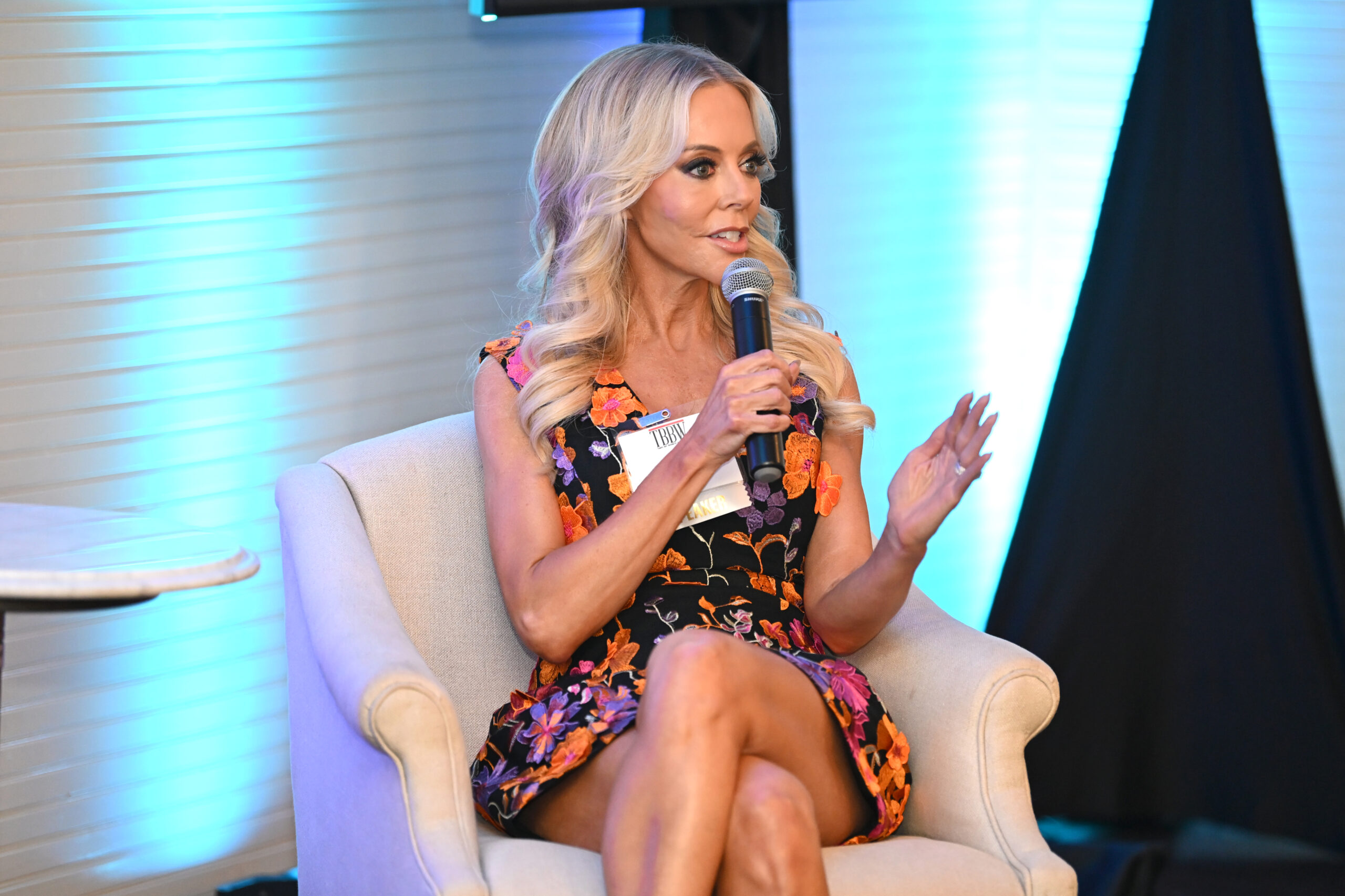
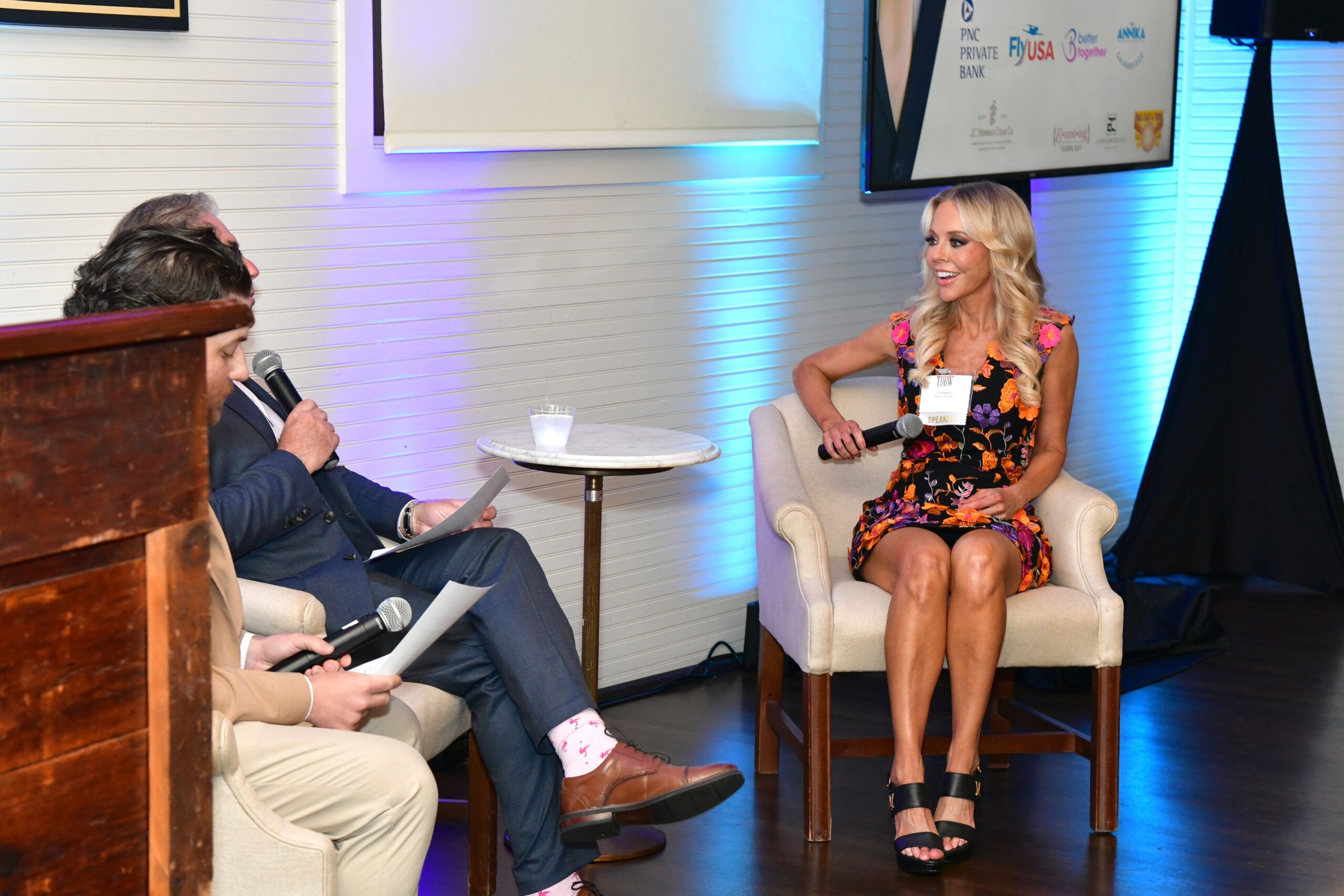
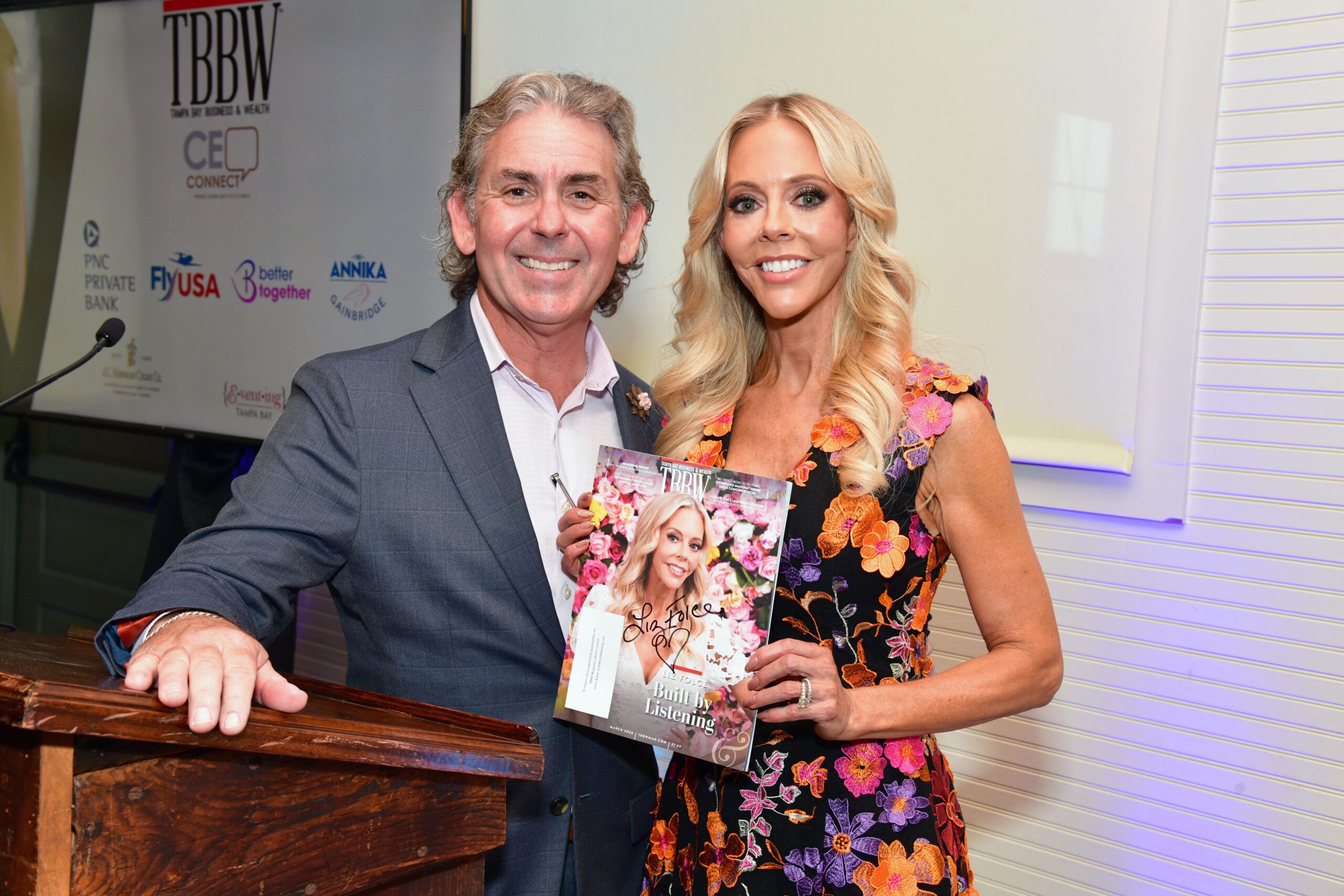
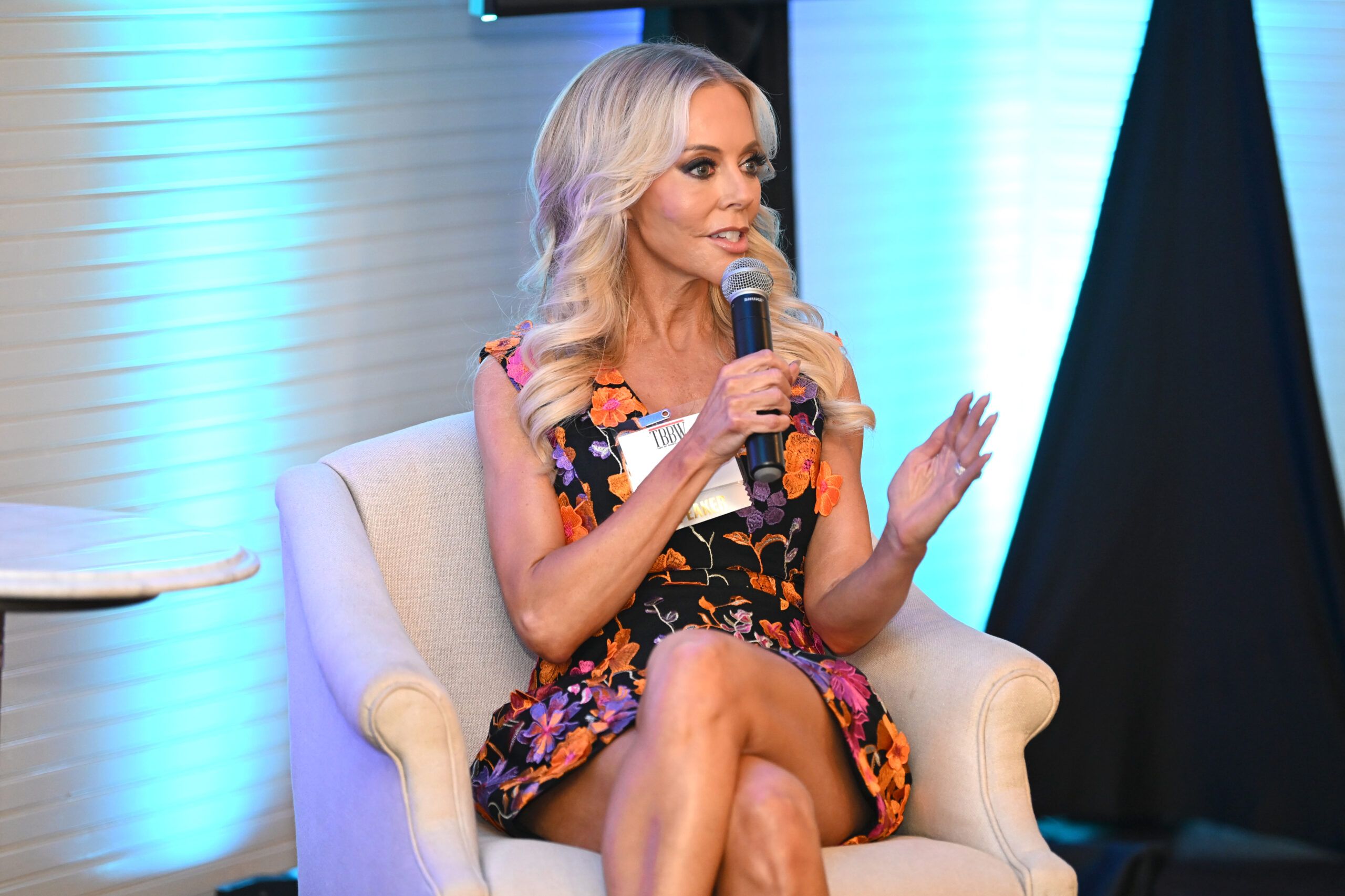
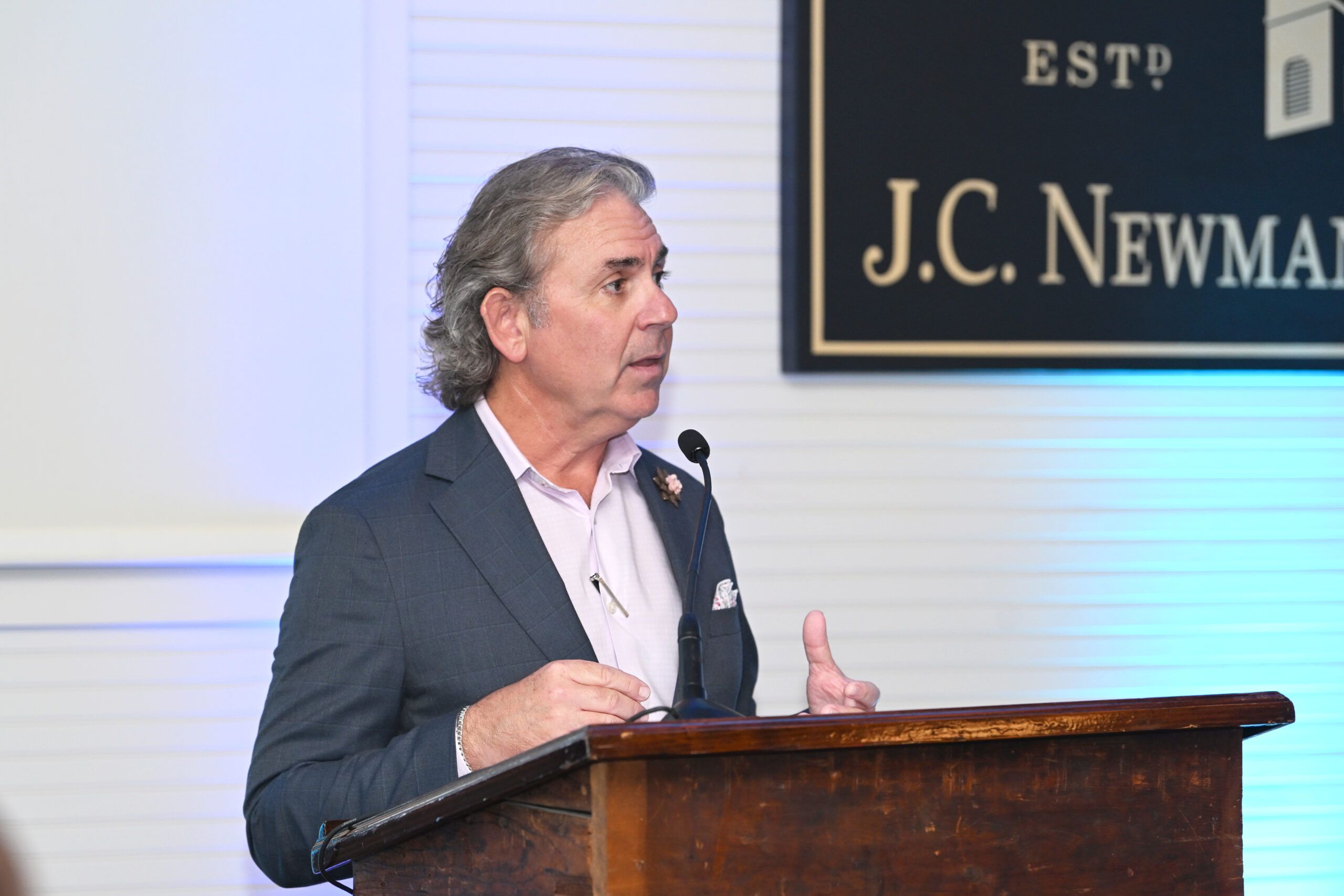
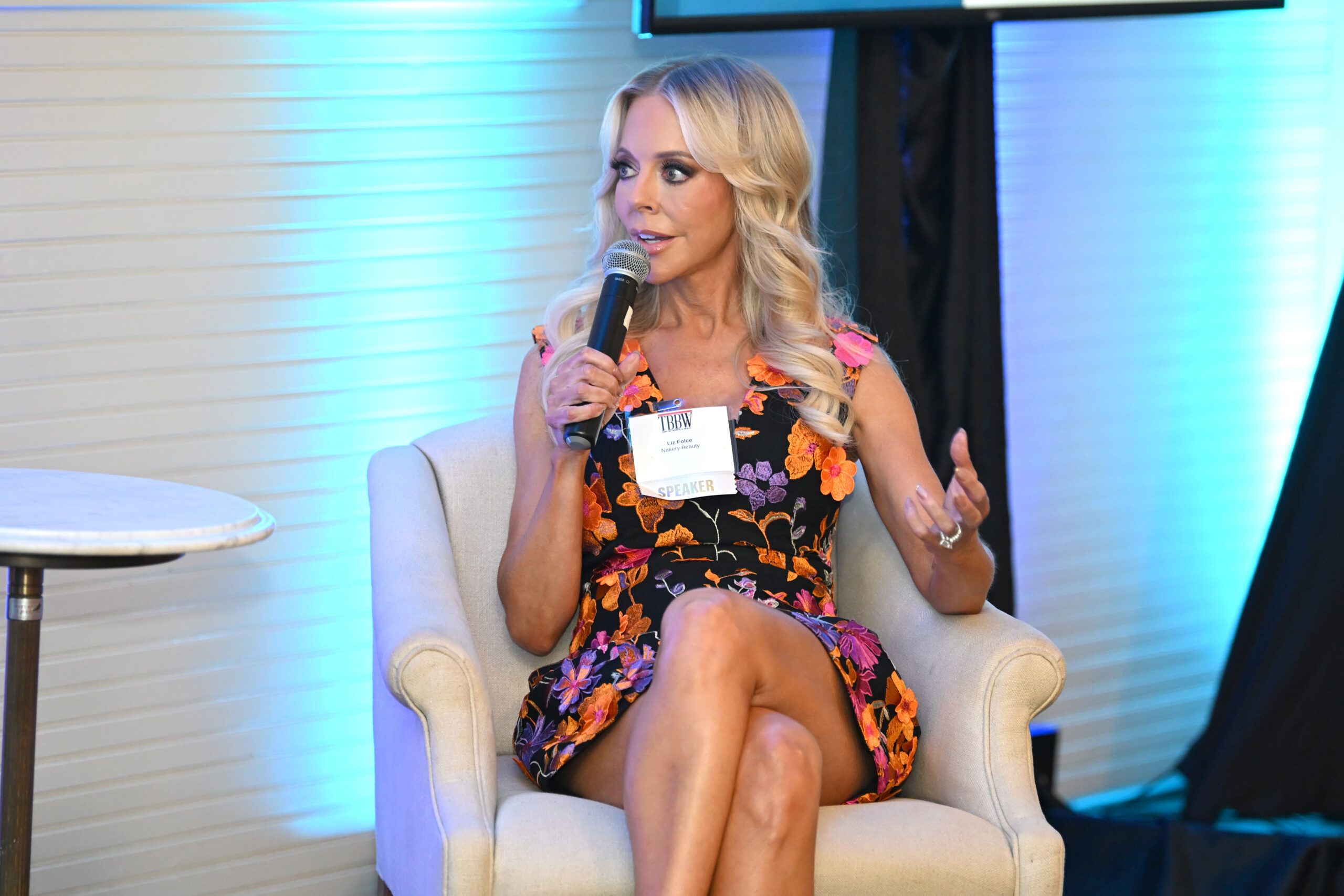
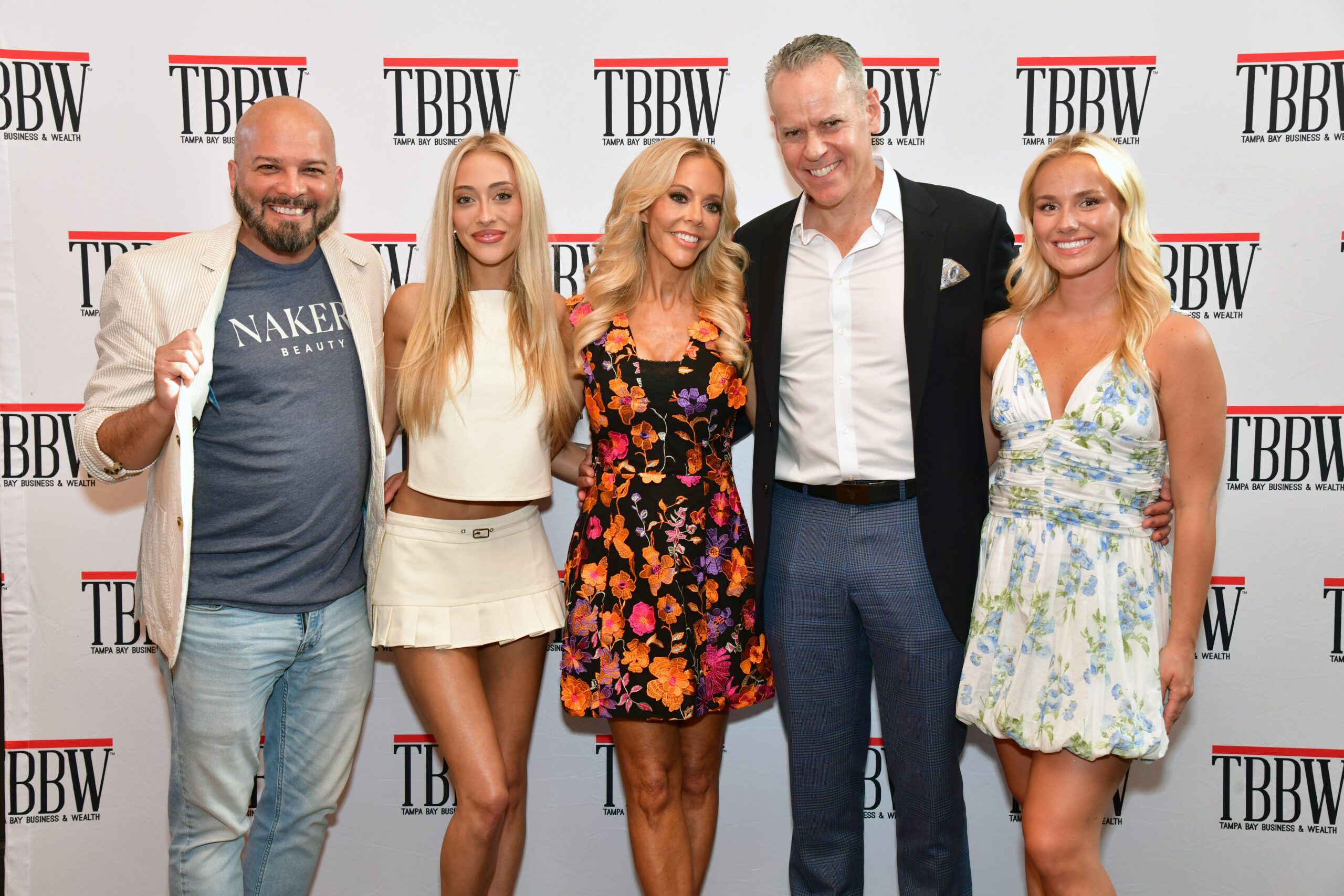
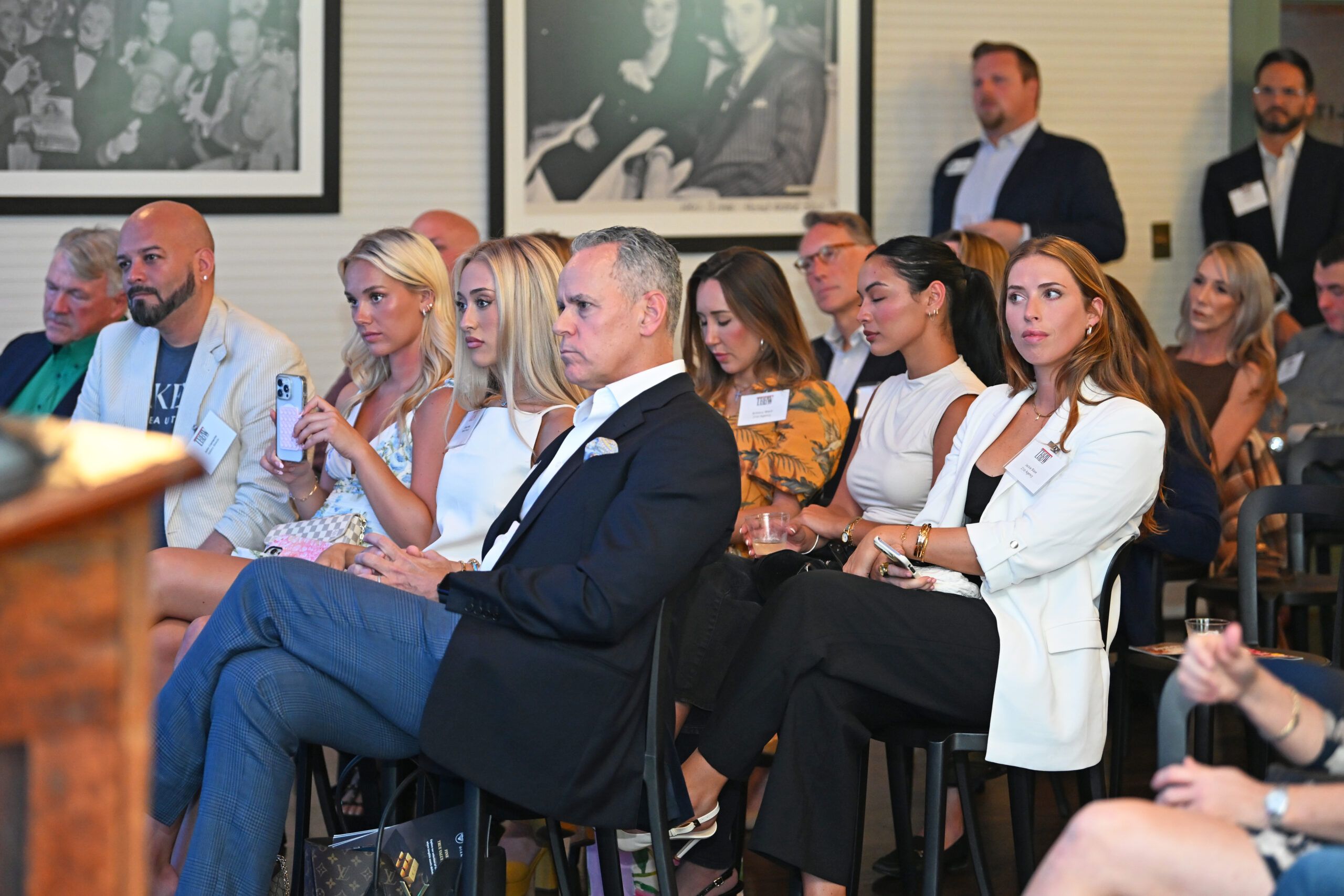
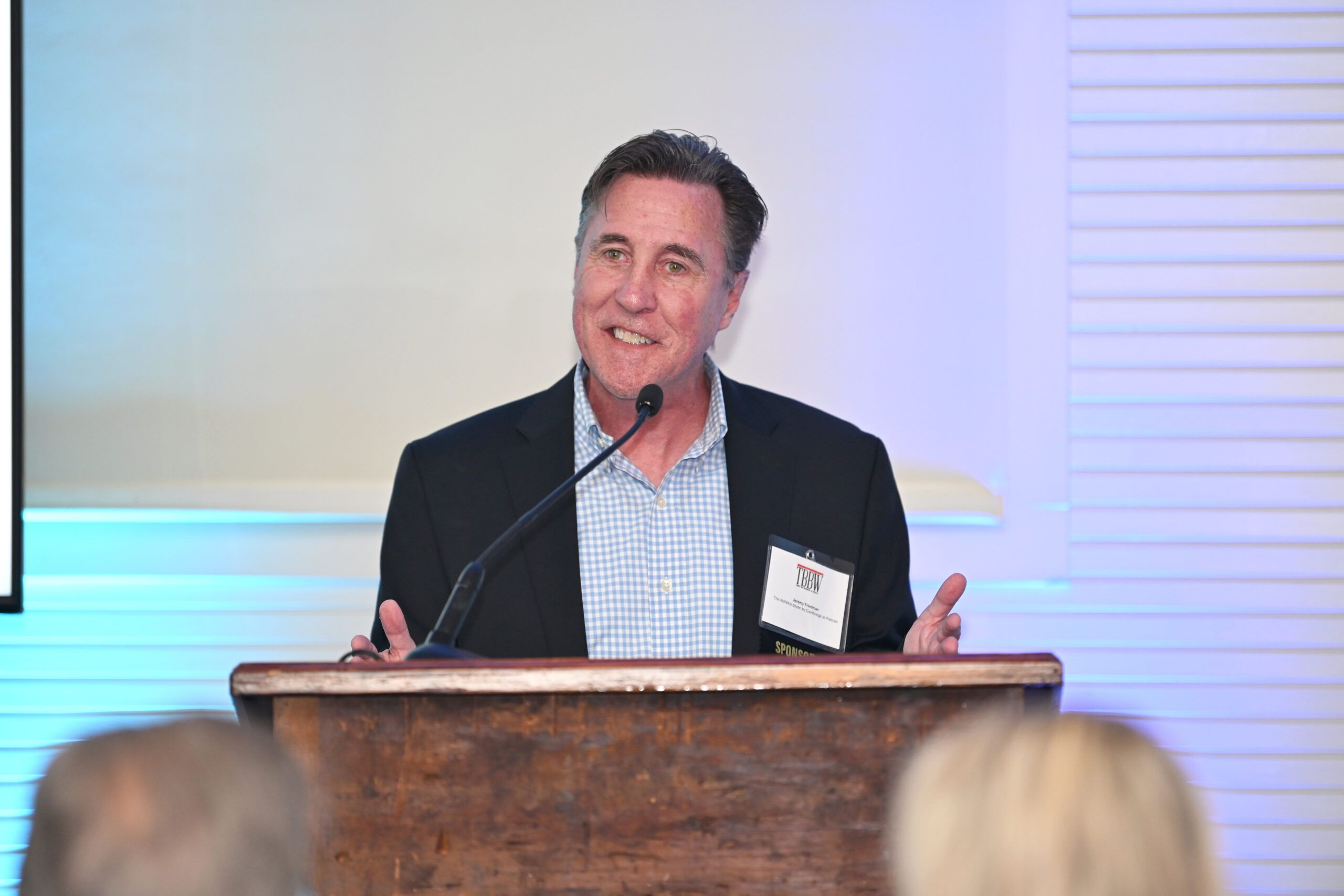
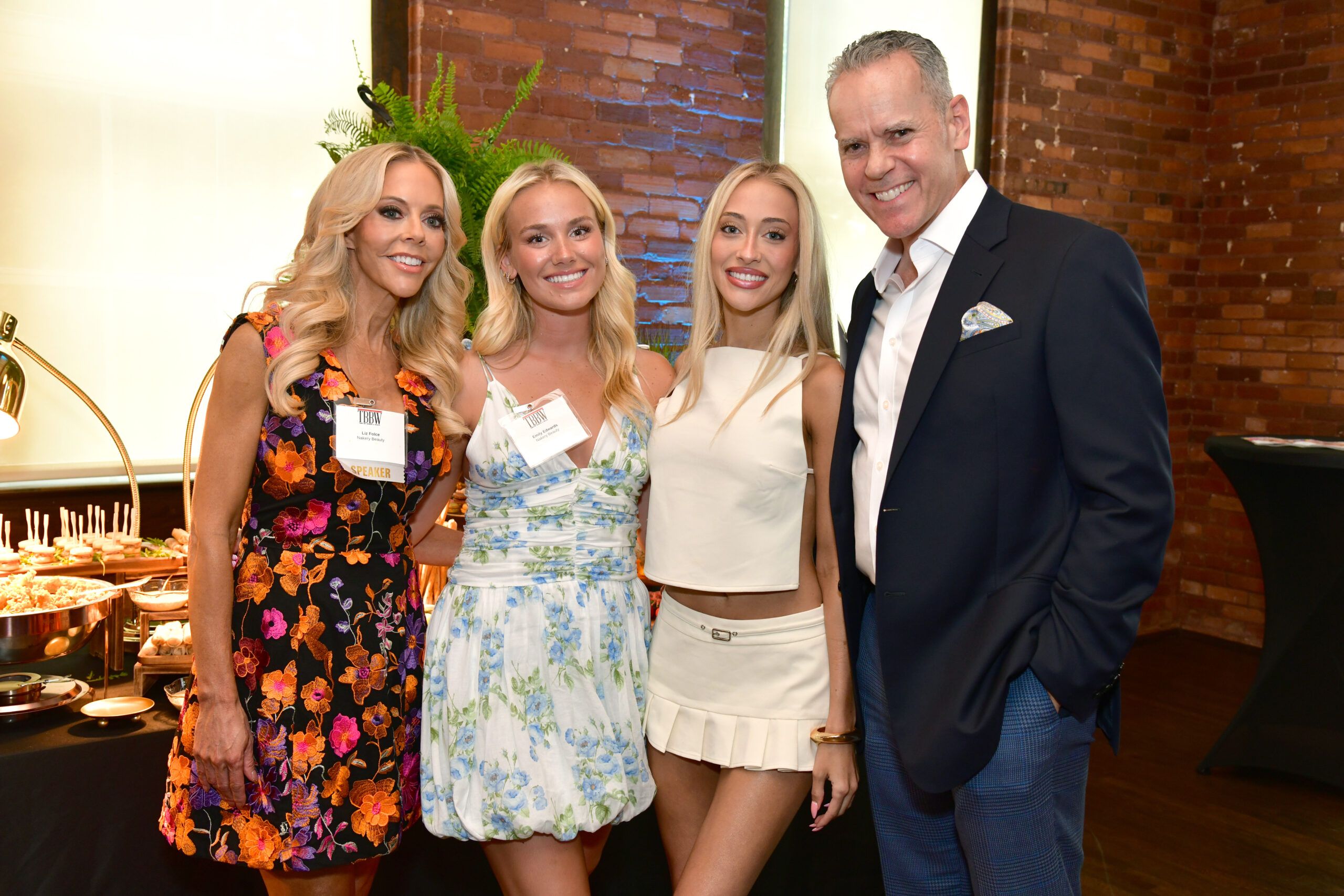
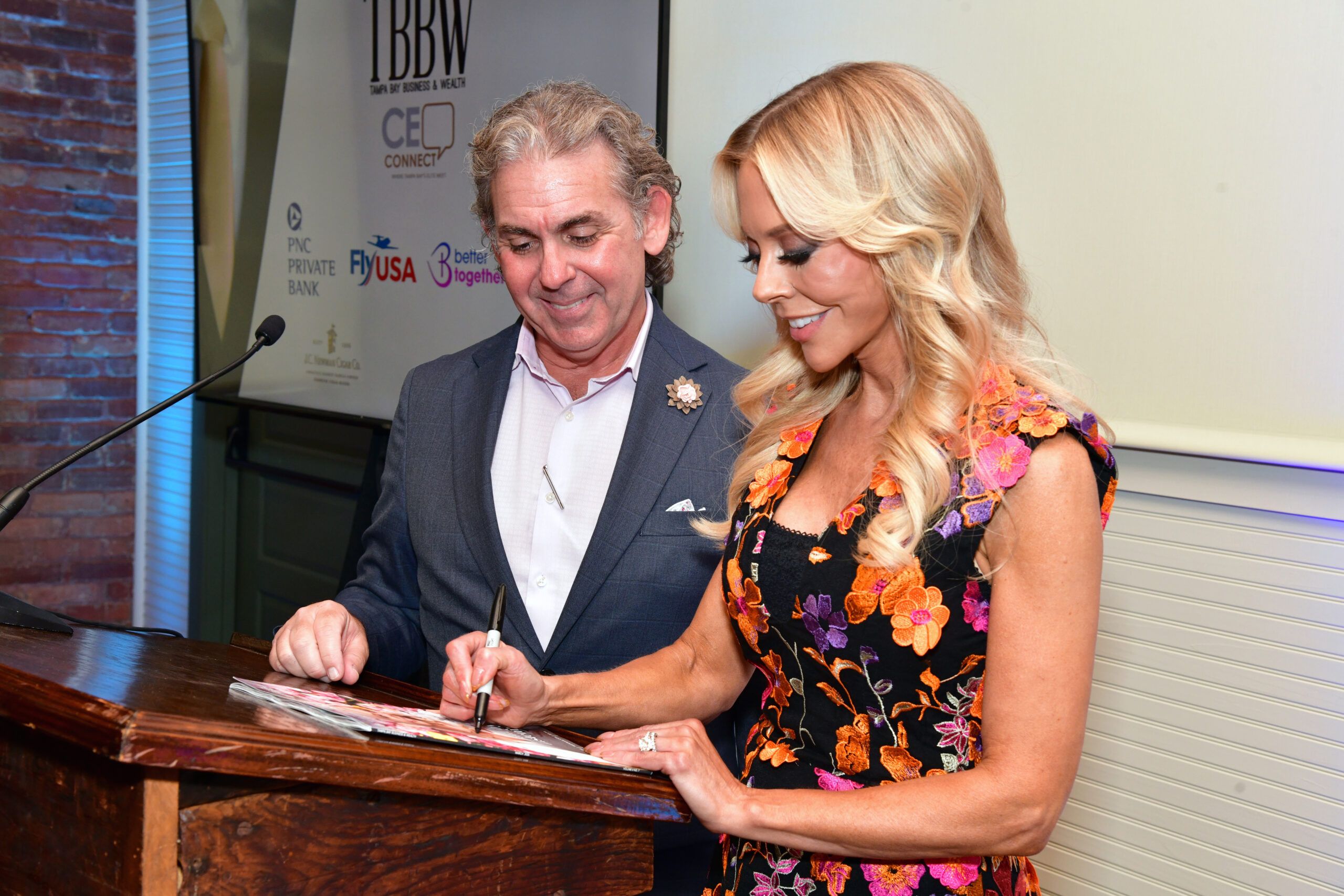
Photos from TBBW’s CEO Connect with Liz Folce at J.C. Newman Cigar Co. in Ybor City.
Dave & Susan Ward
Buddy Brew Coffee founders Dave and Susan Ward discuss the company’s Sprouts expansion, disciplined growth, specialty coffee, hospitality and the strategy behind saying yes.
Buddy Brew founders outline Sprouts expansion and growth strategy
Open a question to begin reading.
Let’s start with the news. What is Buddy Brew’s next phase of growth?
Dave Ward: We’re launching a partnership with Sprouts. It’s about two years in the making. The initial rollout is 10 stores across Pinellas, Pasco, Hillsborough and Sarasota counties, with all expected to open by late June or early July.
We went through a competitive process and were selected as their partner. This is just the beginning. They have dozens of stores across Florida and Georgia, so there’s a path to scale beyond the first 10.
Why Sprouts? What made that partnership work?
Dave Ward: They tested this model in Arizona and California, and it performed well. Florida is their fastest-growing state, so they expanded here.
Once we got to know their leadership and how they operate, it was a strong cultural fit. From the store level to the executive team, it aligned with how we think about the business.
How will those cafes operate compared to your existing locations?
Dave Ward: They’ll be owned and operated by Buddy Brew. The drink program will be identical to what we do today. The spaces are smaller, so the food offering will be slightly reduced, but still strong.
Susan Ward: We worked closely with their architects and design teams to make sure it looks and feels like a Buddy Brew. Even inside a grocery store, we wanted it to feel consistent with our brand.
You’ve talked about “brew good, do good.” What does that mean in practice?
Dave Ward: It starts with quality. Specialty coffee is the top 5% of coffee in the world. We source from an even smaller group, roughly the top 2%.
Coffee is graded on a 100-point scale, and anything above 80 qualifies as specialty. We typically buy coffee that scores 85 or higher. That’s how we compete.
Susan Ward: “Brew good” is what we do. “Do good” is why we do it.
Globally, we build relationships with farmers and pay for quality so they can earn a living. Coffee is grown in some of the most economically challenged regions in the world.
Locally, it shows up in our cafes. Those spaces are about hospitality and connection.
“It’s about a cup of coffee, but it’s about so much more than a cup of coffee,” she said. “It’s about sharing joy, inspiring hope. It’s how we interact with our customers and see people as people.”
You built the company early on by saying yes to everything. How did that shape the business?
Dave Ward: We said yes to every opportunity, even when we had no idea how we were going to do it.
That served us well early and forced us to figure things out fast. Over time, we’ve had to become more strategic about what we say yes to.
Susan Ward: Early on, that mindset helped us grow. Now we evaluate opportunities more carefully, but that willingness to step into the unknown is still part of who we are.
One of those early “yes” moments was the Republican National Convention. What did that teach you?
Dave Ward: We had never done a pop-up before. Then we’re running one for Google’s World Media Center and another for MSNBC’s “Morning Joe.”
We went from one espresso machine to three overnight. We doubled staff and had to figure out logistics like milk delivery, equipment and security access on the fly.
We served more than 5,000 people in three and a half days at the Google site alone.
Susan Ward: We didn’t know how we were going to do it, but we made it work. That experience reinforced the idea that saying yes, even before you have the answer, can move you forward.
Another turning point was Oxford Exchange. What changed there?
Dave Ward: At first, I thought it was a wholesale relationship. Then Blake and Allison Casper brought us into the space and said, “We’re not asking for your coffee. We’re asking for you.”
That changed everything. We had about 10 employees at the time. Suddenly we’re operating inside a high-volume restaurant.
Susan Ward: The challenge was operational. We were making specialty drinks, but they had to move through a full-service restaurant. Timing, communication and coordination became critical.
Dave Ward: We created “Operation Love.” We paired our team with theirs so they could learn each other’s roles.
“Our team was now working with 100 friends rather than people just screaming at them to get drinks out,” he said.
You often say your strategy is simple. What do you mean by that?
Dave Ward: Love is our strategy.
Love the product. Respect the work that goes into it from the farm to the cup. Then make a drink that’s worthy of that effort.
Love the people. Love our vendors. Love our customers. Love each other.
How do you decide what to say yes to now?
Dave Ward: We’re more disciplined. Early on, saying yes helped us grow. Now we look at whether an opportunity fits our brand, our team and our long-term strategy.
We still move fast, but we’re more intentional about it.
Looking back, what defines Buddy Brew today?
Susan Ward: It’s still about quality and people. That hasn’t changed.
We started with a passion for coffee, but we built a business around relationships. That includes farmers, our team and our customers.
Dave Ward: The difference now is structure. We’re more disciplined in how we grow. But the core idea is the same.
Say yes when it matters. Do the work. Take care of people.
Dave & Susan Ward CEO Connect
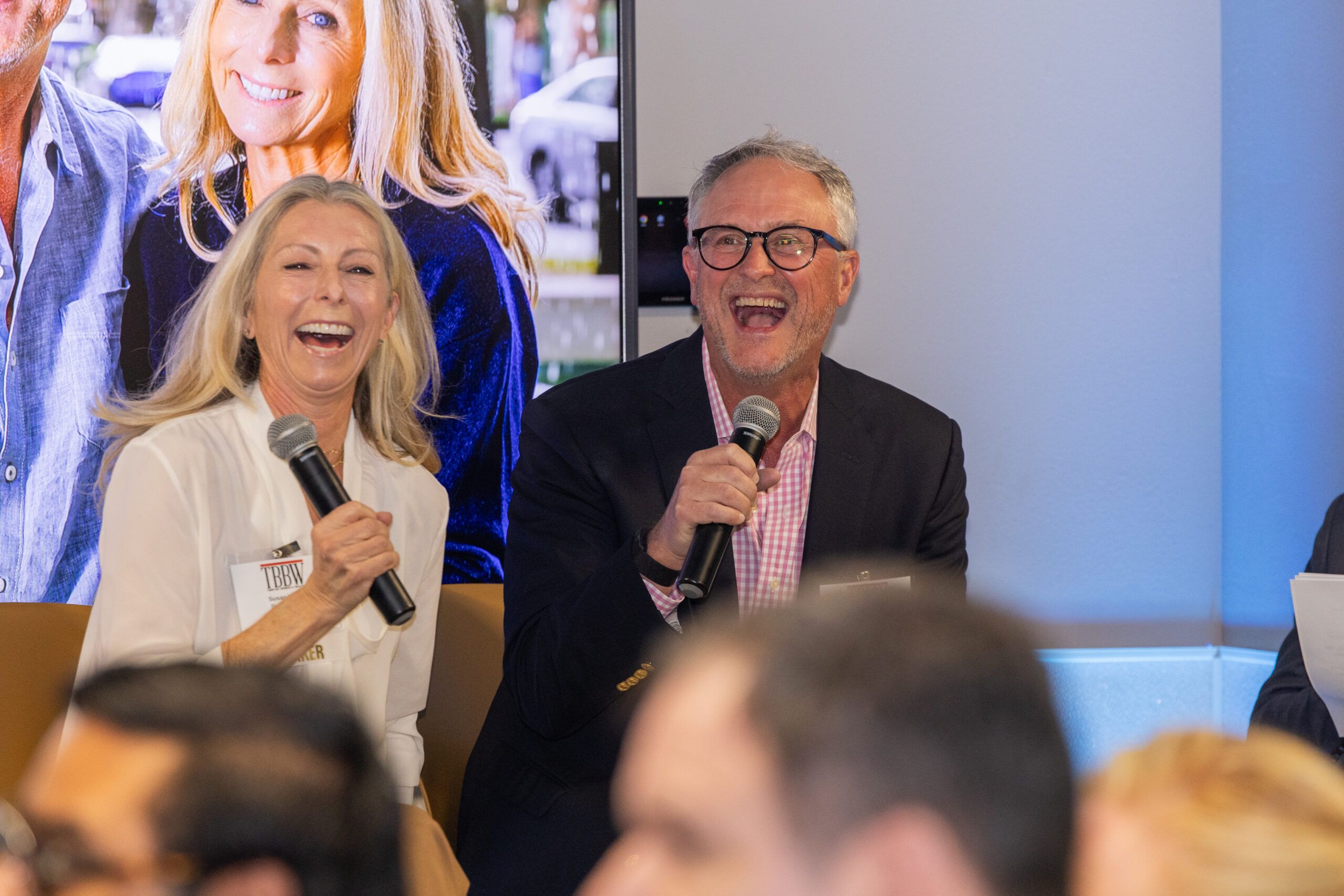
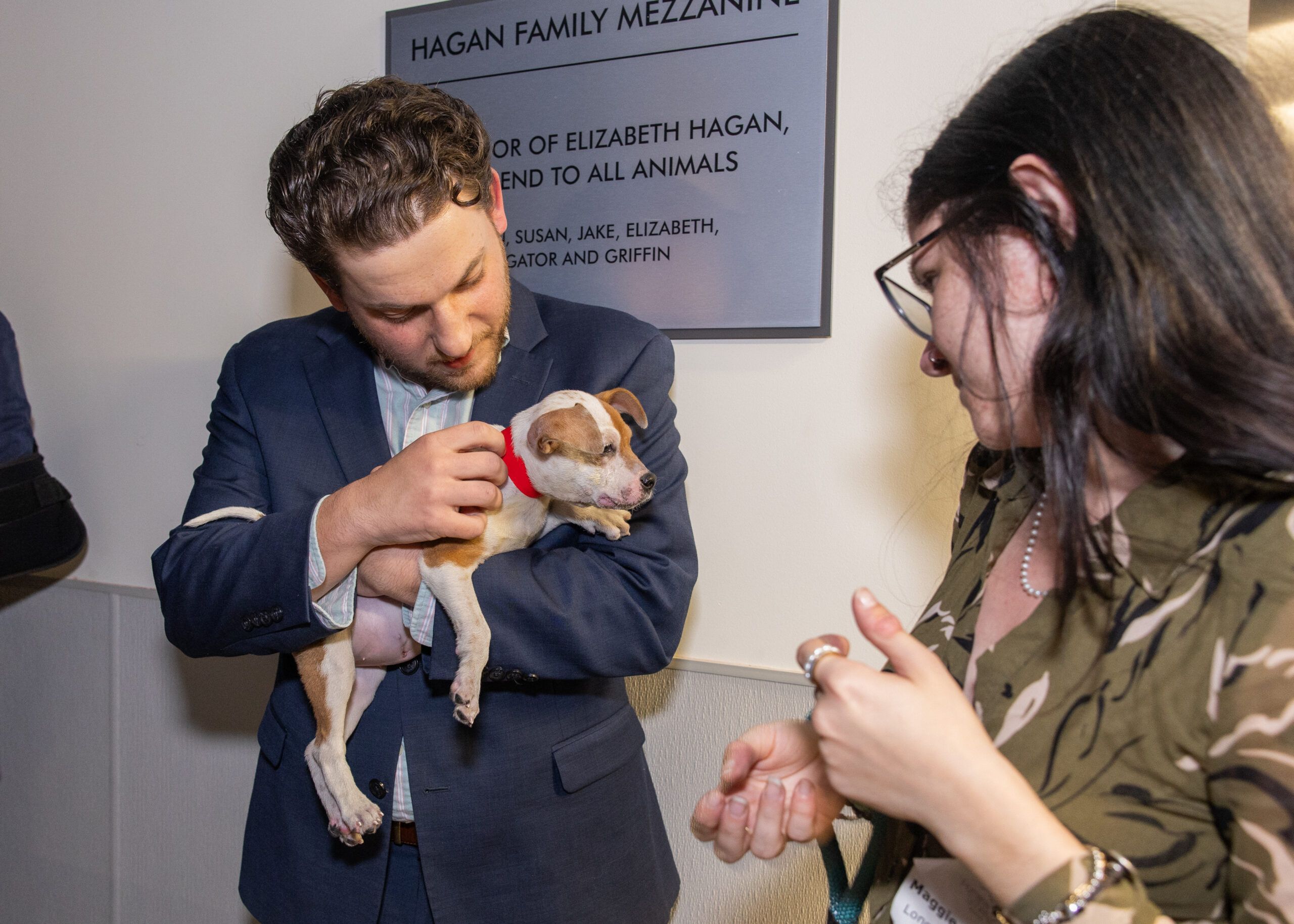
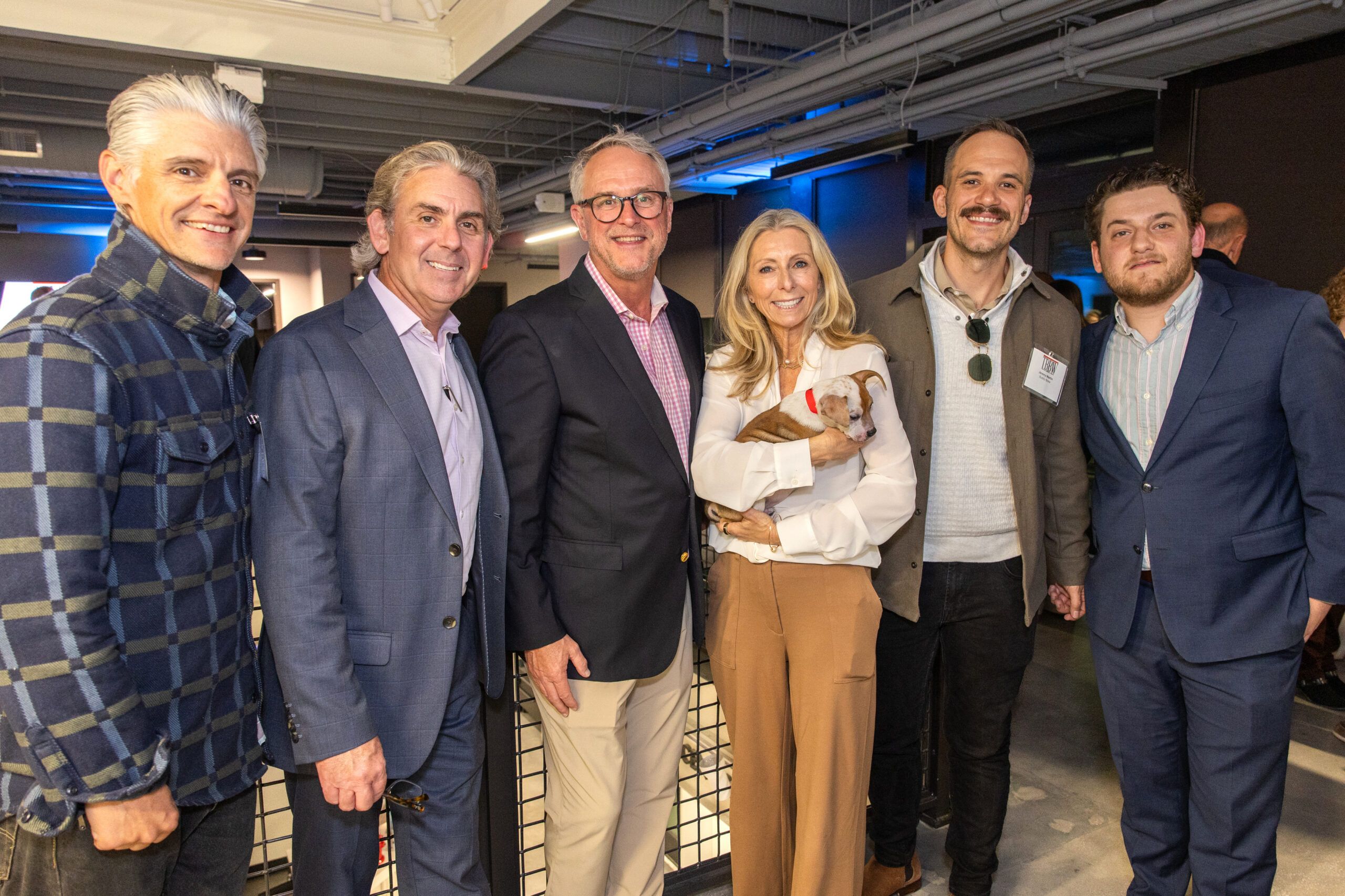
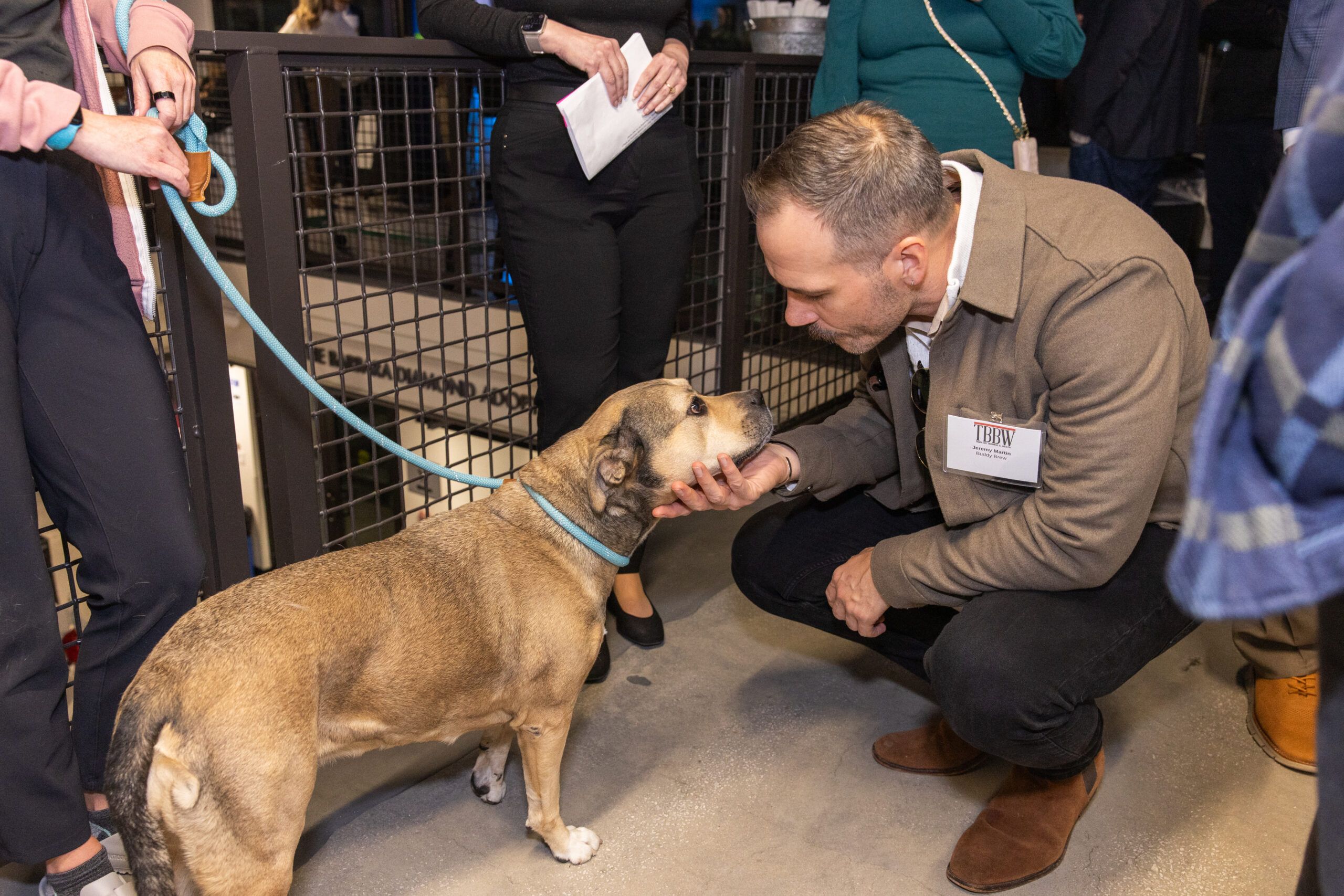
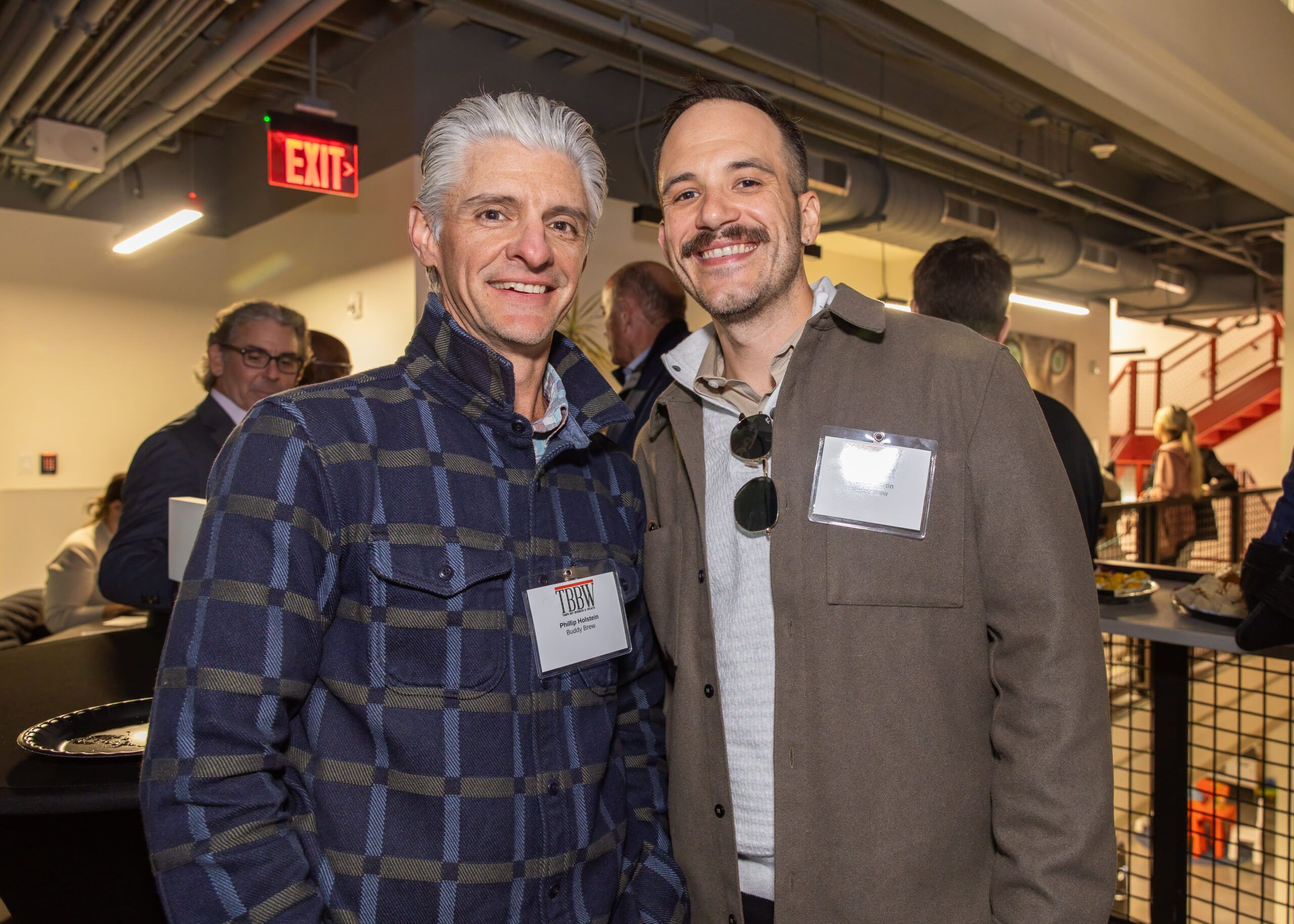
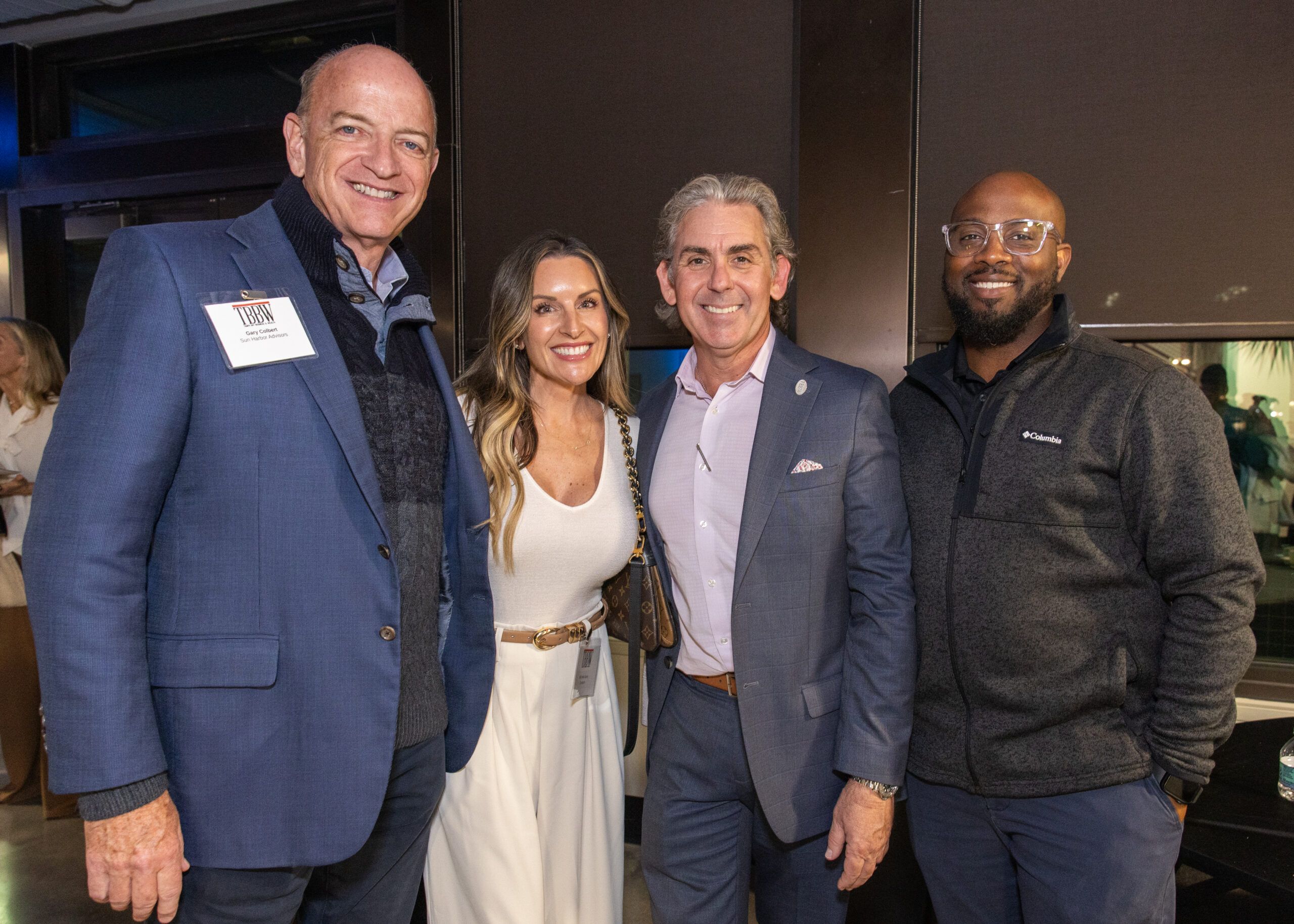
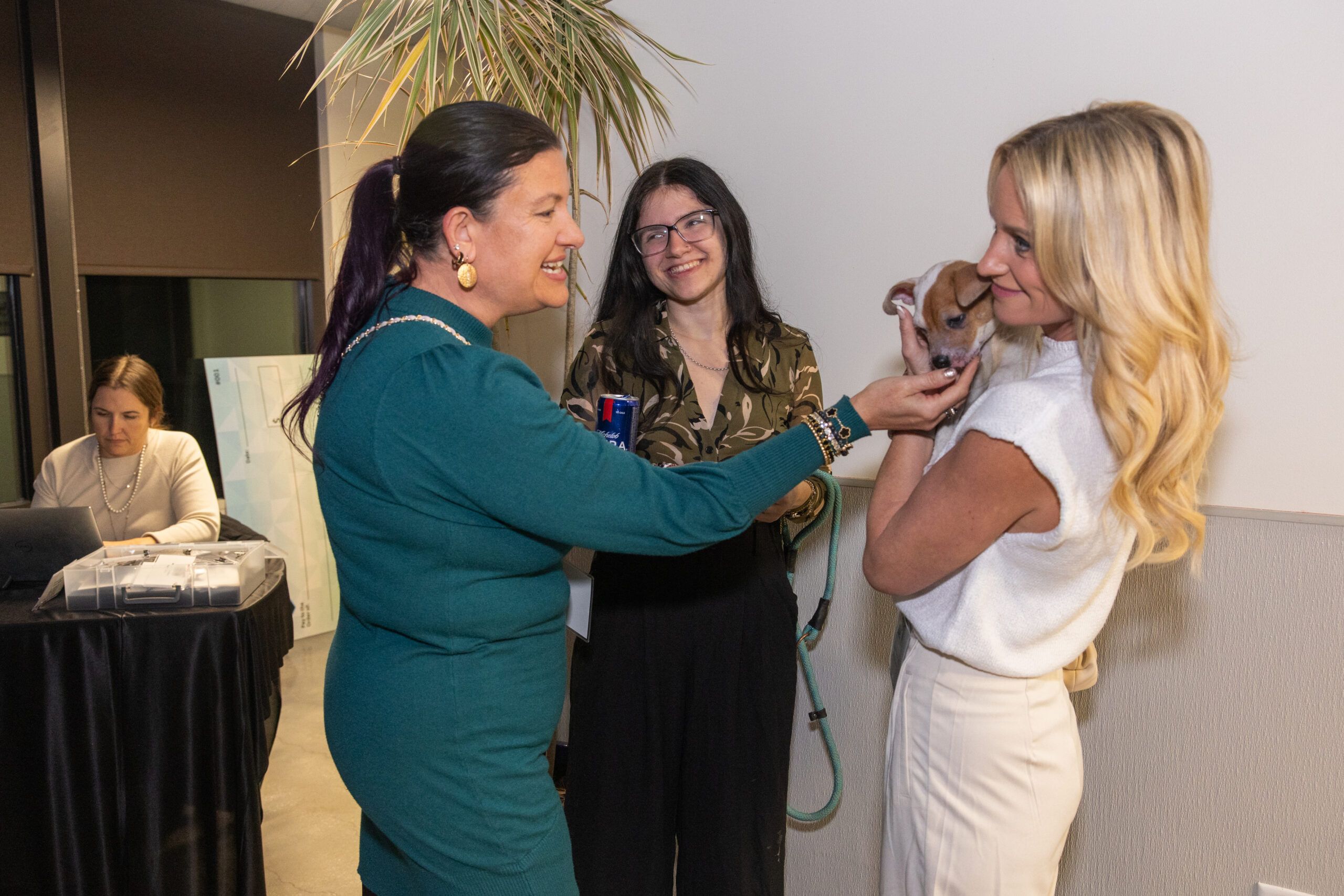
Photos from TBBW’s CEO Connect with Buddy Brew founders Dave and Susan Ward.
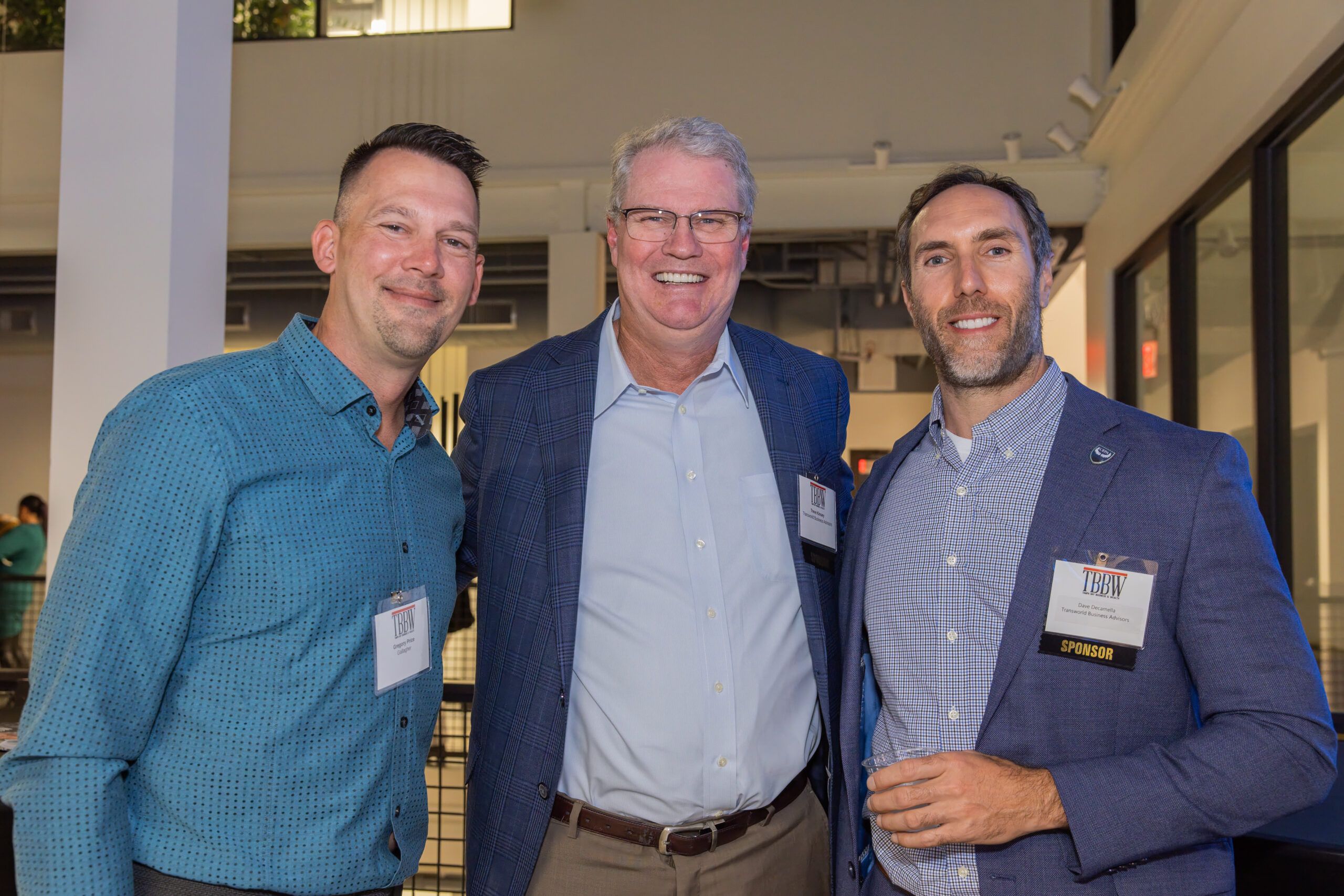
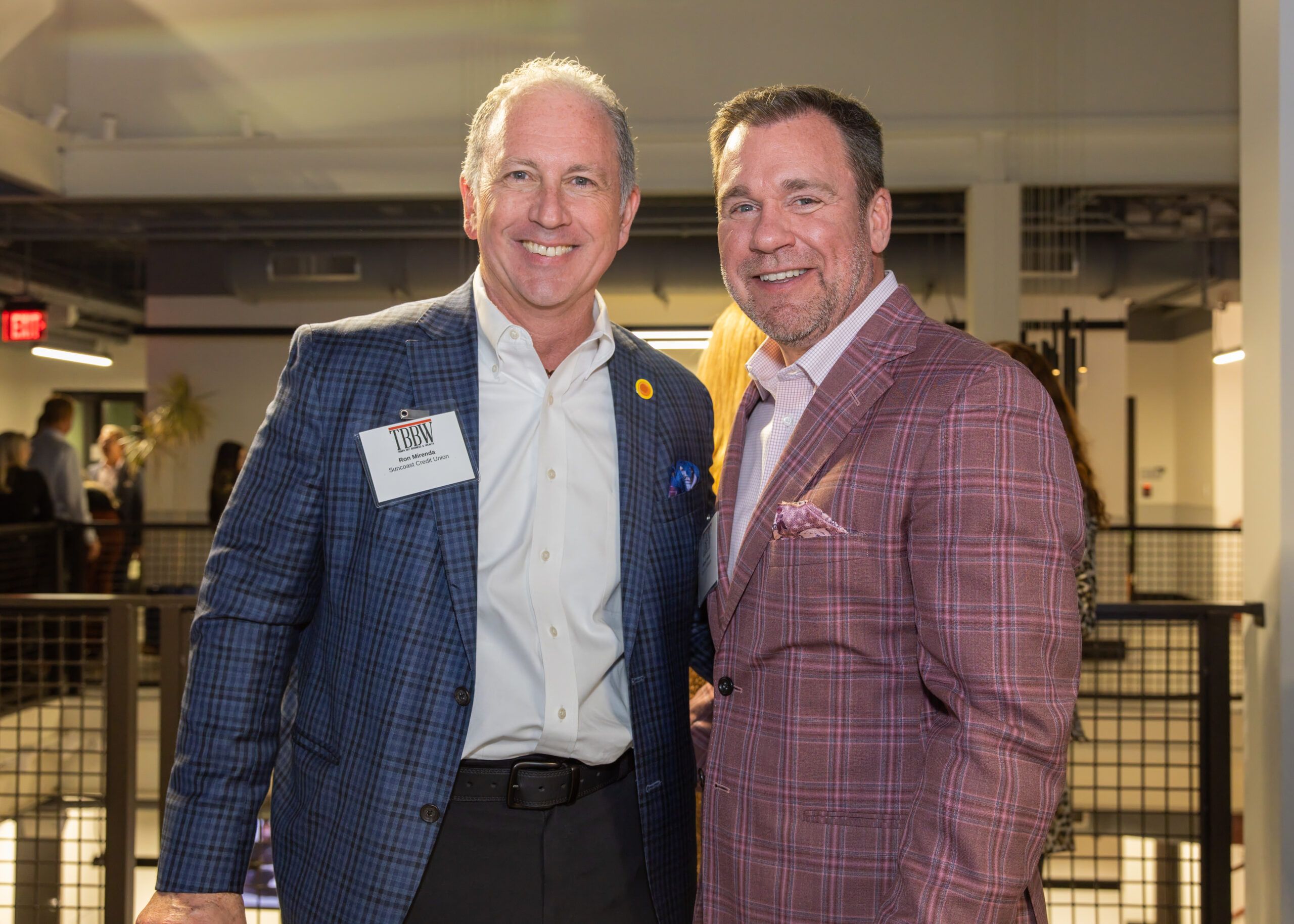
About CEO Connect
Learn more about TBBW Magazine’s executive conversation series.
CEO Connect brings Tampa Bay business and civic leaders into direct conversation about the decisions, pressures and opportunities shaping their organizations and the region.
What is CEO Connect?
CEO Connect is a TBBW Magazine conversation series built around candid discussions with business, institutional and civic leaders. Each edition focuses on the executive’s work, leadership decisions and the issues affecting the organization and Tampa Bay.
What happens at a CEO Connect event?
The program centers on a moderated conversation with the featured leader. The discussion is designed to move beyond a standard biography and into the decisions, challenges, priorities and experiences shaping the executive’s work.
Who is featured in CEO Connect?
CEO Connect features leaders whose organizations, investments and decisions have a meaningful connection to Tampa Bay’s business community. Guests can come from private companies, public institutions, universities, health care, sports and other major sectors.
How can I read a CEO Connect conversation?
Select a featured leader, such as Kal Gullapalli, Rob Higgins, Bob Glaser, Liz Folce or Dave and Susan Ward, from the tabs on this page. Inside each leader’s section, the CEO Connect Q&A opens in place so you can move through the conversation without leaving the landing page.
Where can I see photos from CEO Connect?
Select a featured leader and then choose the Gallery tab inside that leader’s section. Photos open in the built-in viewer, with previous and next controls, without sending you to another page.
Who presents CEO Connect?
CEO Connect is produced by TBBW Magazine with support from presenting and host sponsors identified with each program.
How are CEO Connect conversations published?
TBBW Magazine publishes the conversation in a question-and-answer format so readers can move directly through the topics discussed with the featured leader. Event photography is published alongside the conversation in the gallery.