Commercial Districts in Tampa Bay
Ybor City & Gasworx
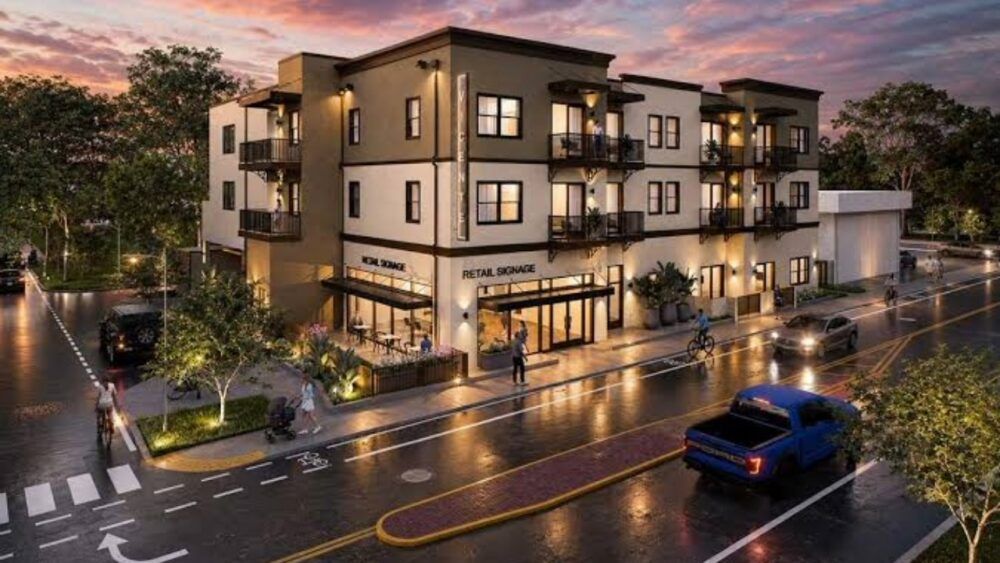
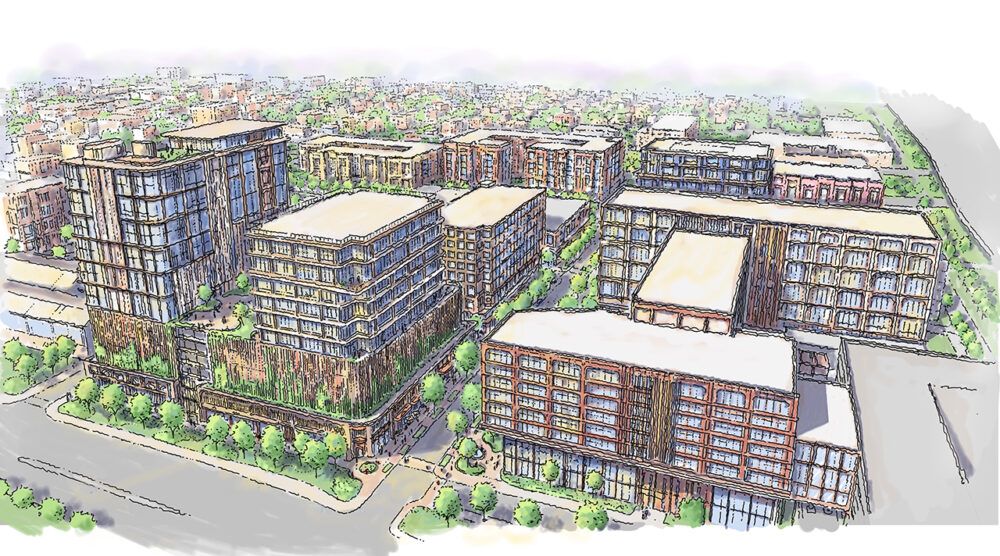
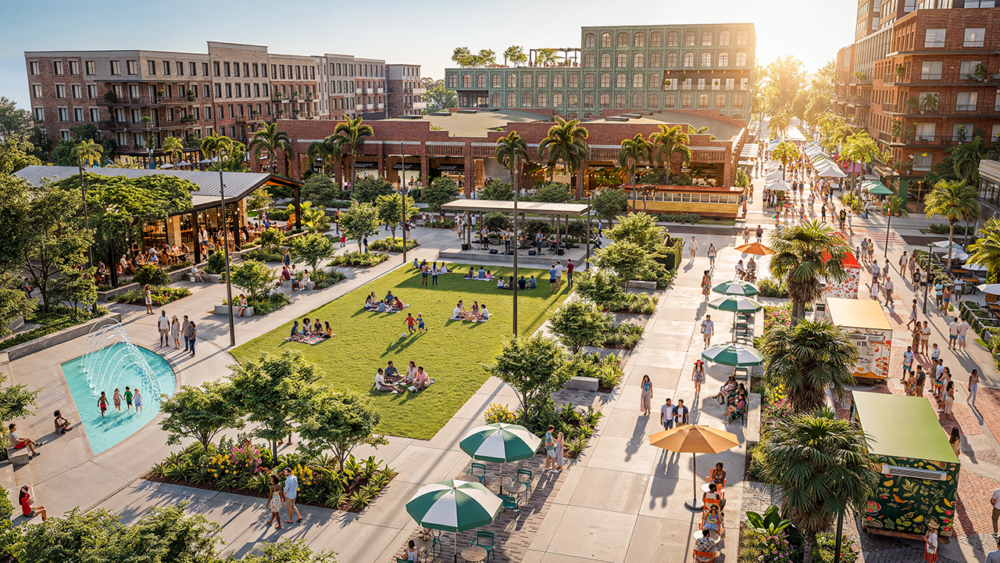
Ybor City’s historic commercial core is now growing into Gasworx, where new housing, offices, restaurants and development are extending investment beyond the district’s traditional storefronts and nightlife. Each opening, lease and project changes the relationship between old Ybor and the new neighborhood rising beside it. Following those moves shows how growth is reshaping who works, lives and does business in one of Tampa’s most recognizable commercial districts.
Downtown St. Petersburg
Downtown St. Petersburg combines a growing residential population with restaurants, retail, offices, hotels, arts and entertainment, putting development and consumer activity on the same streets. New projects bring more people and spending downtown, but they also change rents, land values and the competition for commercial space. Following those moves shows how growth is changing the businesses that can open, expand and remain in the city’s urban core.

Westshore & International Plaza
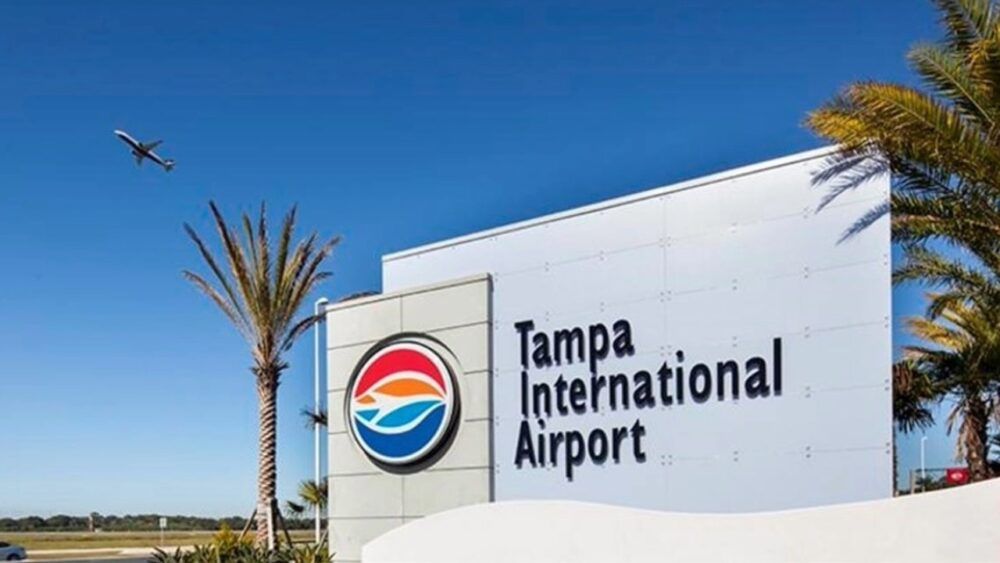
Westshore concentrates major employers, hotels, restaurants and shopping around Tampa International Airport, with International Plaza serving as one of the region’s strongest retail anchors. Office moves, store openings and redevelopment increasingly overlap as the district adds housing and mixed-use projects. Following those decisions shows how Tampa Bay’s largest business center is changing as companies, consumers and developers compete for the same ground.

Water Street & Channel District
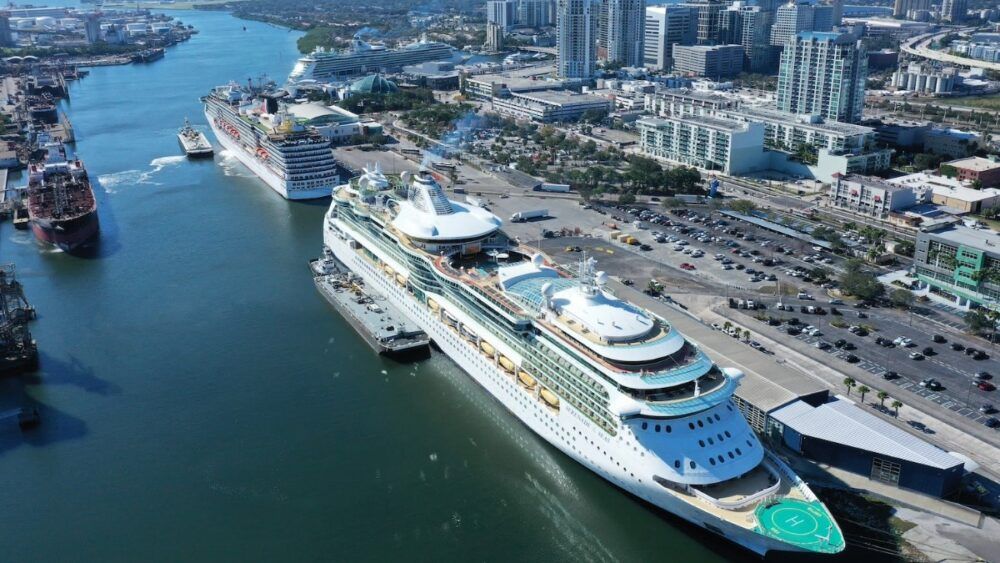
Water Street and the Channel District have turned the eastern edge of downtown Tampa into one of the region’s largest concentrations of new housing, hotels, restaurants, entertainment and commercial development. More residents and visitors create demand for businesses that once had little reason to operate there, while each new project adds another source of customers. Following that growth shows whether the district can turn billions of dollars in development into a durable neighborhood economy.


Hyde Park Village
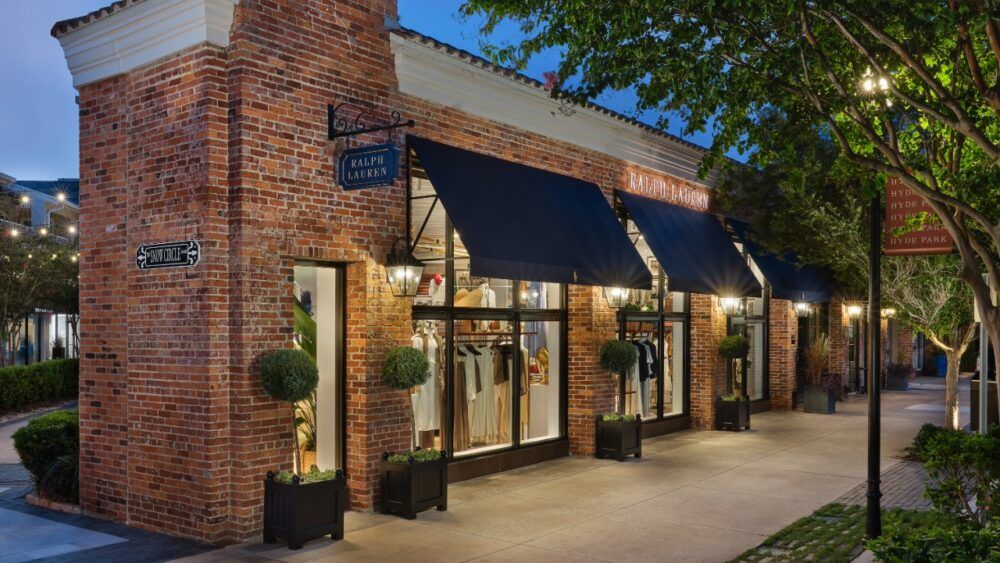
Hyde Park Village has become one of Tampa Bay’s most closely watched retail districts as national brands, restaurants and local concepts compete for space in the walkable South Tampa center. New leases and store openings do more than change its tenant mix. They show which brands are betting on Tampa, what consumers will support and how one of the region’s highest-profile shopping destinations continues to evolve.

Downtown Tampa
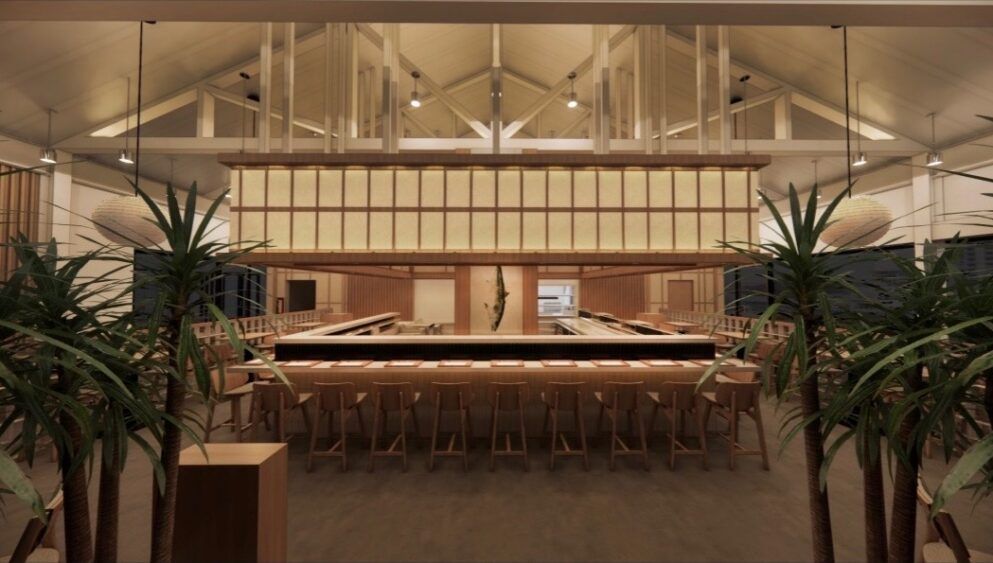
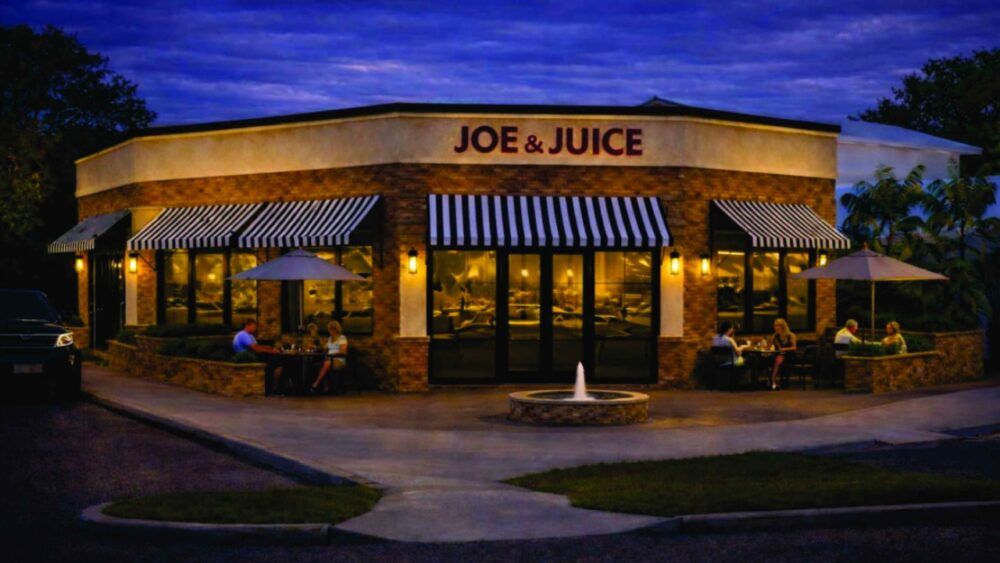
Downtown Tampa is becoming a larger commercial market as new residents, employers and visitors create demand beyond the traditional workday. Restaurants, hotels, entertainment and neighborhood retail increasingly follow that population into the urban core. Tracking those businesses shows whether downtown’s growth is producing the everyday commercial activity needed to support a busier, more residential city center.
Midtown Tampa
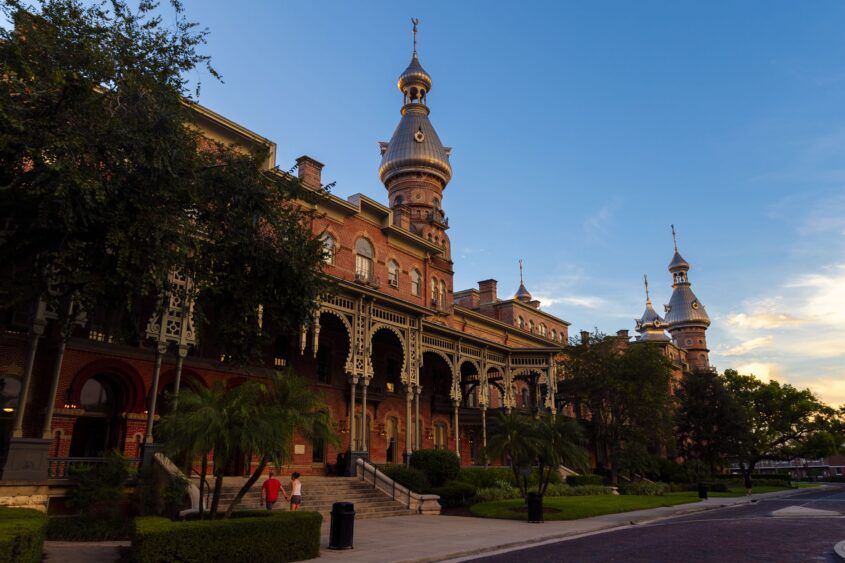
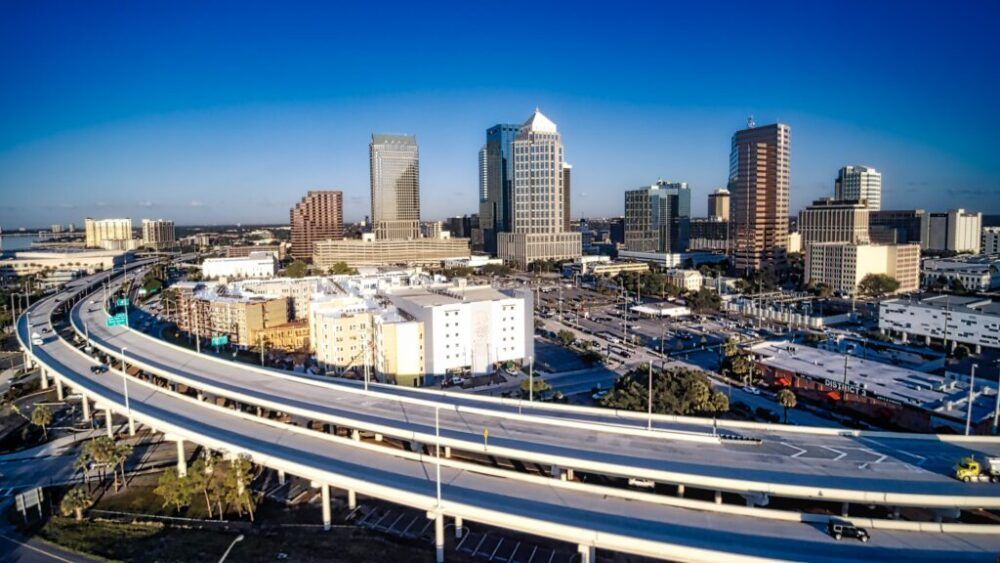
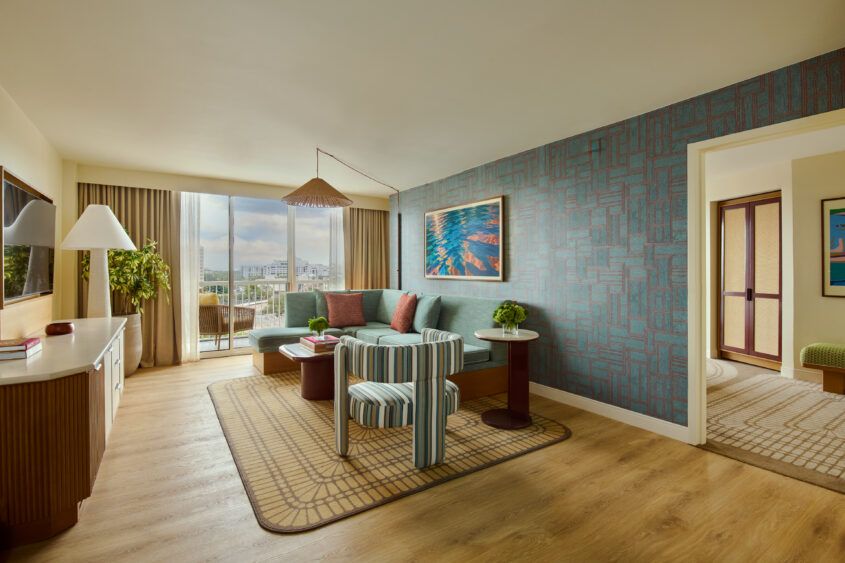
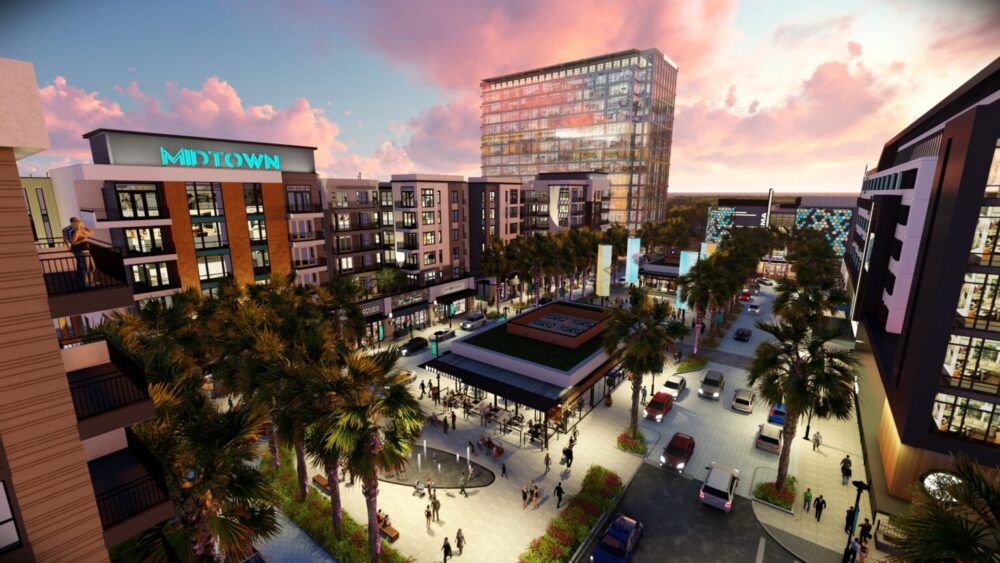
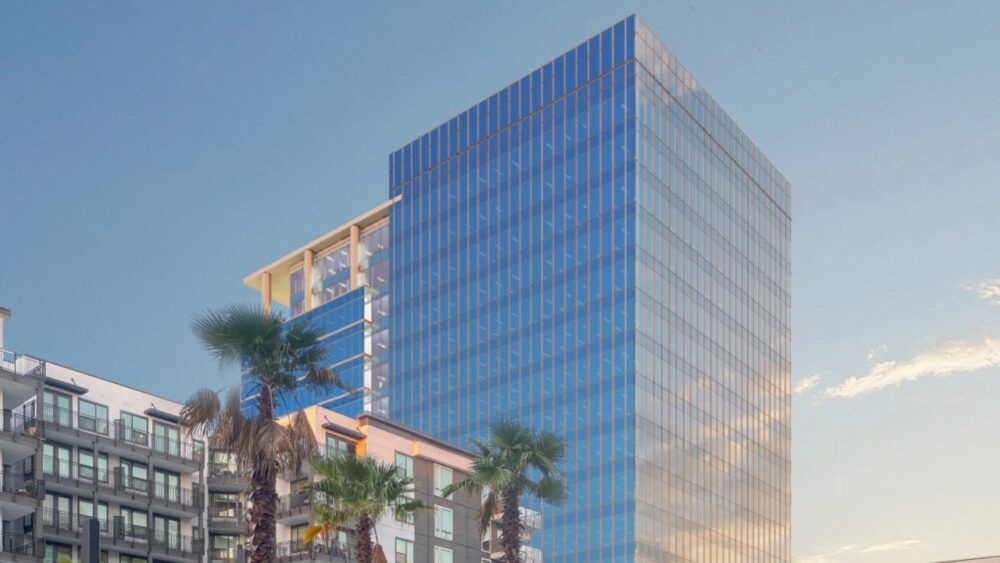
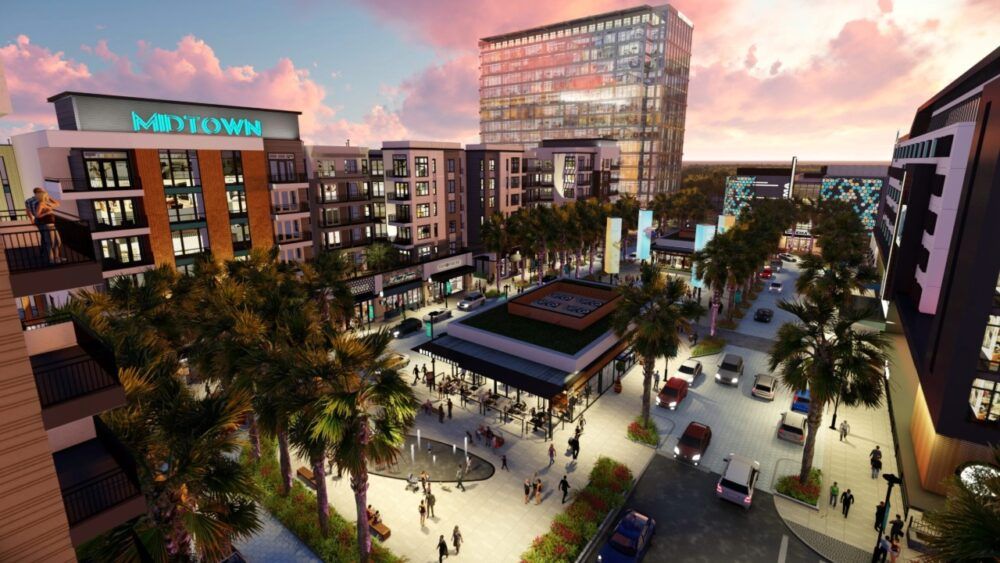
Midtown Tampa built retail into a larger bet on how people want to live, work and spend in the same place. Shops, restaurants and services share the district with apartments, offices and a hotel, making each new tenant part of the economics of the development itself. Following that mix shows which concepts can draw customers beyond the workday and whether Tampa’s mixed-use model can keep generating traffic as the district matures.

Seminole Heights
Seminole Heights has built much of its commercial identity one storefront at a time, with restaurants, bars, shops and service businesses occupying the neighborhood’s older corridors. Growth puts pressure on that formula as property changes hands and new investment competes with established businesses. Openings, closings and redevelopment show how the economics of the neighborhood are changing and which concepts can still make the district work.
Shopping Centers
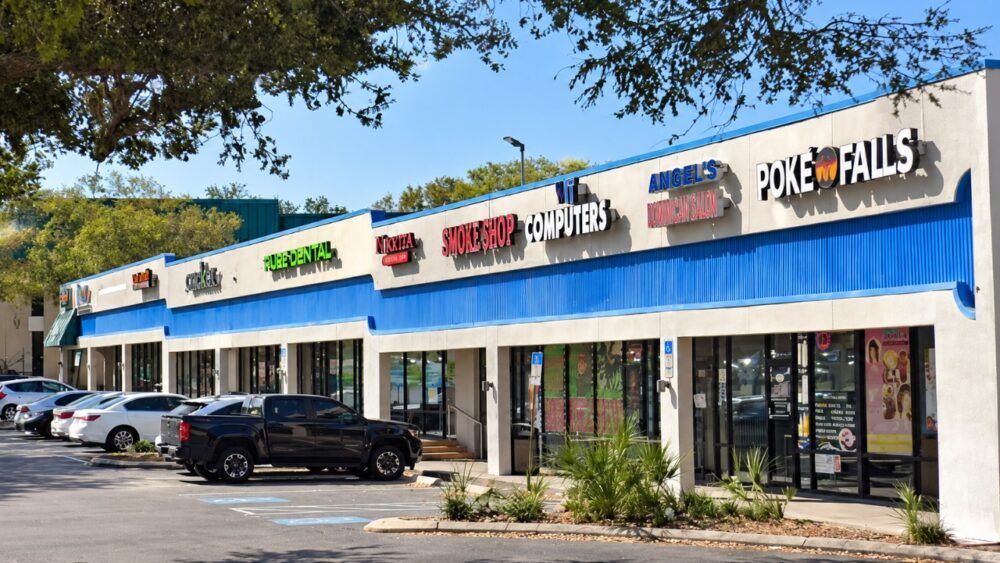
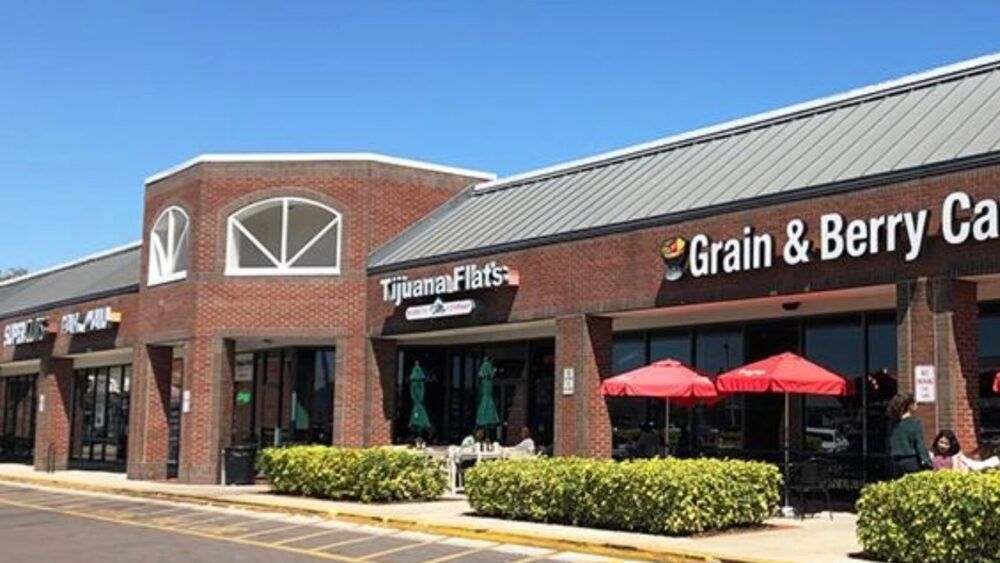
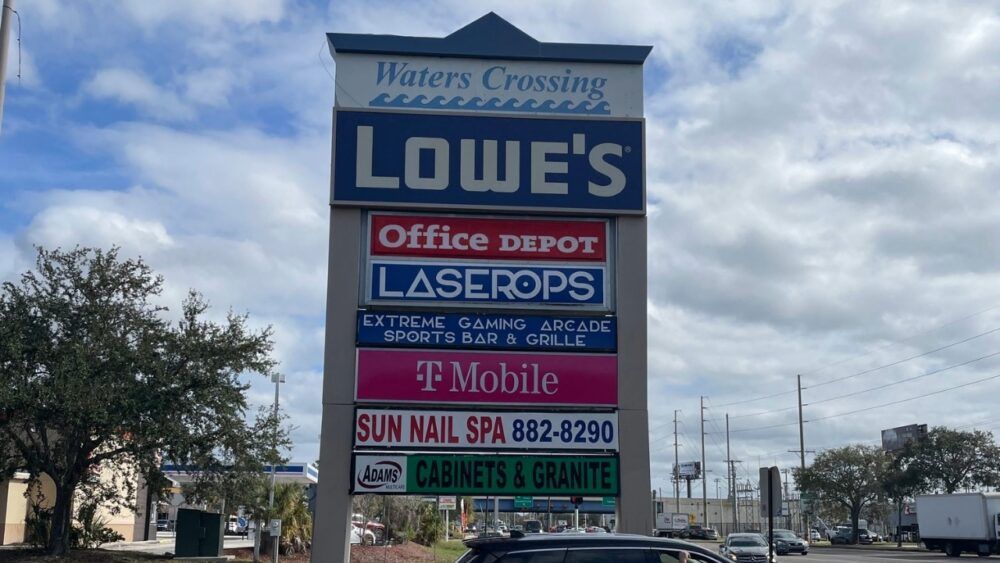
Tampa Bay’s shopping centers turn changes in consumer behavior into real estate decisions. Retailers opening and closing stores affect occupancy, rents and property values, while owners respond with new tenants, renovations, redevelopment or sales. Following those moves shows where shoppers are spending, where landlords are investing and which commercial corridors are gaining or losing ground.