
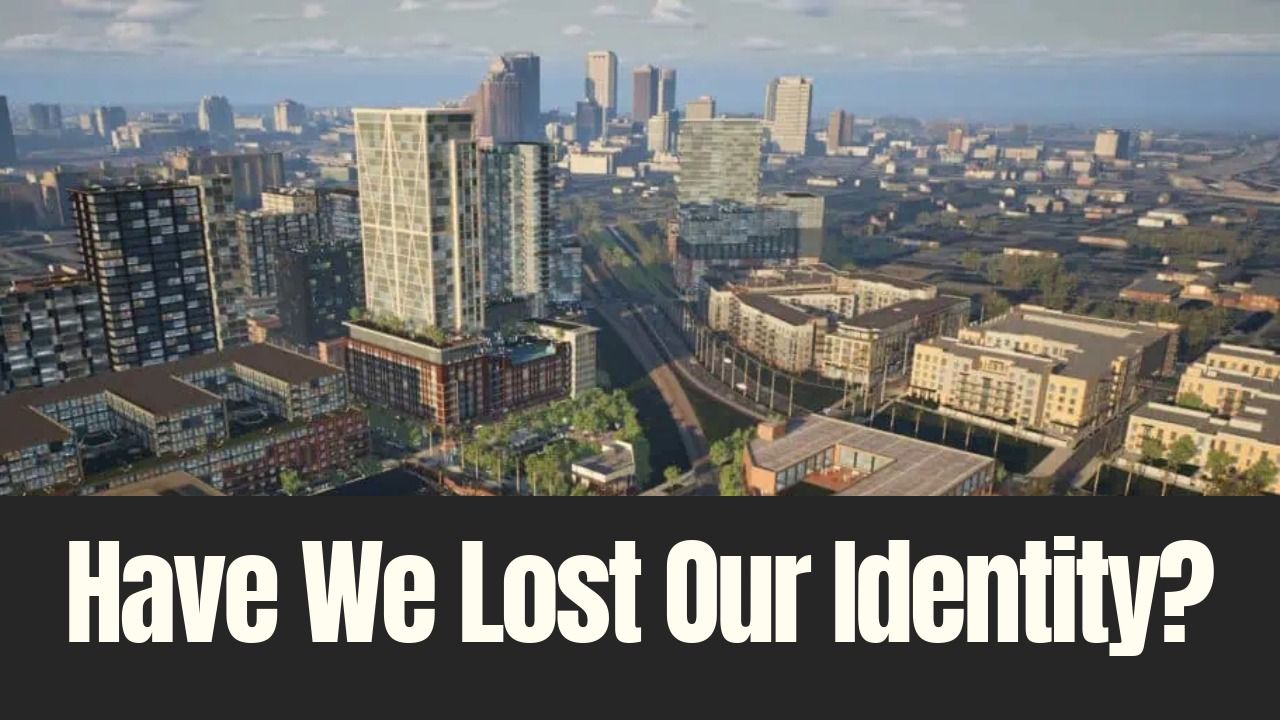
Across high-growth regions in the U.S., cities are adding buildings by the hundreds. Tampa Bay is no exception.
As growth continues to expand outward from the urban core, undeveloped land is being transformed into commercial space, retail centers and multifamily projects.
Growth is a sign of strength. It reflects momentum, investment and opportunity. But it also raises a question that is hard to ignore.
Has the drive for efficiency, speed to market and tight financial pro formas started to turn Tampa Bay into “Anywhere USA”?
In many markets, those pressures have produced a landscape of repetitive design. Buildings are duplicated. Context is overlooked. Over time, the identity of a place begins to blur.
A community’s identity is not unlike a person’s. When someone is confident in who they are, they tend to grow with purpose and vitality. The same is true for cities.
Conversely, places without a clear sense of identity risk becoming undervalued, overlooked and disconnected from the people who live there.
Placemaking is not about novelty for novelty’s sake. It is about shaping space in a way that is relational, accessible and human.
When design becomes commoditized and disconnected from local context, users begin to feel it, even if they cannot articulate why. Repetition creates aesthetic fatigue. Monotony erodes emotional connection. Spaces become transactional rather than meaningful.
That may not seem significant until you consider the broader effects. Design influences how people live, work and feel.
Poorly considered environments can contribute to detachment, isolation and indifference.
As architects, we are trained to see space differently. But even those who do not consider themselves “design-minded” are naturally drawn to places that feel grounded and intentional.
Materials, light, texture, scale and proportion matter. Well-designed environments can support productivity, creativity and well-being. They can reduce stress, foster belonging and encourage connection.
Most people intuitively understand this. We choose to spend time and money in places that feel authentic.
Restaurants, offices, neighborhoods and public spaces with a sense of identity invite engagement. Places that look like everywhere else rarely do.
This has real implications for business owners, developers and investors.
Design quality affects how companies attract talent, how customers engage with brands and how communities assign long-term value.
While land costs, construction pricing, labor availability and financing constraints are real and unavoidable, design should not be treated as a disposable variable.
Good design is not simply an aesthetic upgrade. It is an investment.
Buildings that respond to their context tend to age more gracefully, build loyalty and contribute lasting value to a community.
In a region like Tampa Bay, where cities compete for talent and identity, design quality becomes a differentiator.
The saying holds true. Good design sells. But it also does more than sell. It shapes how a place is experienced over time.
Those shaping the physical environment of Tampa Bay carry more than a financial responsibility. Architects, developers and business leaders influence how future generations experience their city.
The question is not whether growth will happen. It will.
The question is how it happens.
If speed and cost consistently outweigh character and context, we risk building places that feel disposable and forgettable.
If we invest intentionally in design that respects identity and human experience, we build communities that endure.
So, have we lost our identity?
That answer is still being written. The decisions made today will determine how Tampa Bay feels tomorrow.
About the author
Justin Kimmich, AIA, NCARB, is a co-founder and principal architect whose work focuses on placemaking, community-centered designand architecture that responds to local identity.
His perspective reflects years of experience working with business owners, developers and civic stakeholders in fast-growing markets.
Connect with Justin on LinkedIn.