
The holiday season is here. It’s a time for celebrations, gift giving and year-end deadlines.
While you’re juggling office events and covering for colleagues on long vacations, fraudsters are busy too.
This is the moment they hope you’re tired, distracted or moving too fast to notice something is off.
A holiday scam scenario: when caution meets deception
Your phone buzzes.
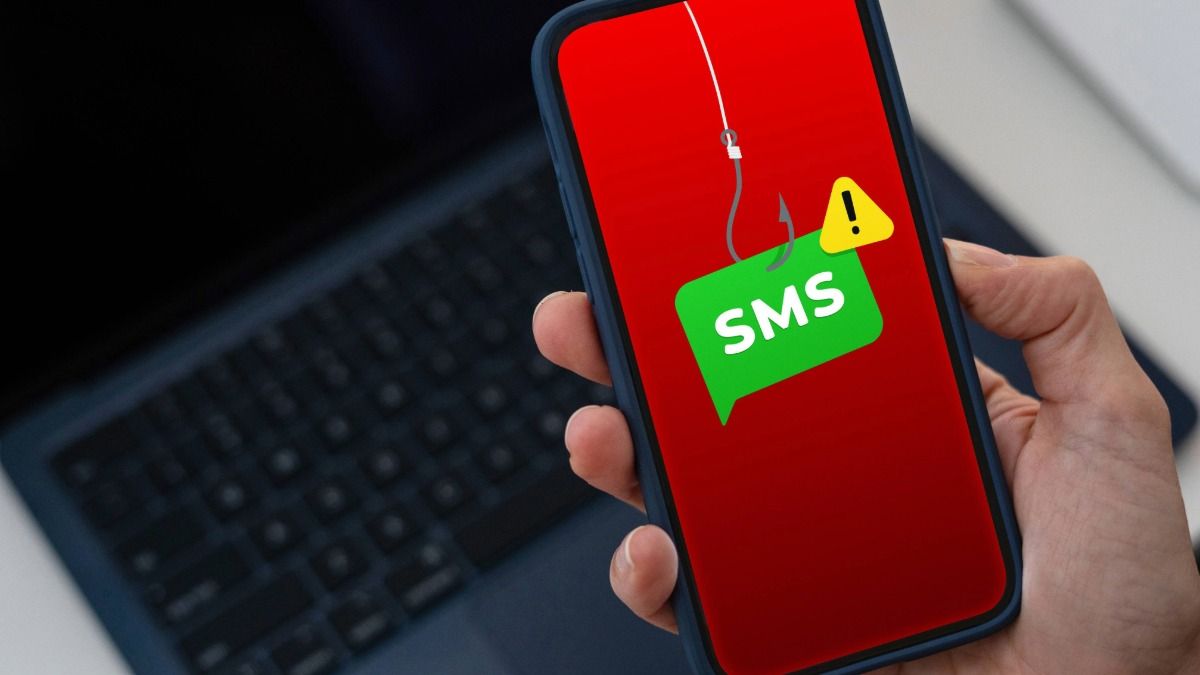
DING. “Bank Alert: Was this $729 charge at [Insert Popular Store Name] you? Reply YES or NO.”
You pause. You’re sure the charge isn’t yours. Feeling confident you’re doing the right thing, you reply NO.
Moments later, your phone rings. The caller ID shows your bank’s name. The voice on the other end is calm and reassuring. They sound legitimate.
READ: A closer look at Sarasota’s new St. Regis Longboat Key
“Thank you for confirming. Please log in using the secure link I’m sending to verify your transactions.”
You click. They watch. You confirm a code they just texted. Within minutes, your account is compromised and your funds are gone.
It’s the holiday version of the classic warning from A Christmas Story — “You’ll shoot your eye out.” You’ve heard it before, but never imagined it would happen to you.
Why holiday scams are so dangerous
This scenario is common. Last December, the FBI’s Internet Crime Complaint Center reported more than $100 million lost to holiday scams nationwide.
Many start with smishing (fraudulent texts) and escalate to vishing (fraudulent phone calls). Scammers count on distraction, urgency and the rush of the season.
Five smart steps to outsmart holiday scammers
- Verify suspicious messages by calling your bank directly
Use the phone number on your bank’s official website. Never respond to texts from unknown numbers. - Access your accounts only through trusted apps or websites
Avoid all links in texts or emails. Type the URL yourself or use your bank’s app. - Pause before acting
Urgency is a red flag. Slow down and confirm before responding. - Protect your codes
Never share one-time passwords or login codes. Real banks will never ask for them. - Use dual approval for high-value business transactions
ACH, wire or instant transfers require one person to initiate and another to approve.
Stay cheerful and secure this holiday season
Even the most cautious people can fall for scams that feel helpful or familiar. That’s the trick. So before you tap, type or answer, treat every unexpected message like a package marked Fra gee lay — handle with care.
READ: Tampa startup using AI to build custom curricula for schools
With a bit of vigilance and some holiday spirit, you can keep your cheer and your assets safe.
By Kenneth J. Braga, SVP, Director of Enterprise Payments, The Bank of Tampa