
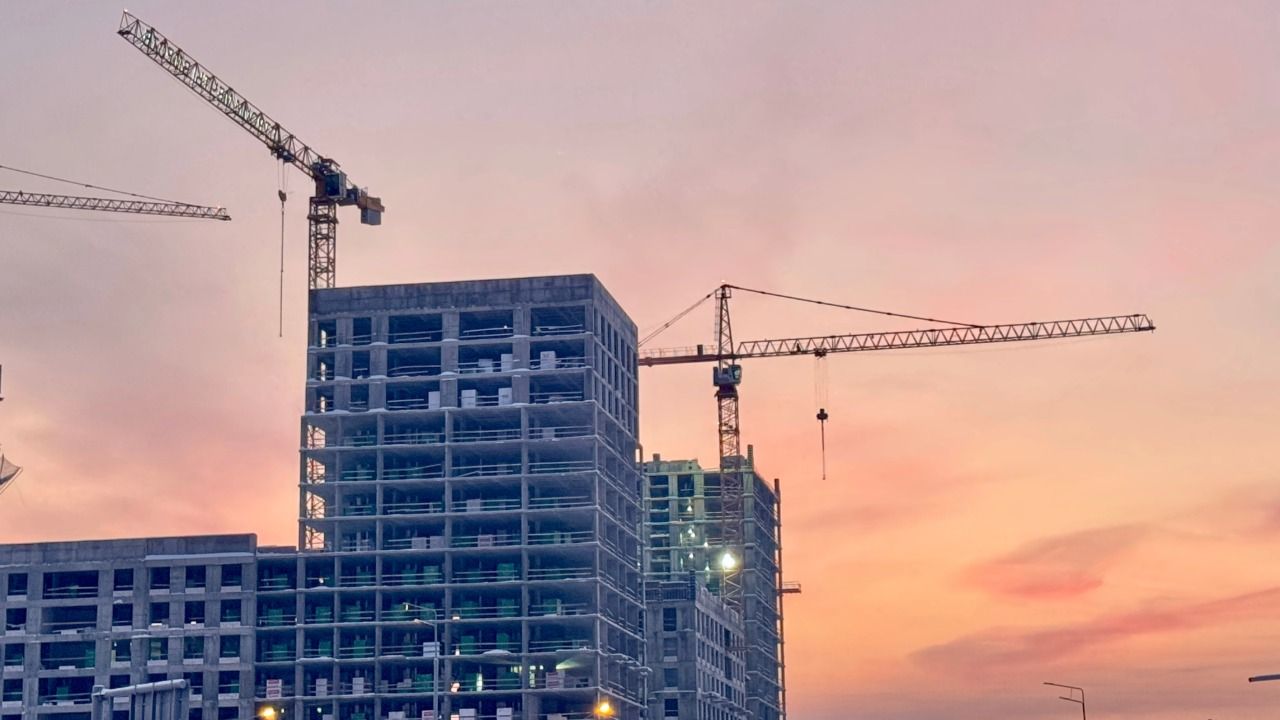
Tampa officials are considering a broad overhaul of development and construction fees that would raise what developers, contractors and property owners pay for permits and other city reviews beginning in fiscal 2027, part of an effort to close operating shortfalls in Construction Services and bring fees closer to the city’s cost of providing those services.
City Council will discuss the proposal Thursday after a city-commissioned study found that many fees have not kept pace with current costs. The most immediate pressure is in Construction Services, the 102-employee division responsible for building permits, plan review and inspections, where declining construction activity and rising operating costs produced shortfalls of about $3.3 million in fiscal 2024 and $3.7 million in fiscal 2025.
Tampa budgeted another $5.3 million draw on reserves for fiscal 2026. The proposed fees would bring in roughly $3.85 million more each year while replacing thousands of rates spread across development types, 51 occupancy categories and multiple construction classifications with a simpler system based largely on project type and size.
For the nonresidential projects Raftelis analyzed, that would more than double average building fees from about 25 cents to 52 cents per square foot. Residential fees would move from about 67 cents to 81 cents. The change is wider for a 100,000-square-foot warehouse, which would go from about 8 cents to 55 cents per square foot, still below the $1.15 average among jurisdictions Tampa studied. A 20,000-square-foot office would rise from roughly 40 cents to 68 cents, compared with a $2 average elsewhere.
Projects could encounter higher costs before reaching the building-permit stage. Development Coordination, which handles rezonings and other land-use applications, would increase its fees along with architectural and historic-preservation reviews. Commercial construction or additions requiring Architectural Review Commission or Barrio Latino Commission approval currently carry a $250 minimum; the first-year proposal puts it at $1,115 and raises the accompanying square-foot charge from 2 cents to 10 cents.
Those increases would not arrive all at once. Tampa would phase some over several years and keep others below the full cost calculated by Raftelis where officials determine the service provides a broader public benefit.
The new rates will not be adopted Thursday. Another public meeting is scheduled for Oct. 21 before ordinances and fee resolutions return for consideration.