
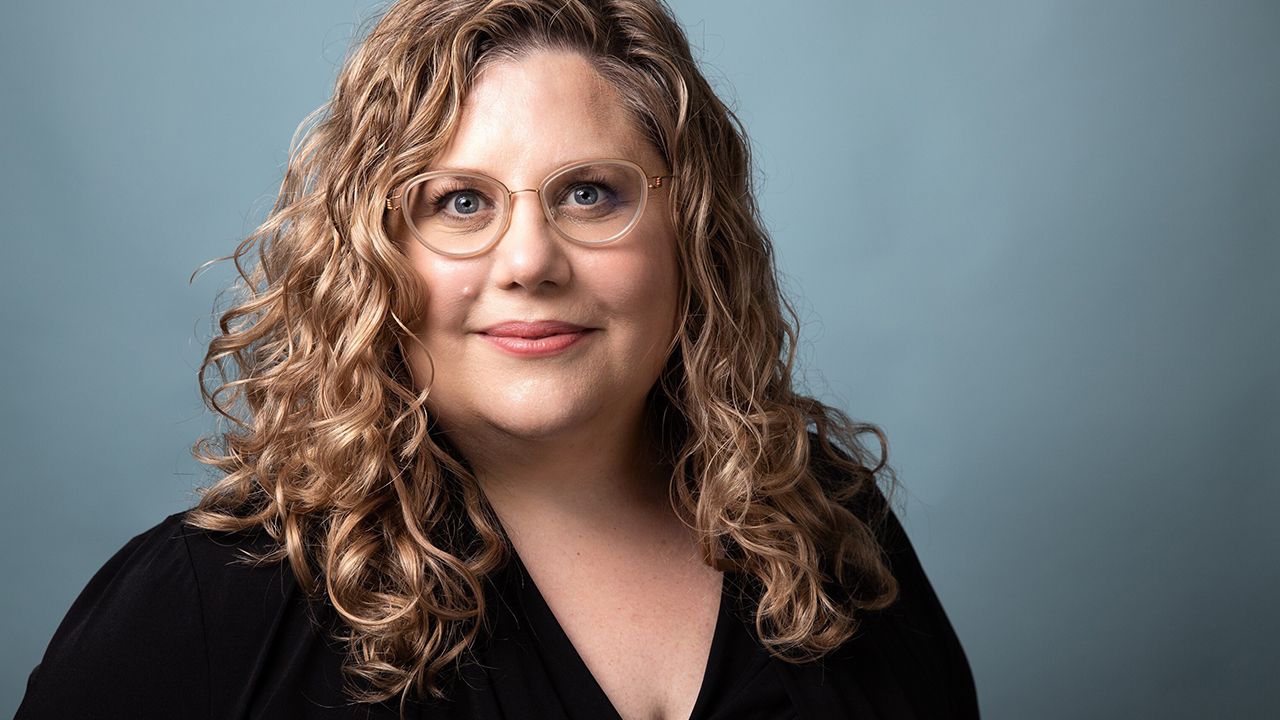
By Carrie Zeisse, president and chief executive officer of Tampa Bay Thrives
Mental illness costs the economy about $200 billion in lost earnings each year. That’s why it’s so important to normalize conversations about mental health, especially in the C-suite. Mental health is physical health, but too often shame and stigma prevent employees from seeking treatment. When leaders openly share their own emotional and mental health challenges, it models this behavior, so employees feel safe to do so as well.
In Tampa Bay Thrives’ 2023 Resident Mental Health Study, 14% (a 4% increase over the previous year) of respondents reported missing work due to a mental or emotional condition, and the typical employee missed 4 days per month. This corresponds to a loss of 524,500 workdays per month or 6.3 million workdays per year, a significant increase from 2022.
At The Mosaic Company, the world’s leading integrated producer of concentrated phosphate and potash, some company huddles begin with a mental health query: “How is everyone doing today? Let’s check on how you’re feeling.” It’s all part of a psychological wellness program rolled out by Mosaic three years ago that moves beyond the risk reduction environment to one that centers around overall wellness: physical, psychological, and financial health.
This year, Tampa Bay Thrives is partnering with companies such as, The Mosaic Company, Crisis Center of Tampa Bay, Juvenile Welfare Board of Pinellas County, and Polk County Board of County Commissioners, to guide them on their journey to becoming Bell Seal certified. The Bell Seal for Workplace Mental Health is a national certification program recognizing employers committed to creating mentally healthy workplaces.
Mental health isn’t just about one person. It affects the entire family. Our generation of young people has experienced multiple traumatic events: the pandemic, school shootings, widespread environmental and natural disasters, and global humanitarian crises. More than half (54%) of all Mental Health America screenings were completed by children and young adults under 25, and screenings skyrocketed by over 594% from 2019 to 2022.
Parents with children under 18 make up 40% of the workforce, and, beyond that Gen Z-ers are the future of our workforce. If the kids are not alright, neither are working caregivers. 1 in 3 Tampa Bay residents does not feel comfortable talking with their children about mental health. The main reason is that parents fear they might upset their children or make them worry unnecessarily.
Tampa Bay Thrives has engaged over 1,000 individuals, youth, parents, teachers, and providers to support our children’s mental health and will convene stakeholders and leaders to build a transformational approach in 2024.
Tampa Bay Thrives needs CEOs, employers, and business leaders to join the mental health movement! You play a pivotal role in helping shape a more mentally healthy future. The benefits and culture around mental health support that you or your company provides can create the ripple effect that leads to saved lives and systems change.
Join the movement, together, for a better tomorrow.
Deputy Sheriff Tyler Wilson recalls how he overcame the stigma to seek help in our #IYKYK campaign.
“While serving my community as a Deputy Sheriff, I began to experience severe PTSD symptoms, including flashbacks, depression, and anxiety. I had been exposed to multiple critical incidents, one involving a shooting with a suicidal individual and another with a terribly violent traffic crash involving the death of multiple children. The flashbacks and other symptoms became so severe that I seriously contemplated taking my own life to end the pain.
I sought help through my Employee Assistance Program, only to find the counselor inept at dealing with the severity of the trauma I had experienced. I also met with a psychiatrist who quickly prescribed me strong and habit-forming medications, which didn’t feel like the right fit for me.
Luckily through perseverance, I found a therapist who better fit my needs, and she was able to help guide me out of the darkness. I was also blessed to be treated by a cutting-edge virtual reality treatment. These treatments are the reason I am able to share my story today. I am now fortunate enough to speak nationwide about my experience and assist others in their healing process.” Tyler Wilson