Nonprofits across Tampa Bay are facing a squeeze. Federal programs are cutting grants. State budgets are tightening. Hillsborough County is preparing to phase out many recurring local grants. At the same time, demand for food assistance, youth programs and shelter is rising.
Kendall Webb has been watching the pressure build.
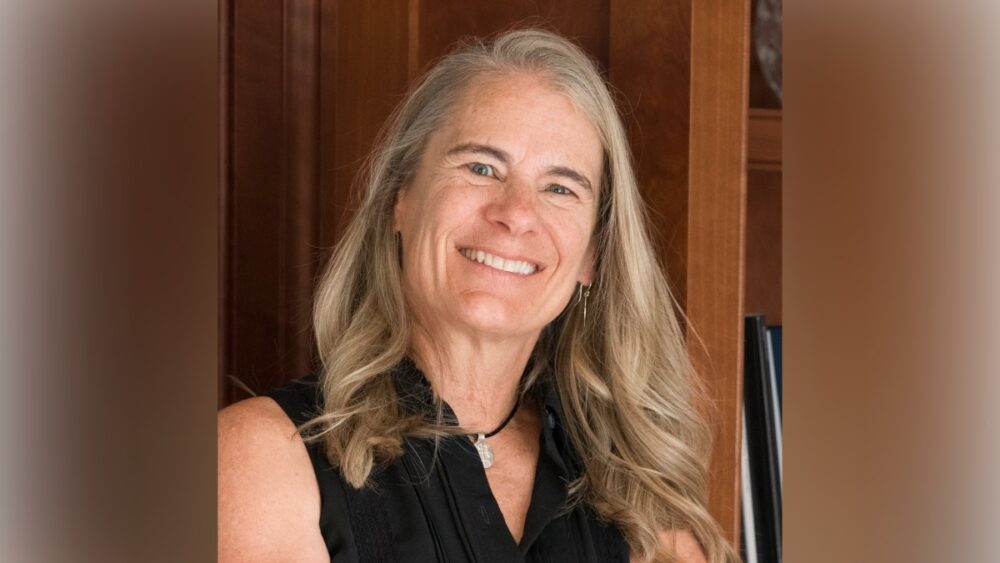
Webb is a longtime philanthropist and founder of Charity Bridge Fund, a new platform designed to connect donors directly with nonprofits that have lost government funding.
READ: 400 Central clears inspections, begins move-ins in downtown St. Pete
Her goal is simple. Stabilize critical programs now so communities do not pay a much higher price later.
“We were watching the federal fund losses that were suddenly taken away from nonprofits,” Webb said. “There was no centralized platform to understand the scope and scale of the defunding so donors could get informed and get in connection with projects and programs.”
A national problem with local impact
Webb has spent more than 20 years in the giving sector. In 1999, she founded JustGive, an online giving platform that lets donors support any registered charity in one place. That work showed her how technology can open doors for both donors and nonprofits.
The current moment feels different.
Webb said the first round of federal cuts hit many organizations with little warning. In some cases, nonprofits had already delivered services under government contracts and were waiting to be reimbursed when funding was reduced or frozen.
“That first year of defunding was very destabilizing because most of these nonprofits had already spent the funds,” she said.
Now, many of those cuts are being written into future federal budgets. States are feeling new pressure from changes to Medicaid and potential restrictions on SNAP benefits. Local governments are making hard choices of their own.
READ: Port Tampa Bay adds 2 new cranes from Ireland as Vision 2030 expands
With Hillsborough County planning to phase out most recurring grants and move to year-by-year funding for a smaller group of organizations, Webb worries about a “third level” of strain on local nonprofits that have already absorbed federal and state shocks.
“It really worries me to see Hillsborough County’s decision to phase out recurring grants,” she said. “That is federal, state and now local. It is very risky for the nonprofits that are locally supporting the community.”
Building a bridge between need and giving
Charity Bridge Fund is Webb’s response.
The initiative is a focused offshoot of her earlier platform. It specifically highlights organizations that have lost federal funding and explains what that loss means in practical terms.
“We are hoping not just to help replace some of this lost funding but also to prevent the long-term societal consequences,” Webb said. “Every week I see new programs scaling back and even closing down.”
Nonprofits can create profiles on the site that describe:
- How much government funding did they lose
- The immediate impact, such as staff layoffs or program cuts
- The longer-term community effects if the gap is not filled
READ: Darryl Shaw sells 2 Ybor properties for $7.45M near Gasworx
Webb said small and midsize organizations have responded quickly. Many have already appealed to their regular supporters. They now need a way to reach new donors and a wider audience.
“They really want a bigger platform to reach new donors,” she said. “They are incredibly energized by the fact that we are building this.”
Charity Bridge Fund also includes a national database of food banks, shelters and public media stations. Donors can search by state and city, then give directly to organizations in their own communities.
How the platform works
Charity Bridge Fund serves both as an information hub and a donation portal.
Donors can read short briefings on how federal cuts have affected different cause areas, such as youth and education, international aid, food and shelter.
They can then browse the specific projects affected, see how much funding was lost, and review the short-term and long-term consequences.
READ: 37,000 surcharge-free ATMs will be available nationwide after rollout
From there, donors can make contributions directly through the site.
On the back end, Charity Bridge Fund is also building relationships with donor-advised fund banks and philanthropic wealth advisers across the country. Webb said those institutions collectively hold about $250 billion already set aside for charitable giving.
“We are going to bring this to donor-advised fund banks,” she said. “We are hoping to educate that group on the impacts of this defunding and get them more connected with some of these programs.”
The platform offers matching funds to participating nonprofits as an added incentive to share their stories and document their funding losses.
Safeguards for nonprofits and donors
Webb said Charity Bridge Fund uses a two step vetting process for nonprofits that want to appear on the site.
Organizations must first provide their IRS determination letter to confirm their status as qualified charities. They must also submit proof of federal funding impact, such as a notice of reduction or a description of grants that were frozen or not renewed.
Her team reviews that information before a profile is published.
“We want to make sure they are within the organization and not coming from the outside and trying to mislead people,” she said.
A warning on the cost of waiting
Webb describes the current environment as a “rainy day” moment for charitable giving. She worries that some donors may hold back, hoping the nonprofit sector becomes more efficient before they step in.
She believes that could be a costly mistake.
“If everybody says they want to wait to see what will happen, that is too risky right now,” she said. “We will lose a lot of great community systems that will cost more money or maybe not even be able to be resurrected.”
She uses food insecurity as one example.
Food banks, she said, have seen federal funding cuts of roughly 35% while more families are turning to them. If those food banks cannot keep up, more people will redirect rent money to groceries, fall behind on housing and face a higher risk of homelessness.
“The impact to society of a homeless person is much harder to solve than the impact of a few meals every month,” she said.
Webb believes nonprofits will find ways to collaborate and become more efficient over time. She has already seen international groups share back-office and distribution systems to reduce costs. But she said those changes take planning and stability.
“They cannot collaborate and become more efficient if they are plugging holes in their boat,” she said. “Charity Bridge wants to give them that funding to stabilize now so they can strategically plan later.”
A message for local and state leaders
Webb said most states are trying to support local organizations and fill gaps created by federal cuts. Her message for local governments is to be careful about timing.
“Right now is not the time to throw more new changes toward nonprofits,” she said. “They are already dealing with so many reverberations of the earthquake that happened from the federal side.”
She said reviews of grant programs and efficiency can be useful. She argues those efforts should be paired with resources and patience so nonprofits can participate without sacrificing critical services.
“If a district like Hillsborough County wants to look into efficiencies, that is not a bad thing,” she said. “But the timing needs to be carefully planned and done in a supportive way.”
How Tampa Bay donors can plug in
Charity Bridge Fund is national in scope, yet it offers local options. When Webb searched the database for Tampa, she found roughly a dozen food banks, shelters and public media outlets that residents can support directly.
She is inviting more Florida nonprofits, especially those in the Tampa Bay region, to upload their stories and document how funding changes have affected their work.
“We are just encouraging nonprofits to sign up and tell their story, as well as donors to give,” she said.
For Webb, the message is clear. The safety net that supports families, children and older adults is under strain. The decision now is whether communities let more of that net unravel or help stitch it back together.
“This is the rainy day time,” she said. “This is the time to give more.”
To get involved, click here.