
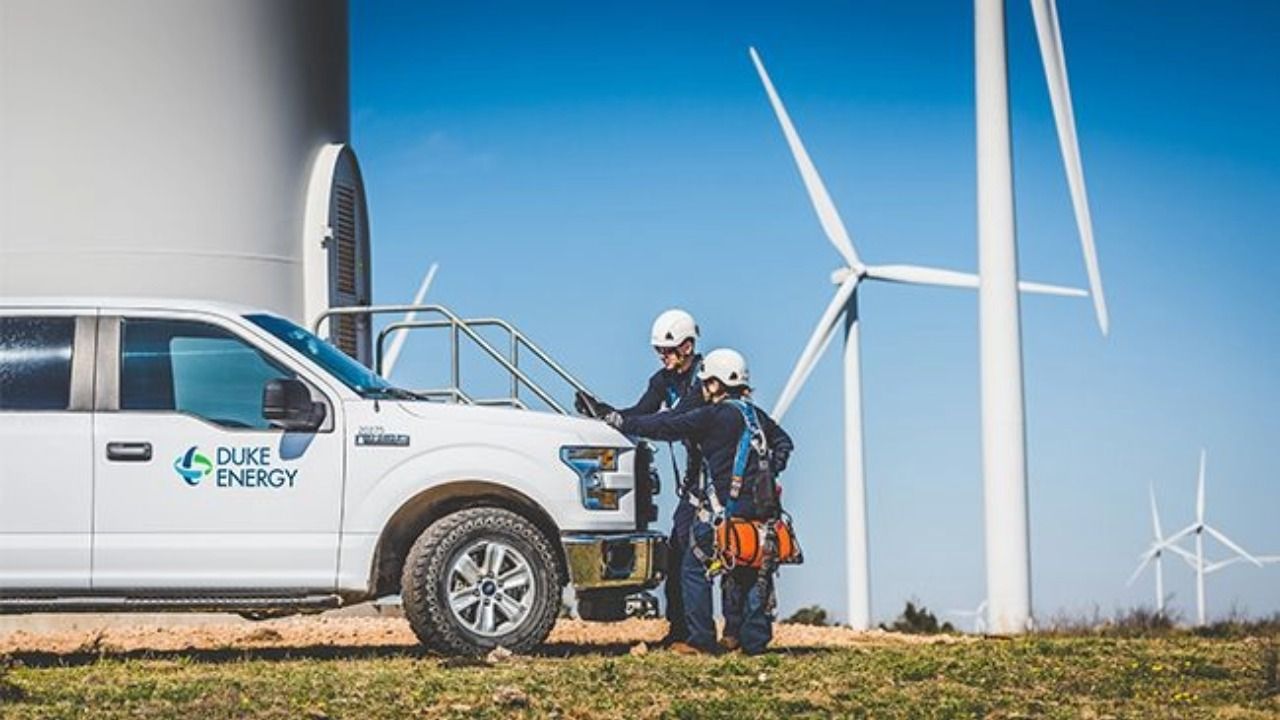
Duke Energy Florida upgraded an existing battery facility to provide backup electricity to about 1,500 customers for up to four hours during power outages.
The 11-megawatt lithium battery facility in Trenton, about 30 miles west of Gainesville, has operated since 2022, storing electricity, balancing demand and allowing Duke to defer traditional grid improvements. An upgrade completed this summer allows the battery to automatically disconnect from the larger grid during an outage and continue powering nearby customers.
The process, known as islanding, creates a microgrid that can operate independently. Trenton is Duke Energy Florida’s second battery facility with that capability, following an 8.25-megawatt project in Micanopy that gained the functionality in January 2025.
The upgrades follow a 2024 hurricane season that left hundreds of thousands of Duke customers without electricity. More than 400,000 remained without power the morning after Hurricane Helene made landfall, and nearly 150,000 were still out the following evening as crews worked across North Florida. Duke said it restored power within 72 hours to 95% of customers who could receive it.
An islanded battery can keep a pocket of customers powered while repairs are made elsewhere on the grid. Duke said the Trenton system is designed to reduce long-duration outages and support critical services.
The project also comes as Duke prepares to expand battery storage across its Florida system. The St. Petersburg-based utility, which currently operates six battery sites, said in July that it plans to build 1.4 gigawatts of storage over the next decade. Its seventh facility is expected to come online in Citrus County next year.
Duke Energy Florida serves about 2 million customers across 13,000 square miles. The company didn’t disclose the cost of the Trenton upgrade.