
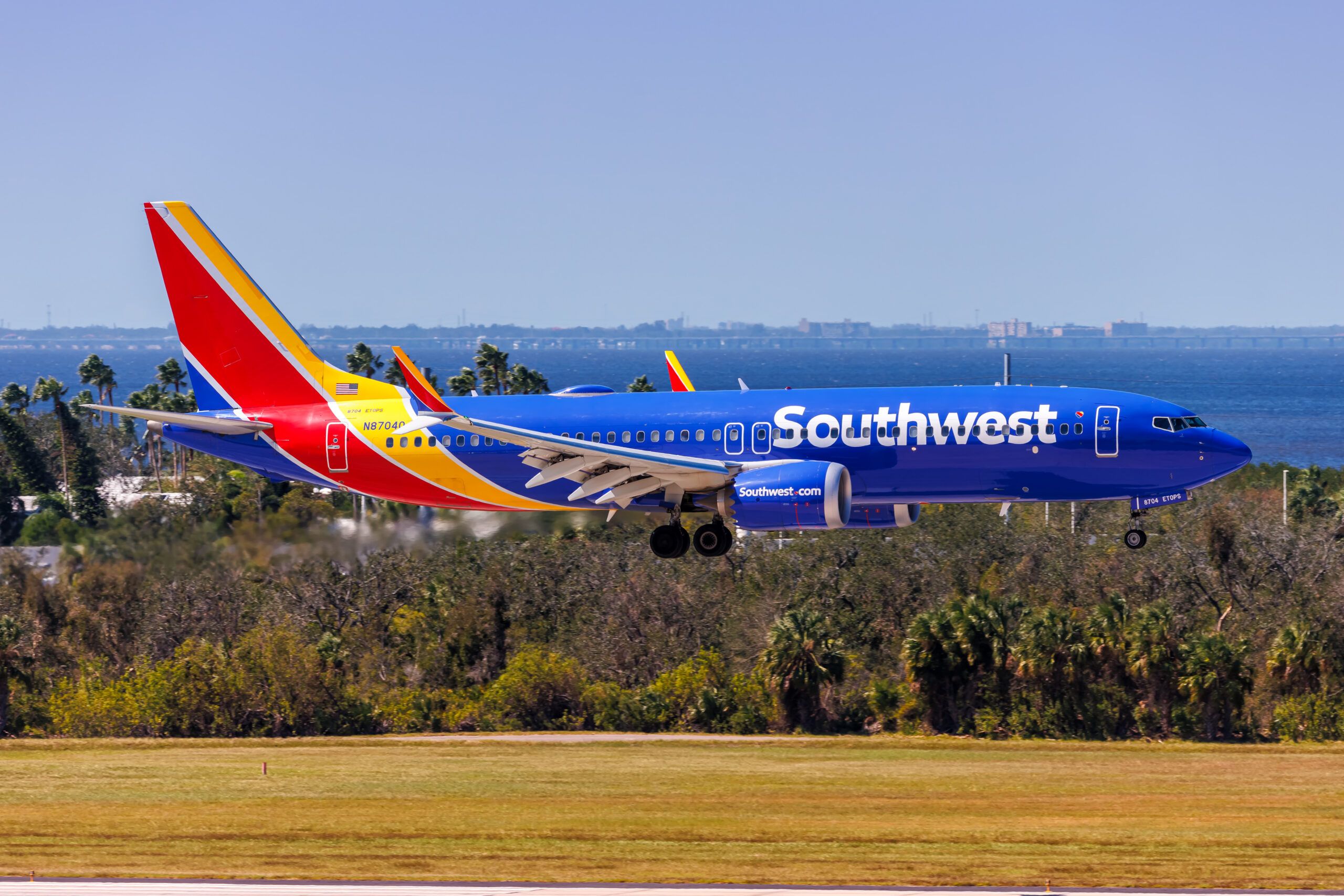
The Federal Aviation Administration ordered a nationwide ground stop Friday afternoon, Nov. 13, halting departing flights at airports across the United States, including Tampa International Airport, St. Pete-Clearwater International Airport and Sarasota Bradenton International Airport, after communications problems disrupted the country’s air traffic control system.
The FAA issued the order at approximately 3:54 p.m. Eastern, citing extraordinary circumstances and safety concerns. The agency directed departing aircraft to remain on the ground until further notice, while international flights arriving in the United States would be handled individually.
U.S. Transportation Secretary Sean Duffy said the communications problems affected all 22 regional air traffic control centers, which manage aircraft traveling between airports. FAA technicians were investigating the disruption Friday afternoon, although the cause of the failure and a timetable for restoring normal flight operations had not been established.
At Tampa International Airport, operations had been running normally before the nationwide ground stop, and the airport was not experiencing the communications problems reported elsewhere in the country, a representative told TBBW.
“We’ve had planes coming in to land just fine, but the FAA has issued a ground stop for any departing flights,” the representative said. According to the representative, airport officials had received no further explanation from the FAA, although the agency appeared to be trying to prevent planes from departing for destinations where air traffic control problems could affect their ability to land.
The last nationwide ground stop occurred Jan. 11, 2023, when a failure of the FAA’s Notice to Air Missions system, which provides pilots with information about runway closures, hazards and other flight conditions, forced the agency to suspend departures across the country. The FAA later determined that contractors had unintentionally deleted files while working to synchronize its primary and backup databases. By that afternoon, approximately 9,000 flights had been delayed and 1,300 canceled.
The federal government has since invested billions in replacing aging air traffic control equipment. Congress approved $12.5 billion for modernization in 2025, funding improvements to radar systems, communications networks and control facilities, while Transportation Secretary Sean Duffy has sought another $30 billion to complete the overhaul. The FAA began replacing decades-old information systems at airports and control facilities earlier this month, with plans to install the new technology at 435 sites by the end of 2028.