
CEO Connect
Rob Higgins
USF’s CEO of Athletics discusses leadership, health, the on-campus stadium and the university’s national ambitions.

Rob HigginsCEO of Athletics, University of South Florida
Event partners
Presented by
CEO Connect interview
Rob Higgins on USF, leadership and what comes next
Open a question to begin reading.
You first became part of USF Athletics as an 8-year-old ball kid. What does it feel like to return as CEO of Athletics?
I still feel like that little kid. USF is a place where an 8-year-old can have a dream, pair it with an education, work hard and surround himself with the right people. When I look back, I see how many people supported me and gave me a chance. I started by cleaning floors. Once I did that well enough, they let me clean the locker room. Then they let me do the laundry. Every step taught me that you get what you work for, not what you wish for.
I also look at it with gratitude. My wife, Casey, has been the ultimate teammate, and we will celebrate our 25th anniversary in September. None of this happens without her support. The same applies to the people I worked with across Tampa Bay and at USF. I cringe when a biography says Rob did this or Rob did that. We did those things together. The unity within this community has always been the backbone of the work.
USF gave you the title CEO of Athletics rather than athletic director. What does the title mean?
College athletics has changed so much that the old title no longer captures the job. Athletic departments now have an opportunity to compensate student-athletes, but that also creates new revenue demands. We still have to recruit great talent, hire strong coaches, support academics and create a high-level experience for student-athletes and fans. Those responsibilities remain, but the enterprise has grown around them.
USF Athletics is a nine-figure business with extraordinary affinity. People do not buy season tickets or jerseys for most Fortune 500 companies. They do for universities. That passion creates a responsibility to serve students, alumni, donors and fans at a high level while operating with the discipline of a chief executive. USF recognized where the job was going and put the right title on it. Since then, other schools have started moving in the same direction.
You have said USF should measure itself by performance rather than potential. Why?
Potential has a time and place, but it can become an immeasurable standard that delays accountability. USF has about 50,000 students and roughly 400,000 living alumni. The university has joined the Association of American Universities and continues to grow its academic and research profile. At this point, we should measure ourselves by production, performance and results.
That means setting real goals, establishing standards and asking whether we won the day. Rankings have value, but we have to be accountable for what we produce across athletics, academics, fundraising, facilities and the student-athlete experience. The days of talking about what USF might become are behind us. We are responsible for what we do now.
Your cancer diagnosis became a major part of the cover story. Why have you chosen to speak about it publicly?
I want people to understand their family history and prioritize their health. I had not been to a doctor since I was 15. In sports, you are taught to be tough and work through pain, and I treated avoiding the doctor like a badge of honor. That was foolish.
I learned about my family history during my father’s first oncology appointment after his bladder cancer diagnosis. The doctor asked about relatives, and I learned that my grandfather had died from colon cancer at 53. I started reading about hereditary risk during the appointment and realized I should have been screened earlier. I scheduled a colonoscopy, and doctors found a four-centimeter tumor. They later learned the cancer had spread to my lymph nodes.
The diagnosis changed the way I thought about health and family. I was not afraid for myself as much as I was concerned about what it would do to my wife, my children and everyone around me. My father and I went through treatment on nearly the same schedule, with him about two weeks ahead of me. We are both clean now, and we continue to get screened every three months.
The easiest appointment to postpone may be the one that saves your life. Your family needs you. That means knowing your history, going to the doctor and putting health and family first.
What will the on-campus stadium mean for USF?
It will give USF football the home it has waited for throughout the program’s history. One of our original football players, Jacoby Blunt, visited practice recently. I asked when Coach Jim Leavitt had told the team the stadium would be finished. He said 1999. Thousands of players have worn the USF jersey while waiting for this building.
The stadium also will change the student experience. We placed a construction beam at the Marshall Student Center so students could sign it before it was installed in the student section. We thought 500 or 600 students might participate. More than 5,000 signed it in 72 hours. Those students will be able to walk from a residence hall or nearby apartment to watch classmates play in a stadium on their campus.
The project will give alumni a reason to return and see how much the university has changed. USF has about 400,000 living alumni, and many live within driving distance. A home football weekend can reconnect them to the campus, their classmates and the university.
The stadium also creates opportunities beyond six home football games. It can host concerts, professional wrestling, soccer matches and other events that fit a 35,000-seat venue. Its location adds to the effect. The stadium, the Fletcher District redevelopment and the Museum of Science and Industry site place three large projects within roughly three-quarters of a mile. Their timelines overlap, giving the university area a concentration of investment that few communities see at one time.
How does the stadium fit into USF’s conference realignment goals?
USF deserves to compete on the biggest national stage. The university checks many of the boxes that matter. Academically, USF is one of two public AAU universities in Florida. From a media standpoint, Tampa is the largest television market in the state, the 11th largest in the country and the second largest in the Southeast. Our athletic performance also is moving in the right direction. USF won six American Athletic Conference championships during the past year, more than any other member of the conference.
Facilities matter, too. USF has one of the strongest athletic districts in the country, and the stadium fills the most visible gap. It is scheduled to open Sept. 4, 2027, against Louisville.
The path forward begins with our current conference. We have to become the best version of ourselves in the American and compete for championships across the department. Success now strengthens every argument USF can make later. We cannot wait for realignment to improve our position. We have to produce results that place us in that position.
What does the stadium mean to the wider Tampa Bay community?
The stadium gives the region another venue for events that may not fit its larger buildings. It can bring people to campus for sports, concerts and entertainment while introducing visitors to a university that supports the regional economy, graduates thousands of students each year and supplies talent to local employers.
USF also can use the stadium to deepen relationships with companies and civic organizations. The university already works closely with Tampa General Hospital, local banks, construction companies, hospitality businesses and other employers. A campus venue creates more occasions for those relationships to grow through sponsorships, events, hospitality and student engagement.
What did your years at the Tampa Bay Sports Commission teach you about leading USF Athletics?
They taught me to focus on service and the work behind the event. During a Super Bowl or Final Four, fans see the field or the court. The people running the event are working through transportation, security, fundraising, sponsorships, hotels and hundreds of operational details. When the Buccaneers won the Super Bowl in Tampa, I did not see a play. I checked the score when I could and returned to the next responsibility.
That experience applies directly to college athletics. The public sees games and championships, but the department has to manage academics, compliance, facilities, fundraising, media rights, name, image and likeness, revenue sharing, travel and student welfare. The event works when those responsibilities come together without drawing attention away from the athletes and fans.
What brought you back to college athletics after 21 years with the Sports Commission?
At the Sports Commission, athletes came to Tampa for several days and then left. At USF, student-athletes may be here for months or four years. That gives us time to serve them daily and support what they want to accomplish in athletics, academics and life.
Their energy reminded me why I entered this work. Wide receiver Mudia Reuben is one example. He transferred from Stanford, chose USF over several other programs and used name, image and likeness money to help bring clean water to his parents’ village in Nigeria. When teammates entered the transfer portal, he stayed. College athletics is often discussed through money and movement, but each decision affects a student with goals that reach beyond the field.
You hired five head coaches during your first seven months. What were you looking for?
The turnover was greater than I expected, but the searches gave us a chance to establish what we value. We wanted coaches who had led before and still had something to prove. Some people want to inherit a program with banners already hanging. We wanted people who were attracted to building what comes next at USF.
That mindset fits where the university stands. The stadium is under construction, the athletic district is growing and our teams are expected to compete for championships. We need coaches who see that work clearly and want responsibility for the result.
How has your family’s connection to USF shaped your return?
Both of my parents graduated from USF. My sister graduated from USF. I graduated from USF, and I met Casey here while she was completing an internship. Nearly every part of our family’s story connects to this university.
When I was a ball kid, I sat under the basket with a towel. If a player fell, I ran onto the floor and wiped up the spot so no one slipped on the next possession. During games, I sometimes looked into the stands and saw my parents watching me even when play had moved to the other end of the court.
My mother died unexpectedly four years ago after a stroke. She did not get to see me take this job, but I know what it would have meant to her. My father still attends games and tells everyone he meets that I am the CEO of Athletics. I am convinced that when I was a ball kid, a manager and now in this role, they were not watching the game. They were watching me.
What do you want Tampa Bay business leaders and USF alumni to do now?
We need people to talk about what is happening at USF and participate in it. That can mean becoming a season-ticket holder, making a gift, supporting a student-athlete, attending events or simply correcting the old perception that USF remains a university waiting for its future.
The university has not always received its fair share of attention in a state dominated by older institutions in Gainesville and Tallahassee. The way to change that is through performance and participation. USF has to win, and the region has to recognize what is already happening here. This is the moment to come get our fair share.
July Cover Story
Rob Higgins and the University That Shaped Him
Rob Higgins overlooks practice inside USF’s indoor football facility.
At his father’s first oncology appointment, Rob Higgins found himself paying closer attention to his family history than he ever had before. The appointment followed a bladder cancer diagnosis that had arrived after symptoms appeared during a trip to Europe, and much of the conversation centered on treatment options and medical background. As the doctor worked backward through generations, asking when relatives had died and what illnesses had caused it, Higgins realized how little he knew about his grandfather.
He knew only that the man had died before he was born. What he learned that morning was that his grandfather had died at 53 after a battle with colon cancer, a detail that immediately sent Higgins searching for information on his phone while the appointment continued around him. The more he read about family history and hereditary risk, the more one thought settled in. If what he was reading applied to him, he should have been screened years earlier. That realization followed him out of the appointment and stayed with him long enough that he eventually scheduled a colonoscopy.
When he woke up, he was joking with his wife, Casey, about the hospital socks and how quickly everything had gone. Casey, however, noticed something he missed. The atmosphere in the room had changed. A nurse returned and explained that the doctor wanted to speak with them again. About half an hour later, several physicians walked into the room and delivered news that immediately reordered the months ahead. They had found a four-centimeter tumor. A week later, doctors learned the cancer had spread to his lymph nodes.
The diagnosis placed Higgins on the same path his father had just begun traveling, and over the months that followed the two men moved through treatment almost in tandem, his father remaining roughly two weeks ahead of him at each stage.
The diagnosis changed the way Higgins thought about time. Until then, his life had moved through accumulation. One responsibility led to another, each role opened the next and the future rarely seemed to demand a decision before he was ready to make one.
The pattern began on the USF campus, long before Higgins understood that the hours he spent around basketball were becoming something more permanent. That relationship began with a basketball game and continued the following morning at church. Higgins had attended a USF game the night before and recognized assistant coach Tommy Tonelli sitting nearby during Mass.
When the congregation reached the point in the service where parishioners exchanged greetings, Higgins abandoned the traditional response and offered something else. “Good game, Coach.” The comment caught Tonelli’s attention. Before the service ended, he asked Higgins to stay afterward. Higgins spent the remainder of Mass convinced he had somehow gotten himself into trouble, a conclusion that seemed perfectly reasonable to him at eight years old. Instead, Tonelli wanted to know whether he would like to become a ball kid. Higgins said yes, showed up the following weekend and then kept showing up.
What began with a few hours around the basketball program gradually expanded into something that occupied most of his afternoons. His mother dropped him off on campus almost every day, and once he arrived there was always another job waiting: equipment to move, laundry to fold, water to carry or rebounds to chase during practice. By the time she returned hours later, the gym had emptied and much of the university had gone quiet.
The arrangement exposed him to parts of athletics most spectators never saw. Players occupied only one part of the operation. Around them worked managers, trainers, graduate assistants, equipment staff and administrators whose names never appeared in box scores but whose work shaped everything that happened on the court.
“It gave me this unique perspective of being a part of the team behind the team.”
“Whether you were one of the players on the court, whether you’re an assistant coach, a manager or a ball kid, every single person’s role was intricate to being able to be successful with the program,” Higgins says.
Jesuit allowed him to arrange his schedule so his classes came early in the day, and by 1:30 p.m. his mother was driving him from campus to USF, where he stayed through practices, games and the late hours that followed. He traveled with the men’s basketball team before he was old enough to drive himself, roomed on the road with college players and spent much of his adolescence around assistant coaches, graduate assistants and athletes who treated him as part of the program.
When he graduated from high school, people around USF congratulated him as if he were leaving college. He had to remind them that he had only finished Jesuit and that they still had four more years with him.
Those years carried him from ball kid to student manager, and for a long time he assumed they were leading him toward coaching. The game remained at the center of his life, but his attention kept drifting to everything that had to happen before tipoff and after the gym emptied: the people, schedules, facilities and small decisions that made the event work before anyone in the stands noticed a thing.
The shift became clearer while he was still in college, when he approached athletic director Paul Griffin with a plan to raise money for a basketball locker room in need of work. Griffin gave him permission to try, but he added another requirement. If Higgins wanted to raise money for the locker room, he also had to raise money for post-eligibility scholarships, which help athletes finish their degrees after their playing eligibility ends. Higgins agreed, then went home and looked up what post-eligibility scholarships were.
Once he understood the assignment, he built the event from the relationships he had accumulated since childhood. He called former players himself, found a title sponsor, put tickets on Ticketmaster, arranged marketing trades, ordered uniforms, created the program, handled interviews and worked the reunion game until the gym was empty and the last unused materials had been gathered.
The event sold out and raised money for both causes. As Higgins cleaned up afterward, Griffin pointed him away from coaching and toward the broader operation of athletics. He told Higgins to visit every department, decide where he wanted to work and choose a path that fit the instincts he had just displayed.
Higgins met with communications, academics, compliance, marketing and other departments before choosing facilities and event management, a two-person operation that put him close to the details he already seemed to notice.
Facilities and events gave him a place to learn how the university worked from the inside. He helped stage home events, managed buildings and later spent three years on the design-and-build team for the Selmon Center. Years later, when his office moved into that building, he still knew where the light switches and electrical outlets were because he had sat through the meetings that installed them.
He knew the buildings through loading areas, service corridors, event plans and maintenance questions, and that knowledge shaped the way he thought about what athletic facilities could do for a university and a city.
Rob Higgins in his office at USF Athletics
Higgins had spent enough time traveling through arenas and championship sites to notice that major events tended to land in places that expected to host them. Tampa had the venues, the weather, the hotels and the civic ambition, and USF had the ability to serve as the host institution for NCAA events.
If the university hosted those championships, it could generate revenue and visibility while helping Tampa bring larger sports moments to the region. Lee Roy Selmon, who had become his boss and mentor, gave him permission to pursue the idea, and Higgins began calling meetings with the mayor’s office, the convention and visitors bureau, the Sports Commission, the arena then known as the Ice Palace and university leaders who could help build a bid. The process took him to Albuquerque in 2003, where Tampa made its case for the NCAA Women’s Final Four.
Higgins had not inherited a formal system for pursuing those events. He had assembled one by bringing the right people around a conference table and asking what could be possible if they worked together. The group won the 2008 Women’s Final Four, along with rounds of March Madness, and the Sports Commission noticed that the young USF administrator helping lead the effort was already doing work close to its own mission.
That recognition opened the next chapter of his career, but it did not sever his connection to the university. It changed the direction from which he could serve it.
At the Tampa Bay Sports Commission, Higgins spent 21 years helping bring some of the country’s largest sporting events to the region. The work placed him at the center of Super Bowls, Final Fours, national championships and other marquee events, but he describes those years less through the events themselves than through the responsibilities that came with them.
While fans watched the field, court or ring, he moved through transportation plans, security briefings, sponsor commitments, fundraising demands, hotel operations and the operational questions that determined whether the event worked for everyone who had arrived expecting it to feel seamless. When the Buccaneers won the Super Bowl in Tampa, he says he did not see a single play. Every so often he caught the score and went back to the next task.
“I’m not here to be a sports fan. I’m here to serve.”
At the Sports Commission, athletes arrived for a few days and then left. At USF, student-athletes would arrive for months, a year or four years, giving him the longer window he had started to miss.
“These kids have dreamed of playing college athletics for so long,” Higgins says. “They’ve poured their blood, sweat and tears into their craft to get here. Now we get an opportunity to do that on a day-in and day-out basis.”
College athletics was changing around the same time USF was changing. Transfers, name, image and likeness compensation, media rights, conference realignment and revenue demands were making athletic departments more complex, while USF had joined the Association of American Universities, expanded its research profile, strengthened USF Health and moved forward with the 35,000-seat on-campus stadium generations of alumni had wanted.
The university no longer matched the way people had talked about it when Higgins chose to stay in Tampa.
“Potential is this immeasurable metric that’s used as a crutch or training wheels. You can’t measure potential. You can’t be accountable to potential.”
As a student, he had been the lone Bull among friends headed to Florida, Florida State, Duke, North Carolina, Ivy League schools and other places that carried more prestige at the time. He took heat for staying in Tampa.
“For me, it was about my love for this school and the fact that this is a place where I truly understood you can manifest your dreams,” he said. “I wanted to become walking, living proof of that.”
Three decades later, when he returned to Jesuit to speak at a father-son dinner, fathers and sons lined up afterward to tell him they were proud of or excited about attending USF. The line extended out the door.
Casey had come to USF from the University of Kansas through a sports-management internship linked to ESPN’s marketing rights at both schools. She arrived from Jonesboro, Arkansas, via Kansas and met him at a facilities and events meeting about home football planning. Higgins jokes that the setting had no candlelight and no romance, only a 10-page agenda for a football game, but she stayed, and this September they will celebrate their 25th wedding anniversary.
His father received good news first, keeping the same two-week rhythm that had marked much of their treatment, and Higgins received his own good news in March. Screenings every three months remained part of his life, but the calls inside the family began to change after months of difficult updates.
Telling his father he also had cancer had been hard. Telling his children, who were away at college and supposed to be living through one of the most open periods of their lives, had been harder still. The bad news had seemed to arrive in a steady cadence until the tide finally turned.
By May, Higgins was standing inside the Yuengling Center to deliver a commencement address. Looking across the arena, he saw the same building that had held his first USF memory, his years as a ball kid, his work as a student manager and the early stages of the administrative life that followed.
“It was the same building, and I could not help but have tears in my eyes as I spoke,” Higgins says. “I could not help but think that the podium was in the same spot I used to sit under the basket to clean the floor as a little kid.”
A month later, Michael Kelly left USF for Navy, and the job Higgins had imagined for years opened while the feeling from commencement was still fresh. The search lasted roughly three months and required repeated interviews, including about 10 hours of presentations and conversations with university and board leaders.
Higgins prepared more than 80 slides laying out his plan for the department, a playbook he still reviews on quiet Sunday mornings in the office when he wants to check what he has promised against what he is doing. By Oct. 1, he had started as USF’s CEO of Athletics, a title chosen to reflect how much the work had changed from the old model of directing teams and hiring coaches.
The department now operates as a major business inside a university, a nine-figure enterprise with about 300 full-time and part-time staff members and nearly 500 student-athletes. Yet whenever Higgins talks about the job, he returns to the students.
“What I probably had lost sight of is just how infectious their energy is,” he said.
One of the athletes who reminded him was wide receiver Mudia Reuben, who came to USF from Stanford after three years there and chose the Bulls over schools including North Carolina and West Virginia.
Reuben used name, image and likeness money to help bring clean water to his parents’ village in Nigeria, and when several teammates entered the transfer portal during the offseason, he chose to stay. Higgins points to him when conversations about college athletics drift toward money, transfers and instability. Reuben is one of nearly 500 student-athletes moving through the department, each carrying ambitions that extend well beyond the field, court or track.
That view shaped some of his earliest decisions. In his first seven months, he hired five head coaches, more turnover than he expected when he took the job, and he says the coaches shared a common trait: they had led before, but they still had something to prove.
Some athletes and coaches want to join programs with long traditions and championship banners already hanging. Higgins gravitates toward people drawn to something different: the opportunity to help build what does not yet exist.
Rob Higgins stands inside the future home of USF football as construction continues on the university’s on-campus stadium
The stadium rising on the east side of campus is the most visible piece of that work. For decades, USF football was played away from campus, separating game day from the university’s daily life. Higgins sees the on-campus stadium as a way to bring those worlds together, giving football players a home of their own and students a place they can reach on foot rather than by driving 30 minutes.
When USF placed a construction beam at the Marshall Student Center for students to sign, Higgins expected 500 or 600 signatures over three days. More than 5,000 students signed it.
Rob Higgins tours construction of USF’s on-campus football stadium
Higgins believes the project can do similar work for alumni. USF has about 400,000 living alumni, and Higgins says 75% live within 150 miles. Many earned degrees and built lives in the same region, but the university did not always have a strong reason to pull them back after graduation.
A campus stadium changes that rhythm, bringing alumni back to see what has changed, reconnect with classmates and wear a USF shirt they may not have taken from the closet in years.
“It’s going to be rocket fuel for this place.”
The same urgency shapes how he talks about conference realignment and national competition. Higgins says USF wants to compete on the biggest stages, including in a power conference, but he frames that ambition in terms of the work immediately in front of the department.
To reach a stronger position nationally, he says, USF has to become the best possible member of the American Athletic Conference.
“Winning national championships remains the goal, but the path begins with daily performance across sports, academics, student-athlete experience, fundraising, facilities and alignment across the university.”
Pressure follows those expectations, but Higgins says pressure comes with the privilege of the job. Student-athletes need to be served, alumni reengaged and opportunities seized while they are still available.
“You can’t put off dreams on this amount of time you don’t necessarily know you have.”
His mother did not live to see him take the job. She had been a paralegal, beginning that work while she was a USF student and later working for the city of Tampa’s legal department. She and Higgins’ father retired around 70 and moved into a dream home they built on land in Dade City, where she had grown up on a dairy farm.
A few months after they moved in, she had an unexpected stroke and died. Higgins says the work ethic she carried from that farm shaped him, and he believes his return to USF would have meant as much to her as it does to his father.
“It was their dream before it was mine.”
His father is still at the games. Sometimes he tells Higgins he is on his way to a home game, and Higgins has to remind him the game is in Minnesota. His father watched from the stands when Higgins was a ball kid and later when he was a student manager. More than three decades later, he still does.
“I’m convinced that whether I was a ball kid, a manager or now doing this job, they’re not watching the game,” Higgins says. “They were watching me.”
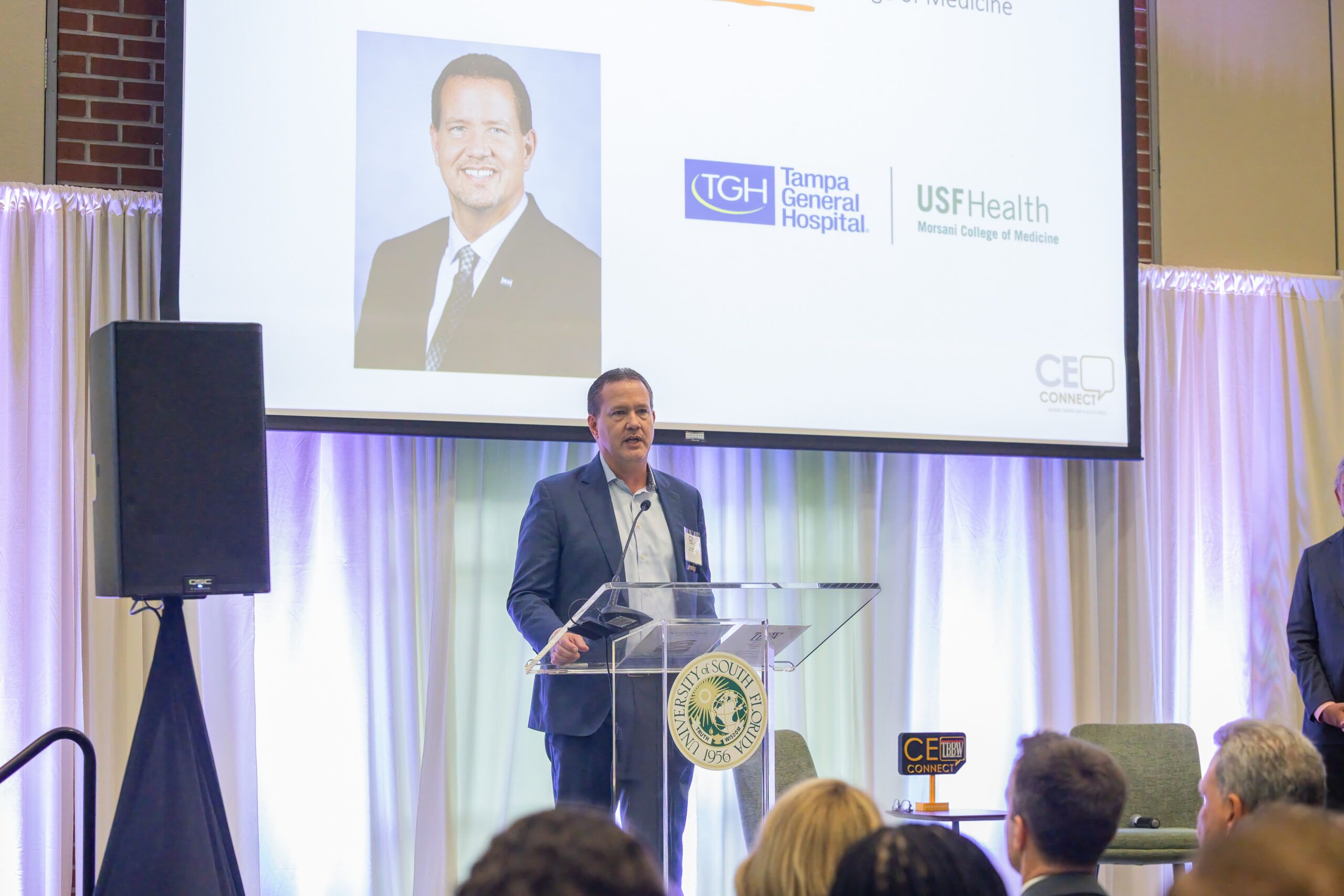
CEO Connect gallery
Rob Higgins CEO Connect
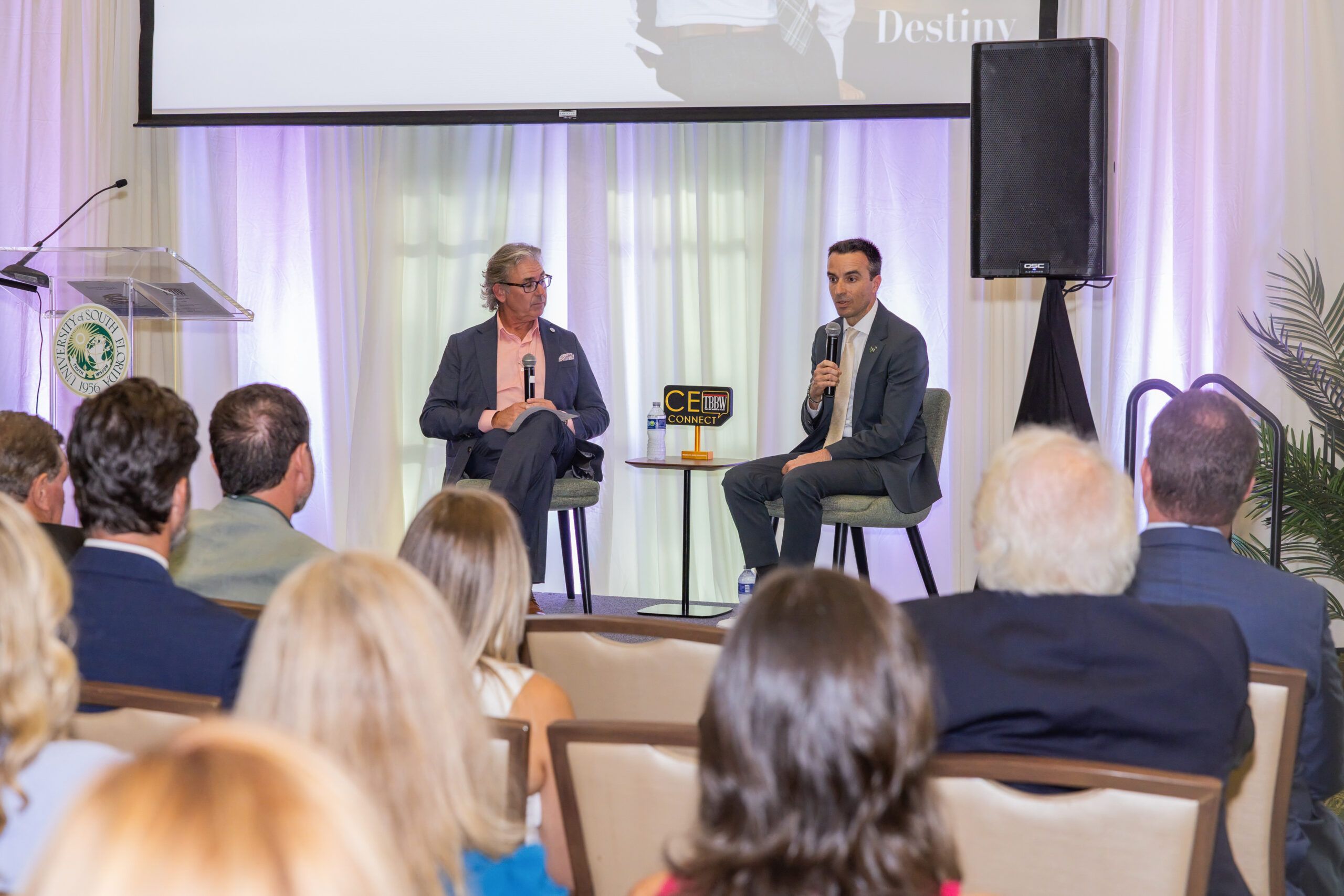
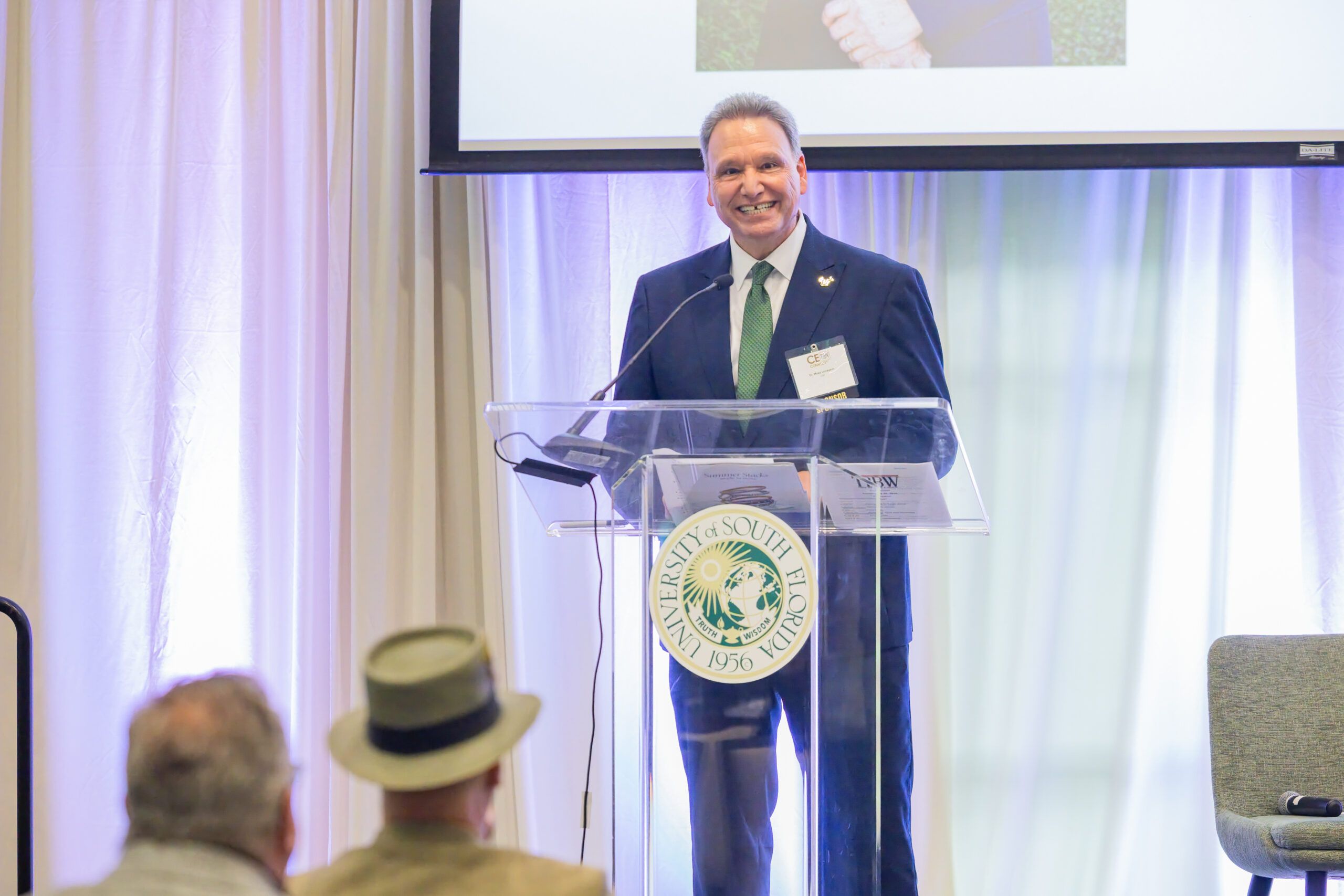
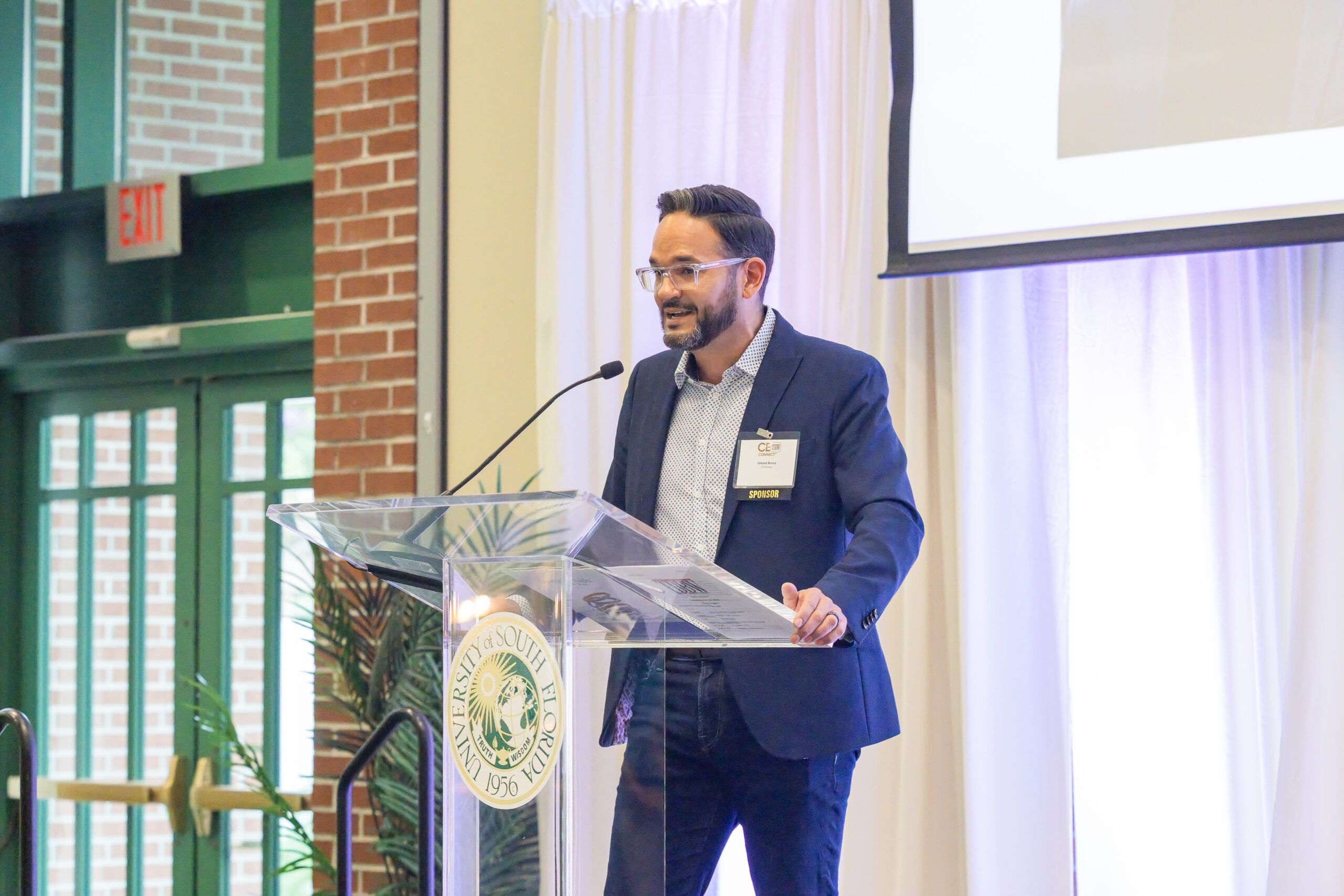
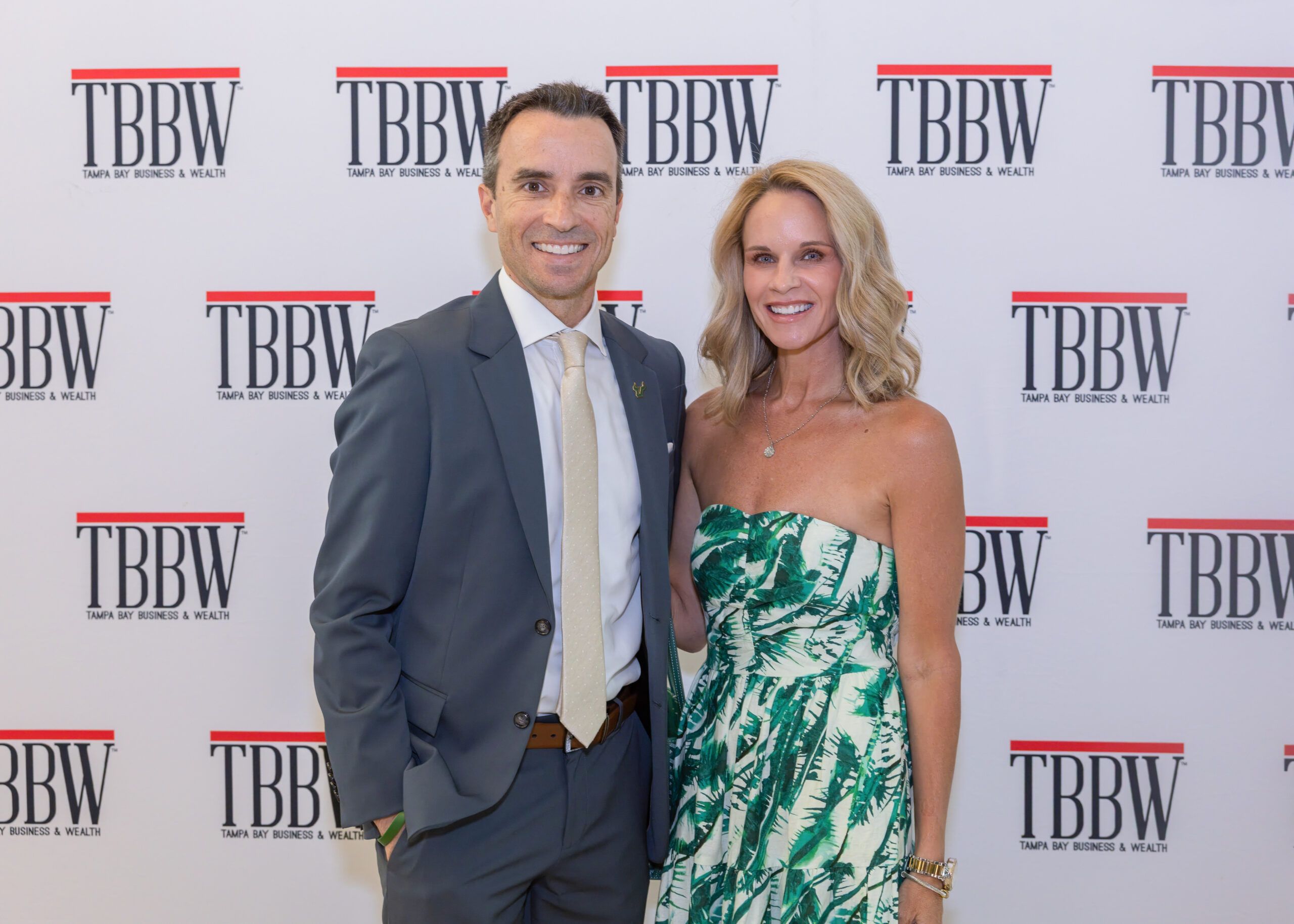
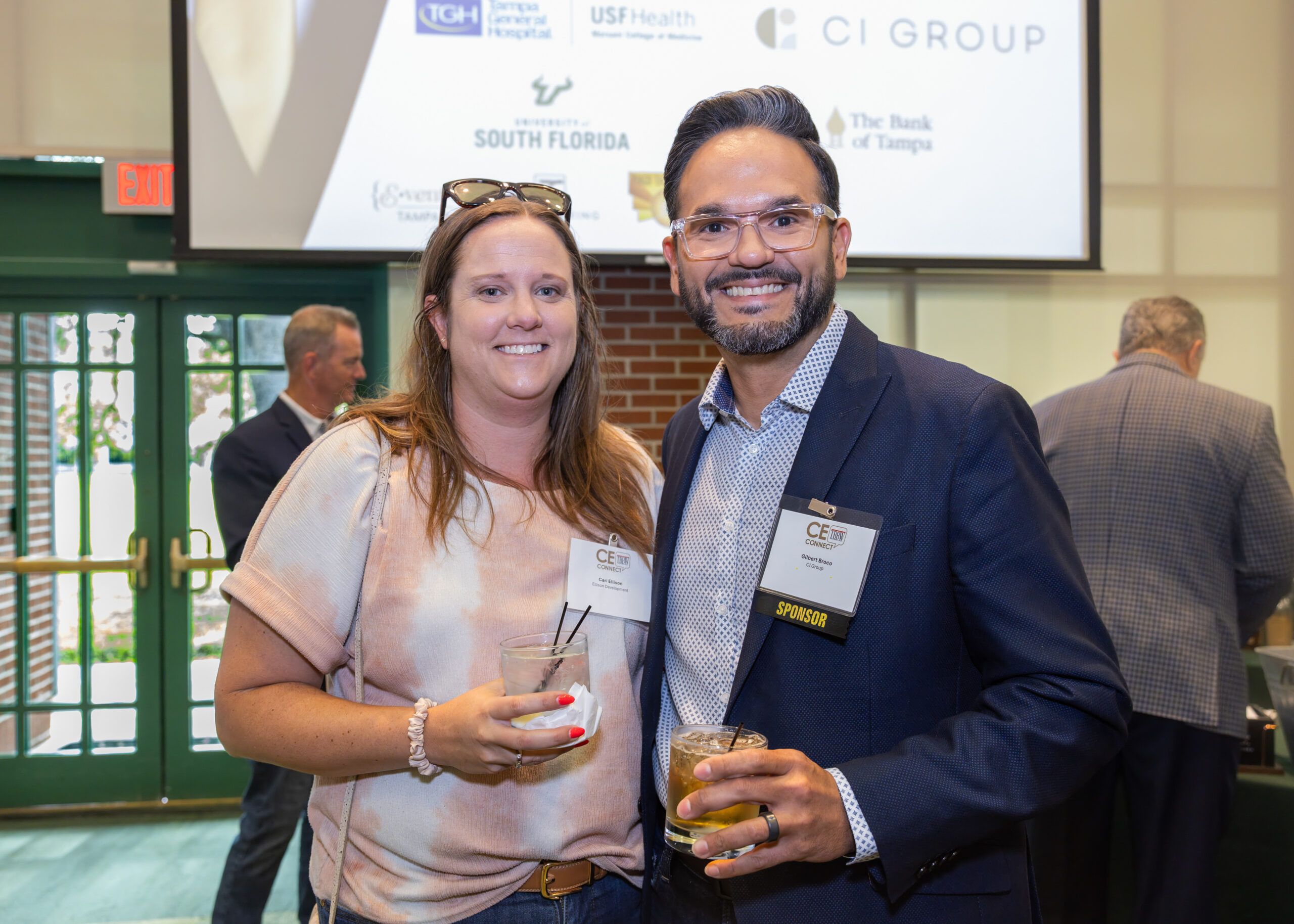
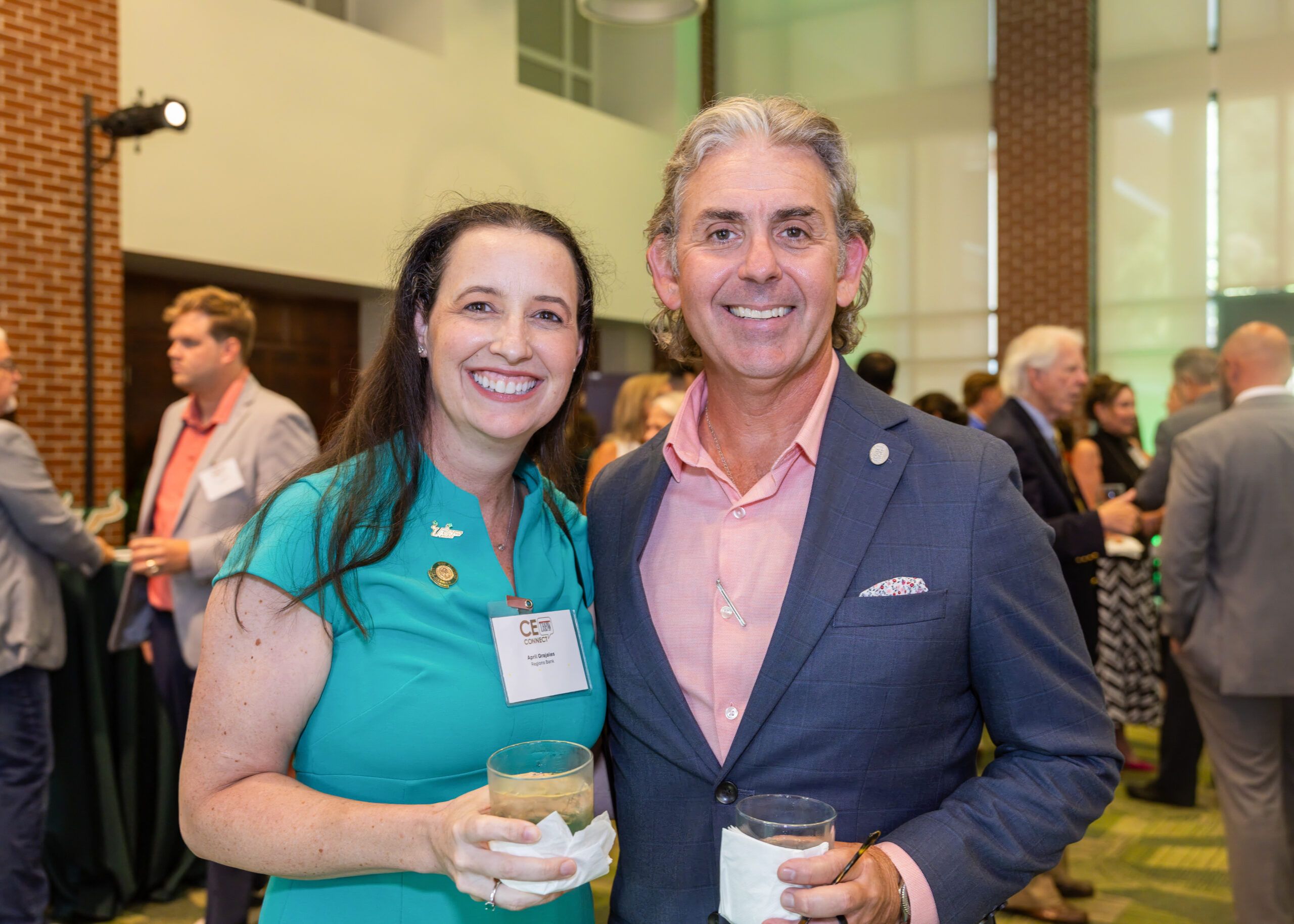
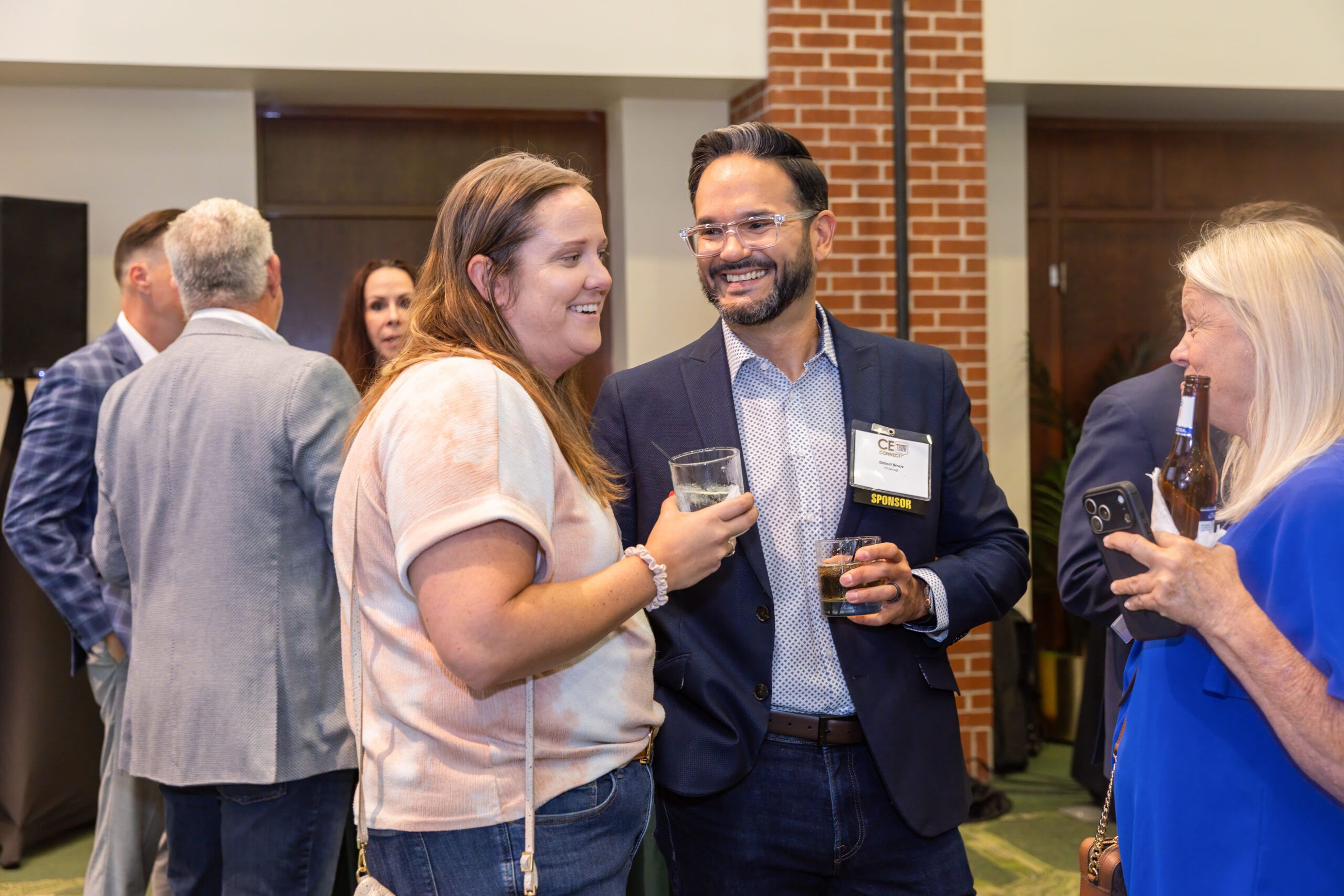
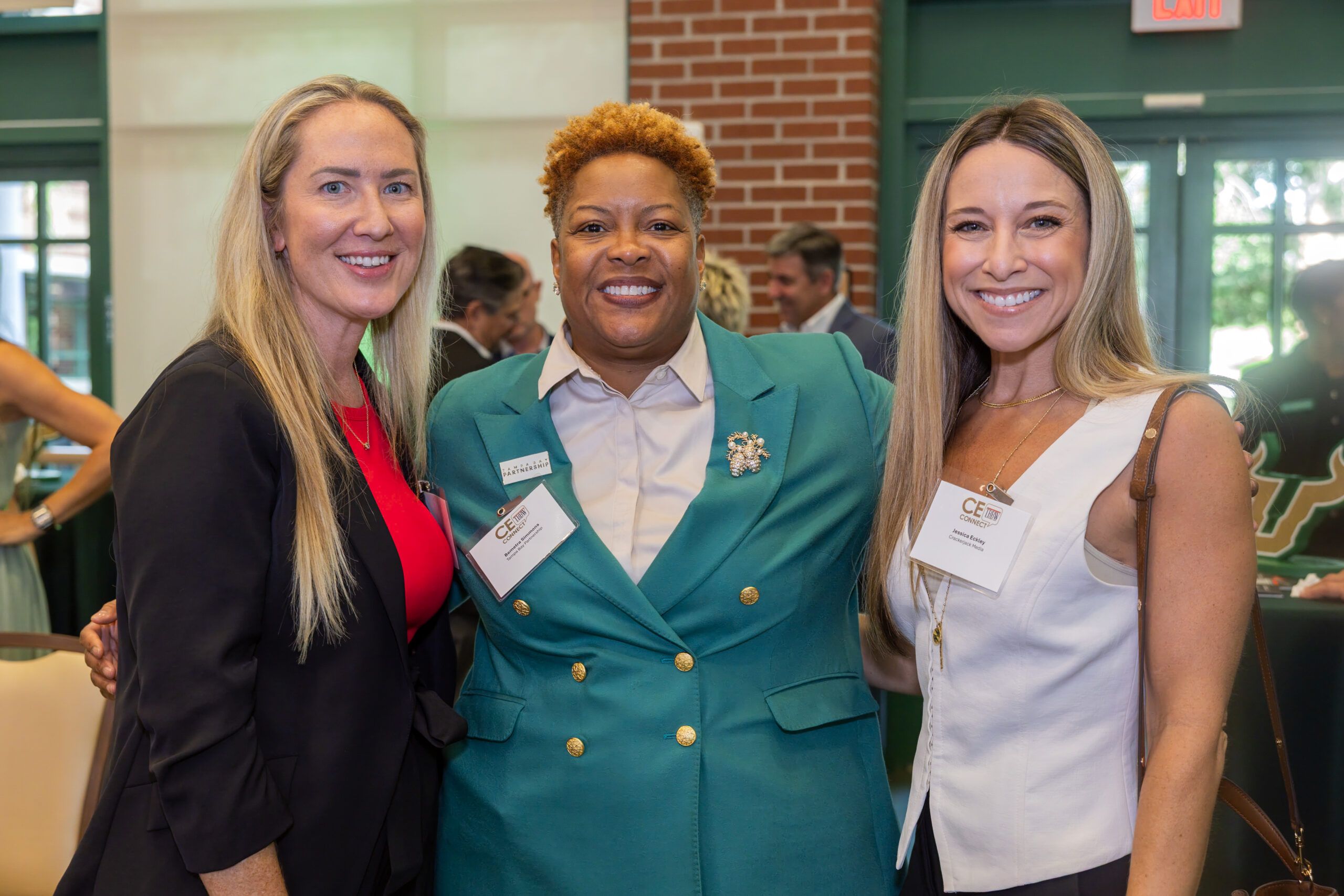
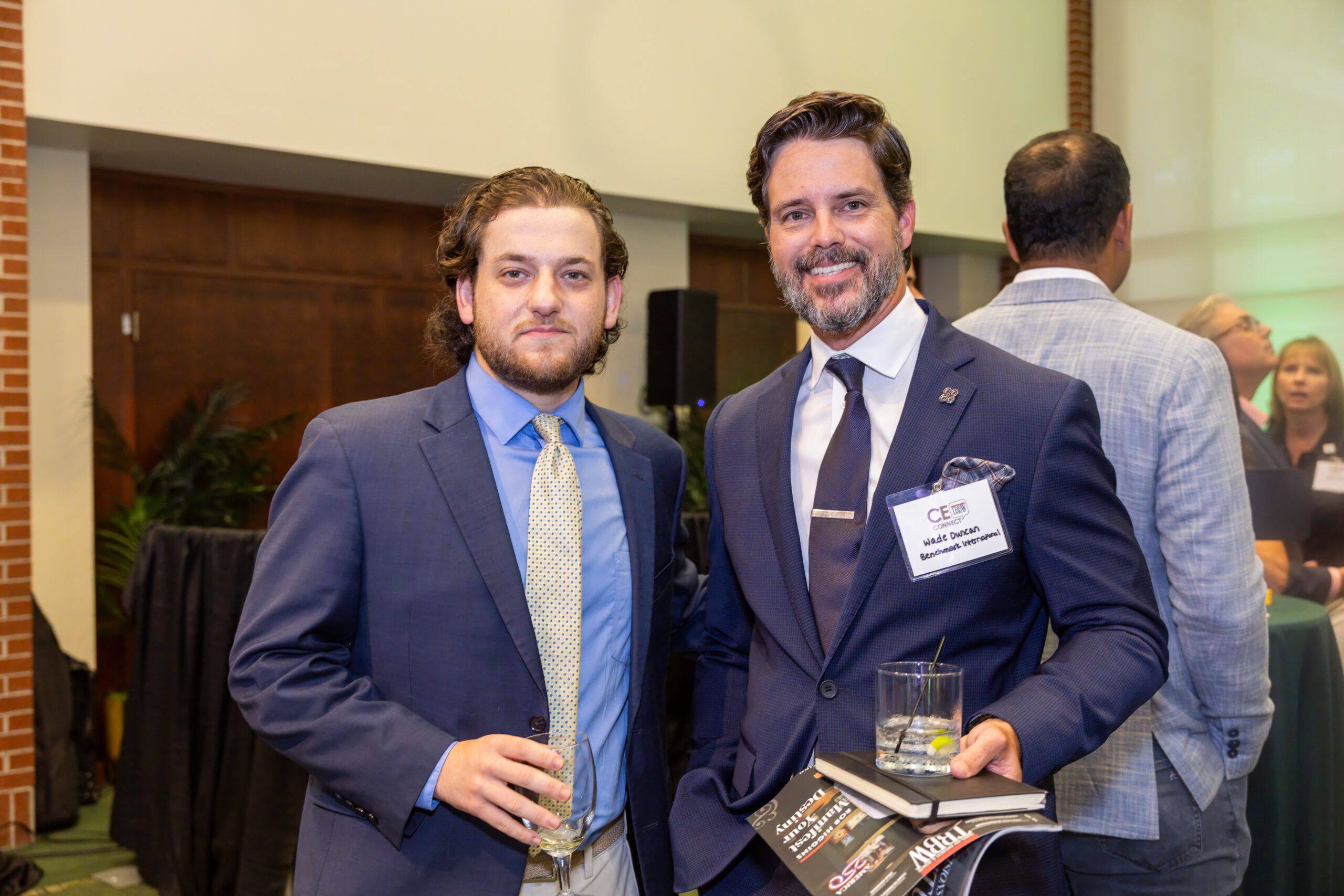
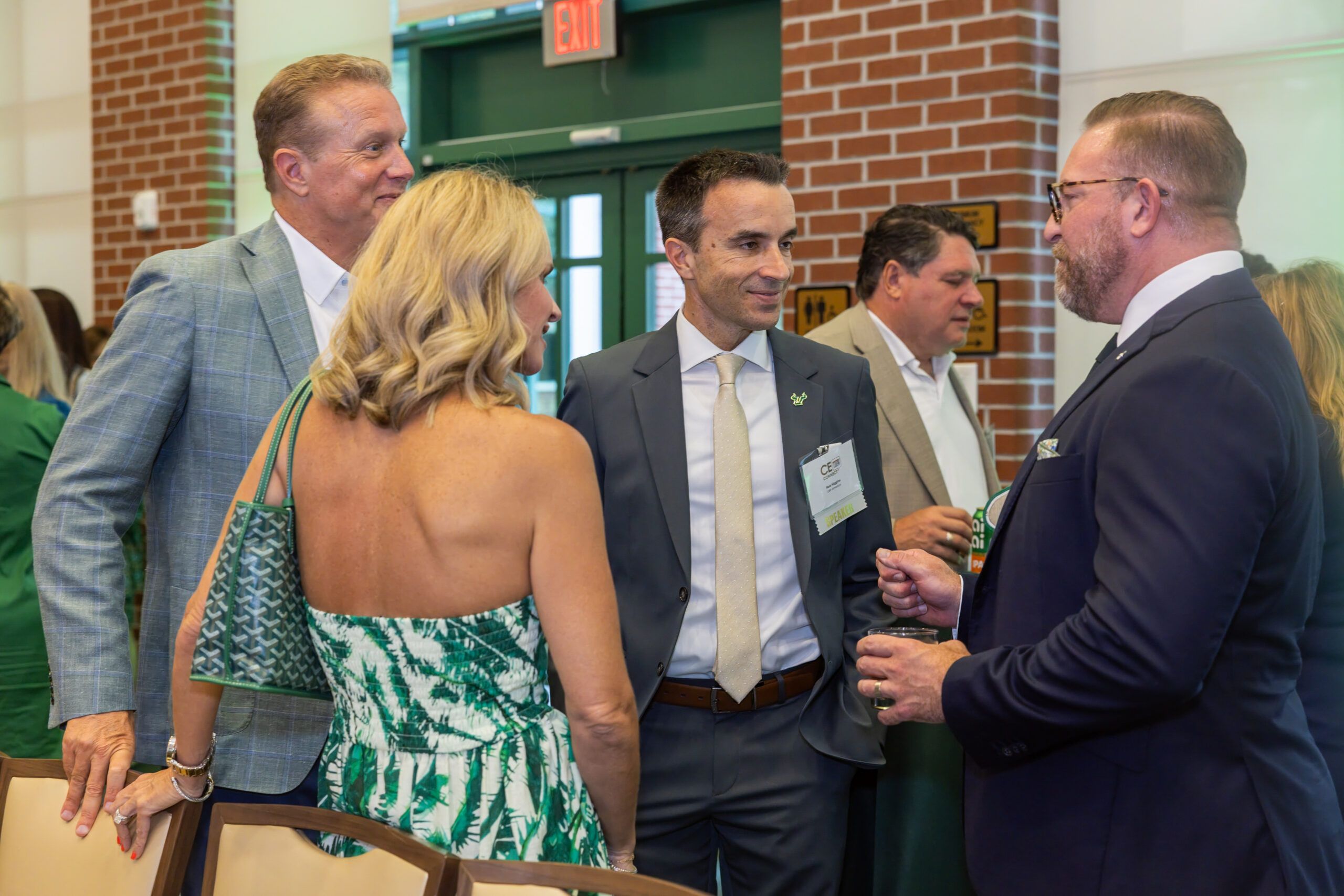
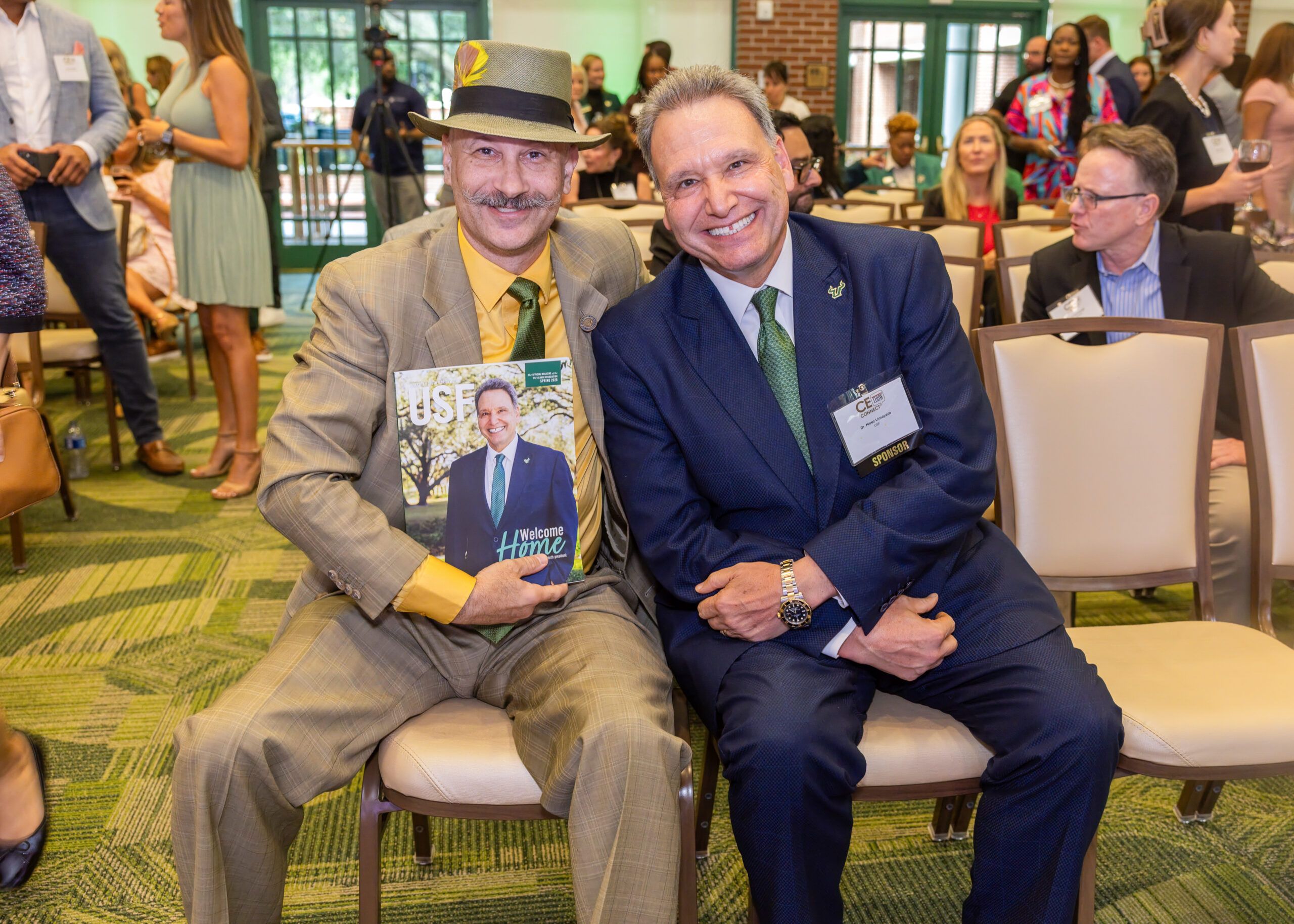
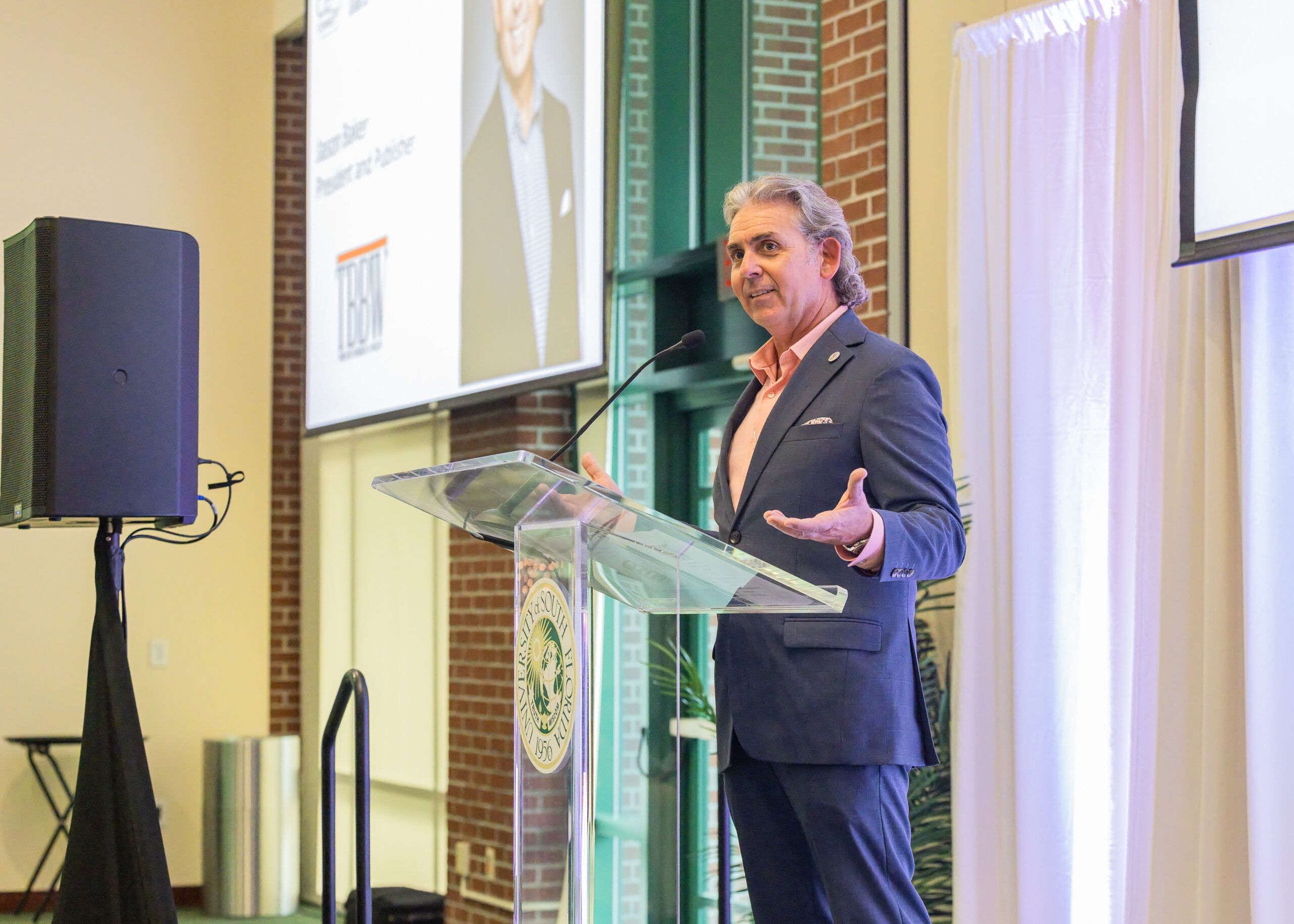
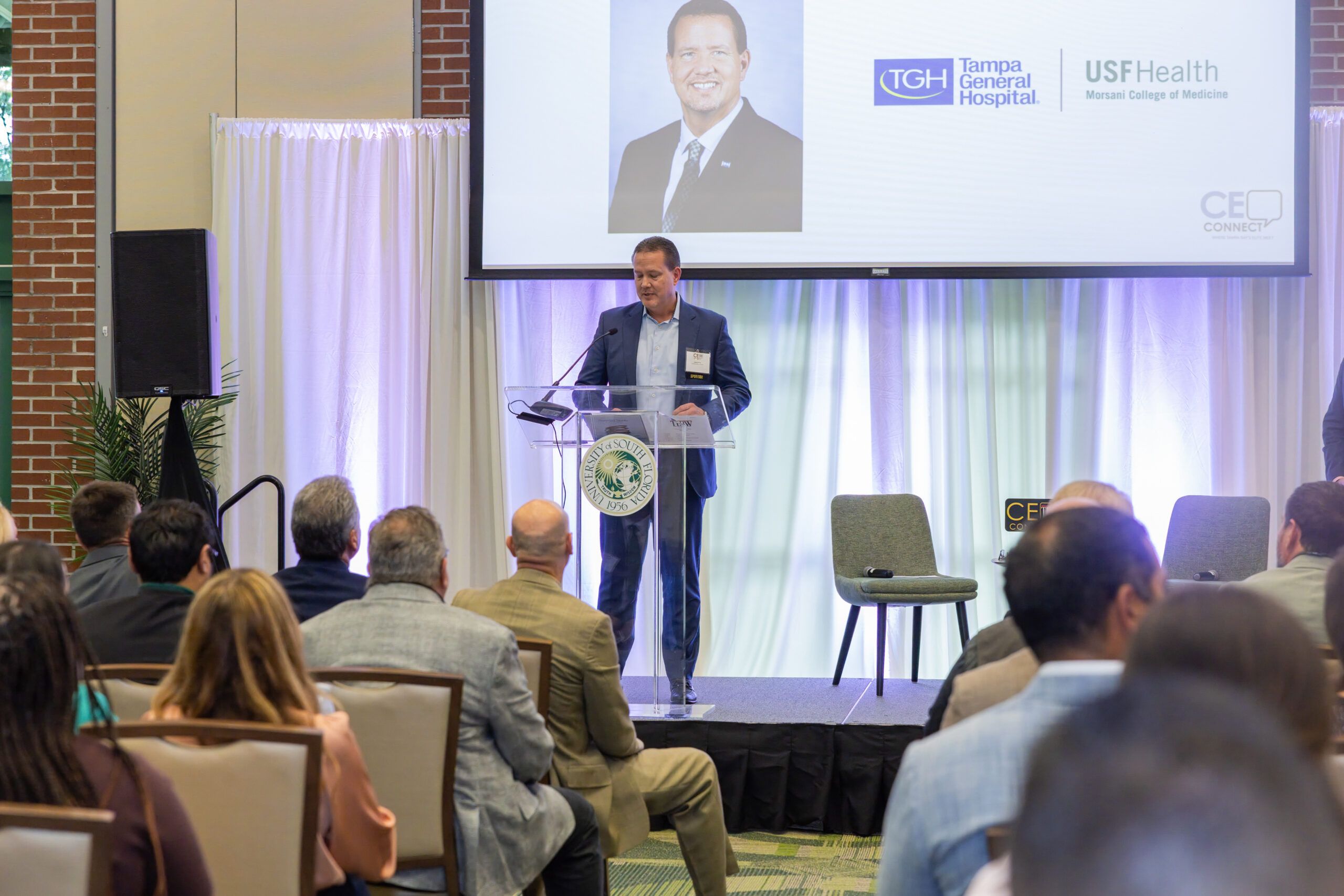
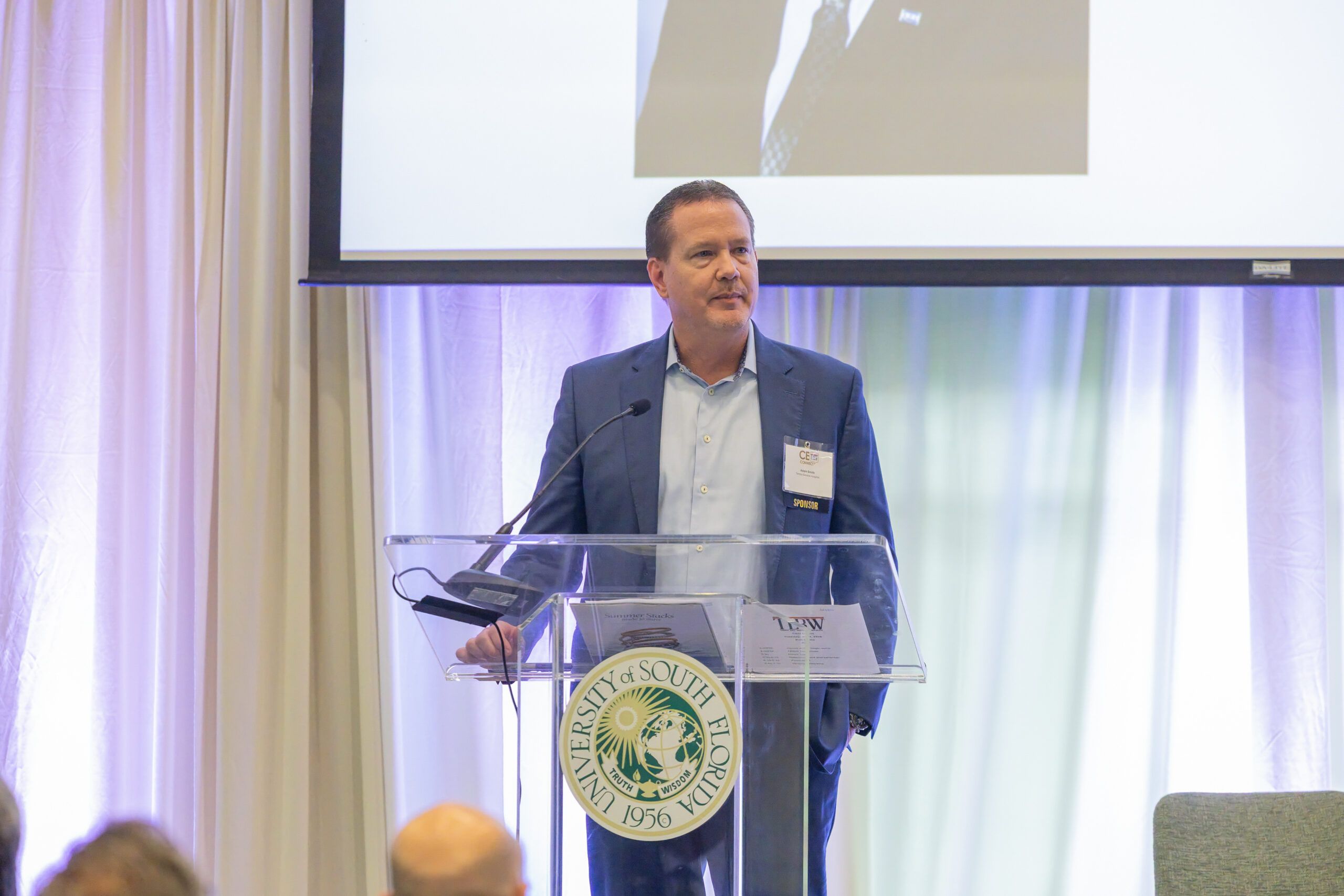
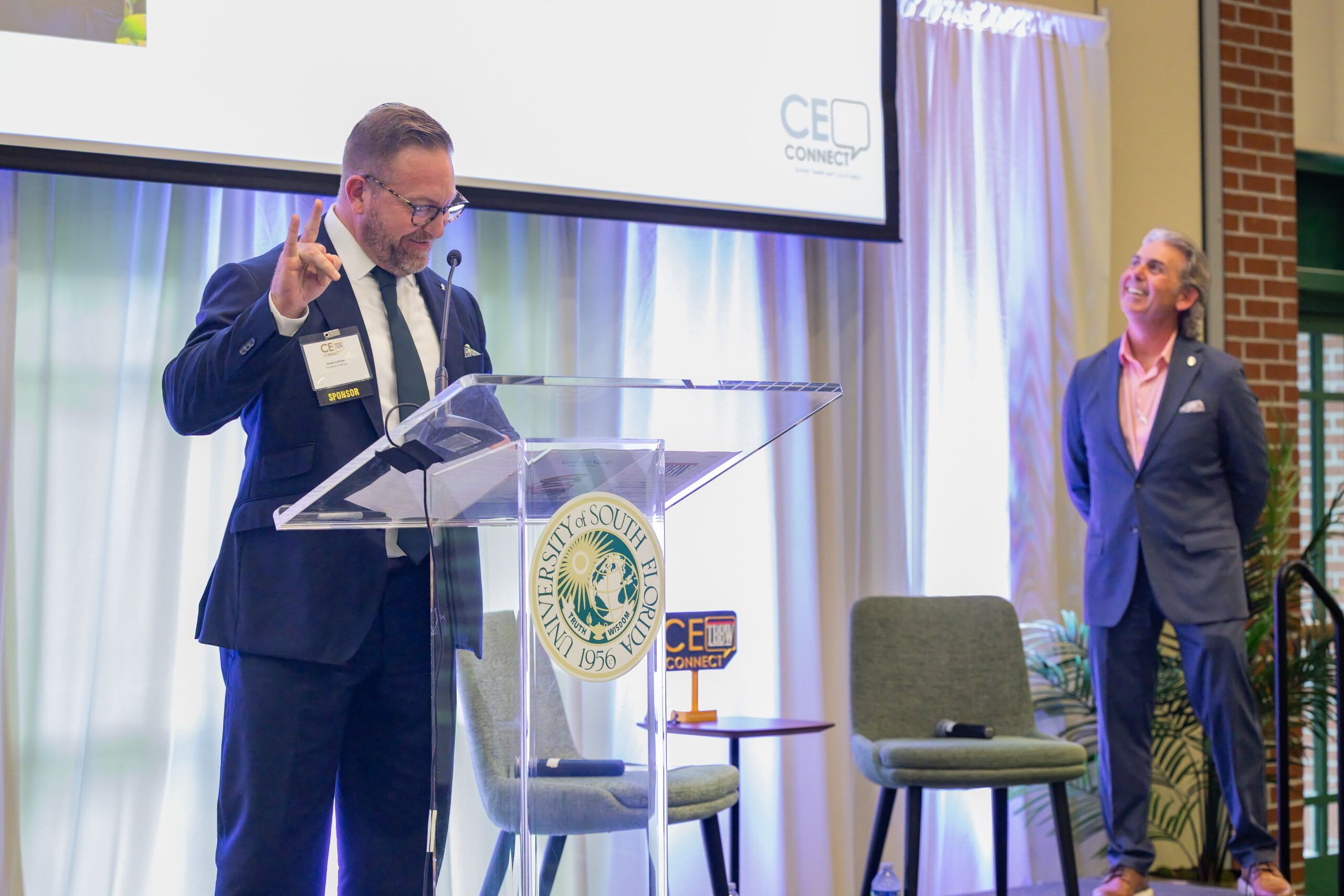
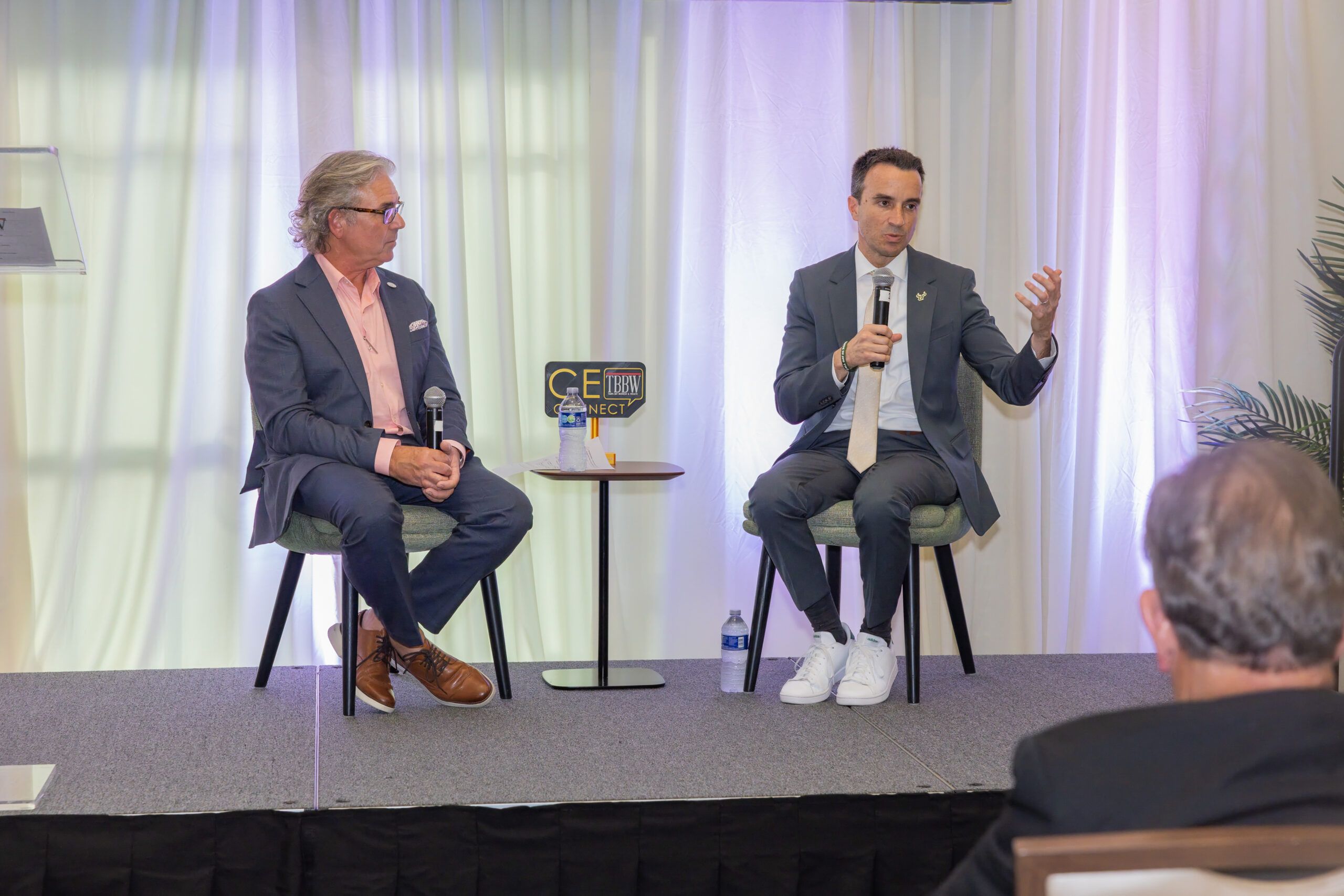
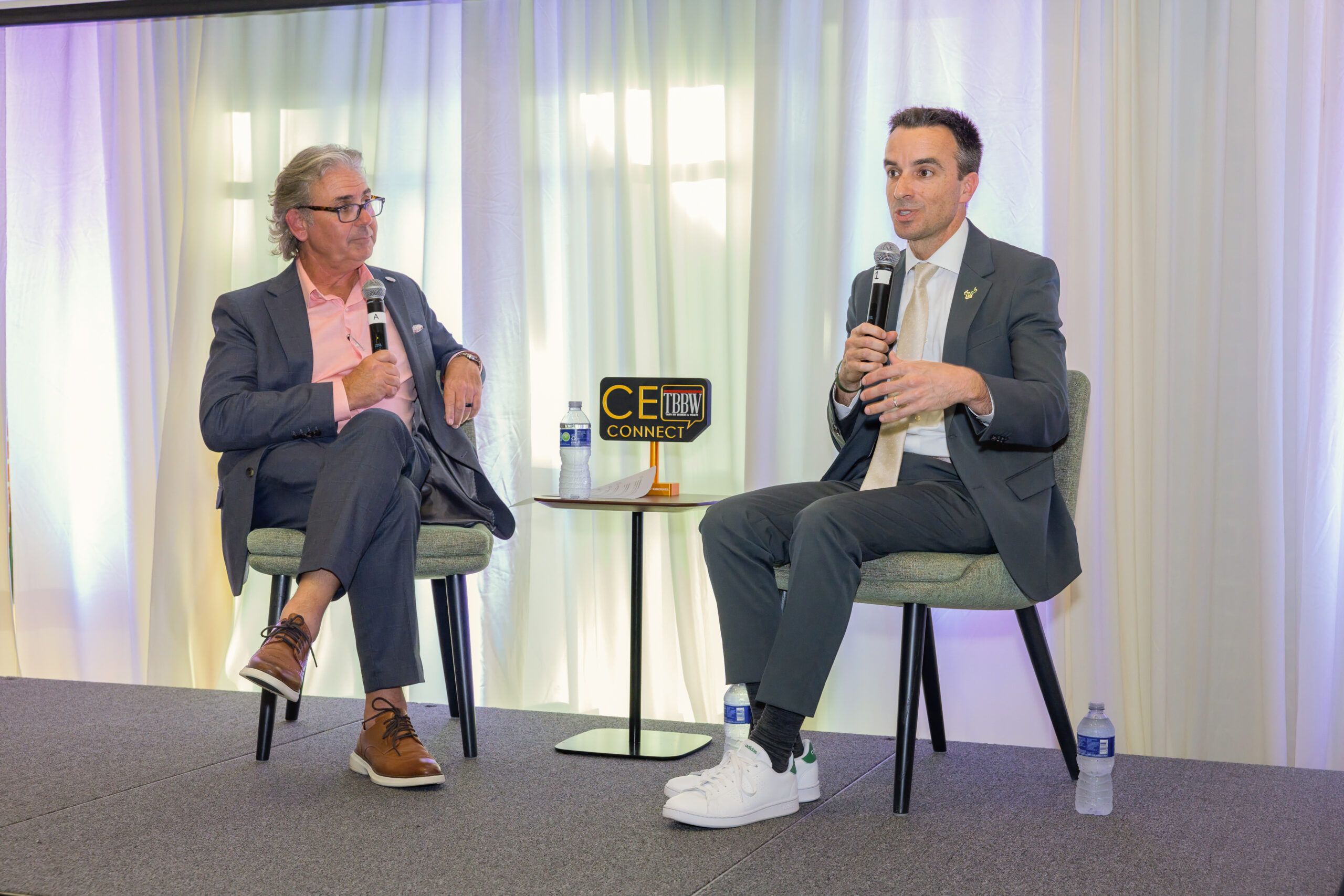
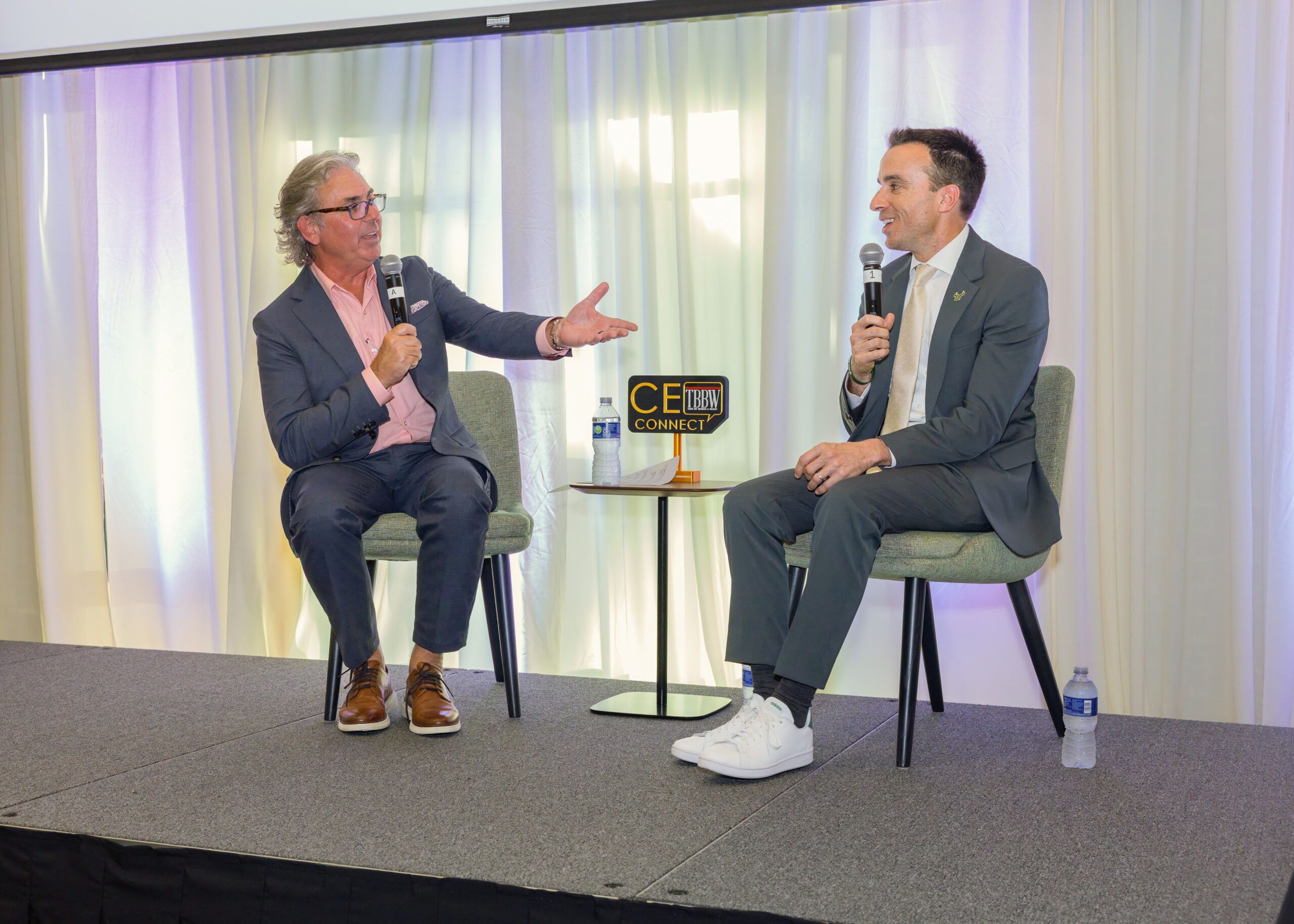
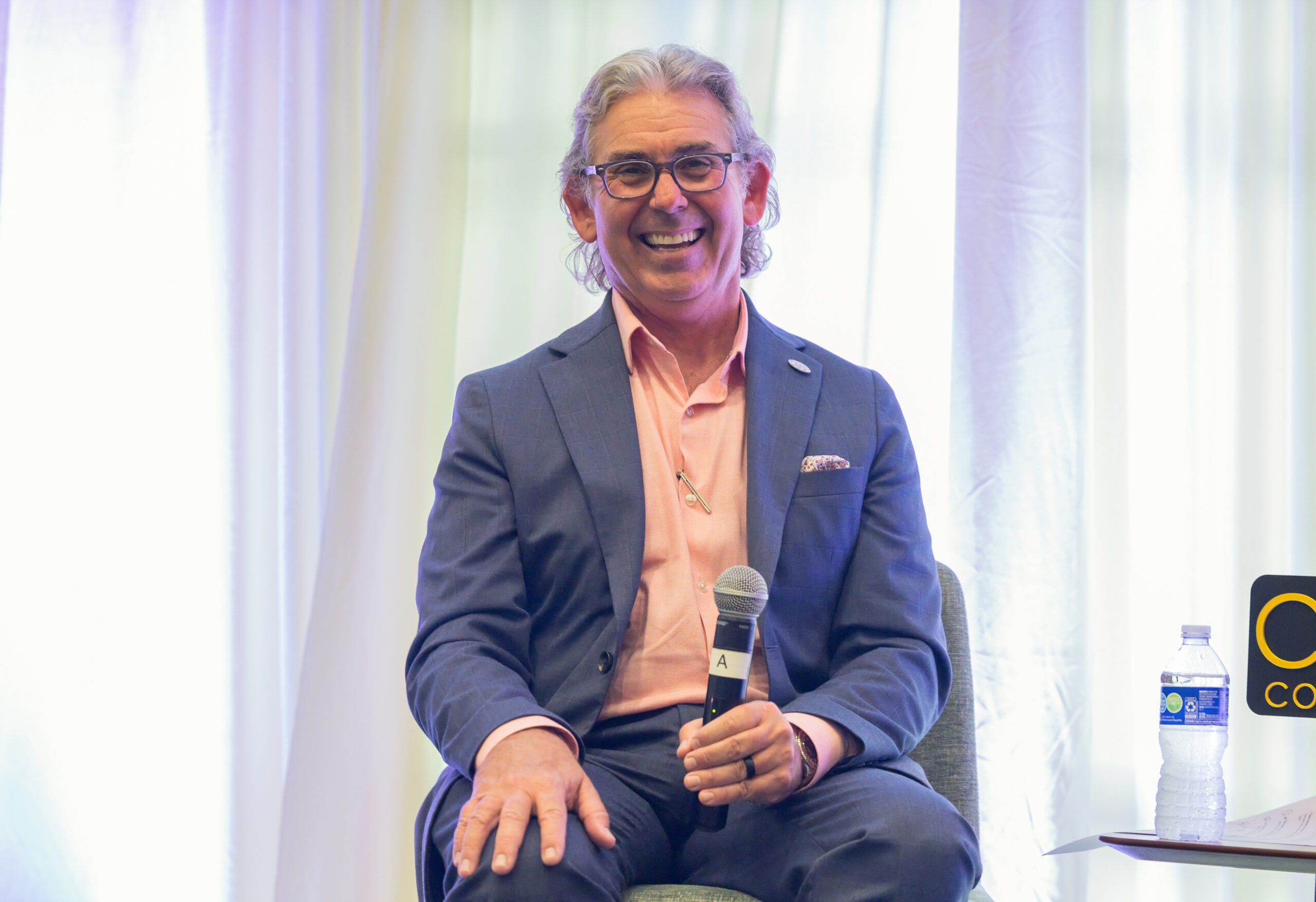
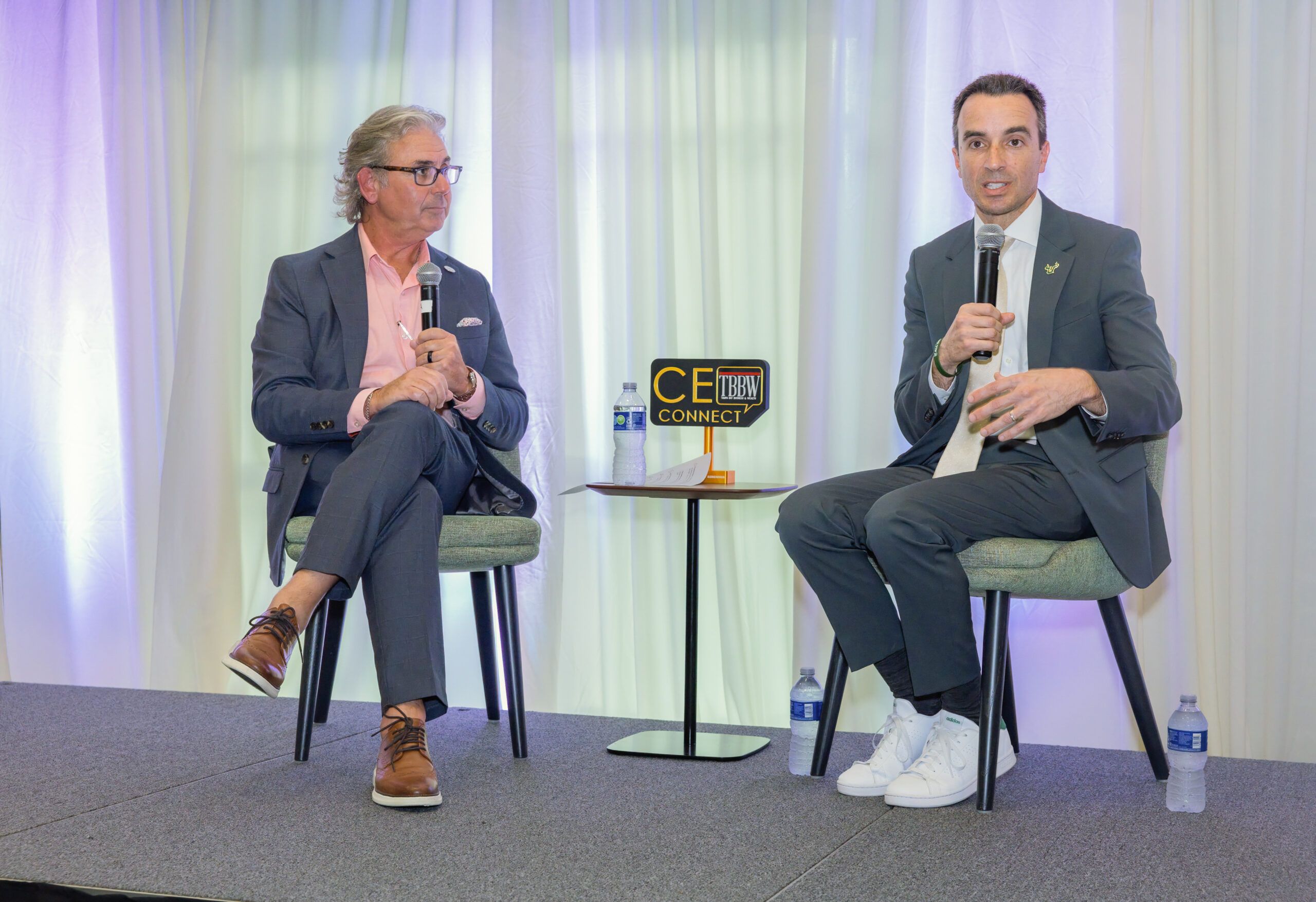
Photos from TBBW’s CEO Connect with Rob Higgins at the University of South Florida.

CEO Connect video
July CEO Connect Event Recap
Highlights from Tampa Bay Business & Wealth’s CEO Connect featuring Rob Higgins, CEO of Athletics at the University of South Florida.
More from CEO Connect
Continue exploring Tampa Bay’s executive community
CEO Connect brings Tampa Bay business leaders together for candid conversations with the executives, founders and public figures shaping the region.