
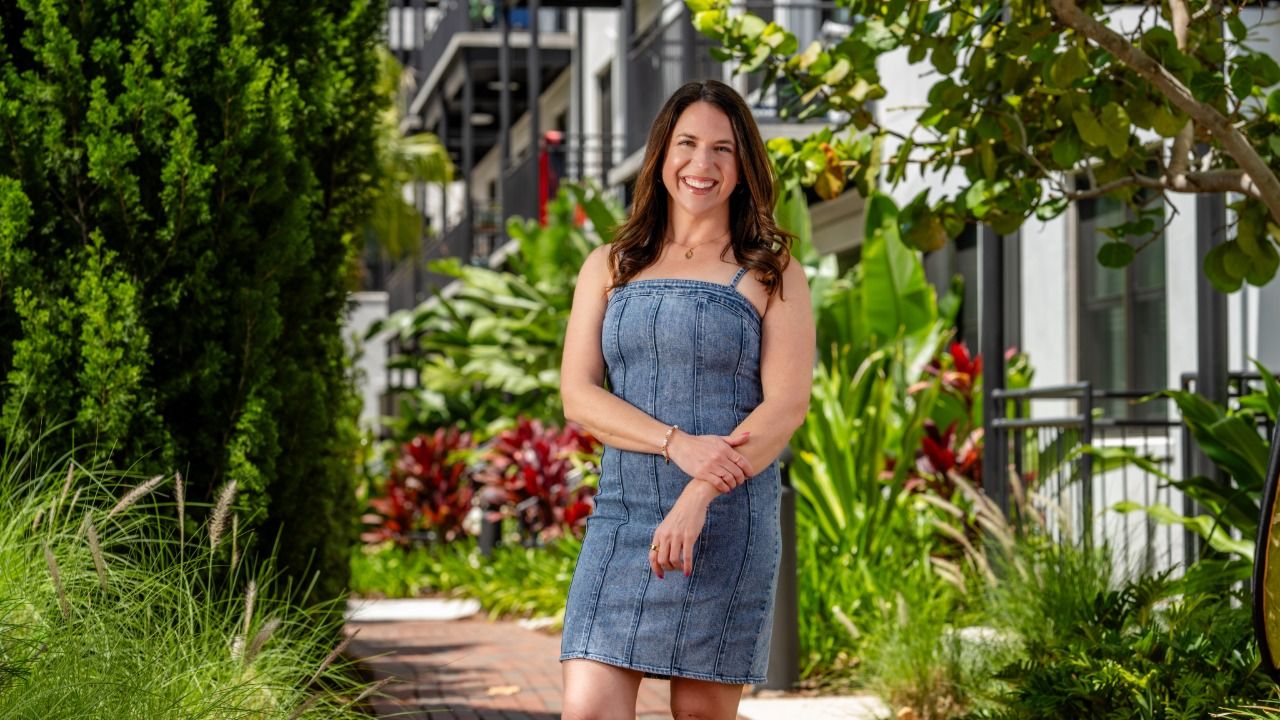
By midmorning, Gina Curry had already worked through the list in front of her, the names still there but with no jobs to match them to and no openings to point toward.
She was in Raleigh, helping build a new office for Veredus as the housing collapse slowed hiring across the nation. Companies were cutting back rather than expanding, and fewer jobs were opening. The office was small and windowless, and the days stretched without interruption as she worked through calls and interviews that led nowhere.
“There were days I would just sit there all day,” she said. “We didn’t have any jobs,” and she kept working through the same process, returning to the list each day and working through it again. Interviews filled the calendar, but they rarely led to placements, and the work stayed the same even as the results didn’t. She was speaking with candidates who needed jobs in a market that was still shedding them. At times, the repetition made the work feel static, with the same conversations again and again, but she continued working through them without stepping away or changing her approach.
Curry grew up in Temple Terrace, where her father, Jim Macaluso, coached baseball at King High School for 50 years, and where the sport shaped much of their daily life as a family. The schedule of practices, games and tournaments filled evenings and weekends, and much of her time was spent at the field alongside her brother, who later played in the program and now serves as the head coach at King, continuing the program their father led for decades.
In that setting, the pace of the game left little room for hesitation, as players looked to the dugout and decisions were made quickly based on what was visible in the moment, often with Curry keeping score by hand from the stands.
At one point, she asked him why he did not simply put in the player who seemed like the best option. He told her he was the coach and had to make decisions with the information he had at the time, knowing some would work and some would not, and that the responsibility was to make the decision and adjust if needed. The expectation was simple: make the decision with the information available and adjust if it didn’t work.
After graduating from the University of Florida with a degree in recreation and hospitality management, Curry expected to build a career in hotels, where advancement followed a defined path and progress came over time, a pace that didn’t match what she wanted.
“I just was like, this is going to take me 25 years to get to anywhere I wanted to be,” she said.
She interviewed with Veredus through multiple rounds, including conversations across the office and a mock exercise, and by the time she received an offer she had spent enough time with the team to understand how they worked, even if she couldn’t describe the role. When she told her parents, they asked what the job involved.
“I couldn’t even tell you what a recruiter is,” she said. “I just liked the people.”
She started as a researcher and learned the work from the ground up, with clear expectations and feedback that came quickly, including moments where her work was sent back immediately and she was expected to redo it without hesitation.
“It was the first time in my life where someone was like, ‘This sucks, do it again,’” she said, and she adjusted by repeating the process and refining it, moving past each attempt without dwelling on it and building the resilience the work required.
Over time, she began to notice patterns in how conversations unfolded, with candidates often presenting themselves in ways that matched what employers wanted and interviewers accepting those presentations without testing them further.
“People hear what they want to hear,” she said, and she spent more time in conversations, asking questions that went beyond initial answers and focusing on whether it held up.
That led to a longer stretch in Raleigh, where she worked to build an office and team in a market that was slower to open and harder to break into.
The early hires for the Veredus office did not work, with the first five to seven employees leaving quickly and each departure requiring the process to begin again, resetting the office and showing how hard it was to evaluate talent through interviews alone.
“You think someone’s the right fit because everything sounds right,” she said. “Then you realize you didn’t actually test it.”
She kept doing the work even when placements did not come through, continuing to interview candidates and stay in touch in a market that was still recovering. The first placement, when it came, was followed by a simple moment of relief as she and a colleague stepped away and went out for drinks, marking the shift from a long stretch of effort without results to the first sign of progress.
“Starting the Raleigh office was the hardest thing I had ever done; every day was a grind and sometimes it was hard to stay positive. But I never said that to anyone.”
She continued to show up and work through it, and over time, the office began to stabilize. She moved into a sales role and eventually managed the office, which she grew into one of the largest at Veredus. While she navigated the growing demands at work, she also had two children.
At the same time, her responsibilities increased, and her personal life changed as she relocated and managed growing demands at work and home, including building a family with her husband, whom she had known since childhood.
She continued showing up and working through it, and over time the office began to stabilize, with placements becoming more consistent, though never certain.
Veredus was growing rapidly during that period, expanding from a smaller operation into a national platform with significant scale.
The acquisition of Veredus, by a $6 billion U.K.-based firm, introduced another shift: decisions moved through additional layers, and processes replaced direct communication in situations that had previously been handled more simply, reducing the autonomy she had experienced earlier.
“Why would I do all of that?” she said.
The decision to leave was not immediate and was shaped by competing factors, including the success she had built, the team she had developed and the reality of stepping away from something that had defined a large part of her career.
She returned to Tampa, reconnected with Dan Rodriguez and James Hawley, and, together with Stephanie Markese, founded NextPath Career Partners.
The Tampa market moved differently, with relationships forming more quickly and leading to opportunities in a shorter time frame.
The early years of NextPath required the same decision-making she had relied on earlier, with uncertainty around growth, revenue and hiring, and the added pressure of building a company while managing life outside of it, including raising two young children and navigating personal changes.
Curry’s role expanded as the company grew, eventually leading her into the CEO position, a move the team had been building toward since founding NextPath.
“I didn’t initially set out to be a CEO, but once we founded NextPath, leadership became part of the plan.”
The hiring market has shifted through multiple cycles, including a period following COVID-19 where demand surged and candidates often managed multiple offers at once, with compensation packages that included large bonuses and rapid decision timelines, shifting power toward candidates that companies struggled to manage.
That environment has since changed again, with artificial intelligence reshaping how candidates prepare for interviews and present their experience, and in some cases making it more difficult to determine whether that presentation reflects actual ability.
“There are fake candidates,” she said. “There are people using AI to present themselves in ways that aren’t real.”
At the same time, job roles are shifting, with responsibilities and expectations changing as companies adapt. “It’s not replacing jobs,” she said. “It’s reshaping them.”
Curry serves on the leadership team of the Tampa Bay Economic Development Council as secretary-treasurer and is involved with organizations including Think Big for Kids. She is also active in the CEO Council of Tampa Bay.
Her work continues to focus on hiring in an environment where conditions are not always clear and decisions often need to be made before outcomes are fully known.
When she moved to Raleigh early in her career, she told her parents she did not want to look back and regret not taking the opportunity, and years later, as she prepared to start NextPath, her mother reminded her of that moment and how certain she had been about making the move even without knowing how it would turn out.
“I don’t want to be 10 years from now and regret not doing this,” Curry said, and while the situation was different, the choice was the same, made with the information she had.
The work looks different now, but the expectation is the same as it was in the dugout. Make the decision with the information you have, knowing it will not please everyone, and adjust it if needed.
Photos courtesy of Evan Smith.
Read More Tampa Bay Business News
Explore the latest Tampa Bay business news, real estate deals, development projects, executive moves and company updates shaping the region.