
After moving to Charleston in 2011, Kenneth Emery opened Burwell’s Stone Fire Grill about 500 feet beyond the part of Market Street where diners naturally stopped. Emery still calls it “the longest 500 feet in Charleston.” If diners were going to walk those extra blocks, Burwell’s had to give them a reason, and the location left little room for mediocrity. “I had to do something to make it worth coming,” Emery said. “I needed to be worth going to.”
Burwell’s is still there. While the restaurant fought for diners, Emery watched the streets around it sort themselves out. Market Street held onto restaurants while nearby King Street tilted toward bars, clubs and college crowds. Developers offered favorable leases to seed more restaurants along King, Emery said, but some of those concepts closed and their spaces returned to bars. The leases could bring restaurants in. They could not guarantee enough customers to keep them there.
In Ybor City, Emery has opened into a different problem: hundreds of potential customers are moving nearby, but many of them are not there yet. The Stevedore and Olivette alone add 766 apartments near Seventh Avenue, while La Unión Residences has added more housing nearby and Gasworx continues to build around the district. Until those apartments fill, Tommy’s still has to pull diners from other parts of Tampa Bay.
“It’s tricky right now,” Emery said. “We have to bring people from other communities down here, and that takes something exceptional.”
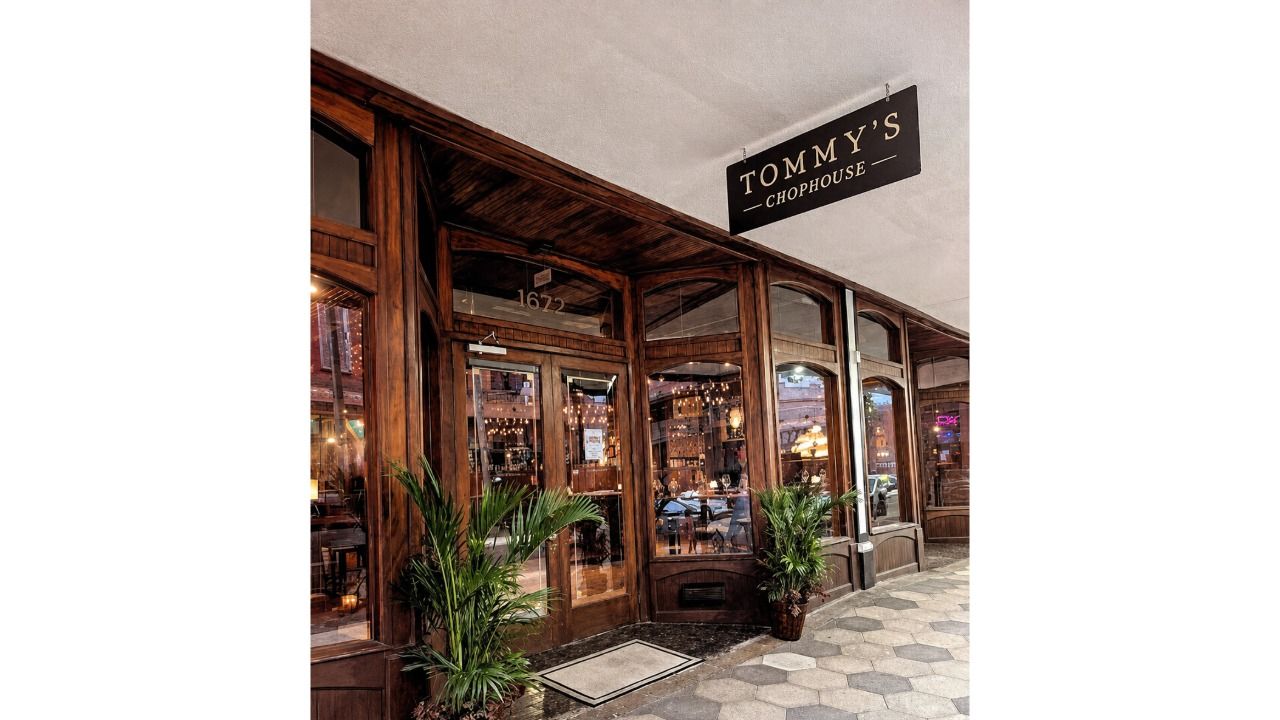
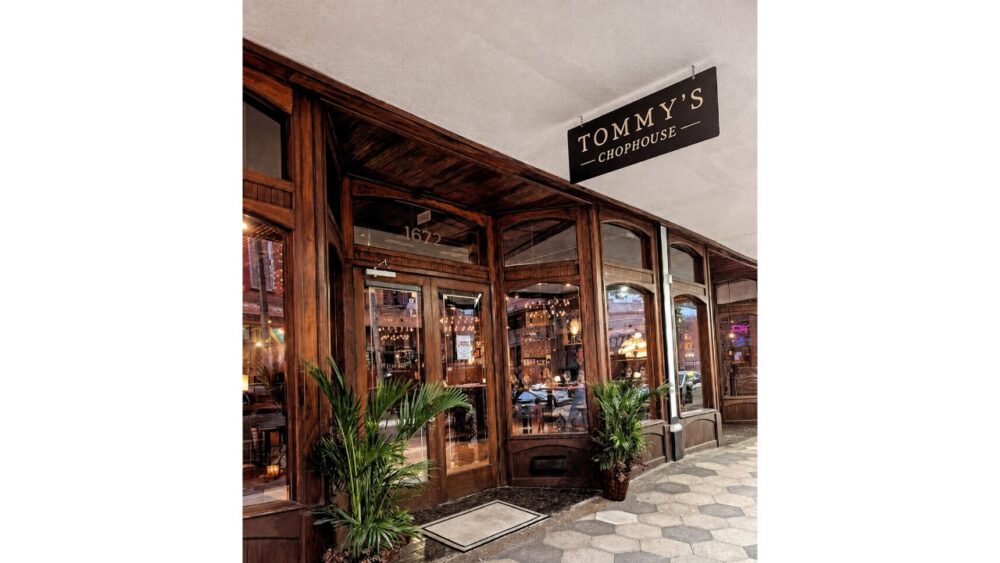
The 1929 Kress building came with things Emery wanted to preserve and others he could not easily change. He reused flooring from an upper level to build the bar, kept the original walls and converted a massive vault that would have been prohibitively difficult to remove into a private dining room.
Emery began leasing the Kress space around 2023 and spent years getting the historic building ready to open. He says permitting and inspections contributed to the delay and added to the cost of carrying the project before the restaurant could fully operate.
The restaurant takes its name from Tommy Lamb, the late Tampa architect and designer who kept pushing Emery toward a restaurant more polished than Emery normally wanted to pay for. Lamb loved expensive design. Emery watched the budget because, as he puts it, “You got to pay it back.” Tommy’s carries both instincts. After Lamb died during the COVID-19 pandemic, Emery gave the restaurant his name and kept another of Lamb’s habits alive: Near the entrance, the staff sets a table in his memory, borrowing a ritual Lamb once maintained with a standing reservation at Meat Market in Hyde Park.
Emery applies the same budget discipline to the menu. He calls Tommy’s an “approachable steakhouse,” which requires some maneuvering when the restaurant is buying expensive beef. His workaround is to spend more on marbling and less on the cut. Tommy’s buys highly marbled American Wagyu and other Prime-or-better beef, then puts hanger steak and picanha where another steakhouse might emphasize filet, strip and ribeye. Buying filet, strip or ribeye at comparable quality would push prices above $100, Emery said. Hanger steak and picanha give him highly marbled beef he can sell below $60.
At Burwell’s, hanger steak became the bestseller. Emery is trying to make picanha Tommy’s version of it. Tommy’s also skips the $190 tomahawks and $180 seafood towers Emery associates with the highest end of the steakhouse market. Executive Chef Will Chastain is trying to use as much of each product as possible, so steak trim that does not make it onto a plate becomes a lasagna Emery expects to keep below $35.
“We’re still expensive,” Emery said. “We’re just trying to make it approachable. If you’re just out after work, maybe you go after that chicken or lasagna, and you come out for your anniversary and you do the steak and lobster.”
He needs Tommy’s to work for both occasions. A restaurant trying to become part of a neighborhood cannot depend entirely on anniversary dinners, especially while beef prices remain high. The pricing only works if Emery gets repeat business, which makes the apartments outside his door part of the restaurant math. Those 766 units at The Stevedore and Olivette create potential regulars, people who may need dinner on an ordinary Tuesday as much as a destination on Saturday night.
That range matters most in the 766 apartments at The Stevedore and Olivette. Emery is counting on residents to stop at Tommy’s after work for chicken or lasagna, then return for steak and lobster when they have something to celebrate. Until those apartments fill, however, many of those customers exist only on the development plans outside his door.
“We want to give people the ability to taste what their home actually tastes like,” Chastain said.
Writing that menu is easier than sourcing it. Chastain said finding a small producer can begin with a Google search, word of mouth or “a guy who knows a guy who knows a guy.” Red’s Farm in Riverview supplies chicken from a small family operation, and Emery said the birds can move from the farm to Tommy’s in less than a day.
Buying the shrimp requires more work. Tommy’s buys from the Versaggi family, which Emery said once operated 30 shrimp boats and now has five. When Emery asked what Tommy’s could buy that would actually help their business, the answer was smaller shrimp. Large shrimp sold easily. Smaller shrimp did not. Tommy’s agreed to buy a size down.
Emery asks ranchers the same question: What do you need to move? He then looks for ways to build those cuts into the menu. That approach helped make hanger steak Burwell’s bestseller and now gives Tommy’s highly marbled picanha Emery can keep below $60.
The approach gets harder once Tommy’s needs more product than a small supplier can provide. Emery likes beef from a producer in Ocala, but he said the operation cannot handle the restaurant’s volume. Most of Tommy’s American Wagyu therefore comes from Snake River Farms in Idaho. Chastain runs into the same problem with small farms: A producer may have the product he wants without enough volume to supply Tommy’s consistently.
Florida’s growing seasons narrow the possibilities further. Chastain said the heat makes hyper-local sourcing uneven during parts of the year, sometimes forcing restaurants and their suppliers to widen the radius into states such as Alabama. The menu can begin with food from close to home, but the kitchen still has to find enough of it to serve every table.
None of this makes the restaurant easier to run. Emery said he sometimes drives to pick up shrimp himself, while employees may travel farther for fish and other products that would be easier to order from a broadline distributor. “No truck. No hiding it in your warehouse for three days,” Emery said. “We want it now. Today. Off that boat. So it’s just that crazy. And that’s a lot of work.”
The work does not disappear once the ingredient reaches the kitchen. Chastain has to find the farm, place the order and coordinate pickup or delivery. Someone has to butcher and prepare the product, while the dining room has to explain why that chicken or shrimp costs more than something that could have arrived on a distributor’s truck.
The hardest cost to recover may be the one diners cannot see. A customer can taste the shrimp without knowing whether it came off a nearby boat or crossed an ocean in a container, just as the chicken can arrive from Riverview without the customer knowing where it was the day before. “If you don’t tell every table,” Emery said, the additional effort can disappear into the price.
The Kress building imposed another constraint on what happened after those ingredients arrived. Emery could not easily vent a wood-fired kitchen through three occupied floors. Burwell’s uses wood fire, deliberately putting smoke into steaks and other dishes. Tommy’s could not reproduce that setup, so the kitchen went electric.
Chastain had to adapt without the smoke, and Emery came to prefer what the cleaner cooking did for fresh ingredients. Shrimp, oysters and chicken no longer had to compete with another dominant flavor. “The cleaner the cooking and the less smoke, the more true flavor of where it comes from,” Emery said. “Why impart that with smoke, rather than let that speak and shine?”
Other businesses are filling in the hours around Tommy’s. Foxtail Coffee, Tico’s Bakery and Kaia Bowls give Seventh Avenue places that operate before dinner. Mise en Place has moved its longtime fine-dining restaurant to Ybor, while Tokyo Swim Club is planned above it in the Casa Gomez building. Darryl Shaw, the Tampa developer behind Gasworx and the restoration of the Kress building that houses Tommy’s, said Emery recognized something familiar in the district’s evolution. “He saw the evolution in Charleston and sees the changes taking place in Ybor,” Shaw said.
Emery wants the bars to remain, but he wants restaurants, retail and residents using the same blocks alongside them, closer to the neighborhood economy he associates with old Ybor, when cigar workers lived near the factories and spent their money around the district.
“They lived and died and breathed and worked here,” Emery said. “It was a community driven by workers.”
The apartments give Emery reason to believe Ybor can support more daily restaurant traffic, but they also create the timing problem Tommy’s has to survive. Asked what he says to diners who might like the restaurant but no longer want to come into Ybor because of the clubs surrounding it, Emery did not dismiss the concern. “That’s what scares me,” he said.
For now, Tommy’s needs some of the diners who have stopped coming to Ybor. Emery can keep a lasagna below $35 and highly marbled steaks below $60. Chastain can buy chicken from Riverview, search for small producers and widen the radius when they cannot supply enough. Emery can drive for shrimp himself. None of it fills the apartments faster or changes the nightlife surrounding Seventh Avenue.
In Charleston, Emery had 500 feet to overcome. He decided Burwell’s had to become good enough that diners would keep walking when they otherwise would have turned around. “I needed to be worth going to,” he said.
Ybor asks more of him. Tommy’s can give people another reason to come to Seventh Avenue, but one restaurant cannot determine what the street becomes. The apartments have to fill. Other restaurants and retailers have to survive. Most immediately, the diners who say they want something different from Ybor have to show up while those businesses are still trying to establish themselves.
“You change things by action, not avoidance,” Emery said. “By coming down and supporting any business that’s trying to turn this around, you turn it around.”