
Florida’s aging population is driving growth in assisted living, putting pressure on operators to staff facilities and manage rising labor costs.
Facilities rely on a mix of clinical, service and support roles, and keeping those positions filled has become more difficult as labor costs rise and turnover remains high.
“We all know about the silver tsunami,” said Glynn Frechette, vice president and general manager of Paychex PEO. “The turnover is high because the work is demanding. It’s an underpaid profession and physically taxing.”
Frechette said turnover in senior living can reach 70% to 80%, particularly in roles that require hands-on care.
Workers leave for less demanding jobs or for hospital systems that offer stronger benefits. Inside a typical facility, staffing needs mirror a small hospitality operation layered with medical care.
“Think about an assisted living facility as almost a small motel,” he said. “Any demand that you’d have to keep the motel running, you’d have the same in an assisted living facility.”
Benefits costs reshape hiring and retention
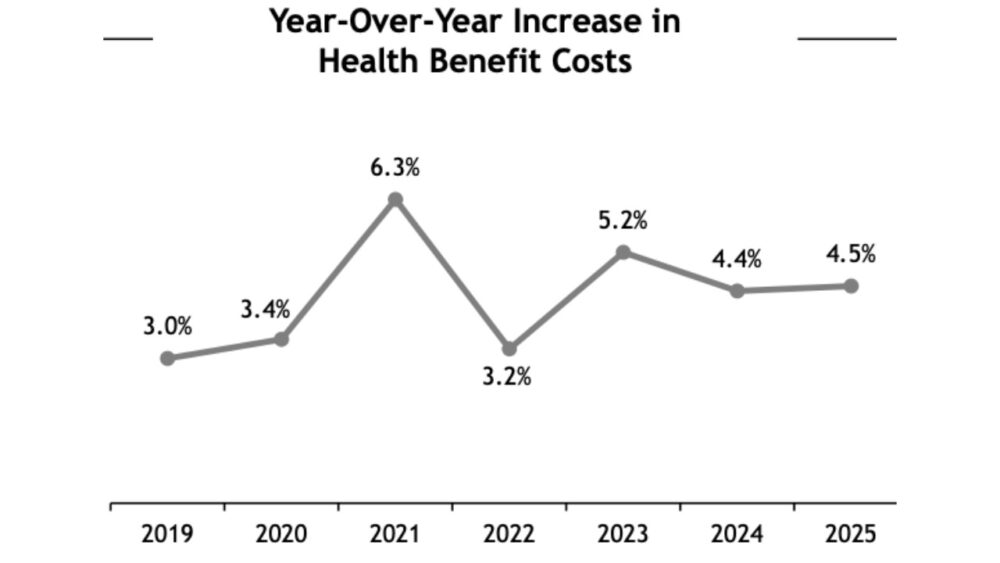
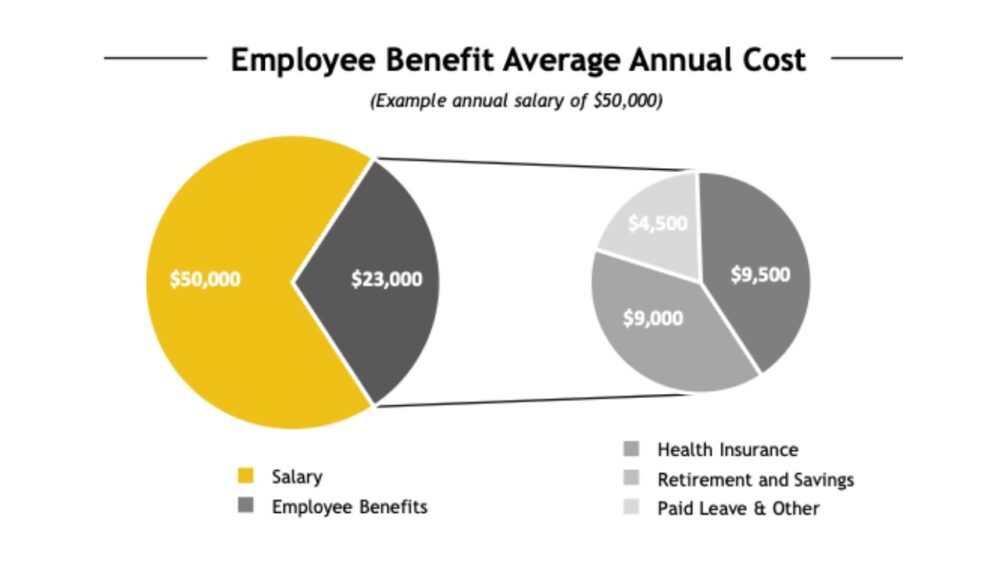
The challenge extends beyond hiring. Employee benefits are taking up more of what companies spend on workers, driving up costs for operators.
Hyde Park Capital, a Tampa-based investment bank, said in a recent market report that benefits now account for about 32% to 33% of total compensation for private industry workers, driven largely by healthcare costs.
That increase makes it harder for smaller operators to match the benefits offered by larger healthcare systems.
Frechette said many assisted living facilities are independently owned and lack the scale to offer the same level of benefits as hospital systems. That gap contributes to turnover and forces operators to look for ways to strengthen their offering without building out full HR departments.
READ: TAMPA BAY REAL ESTATE NEWS
Paychex positions its professional employer organization model as one solution. The platform combines payroll, compliance, HR advisory services and access to benefits into a single system.
“We allow a smaller business to look and feel like a Fortune 500 company,” Frechette said.
The company said its internal data show that clients using a PEO can reduce turnover by about 20% because access to benefits and HR support improves workforce stability.
Demand for those services is growing. Hyde Park Capital estimates the global third-party administrator market at $517.8 billion in 2025, reaching nearly $690 billion by 2030, as employers look for help managing plan complexity, compliance and rising costs.
Florida and private equity drive demand
Florida has become a key market for that shift. Frechette said 43% of businesses in the state use a PEO, reflecting both the structure of the local economy and the concentration of senior living facilities tied to population trends.
Ownership of assisted living facilities is also shifting. Private equity firms continue to acquire assisted living portfolios and often look for centralized systems to manage operations across multiple locations.
“That’s absolutely true,” Frechette said of private equity’s growing role. “They often turn to a PEO because it’s extremely turnkey.”
READ: TAMPA BAY BUSINESS NEWS
Hyde Park Capital noted that merger and acquisition activity in the benefits and administration sector slowed in 2025 amid higher interest rates and tighter underwriting, though long-term demand remains tied to rising healthcare costs and administrative complexity.
Even with expanded use of outsourced services, operators and providers continue to face cost pressure. Frechette said healthcare and workers’ compensation claims continue to rise each year, affecting both employers and service providers.
“The claims are real and continue to skyrocket in terms of expense and number every single year,” he said.
For assisted living operators, the issue comes down to workforce stability. Facilities need enough staff to meet demand and benefits that keep workers from leaving. As Florida’s population continues to age, that pressure is expected to continue.
Stay Informed
Stay up to date on Tampa Bay business news, executive profiles and the companies shaping the region.