
As Ybor City absorbs new investment, rising rents and the loss of longtime venues like Crowbar, Tampa developer Josh Pardue is betting Ybor’s growth depends on preserving the bars, music venues and gathering places that made the neighborhood recognizable in the first place.
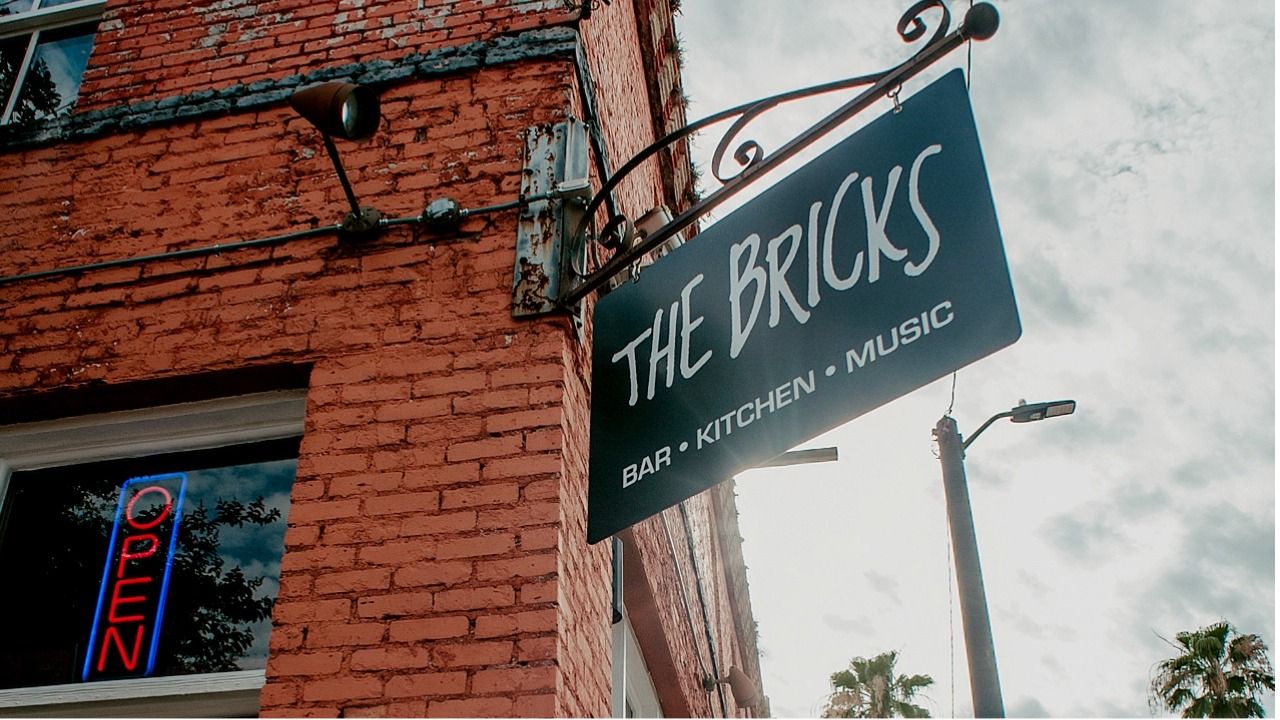
Pardue and his team are renovating The Bricks, the longtime bar and live music venue at East 7th Avenue and North 14th Street, as part of a push to build a more neighborhood-driven version of West Ybor around live music, hospitali ty, adaptive reuse and smaller local operators.
“Ybor’s history is part of its identity, and that should never be lost,” Pardue said during a recent tour of the property. “You can introduce new concepts and new energy while still honoring the authenticity and culture that have defined this neighborhood for generations.”
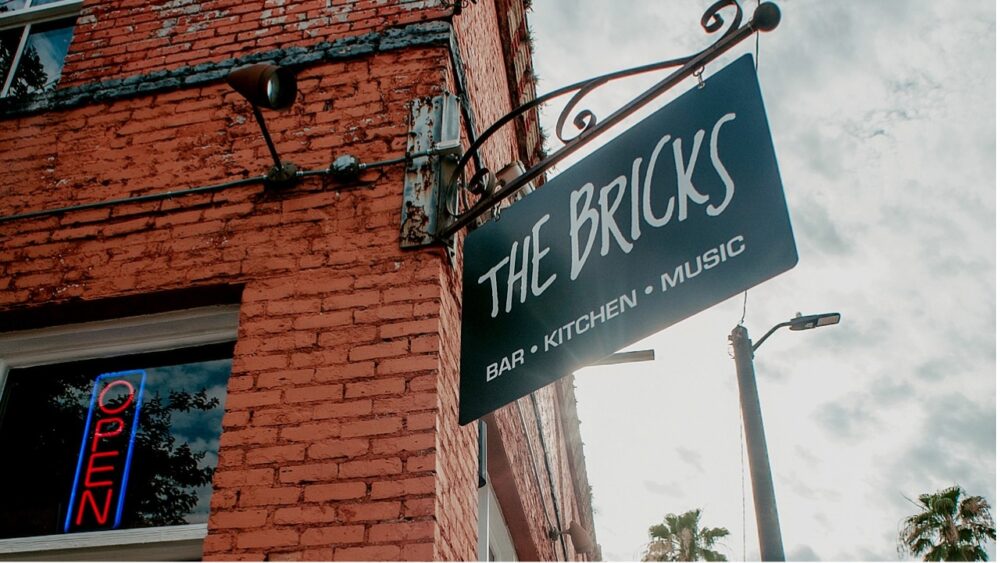
The Bricks opened roughly 15 years ago through a partnership involving Skatepark of Tampa founder Brian Schaefer and became known as a skater-oriented neighborhood bar with local music and an eclectic crowd. Pardue’s group acquired the business in recent years and has begun renovating the building without stripping away the identity that made it a longtime neighborhood fixture.
Pardue said venues like The Bricks, Bernini and Crowbar helped define Ybor long before the latest redevelopment wave reached the district. He said replacing legacy venues with higher-rent concepts would be easier and more profitable as property values continue climbing across Ybor.
“It’s a lot easier to shut down the business and put in all these new concepts,” Pardue said. “I’m trying to help some of the institutions stay.”
Read the latest Tampa business news and updates
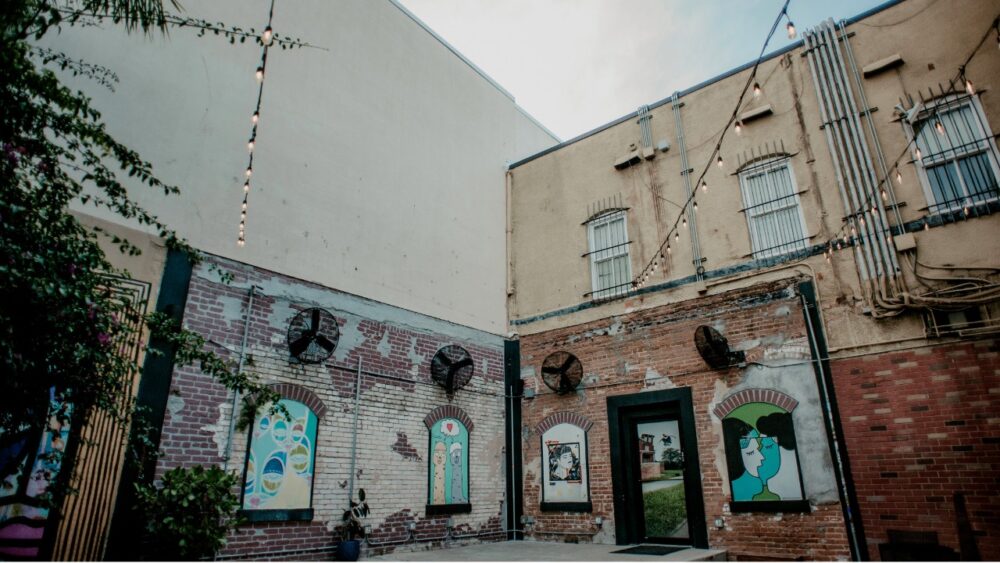
The renovations include roof and air-conditioning upgrades, exterior restoration and courtyard improvements as the venue expands live music programming several nights a week. Pardue said the bar regularly hosts DJs and live acts across indoor and outdoor performance spaces as it shifts from its original skater-bar roots into a broader live music and neighborhood destination.
“You build hospitality and the culture first, and then you start fixing the infrastructure,” Pardue said. “It’s how you make people feel that actually matters.”
West Ybor has drawn increasing investment in restaurants, housing and entertainment concepts beyond the neighborhood’s traditional nightclub core.
As investment spreads through West Ybor, Pardue increasingly compares the area to transitional neighborhoods in New York that evolved from nightlife districts into walkable mixed-use corridors with restaurants, housing and smaller local businesses. He described the area west of 15th Street as quieter, more residential and more centered on restaurants and neighborhood businesses than the nightclub-heavy sections farther east.
“The idea is to keep these little neighborhood vibes,” he said.
Pardue said Ybor needs more balance between nightlife, restaurants, housing and daytime activity rather than a district dominated by bars alone.
“You need five tattoo shops, not 15,” he said. “You need balance in the neighborhood.”
Rising property values and higher operating costs have squeezed longtime businesses across Ybor, including independent music venues and bars. Crowbar, one of Ybor’s best-known live music venues, recently closed after years as a staple of Tampa’s local music scene.
Read the latest Tampa Real Estate news and updates
Pardue said Crowbar’s closure showed how difficult it has become for independent venues to survive given rising costs, but remains optimistic the new people moving to Ybor, based on new housing delivery, will help balance this out.
“It was really sad to see that go,” he said. “I believe both small and large venues should be able to thrive in the coming chapters of Ybor. We are excited to be promoting live music and DJs at the Bricks as well, Thursday – Sunday.”
Pardue said higher borrowing costs, insurance expenses and rising property values have made hospitality projects increasingly difficult to sustain, especially for smaller independent operators.
Pardue argued that restaurants, bars and music venues create the foot traffic and street activity that make urban neighborhoods more valuable over time.
“The people and the culture first,” Pardue said. “It’s how you make people feel.”
Pardue said he prefers recruiting local operators and smaller regional concepts instead of national chains because those businesses create more street activity and give the area more character than corporate tenants.
“In an ideal scenario, you get best-in-class local operators for all these different things,” he said. “I’d rather have someone with five locations from Miami or New York than another national chain.”
Pardue said investors and operators from cities like New York and Miami often recognize Ybor’s trajectory immediately because they have seen similar neighborhoods evolve elsewhere.
“They look around and immediately understand it,” Pardue said. “They see the architecture, the culture, the live music, the wrought iron, the walkability.”
Some newer businesses in West Ybor are already drawing customers who come to the area for the broader neighborhood experience rather than a single stop.
Pardue pointed to wellness businesses, rooftop bars and destination retail concepts as examples of the types of businesses increasingly entering West Ybor as the area expands beyond late-night entertainment into a more all-day neighborhood economy.
Pardue said redevelopment loses value if Ybor stops feeling distinct from every other growing entertainment district.
“You want the neighborhood to grow,” Pardue said. “But you also want people to still recognize it.”
Read More Tampa Bay Business News
Explore the latest Tampa Bay business news, real estate deals, development projects, executive moves and company updates shaping the region.