
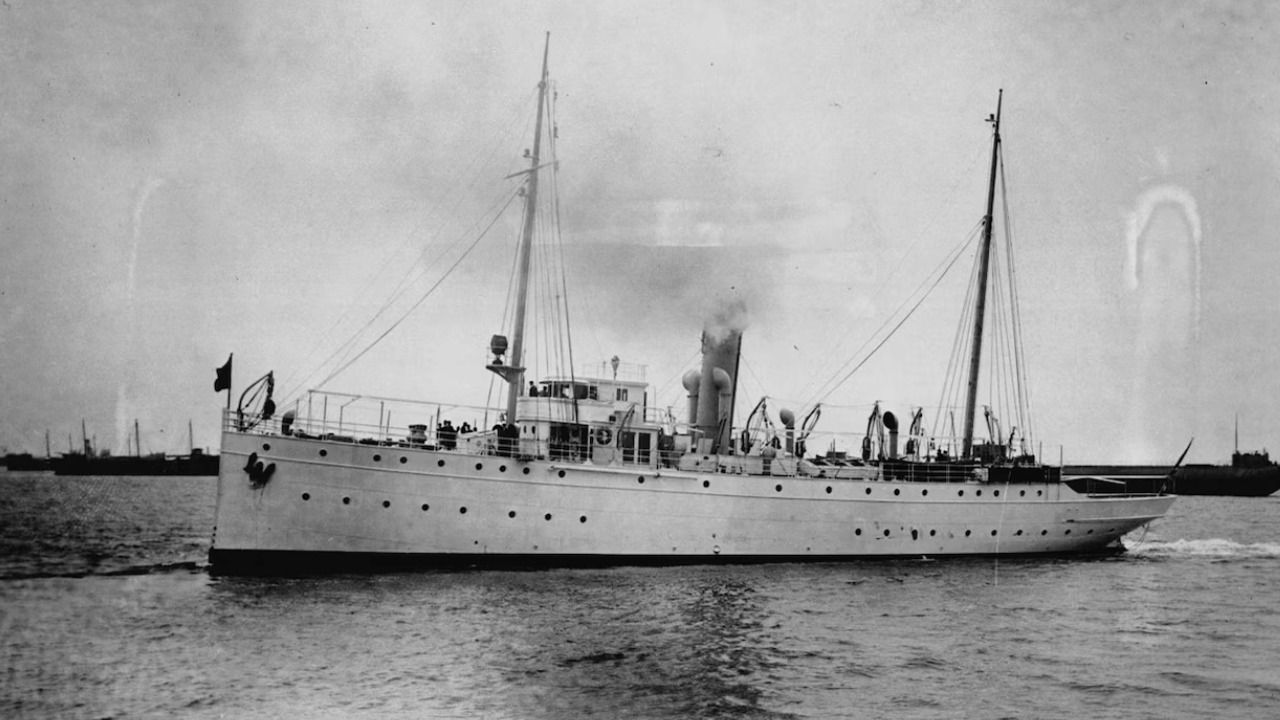
The wreckage of the U.S. Coast Guard Cutter Tampa, lost in World War I, has been located roughly 50 miles off Newquay, Cornwall, United Kingdom, resting more than 300 feet below the surface after being torpedoed in the Bristol Channel, taking 131 lives—the largest single American naval combat loss of the war.
The crew included 111 Coast Guardsmen, four U.S. Navy personnel and 16 British sailors and civilians.
“Locating the wreck connects us to their sacrifice and reminds us that devotion to duty endures,” Adm. Kevin Lunday, Coast Guard commandant, said. “We will always remember them. We are proud to carry their spirit forward in defense of the United States.”
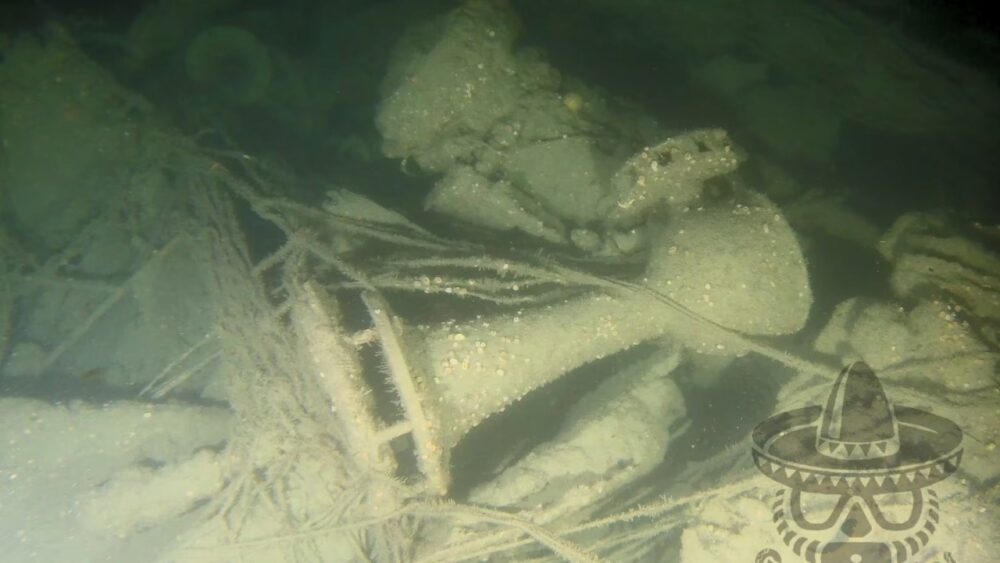
The discovery follows a three-year volunteer search that began in 2023 when the Gasperados team contacted the Coast Guard’s Historians Office. Using archival photos of deck fittings, the ship’s wheel, bell and weaponry, the team confirmed the wreck’s identity.
“We provided the dive team with historical records and technical data to assist in confirming the wreck site,” said Dr. William Thiesen, Atlantic Area Historian.
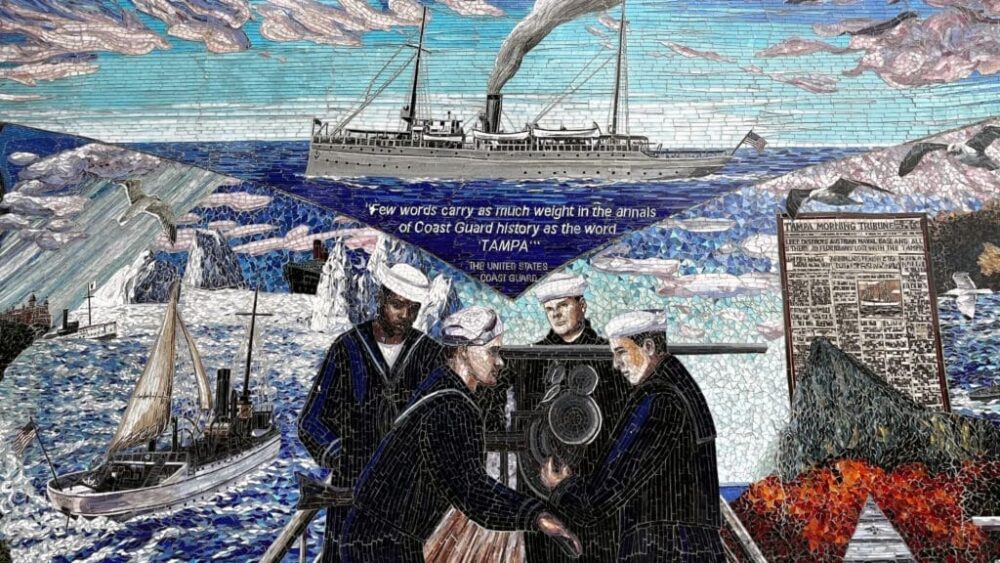
In Tampa Bay, the discovery revives the memory of the cutter and its crew, a connection preserved in a mosaic mural outside the Tampa Bay History Center that celebrates the ship and the city that lent it its name.
Historian Rodney Kite-Powell said, “Though too late for the immediate family members of those lost on the Tampa, this discovery provides a sense of closure to the descendants of the ship’s crew and its passengers as well as to the city that gave the ship her name.”
Before being renamed Tampa in February 1916, the cutter was launched as Miami on February 10, 1912. In its early years, it enforced navigation and fishing laws, assisted mariners and participated in the city’s Gasparilla Pirate Festival, becoming a familiar presence at local celebrations.
From 1913 to 1916, the cutter conducted ice patrols off the Grand Banks of Newfoundland, locating and charting icebergs in the aftermath of the Titanic disaster.
After the United States entered World War I in April 1917, the Coast Guard was transferred to the Navy for wartime service. The Tampa, refitted with heavy armament and commanded by Captain Charles Satterlee, was tasked with protecting Allied convoys en route to Great Britain.
The cutter operated continuously, at sea half of each month and averaged more than 3,600 miles while escorting merchant vessels through dangerous waters.
On September 26, 1918, while escorting a convoy to Milford Haven, Wales, the Tampa was attacked and sunk by a German submarine, resulting in the loss of all hands.
Among those killed were 24 men from the Tampa Bay Area, including three sets of brothers and two cousins. The crew was posthumously awarded the Purple Heart in 1999 for their sacrifice.
The Coast Guard is now coordinating underwater research and exploration that will involve experts in robotics, autonomous systems, historical preservation and dive operations.
The effort is intended to honor the Tampa’s crew while advancing knowledge of maritime history. More than a century later, the discovery reconnects the community with the sacrifice of those aboard and reinforces the Coast Guard’s mission to protect the nation’s shores, ports and waterways.
Read More Tampa Bay Business News
Explore the latest Tampa Bay business news, real estate deals, development projects, executive moves and company updates shaping the region.