
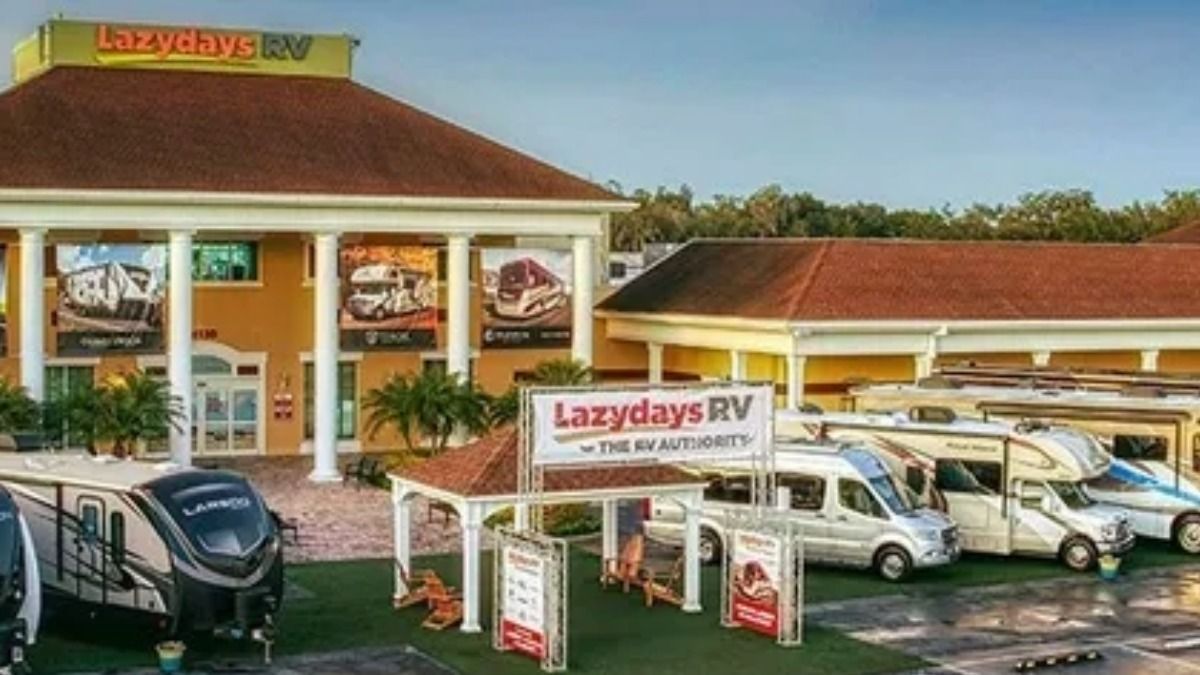
Tampa-based Lazydays Holdings Inc., one of Florida’s most recognized RV retailers, announced plans to voluntarily delist its stock from the Nasdaq Capital Market by November 28, 2025, following its previously approved asset sale to Campers Inn Holding Corporation.
For nearly five decades, Lazydays has been a fixture in the recreational vehicle industry, not only as a dealership but as a symbol of the Florida RV lifestyle.
This latest move signals the end of an era for the company and reflects a larger story about how market pressures and consolidation are reshaping family-founded businesses in Tampa Bay.
SIGN UP FOR TBBW’S FREE NEWSLETTER
The announcement highlights both the immediate impact on local investors and the RV industry, as well as the broader challenges mid-cap public companies face in sustaining long-term growth in today’s market.
What happened
On November 7, Lazydays Holdings Inc. (NasdaqCM: GORV) announced its intention to voluntarily delist its common stock from the Nasdaq.
The company will file a Form 25 with the Securities and Exchange Commission around November 17, with the delisting expected to take effect on or about November 28.
This decision follows the company’s October 6 Asset Purchase Agreement with affiliates of Campers Inn Holding Corporation. Lazydays shareholders approved both the Asset Sale and a Plan of Liquidation and Dissolution on October 14.
The sale will occur in a series of site-by-site closings between November 17 and November 26.
READ: USF reveals new renderings of Football Operations Center
Once the sale is complete, Lazydays will cease operations and dissolve its remaining assets and liabilities. The company stated that shareholders are not expected to receive any return after repayment of secured and unsecured creditors.
According to Lazydays, the decision to delist and dissolve came after an exhaustive review of strategic alternatives. The company cited substantial operating losses, limited cash resources and an inability to generate sufficient cash to operate as an independent going concern.
In short, the sale and delisting are the final steps in winding down a company that, after decades of dominance in the RV sales and service industry, could no longer sustain itself as a public entity.
What’s happening now
If the transaction proceeds as scheduled, Lazydays’ Nasdaq ticker (GORV) will cease trading by the end of November, with no plans to re-list or trade over the counter.
The acquiring company, Campers Inn RV, which is already one of the nation’s largest family-owned RV dealer networks, is expected to integrate Lazydays’ locations into its portfolio.
READ: PNC targets Tampa Bay in $2B branch expansion
For Tampa Bay, this means a significant local employer and public brand will transition under out-of-state ownership, marking both a strategic consolidation in the RV industry and a symbolic exit for one of the region’s few publicly traded consumer brands.
What this means for you
For Tampa Bay investors, the Lazydays delisting represents more than the closure of a company. It is a cautionary tale about the financial realities of niche public listings in today’s capital markets.
Lazydays’ story reflects a familiar arc in regional business evolution:
- High growth through legacy and brand trust
- Market expansion through acquisitions
- Margin compression and debt pressure
- Eventual consolidation into a larger corporate structure
For local business leaders, the takeaway is clear: access to public markets does not guarantee longevity. Sustained capital access, operational efficiency and adaptability are critical for companies competing against national players with deeper liquidity.
READ: USF’s $750M Fletcher district gets green light
For Tampa’s economic ecosystem, the company’s departure also removes one of the area’s longstanding public market symbols, a reminder that maintaining visibility and investor confidence requires not only scale but strategic agility.
Takeaway
Lazydays’ exit from Nasdaq marks the closure of a major chapter in Tampa Bay’s business history and reflects the consolidation sweeping through America’s specialty retail landscape.
For nearly 50 years, the company helped shape the region’s reputation as a hub for RV culture and travel innovation.
As Campers Inn assumes control, the Lazydays brand may live on, but its public legacy and its shareholders will fade into the archives of Tampa Bay’s business story.
Stay Connected
Follow TBBW on social media