
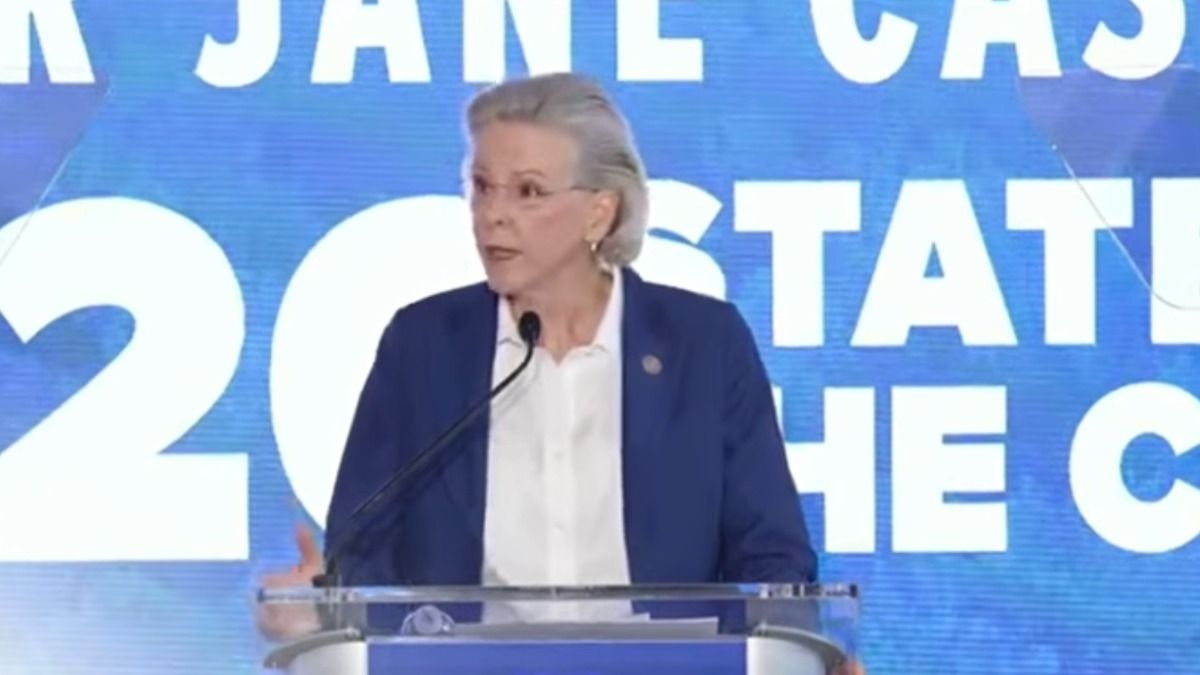
Tampa has committed more than $3 billion to water and wastewater infrastructure while permitting nearly $22 billion in development since 2019, Mayor Jane Castor said Tuesday, saying the spending will keep growth from outpacing infrastructure.
Speaking during her 2026 State of the City address, Castor pointed to housing supply, infrastructure upgrades and continued economic growth as signals the city has entered a phase where systems must keep up with demand.
The city has replaced 78 miles of aging water lines and rehabilitated more than 210 miles of wastewater lines, replacing systems that were nearly a century old. In addition, Tampa is building a water treatment facility to remove harmful chemicals, cut costs and improve water quality. The facility is expected to save more than $2 million a year and will be among the largest of its kind.
Castor said those investments keep systems running and avoid failures that disrupt neighborhoods and raise costs.
“This work may be underground, but it’s what it looks like when a city is built to last,” she said.
The city plans to complete another 17 miles of water and wastewater upgrades in the coming year, along with additional improvements to treatment plants.
Development pipeline expands
Tampa’s development continues to expand, with more than 23,000 residential units added since 2019 and additional projects underway.
The city has invested $100 million in housing programs, including down payment assistance, rehabilitation funding and workforce housing initiatives. More than 8,300 affordable units are completed or underway.
Projects in north downtown, East Tampa and the Water Street district are reshaping the urban core. A redevelopment of the Army Navy site will add more than 1,100 units, including workforce housing, while Robles Park is expected to deliver nearly 2,000 mixed-income units.
Castor said housing policy must support stability as demand rises.
“This isn’t just about buildings,” she said. “It’s about making sure people can stay, work, build and grow here.”
Transportation remains key constraint
Transportation remains the city’s biggest constraint as development continues to outpace long-term transit solutions.
Since 2019, Tampa has resurfaced more than 310 miles of roads, repaired over 100 miles of sidewalks and added 56 miles of bike infrastructure. Major transit projects remain in planning.
The city is advancing plans to extend the TECO streetcar into Tampa Heights and is exploring a regional connection linking downtown, Westshore, Tampa International Airport and the stadium district. The city is also expanding ferry service across Tampa Bay.
“There’s a growing consensus that a transit solution… will be one of the most impactful tools we have to protect our quality of life from congestion,” Castor said.
The loss of the All for Transportation funding source continues to shape long-term planning, although the city has continued to move projects forward through alternative funding.
Infrastructure expands to stormwater and resilience
The city has also committed hundreds of millions of dollars to stormwater systems, including drainage, pumping stations and flood protection projects.
One of the largest efforts, the South Howard project, is designed to protect businesses and homes in flood-prone areas of South Tampa, where repeated flooding has affected operations and property values.
Economic base broadens
Tampa’s economy is growing across logistics, tourism and small business formation.
Port Tampa Bay generates a $34.6 billion economic impact and supports more than 192,000 jobs, while Tampa International Airport continues to expand nonstop service. Universities across the region are preparing students for workforce demand tied to finance, healthcare and technology sectors.
Castor said small businesses remain central to the city’s economy.
“Small businesses create jobs, support families and bring life to our neighborhoods,” she said.
Public safety and fiscal position
The city reported a 21.4% reduction in crime over the past year, with both violent and nonviolent crime rates at their lowest levels in decades.
Castor said the decline reflects community policing, technology investments and coordination across departments.
Tampa also maintains one of the highest bond ratings among comparable cities and retains borrowing capacity to continue funding infrastructure and development projects.
East Tampa investment signals direction
Castor delivered the address at the new $34 million Fair Oaks Recreation Complex, a project in East Tampa that reflects a broader focus on neighborhood investment.
“When cities invest in neighborhoods, families want to live nearby and businesses want to open,” she said.
The location highlights a policy approach that ties large-scale growth to targeted investment in areas that have historically received less attention.
Next phase hinges on execution
Castor’s address focused on scaling existing efforts rather than introducing new initiatives.
Tampa has established itself as a destination for business expansion and population growth. The next phase will depend on whether infrastructure, housing and transportation capacity can keep pace with the demand the city has already created.
“We’re not done,” Castor said. “We’re going to keep investing, keep building and keep moving forward.”
Read More Tampa Bay Business News
Explore the latest Tampa Bay business news, real estate deals, development projects, executive moves and company updates shaping the region.