
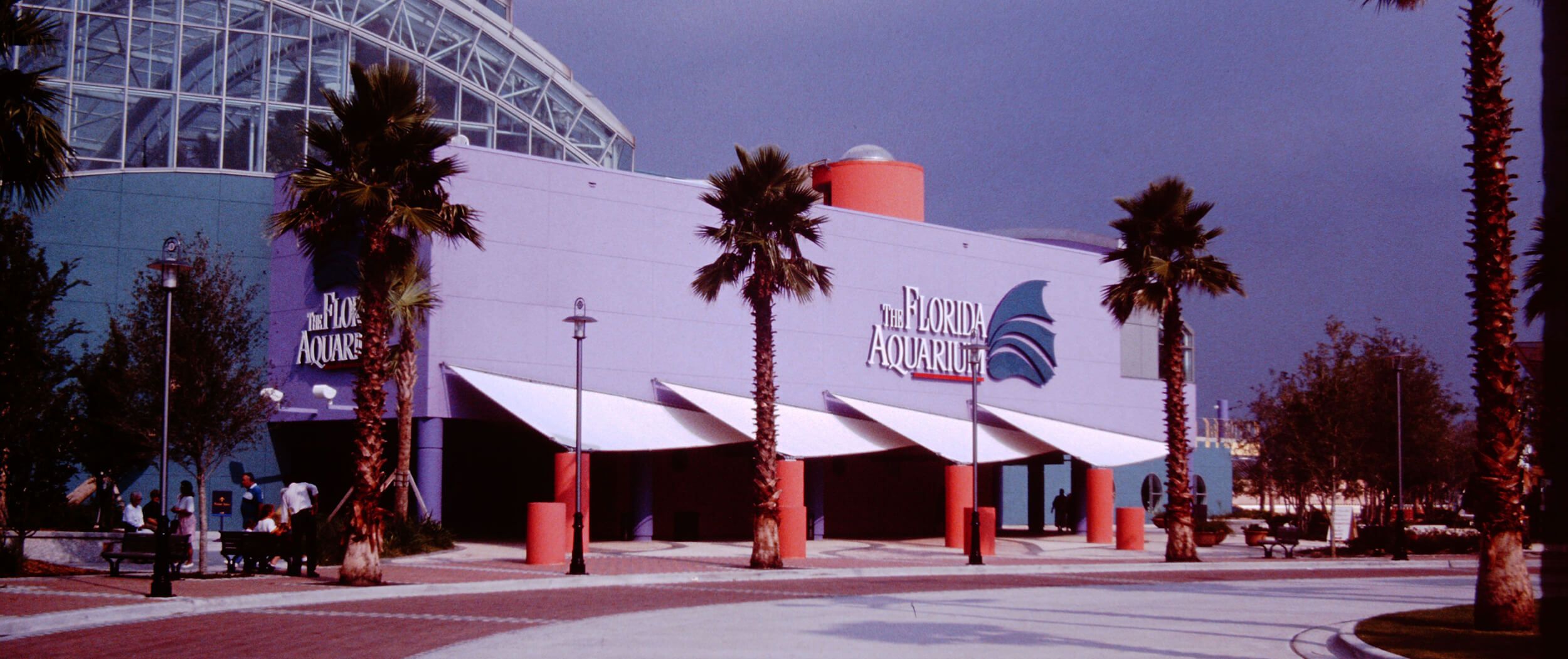
When The Florida Aquarium opened on Tampa’s waterfront in March 1995, visitors arrived at the edge of downtown, not in the middle of a thriving neighborhood. The Tampa Convention Center had opened five years earlier, but beyond it stood warehouses, port facilities, industrial buildings and acres of surface parking. The Ice Palace, now Benchmark International Arena, was still more than a year away.
What is now one of the country’s largest urban redevelopment projects consisted largely of disconnected civic destinations surrounded by infrastructure designed to move cars and cargo rather than people. Three decades later, that same stretch of waterfront has become Water Street Tampa, a neighborhood of hotels, apartments, office towers, restaurants, medical facilities and public gathering spaces that welcomes millions of visitors each year, with The Florida Aquarium now sitting near its center.
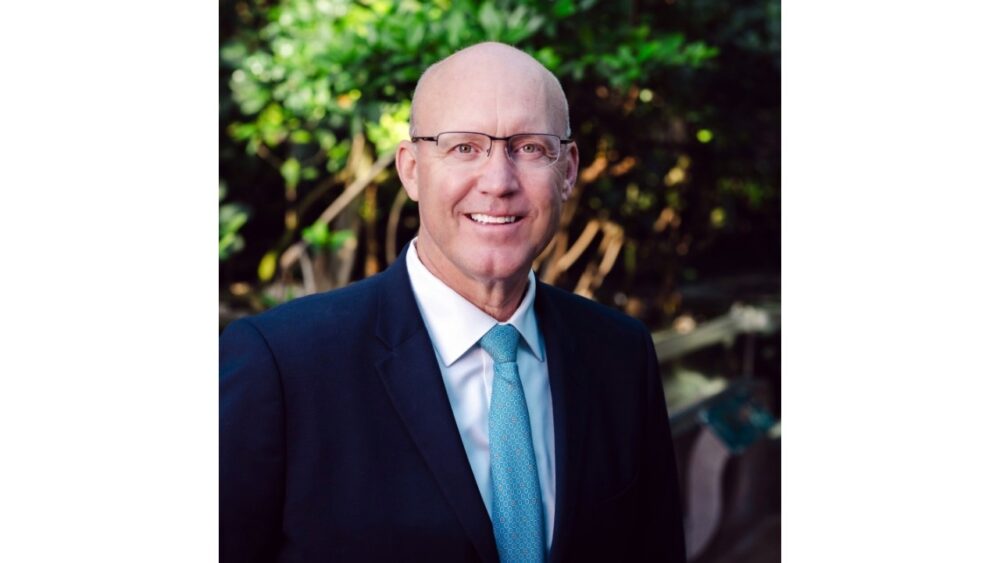
Roger Germann, the president and CEO of the aquarium, believes the institution helped make that transformation possible, and he often returns to a conversation with Tampa Bay Lightning owner Jeff Vinik that took place before Water Street existed as either a master plan or a construction site.
“He sat over there at the arena and looked east and said, ‘Hey, there’s a world-class aquarium over there,'” Germann said. “He saw that vision of why you would build Water Street.”
When Tampa established the Channel District CRA in 2004, officials were attempting to reverse decades of decline in what planning documents repeatedly described as an aging industrial warehouse district.
The city’s Finding of Necessity concluded that 63% of buildings were deteriorated, dilapidated or terminal, while 83% were more than 40 years old. 77% of surveyed properties exhibited excessive maintenance problems, 30% had histories of code enforcement violations and officials cited “general economic distress resulting in a diminished tax base and tax revenues.”
The report also described aging water, wastewater, and stormwater infrastructure with “questionable capacity for new development,” an obsolete street network that no longer accommodated modern vehicular or pedestrian traffic, fragmented property ownership, inadequate parking, potential environmental contamination, and a shortage of sidewalks, parks, and other public amenities.
During public hearings, one property owner reminded City Council that the Channel District had “always been a warehouse district,” adding that many streets “never had sidewalks to begin with,” before describing a future in which people could “live, work, shop and play.”
Fourteen years later, Strategic Property Partners unveiled Water Street Tampa with an initial master plan calling for more than 9 million square feet of residential, office, hospitality, educational, entertainment and retail space across roughly 50 acres, including 1,500 residences, approximately 50 retailers and restaurants, two luxury hotels and the first new downtown office towers in nearly a quarter century.
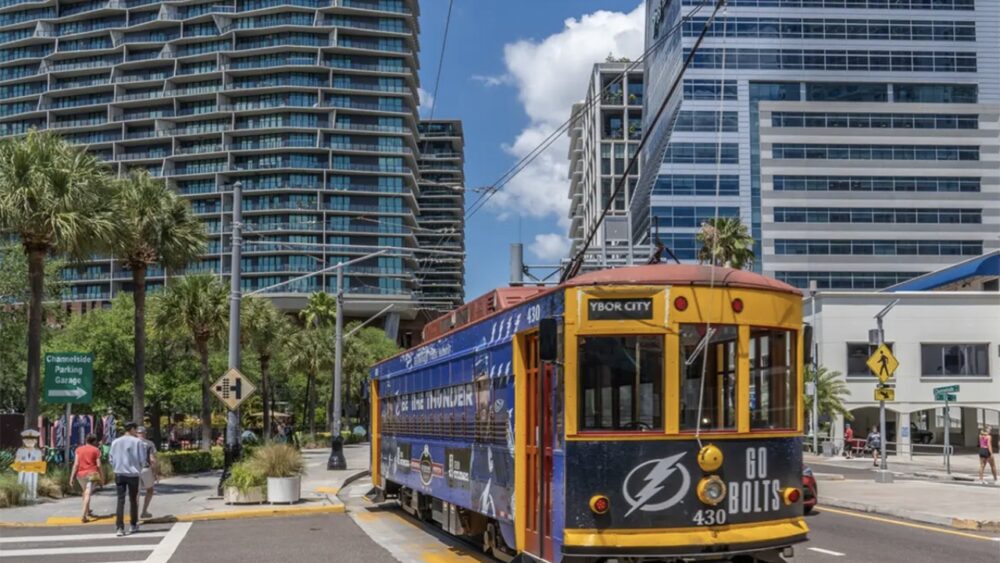
Even as it introduced an entirely new neighborhood, the company highlighted institutions that already occupied the waterfront, including then Amalie, now Benchmark International Arena, the Tampa Convention Center, The Florida Aquarium and the University of South Florida’s Morsani College of Medicine.
Before joining The Florida Aquarium in 2017, Germann spent years in Chicago, where institutions such as the Shedd Aquarium, the Field Museum and the Art Institute had become inseparable from the city’s identity.
“I saw what happened in Chicago when anchors like the Shedd Aquarium, the Art Institute and the Field Museum were so much part of the driving fabric to create a world-class city,” Germann said. “When I came here, I said, ‘We’re making no little plans at The Florida Aquarium.’ We’re going to build a world-class aquarium that will help attract and put Tampa and Tampa Bay on the map.”
His first drive to work passed the convention center, then Amalie Arena, a temporary Ferg’s, gravel lots and little else before ending at the aquarium. Today the same route winds through Water Street, Sparkman Wharf, new apartment towers, hotels, office buildings and the expanding medical district before reaching the aquarium.
“My drive nearly doubled,” Germann said with a laugh. “I probably went from six minutes to 12 minutes. But the city skyline has just changed dramatically.”
“I think it’s a symbiotic relationship,” Germann said. “We benefit from our growth, but we’re also a driver for why people would want to come here.”
He said downtown’s growing residential population has begun changing how people think about the aquarium.
“We’ll see people say, ‘Hey, that’s my aquarium.’ They’ll wake up in the morning, grab a stroller and walk over because they live around the corner,” Germann said. “The other part of that is the work-life-play balance. With more restaurants, more people are coming downtown and saying, ‘Oh, there’s an aquarium.'”
The aquarium has also become part of how other institutions describe downtown Tampa. Tampa General Hospital includes it in presentations used to recruit physicians, researchers and life sciences companies to the Tampa Medical and Research District.
“They use us in a good way as part of the narrative,” Germann said. “You want to relocate your business here. You want to build this world-class medical district, and you have The Florida Aquarium that’s kind of in your neighborhood.”
Two decades after the CRA was established to reverse blight in the Channel District, it committed $15 million toward the aquarium’s $44 million expansion, with the aquarium raising the remaining funding through private philanthropy and corporate contributions.
The project represents the first comprehensive modernization of the aquarium since it opened in 1995, but Germann said the goal extends beyond adding new exhibits. The first phase converted former event space into the Mosaic Special Exhibit Hall, allowing the aquarium to host rotating traveling exhibitions instead of offering the same experience year after year. The second phase transformed underused second-floor space into a nationally recognized tide pool gallery, while construction beginning after Labor Day will add the country’s first two-story puffin habitat. A separate outdoor expansion will bring California sea lions, expanded penguin habitats and new presentation spaces by late 2028.
“It’s the first time that we’ve really taken, since we opened our building, a comprehensive look at the facility,” Germann said. “Once that whole entire project is completed, it’s transformational. It speaks to a world-class aquarium that this community deserves. It’s our responsibility to deliver on that.”
Since Germann arrived in 2017, annual attendance has grown from about 800,000 visitors to more than one million. He expects the completed expansion to establish a new baseline of roughly 1.1 million visitors a year.
Attendance growth has expanded the aquarium’s economic role beyond its own walls. A 2024 analysis by the Tampa Bay Regional Planning Council estimated that about 45% of aquarium visitors travel from outside the Tampa Bay area. Those visitors spent an estimated $83.8 million in Hillsborough County during 2023 on hotels, restaurants, transportation, shopping and other purchases associated with their trips, generating roughly $100.1 million in total economic output across the county.
Germann doesn’t believe downtown has reached the residential density envisioned for the district, leaving room for both the neighborhood and the aquarium to keep growing together.
“I think our best days are still ahead of us,” Germann said. “It’s still getting started.”
Read More Tampa Bay Business News
Explore the latest Tampa Bay business news, real estate deals, development projects, executive moves and company updates shaping the region.